
























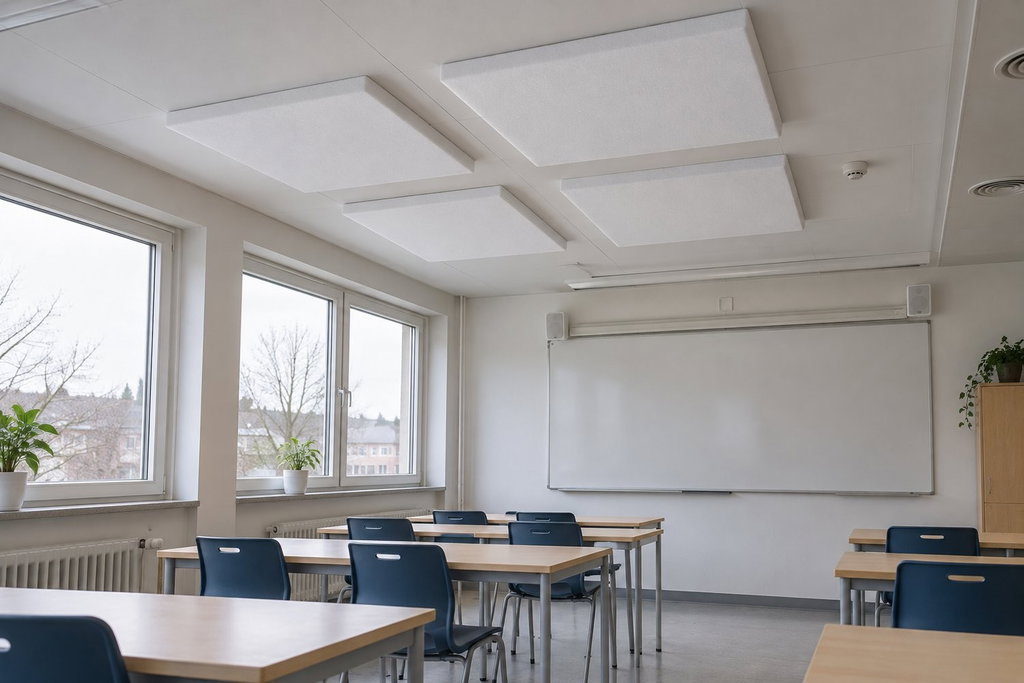
Sound-absorbing and sound-insulating products for school environments – create a better learning environment
The acoustic environment in schools has a direct impact on students’ learning, concentration, and well-being, as well as on staff working conditions. Classrooms, cafeterias, hallways, and gyms are often environments with high noise levels, hard surfaces, and many simultaneous sound sources. To create a functional and safe school environment, well-thought-out solutions for sound absorption, sound insulation, and, where necessary, vibration damping are required.
The difference between sound absorption, sound insulation, and vibration damping
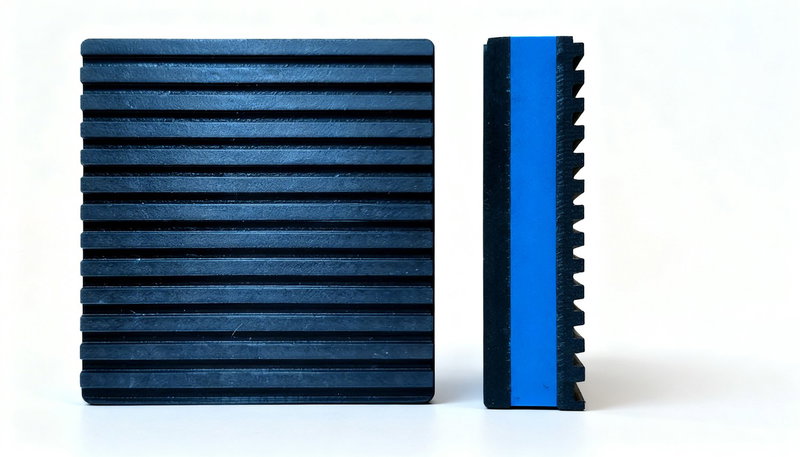
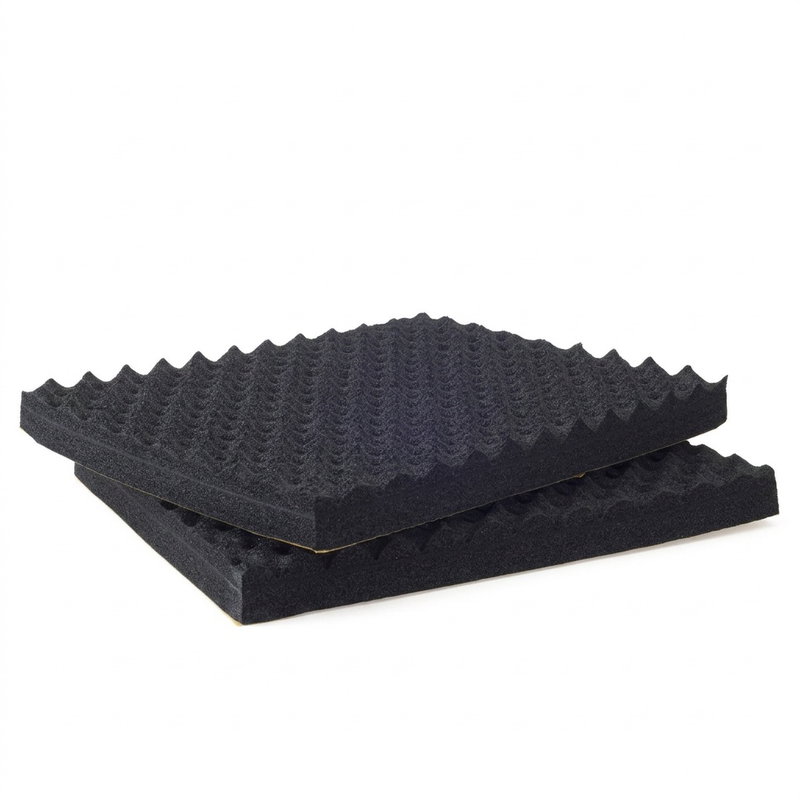
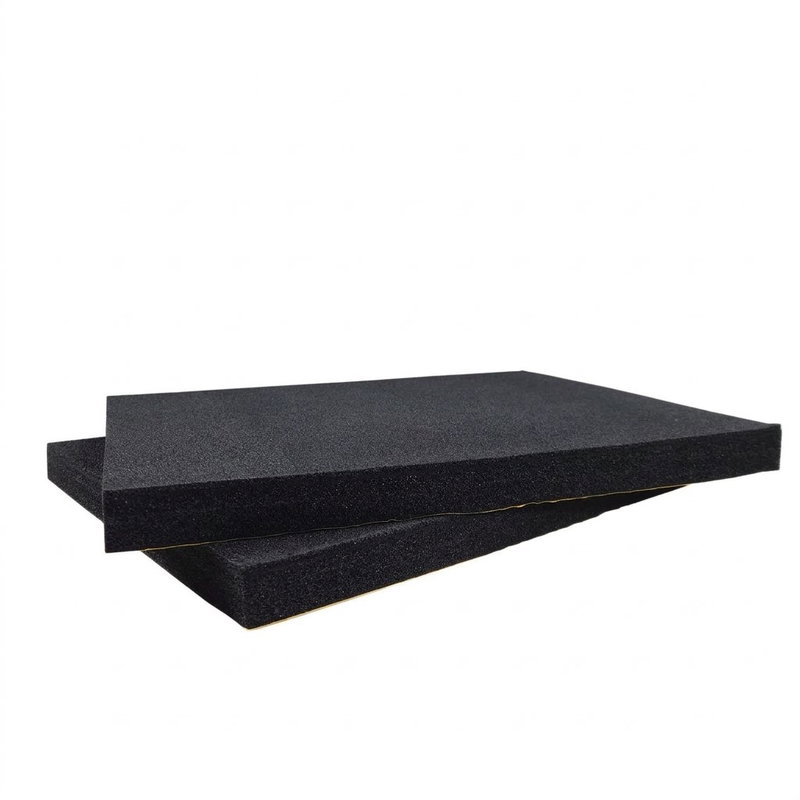
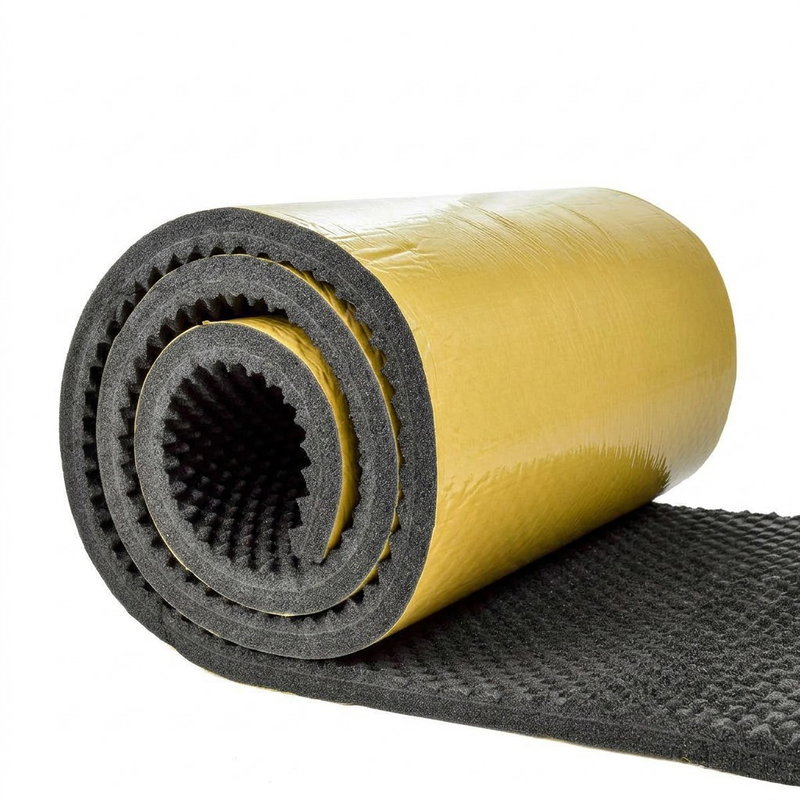
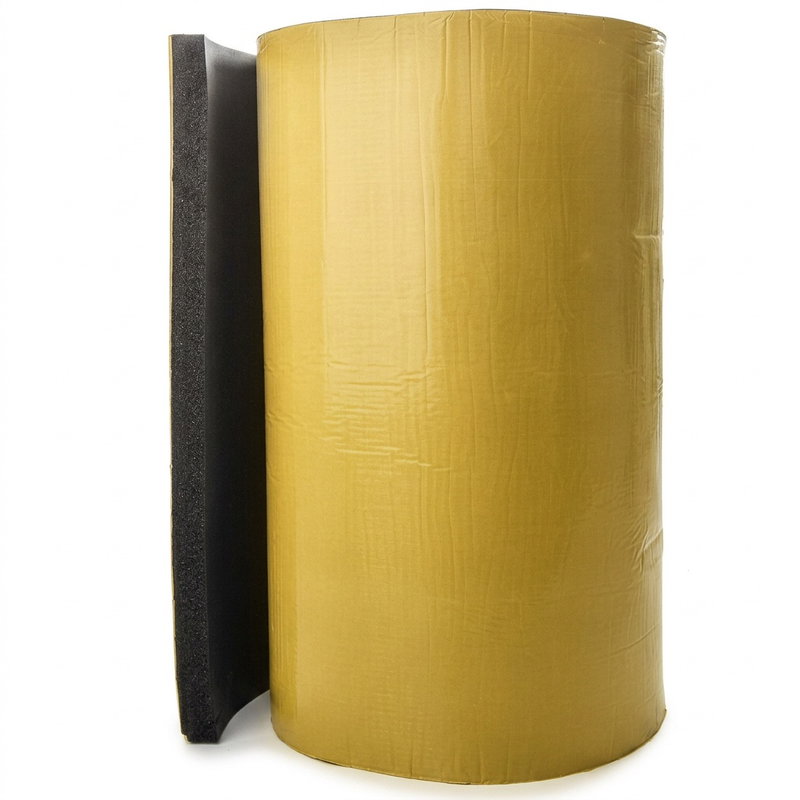
Sound absorption is used to reduce echoes and reverberation in a room. By adding absorbent surfaces to walls, ceilings, curtains, or room dividers, sound waves are captured, resulting in better speech intelligibility and a lower perceived noise level. Sound insulation, on the other hand, is intended to block sound between different rooms, such as between classrooms, hallways, the cafeteria, and the gym. Vibration damping is used when sound is transmitted through the building’s structure—for example, from machinery, ventilation systems, or technical equipment—and reduces structure-borne noise.
Common noise problems in school environments
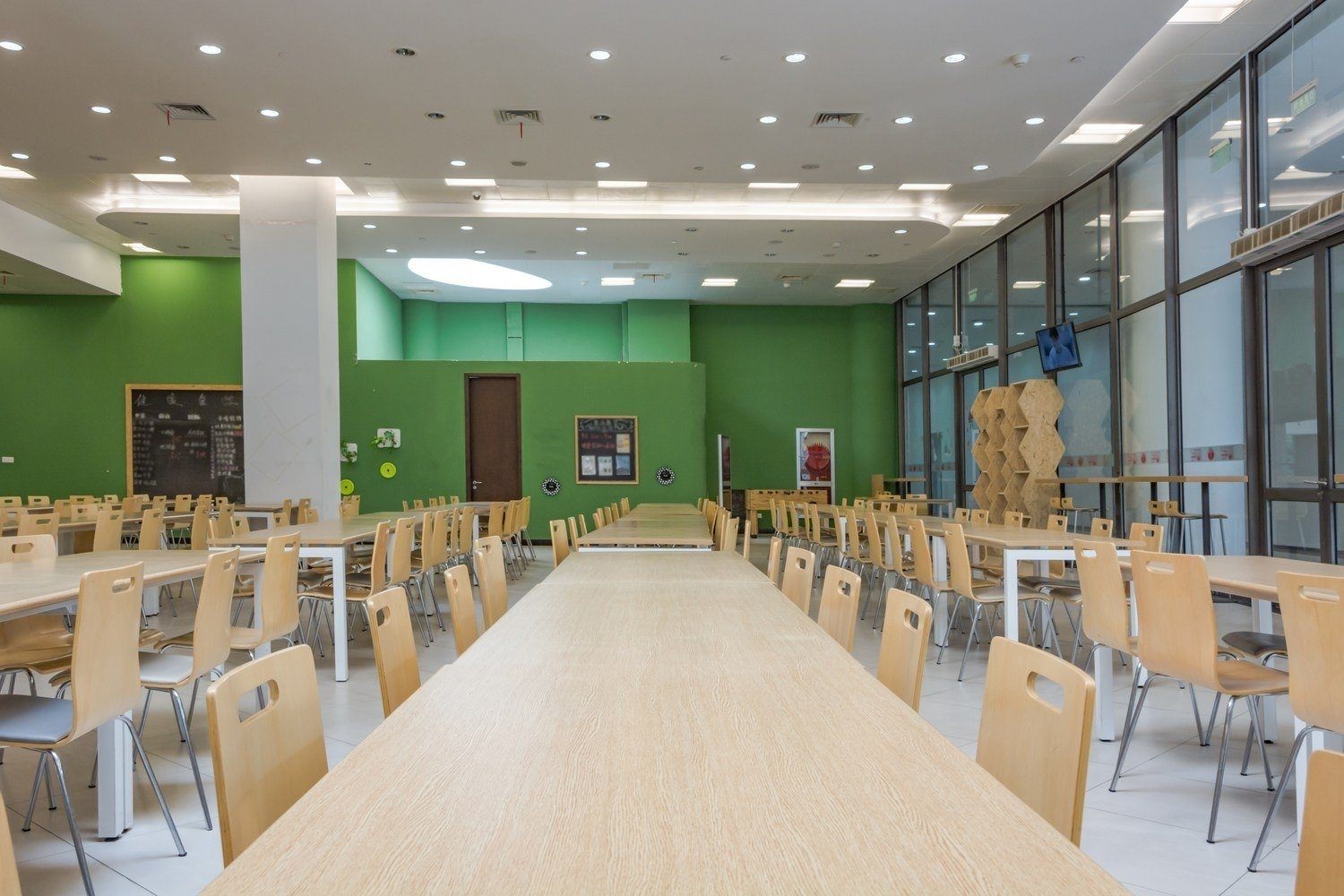
Schools often experience problems with long reverberation times in classrooms, noise in cafeterias, and significant sound transmission in hallways and common areas. In gyms, sound is further amplified due to large volumes and hard surfaces. At the same time, sound from ventilation, fan rooms, and technical equipment can travel between floors and rooms if sound insulation and vibration damping are absent or insufficient.
How sound-absorbing solutions are used in schools
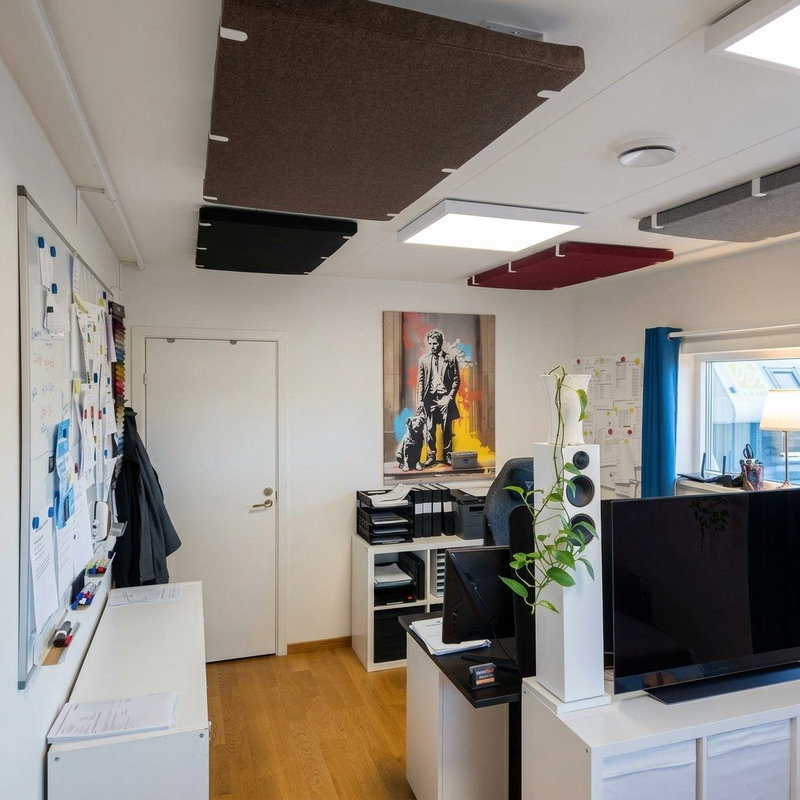
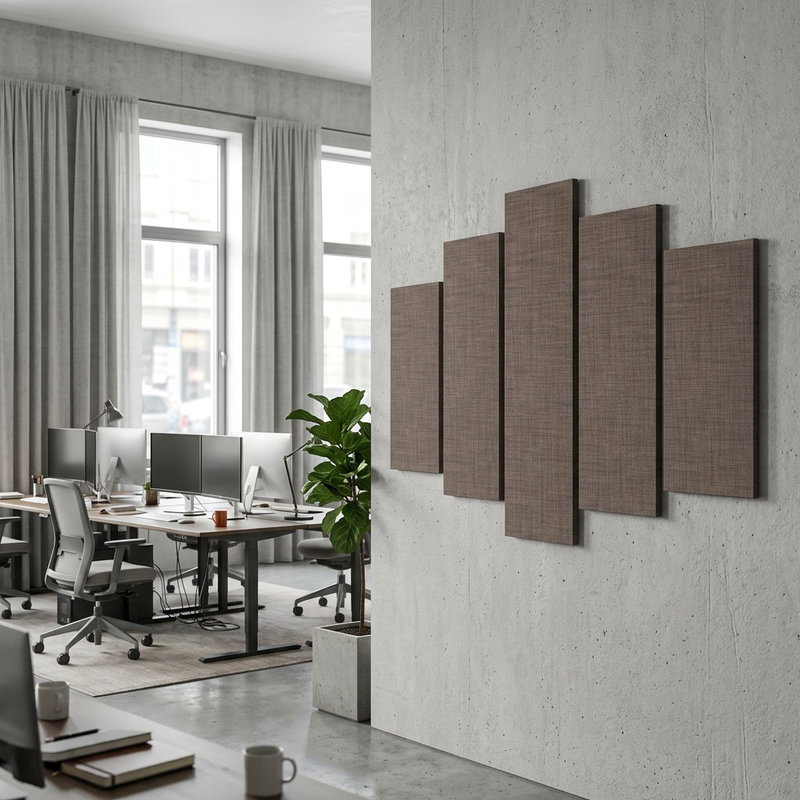
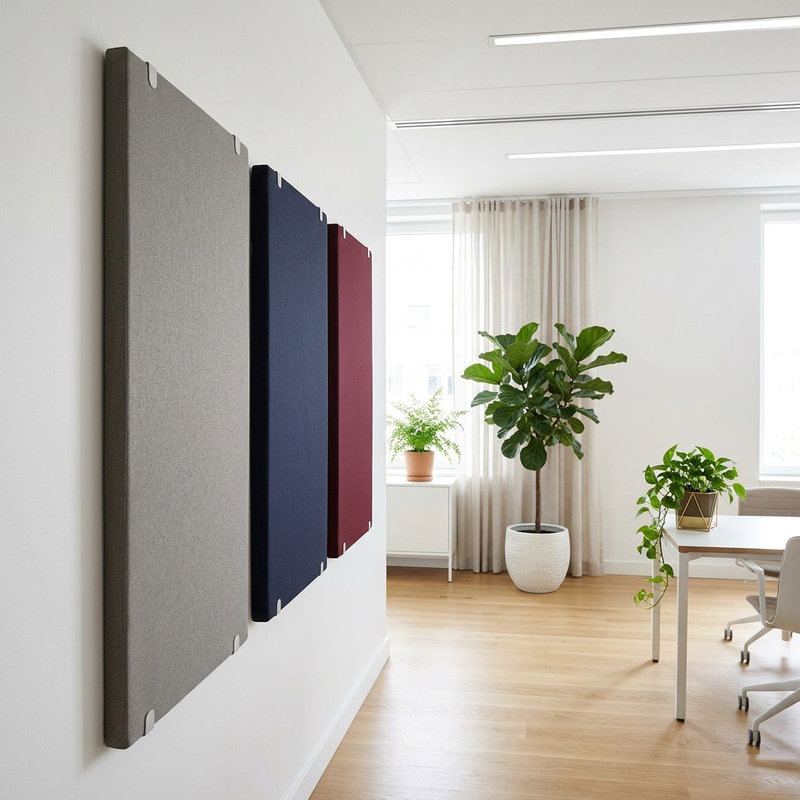
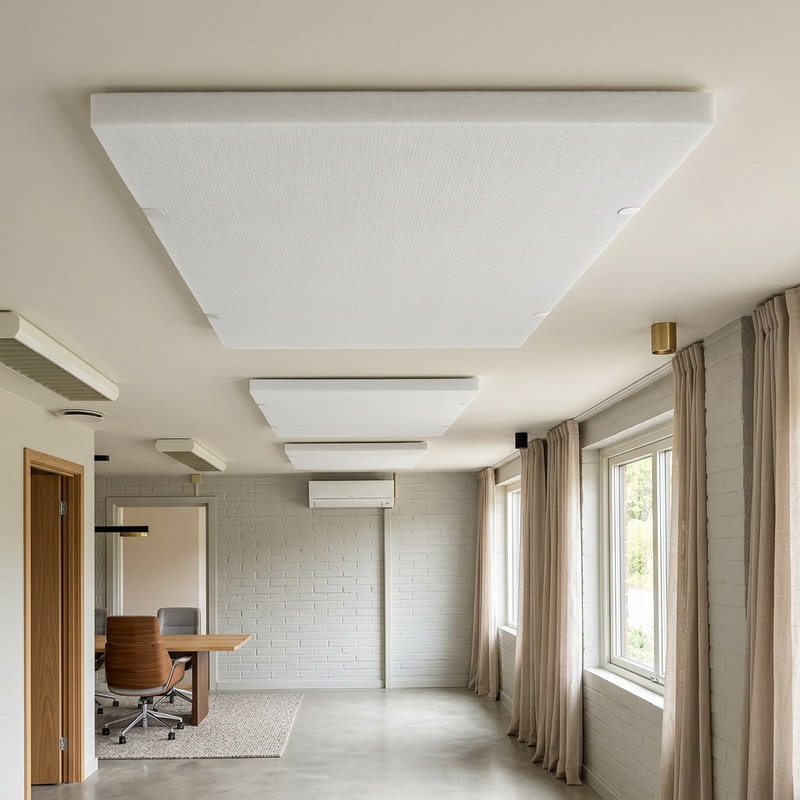
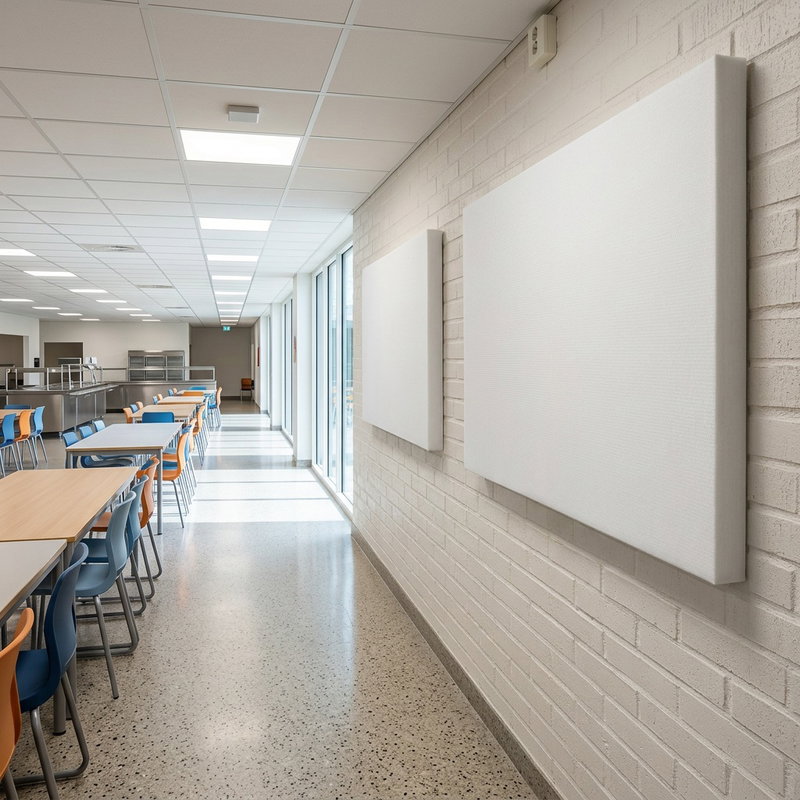
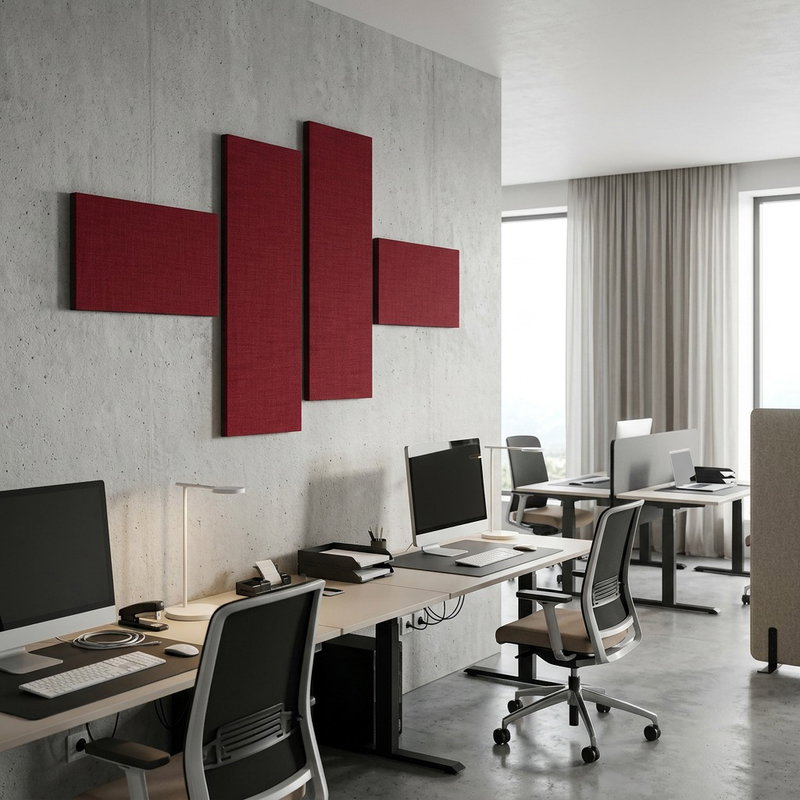
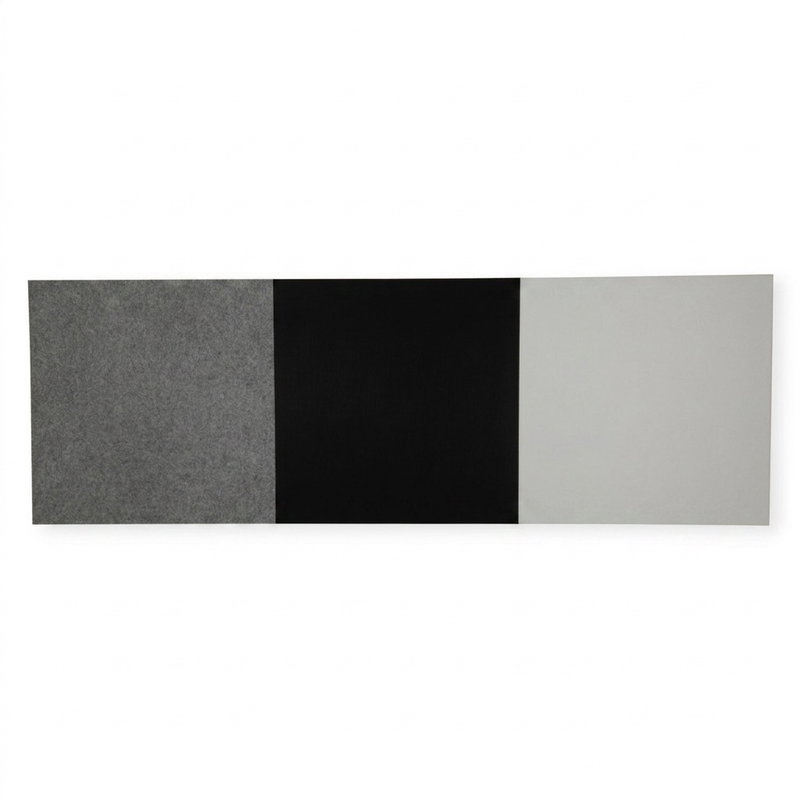
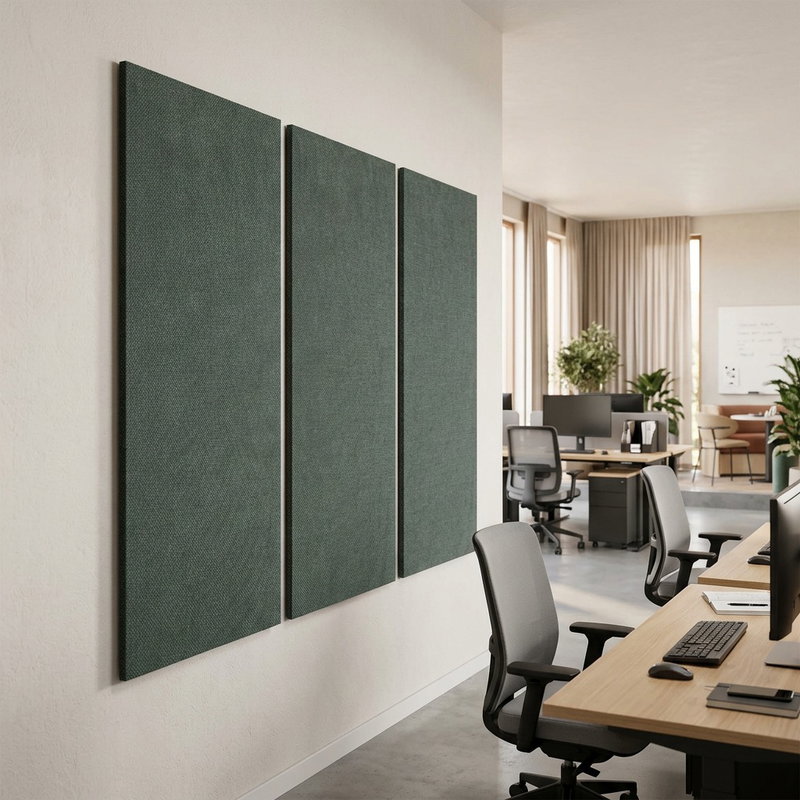
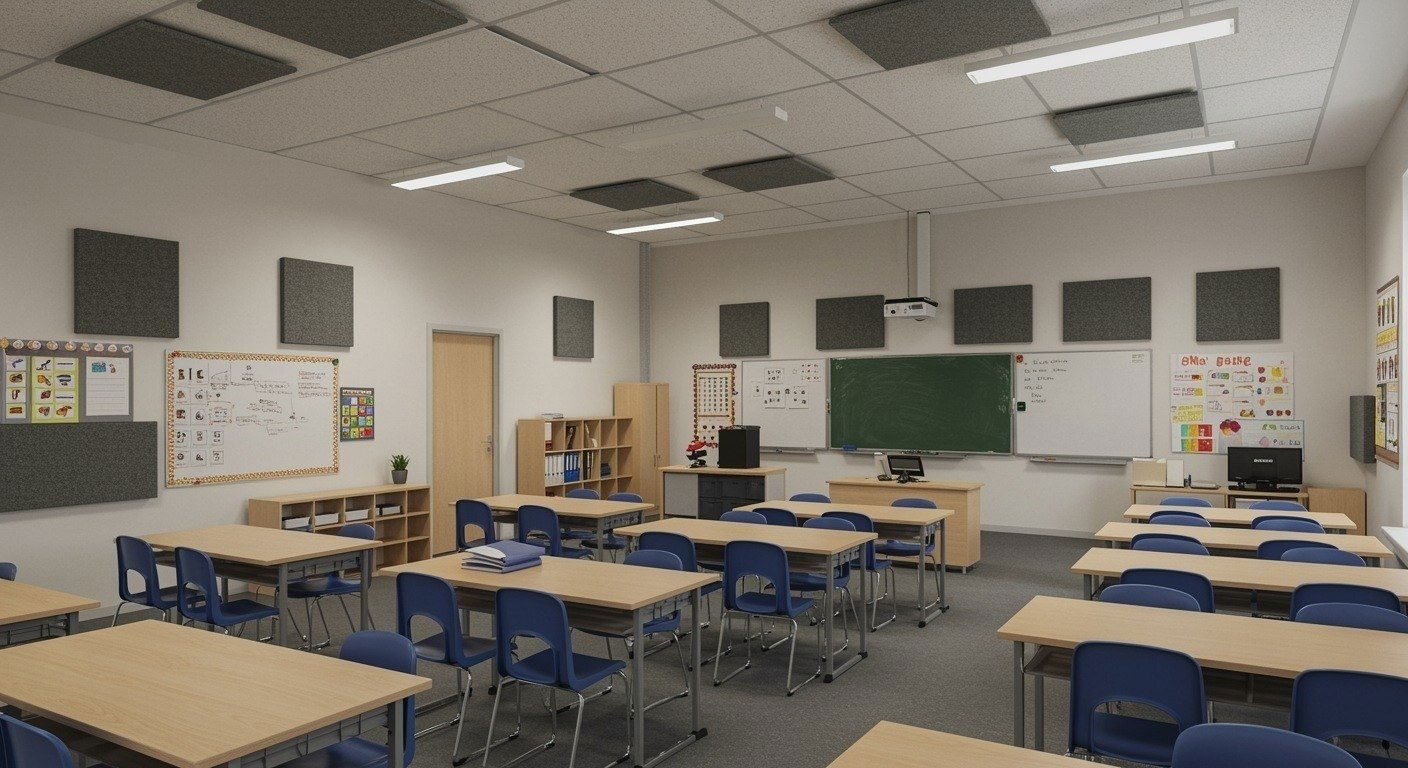
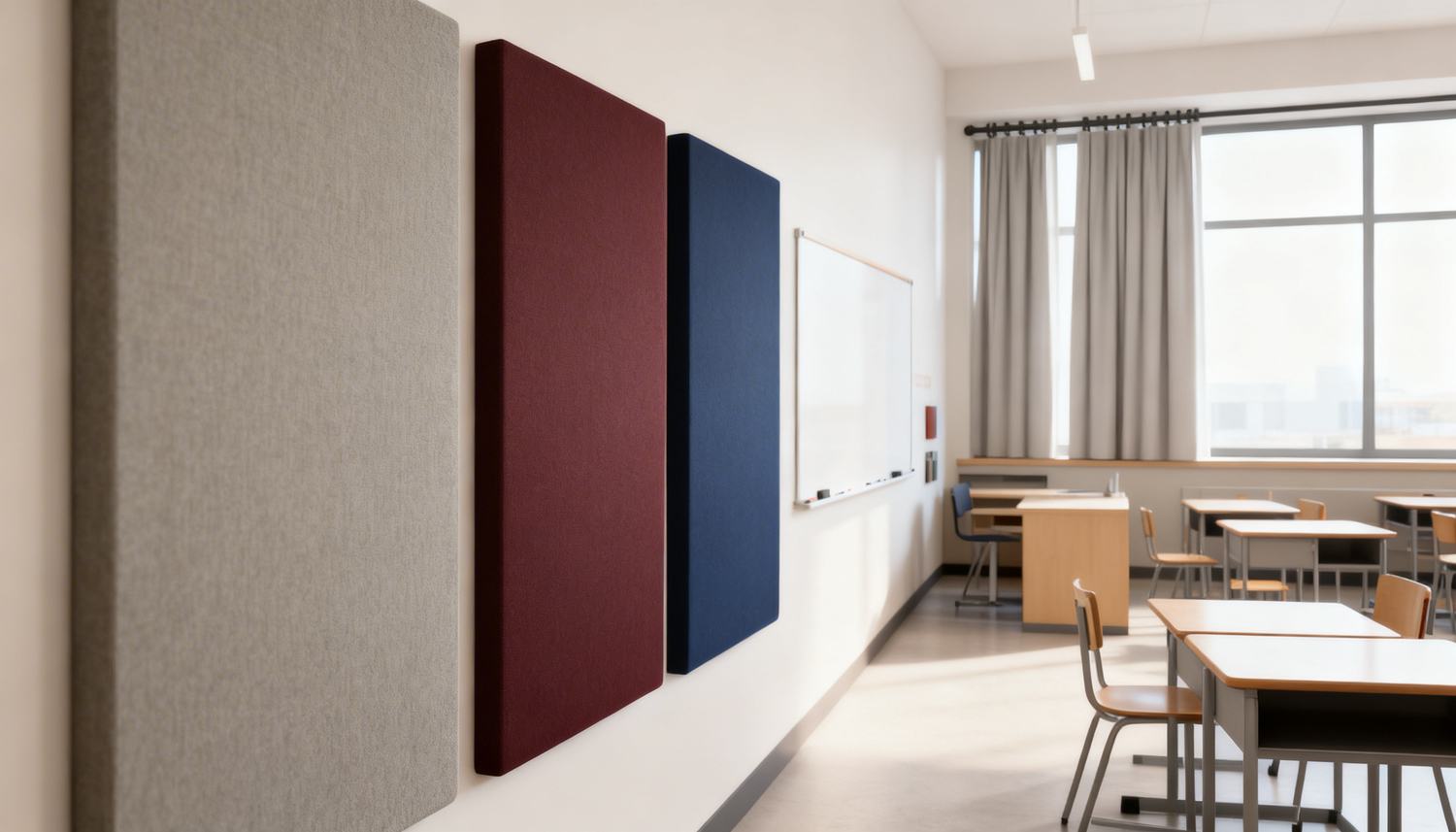
Sound absorption is often the first and most important measure in educational environments. Ceiling absorbers reduce reverberation in classrooms and gyms, while wall absorbers improve speech intelligibility in classrooms and group rooms. Sound-absorbing curtains are used to reduce reflections from glass surfaces, and room dividers with sound-absorbing properties create quieter zones in open spaces without compromising flexibility.
When is sound insulation and vibration damping needed?
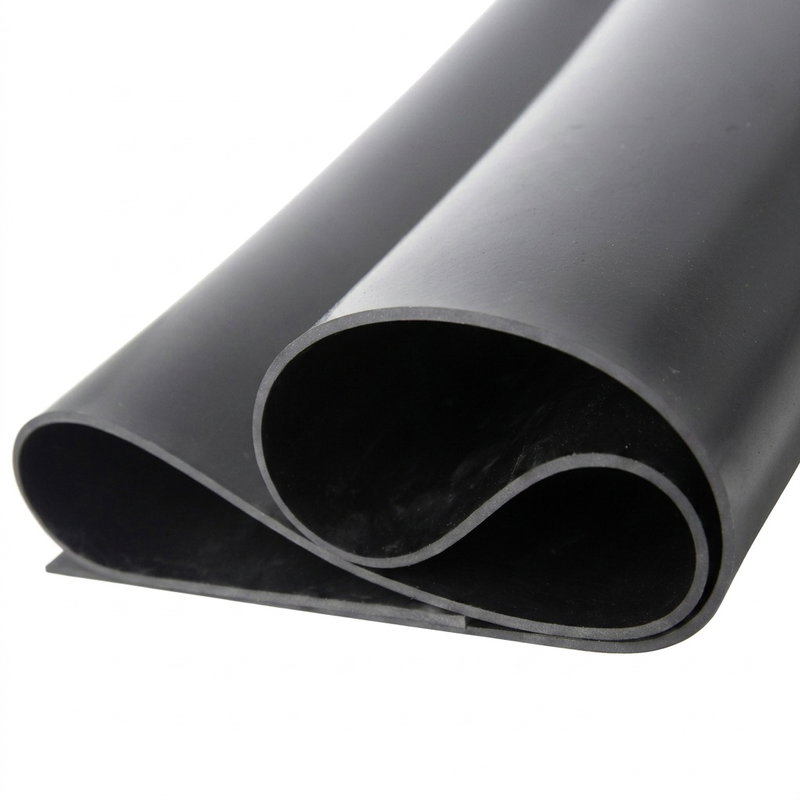
Sound insulation is necessary when sound spreads between different areas of the school, such as between classrooms, from the gym to teaching areas, or from hallways to offices. Doors, windows, walls, floors, and ceilings are common transmission paths. Vibration damping is used when noise is caused by technical equipment, fans, or machines that transmit vibrations through floors, walls, and ceilings, creating disruptive structure-borne noise.
Why is a good acoustic environment crucial in schools?
A balanced acoustic environment makes it easier for students to concentrate, reduces stress and fatigue, and improves working conditions for teachers and other staff. By combining the right type of sound absorption, sound insulation, and vibration damping, school environments are created that are functional, safe, and adapted for learning at all ages.
Well-considered advice for best results
For the best results, the school’s acoustic environment should be viewed as a whole. A common mistake is to address only classrooms without considering sound transmission from hallways, the cafeteria, or technology rooms. By tailoring solutions to each space’s function, size, and use, a long-term sustainable and pedagogically effective acoustic environment is created.