






Soundproofing of Machinery and Equipment in Studios
Reduce disruptive noise from technical equipment in studios
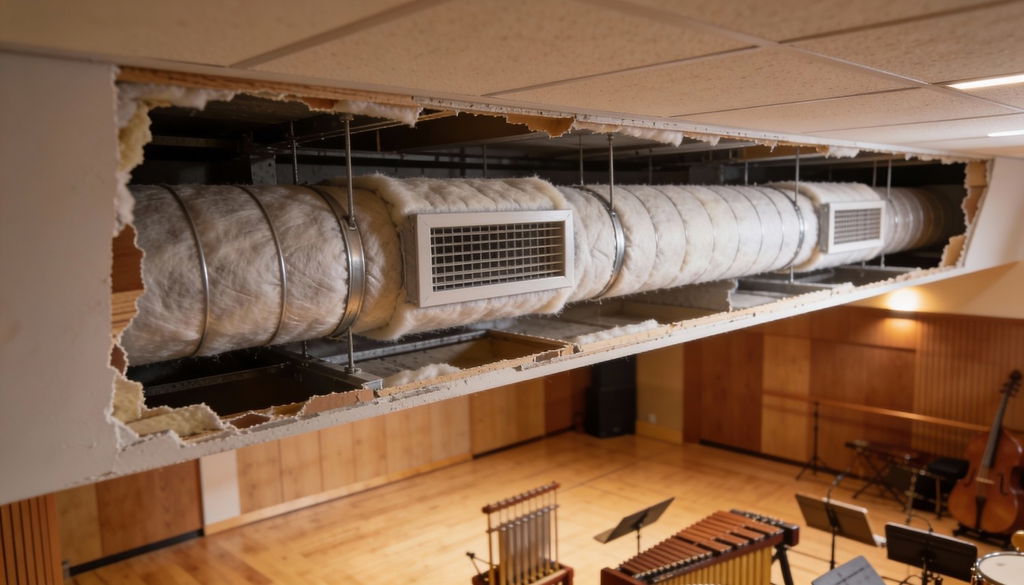
In studios, machines and technical equipment are often a source of recurring disturbances that affect both the working environment and sound quality. Fans, ventilation systems, cooling units, computers, servers, compressors, and other equipment can generate noise that spreads to recording rooms, control rooms, or adjacent studio areas. Unlike echo and reverberation, which are addressed with sound absorption, sound insulation for machinery and equipment involves preventing sound from spreading between rooms and limiting how noise travels through the building’s structure.
What is meant by “machinery and equipment” in a studio environment?
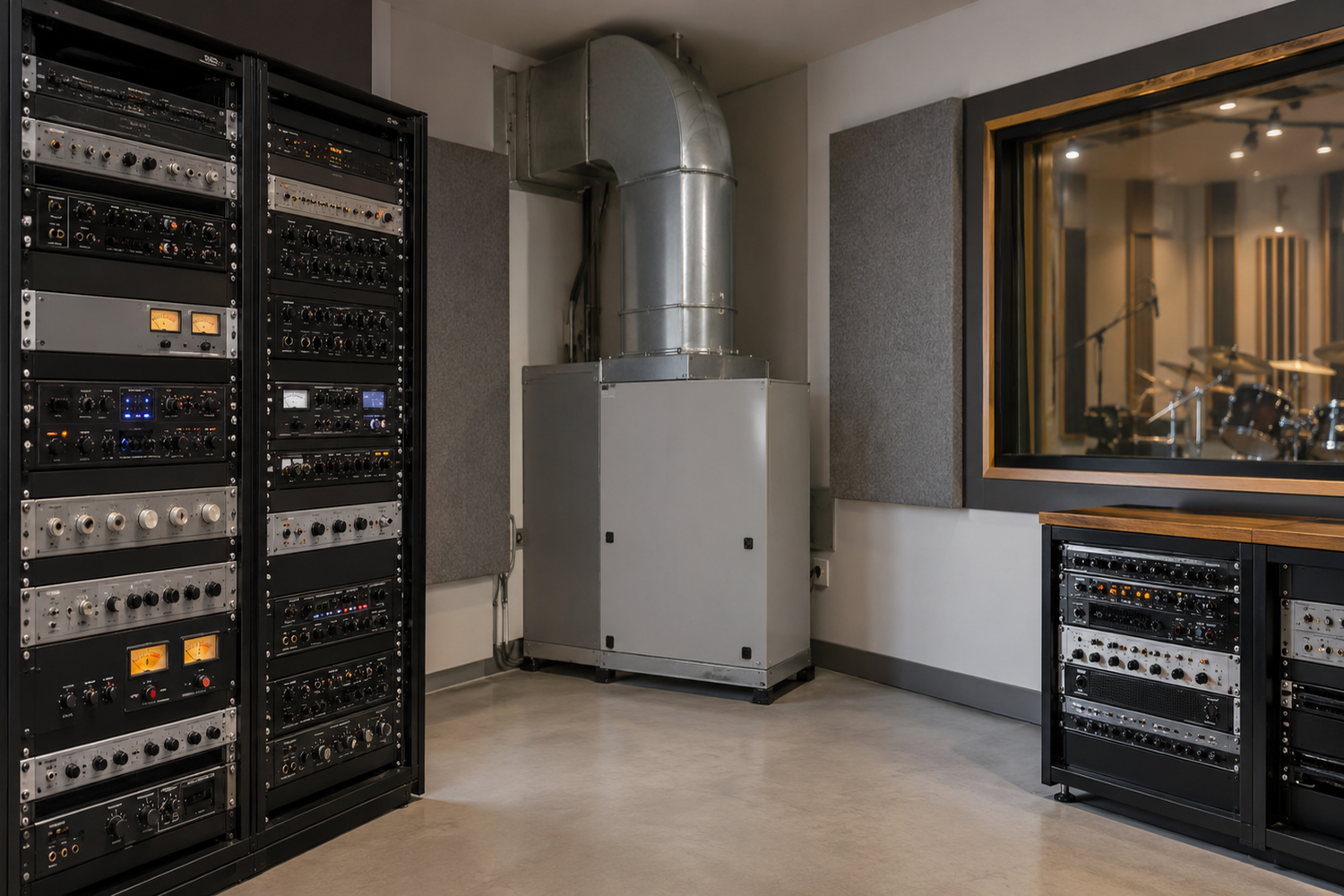
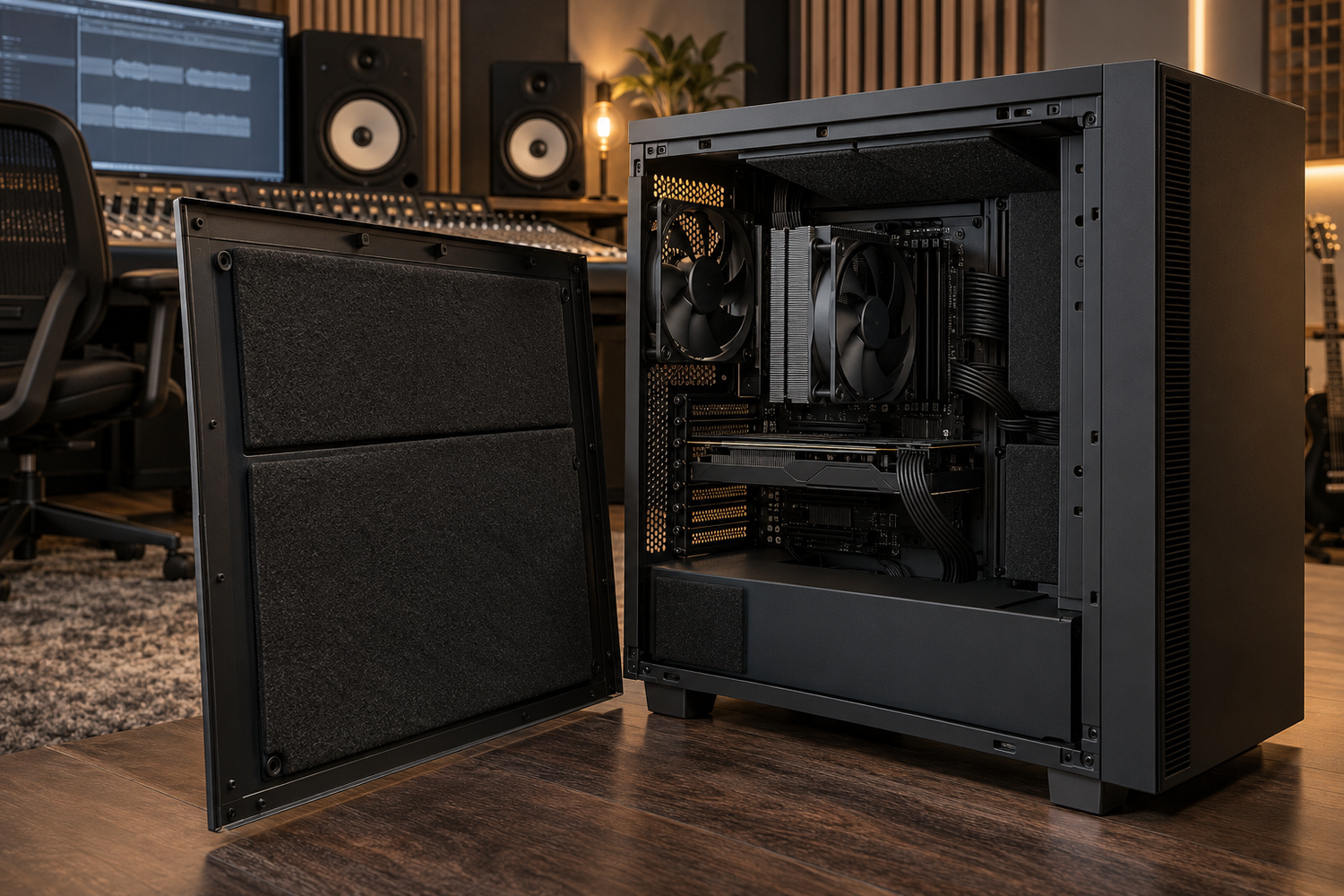
In this context, “machinery and equipment” refers to technical equipment that is not a passive part of the building but that generates sound during operation. This may include ventilation units, cooling and heating units, servers, computers, network equipment, pumps, fans, or other mechanical equipment necessary for operations. These noise sources are often active for long periods and can affect multiple rooms simultaneously. Sound insulation in this context aims to limit how sound propagates, not to alter the room’s acoustics.
Common sources of noise in studios and studio environments
In studio environments, noise is often perceived as constant background noise or low-frequency sound that interferes with recordings and concentration. Ventilation and cooling systems are common sources, as are computers, rack-mounted equipment, and technical rooms located near recording or work areas.
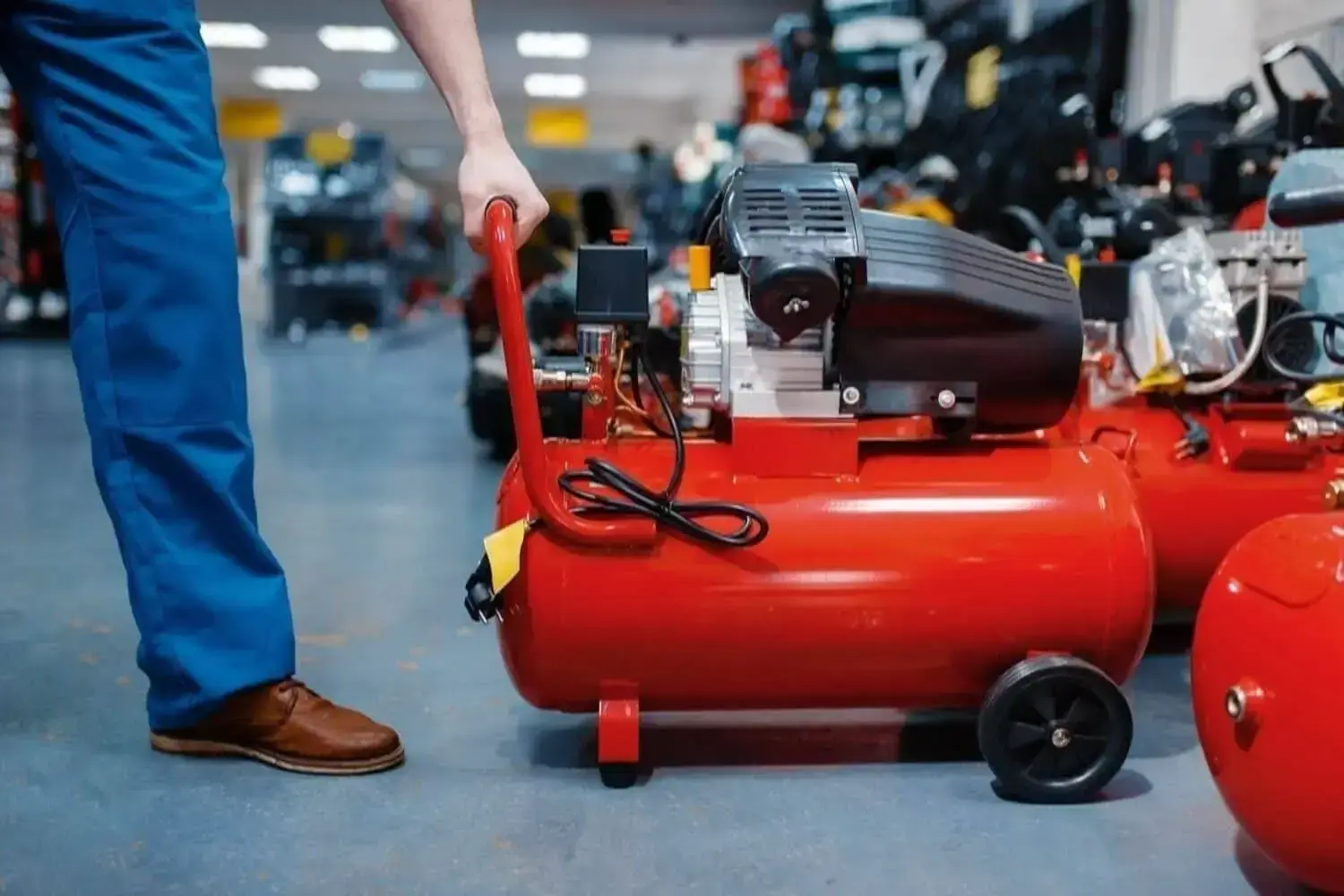
Even machines that aren’t in continuous use—such as pumps or compressors—can cause disturbances when they start up and shut down. Since these sounds often travel through walls, floors, and ceilings, they can be heard more clearly in rooms other than the one where the equipment is located.
Why does sound from machinery travel so effectively?
Machines generate both airborne sound and vibrations that are transmitted through the building’s structure. When vibrations travel through floors, walls, ceilings, or utility systems, they create structure-borne noise, which allows the sound to be heard far from the source. In recording studios, this becomes particularly problematic because even faint background noise can negatively affect recording, mixing, and listening.
Principles of Sound Isolation for Machinery and Equipment
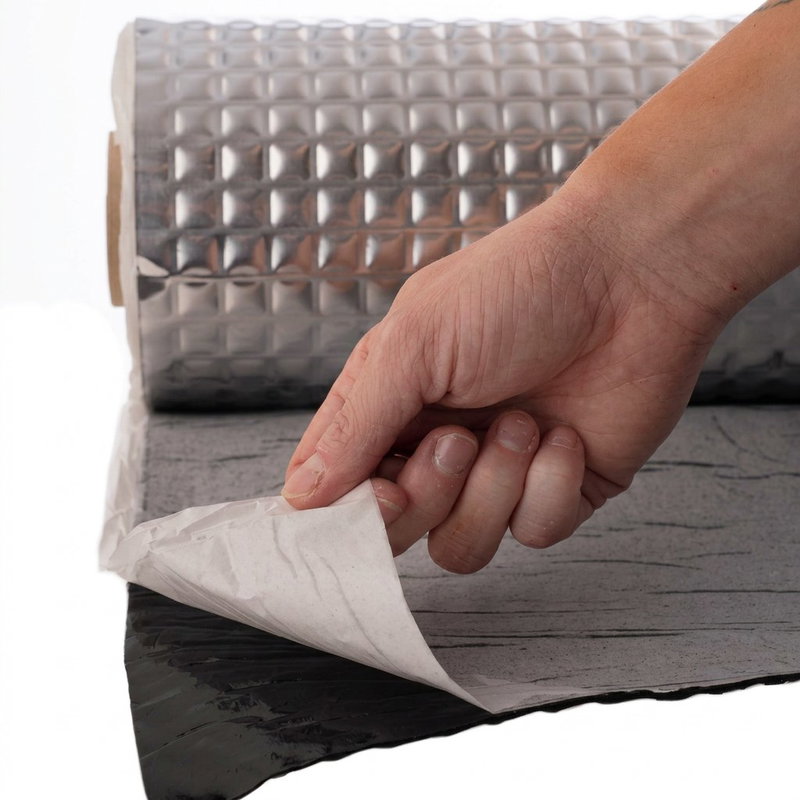
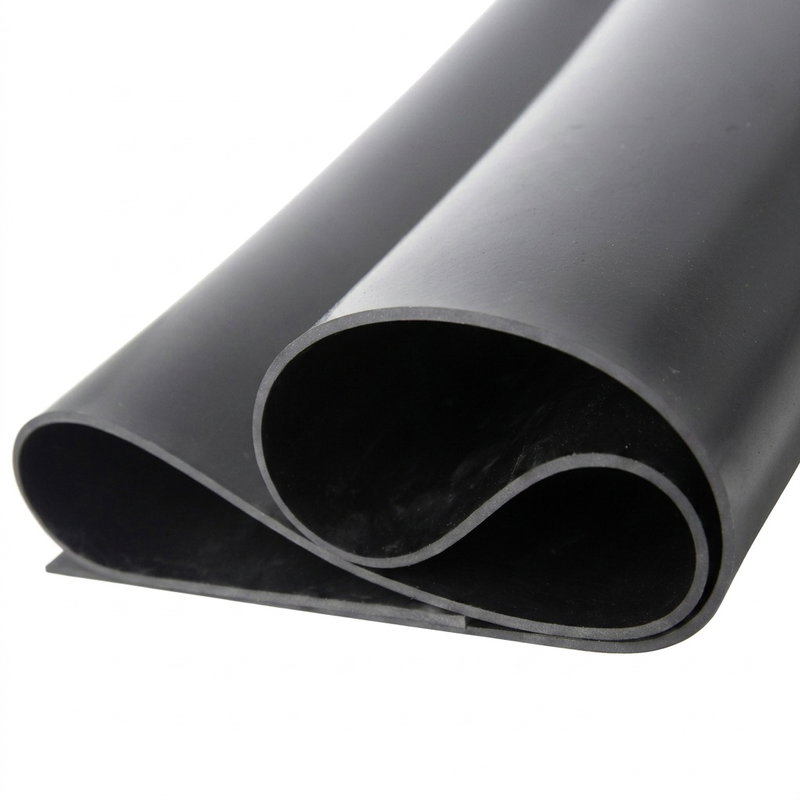
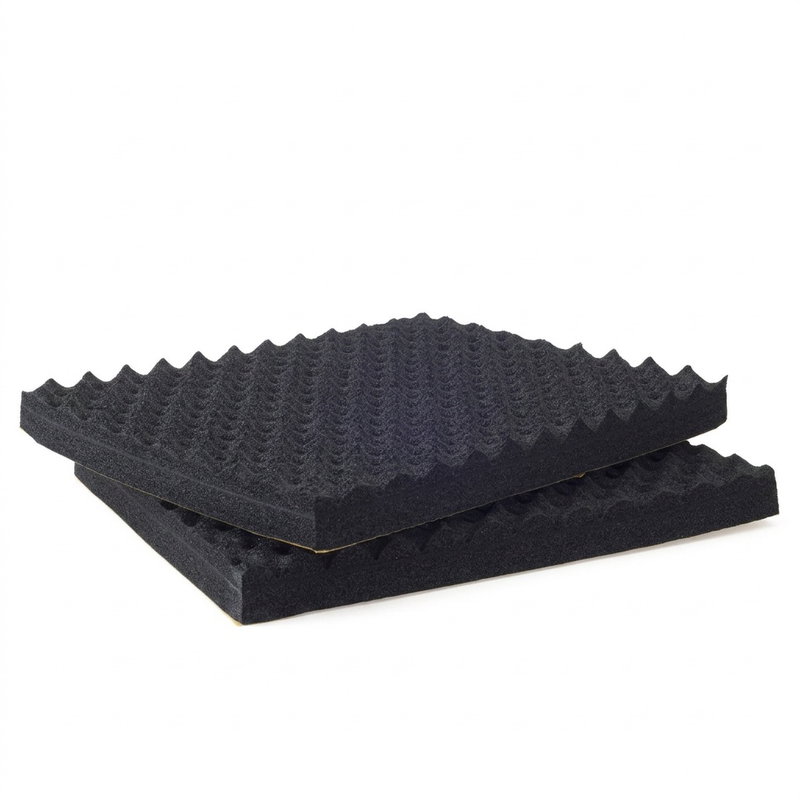
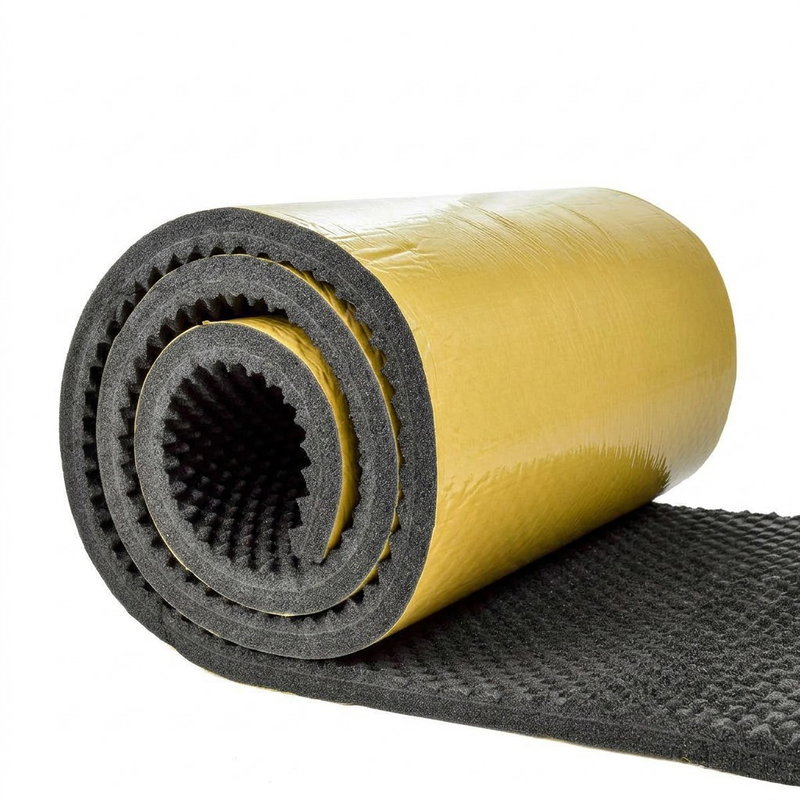
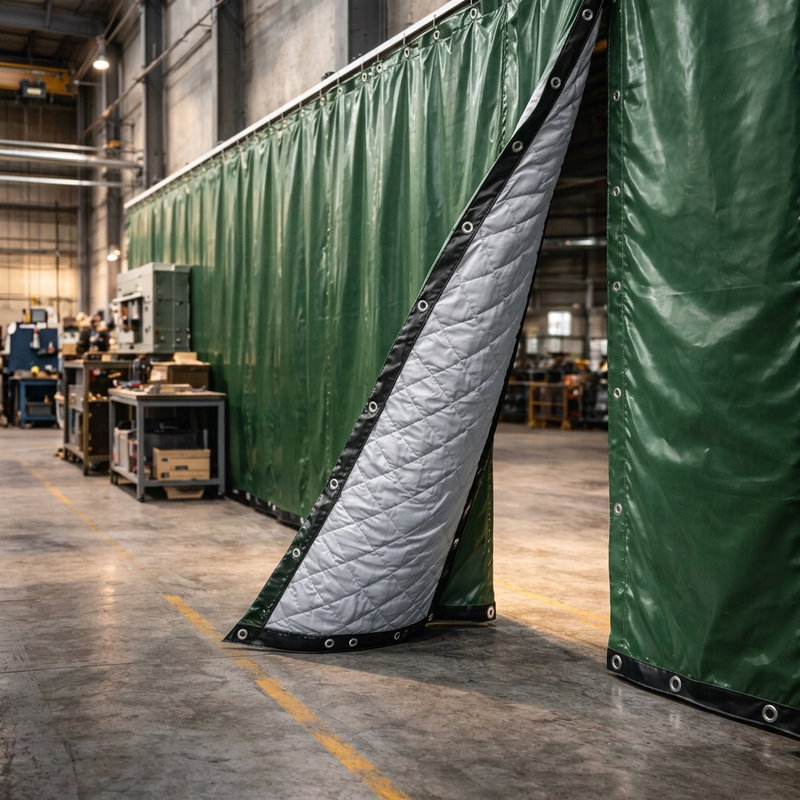
Effective sound insulation of machinery and equipment is based on limiting the spread of sound right at the source. By reducing the direct connection between equipment and the building structure, sound transmission can be minimized. Enclosures or shielding are used to block airborne sound, while vibration damping is often combined with sound insulation to reduce structure-borne noise. The goal is to prevent noise from reaching other parts of the studio environment.
Well-thought-out advice for the best results
For maximum effectiveness, each piece of equipment in the studio should be evaluated based on how it is used, where it is located, and how sound propagates throughout the building. A common mistake is to focus solely on the room where the equipment is located, even though the disturbance is often perceived in adjacent spaces. By identifying both the sound source and the propagation paths, the appropriate soundproofing principles can be applied and tailored to the studio’s needs.
Soundproofing machines and equipment is therefore an important measure for preventing disruptive noise from traveling between rooms and creating better conditions for undisturbed work in the studio.