



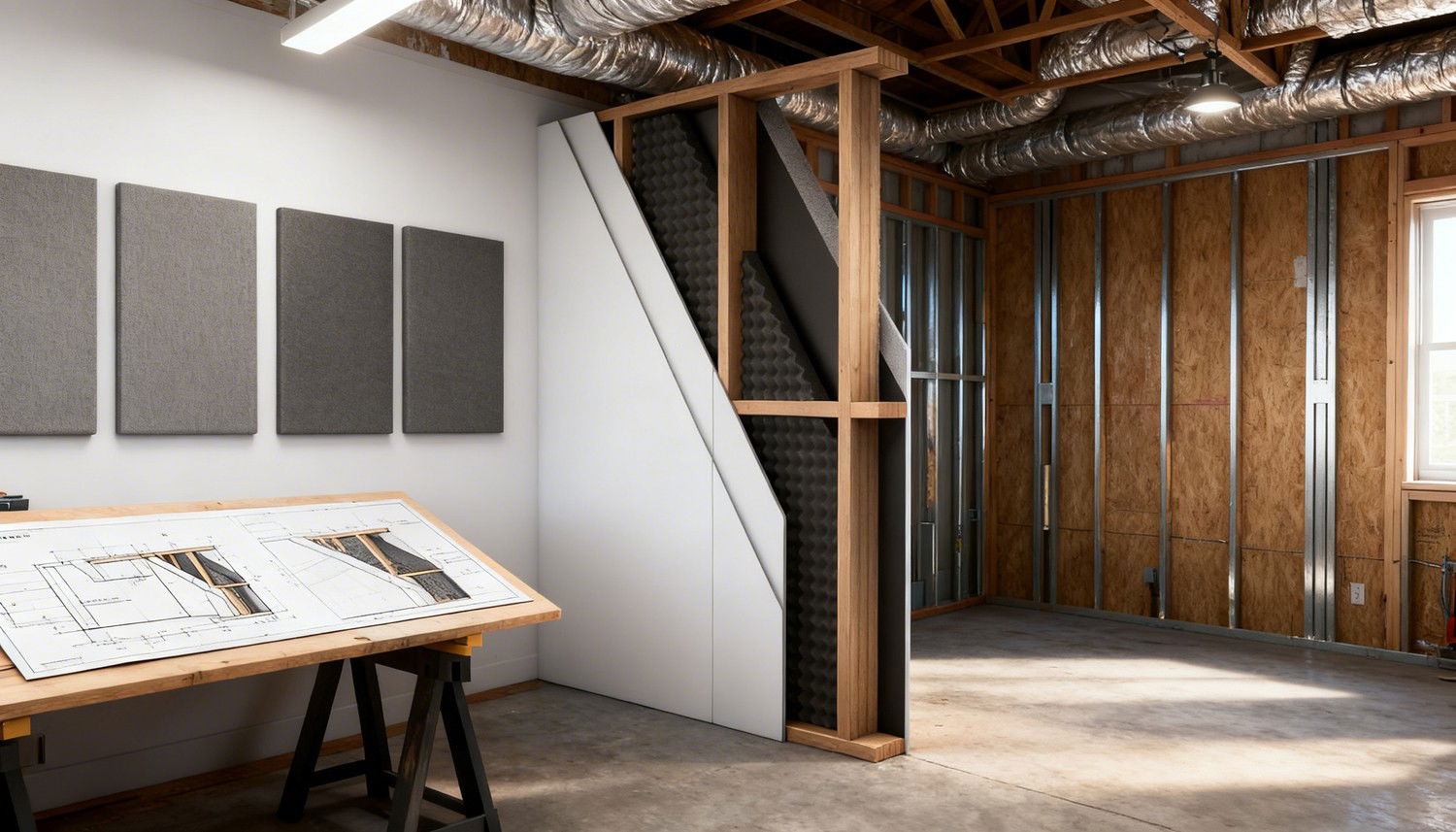

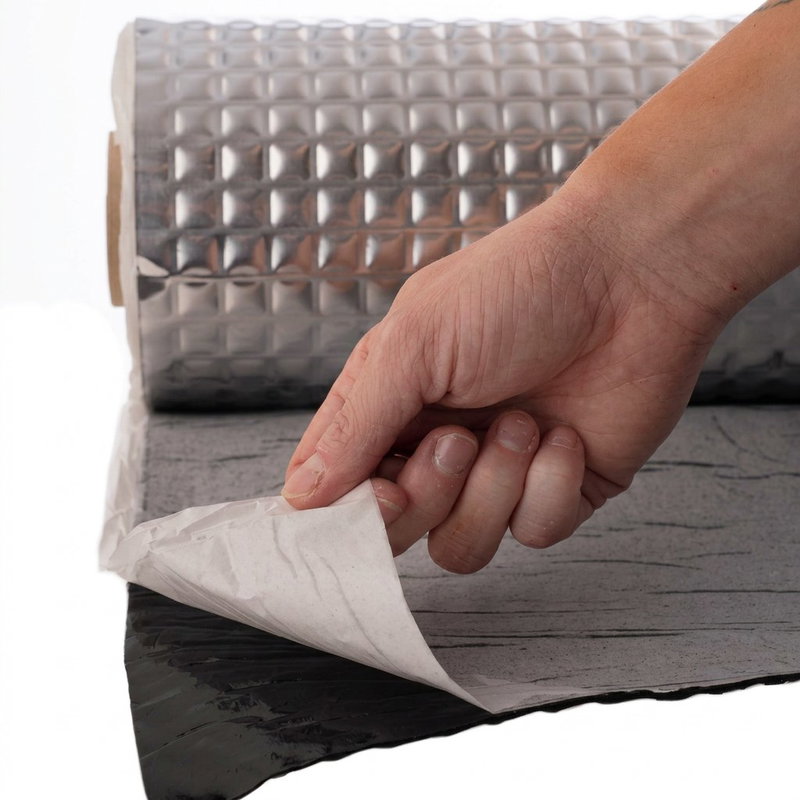
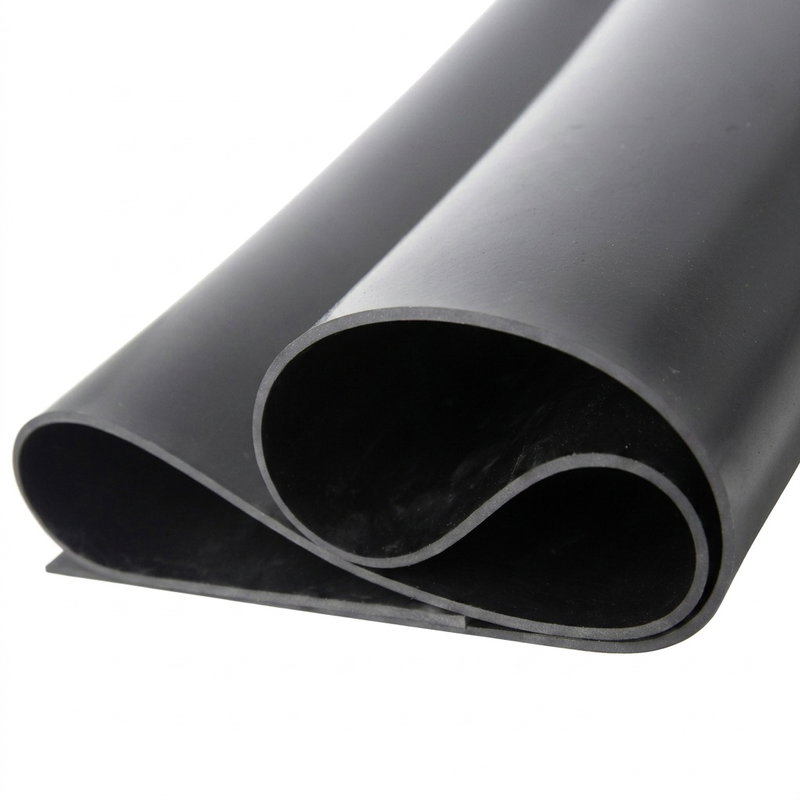
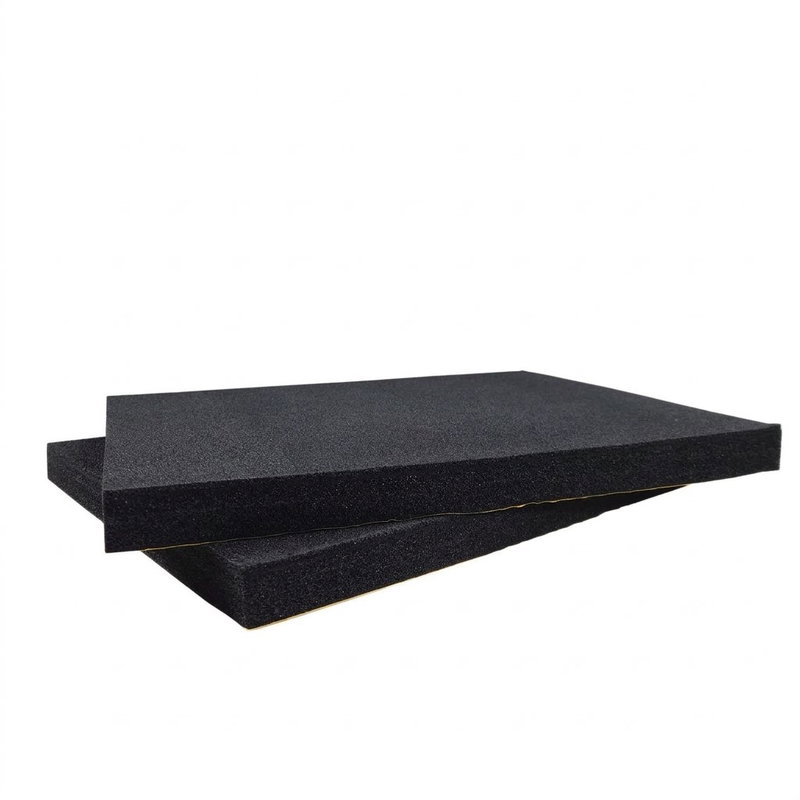


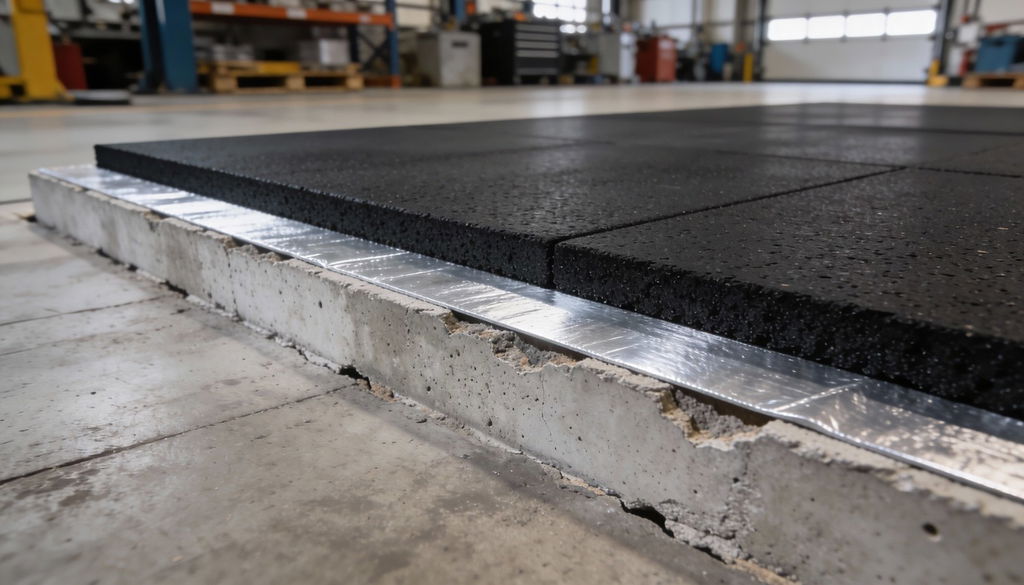
Floor soundproofing – blocks sound between rooms in industrial settings
Reduce noise and structure-borne sound through floor construction in industrial facilities
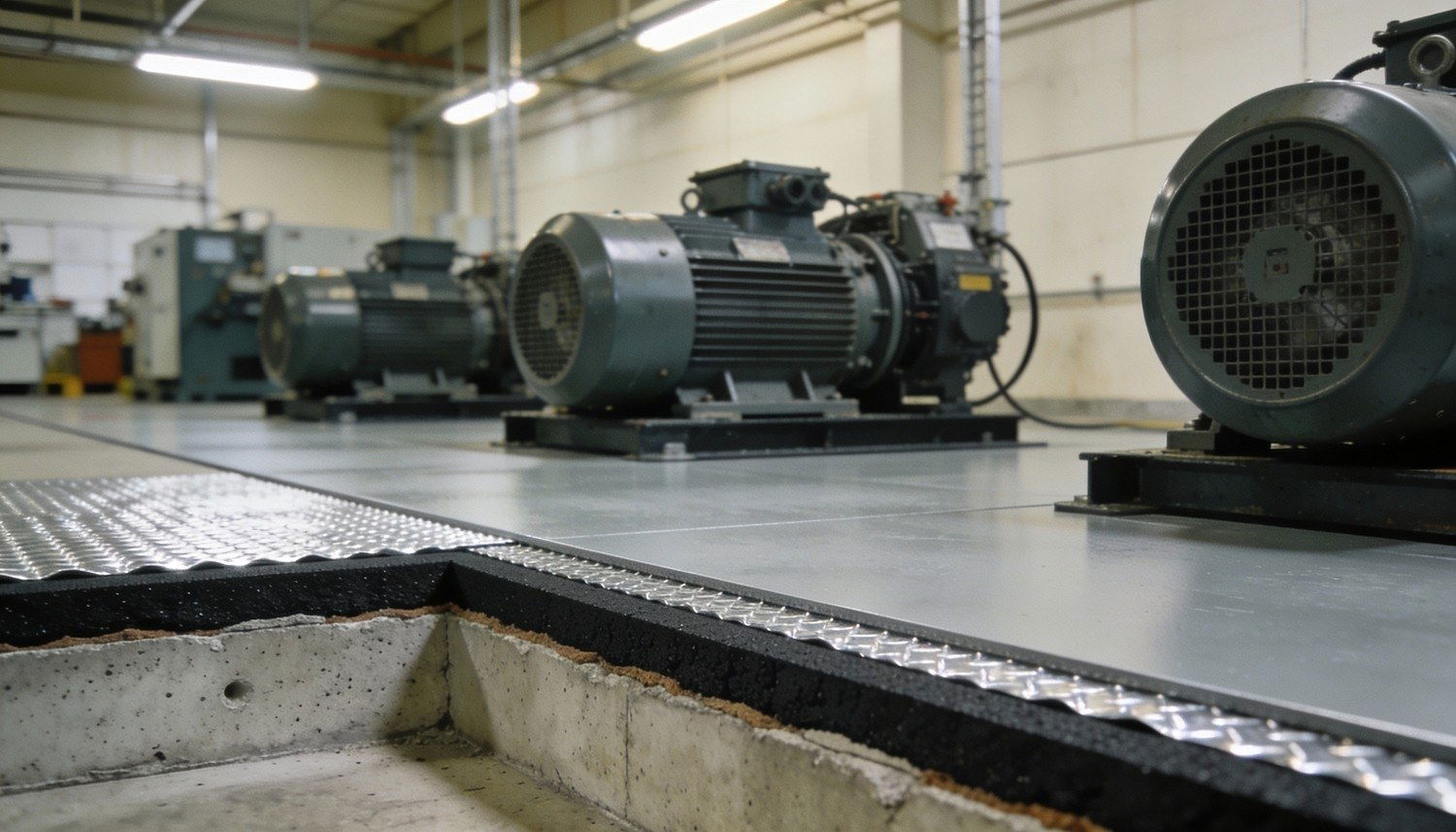
In industrial environments, the floor is one of the most critical pathways for sound transmission between different spaces. Heavy machinery, internal transport, forklifts, pallet handling, and repetitive movements place stress on the floor structure and create vibrations that propagate through the building’s frame. These vibrations can travel far from the sound source and be heard in adjacent production areas, offices, or staff rooms. Floor sound insulation aims to limit this sound transmission and create clearer acoustic separation between different parts of the industrial facility.
What does floor sound insulation entail?
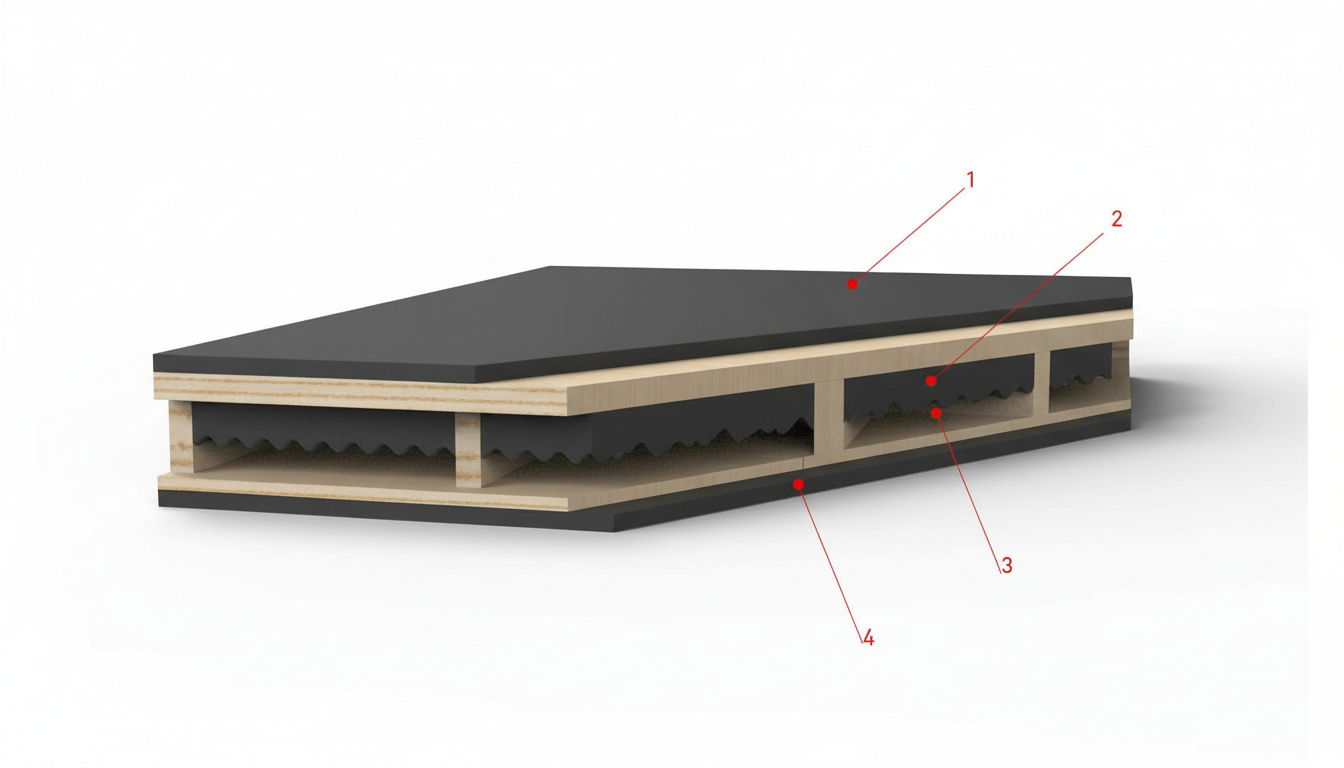
Floor sound insulation involves reducing both airborne sound and structure-borne noise that occurs when the floor is loaded. Unlike sound absorption, which is used to reduce echoes and reverberation within a room, sound insulation focuses on stopping the spread of sound between different spaces. Vibration damping, in turn, is aimed at reducing the vibrations themselves from machinery and equipment. In floor insulation for industrial environments, it is often the interplay between these principles that determines the final result.
Common problems related to floor noise in industrial environments
Typical problems include noise from forklift traffic, rolling equipment, falling goods, and machines placed directly on the floor. Repetitive movements and loads can also generate low-frequency sounds that propagate through floor joists and foundation structures. These sounds are often perceived as particularly disruptive because they travel efficiently and can be felt rather than heard.
How sound spreads through floors in industrial facilities
When the floor is subjected to load, vibrations occur that are transmitted through the building’s structure. Floors, joists, walls, and ceilings are interconnected, allowing sound to travel between multiple spaces and floors. This means that floor sound insulation is often crucial for limiting structure-borne noise and unwanted sound transmission in industrial buildings.
Movement and Internal Transport
Noise from forklifts, carts, and other internal logistics is effectively transmitted through the floor structure.
Machinery and equipment
Machines standing directly on the floor can transmit vibrations to the entire building if the floor is not sufficiently insulated.
Relationship to sound absorption in industrial environments
Floor sound insulation should not be confused with sound absorption. While floor insulation blocks sound between rooms, sound-absorbing solutions are used on walls, ceilings, and with sound-absorbing curtains or room dividers to reduce echoes and reverberation within the same space. In industrial environments, these measures are often combined to both limit sound propagation and improve the overall acoustic environment.
Why choose floor sound insulation in industrial environments?
Floor sound insulation provides clear improvements by reducing noise that would otherwise spread uncontrollably between different parts of the facility. This measure contributes to a better work environment, clearer zoning, and reduced disturbance in sensitive areas. In many cases, floor insulation is a prerequisite for other acoustic measures to function optimally.
Well-considered advice for best results
For best results, it is important to view the floor as part of a larger whole. A common mistake is to focus solely on the surface layer, even though sound often propagates through the entire structure. By analyzing how loads, vibrations, and sound propagate within the building, the correct insulation principles can be selected. The result is a more controlled and sustainable acoustic environment.
Sound insulation of floors is therefore a key measure for stopping disruptive noise between rooms and creating better structure, quiet working conditions, and functionality in industrial environments.