
















Sound absorption in ceilings – reduces echoes in the room
An effective basic measure for better acoustics in homes
In homes with hard surfaces and open floor plans, echoes and prolonged reverberation often occur. Sound bounces between floors, walls, and ceilings, making conversations harder to hear and causing the noise level to feel louder than it actually is. Ceiling sound absorption is one of the most effective measures for reducing echoes in a room and creating a more pleasant and balanced sound environment.
What is ceiling sound absorption?
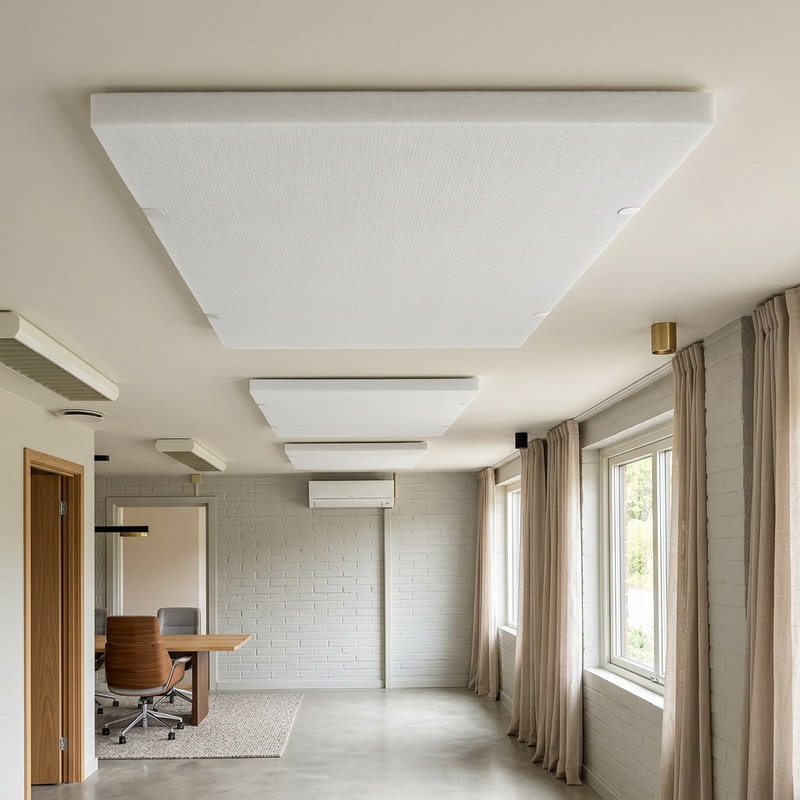
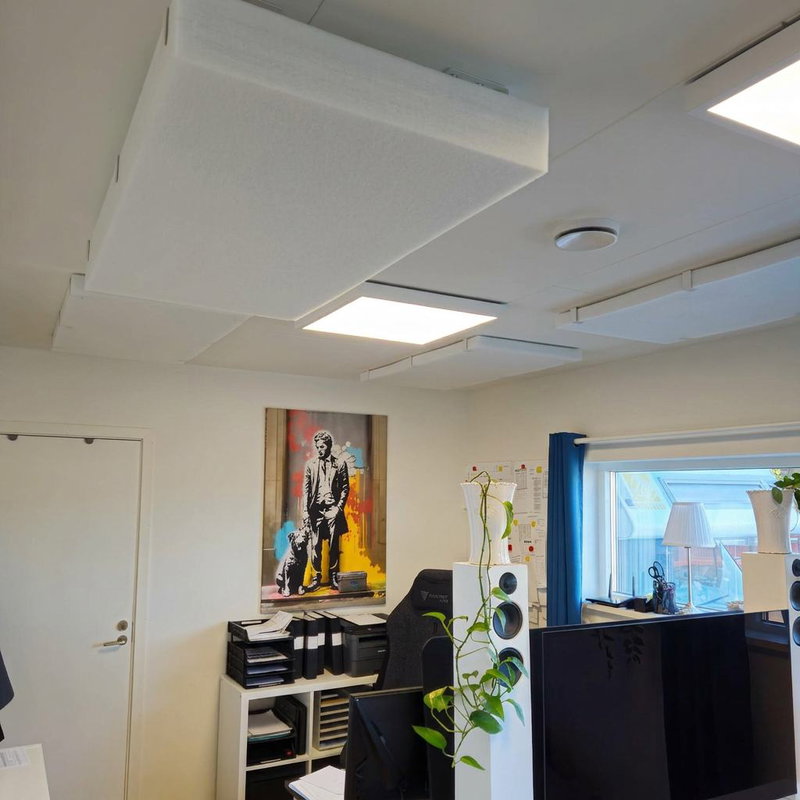
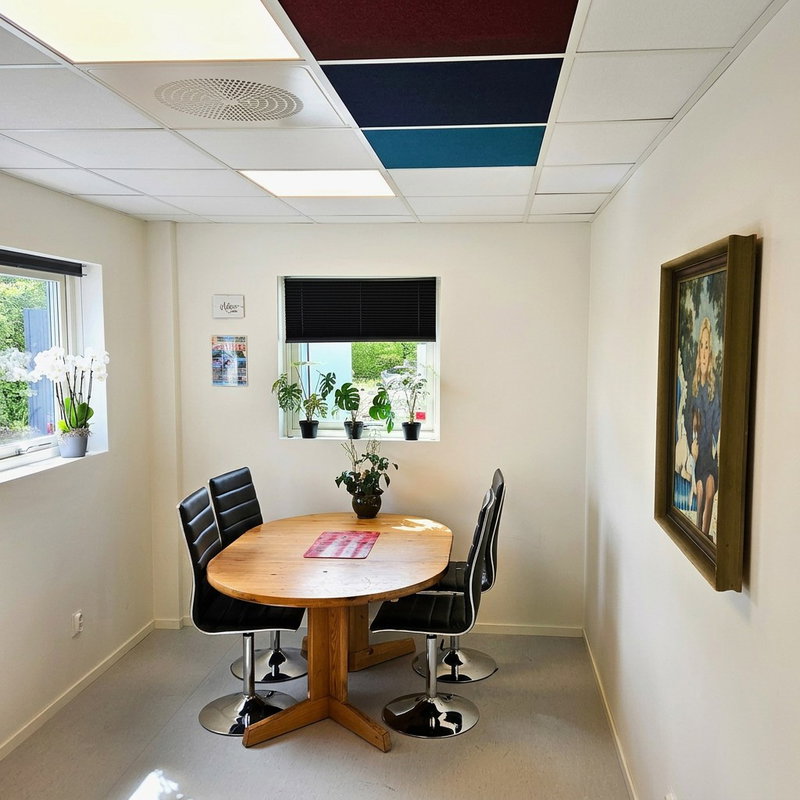
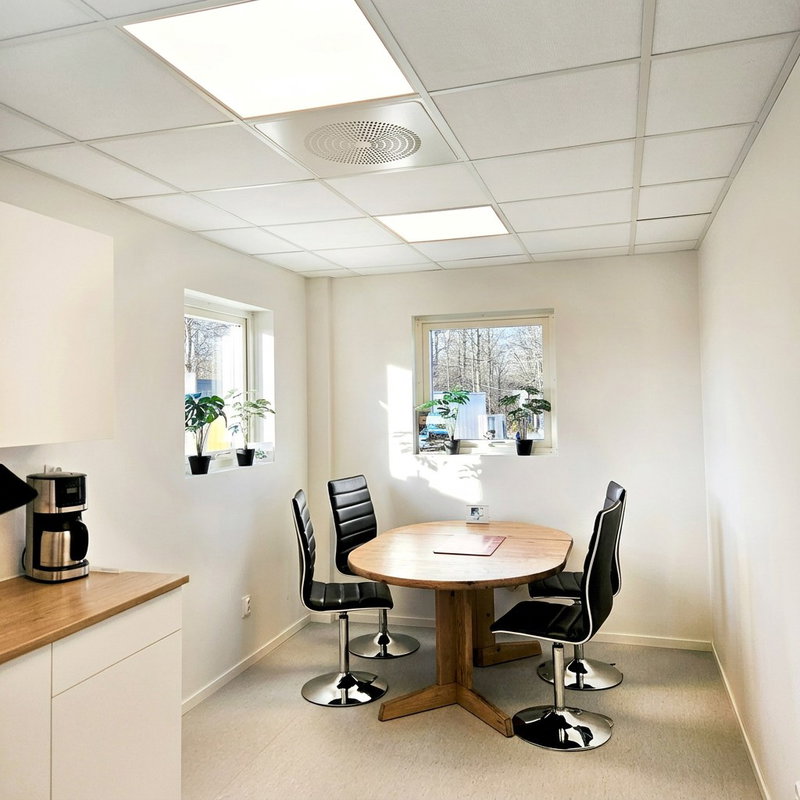
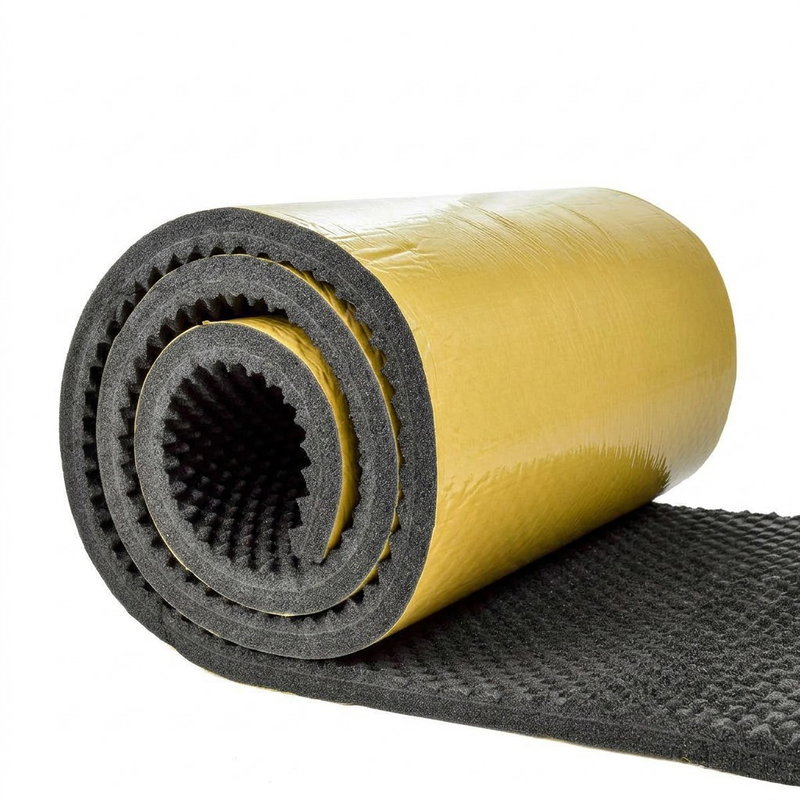
Ceiling sound absorption involves installing sound absorbers in or beneath the ceiling surface to capture sound waves and reduce reflections. The absorbers are made of porous materials that convert sound energy into heat energy. This differs from sound insulation, which blocks sound between rooms, and vibration damping, which reduces shaking and structure-borne noise. Ceiling absorbers are thus used to improve the acoustics in the room where the sound originates.
Common Echo Problems in Homes
Echoes and poor acoustics are common in living rooms, kitchens, stairwells, and home offices, especially in rooms with high ceilings or large open spaces. Sound travels freely and is amplified by smooth surfaces, which can create a stressful acoustic environment and impair both comfort and concentration.
How sound absorbers work on ceilings
When sound waves hit a sound absorber on the ceiling, they are slowed down and absorbed into the material’s structure. Since sound often travels upward and bounces between the floor and ceiling, the ceiling is a strategically important surface to treat in order to reduce the reverberation time in the room.
Even sound absorption throughout the room
Ceiling absorbers help dampen sound reflections across the entire room surface and provide more balanced acoustics.
Particularly effective in rooms with high ceilings
In rooms where wall surfaces are insufficient, ceiling absorption often provides the greatest improvement.
Why choose ceiling sound absorption?
Ceiling sound absorption provides a quick and noticeable effect on the room’s acoustic environment without major construction work. The solution is discreet, long-lasting, and does not affect the room’s function. The result is improved speech intelligibility, a lower perceived noise level, and increased comfort in everyday life. In certain environments, ceiling absorbers can be effectively combined with wall absorbers, curtains, or other sound insulation and vibration damping measures for an even better overall result.
Well-considered advice for best results
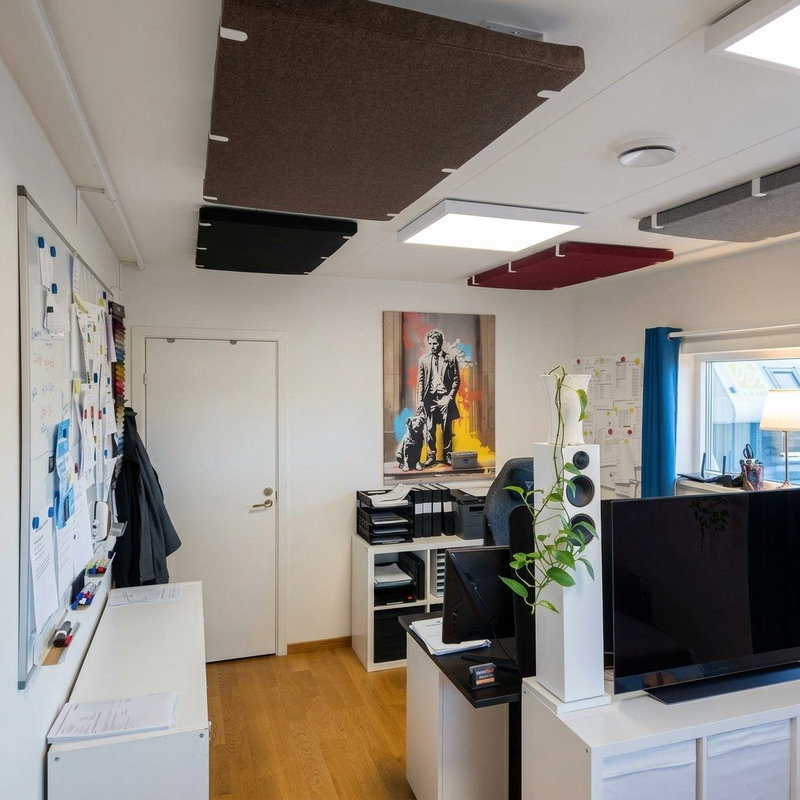
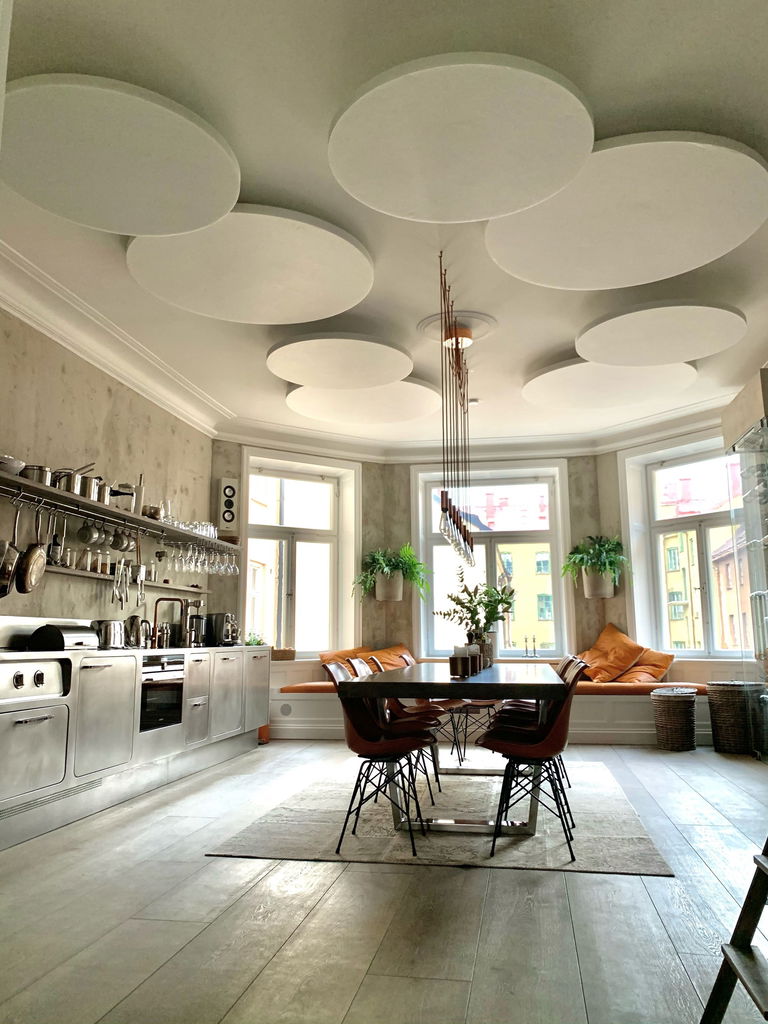
For maximum effectiveness, ceiling absorbers should be placed where sound reflections are strongest, often above social or work areas. In larger rooms, multiple absorbers can be combined for even attenuation, while smaller rooms are often improved by a limited but strategic installation. A common mistake is to underestimate the ceiling’s importance for acoustics. The right solution creates a calm and pleasant sound environment over time.
Ceiling sound absorption is therefore a safe and effective choice for those who want to reduce echoes in the room and improve the acoustics in their home.