




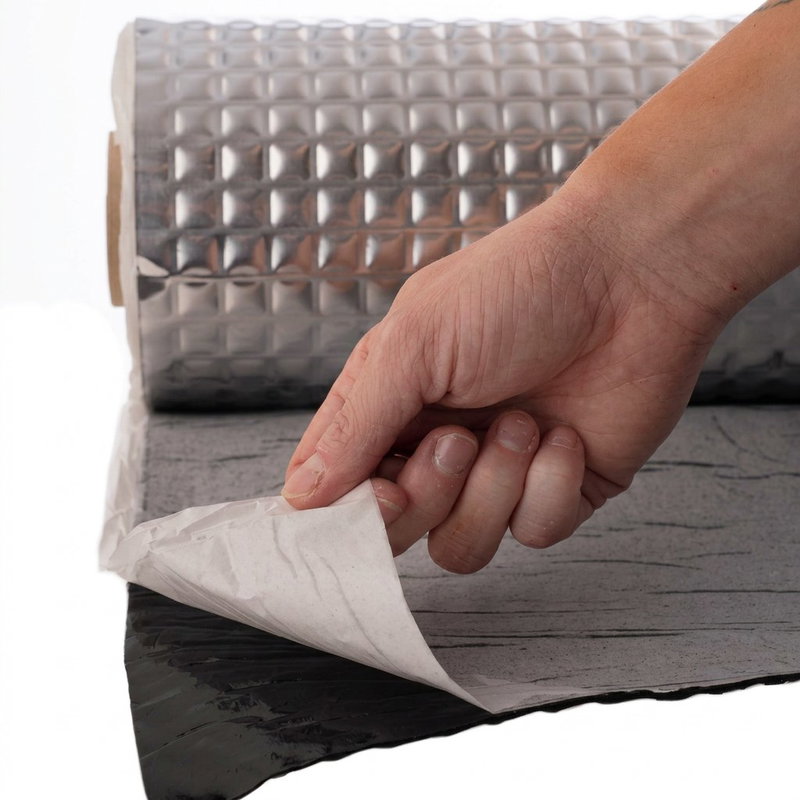


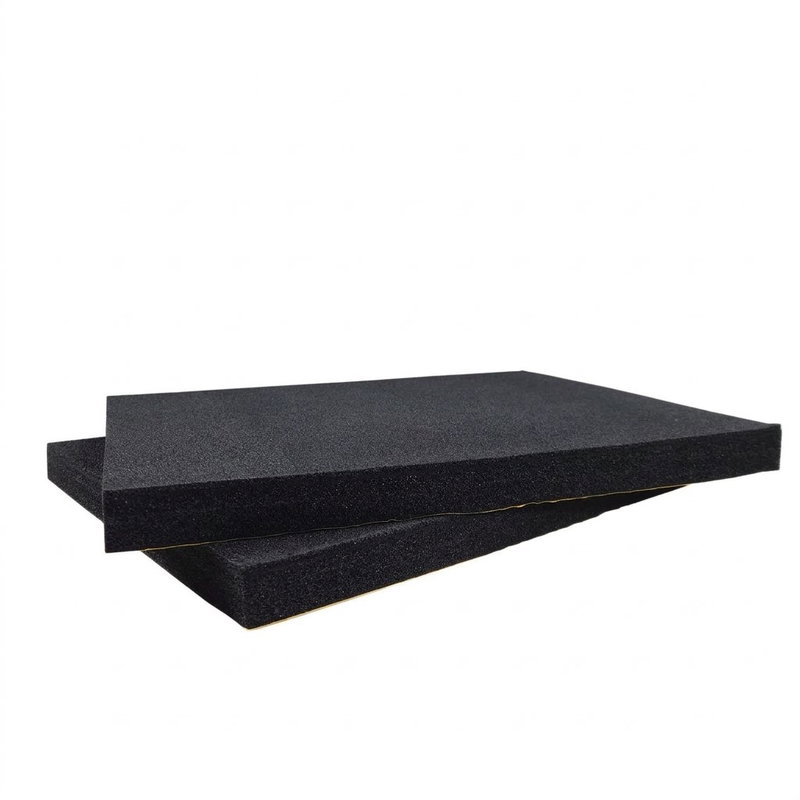


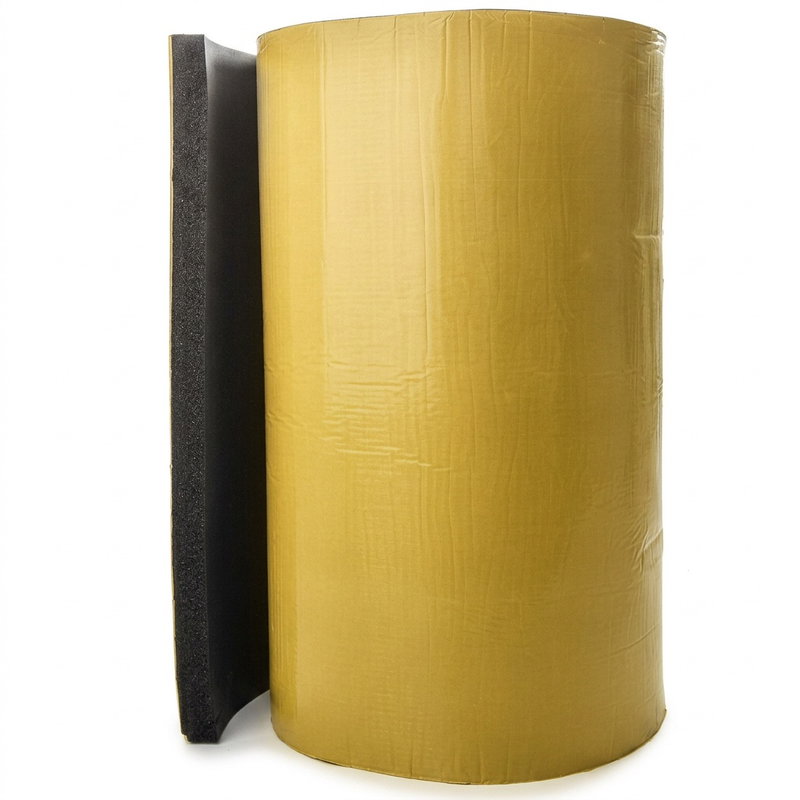

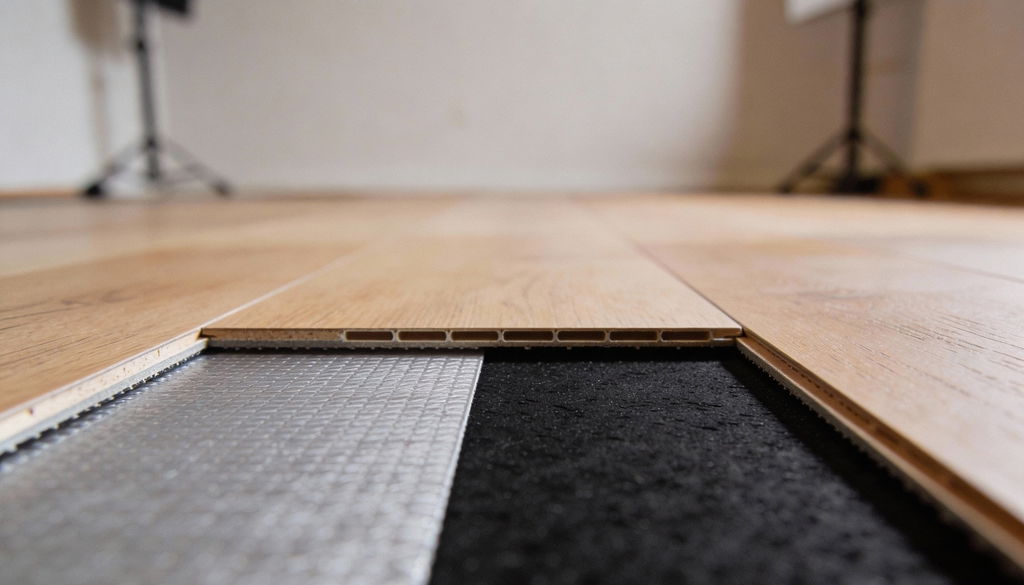
Floor vibration damping – reduces vibrations in studios and recording rooms
Limit structure-borne noise and unwanted vibrations via the floor construction in studio environments
In studios, the floor is often a central transmission path for vibrations that affect both sound quality and working conditions. Movements, rehearsals, dancing, equipment on stands, speakers, racks, and technical installations place strain on the floor construction and can create vibrations that propagate throughout the building. These vibrations are often perceived as disturbing shaking or low-frequency noise in adjacent rooms. Vibration damping of floors aims to reduce this mechanical transmission and thus reduce structure-borne noise in studio environments.
What does floor vibration damping involve?
Floor vibration damping involves limiting how mechanical movements are transmitted from a source into the building's structure via the floor. Unlike sound insulation, which stops airborne sound between rooms, and sound absorption, which reduces echo and reverberation in the room, vibration damping focuses on reducing the movement of the structure itself. The measure is often directed at contact points where vibrations are transmitted, for example between the floor and equipment or between the floor and the supporting structure.
Common problems associated with vibrations in studio environments
In studios, vibrations often arise from speakers, subwoofers, drum kits, amplifiers, technical equipment, or intense physical activity such as dancing and rehearsals. Even minor movements can be problematic in sensitive recording environments, where vibrations can be picked up by microphones or affect listening precision. The problems are often experienced as a dull hum, shaking, or hard-to-define disturbances that do not disappear despite good sound insulation.
How do vibrations spread through the floor in studios and recording studios?
When vibrations occur in the floor surface, the movement is transmitted to the joists and connected to the walls and ceiling. This means that the disturbance is not always noticeable where the source is located, but in other parts of the studio or in adjacent rooms. In studio environments with several rooms or activities in the same building, the floor therefore becomes an effective transmission surface for vibrations.
Equipment placed directly on the floor
Technical equipment and sound-producing devices can create continuous vibrations that are transmitted through the structure.
Movement and activity in the studio
Walking, rehearsals, and physical activity put strain on the floor and can cause recurring vibrations.
Why choose vibration damping for floors in studios and recording studios?
Floor vibration damping significantly improves the studio environment by reducing low-frequency disturbances and vibrations that otherwise affect both recording and working comfort. This measure is particularly important in studios with heavy equipment, powerful sound sources, or high activity levels. In many cases, vibration damping is a necessary complement to sound insulation and sound absorption in order to achieve a stable and controlled sound environment.
Well-thought-out advice for best results
For best results, it is important to identify where the vibrations occur and how they spread through the floor structure in the studio and studios. A common mistake is to try to remedy the disturbance where it is heard, even though the source is often elsewhere. By breaking the vibration transmission at the right point, structure-borne noise can be reduced effectively and in the long term.
Floor vibration damping is therefore a key measure for reducing vibrations and creating a more stable and professional studio environment.