



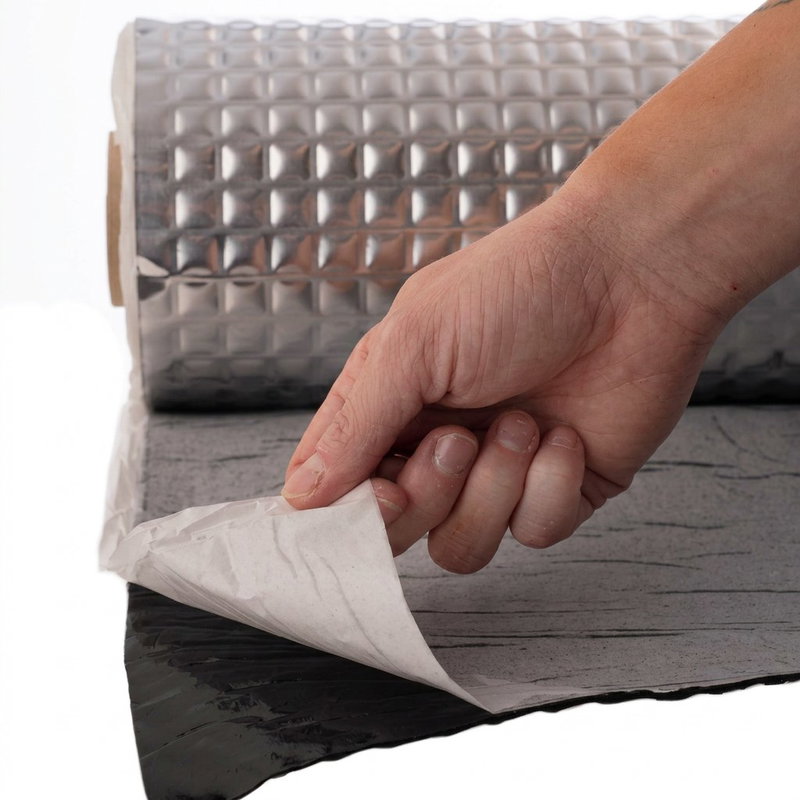

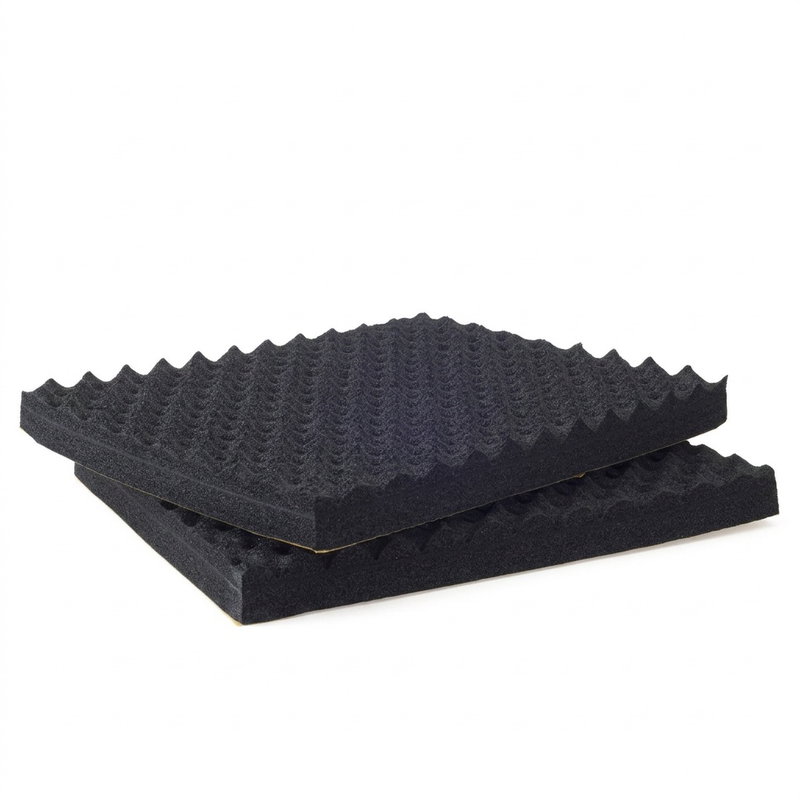
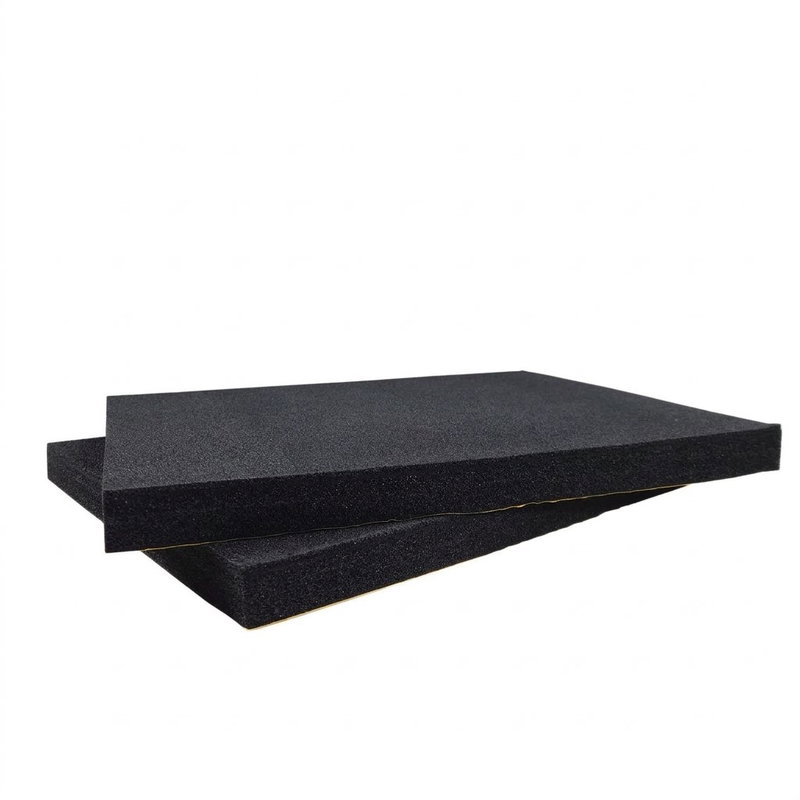
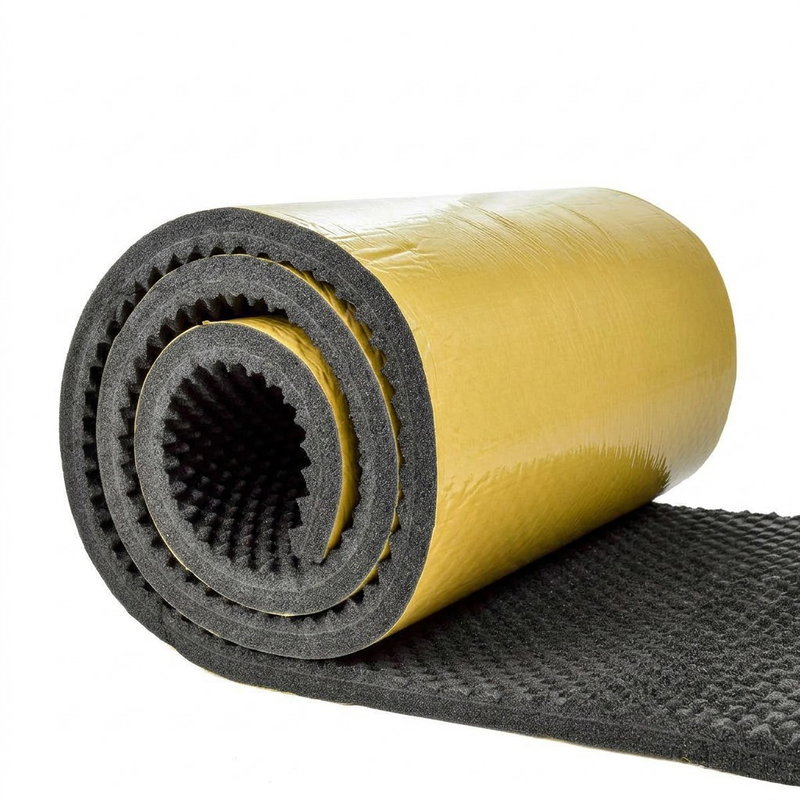
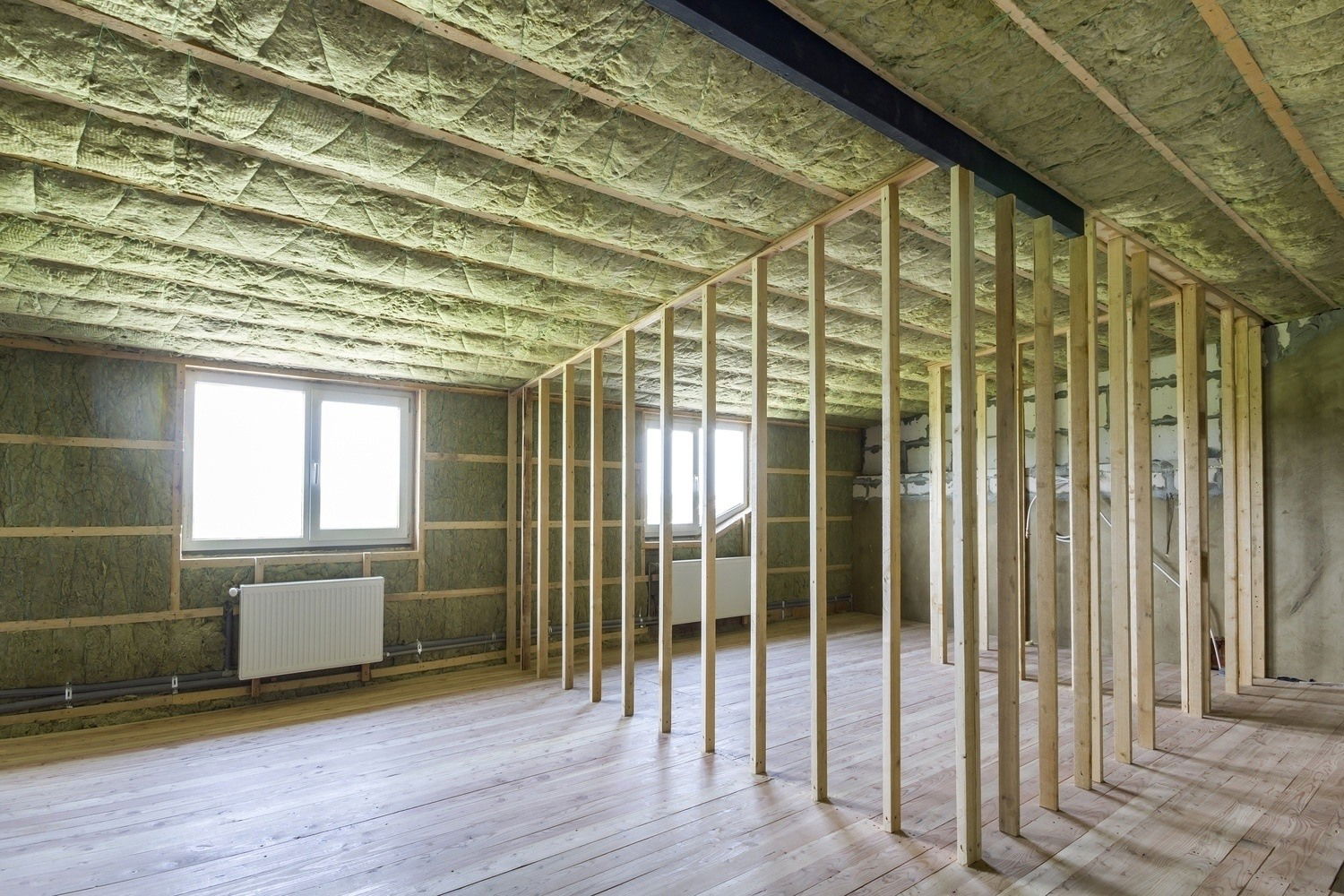

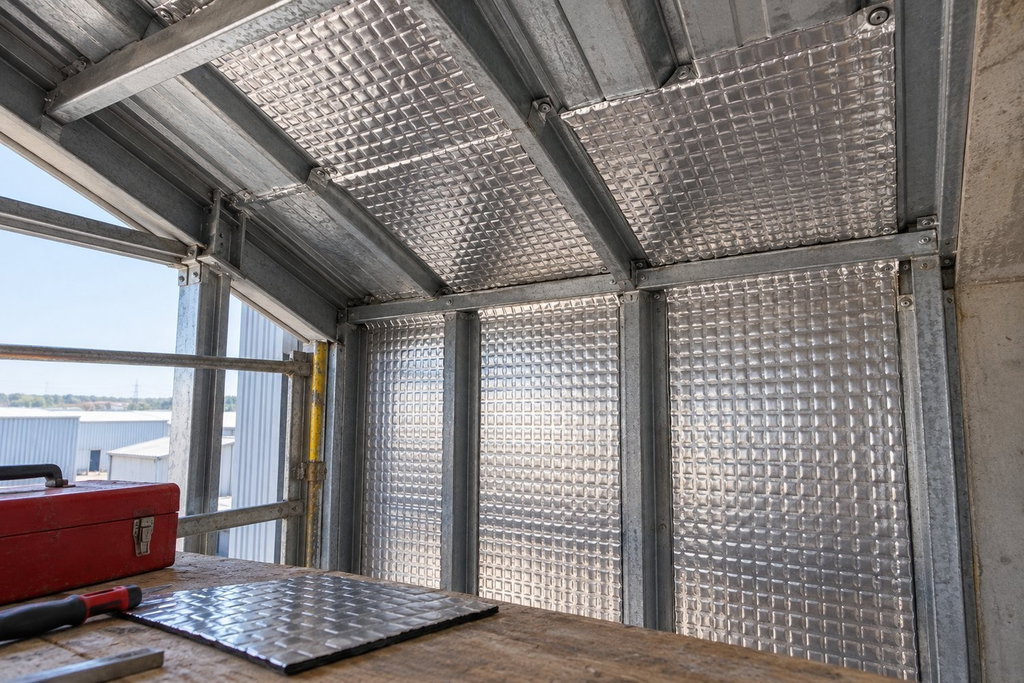
Vibration damping for walls and ceilings – reduces vibrations in industrial environments
Reduce structure-borne noise and vibrations transmitted through walls and ceilings in industrial buildings
In industrial environments, vibrations from machinery, technical installations, and production equipment can travel far beyond the point where they originate. When vibrations are transmitted into walls and ceilings, the motion propagates through the building’s structure and can cause structure-borne noise, low-frequency hum, and shaking in multiple spaces simultaneously. Vibration damping for walls and ceilings aims to limit this propagation and create a more stable and controlled sound and vibration environment.
What does vibration damping of walls and ceilings entail?
Vibration damping of walls and ceilings involves reducing how mechanical movements are transmitted through the building’s load-bearing structures. Unlike sound insulation, which blocks airborne sound between rooms, and sound absorption, which reduces echoes and reverberation within a room, vibration damping focuses on reducing the vibrations themselves within the structure. The goal is to break the mechanical connection that allows movements to propagate throughout the industrial building.
Common problems with vibrations through walls and ceilings
In industrial facilities, vibrations transmitted through walls and ceilings are often perceived as a dull, continuous hum or as recurring shaking. These issues arise, for example, when machinery is wall-mounted, when pipes and installations are firmly attached to the structure, or when vibrations from floors and joists are transmitted upward. Since walls and ceilings connect large parts of the building, the disturbances can be felt far from the actual source of vibration.
How do vibrations spread in wall and ceiling structures?
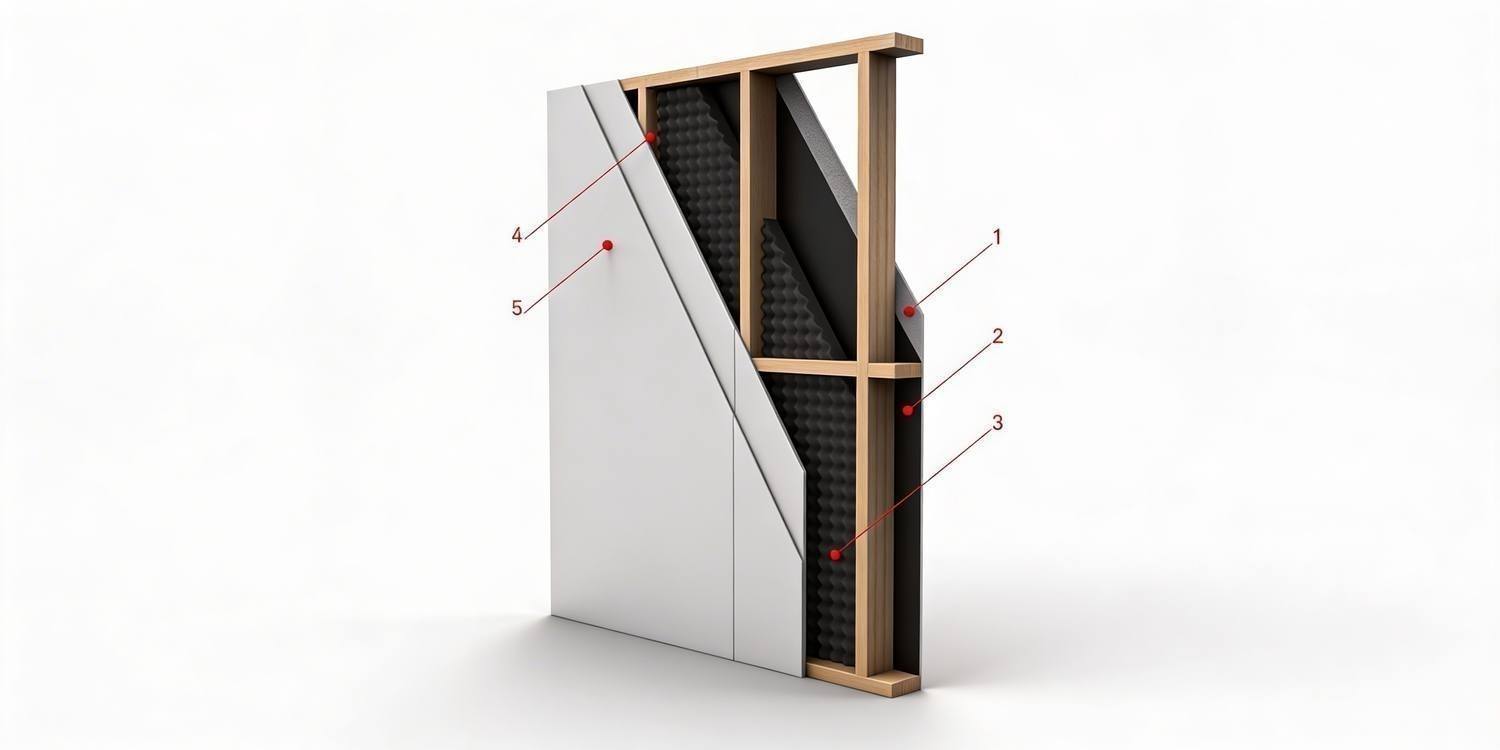
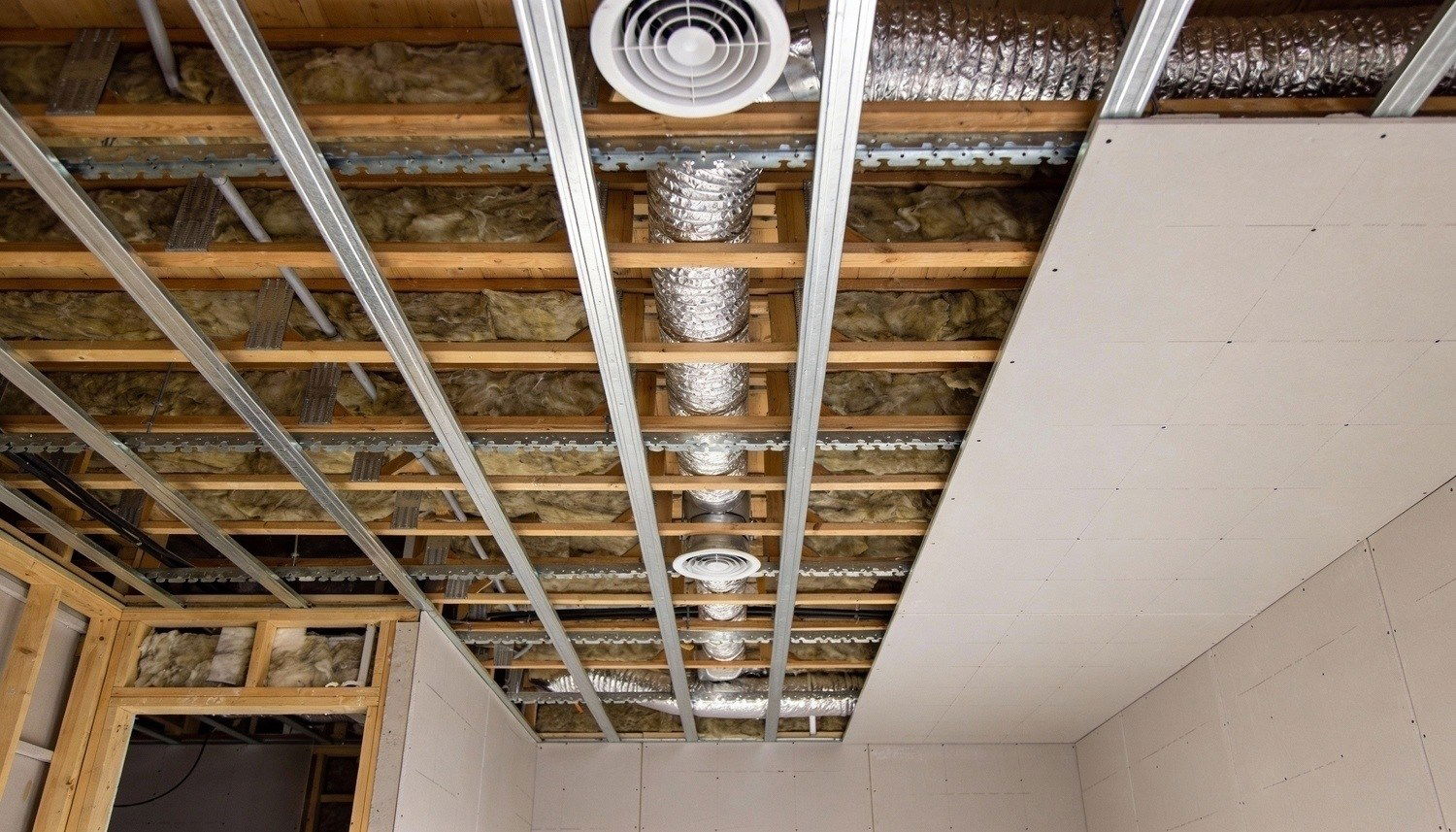
When vibrations are transmitted into a wall or ceiling, the motion continues through studs, concrete, steel, and panel materials, as well as via connections to floors, columns, and other building components. The structure can act as an effective transmission path where vibrations are amplified by resonance. This is a common reason why vibrations are perceived as difficult to locate in industrial environments.
Vibrations via Mountings
Fixed installations and piping systems can transmit motion directly to walls and ceilings.
Propagation between building components
Walls and ceilings often act as links that transmit vibrations throughout the building.
Why choose wall and ceiling vibration damping?
Vibration damping for walls and ceilings is often crucial when disturbances cannot be resolved through measures in the floor or at the machine alone. By reducing the propagation of vibrations in these building components, both structure-borne noise and perceived shaking can be reduced. This measure contributes to a better work environment, increased operational reliability, and reduced impact on neighboring operations.
Well-considered advice for best results
For maximum effectiveness, it is important to identify how vibrations enter the wall and ceiling structures. A common mistake is to focus solely on the audible noise without considering the mechanical transmission. By implementing vibration damping where the motion enters the structure, disturbances can be reduced more effectively and sustainably.
Vibration damping of walls and ceilings is therefore an important measure for reducing disruptive vibrations and structure-borne noise in industrial environments.