



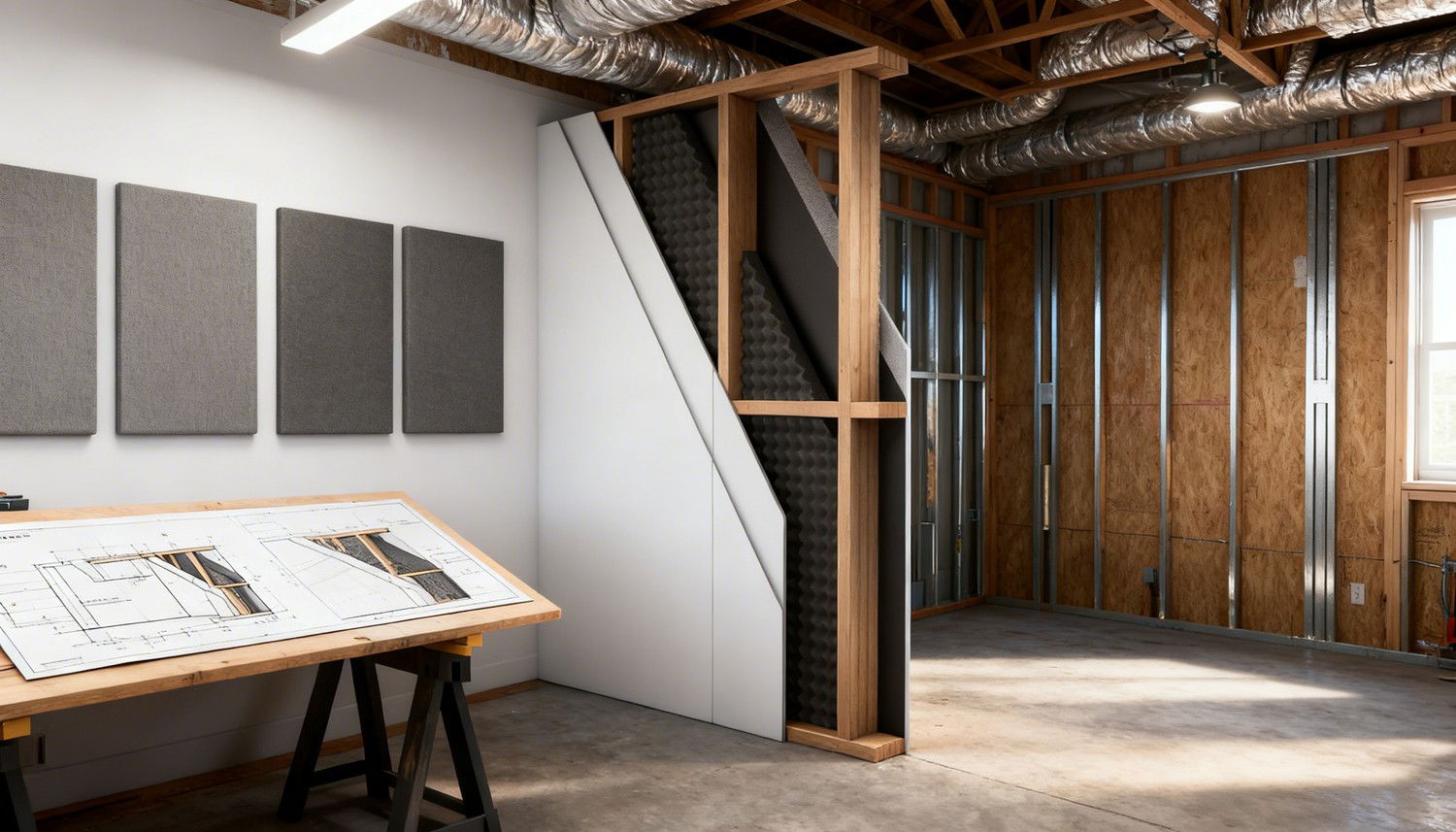





Roof soundproofing – blocks sound between rooms in industrial settings
Reduce sound transmission between floors and work zones in industrial settings
In industrial environments, ceilings and floor structures are often a key pathway for sound transmission between different floors, production areas, and adjacent spaces. Machinery, forklift traffic, foot traffic, impacts, and movements create vibrations and noise that can travel through the structure and be heard far from the source. Roof sound insulation aims to limit this sound transmission and create a clearer separation between different parts of the facility.
What does ceiling sound insulation entail?
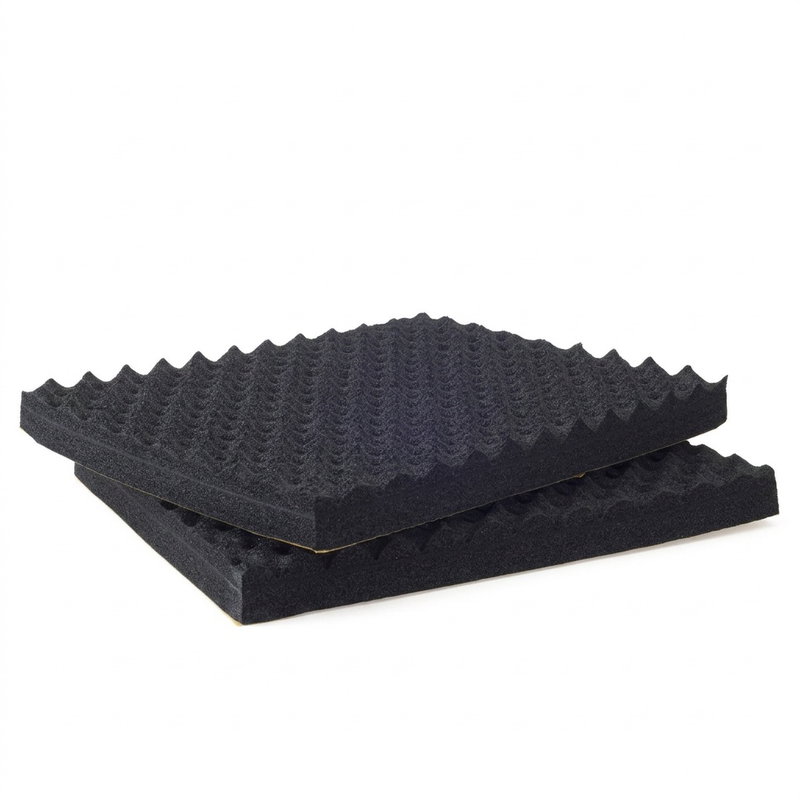
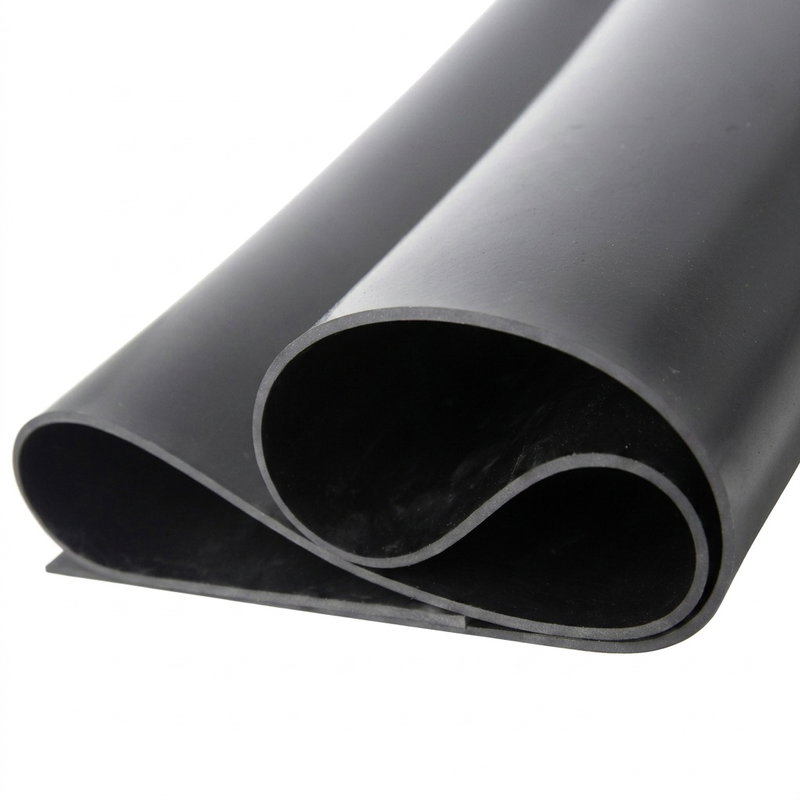
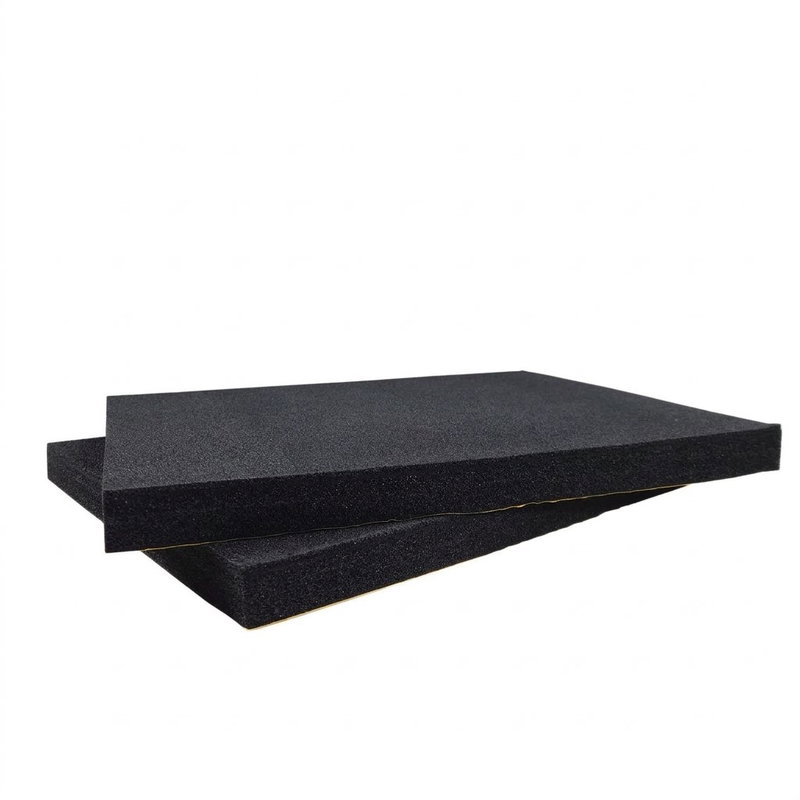
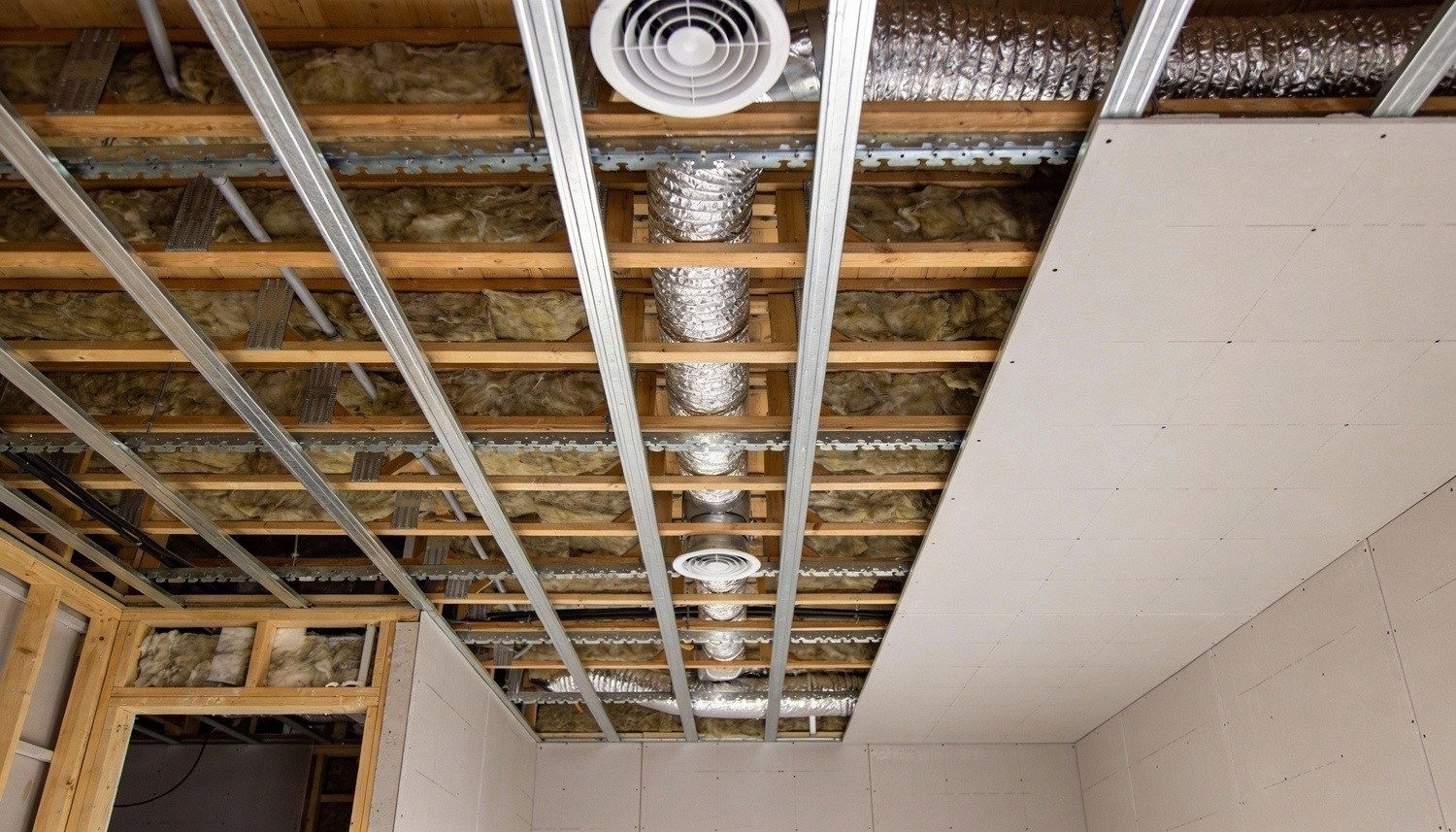
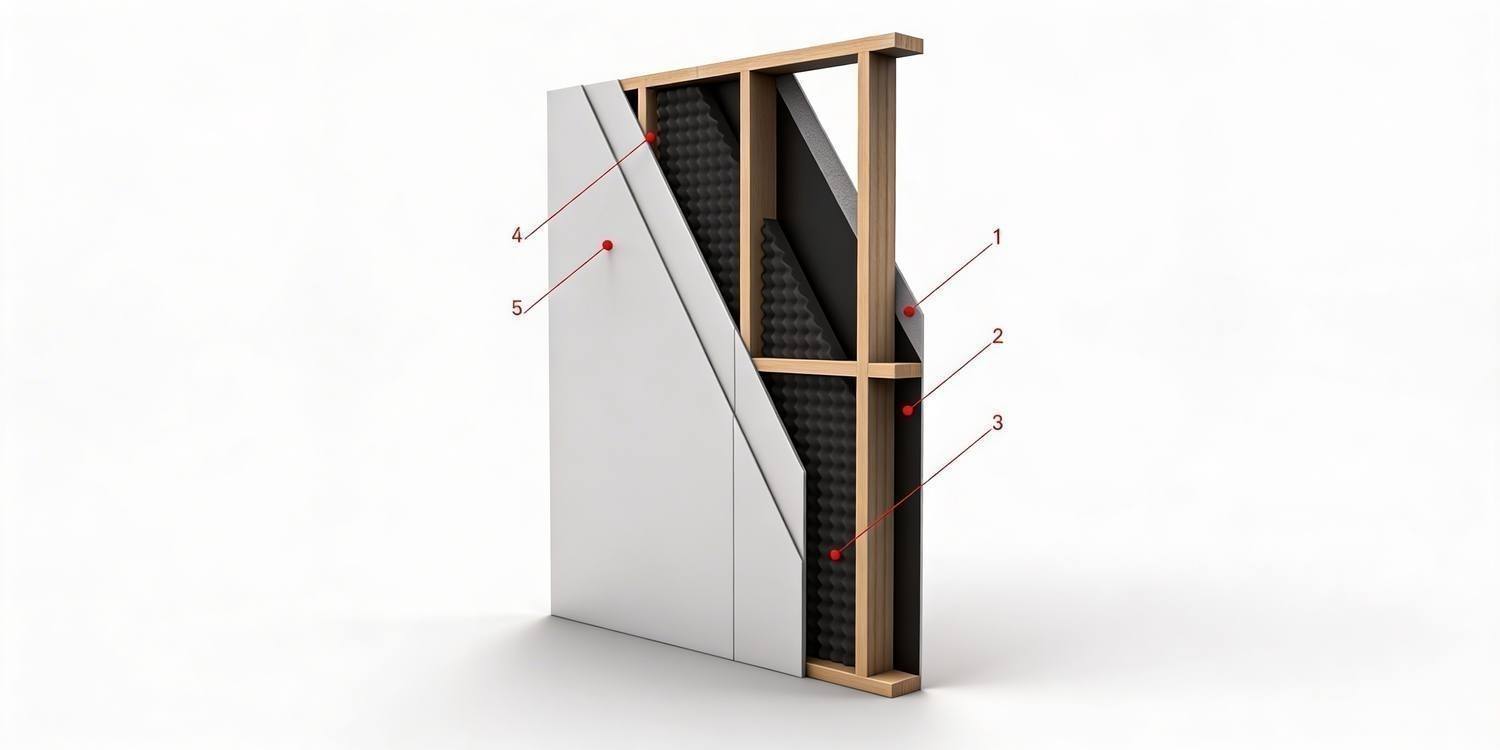
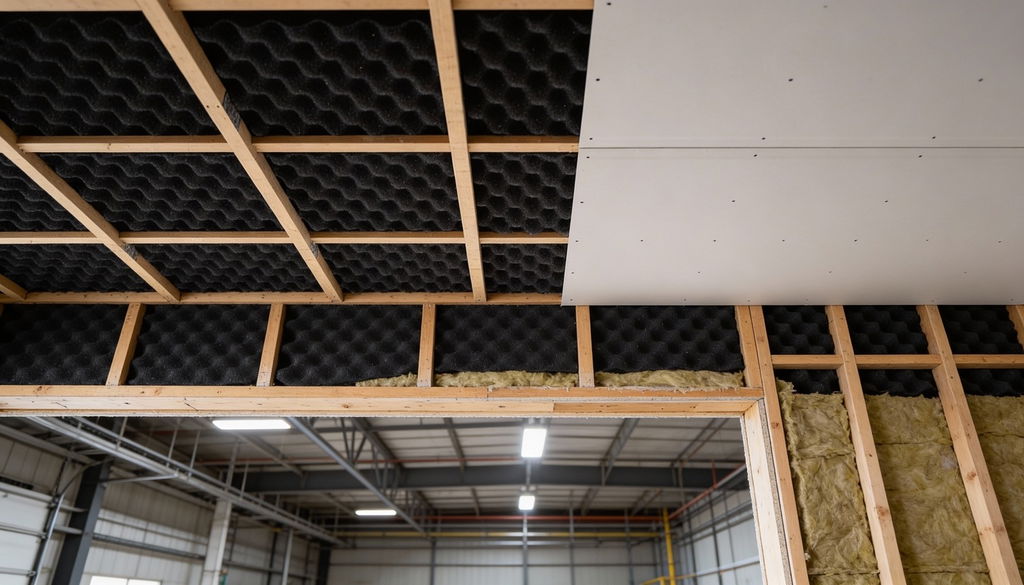
Roof sound insulation involves reducing how sound spreads between rooms through the roof and floor structure. This applies to both airborne sound, such as voices and machine noise, and structure-borne sound that occurs when vibrations are transmitted through the building’s frame. This differs significantly from sound absorption, which reduces echoes and reverberation within a room, and vibration damping, which focuses on reducing vibrations from machinery and installations. Roof insulation is used when the goal is to block the path of sound between spaces.
Common problems with sound through ceilings in industry
In industrial environments, sound transmitted through ceilings is often perceived as noise from production on the floor above, impact noise from material handling, or vibrations from heavy installations. Sound can also travel from mechanical rooms or machine floors down to offices, staff areas, or other workspaces. These disturbances affect the work environment, concentration, and communication.
How sound spreads through ceilings and floor structures
When sound and vibrations occur in an industrial environment, they are transmitted through load-bearing structures such as floor joists, beams, and ceiling surfaces. Since these components are interconnected, the sound can be amplified and spread over large areas. The ceiling thus becomes a critical point to address when dealing with sound issues between floors or separate operational areas.
Footfall and movement noise
Foot traffic, forklift traffic, and the movement of materials can create strong vibrations that travel through the floor structure.
Airborne industrial noise
Machinery, processes, and conversations can be transmitted through the roof structure to underlying spaces.
Why choose roof sound insulation in industrial environments?
Roof sound insulation provides a significant improvement in the acoustic environment by reducing disruptive noise between different parts of the facility. This measure contributes to a quieter work environment, clearer zoning, and increased safety in environments where communication is critical. In many cases, roof insulation is combined with sound insulation for walls or floors, as well as vibration damping, to achieve a more comprehensive result.
Well-considered advice for best results
For optimal results, the ceiling should be viewed as part of the entire structure and the facility’s sound flow. A common mistake is to focus on individual surfaces without considering how sound propagates between floors. By analyzing sound sources, load, and construction, the appropriate insulation principles can be selected. The result is a more controlled and long-term sustainable acoustic environment in industrial settings.
Roof sound insulation is therefore a key measure for blocking sound between rooms and floors and creating better structure, working conditions, and comfort in industrial environments.