









Sound-absorbing fabric room dividers – reduce echoes in school environments
Flexible sound absorption and clearer zoning in schools and educational settings
In schools and educational settings with open spaces, group rooms, hallways, and shared workspaces, echoes and prolonged reverberation are common problems. Conversations, movement, group instruction, and spontaneous activities create sounds that bounce off walls, ceilings, and floors. This negatively impacts speech intelligibility, concentration, and a quiet study environment. Fabric sound-absorbing room dividers are an effective form of sound absorption that both visually divide school spaces and improve acoustics by reducing sound reflections in the room.
What are fabric sound-absorbing room dividers?
Sound-absorbing fabric room dividers consist of porous cores covered with fabric that absorb sound waves when they strike the surface. By reducing reflections, the reverberation time is shortened, creating a calmer and more controlled sound environment. It is important to distinguish sound absorption from sound insulation, which blocks sound between rooms, as well as vibration damping, which reduces shaking and structure-borne noise. Room dividers are used to improve the acoustics within the same space where the sound originates.
Common acoustic challenges in schools and school environments
Schools often feature large hard surfaces and flexible learning environments where multiple activities take place simultaneously. Classrooms divided into zones, open study areas, libraries, and hallways can quickly develop issues with echoes and background noise. This makes it harder for students to focus, understand instructions, and work undisturbed, while also impacting the staff’s work environment.
How sound-absorbing room dividers work in practice
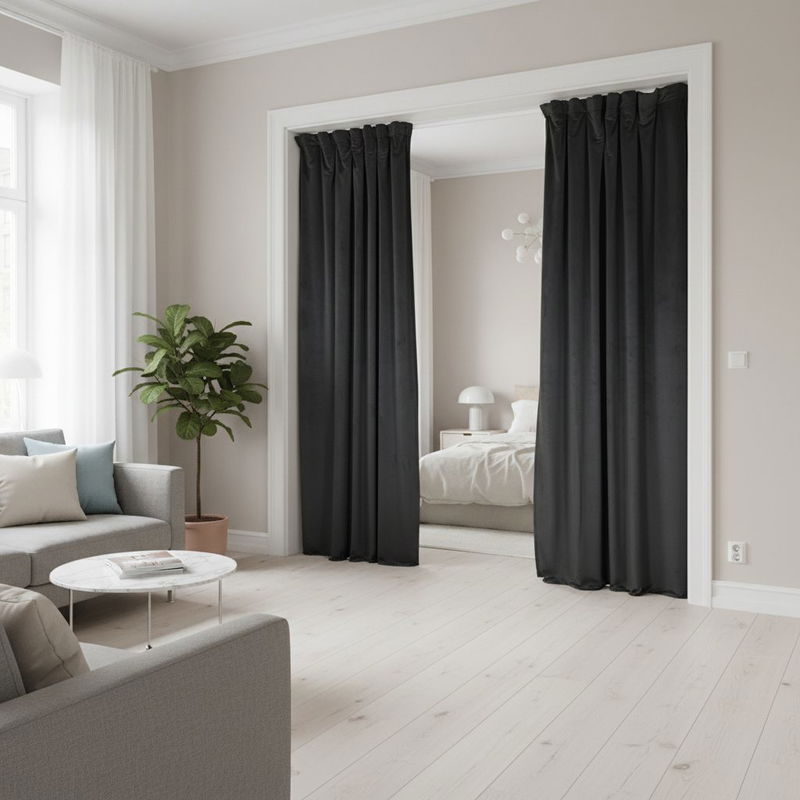
Room dividers are placed freestanding where sound travels between different functional areas, such as between workstations, group rooms, or study zones. Thanks to their thickness and porous structure, they absorb sound from multiple directions simultaneously, making them particularly effective in open and flexible school environments.
Screening and sound absorption in one
Room dividers create distinct zones for teaching and quiet study while dampening sound reflections.
Movable and adaptable solution
Since the room dividers are freestanding, they can be easily moved and adapted as the school’s needs change.
Relationship to other sound-absorbing solutions
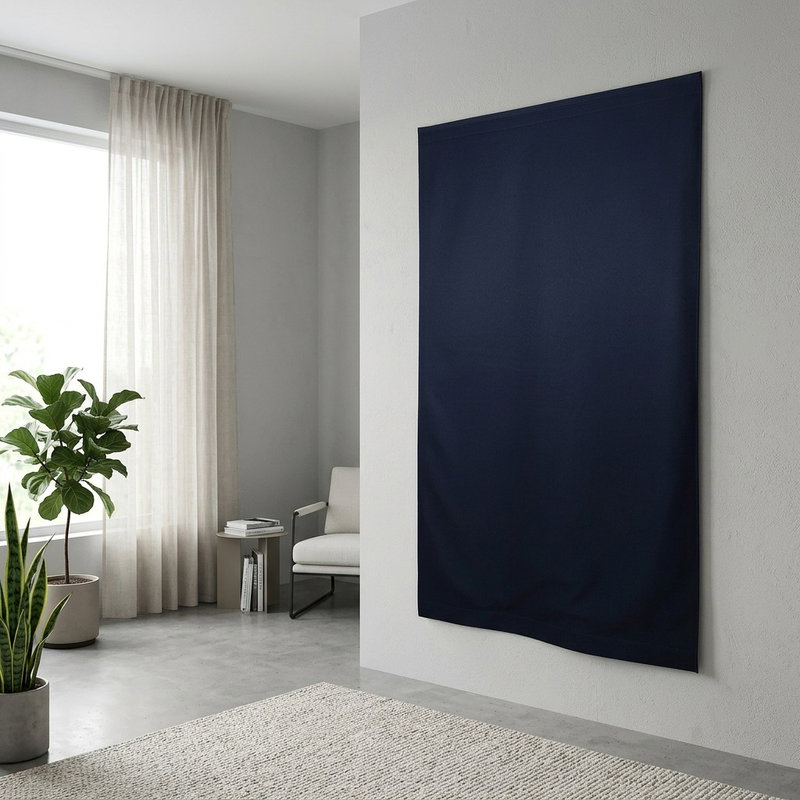
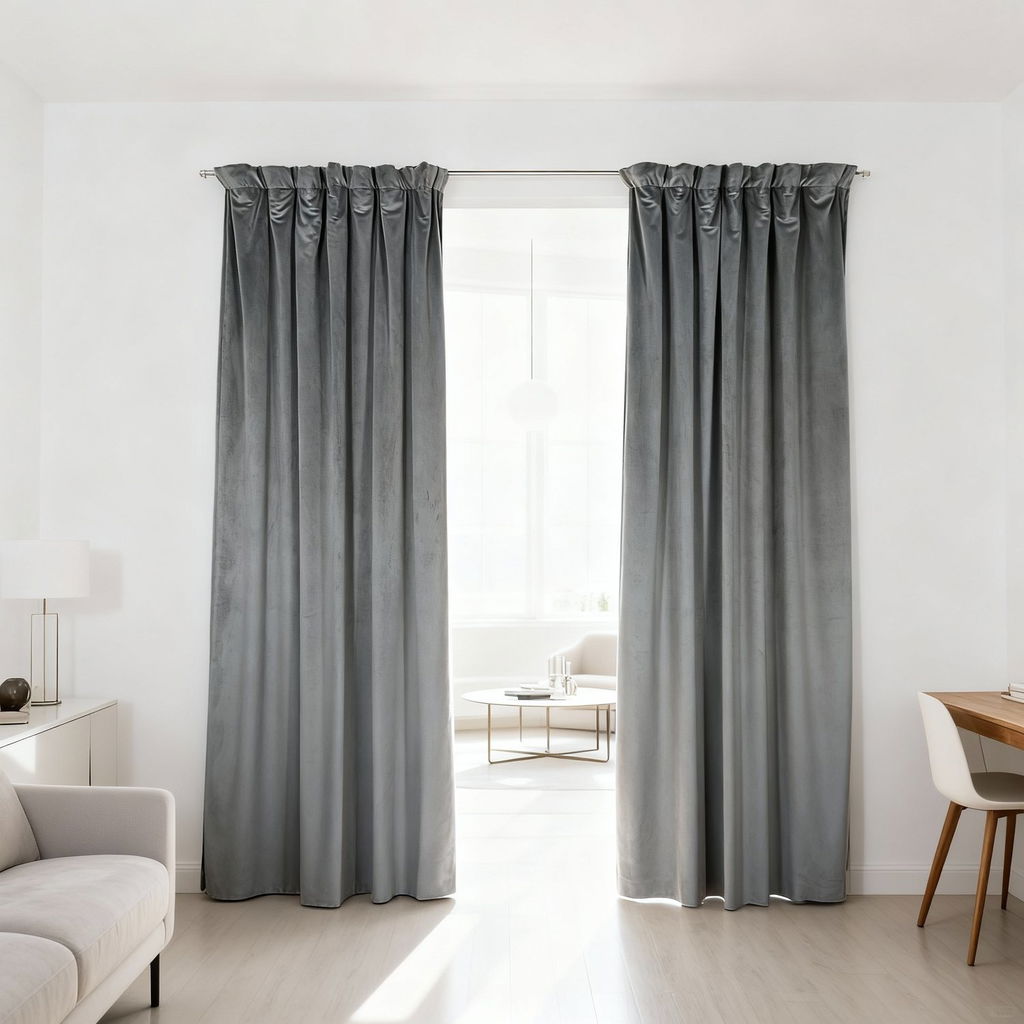
Sound-absorbing room dividers work best as part of a comprehensive solution. In school environments, they are often combined with sound absorption on walls and ceilings, as well as sound-absorbing curtains, to create a well-balanced acoustic environment throughout the space.
Why choose sound-absorbing room dividers in school environments?
Room dividers provide a quick and noticeable improvement to the acoustic environment without requiring structural modifications. They contribute to better speech intelligibility, reduced noise stress, and a more conducive learning environment. For schools working with flexible learning environments, this is a particularly valuable solution that combines functionality, acoustics, and pedagogical flexibility.
Well-considered advice for best results
For maximum effectiveness, room dividers should be placed where sound travels between different activities. In larger school environments, multiple room dividers can be combined, while smaller spaces are often improved by strategically placed solutions. A common mistake is using too few absorbers. The right scope and placement ensure a long-term calm and functional acoustic environment.
Sound-absorbing fabric room dividers are therefore an effective and flexible choice for schools that want to reduce echo, create clearer zones, and improve both the study environment and the work environment.