



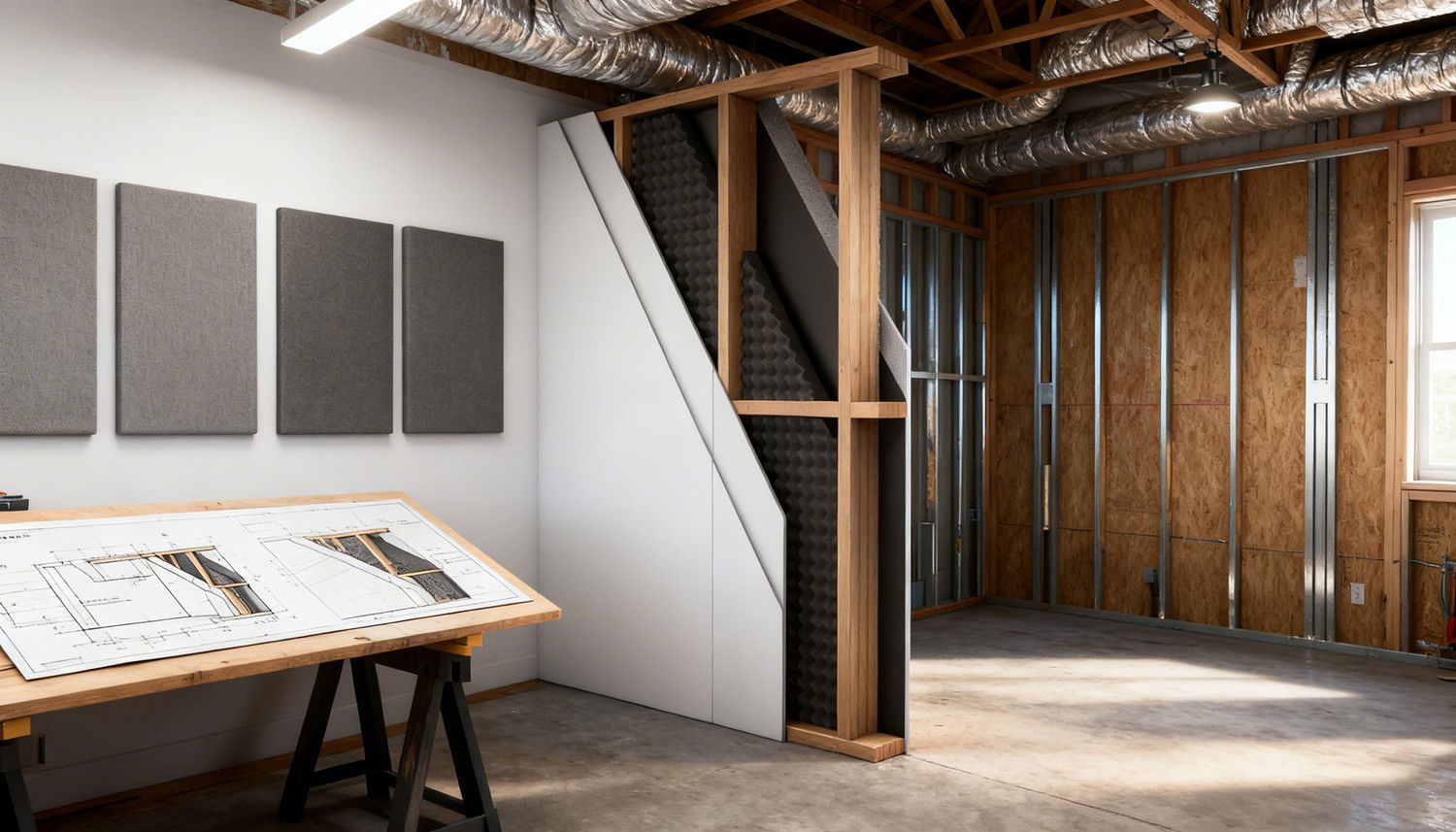




Soundproofing doors and windows – blocks sound between rooms
Reduce sound leakage through doors and windows in homes
In homes, doors and windows are often the weakest points when it comes to soundproofing. Even if walls, floors, and ceilings are well-constructed, sound can easily pass through cracks, gaps, and thin structures. Soundproofing doors and windows aims to reduce this sound leakage and block sound that would otherwise travel between rooms or from adjacent spaces.
Why do doors and windows let sound through?
Doors and windows are movable building components that are often lighter in weight and have poorer sealing than other structures. Sound can therefore pass through both the material itself and via gaps around frames and thresholds. This is especially true for airborne sound such as voices, TV audio, music, or sounds from other parts of the home.
Common problems related to doors and windows
In homes, problems are often experienced as sound penetrating interior doors, noise from stairwells or hallways, or noise entering through windows. Even small gaps can have a significant impact on sound levels, as sound always takes the path of least resistance. The result is reduced privacy and a more disruptive sound environment.
How does sound insulation for doors and windows work?
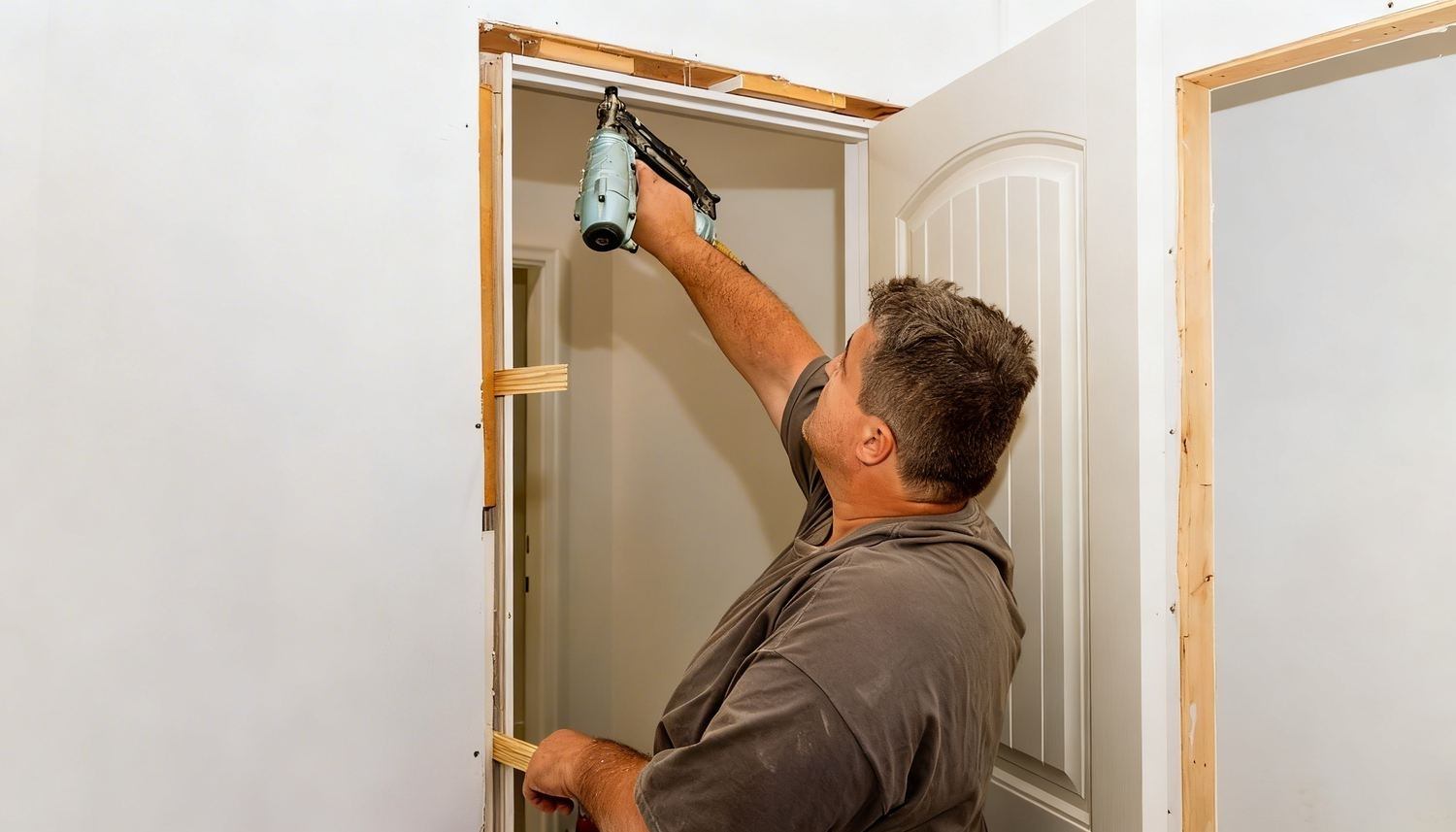
Sound insulation for doors and windows works by limiting the passage of sound through increased tightness, improved mass, and reduced air leakage. By addressing the door leaf, frames, and connections, sound transmission can be significantly reduced. The focus is on stopping airborne sound, not on altering the room’s acoustics.
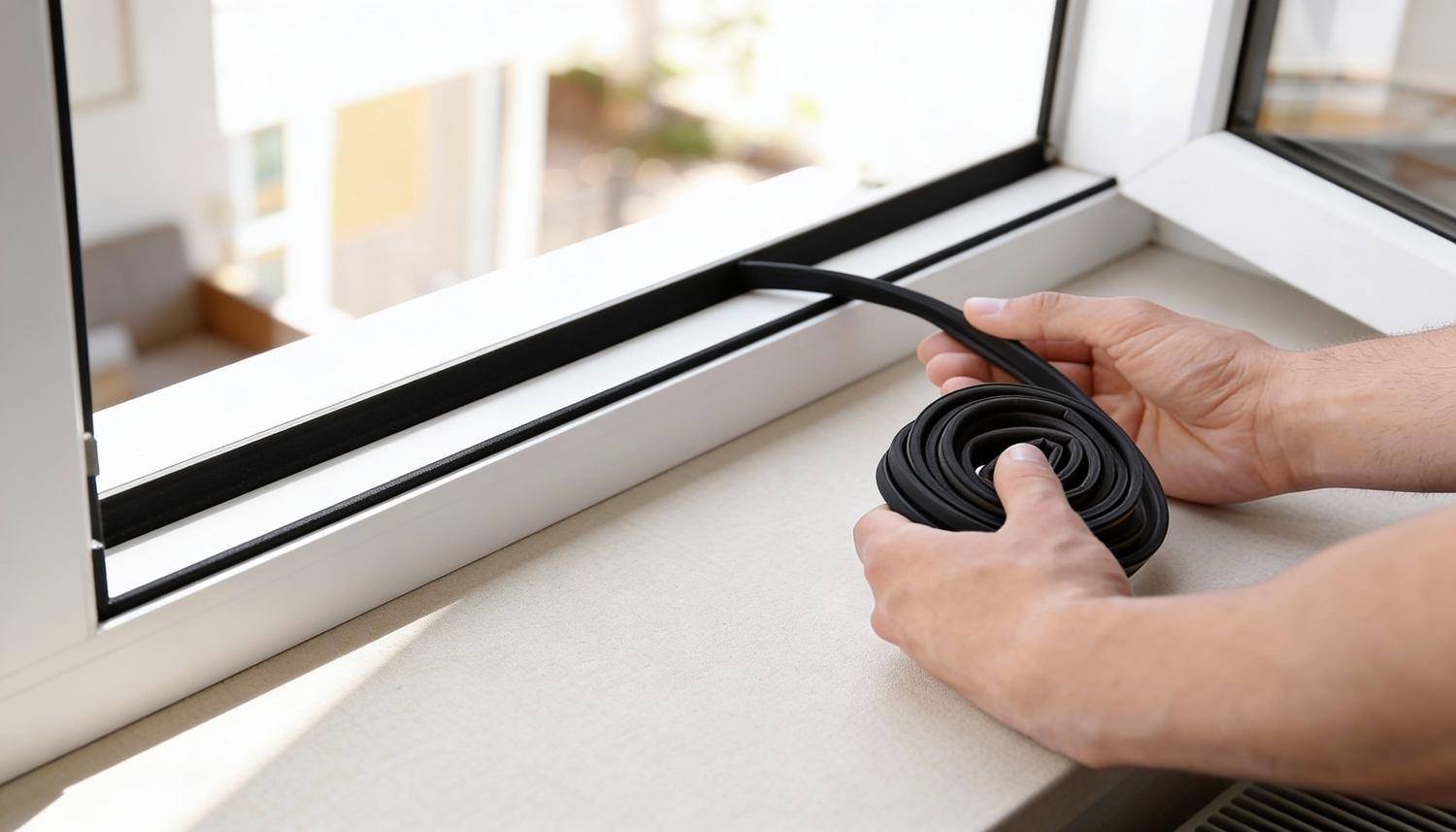
Sealing gaps and cracks
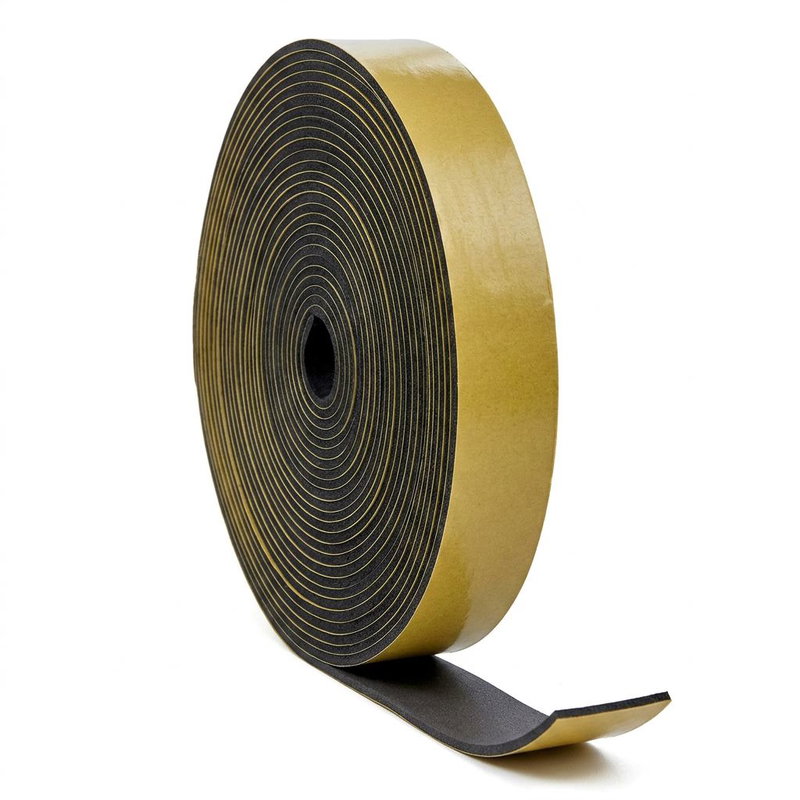
Leaks around doors and windows are often the main cause of sound leakage.
Improved insulation performance
Doors and windows with poor sound insulation can be improved through targeted measures.
Why choose sound insulation for doors and windows?
Soundproofing doors and windows often yields significant results relative to the effort, as these surfaces otherwise limit the sound insulation of the entire room. This measure improves privacy, reduces disruptive noise, and contributes to a quieter living environment. In many cases, this is an important complement to soundproofing walls, floors, and ceilings.
Well-considered advice for best results
For the best results, doors and windows should be viewed as part of the whole. A common mistake is to address larger structural elements while leaving doors and windows unimproved, which allows sound to still penetrate. By identifying where sound leakage occurs and sealing these points, sound insulation in the home can be significantly improved.
Soundproofing doors and windows is therefore an important step in blocking sound between rooms and creating greater peace and privacy in homes.