







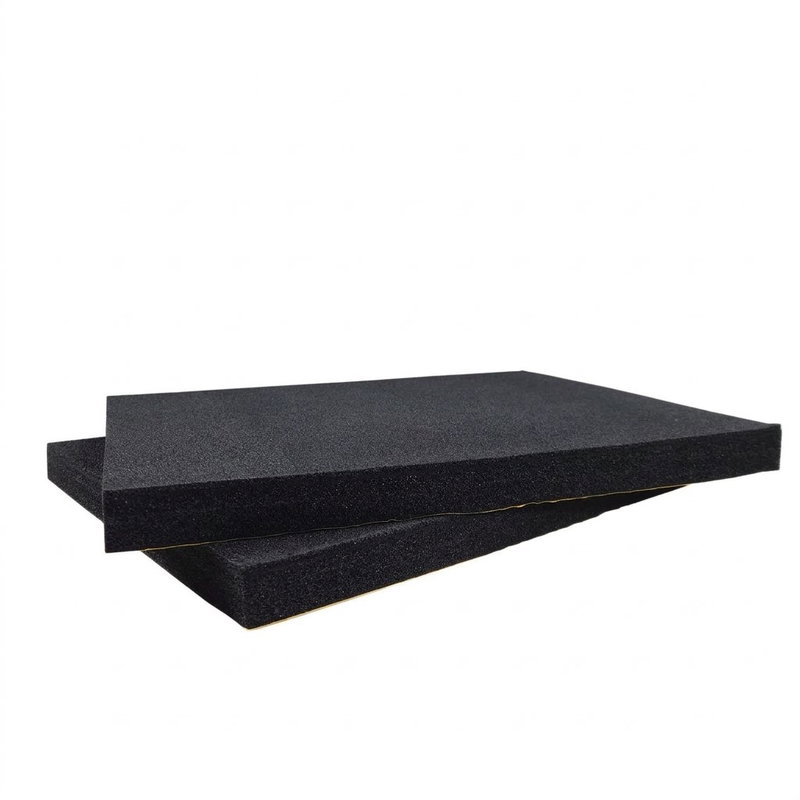
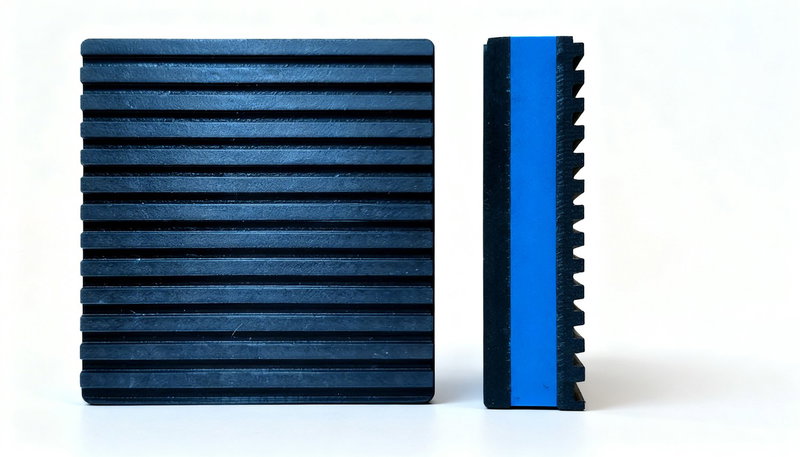


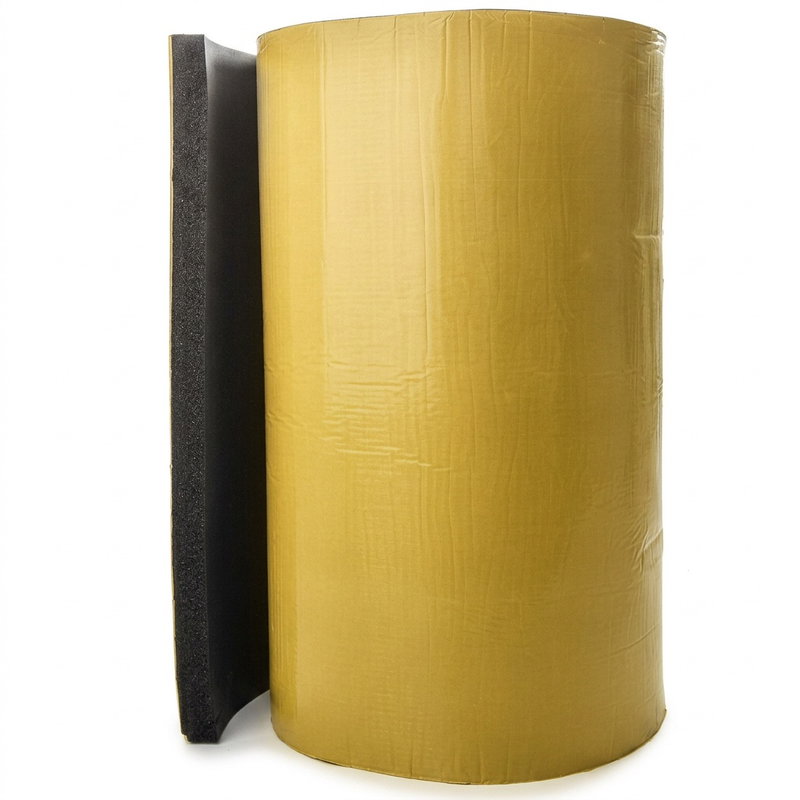
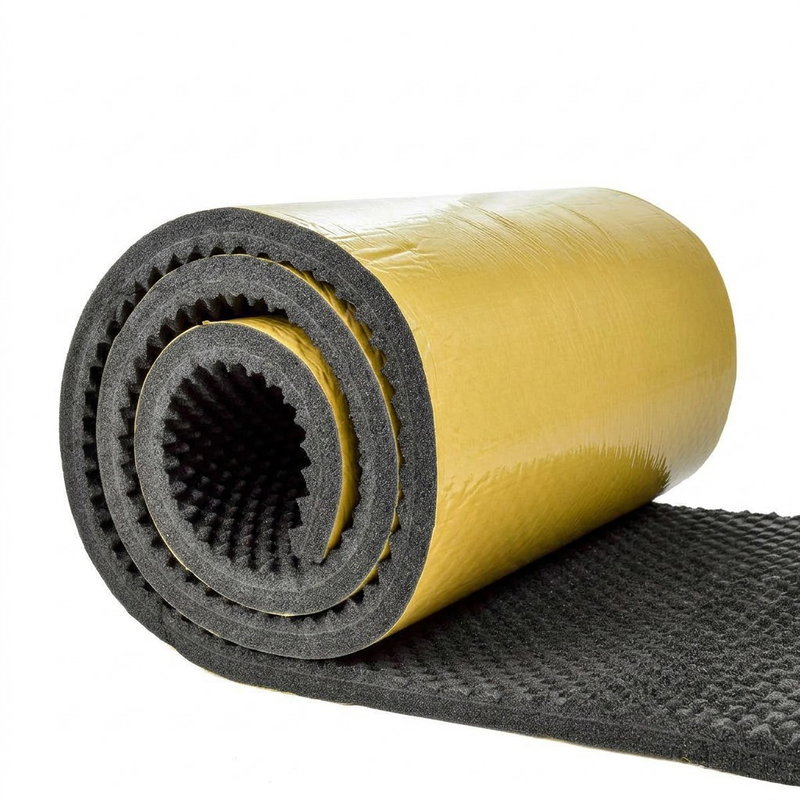

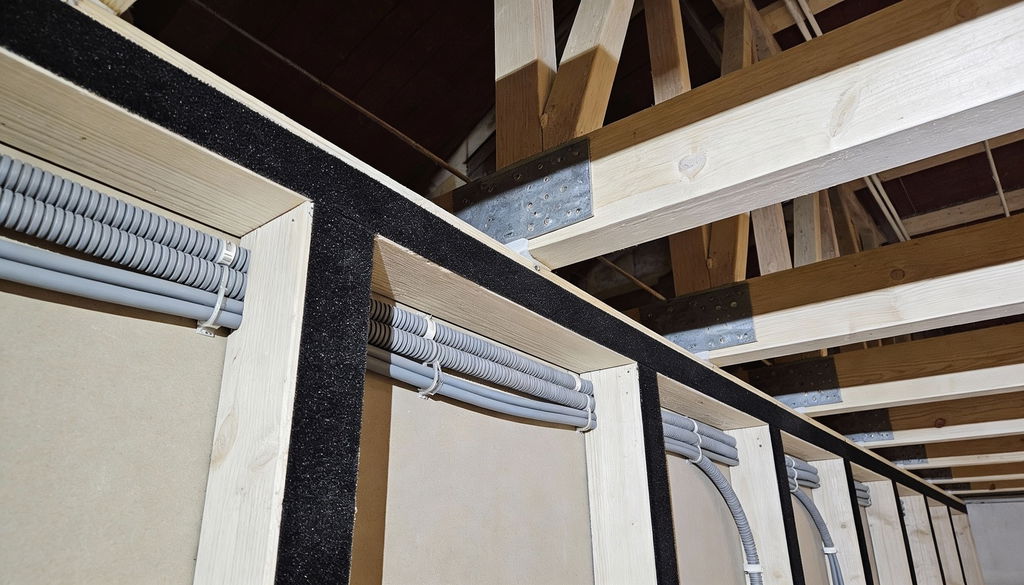
Vibration damping – reduces vibrations in schools and school environments
Reduce structure-borne noise and mechanical vibrations for a better study environment and working environment
In schools and other educational environments, disruptive noise often arises that is not transmitted through the air, but through vibrations in the building's structure. Technical installations, ventilation systems, pumps, fans, machines, and daily movements create mechanical vibrations that are transmitted through floors, walls, and ceilings. These vibrations can be experienced as a dull hum, shaking, or recurring disturbances in classrooms, group rooms, corridors, and staff rooms. Vibration damping is the measure used to reduce these movements and limit how they spread throughout the school building.
What is vibration damping?
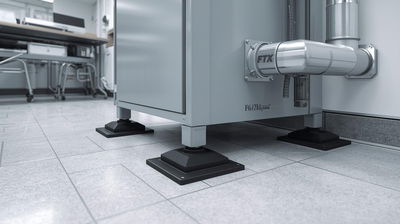
Vibration damping involves reducing the transmission of mechanical vibrations from a source to the building's structure. Unlike sound insulation, which stops airborne sound between rooms, and sound absorption, which reduces echo and reverberation in the room, vibration damping focuses on the actual movement in the structure. The measure is directed at contact points where vibrations are transmitted, for example between machinery and the floor, between installations and walls, or via ceiling fixings.
Common problems with vibrations in school environments
In schools, vibrations are often experienced as low-frequency sounds or shaking that is felt rather than heard. Common sources are ventilation units, fans, heating systems, technical rooms, commercial kitchen equipment, and machines in craft rooms or sports halls. Even installations that are permanently mounted in walls or ceilings can create vibrations that spread to several parts of the building and affect study peace and concentration.
How do vibrations spread in school buildings?
When vibrations occur, the movement is mechanically transmitted through the building's interconnected structure. Floors often serve as the primary transmission path, but vibrations can also be transmitted through walls, ceilings, joists, pipes, and fixtures. Since school buildings often have large interconnected areas, the disturbances can be felt far from the source itself, for example in classrooms above or adjacent to technical rooms.
Vibration damping in different parts of the school
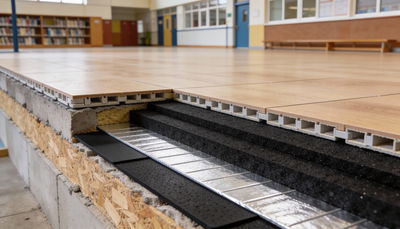
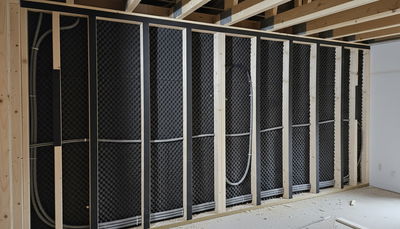
Vibration damping is mainly used on floors, machines, and technical equipment, as well as on walls and ceilings where movements are transmitted. Floors are often the largest propagation surface for vibrations from installations and equipment, while walls and ceilings can amplify and transmit the movement. By adapting the measure to where the vibrations occur, structure-borne noise can be reduced more effectively and in the long term.
Relationship to sound absorption and sound insulation
It is important to distinguish between vibration damping and sound absorption and sound insulation. Sound-absorbing solutions on walls, ceilings, curtains, or room dividers are used to reduce echo and reverberation in the room. Sound insulation stops sound between rooms. Vibration damping, on the other hand, deals with the mechanical transmission in the building and is often crucial when the disturbances cannot be solved with acoustic measures alone.
Well-thought-out advice for the best results
For the best effect, it is important to identify both the source of the vibration and how the movement spreads throughout the school building. A common mistake is to try to remedy the sound where it is perceived, even though the problem is fundamentally mechanical transmission. By working close to the source and breaking the vibration paths, disturbances can be reduced more effectively and create a calmer, safer, and more functional school environment over time.
Vibration damping is therefore a fundamental measure for reducing vibrations and structure-borne noise and creating a better study environment and working environment in schools and school environments.