





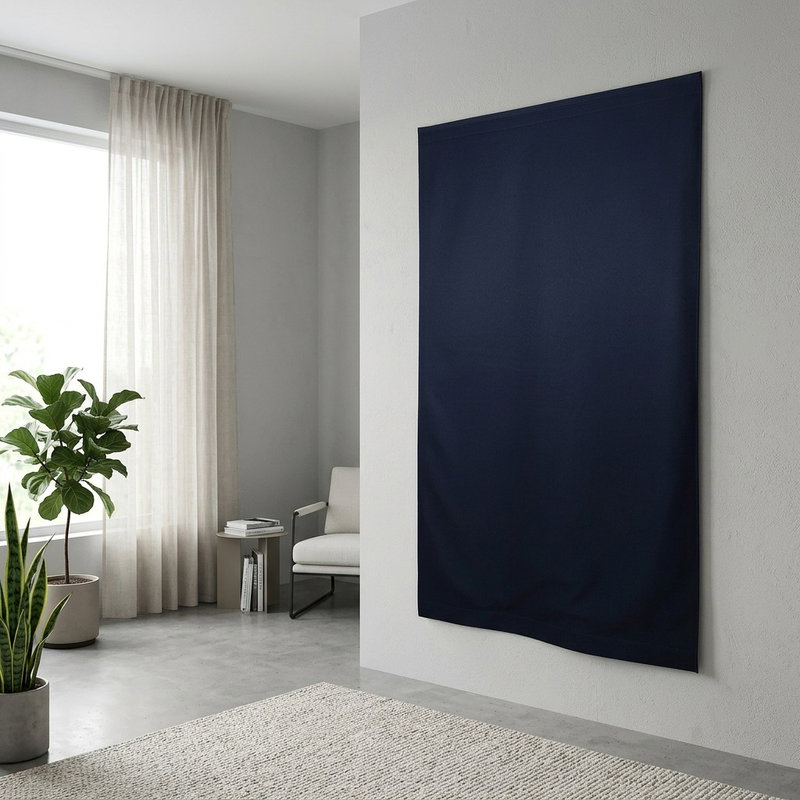
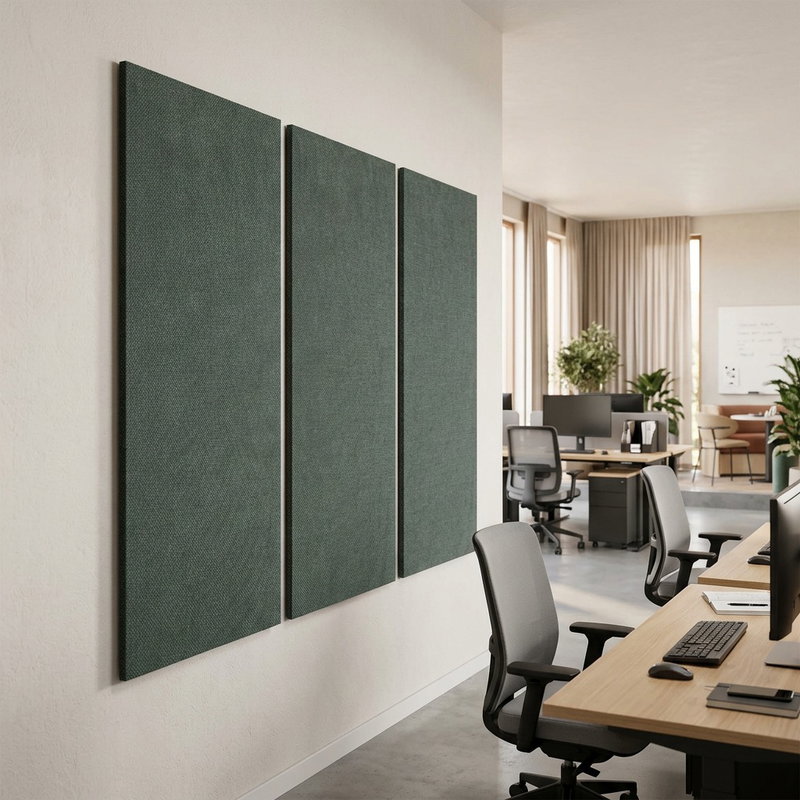
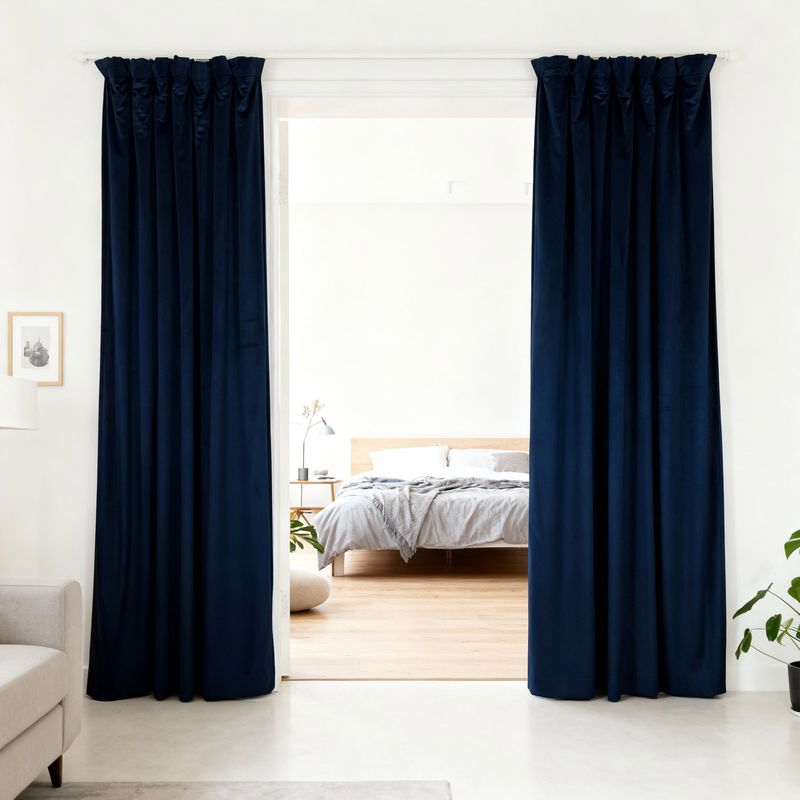
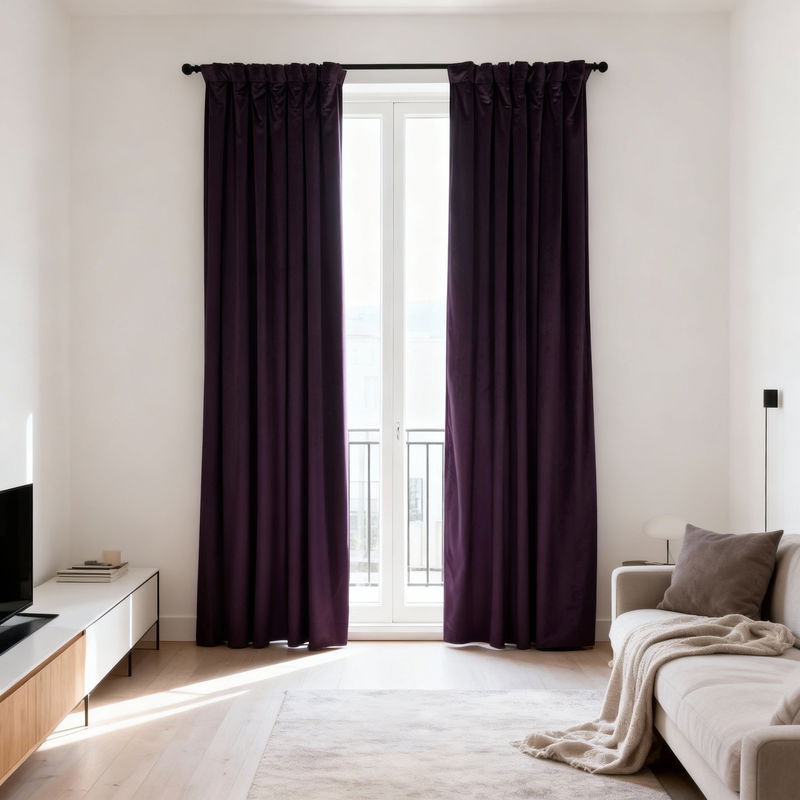





Sound absorption – reduces echoes and reverberation in the room
A quieter and more functional acoustic environment in homes
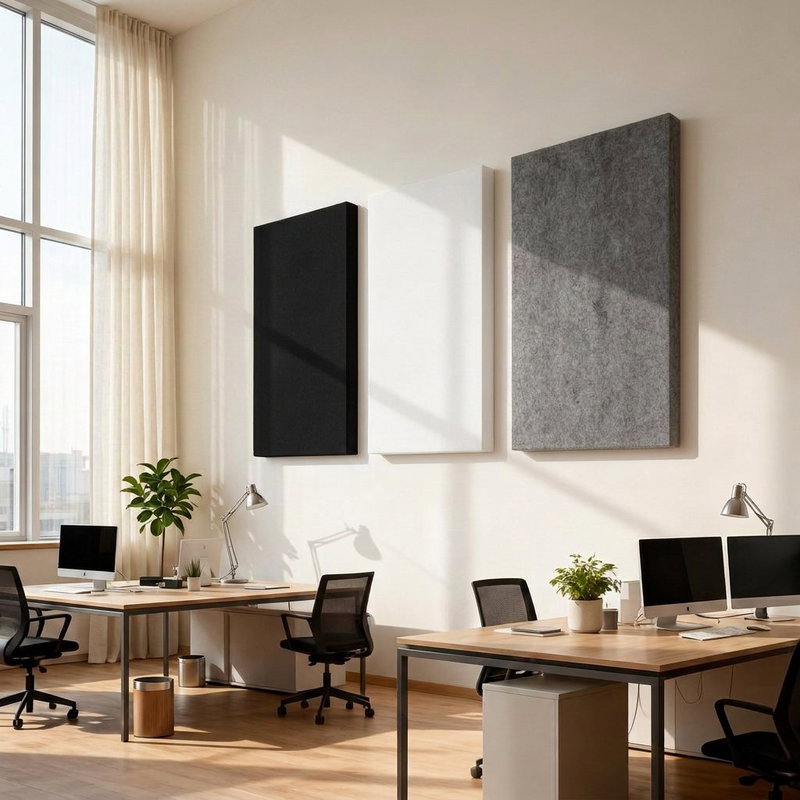
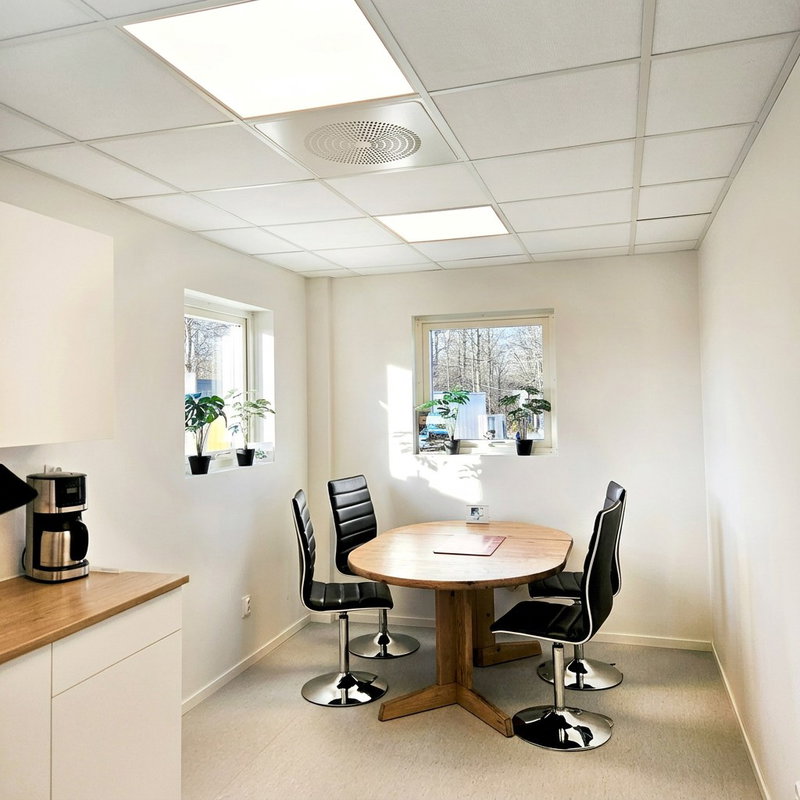
In homes, as well as in offices and other indoor environments, sound absorption is often the most effective measure for reducing echoes and improving a room’s acoustics. Modern homes contain many hard surfaces such as drywall, concrete, glass, and wood, which reflect sound rather than dampen it. When sound bounces between walls, ceilings, and floors, reverberation occurs, making the room noisy, stressful, and less pleasant to be in. With the right sound-absorbing solutions, a more balanced and comfortable acoustic environment is created.
What is sound absorption?
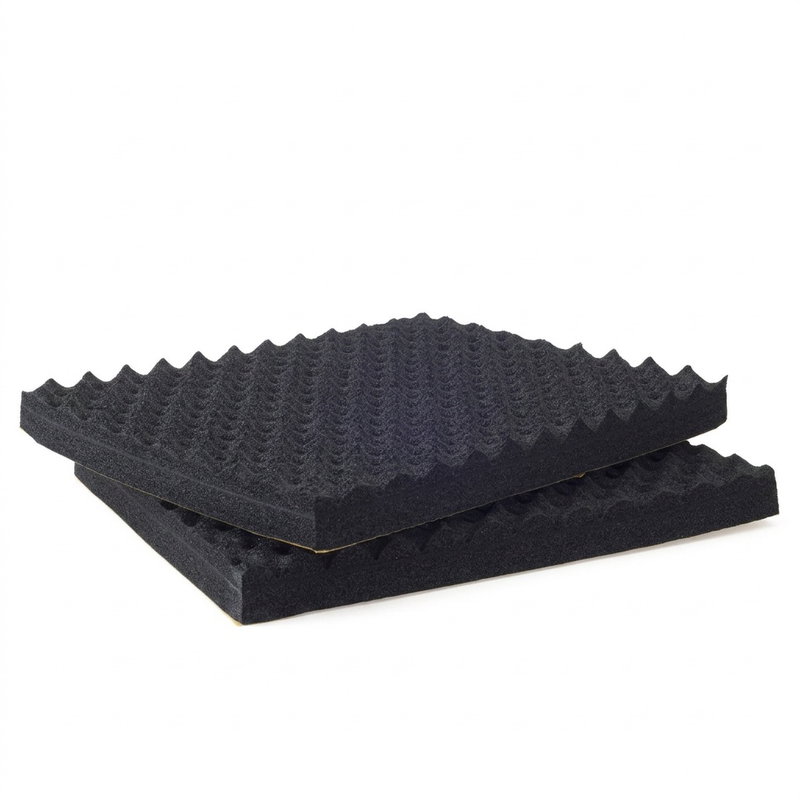
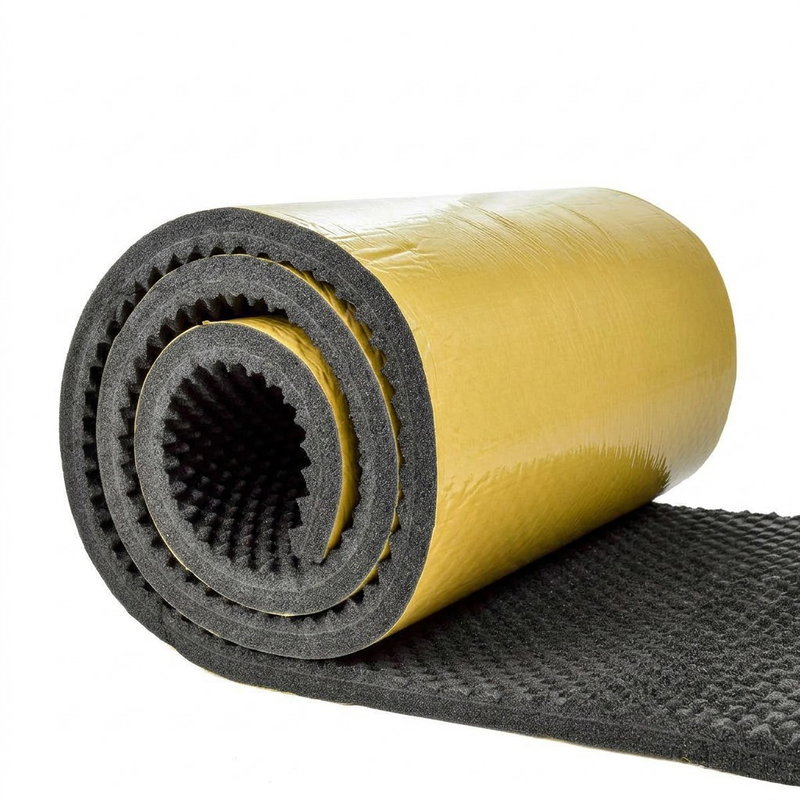
Sound absorption means that sound waves are captured by porous materials and converted into thermal energy, which reduces reflections in the room. This is clearly distinct from sound insulation, which aims to prevent sound from spreading between rooms, and vibration damping, which reduces vibrations and structure-borne noise from, for example, installations and machinery. Sound absorption is thus used to improve acoustics where sound already exists, not to stop sound leakage.
Common problems with echo and reverberation
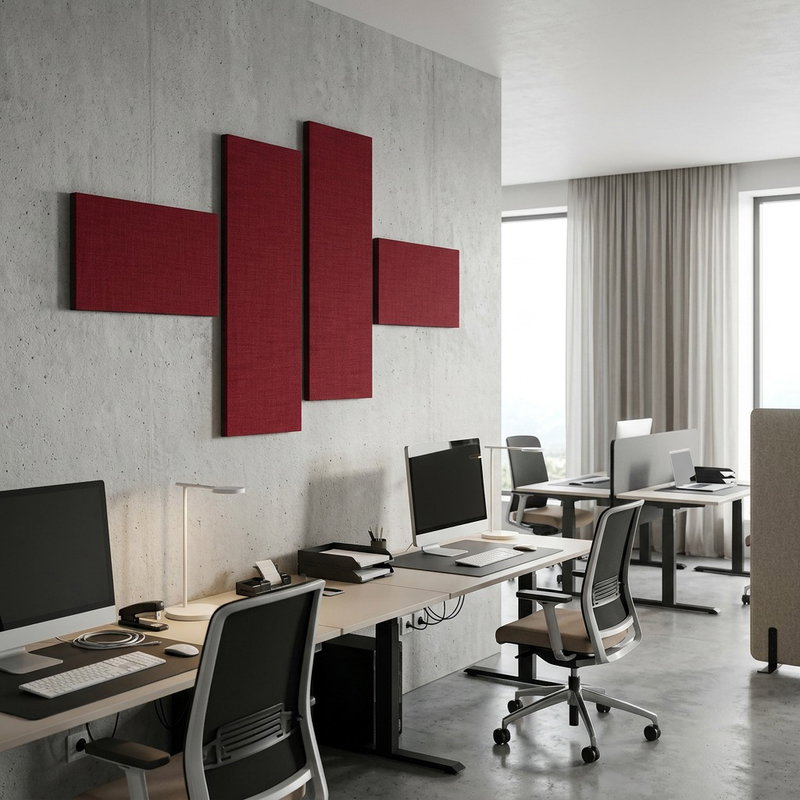
Echoes and long reverberation are common in living rooms, kitchens, stairwells, home offices, and open floor plans. Speech becomes harder to understand, the noise level feels louder than it actually is, and the room feels less pleasant. In work environments, this can negatively affect concentration and conversations, while in homes it often leads to increased noise stress and reduced everyday comfort.
How sound-absorbing solutions work
Sound-absorbing products are placed on strategic surfaces where sound reflections occur. When sound waves hit the material, they are slowed down, which shortens the reverberation time and creates a quieter soundscape.
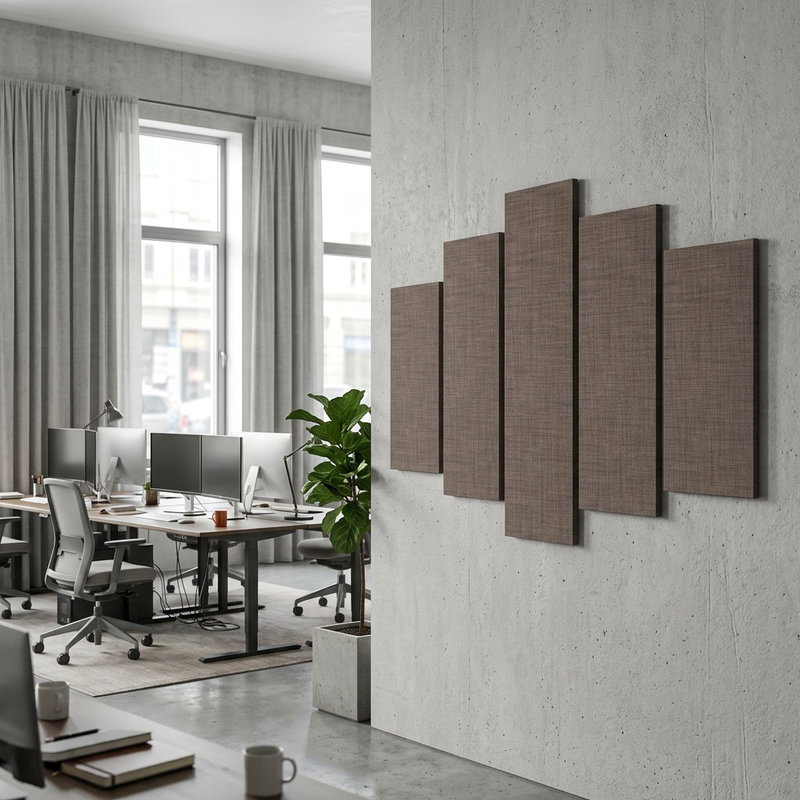
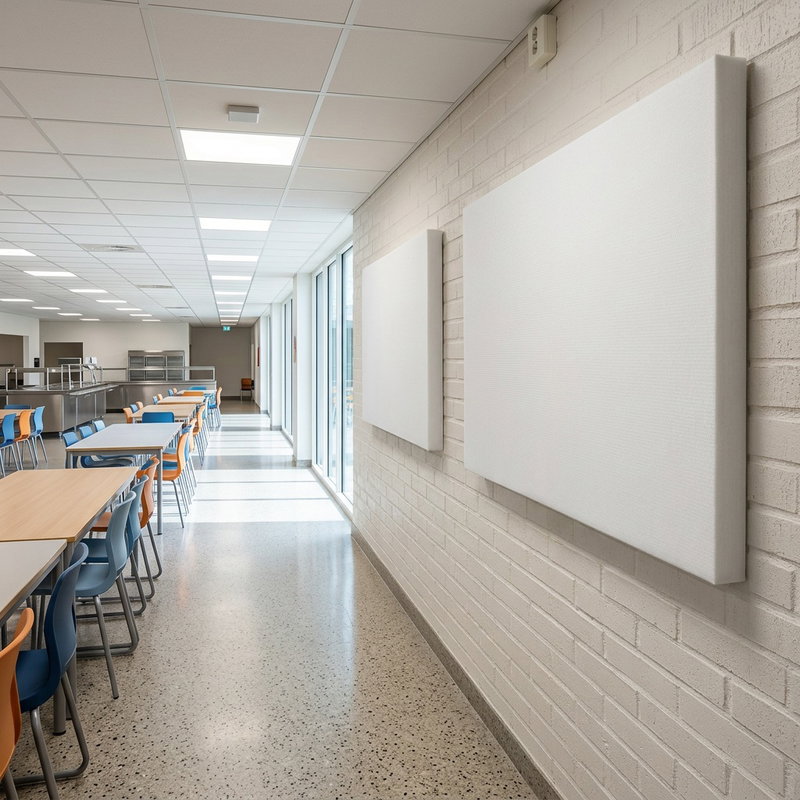
Sound absorption on walls
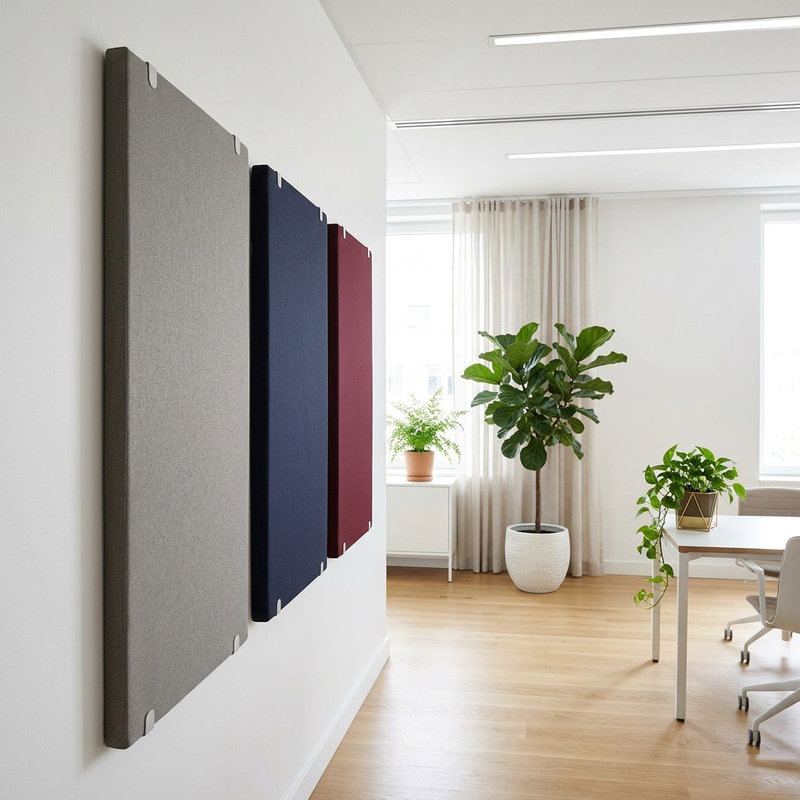
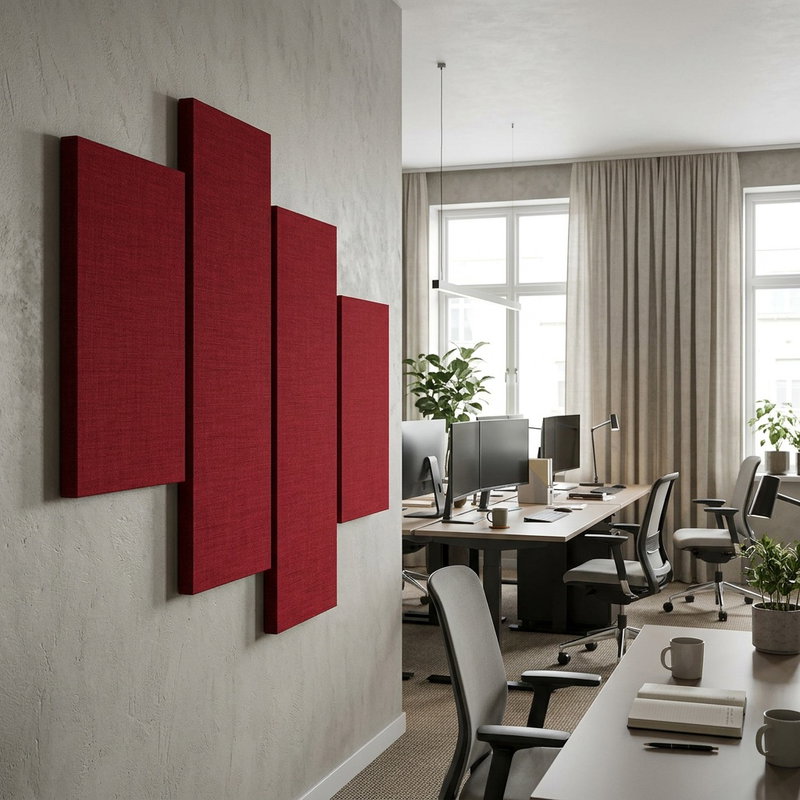
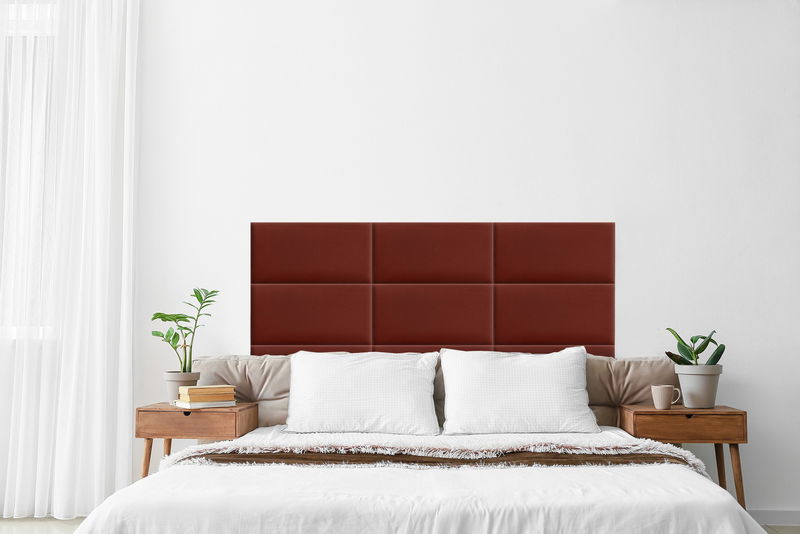
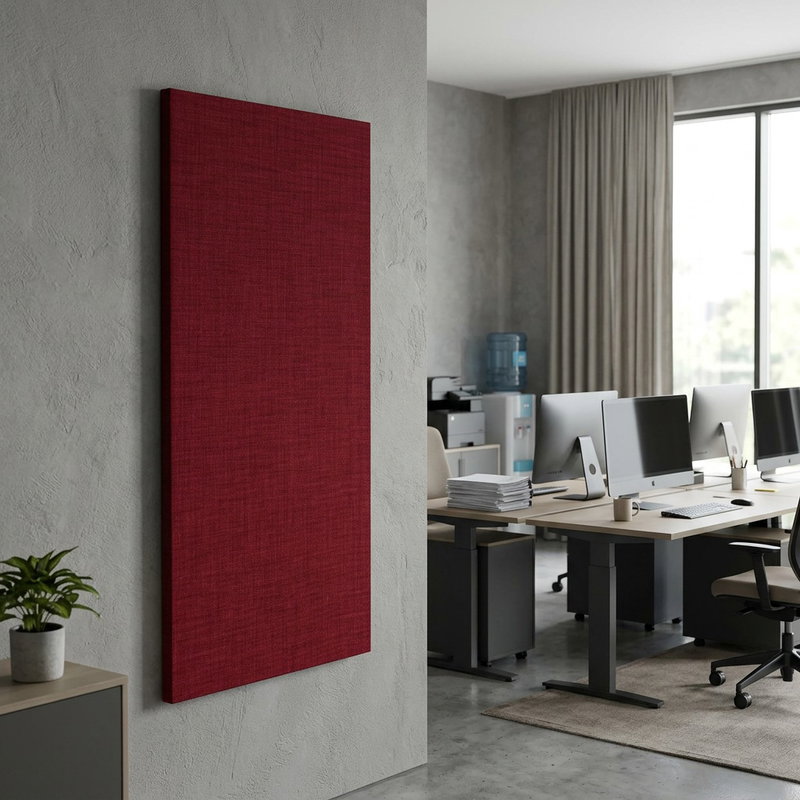
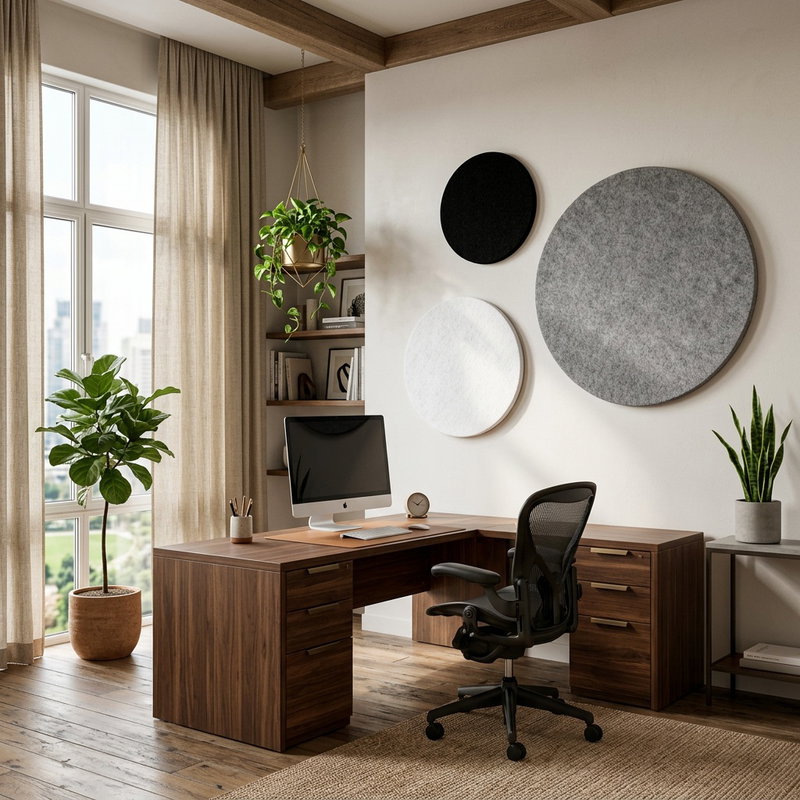
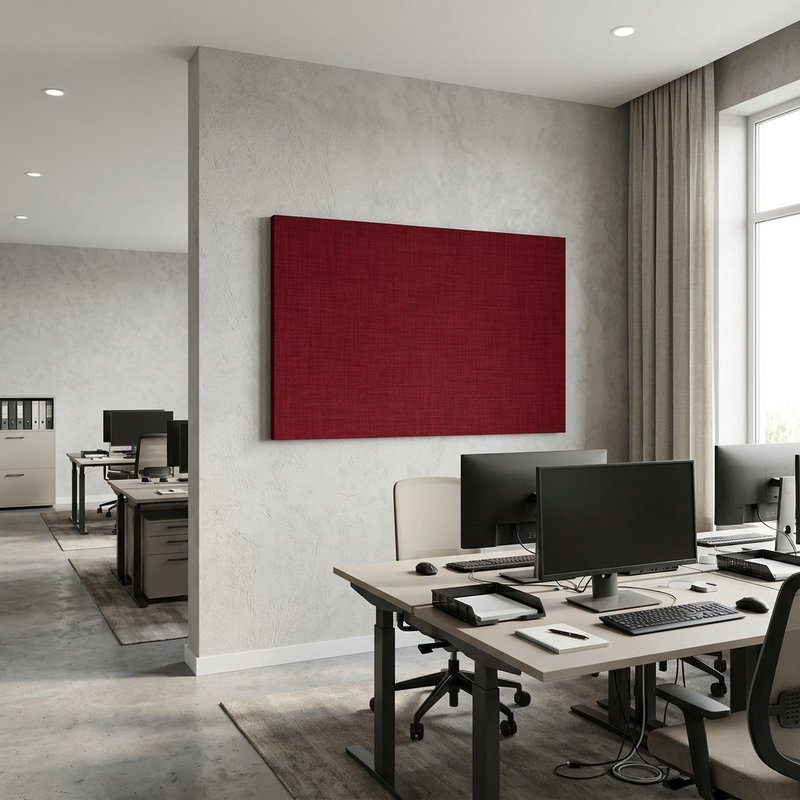
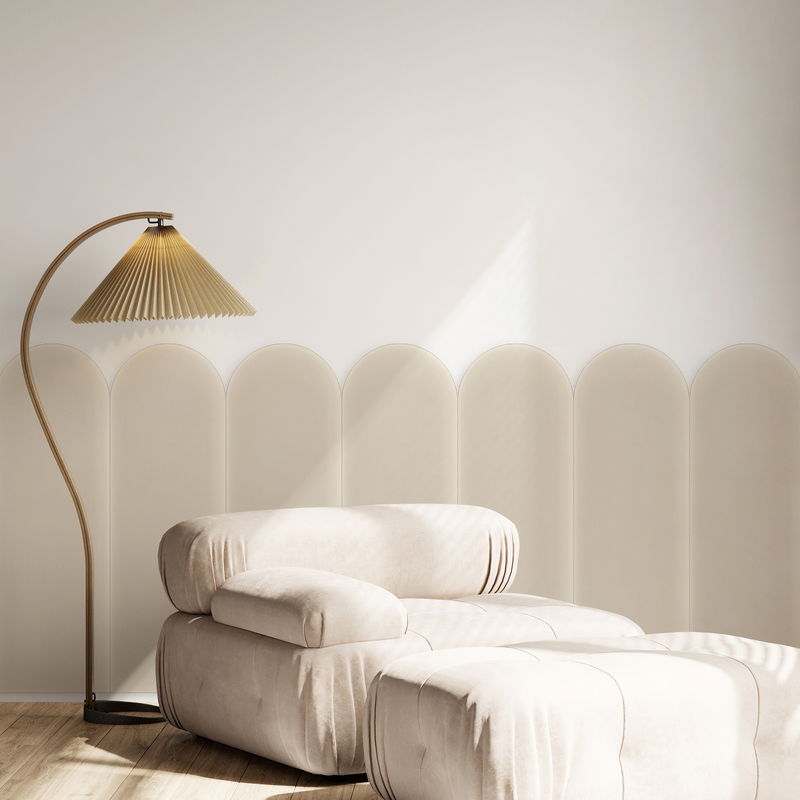
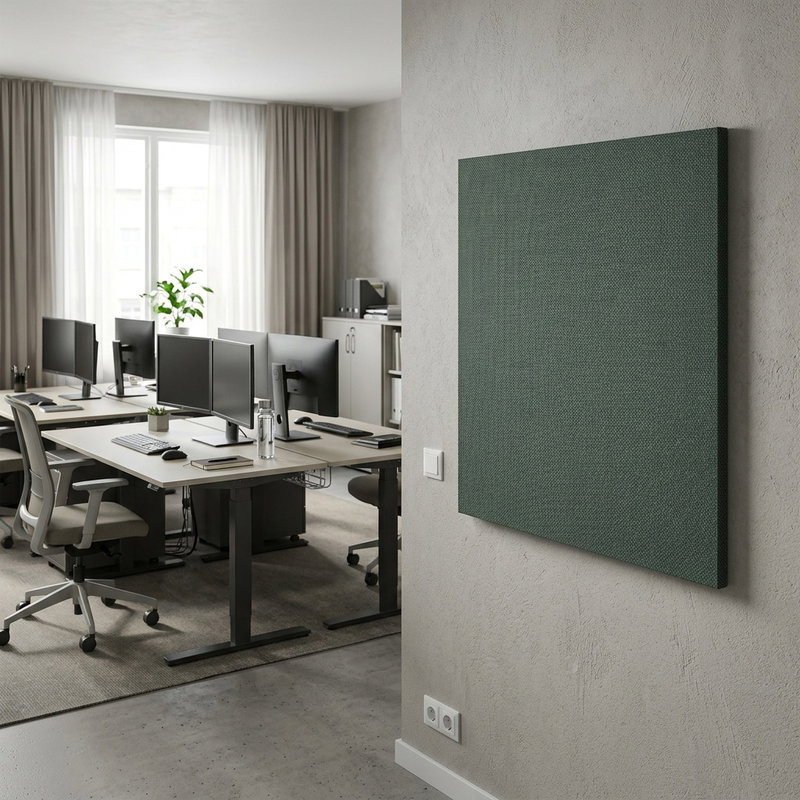
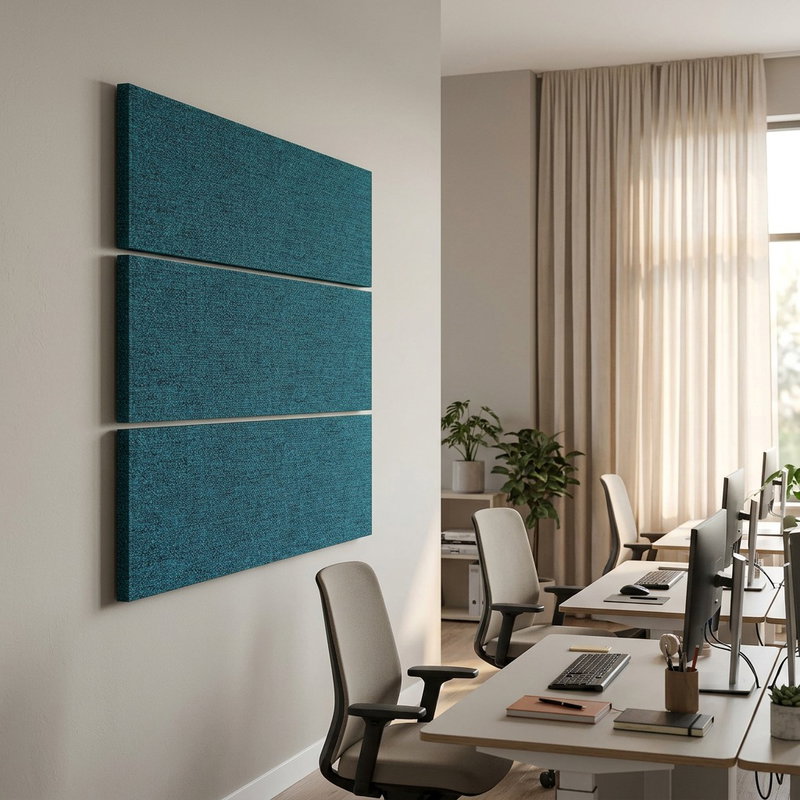
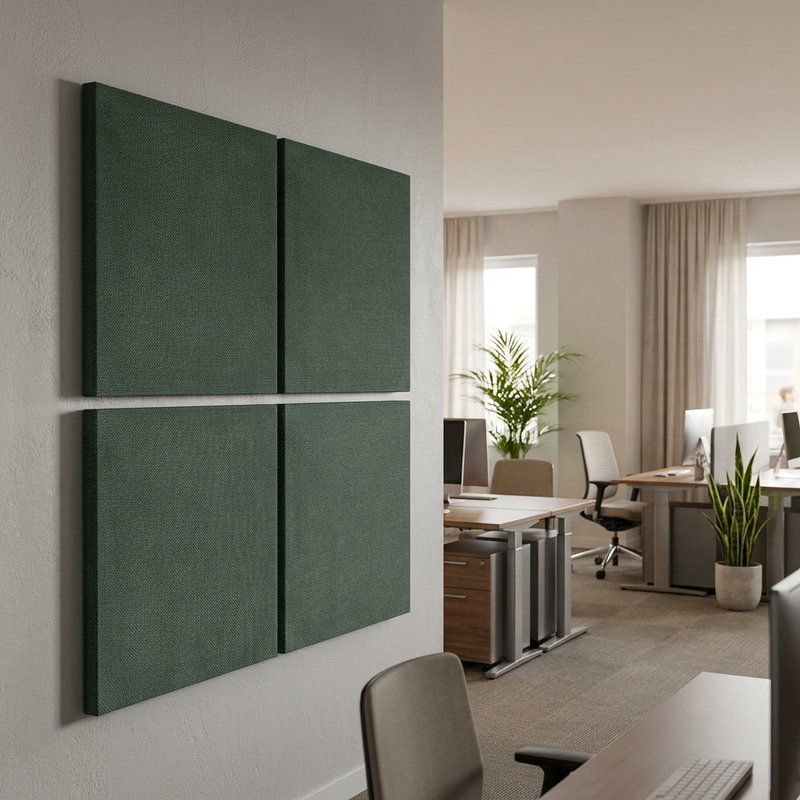
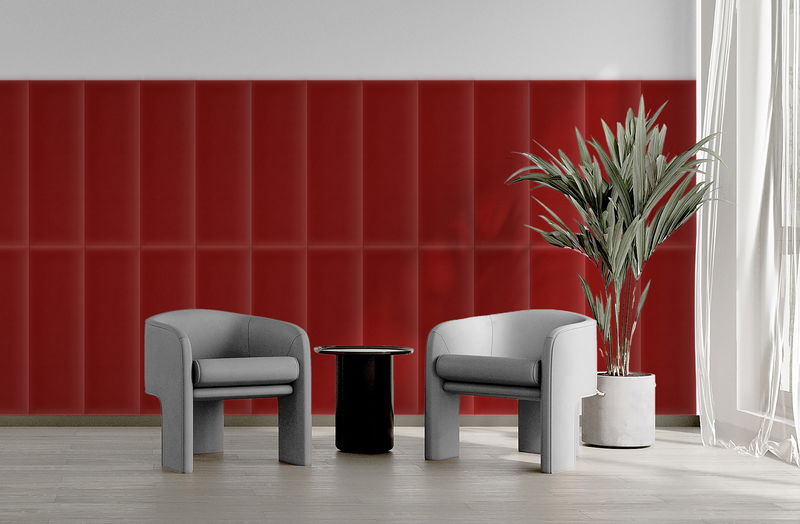
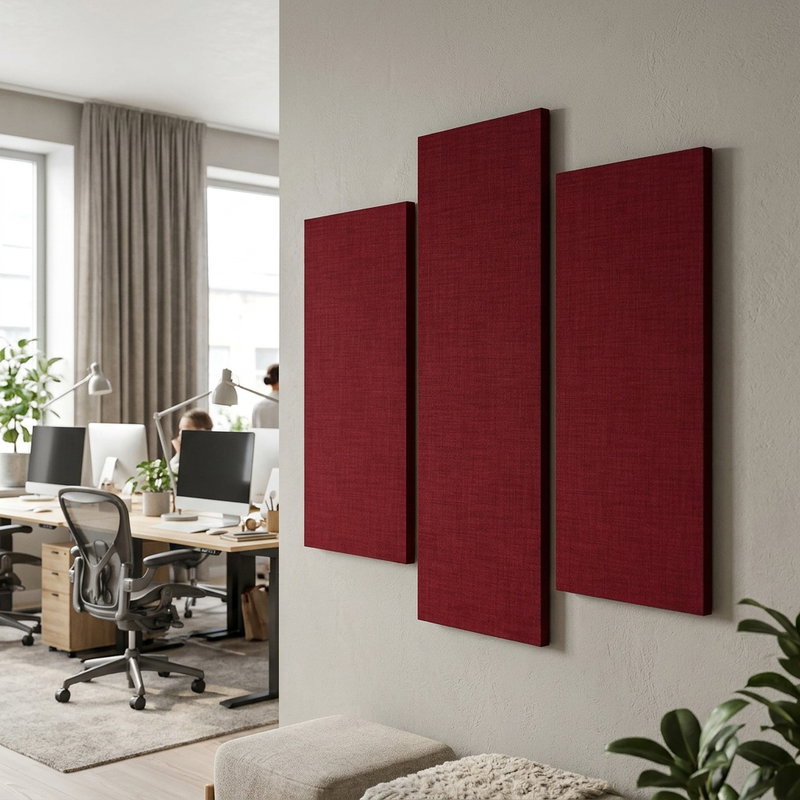
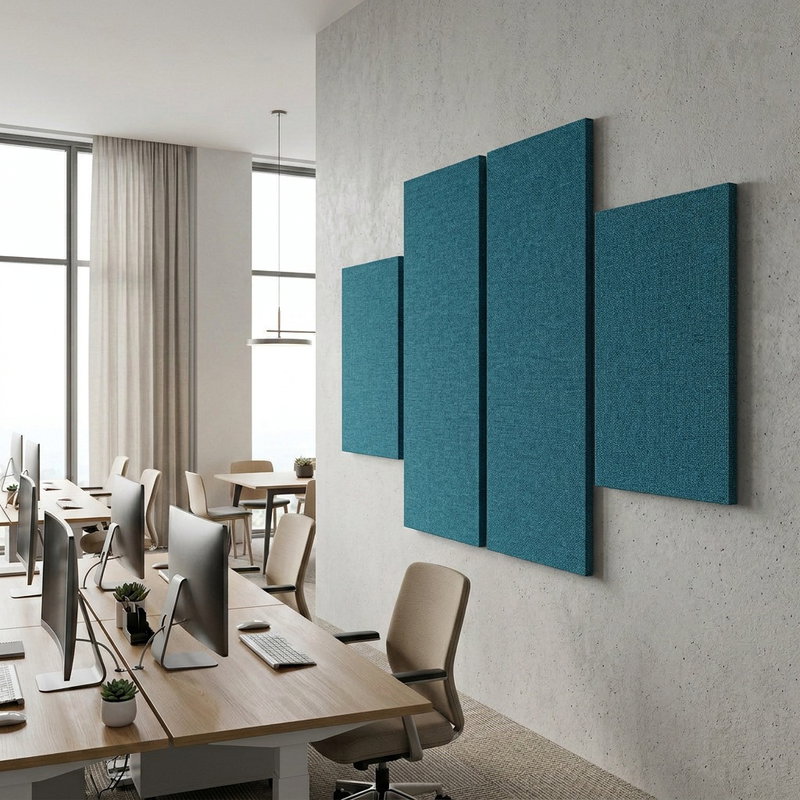
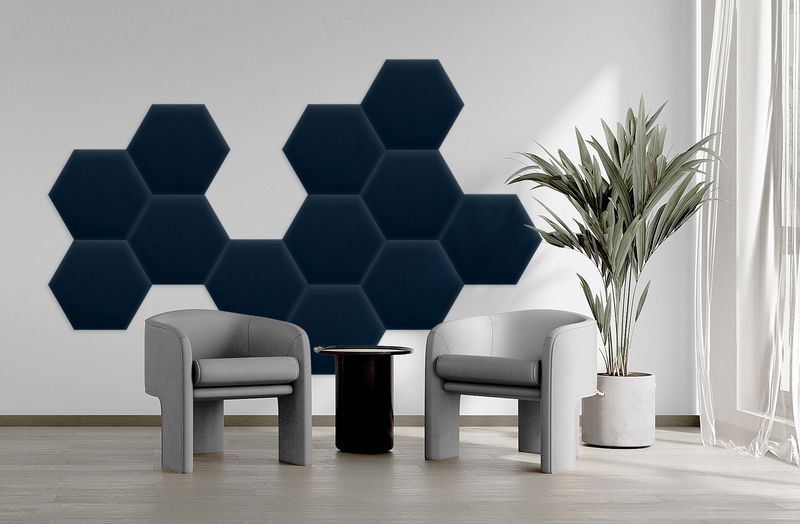
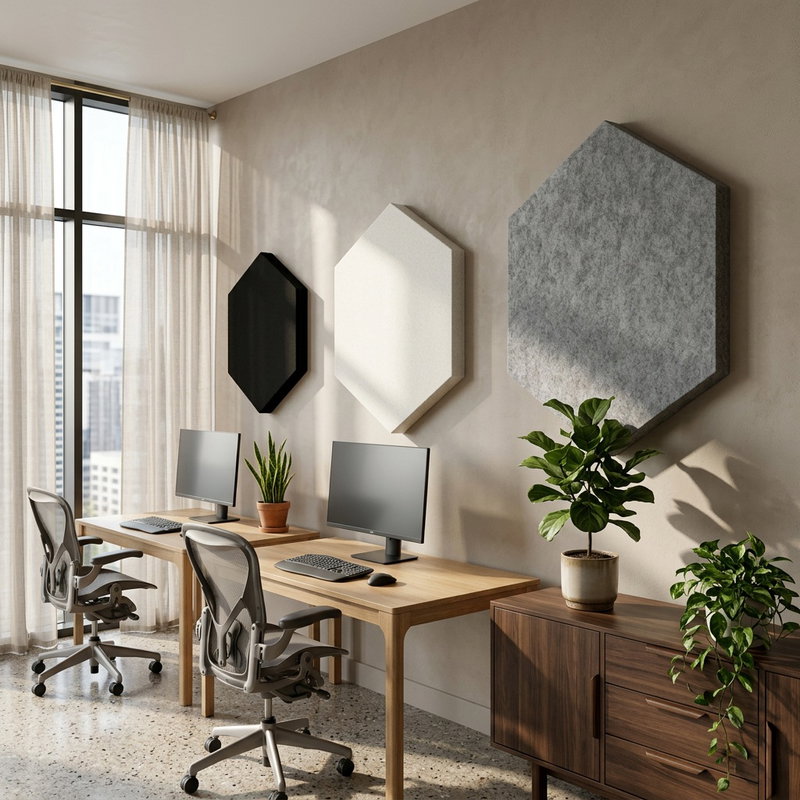
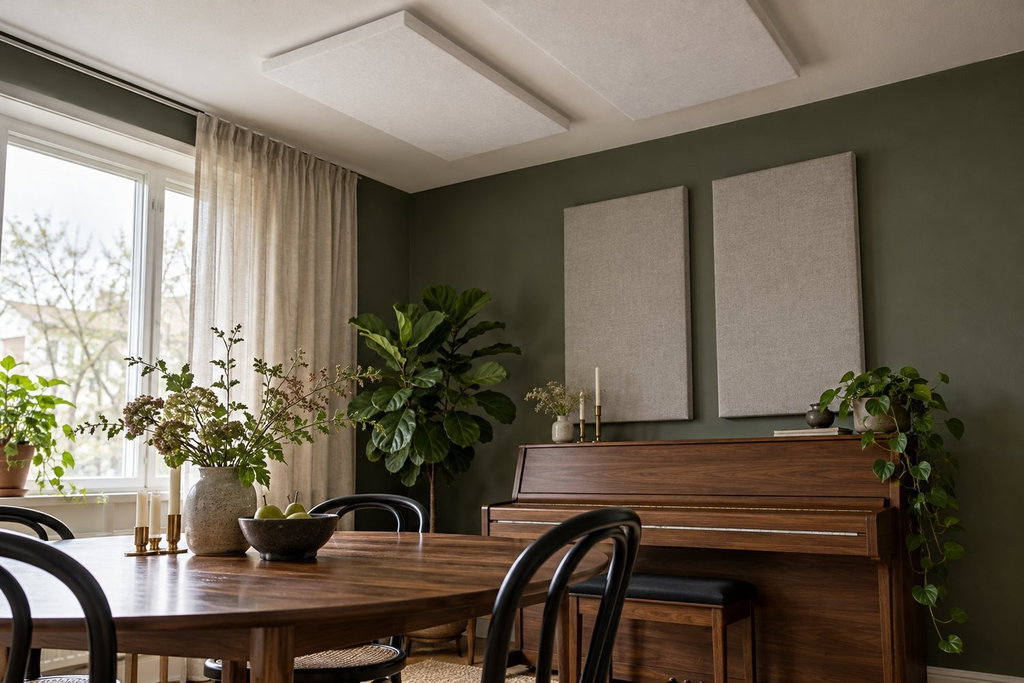
Wall absorbers capture reflections at ear level and improve speech intelligibility in both small and large rooms.
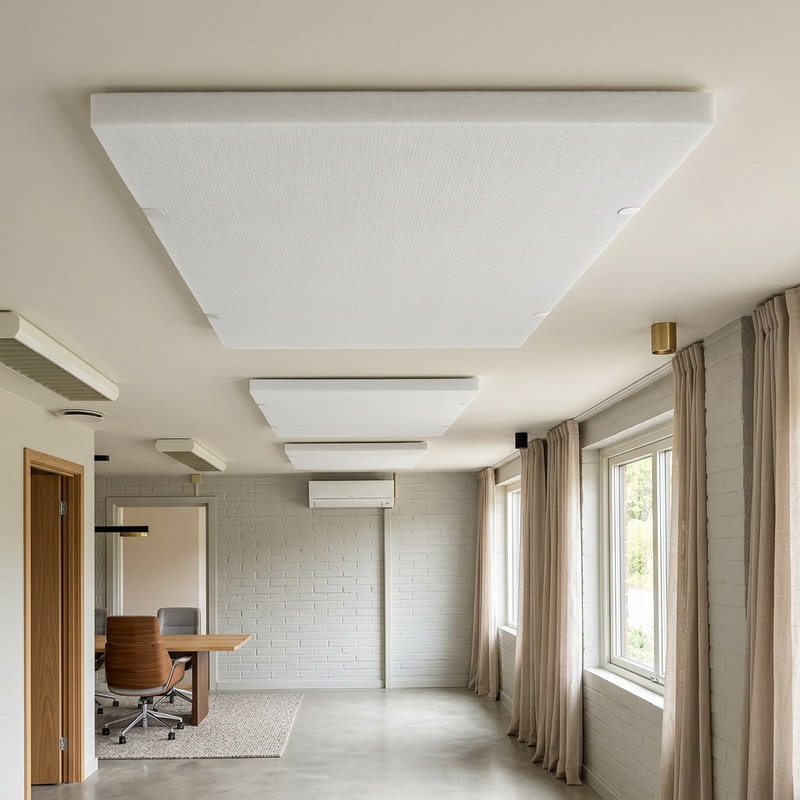
Ceiling sound absorption
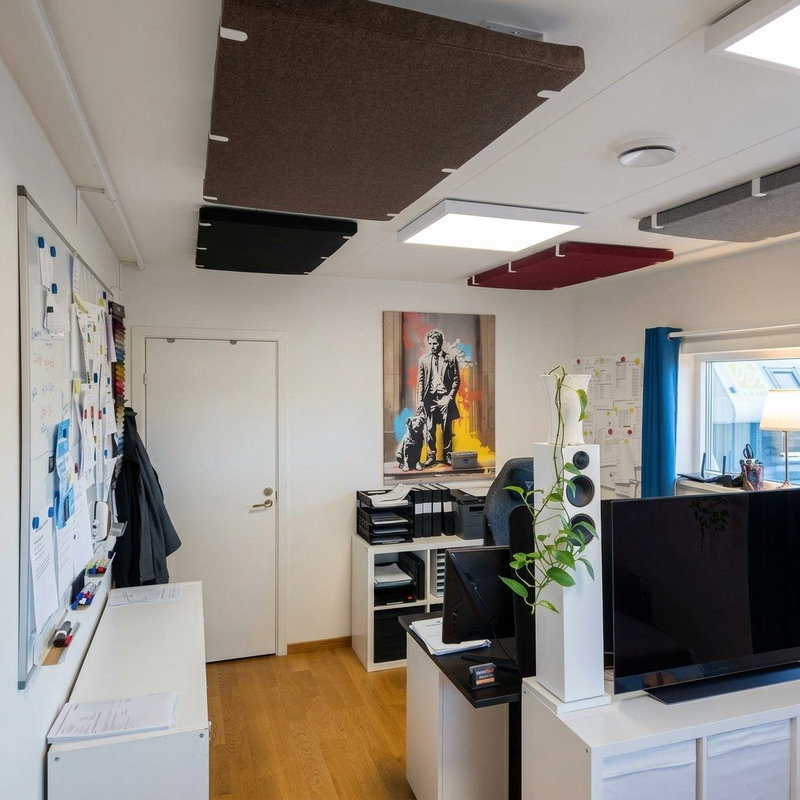
Ceiling absorbers are often the most effective first step, especially in rooms with high ceilings or large open spaces.
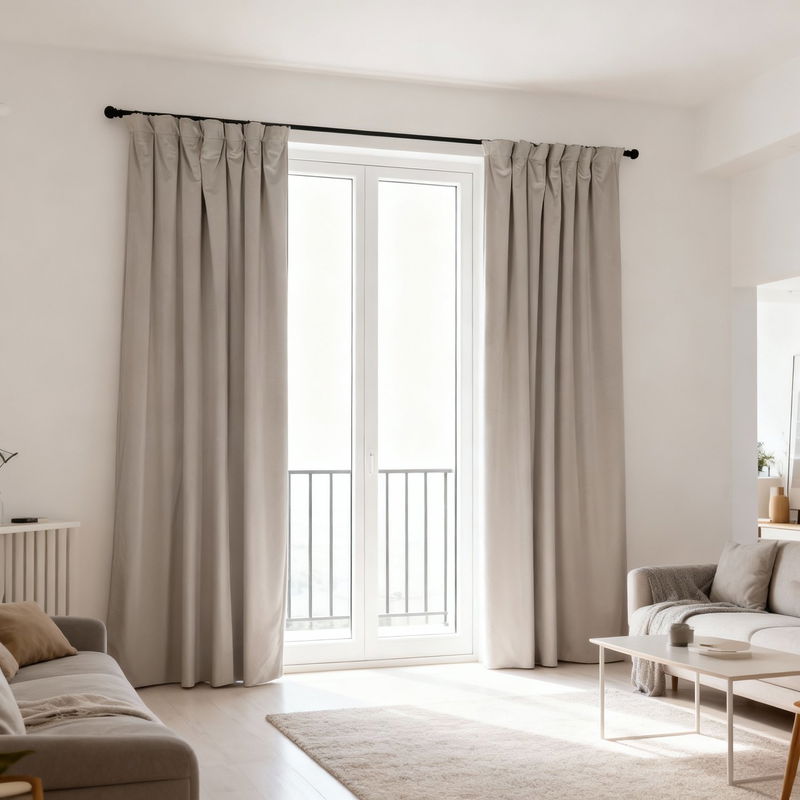
Sound-absorbing curtains
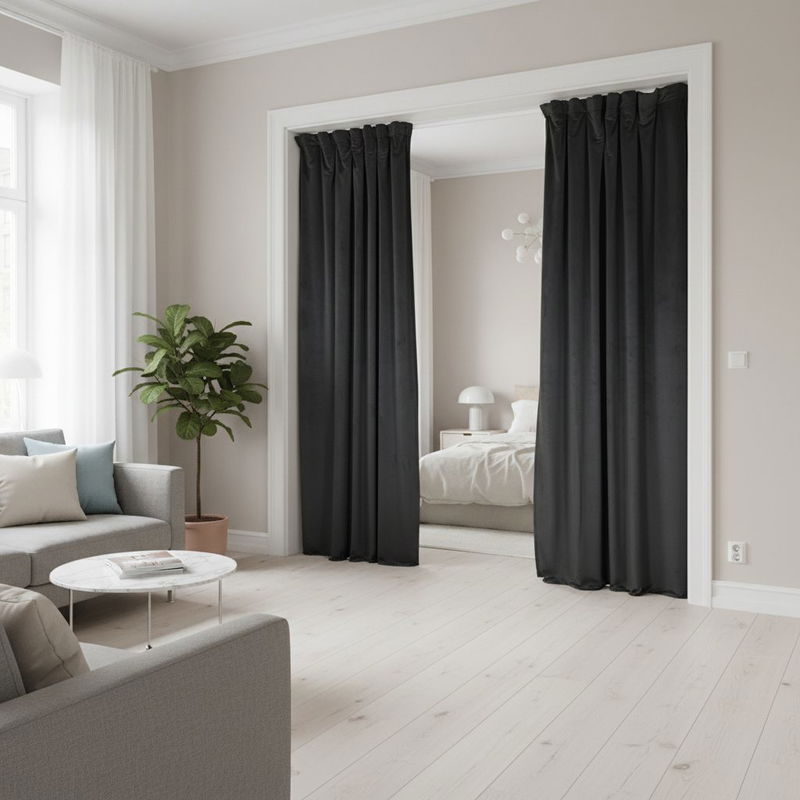
Curtains dampen reflections from windows and glass surfaces while contributing to a softer acoustic experience.
Room dividers with sound-absorbing properties
Room dividers combine privacy screening with acoustic enhancement and work well in open floor plans and shared spaces.
Why choose sound absorption?
Sound absorption has an immediate effect on the room’s acoustic environment without requiring structural modifications. The solution is flexible, cost-effective, and easy to adapt over time. The results are immediately noticeable through improved speech intelligibility, a lower perceived noise level, and increased comfort. In certain environments, sound absorption can be effectively combined with sound insulation or vibration damping for an even better overall result.
Well-considered advice for the best results
The room’s size, shape, and furnishings affect how reverberation is perceived. Smaller rooms may require fewer but strategically placed absorbers, while larger and open spaces often require a combination of wall, ceiling, and soft solutions. Furniture, textiles, and decor contribute to some dampening, but are rarely sufficient on their own. Common mistakes include using too little sound absorption or placing it on the wrong surfaces. By distributing the measures evenly, you create acoustics that work effectively over the long term.
Sound absorption is therefore a safe and effective choice for anyone who wants to reduce echoes in a room and create a more pleasant and functional sound environment, both in private homes and in professional settings.