






Soundproofing Doors and Windows in Studios
Reduce sound leakage and create greater privacy in studios
In studios, controlling sound transmission between different rooms is crucial for uninterrupted work. Even if walls, floors, and ceilings are designed for the specific use, doors and windows often become the weakest points when it comes to soundproofing. Music, voices, recordings, or background noise can then travel between control rooms, recording rooms, hallways, or adjacent spaces. Soundproofing doors and windows aims to reduce this sound leakage and create clearer boundaries between the studio’s various functions.
Why do doors and windows let sound through?
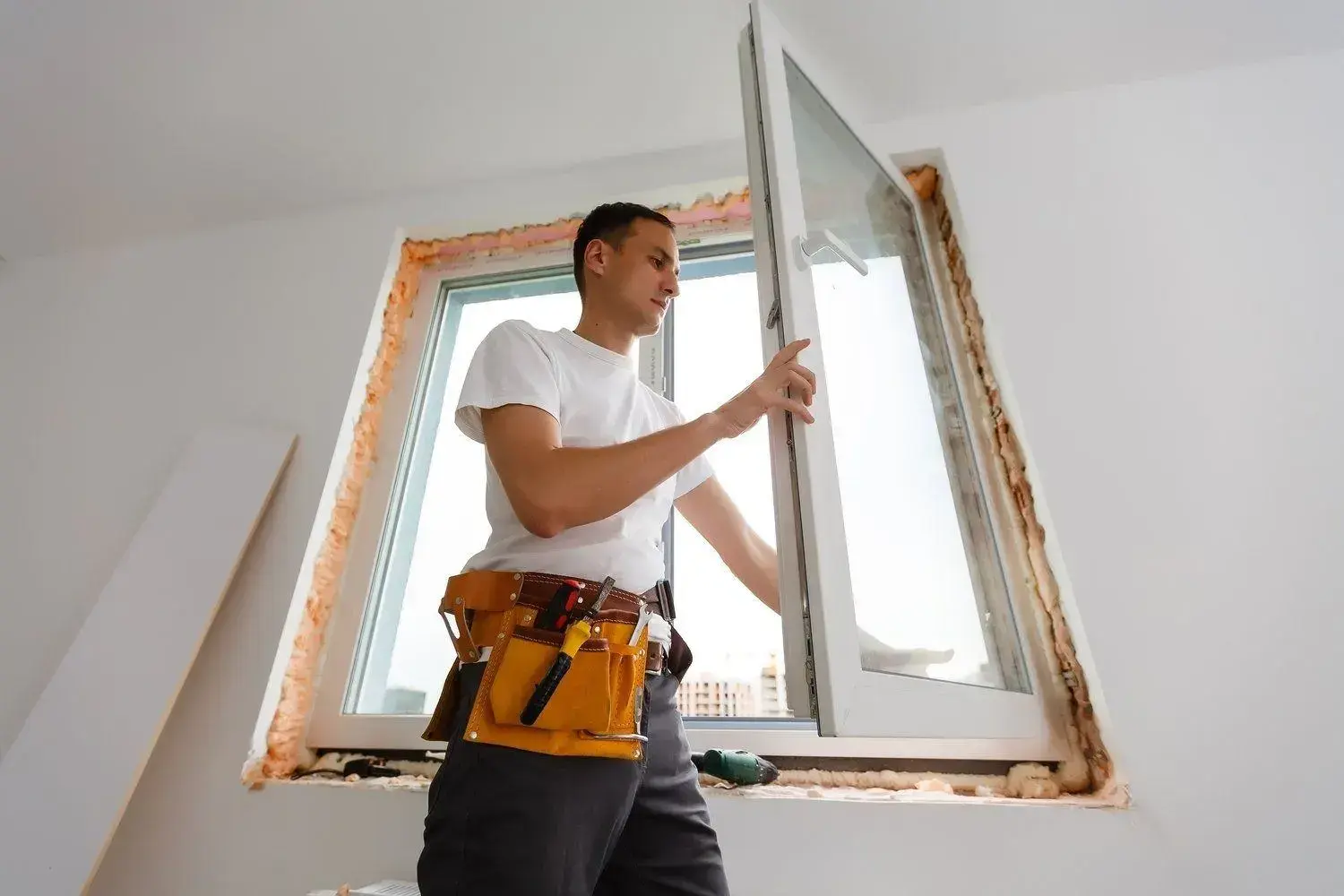
Doors and windows differ from fixed structural elements in that they are movable, often lighter in construction, and contain multiple joints. Sound can therefore pass both through the door panel or glass surface and through gaps around frames, thresholds, and hardware. In studio environments, this often involves airborne sound—such as speech, music, and recording sounds—which effectively finds its way through even small gaps. Glass partitions and interior doors without adequate insulation are particularly vulnerable.
Common problems associated with doors and windows in studio environments
In studios, these problems are often experienced as sound being clearly audible despite closed doors, recordings being disrupted by activity outside the room, or sound leaking from the studio into adjacent spaces. This can affect sound quality, the ability to work undisturbed, and privacy—especially in environments where multiple activities are taking place simultaneously. Since sound always takes the path of least resistance, even small gaps around doors and windows can have a significant practical impact.
How does soundproofing for doors and windows work?
Sound insulation for doors and windows works by limiting the passage of sound through increased tightness, improved insulating properties, and reduced air leakage. These measures target door panels, glass surfaces, frames, and connections to walls. Unlike sound absorption, which reduces echo and reverberation inside a room, sound insulation focuses on blocking sound between separate spaces. Vibration damping, in turn, is used to reduce structure-borne noise from, for example, mechanical equipment and installations.
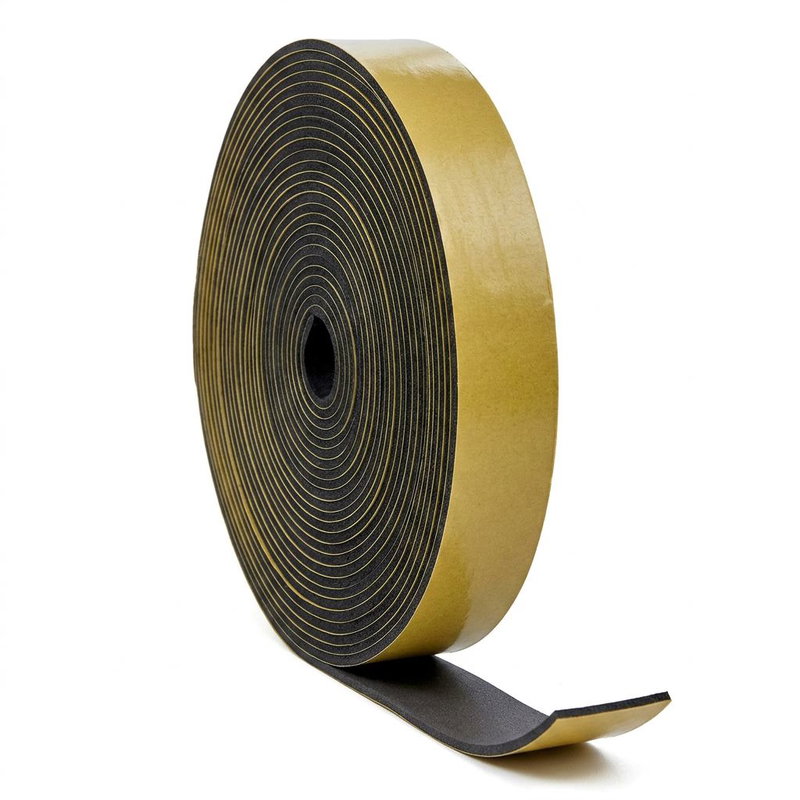
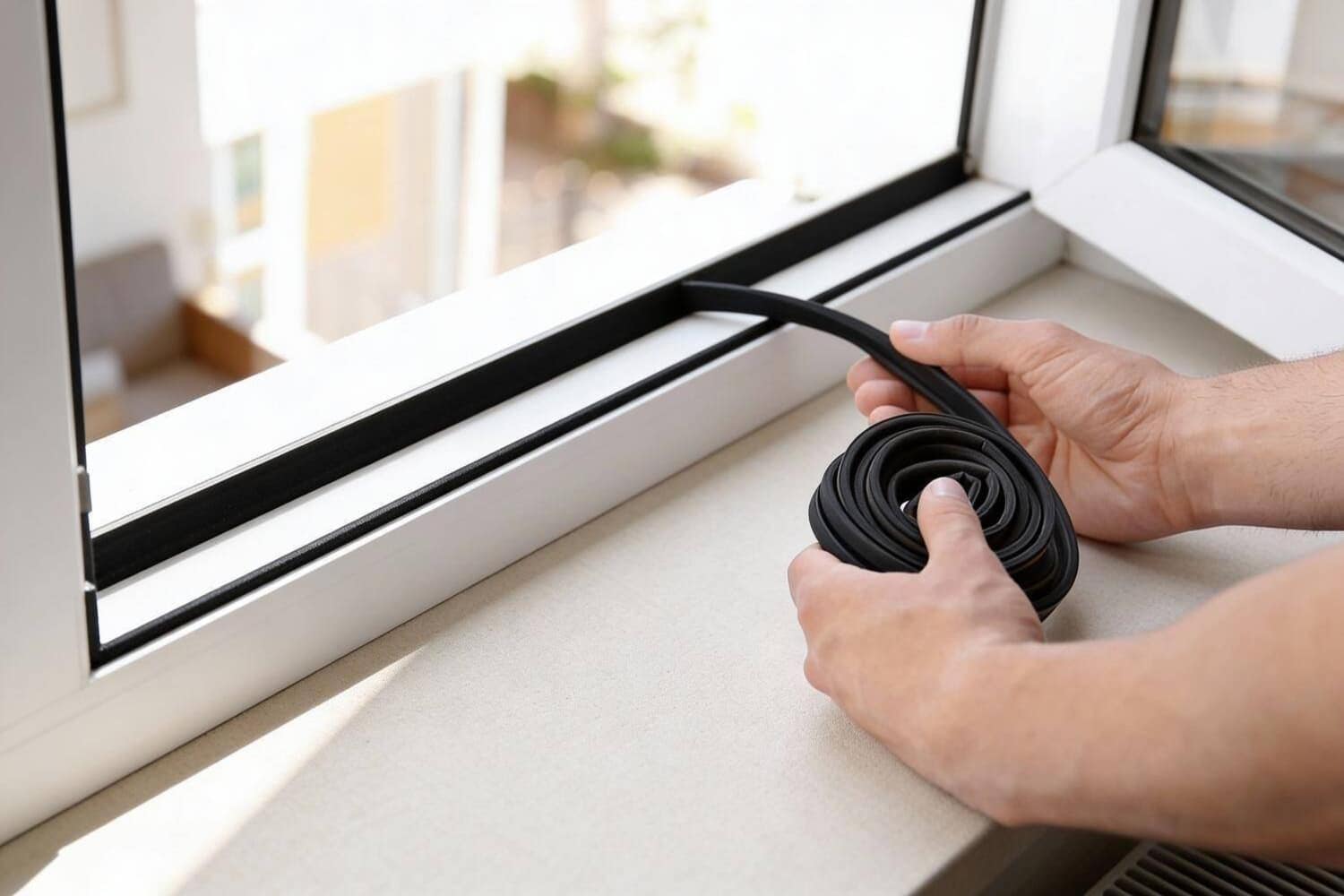
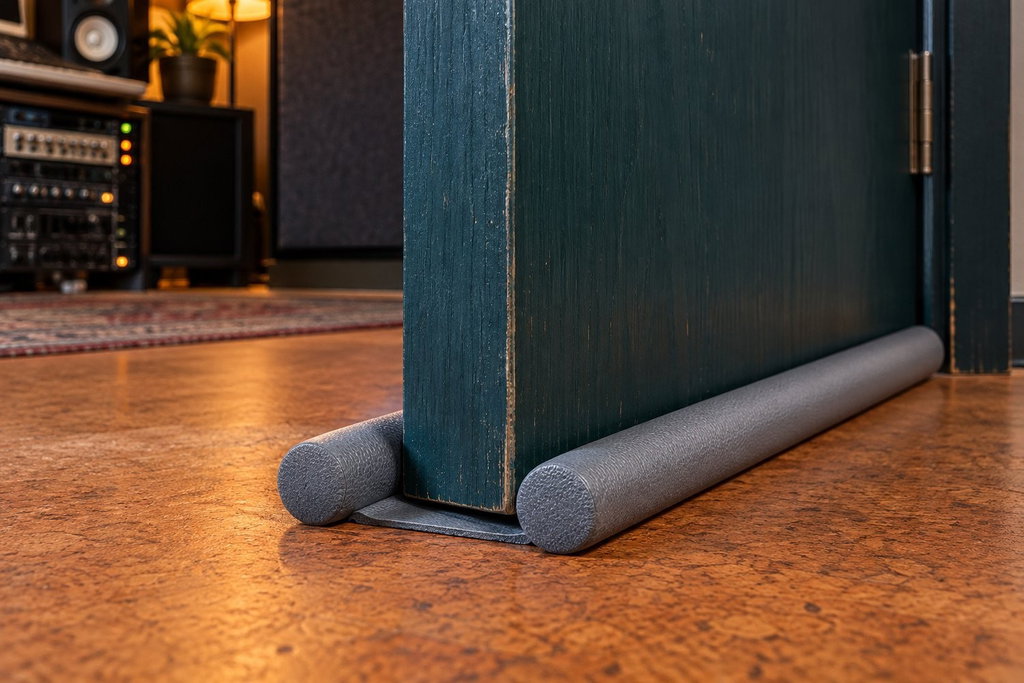
Sealing Gaps and Joints
Gaps around doors and windows are often the main cause of sound leakage in studios.
Enhanced insulation performance
Doors and windows with low sound insulation may need to be supplemented to reduce sound transmission between rooms.
Why choose sound insulation for doors and windows in studios?
Soundproofing doors and windows often yields significant results relative to the scope of the project. Since these building components otherwise limit the overall soundproofing of the room, improvements here can make a clear difference in both quiet working conditions and sound control. This measure is particularly important in studios with recording rooms, control rooms, glass partitions, or where sound-sensitive work is taking place simultaneously. In many cases, this is a crucial complement to the sound insulation of walls, floors, and ceilings.
Well-thought-out advice for best results
For best results, doors and windows should be viewed as an integral part of the studio’s soundproofing. A common mistake is to focus on walls and ceilings while leaving doors and windows untreated, which allows sound to still escape. By identifying where sound leakage occurs and addressing these points, soundproofing in studios can be significantly improved and ensure long-term effectiveness.
Soundproofing doors and windows is therefore a key measure for preventing sound from traveling between rooms and creating better privacy in studios.