



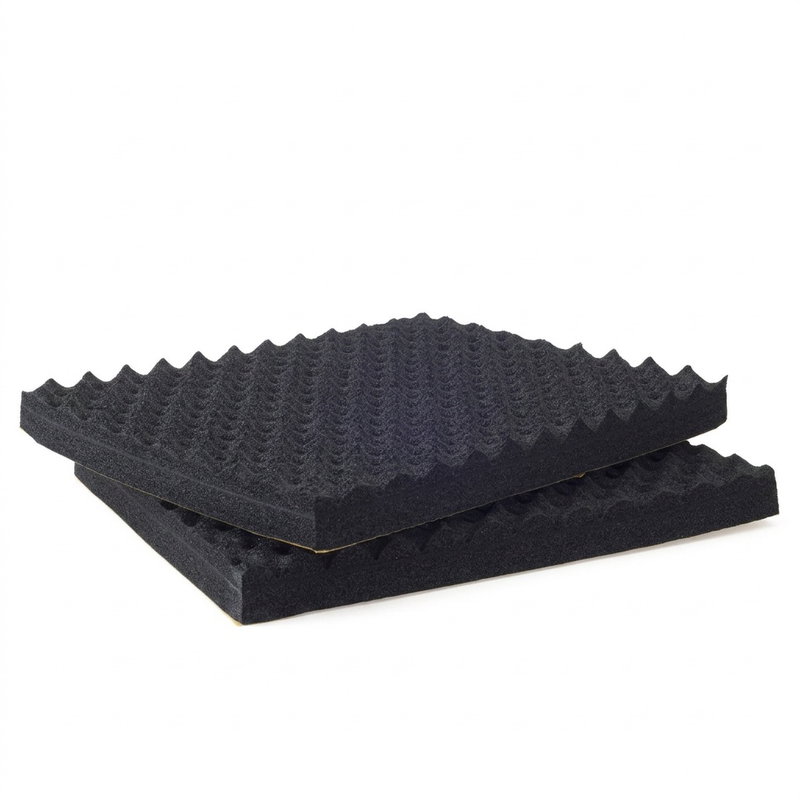
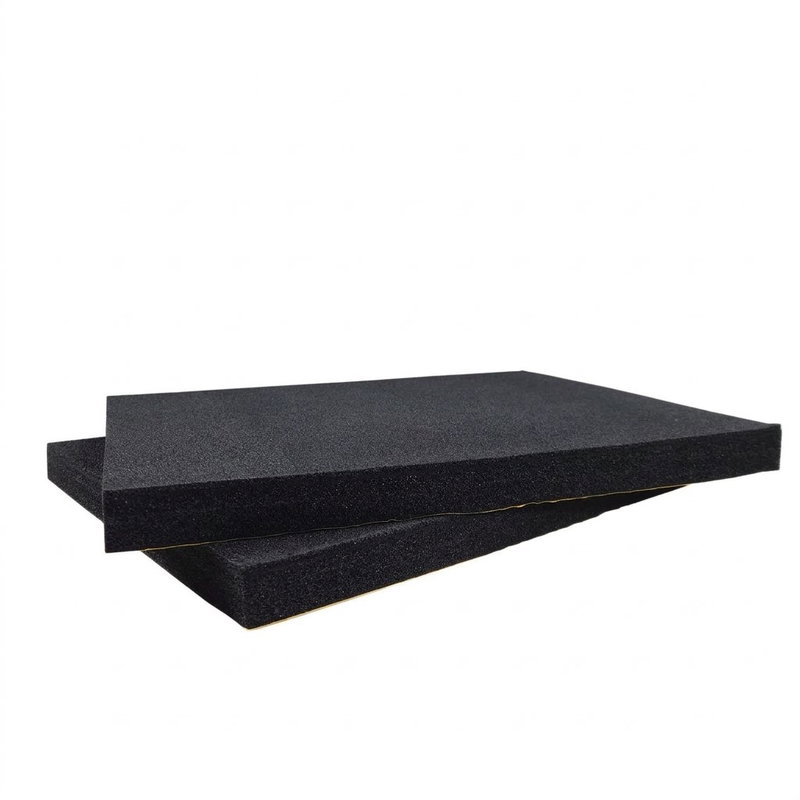

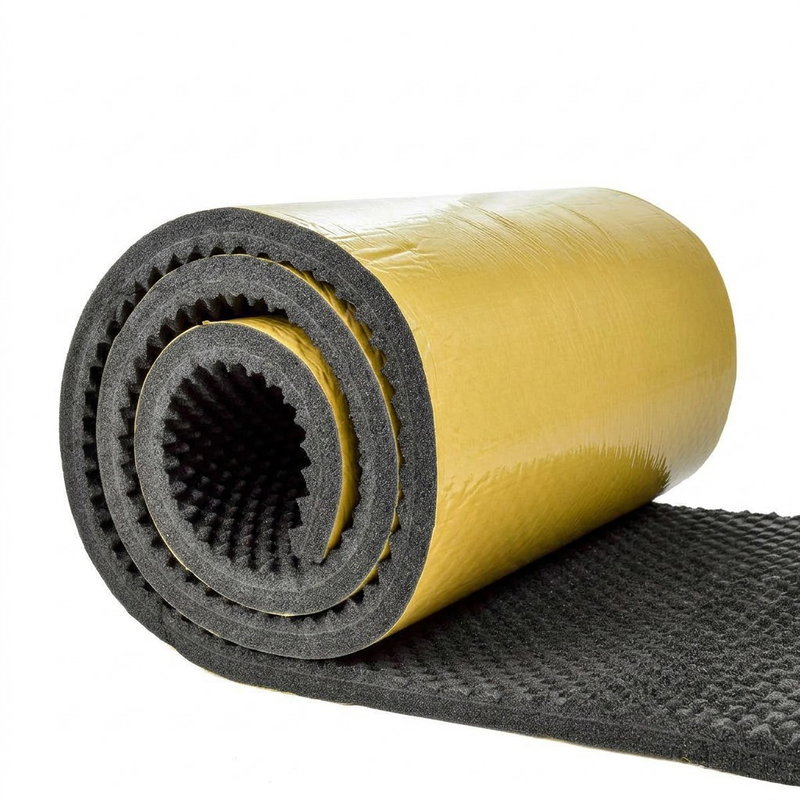
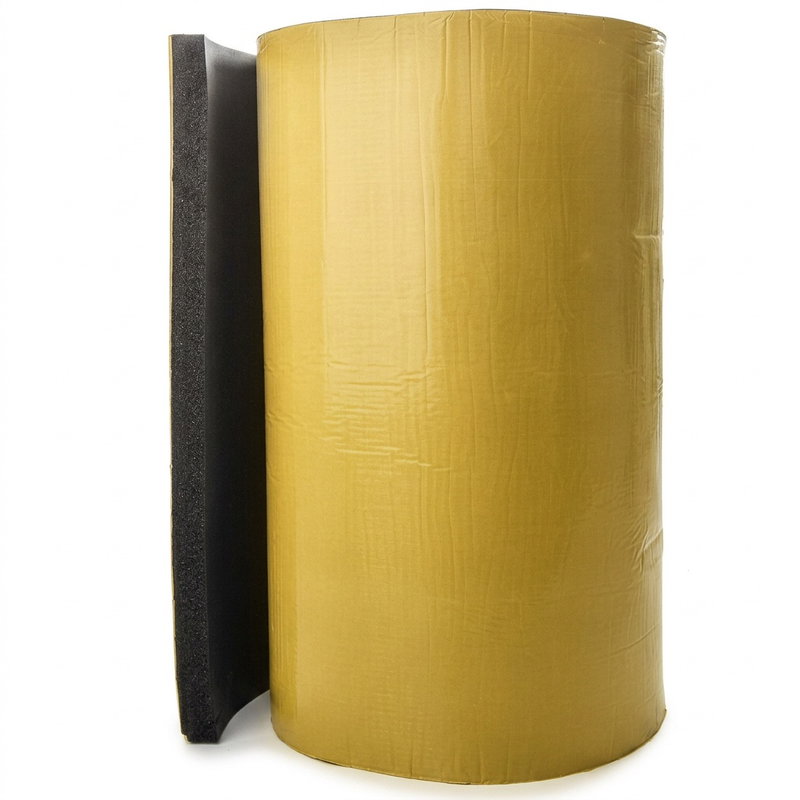
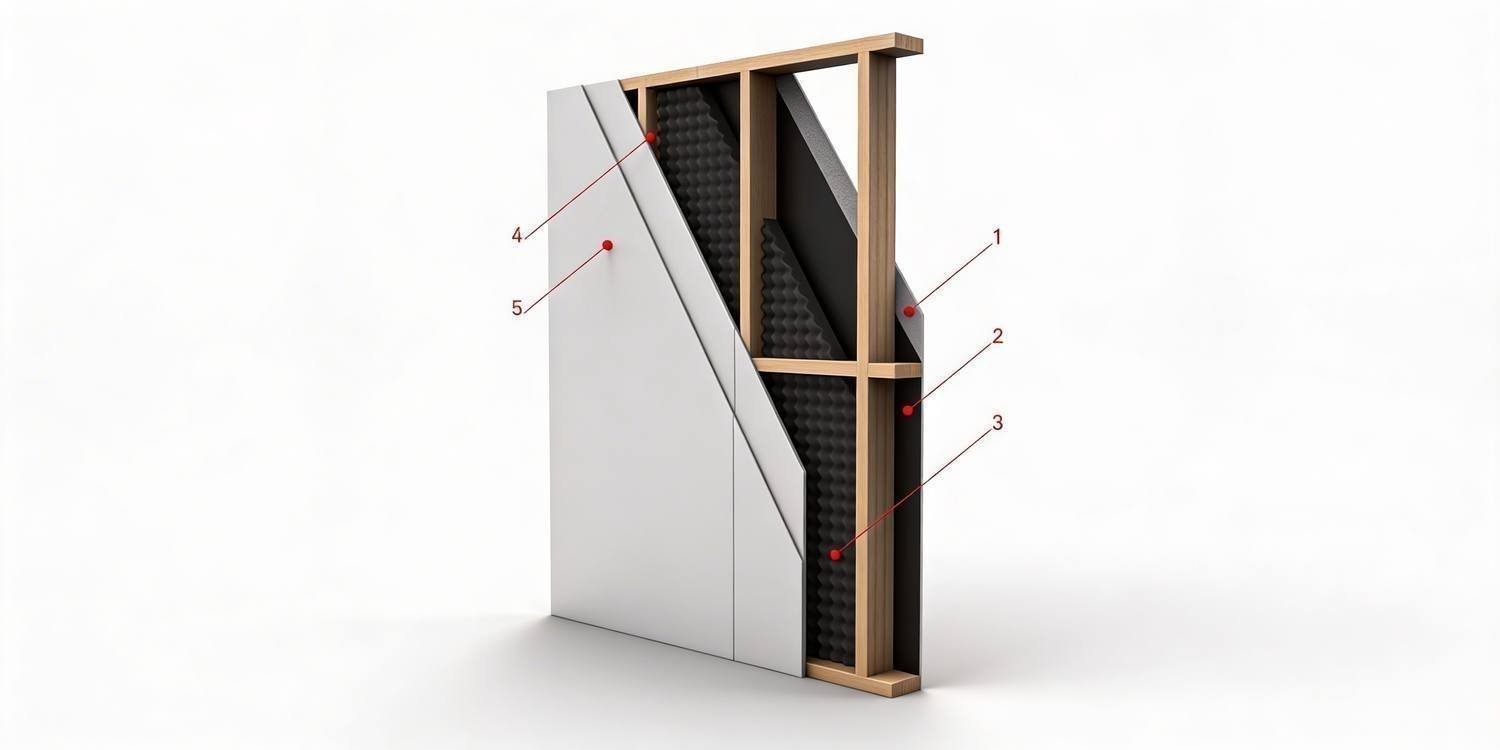

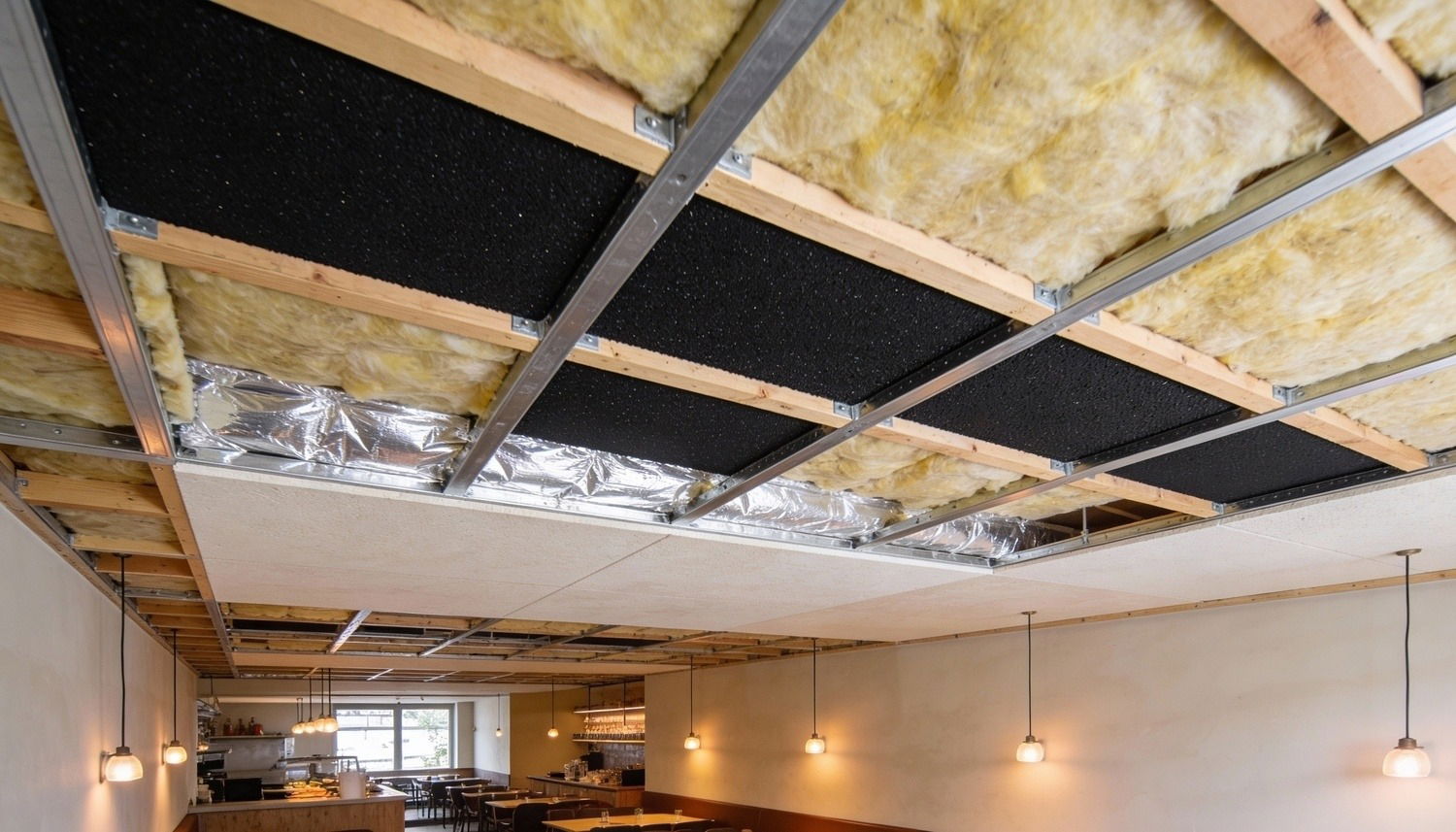

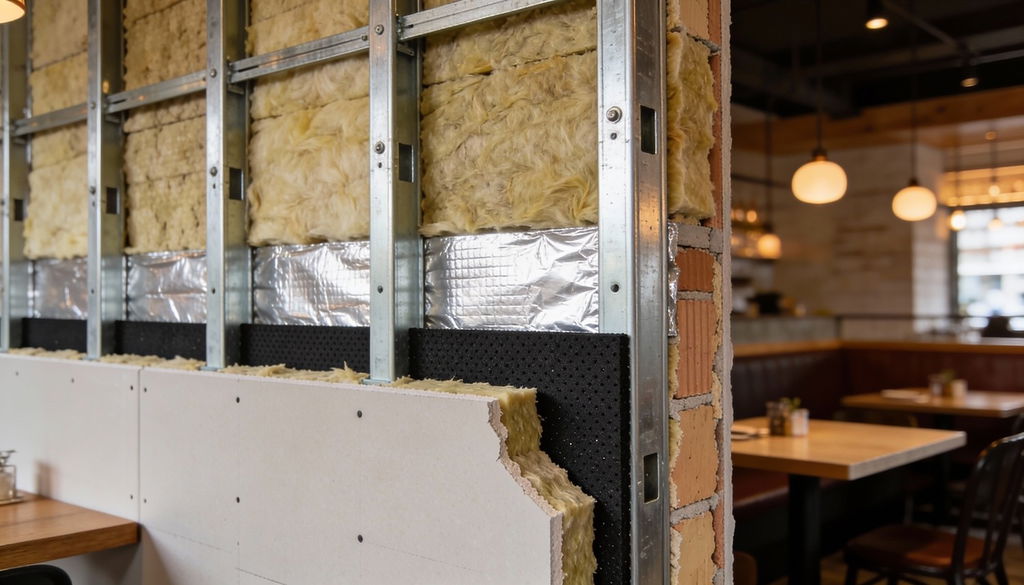
Wall soundproofing – blocks sound between rooms
Create clear separation and better sound control in restaurant environments
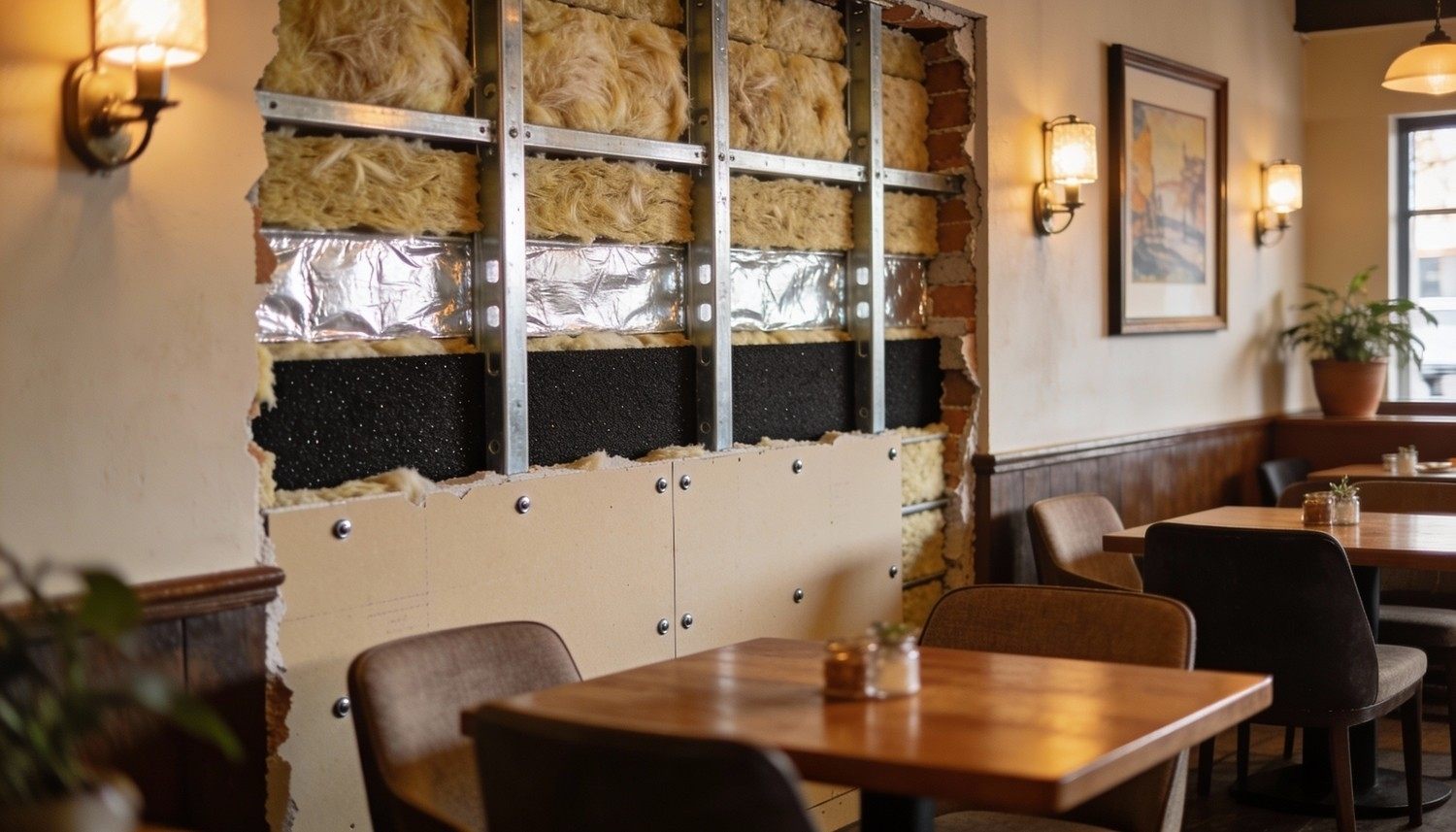
In restaurants, walls are one of the most common pathways for sound transmission between different spaces. Conversations from the dining room, noise from the kitchen, and sounds from the bar or utility areas can easily travel through wall structures and be perceived as disruptive in adjacent rooms. Soundproofing walls in restaurant environments aims to stop this sound transmission and create better separation between the establishment’s different functions.
What does wall soundproofing entail?
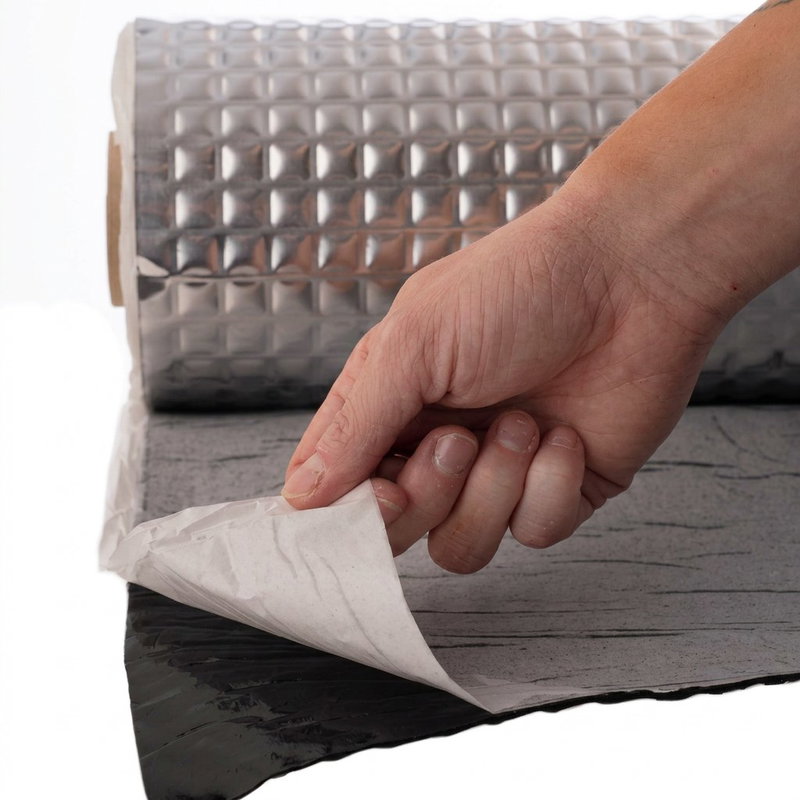
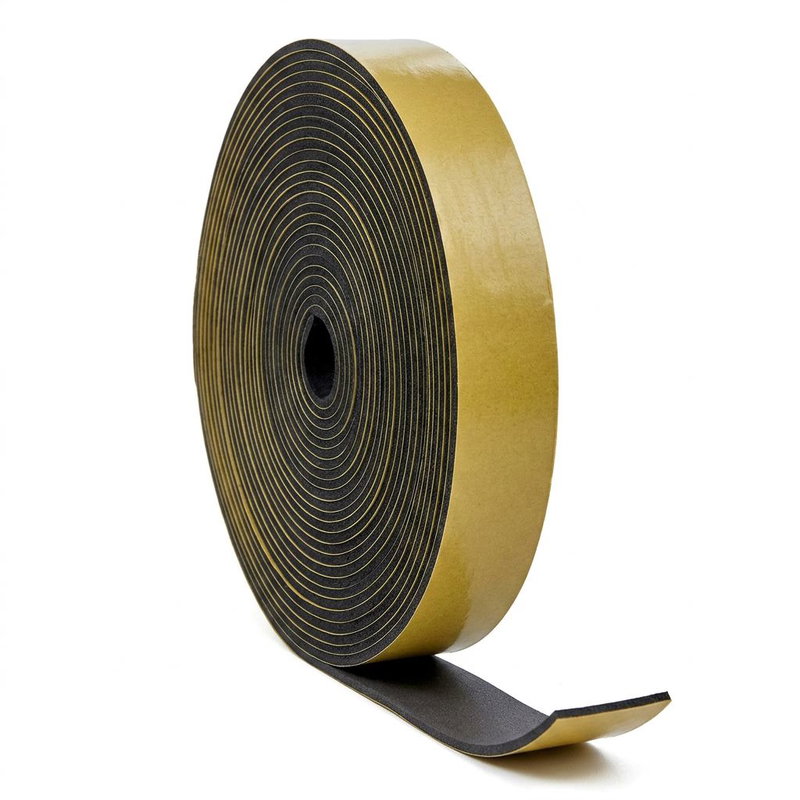
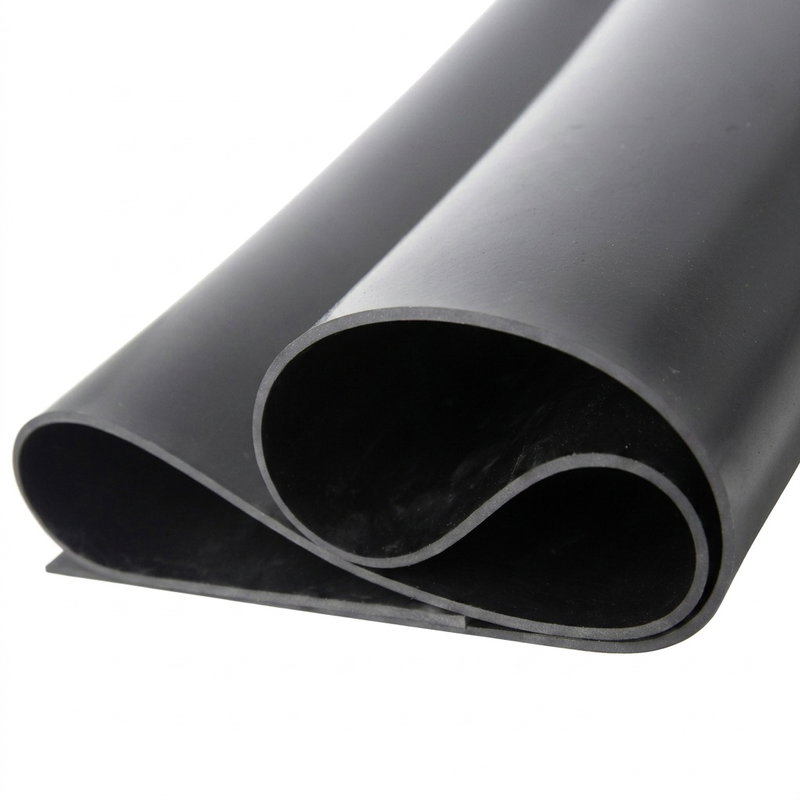
Wall sound insulation involves limiting how sound spreads from one room to another through the wall’s construction. Unlike sound absorption, which reduces echoes and reverberation within the same room, sound insulation focuses on stopping airborne sound from passing between spaces. Vibration damping is used when sound is transmitted via mechanical movements within the building. In restaurants, wall insulation is often crucial for separating the dining area, kitchen, bar, and staff areas.
Common sound issues through walls in restaurants
Sound issues through walls often arise between the dining room and the kitchen, where kitchen noise can disrupt the guest experience, or between the bar and seating areas where music and conversation risk blending together. Sound transmission to adjacent businesses or residences is also common. The result can be reduced comfort, complaints, and restrictions on how the restaurant may be used.
How does sound travel through wall structures?
When sound is generated in a space, sound waves and vibrations travel through the wall’s materials and its connections to the floor, ceiling, and other walls. This allows the sound to be heard clearly even on the other side of the wall, especially if the construction lacks sufficient mass or density. Walls are therefore a key structural element to address when dealing with sound issues between rooms.
Airborne sound between spaces
Conversations, music, and kitchen noises can pass through walls with inadequate sound insulation.
Structure-borne sound via connections
Vibrations can be transmitted through the wall’s connections to the floor and ceiling.
Relationship to sound absorption in restaurant environments
Wall sound insulation should not be confused with sound absorption. While wall insulation blocks sound between rooms, sound-absorbing solutions are used on walls, ceilings, and with sound-dampening curtains or room dividers to reduce echo and reverberation within the same space. In restaurants, these measures are often combined to achieve both good privacy and a pleasant acoustic environment for guests and staff.
Why choose wall soundproofing in a restaurant?
Wall soundproofing gives the restaurant better control over sound flows between different parts of the establishment. This measure contributes to a more professional acoustic environment, reduces the risk of disturbances, and allows for more flexible use of the space. In many cases, wall insulation is a prerequisite for other acoustic measures to function optimally.
Well-considered advice for best results
For the best results, walls should be viewed as part of a larger whole where floors, ceilings, and openings also affect sound propagation. A common mistake is to treat the surface where the sound is heard, even though the source is in an adjacent space. By working methodically with wall sound insulation, a long-term sustainable and well-functioning sound environment is created in the restaurant.
Wall soundproofing is therefore a key measure for blocking sound between rooms and ensuring a pleasant and professional restaurant environment.