





Sound-absorbing fabric room dividers – reduce echo in studio rooms
Create zones and better acoustics in studios without permanent installations
In studios, the sound environment often needs to work for several activities at the same time. This can include recording, editing, photography, film production, teaching, rehearsals, or creative work in the same space. When sound reflects between hard surfaces, echoes and reverberations occur, making the room more difficult to work in and more tiring to be in for long periods of time. Sound-absorbing fabric room dividers are a form of sound absorption that both helps to visually divide spaces and contributes to reducing sound reflections, resulting in a more controlled and comfortable studio environment.
What are sound-absorbing fabric room dividers?
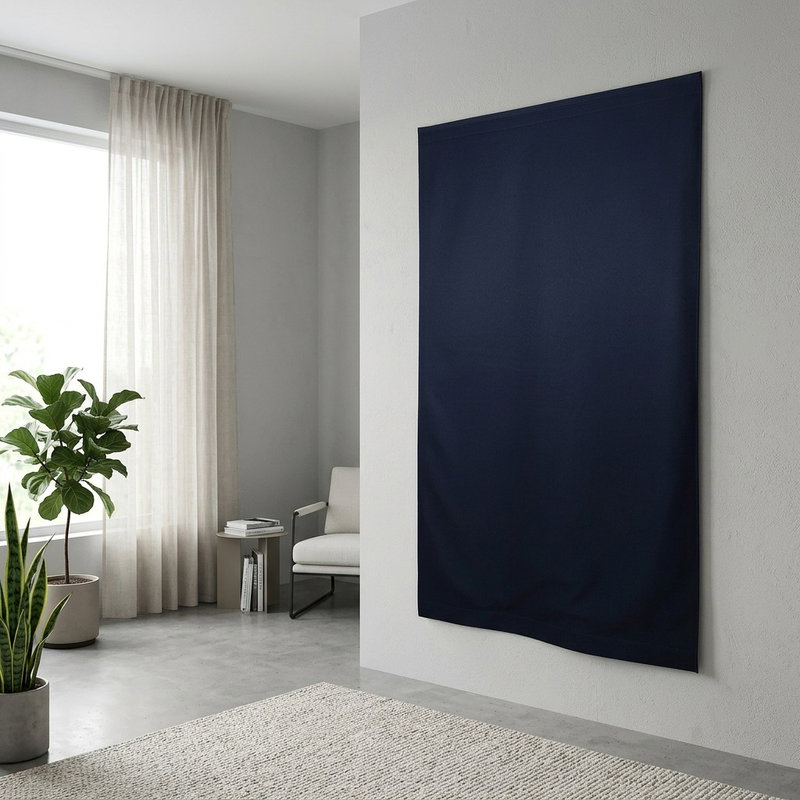
Sound-absorbing fabric room dividers consist of porous cores covered with fabric, designed to absorb sound waves when they hit the surface. By reducing reflections, the reverberation time is shortened and the room's acoustics become more balanced. It is important to distinguish sound absorption from sound insulation, which stops sound between rooms, and vibration damping, which reduces vibrations and structure-borne noise in the construction. Room dividers are used to improve the acoustics where sound is already present in studios and studios, not to prevent sound from spreading between completely separate rooms.
Common acoustic challenges in studio environments
In studios, problems often arise when multiple sound sources coexist in the same space or when the room has large open areas with a limited amount of soft materials. Voices, monitor sound, music, movement, and activity can create a cluttered soundscape that impairs speech intelligibility and affects focus. In smaller studios, parallel walls can cause noticeable reflections, while larger studios can easily have long reverberations if the room is not divided and dampened in several places.
How sound-absorbing room dividers work in practice
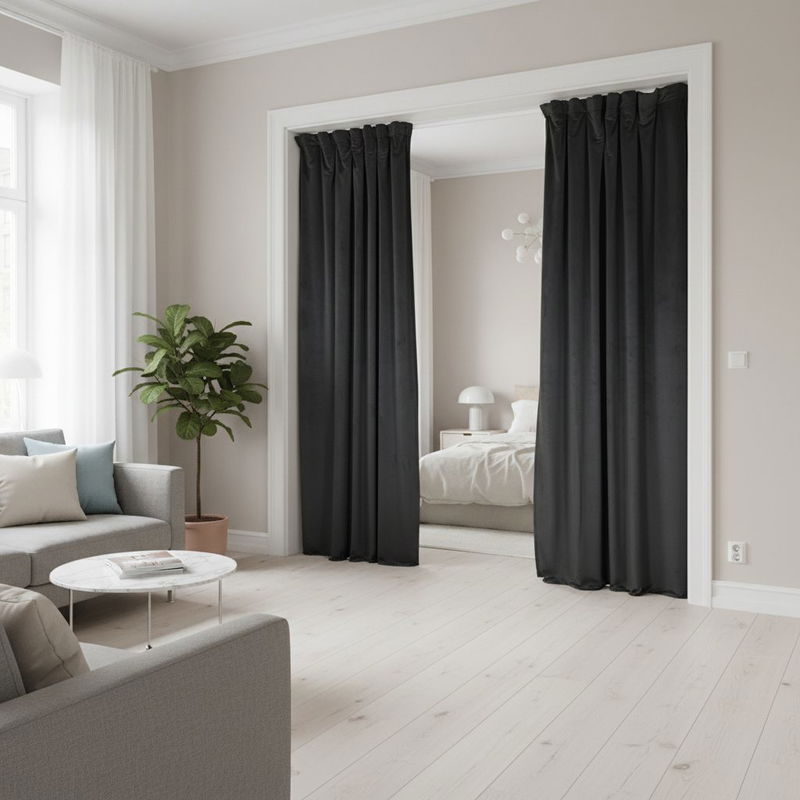
Room dividers are placed freestanding where sound moves between different parts of the studio or where reflections would otherwise have free rein. Thanks to their thickness and porous structure, they absorb sound from multiple directions simultaneously, making them useful in both smaller studios and larger open studio environments.
Zone division with acoustic benefits
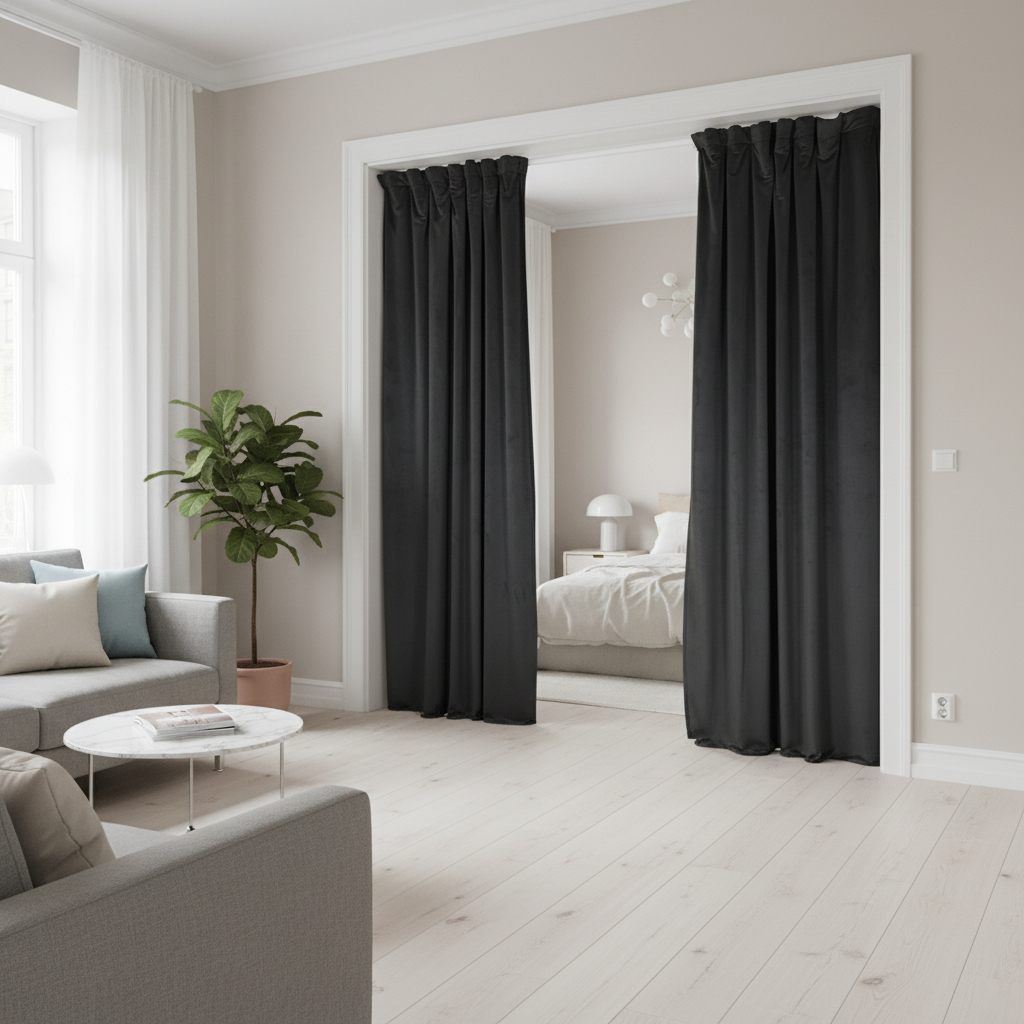
Room dividers can create clearer work zones, for example between recording and work areas, while reducing reflections that would otherwise build up in the room.
Movable solution that can be adapted over time
Since the room dividers are freestanding, they can be moved, rotated, and rearranged as the studio's needs change, without affecting the building structure.
Why choose sound-absorbing fabric room dividers in studios and recording studios?
Sound-absorbing room dividers provide a noticeable improvement in studio acoustics by reducing echo and creating a clearer sound environment. They are particularly well suited to flexible studios where you want to be able to change the layout, workflow, or use without rebuilding. The result is often better speech clarity, less disruptive reflections, and an environment that feels calmer and more functional. In some cases, room dividers can be combined with other measures such as sound absorption in the ceiling or on the walls for a more uniform overall effect.
Well-considered advice for best results
For the best effect, room dividers should be placed where sound passes between zones or where reflections occur at working and listening height. In larger studios, several room dividers can be used to create a more divided and controlled sound environment, while smaller studios are often improved by one or two strategically placed solutions. A common mistake is to place room dividers solely for screening purposes without considering the movement of sound in the room. When placement and scope are adapted to the function of the studio, more stable acoustics are created over time.
Sound-absorbing fabric room dividers are therefore a practical and effective choice for studios and studios that want to reduce echo, create clearer zones, and improve the daily sound environment.