







Sound-absorbing room dividers in restaurant settings – reduce echoes in the room
Flexible sound absorption and zoning for a better acoustic environment in restaurants
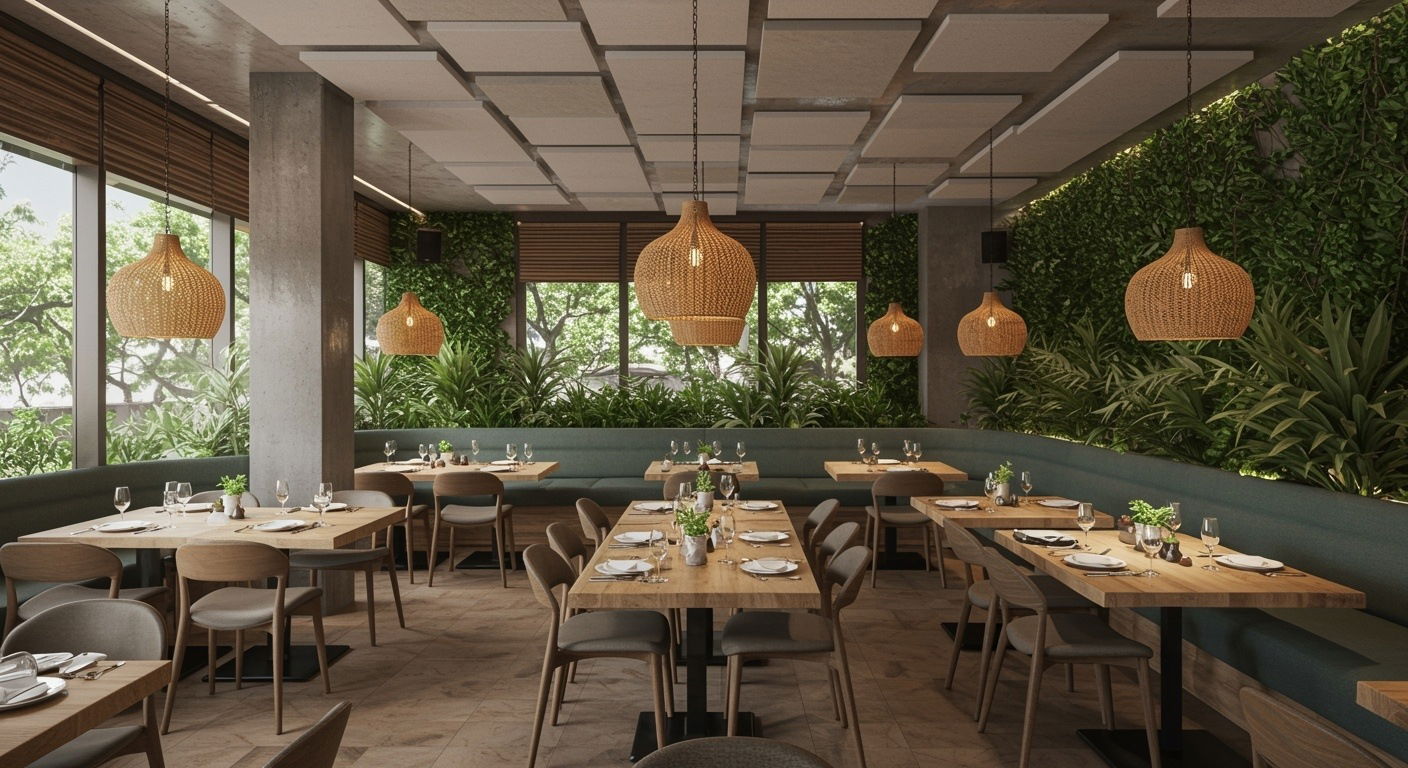
In restaurant environments with open spaces, a fast pace, and many simultaneous sound sources, echoes and long reverberation often occur. Conversations between guests, the clinking of dishes, movement in the space, and background music interact and amplify the sound level, especially in spaces with hard materials such as glass, concrete, and tile. Sound-absorbing room dividers are an effective solution that both improves acoustics and creates clearer zones within the restaurant.
What are sound-absorbing room dividers?
Sound-absorbing room dividers consist of porous, sound-absorbing materials that capture sound waves and reduce reflections in the room. They are used for sound absorption, which means that echoes and reverberation are reduced where the sound originates. This differs from sound insulation, which blocks sound between different rooms, and vibration damping, which reduces structure-borne noise from, for example, machinery and installations. Room dividers thus affect the room’s acoustics, not sound transmission between spaces.
Common acoustic challenges in restaurants
Restaurants often feature large, open dining areas where many guests gather at the same time. When sound reflects freely between surfaces, the noise level rises rapidly, causing guests to raise their voices to be heard. This leads to a negative spiral where the sound environment is perceived as stressful for both guests and staff. A lack of acoustic zoning also causes sound to spread throughout the entire space.
How sound-absorbing room dividers work in practice
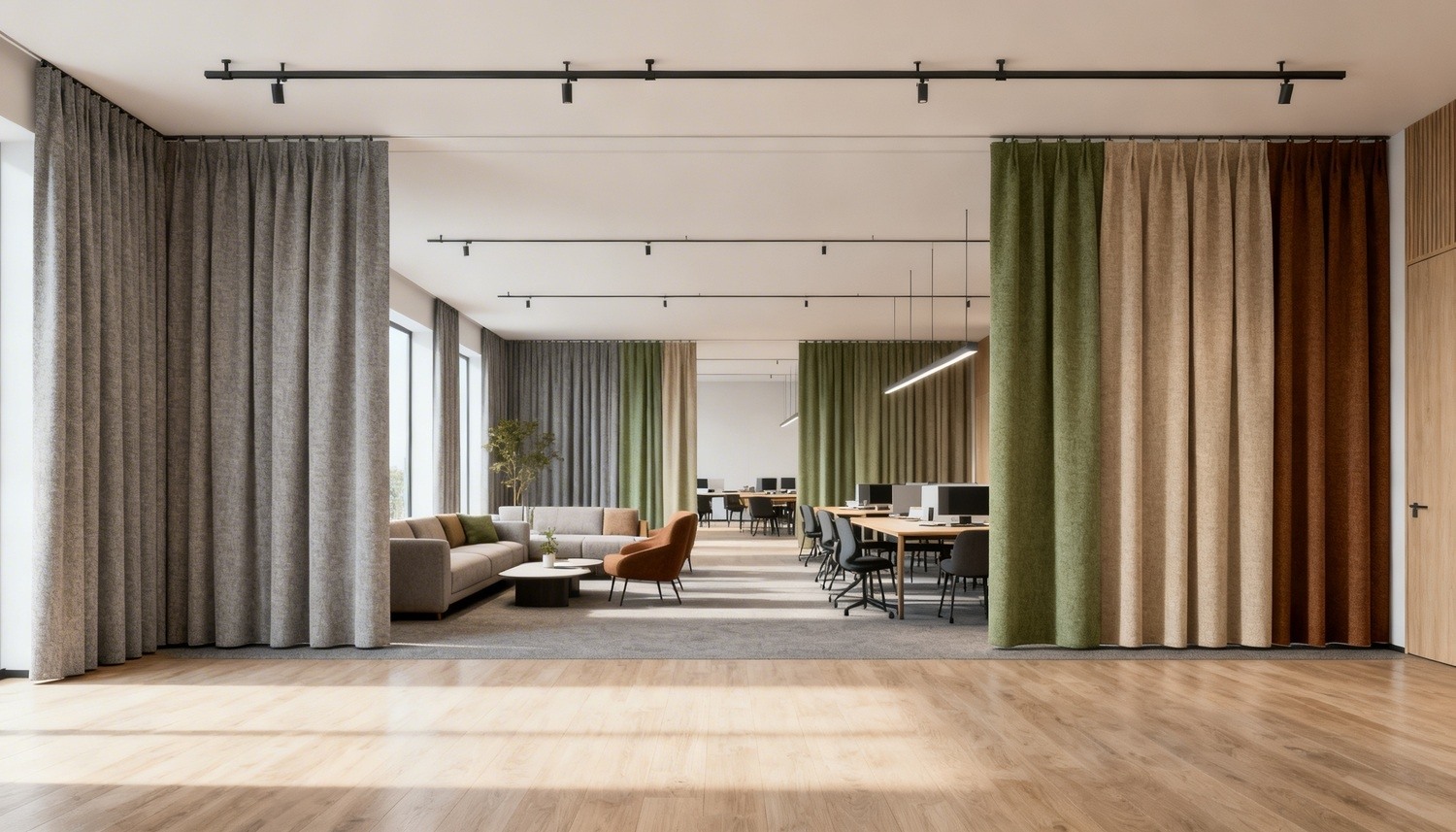
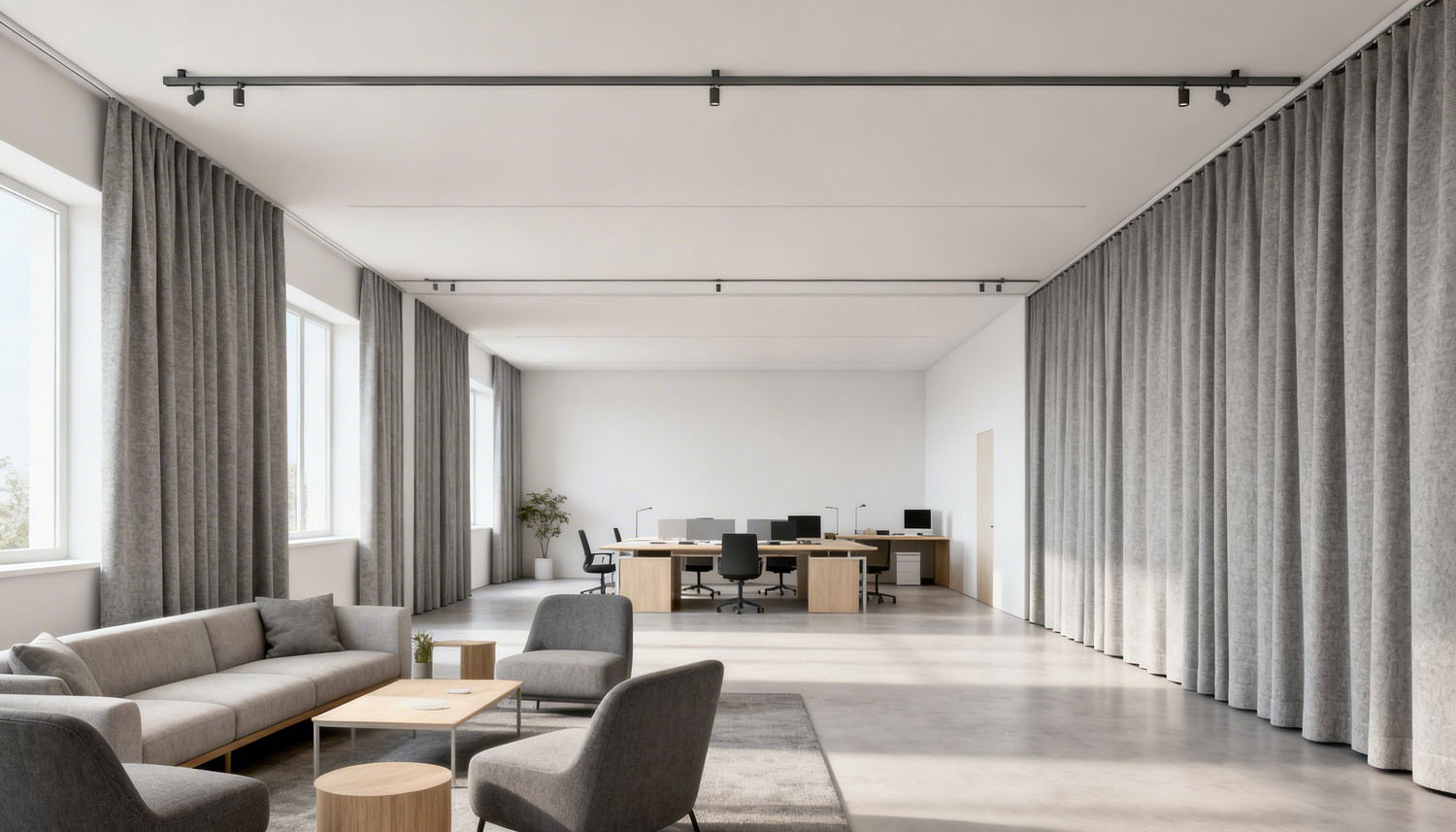
Room dividers are strategically placed in the dining area to block sound pathways. Since they absorb sound from multiple directions simultaneously, they are particularly effective in open restaurant environments where wall surfaces are absent or limited.
Zoning with acoustic functionality
Room dividers create distinct seating zones, reduce sound transmission between table groups, and improve speech intelligibility.
Flexible and adaptable solution
Freestanding room dividers can be easily moved and adapted to changes in furniture layout or different service concepts.
Why choose sound-absorbing room dividers in a restaurant setting?
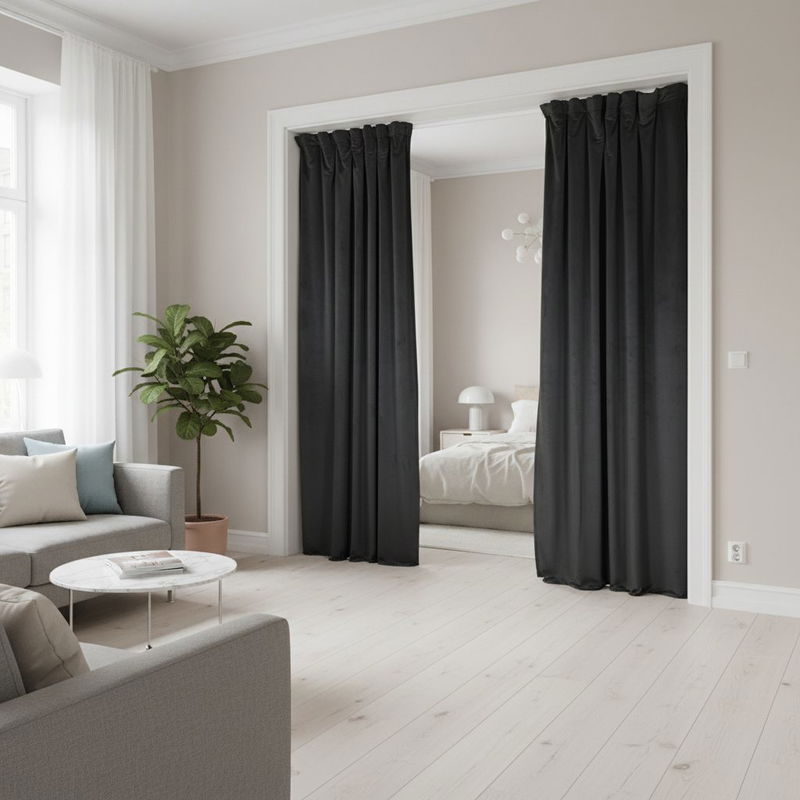
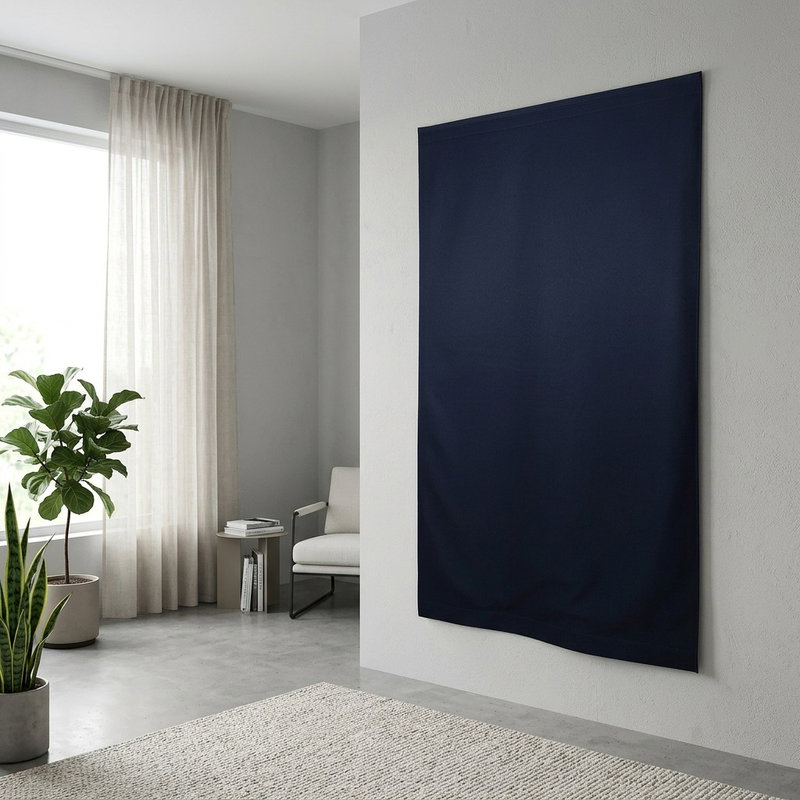
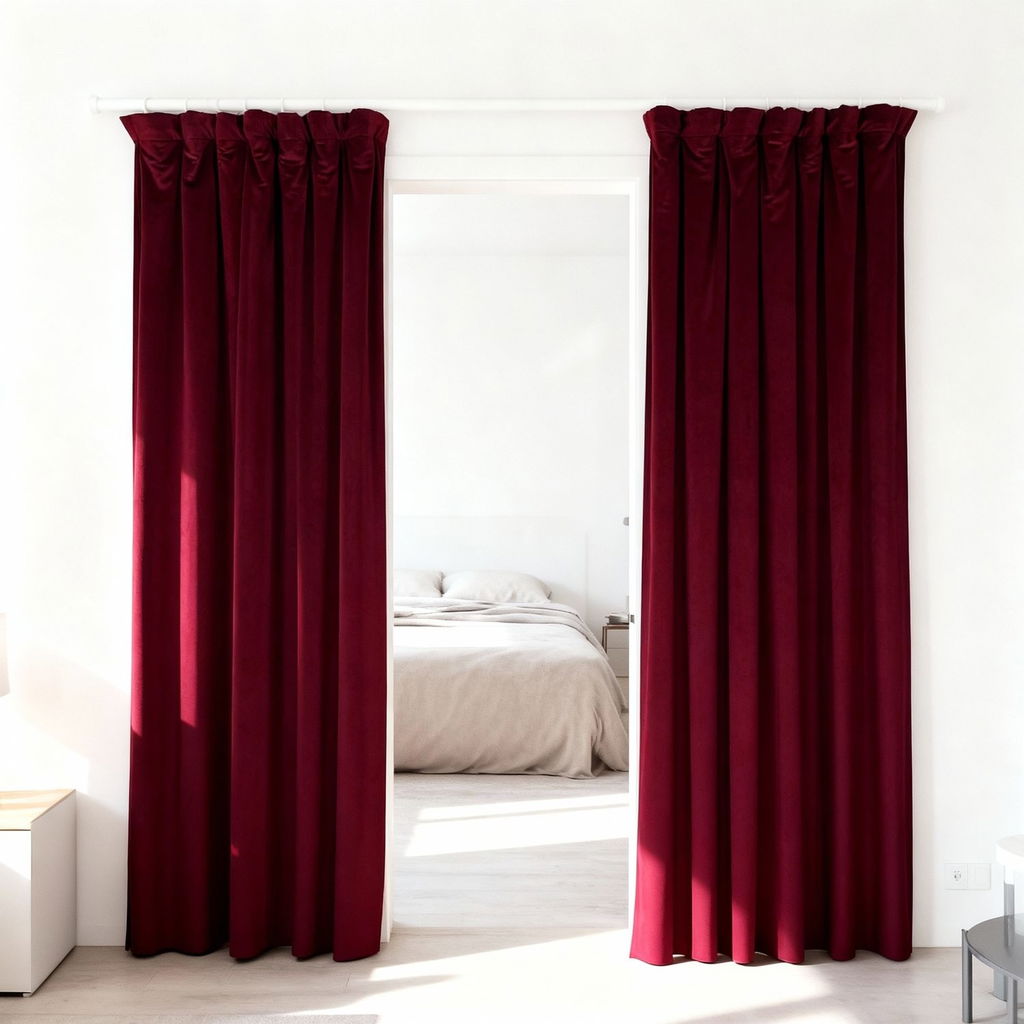
Sound-absorbing room dividers provide a quick and noticeable improvement to the acoustic environment without requiring structural modifications. They combine functional screening with effective sound absorption and contribute to a lower perceived noise level, a better conversational atmosphere, and increased comfort. In restaurants with varying occupancy levels, this is a particularly flexible solution. If needed, room dividers can be supplemented with ceiling or wall absorbers as well as sound-absorbing curtains for a more comprehensive acoustic solution.
Well-considered advice for best results
For maximum effectiveness, room dividers should be placed between noise-intensive zones, such as between large groups, walkways, or near serving areas. A common mistake is using too few or too small room dividers relative to the size of the space. By combining the right placement with sufficient absorptive surface area, a long-term balanced and pleasant sound environment is created in the restaurant.
Sound-absorbing room dividers are therefore an effective and flexible choice for restaurants that want to reduce echoes, improve acoustics, and create clearer and more pleasant guest environments.