






Soundproofing walls in studios and studio environments
Stop sound transmission between rooms in studio and studio environments
In studios and studio environments, walls are one of the most crucial building components when it comes to controlling how sound spreads between different spaces. Recording, rehearsals, conversations, and technical activity in one room can easily be heard in adjacent studios, control rooms, or workspaces if the wall construction is not sufficiently soundproofed. For businesses where sound precision, concentration, and privacy are key, this quickly becomes an obstacle. Soundproofing walls aims to stop sound between rooms and create clear boundaries between the studio's different functions.
What does soundproofing walls involve?
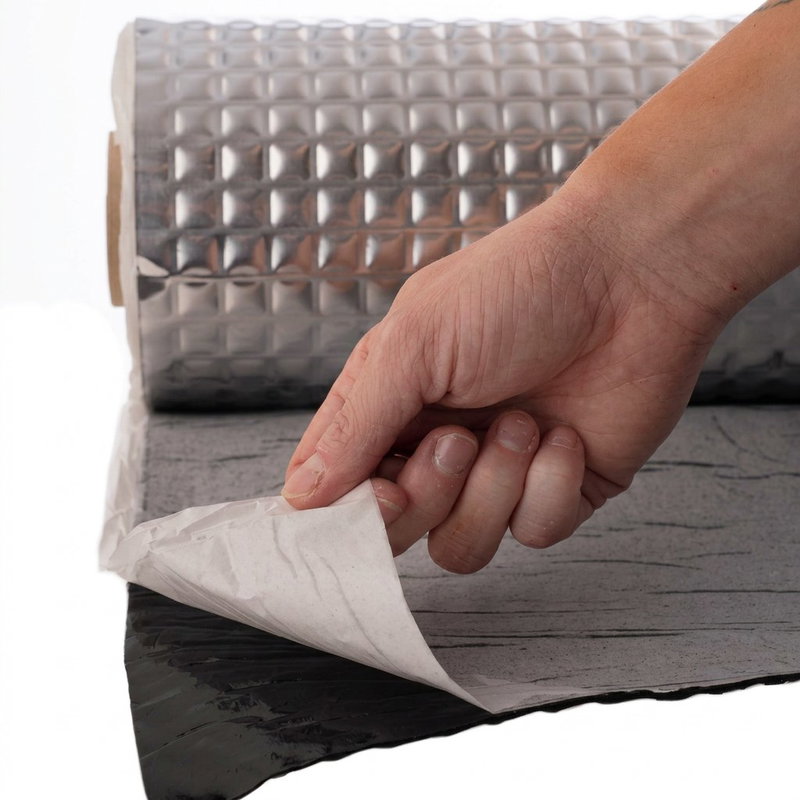
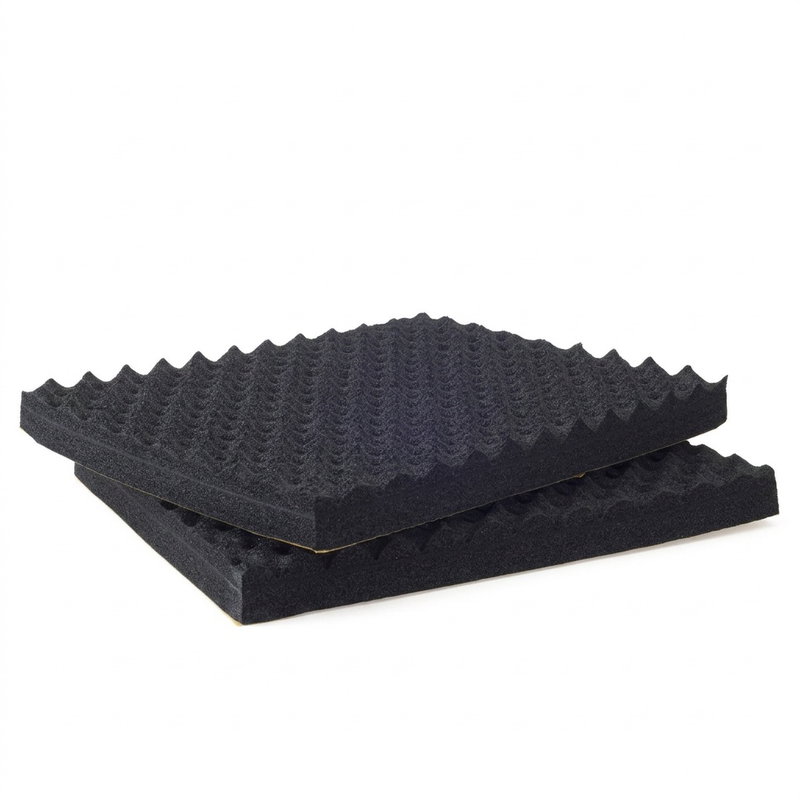
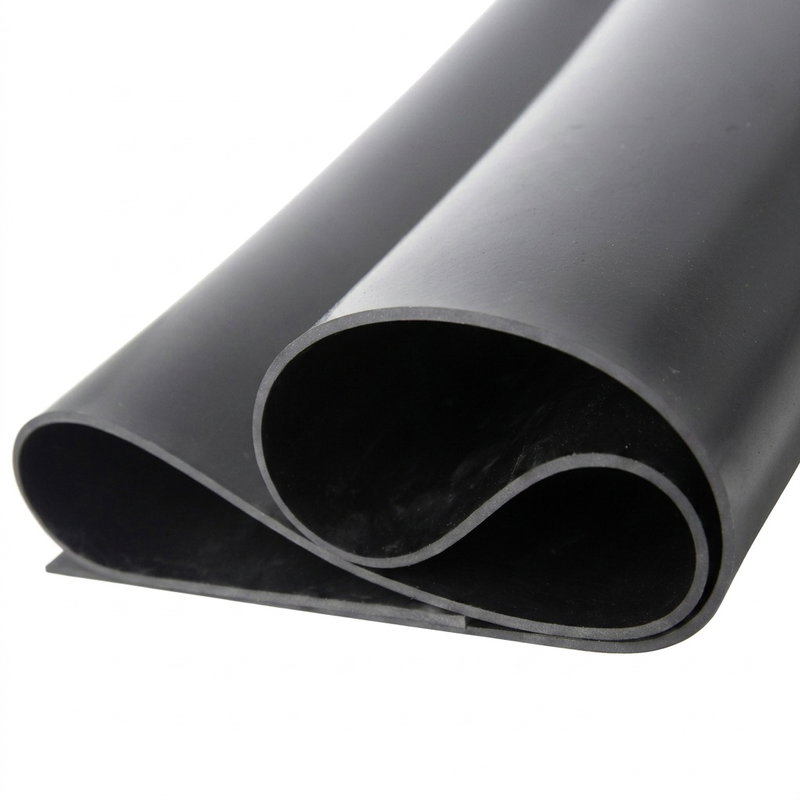
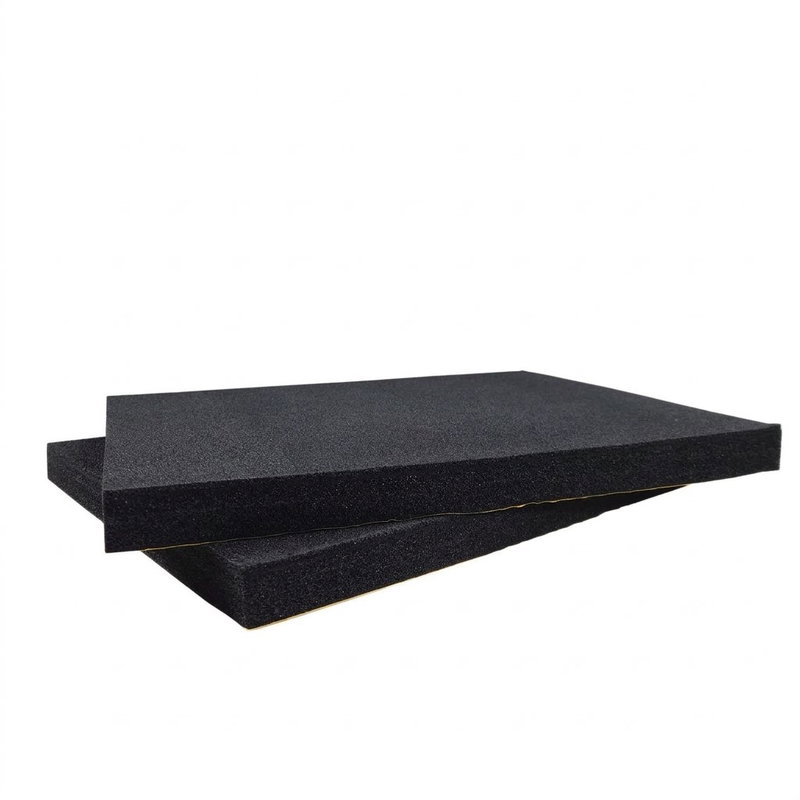
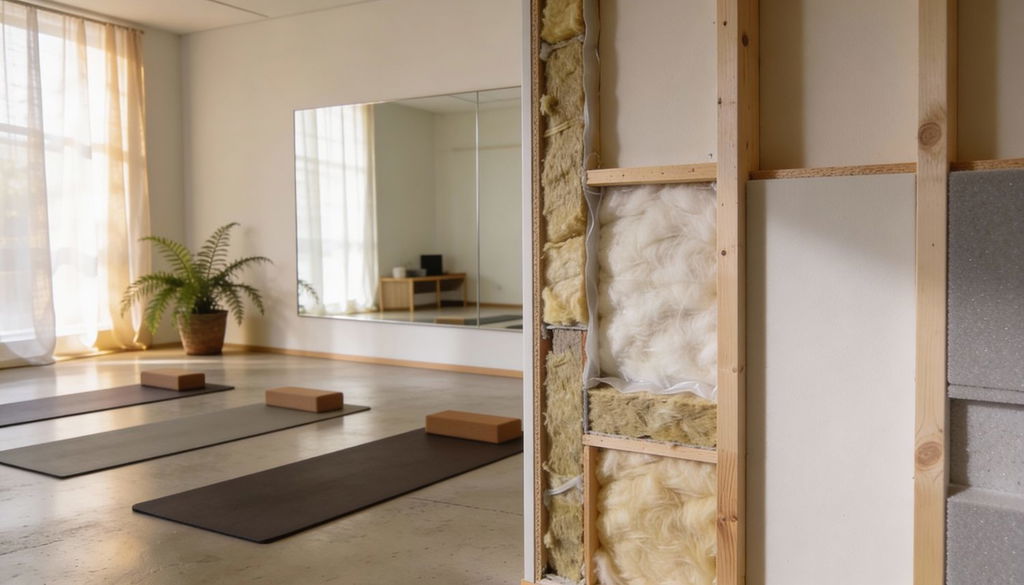
Soundproofing walls involves limiting how sound travels through the wall construction between separate spaces. Unlike sound absorption, which reduces echo and reverberation inside the room, soundproofing focuses on preventing sound from passing from one room to another. Vibration damping is a separate measure that targets mechanical movements and structure-borne noise in the building's frame. When insulating walls in studios, the goal is to block both airborne sound and vibrations that would otherwise spread through walls, floors, and ceilings.
Common problems with sound through walls in studio environments
In studios, sound through walls is often experienced as voices, music, or recording sounds that are clearly audible from adjacent rooms. This can mean that rehearsals interfere with ongoing recording, that control rooms are affected by sound from recording areas, or that multiple activities in the same building interfere with each other. Even low-frequency sounds can spread effectively through wall structures and be perceived as particularly stressful because they are difficult to mask.
How sound spreads through wall structures in studios and studio complexes
When sound is generated in a room, sound energy and vibrations are conducted through the wall material and via connections to the floor, ceiling, and adjacent walls. This means that the sound can be heard even where the sound source is not visible or directly adjacent. In studio environments where several rooms are close together, the walls therefore become a critical part of the sound insulation.
Airborne sound between rooms
Speech, music, and recording sounds can pass through walls if the construction lacks sufficient sound insulation.
Structure-borne sound via connecting building components
Vibrations can be transmitted via the wall's connection to the floor and ceiling and affect several rooms at the same time.
Why choose sound insulation for walls in studios and recording studios?
Wall soundproofing significantly improves the studio environment by reducing disturbances between rooms and creating better working conditions. This measure contributes to increased privacy, more predictable recording conditions, and better interaction between different studio functions. In studios where several activities take place simultaneously, wall insulation is often crucial for the business to function efficiently. In many cases, wall insulation is combined with measures in the floor or ceiling and vibration damping for a more complete result.
Well-thought-out advice for the best results
For the best effect, walls should be seen as part of the entire studio's sound paths. A common mistake is to focus on a single wall, even though sound often spreads through connecting building elements. By identifying the type of sound that dominates and how it propagates, the right insulation principles can be applied. The result is a more controlled, quiet, and long-lasting studio environment.
Soundproofing walls is therefore a key measure for stopping sound between rooms and creating a better working environment in studios.