



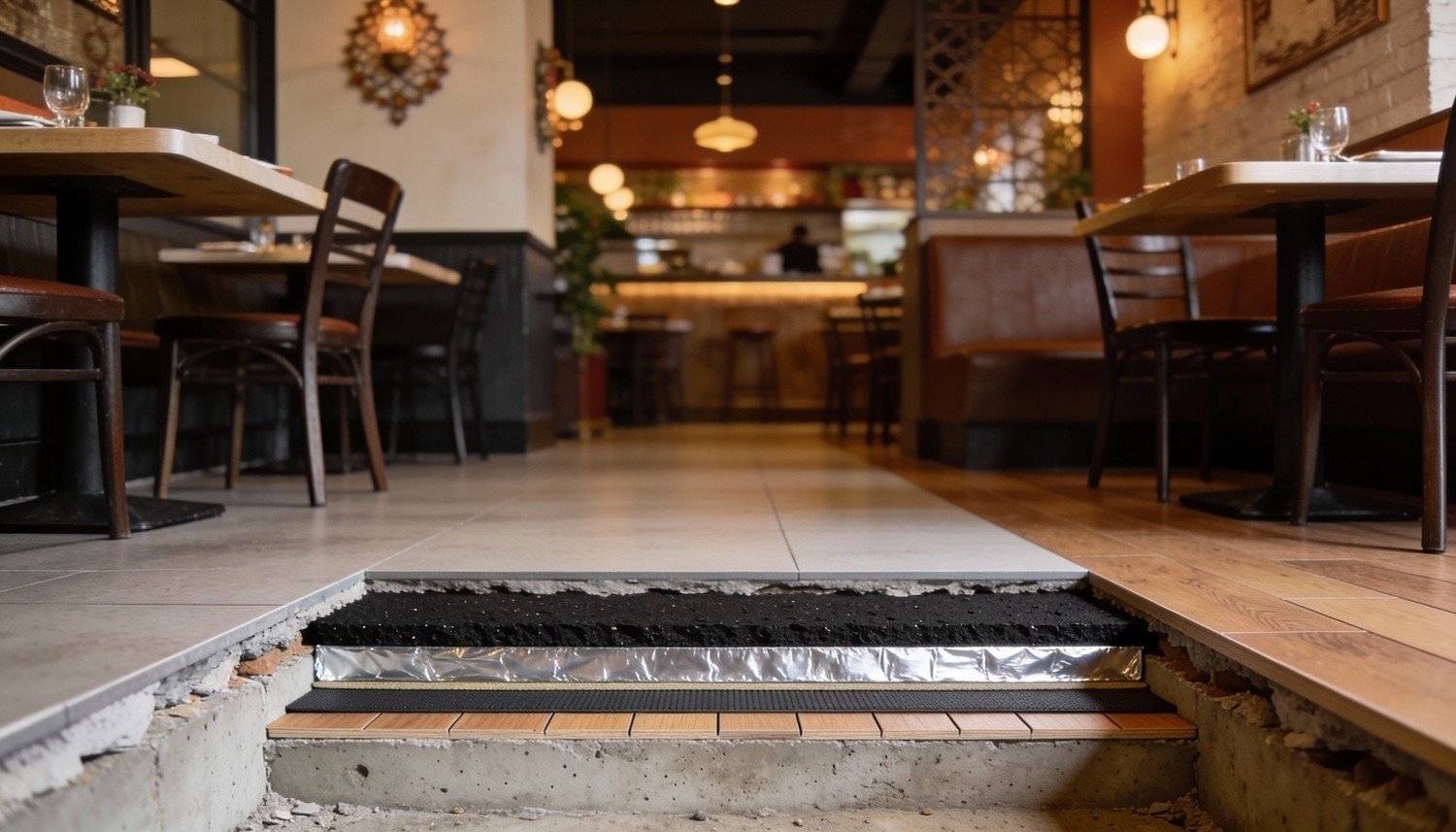

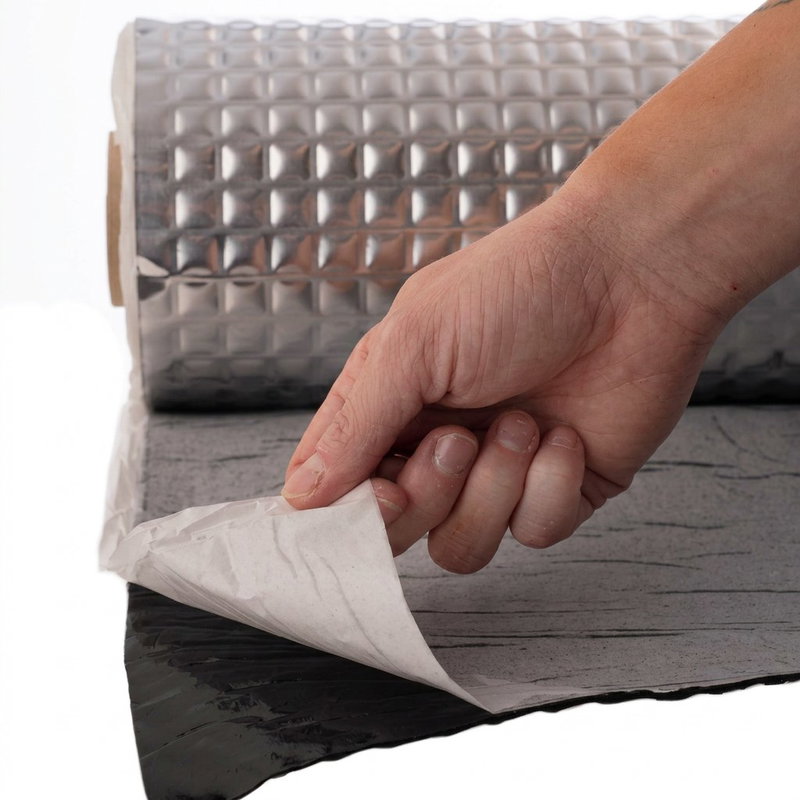
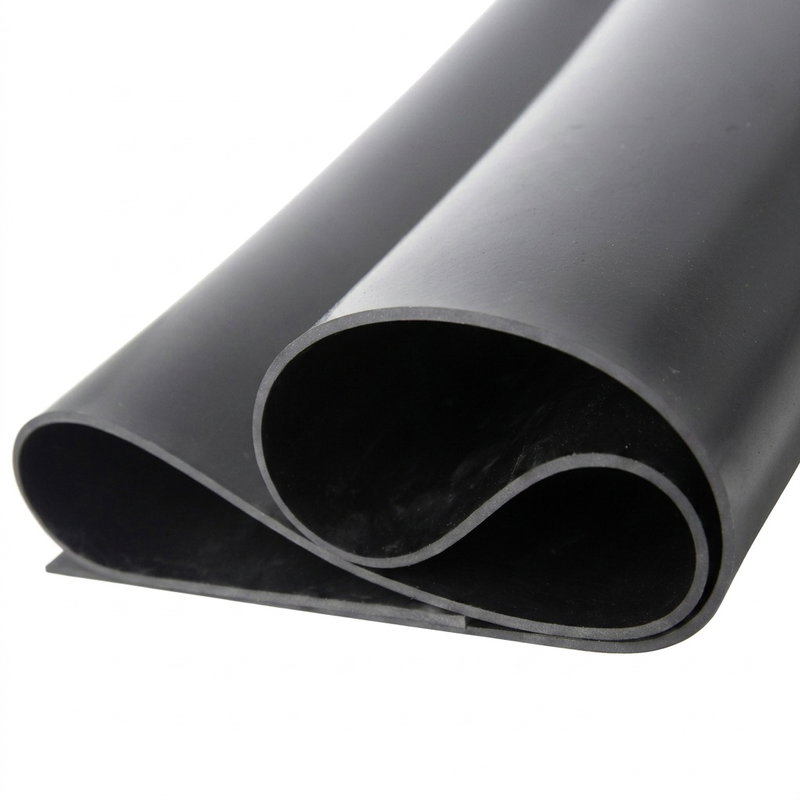
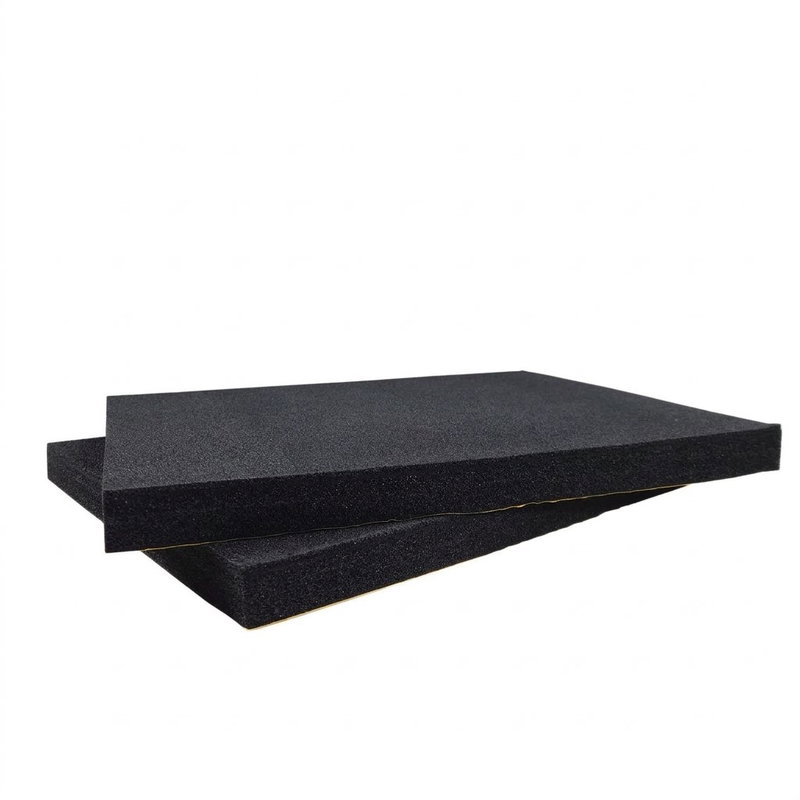

Floor soundproofing – blocks sound between rooms
Reduce disruptive noise and vibrations between floors and dining areas in restaurants
In restaurant environments, the floor is one of the most common pathways for sound transmission between different spaces. Footsteps from guests and staff, chairs being moved, serving carts, kitchen equipment, and activity within the premises create vibrations that travel through the building’s structure. Floor sound insulation aims to limit how these sounds travel between the dining room, kitchen, bar, staff areas, and floors.
What does floor soundproofing entail?
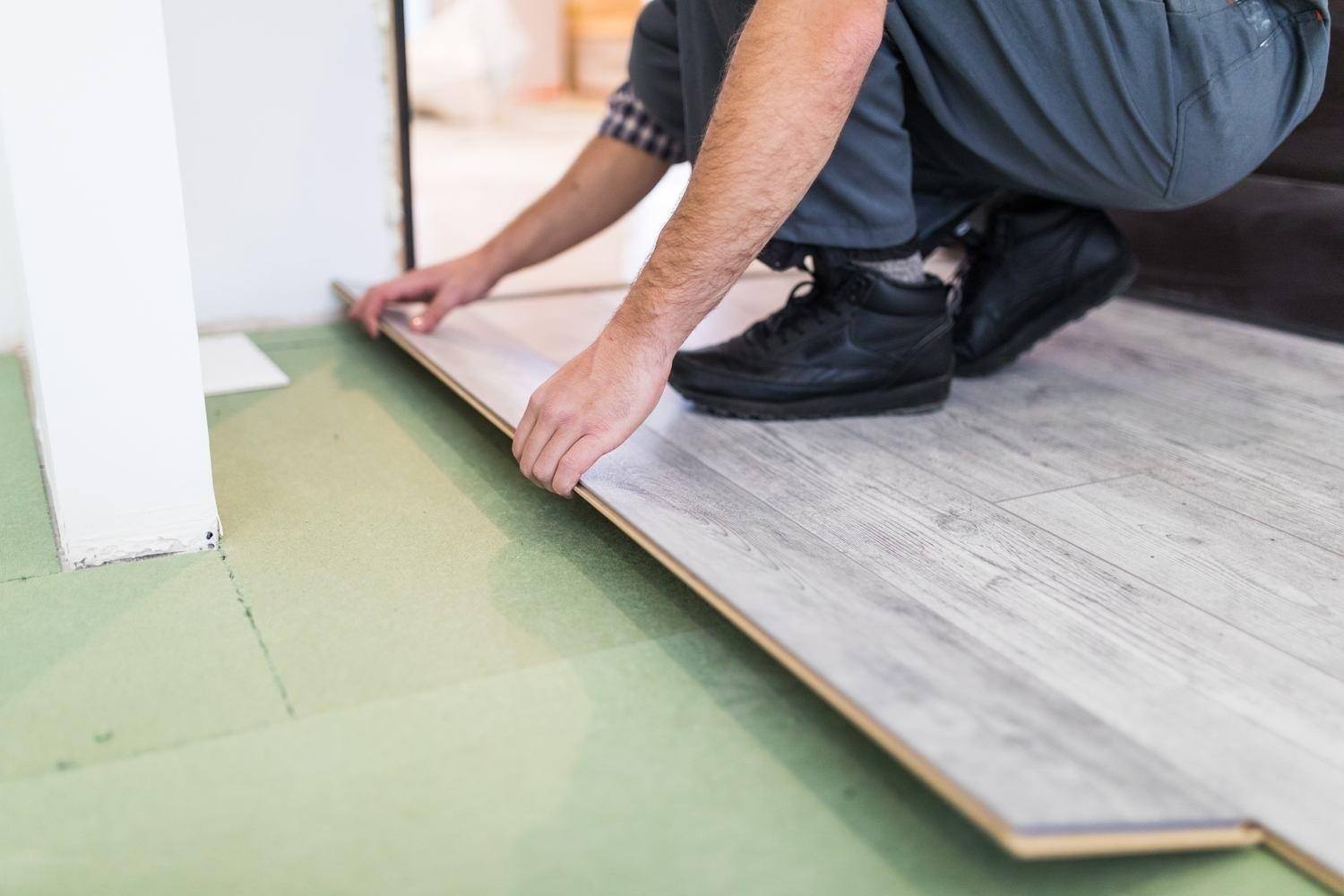
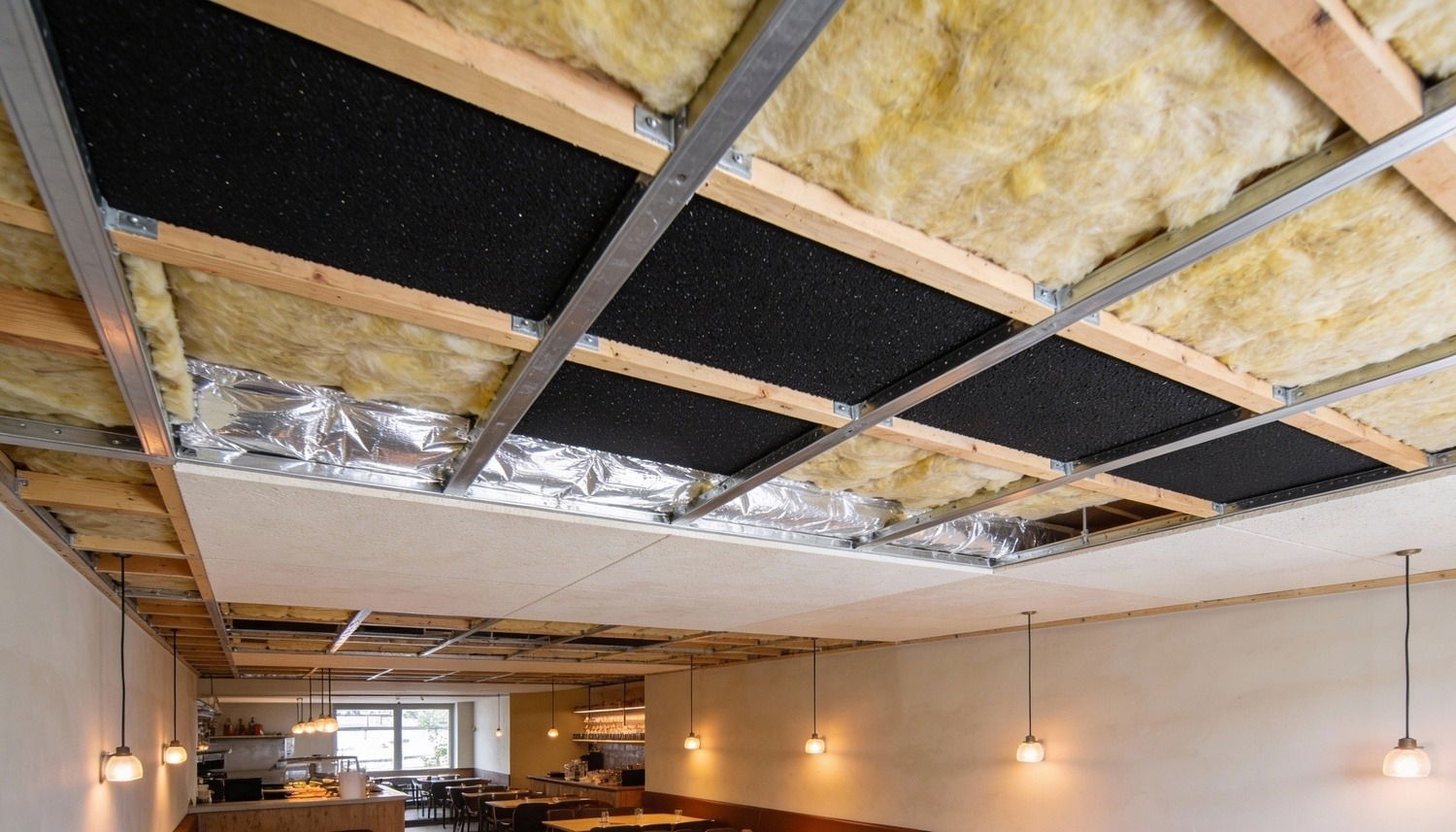
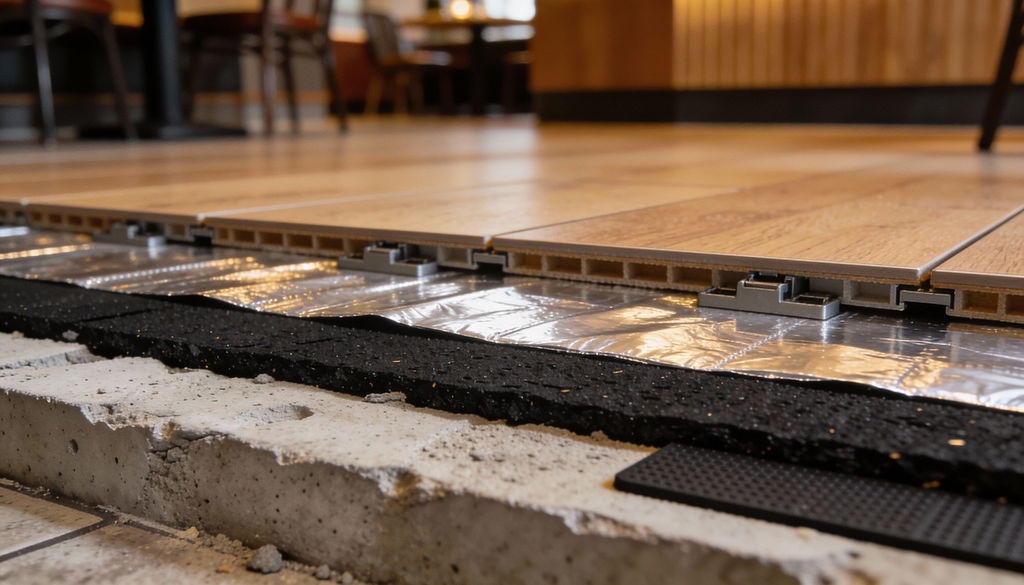
Floor sound insulation involves reducing both airborne sound and structure-borne noise that occurs when the floor is loaded. Unlike sound absorption, which reduces echoes and reverberation in a room, sound insulation focuses on stopping sound transmission between different spaces. The measures target the floor structure and how vibrations are transmitted through joists, walls, and ceilings.
Common problems related to floor noise in restaurants
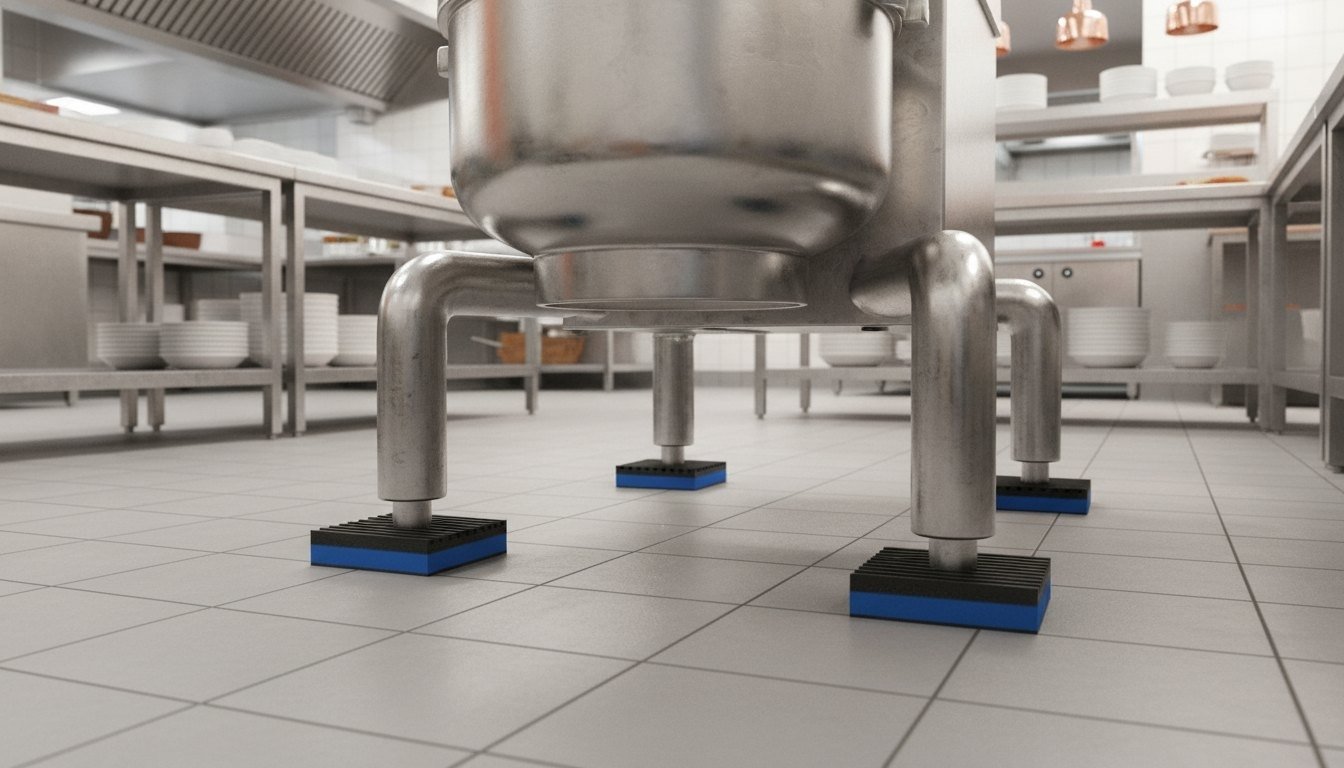
In restaurants, floor noise is often perceived as footsteps from the upper floor, noise from moving service staff, or sounds from chairs and furniture being moved close together. Kitchen equipment, dishwashing areas, and delivery traffic can also cause vibrations that spread to guest seating areas or to neighboring businesses. These sounds are often perceived as more disruptive than airborne noise because they travel directly through the building’s structure.
How sound spreads through floors in restaurant spaces
When the floor is loaded, vibrations occur that are transmitted through the joists, walls, and ceiling. This allows the sound to be heard in multiple parts of the space, even if the sound source is in a different area. In restaurants with multiple floors or open floor plans, the floor therefore becomes a critical structural element to address when dealing with structure-borne noise and footfall noise.
Footfall noise from guests and staff
Sounds from walking, running, and movement are effectively transmitted through the floor structure.
Furniture and serving equipment
Chairs, tables, and carts that place weight on the floor can create recurring vibrations.
Why choose floor soundproofing in a restaurant environment?
Floor sound insulation provides a clear improvement in the acoustic environment by reducing disruptive noise between different areas of the restaurant. This measure contributes to better privacy, a lower perceived noise level, and a more professional and pleasant guest experience. In many cases, floor insulation is combined with vibration damping or complementary measures in walls and ceilings to achieve the best possible overall result.
Well-considered advice for the best results
For the best effect, the floor should be viewed as part of the building’s overall structure. A common mistake is to focus solely on the floor’s surface layer, even though sound often travels through joists and adjacent building components. By identifying where the sound originates and how it propagates, the correct insulation principles can be applied to create a more consistently quiet restaurant environment.
Soundproofing floors is therefore a key measure for blocking sound between rooms and floors and creating a more comfortable environment in restaurants.