






Sound insulation of walls in schools and school environments
Reduce sound transmission between classrooms and teaching areas
In schools and educational environments, walls are one of the most common routes for sound to spread between different rooms. Conversations from classrooms, group work, corridors, staff rooms, and special rooms can easily travel through the wall structure and negatively affect the study environment and working environment. When sound moves uncontrollably between spaces, it becomes more difficult for students to concentrate and for staff to teach effectively. Soundproofing walls aims to stop this sound transmission and create clearer acoustic separation in schools and school environments.
What does wall soundproofing involve?
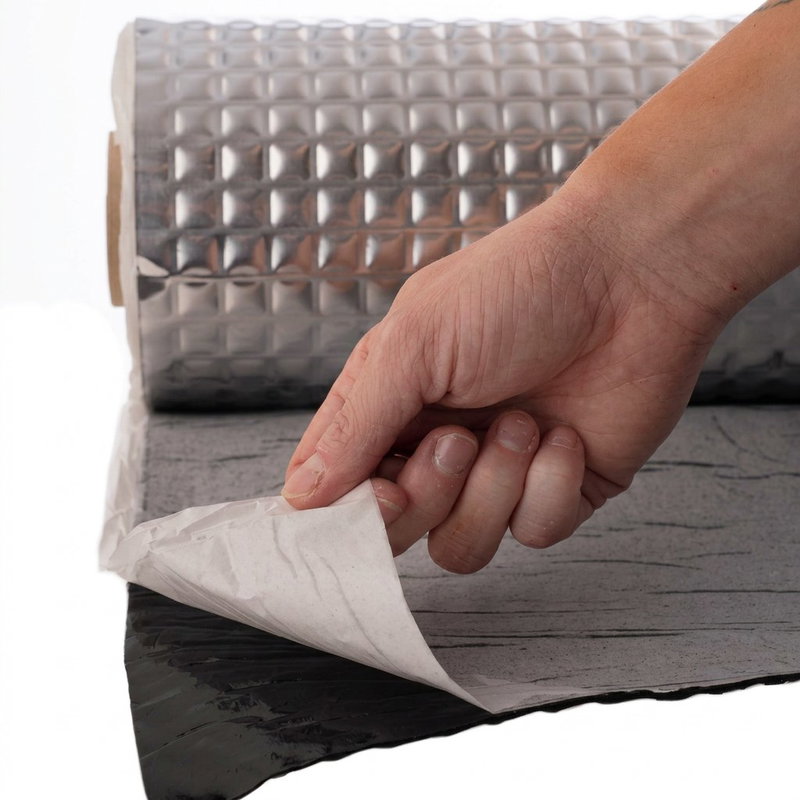
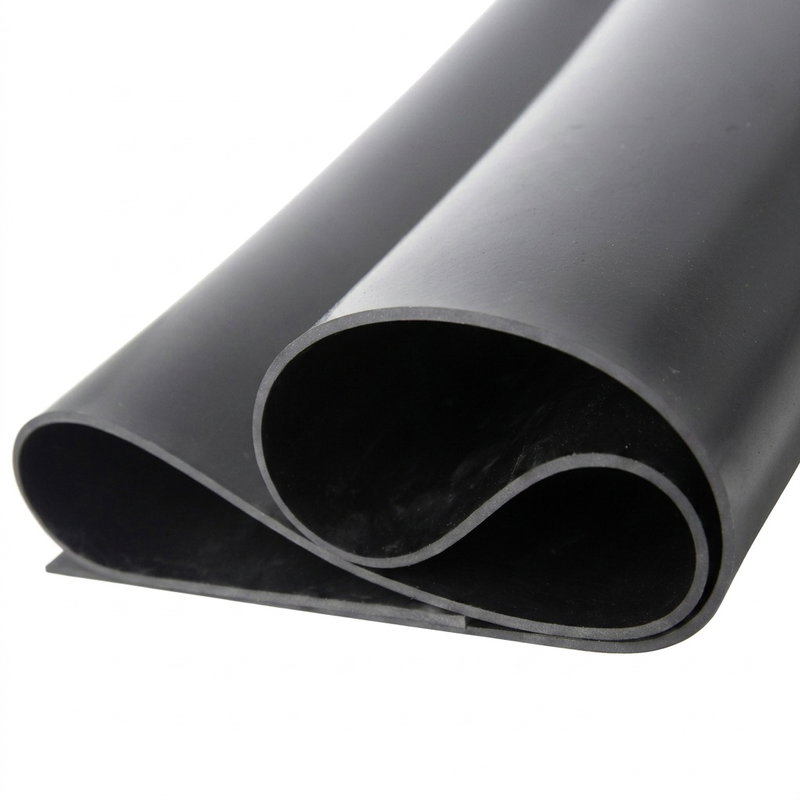
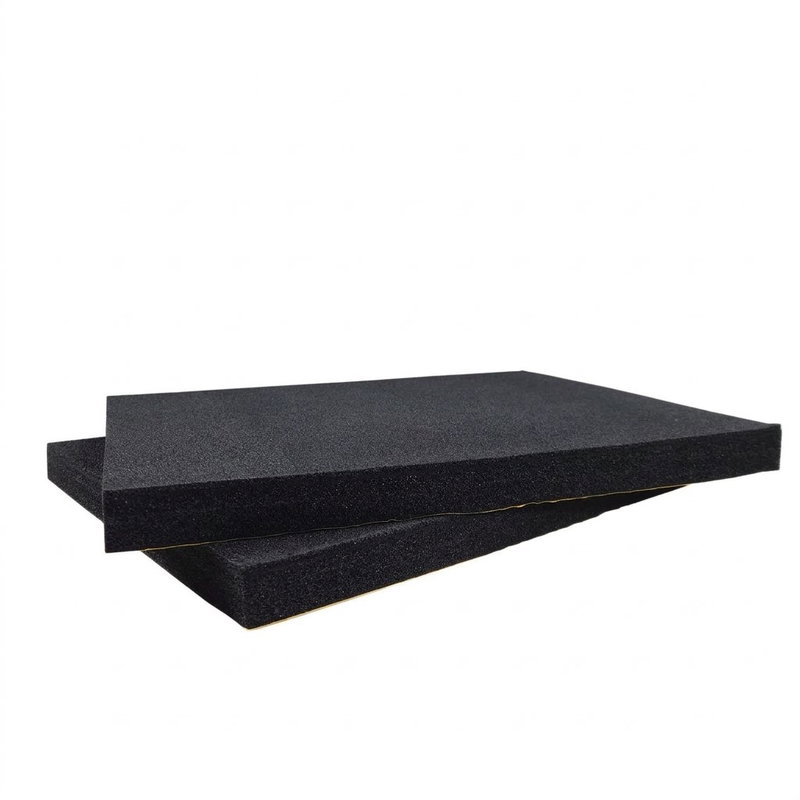
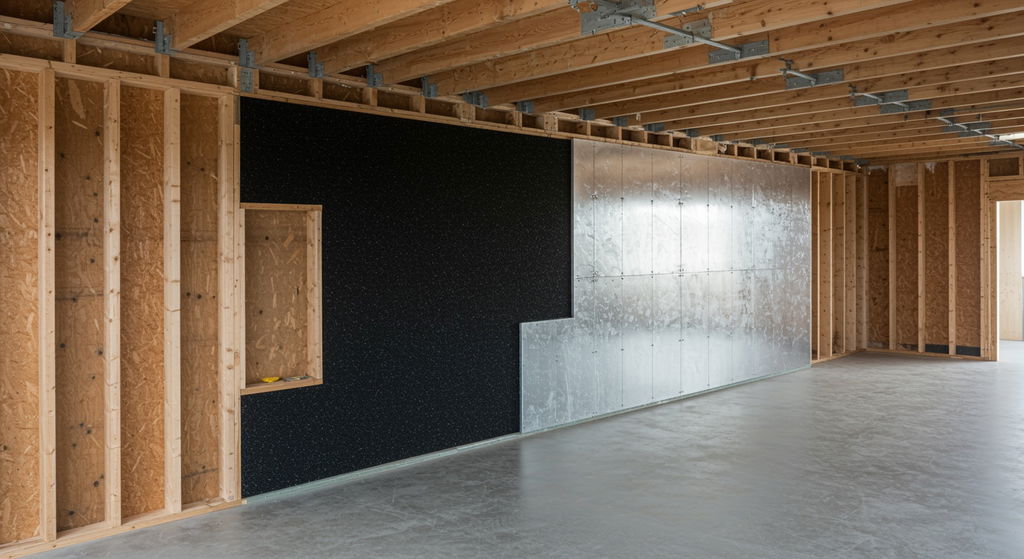
Soundproofing walls involves limiting how both airborne sound and structure-borne noise spread through the wall structure. Unlike sound absorption, which is used to reduce echo and reverberation in a room, soundproofing focuses on preventing sound from passing between separate spaces. Vibration damping, in turn, focuses on reducing mechanical movements in the building's frame. When insulating walls in a school environment, the goal is to break the sound's path between classrooms.
Common problems with sound through walls in schools
In school buildings, sound through walls is often experienced as voices from adjacent classrooms, noise from group rooms, music or craft rooms, and noise from corridors and common areas. Even low-frequency sounds can spread effectively and create a constant disturbance that affects concentration and learning. The problems are particularly evident in schools with light interior walls or older structures where the sound insulation is not adapted to today's activities.
How sound spreads through wall structures
When sound is generated in a room, the vibrations are conducted through the wall material and via connections to the floor, ceiling, and adjacent walls. This means that sound can be heard clearly even in nearby classrooms or teaching areas. Walls are therefore a critical building element to work with when there are problems with sound transmission between different functions in a school environment.
Airborne sound between classrooms
Conversations, teaching, and group work can pass through the wall if the sound insulation is insufficient.
Structure-borne sound via wall connections
Vibrations can spread through the wall's connections to the floor and ceiling and affect several classrooms at the same time.
Relationship to sound absorption in school environments
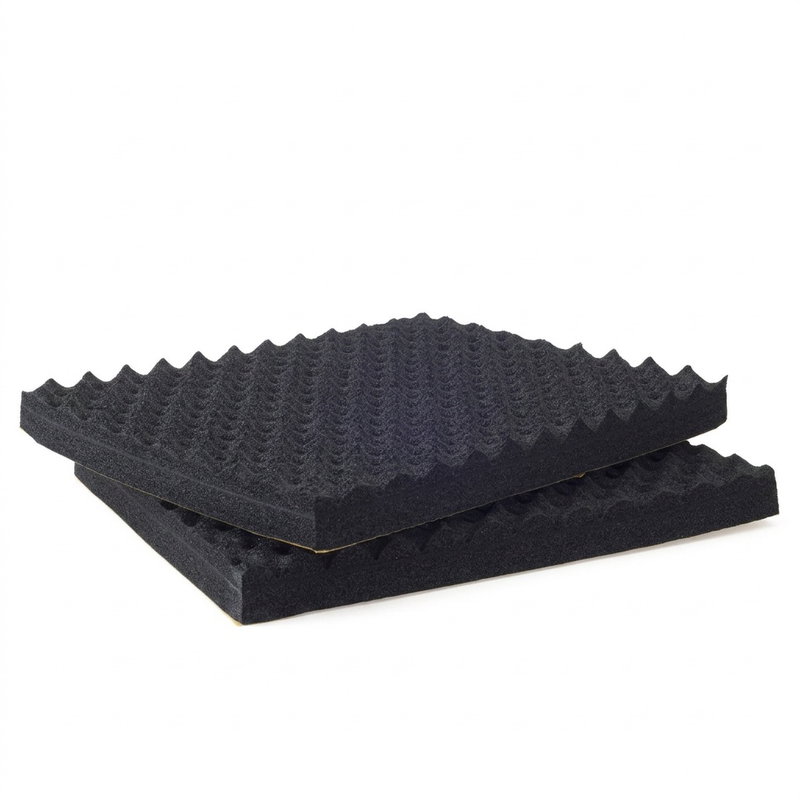
Wall sound insulation should not be confused with sound absorption. While wall insulation stops sound between rooms, sound-absorbing solutions on walls, ceilings, sound-absorbing curtains, or room dividers are used to reduce echo and reverberation within the same room. In school environments, these measures are often combined to both limit sound propagation and improve the overall sound environment in classrooms and common areas.
Why choose wall sound insulation in schools?
Wall soundproofing contributes to a better study environment, increased concentration, and clearer boundaries between the school's various activities. This measure is particularly important in schools with parallel lessons, special classrooms, or spaces with different sound levels side by side. In many cases, wall insulation is a basic prerequisite for other acoustic measures to be fully effective.
Well-considered advice for the best results
For the best effect, walls should always be seen as part of a larger whole. A common mistake is to treat a single wall without considering how sound spreads through floors, ceilings, and adjacent structures. By analyzing the path of sound and choosing the right insulation principles, you can create a long-term, quieter, and more functional school environment.
Sound insulation of walls is therefore a key measure for stopping sound between rooms and creating better conditions for teaching, concentration, and a peaceful working environment in schools and school environments.