



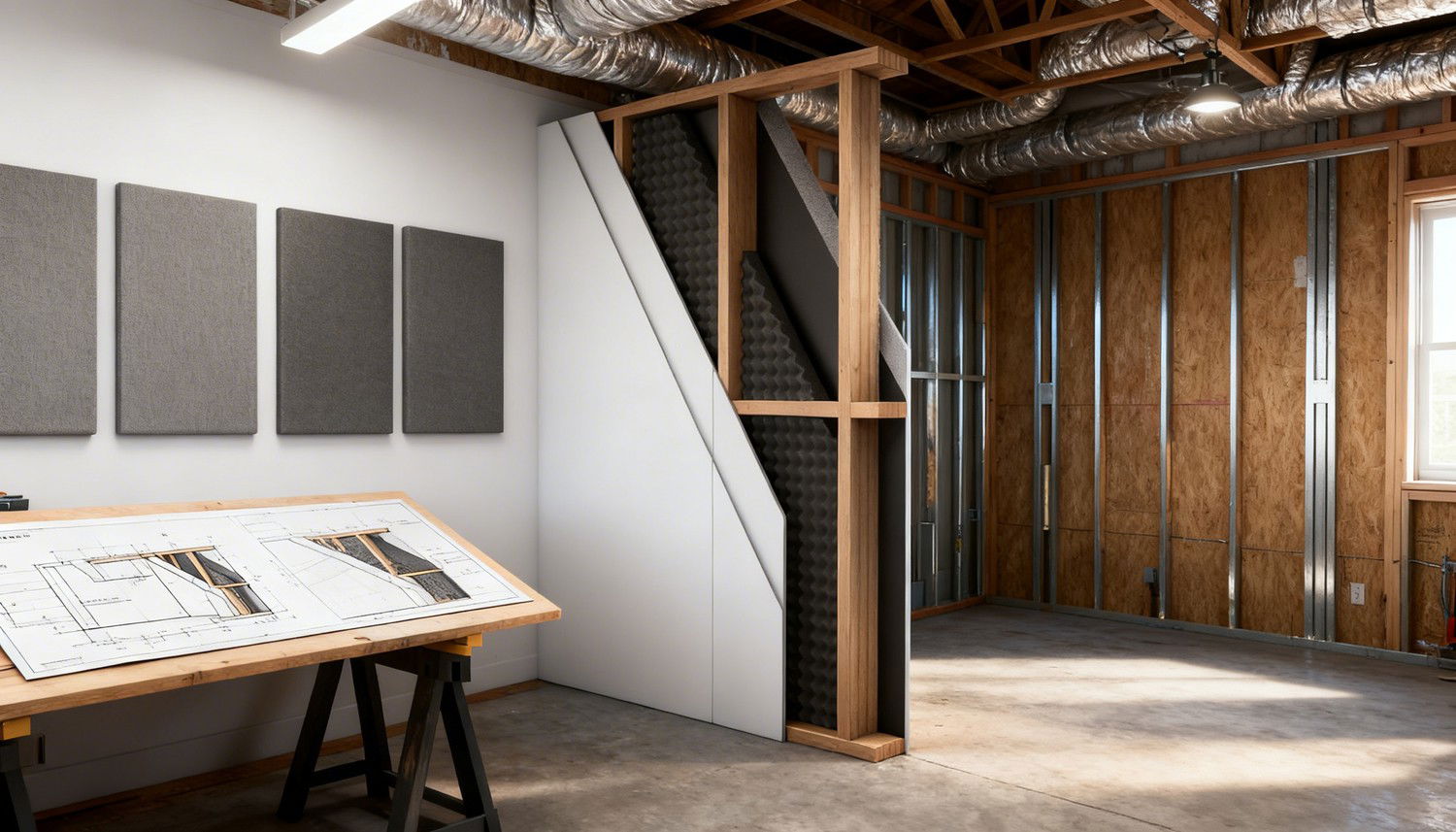
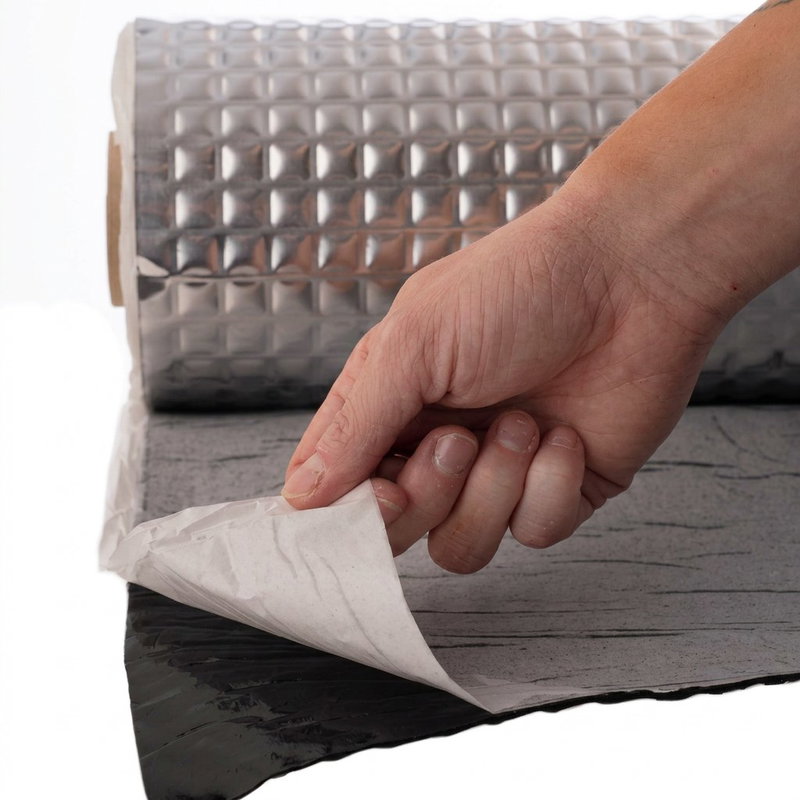

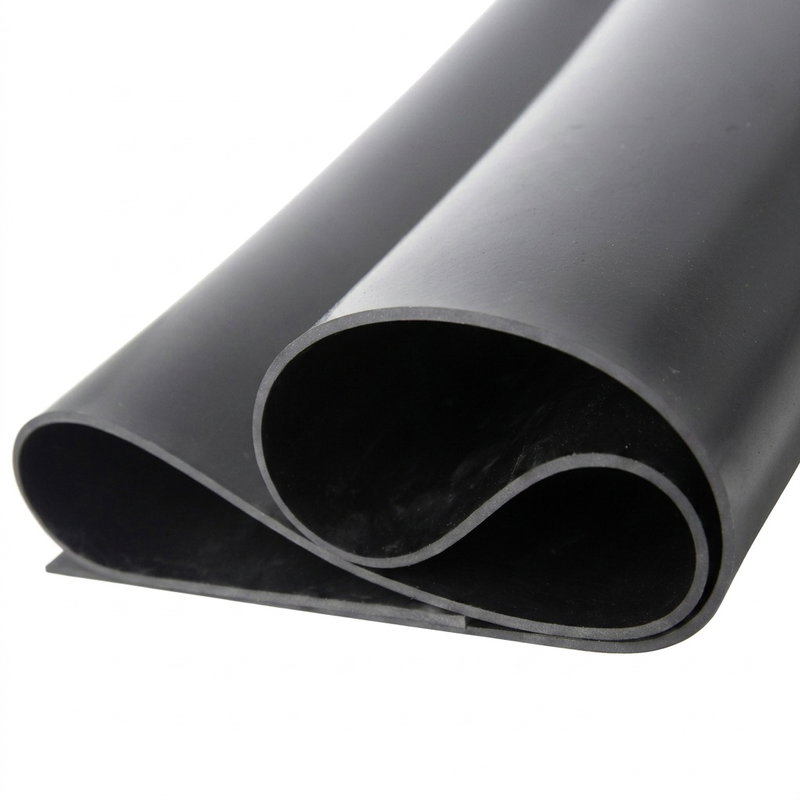
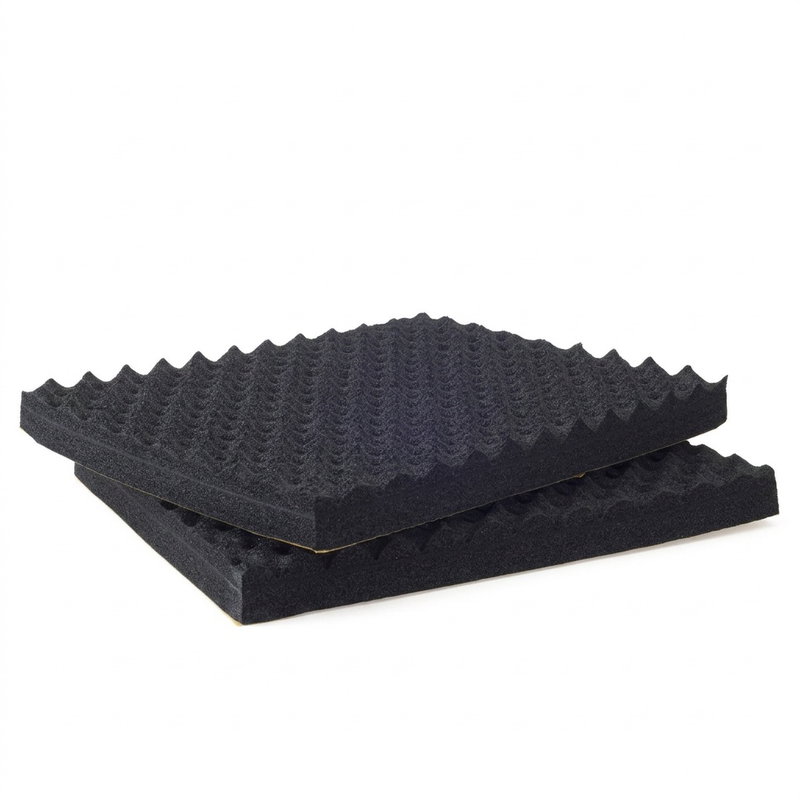


Wall soundproofing – blocks sound between rooms
Reduce sound transmission between rooms in homes
In homes, walls are one of the most common routes for sound to travel between rooms. Conversations, TV sounds, music, or noise from adjacent spaces can easily travel through the wall structure and be perceived as disruptive. Wall soundproofing aims to stop this sound transmission and create better privacy and comfort between different parts of the home.
What does wall soundproofing involve?
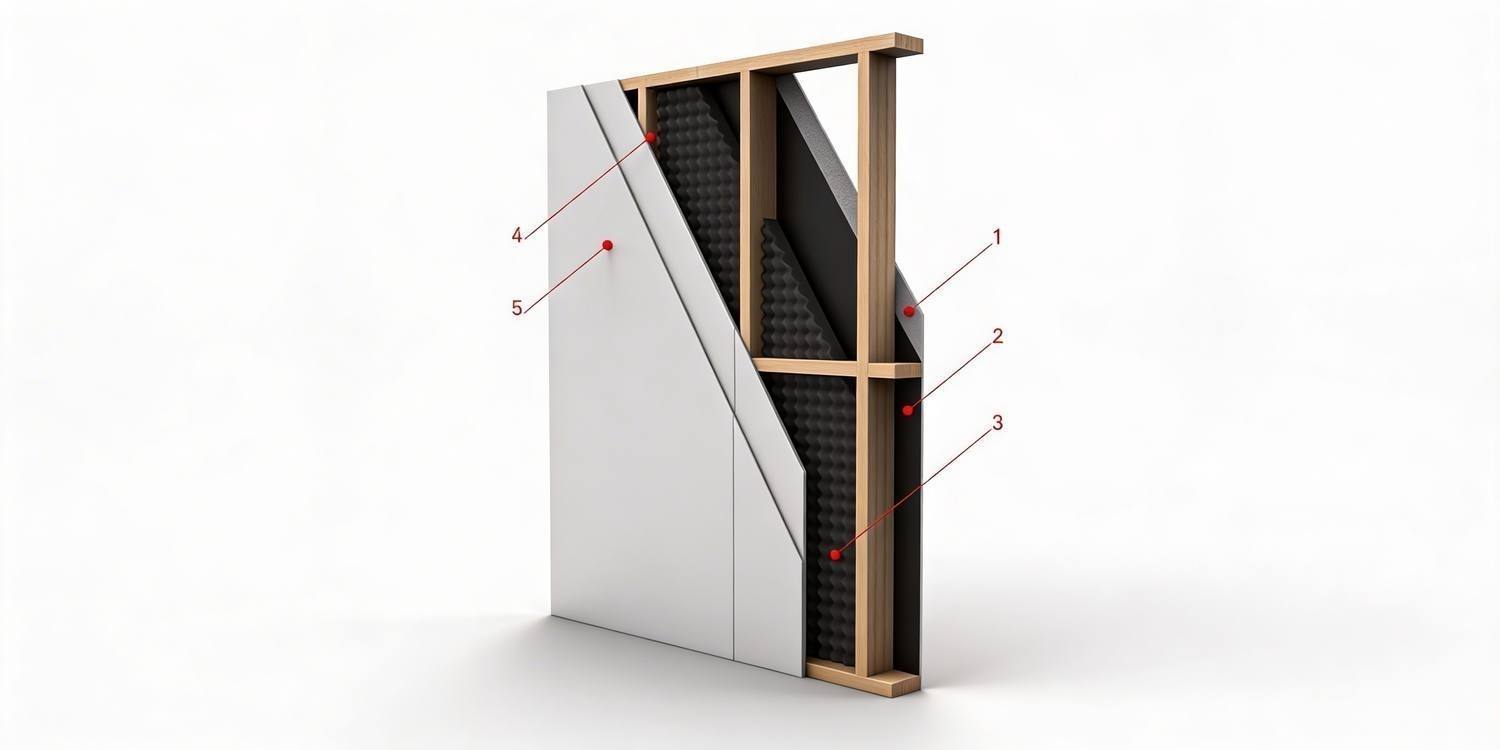
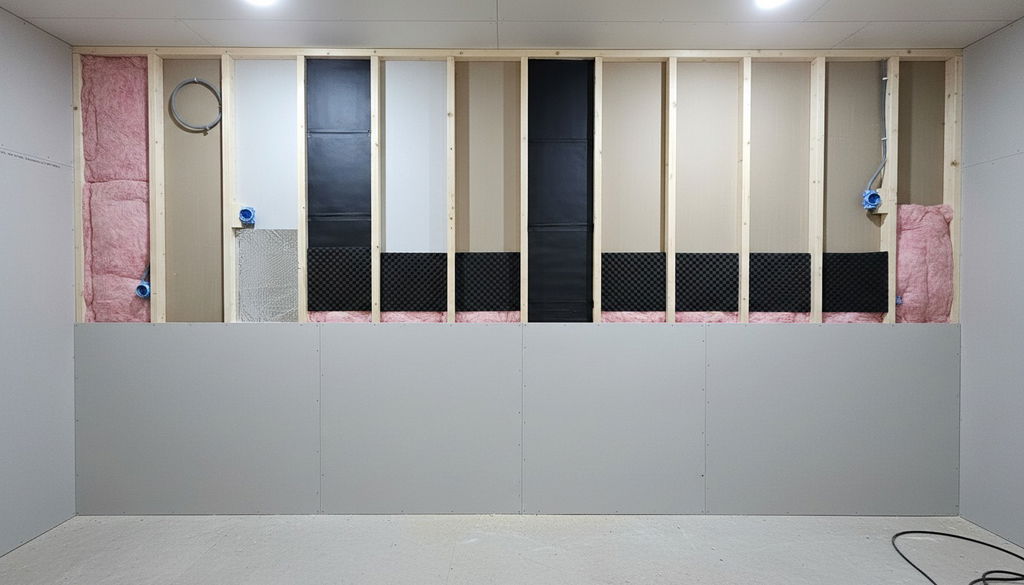
Wall sound insulation involves limiting how both airborne sound and structure-borne noise travel through the wall structure. Unlike sound absorption, which reduces reverberation in a room, sound insulation focuses on preventing sound from passing from one room to another. The measures target the wall’s construction and its ability to dampen sound and vibrations.
Common problems with sound through walls
In residential buildings, sound transmitted through walls is often perceived as voices from adjacent rooms, sounds from TVs or music, or noise from technical equipment on the other side of the wall. Even low-frequency sounds can propagate effectively and be perceived as particularly disruptive, as they travel through the building’s structure.
How sound spreads through wall structures
When sound is generated in a room, the vibrations are transmitted through the wall materials and connections to the floor, ceiling, and other walls. This allows the sound to be heard clearly even in adjacent spaces. Walls are therefore a critical building component to address when dealing with sound transmission issues between rooms.
Airborne sound
Conversations, TV, and music can pass through the wall structure if the insulation is insufficient.
Structure-borne sound via connections
Vibrations can spread through the wall’s connections to the floor and ceiling.
Why choose wall sound insulation?
Wall sound insulation provides a clear improvement to the living environment by reducing disruptive noise between rooms. This measure contributes to better privacy, increased comfort, and a more functional home. In some cases, wall insulation can be effectively combined with measures in the floor or ceiling, as well as vibration damping, for a more comprehensive result.
Well-thought-out advice for the best results
For the best results, it is important to view the wall as part of a larger structure. A common mistake is to focus on a single surface, even though sound often spreads through adjacent building components. By identifying the type of sound that dominates and how it propagates, the correct insulation principles can be applied. The result is a quieter and more comfortable sound environment in the home over the long term.
Wall sound insulation is therefore a key measure for blocking sound between rooms and creating greater comfort in homes.