



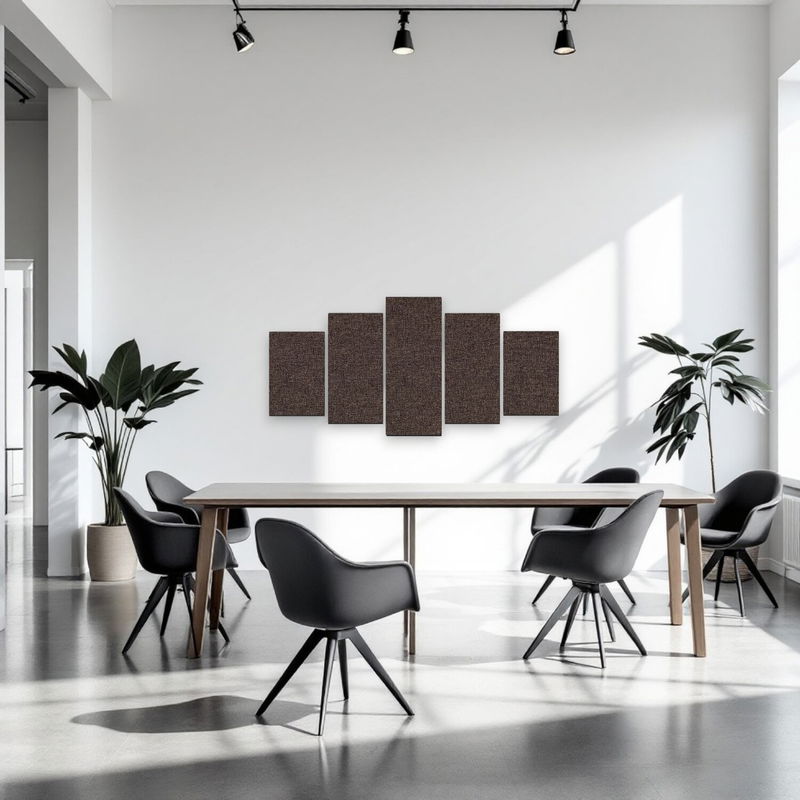
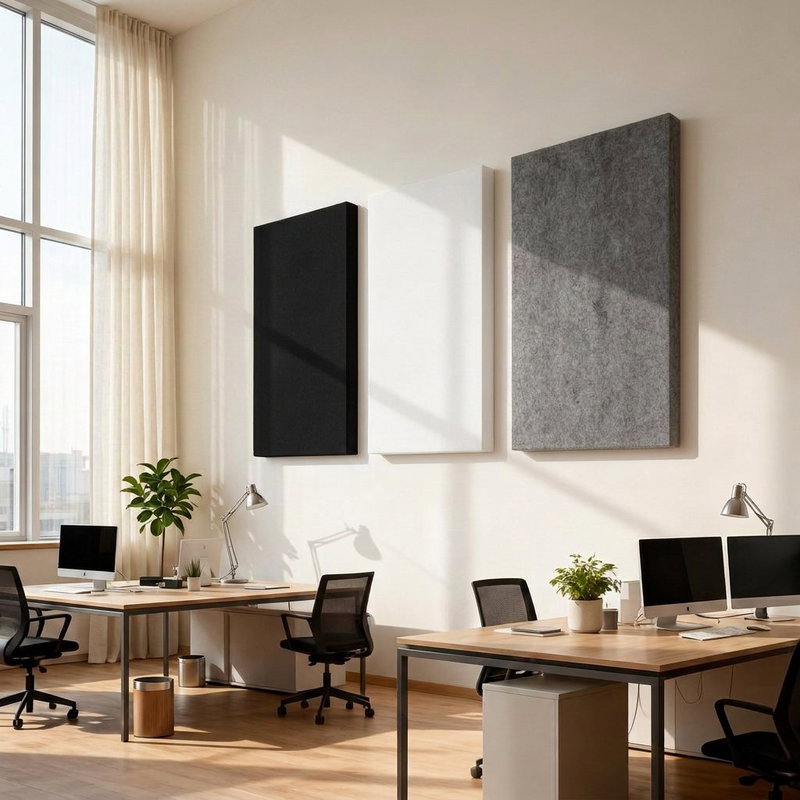

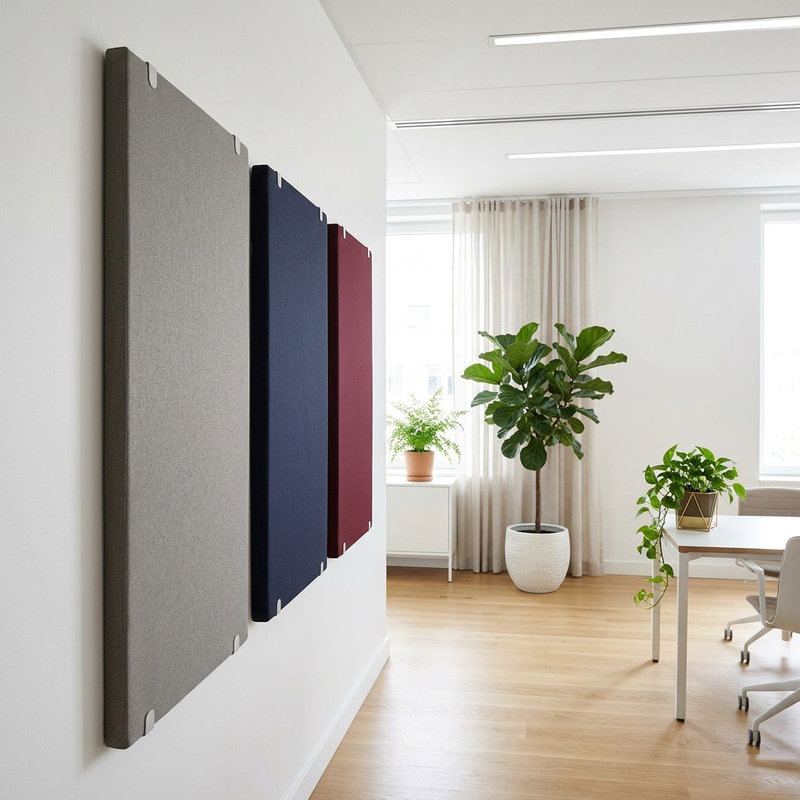
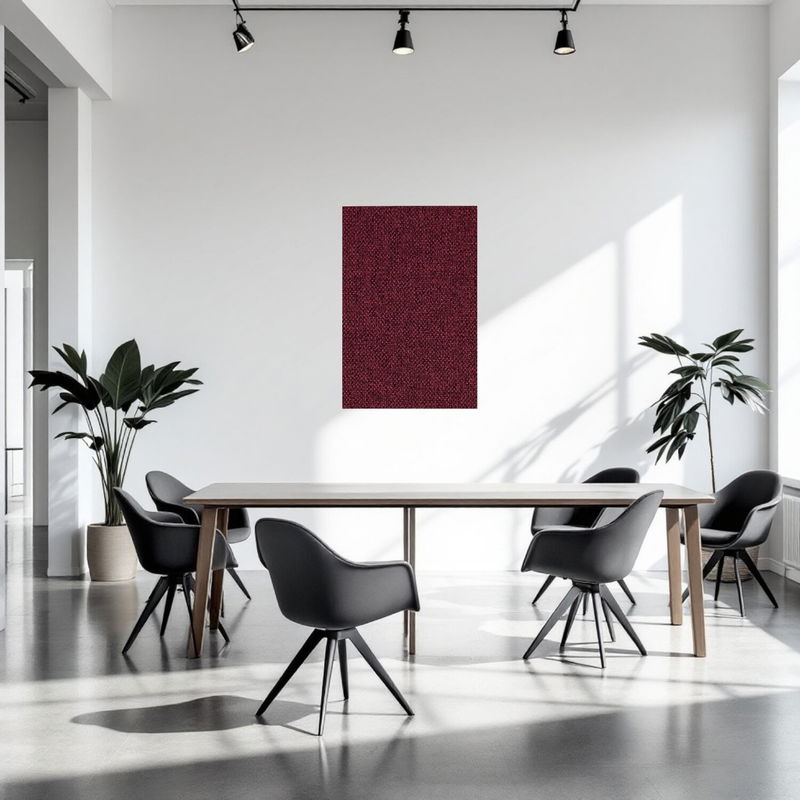
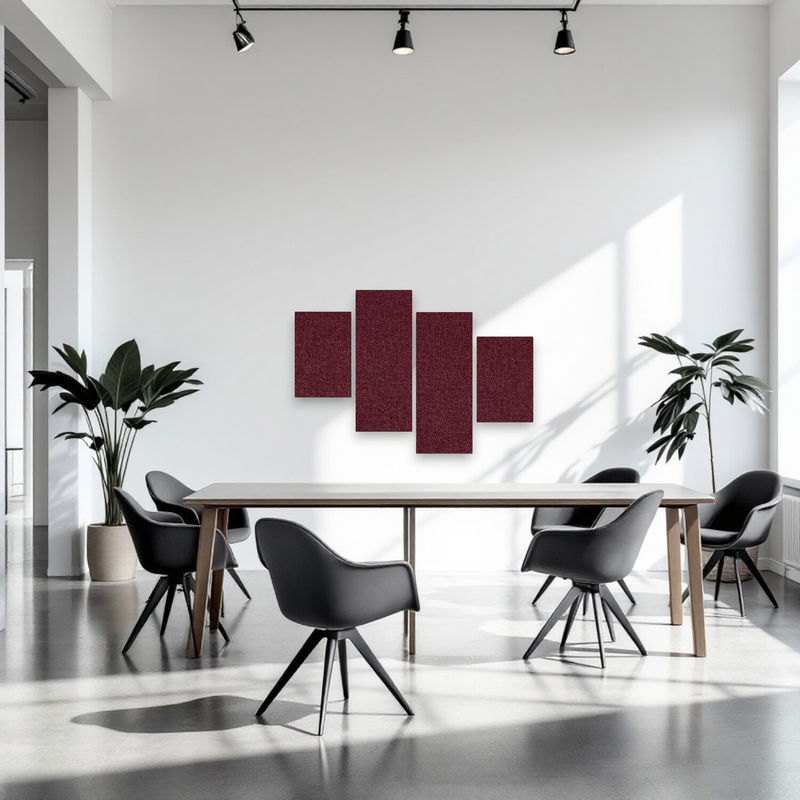
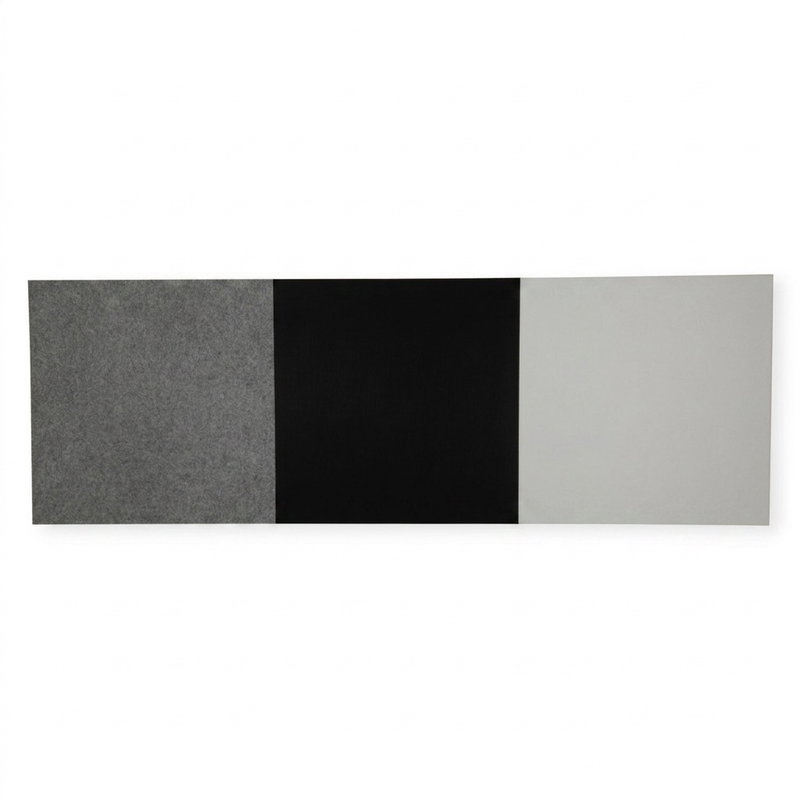
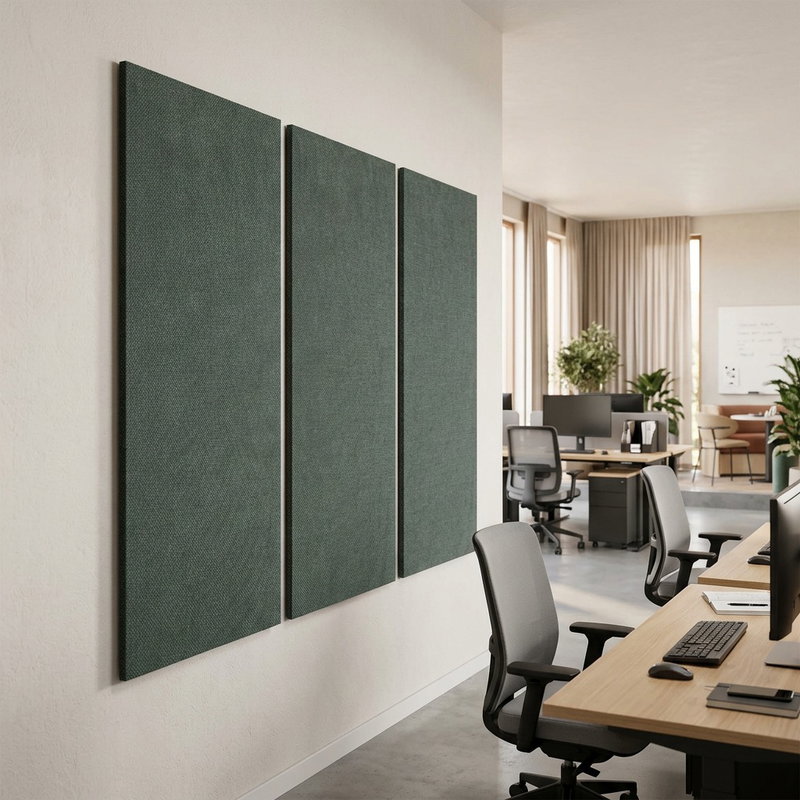
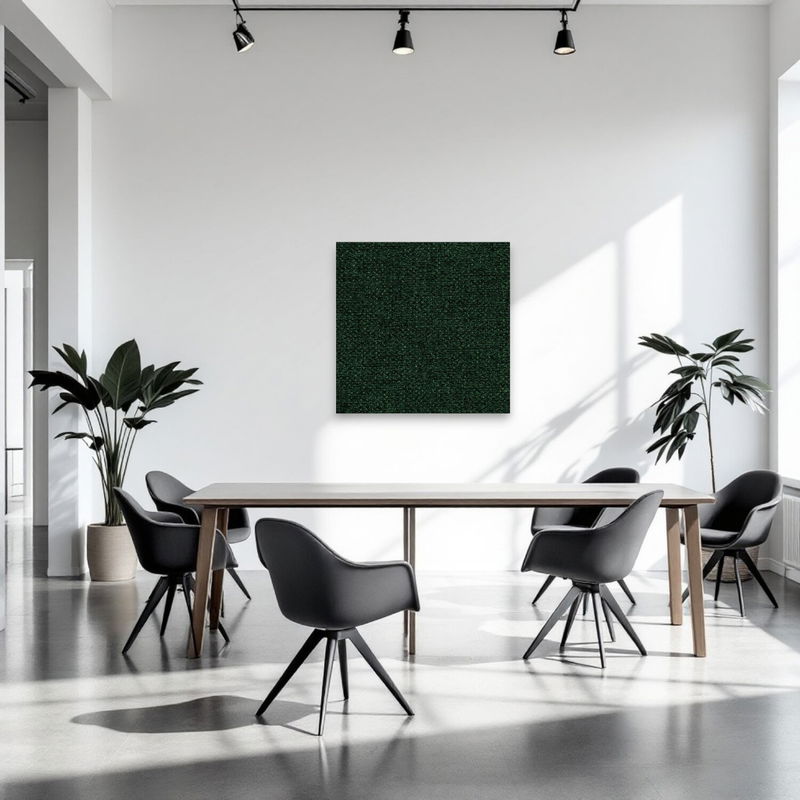
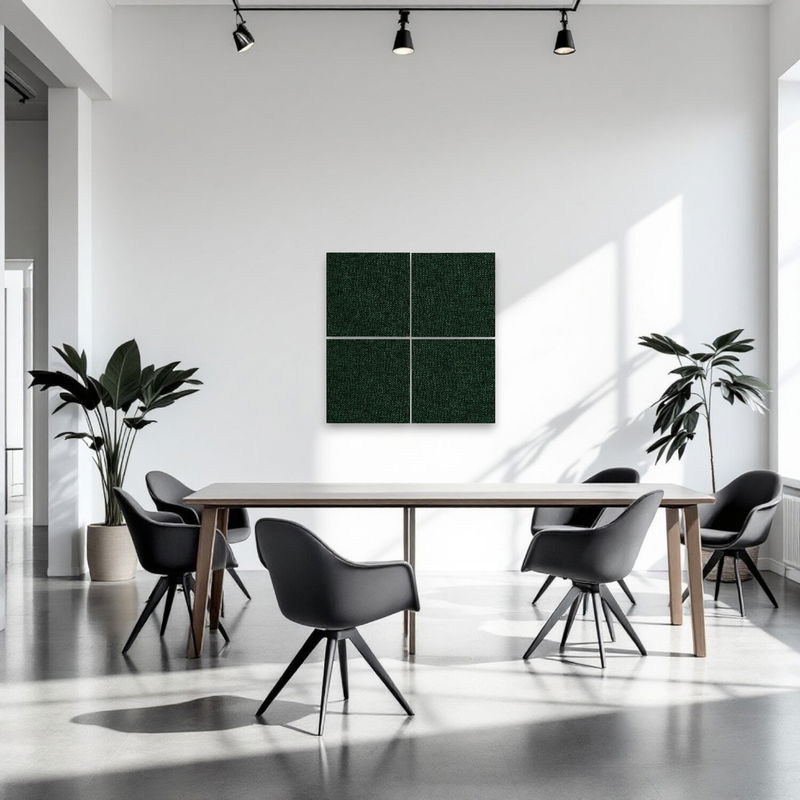
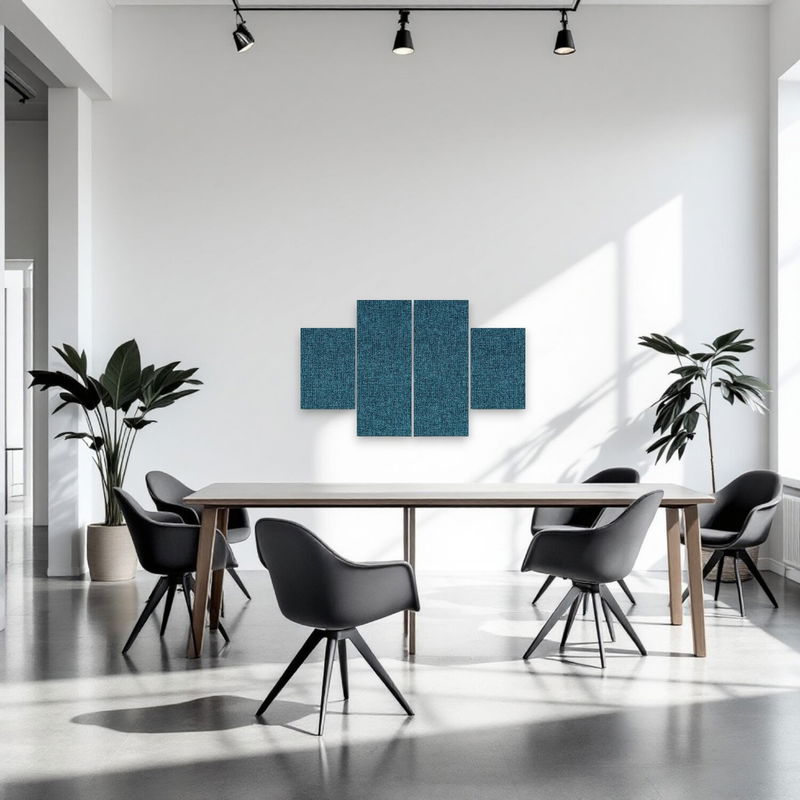
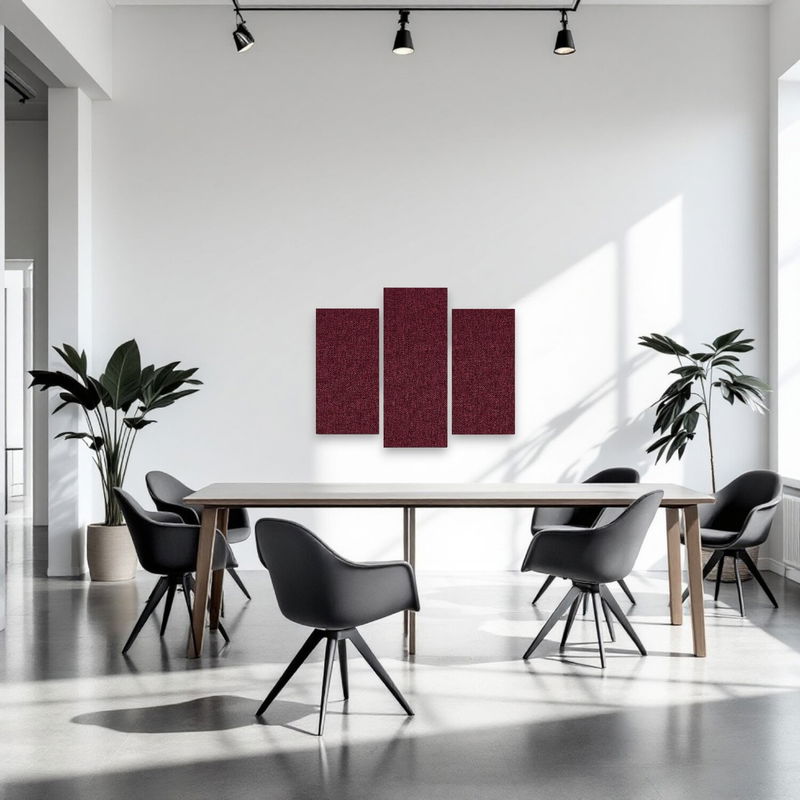
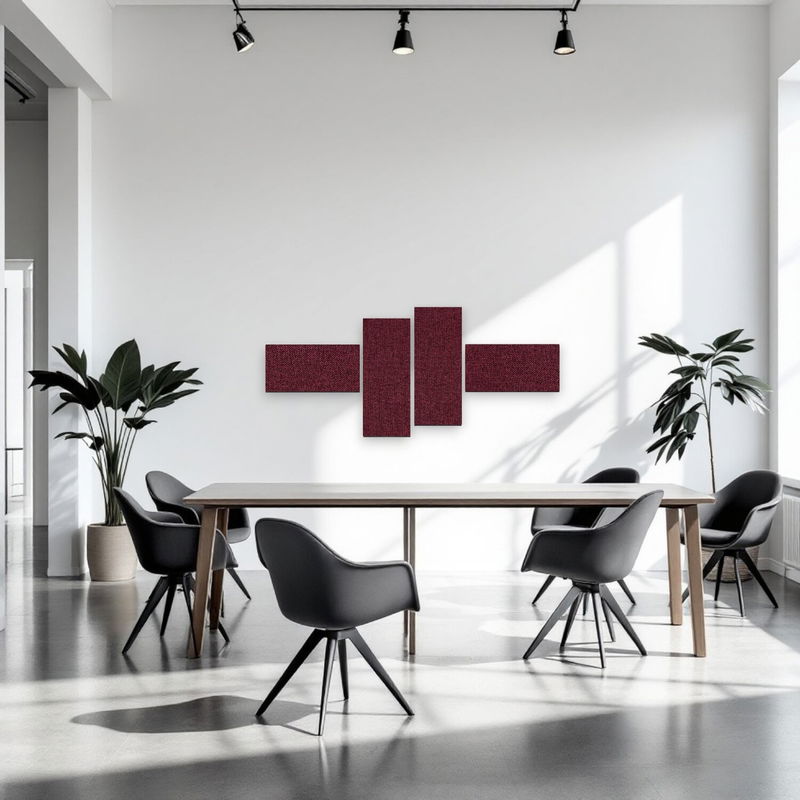
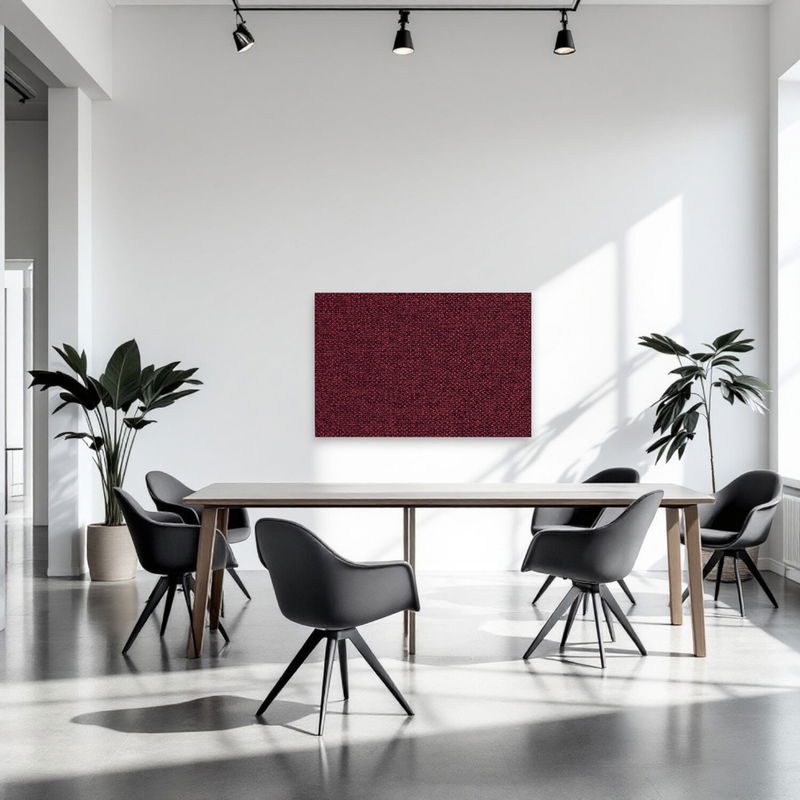
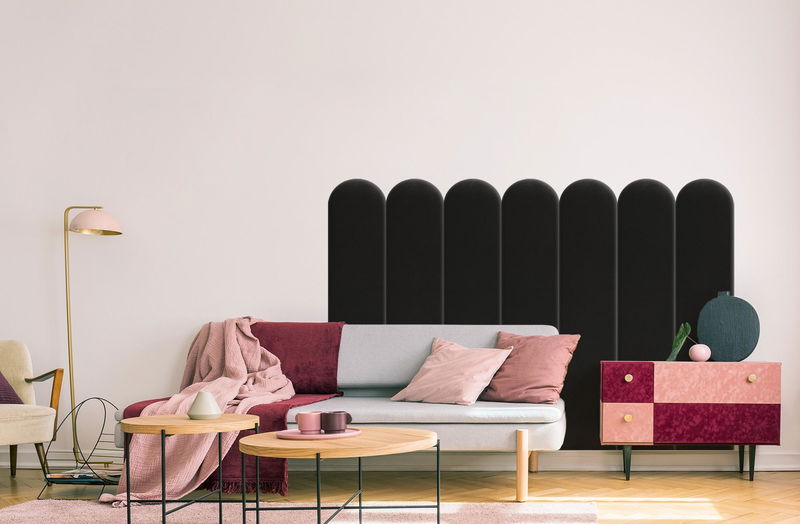
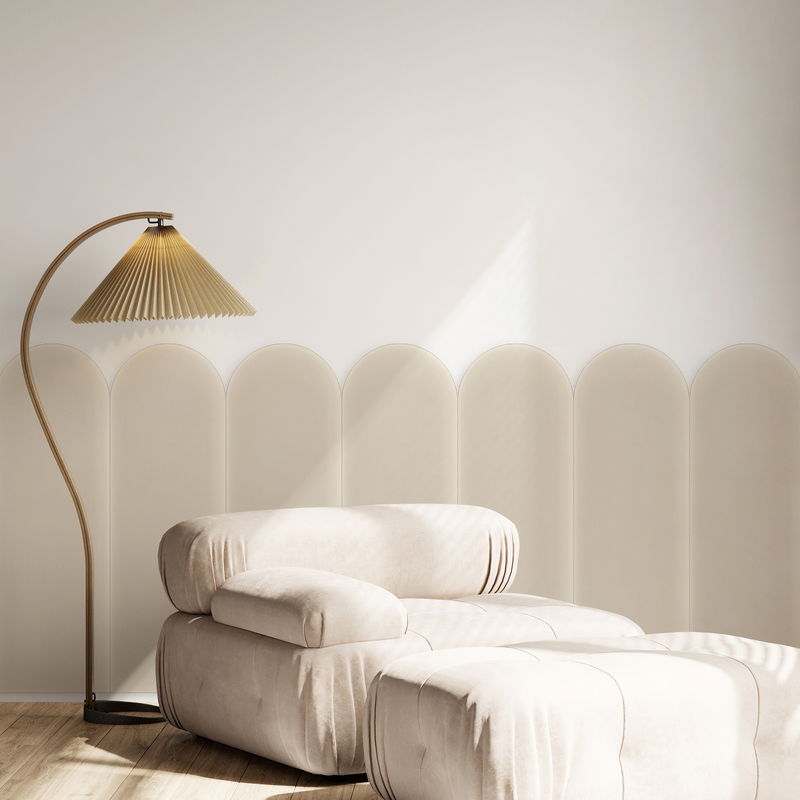
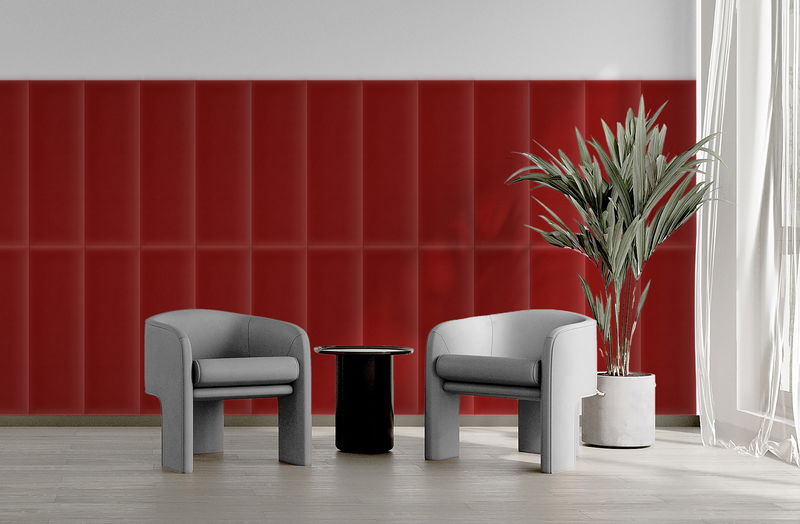
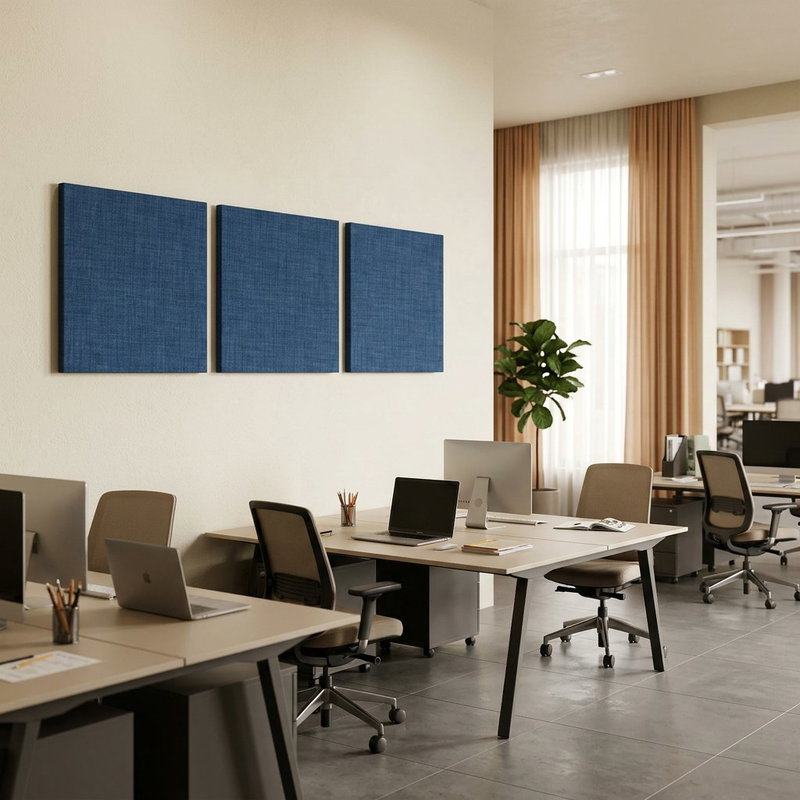
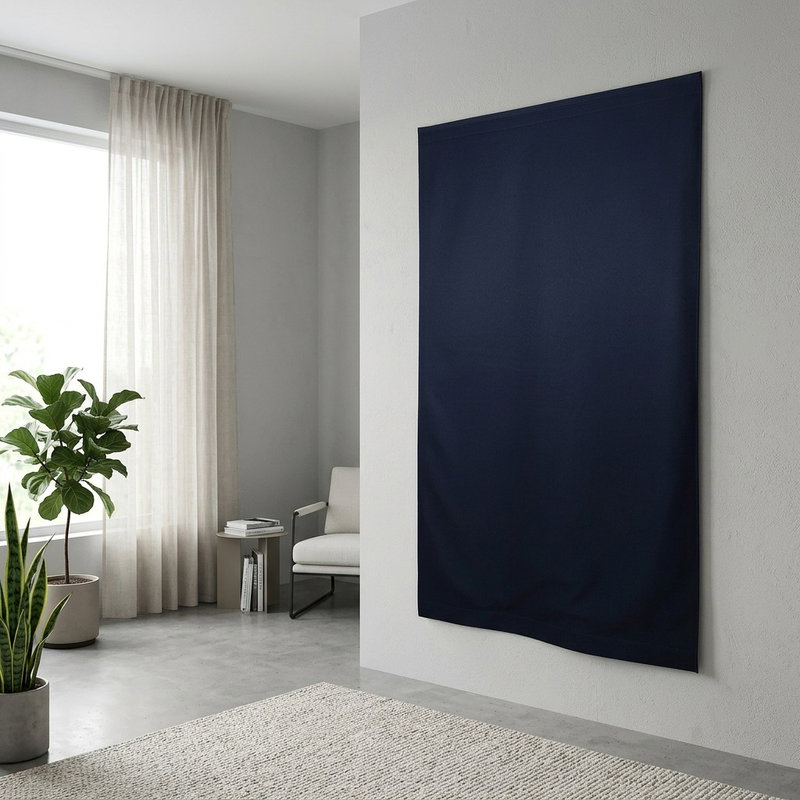
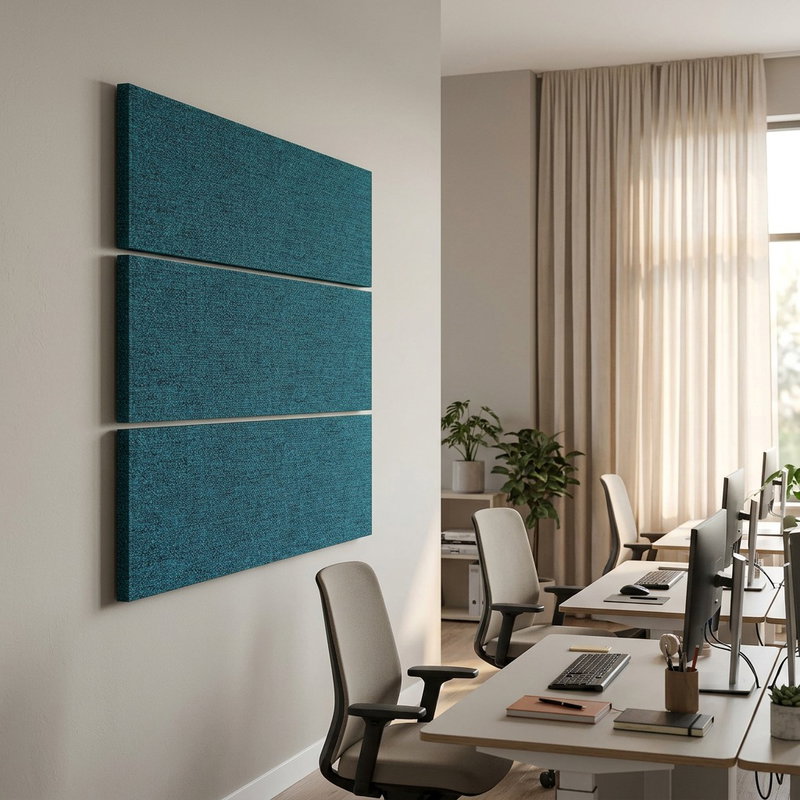
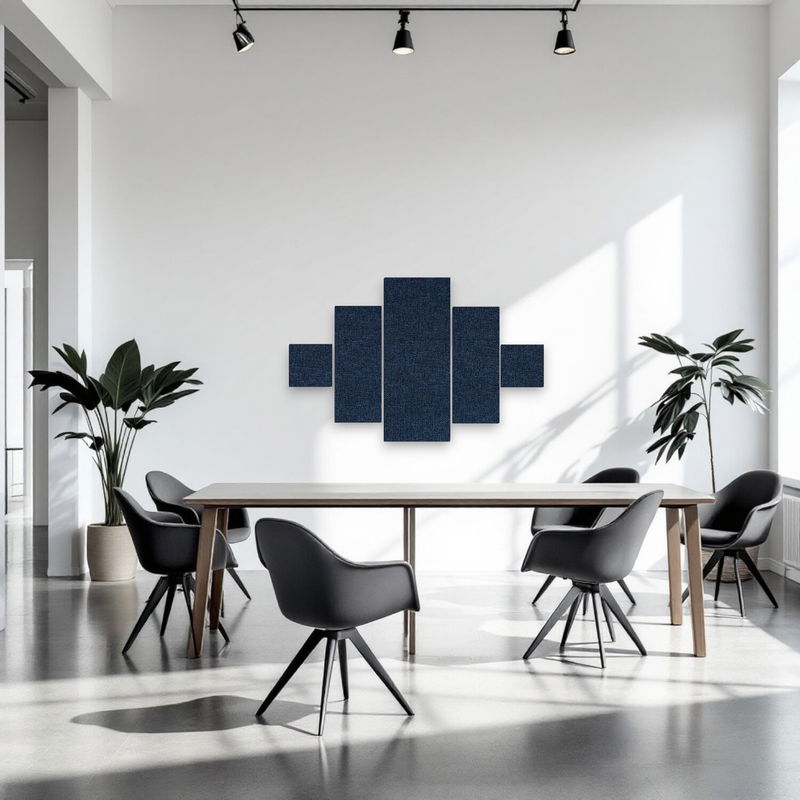


Wall sound absorption – reduces echo in studios and recording rooms
Clearer sound and better working conditions with wall absorbers in studios
In studios, echoes and reverberations often occur, making the sound environment difficult to control. This can result in voices that are difficult to hear, reflections that color recordings, or a generally messy sound image that is tiring during long work sessions. Walls made of plaster, concrete, glass, or wood reflect sound effectively, especially in rooms with sparse furnishings or where many activities take place in the same space. Wall sound absorption is a practical measure to reduce these reflections and create more balanced and usable acoustics in both small and large studio environments.
What is wall sound absorption?
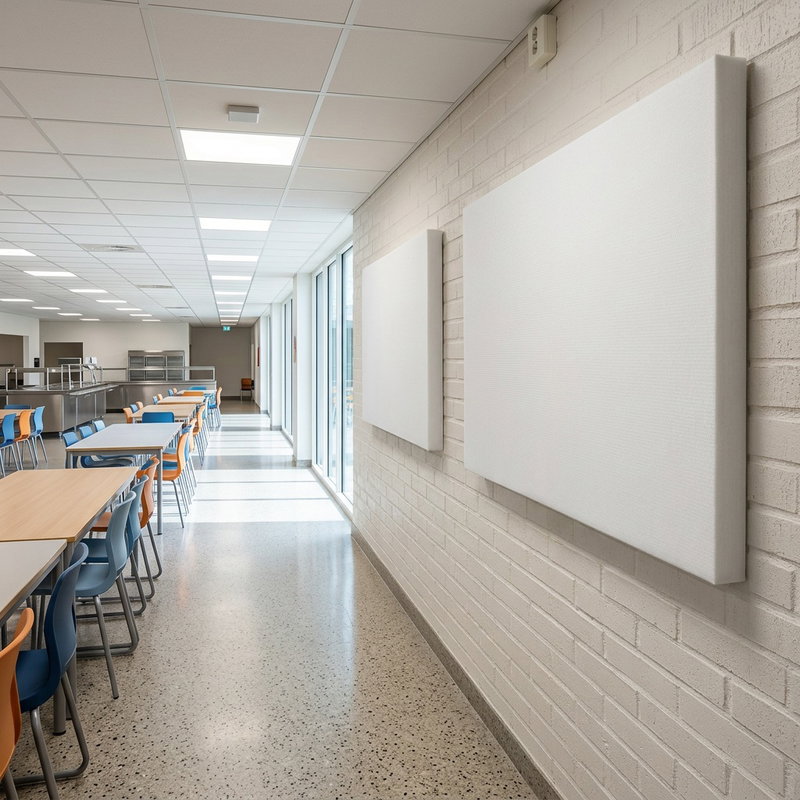
Wall sound absorption involves installing porous sound absorbers on wall surfaces to capture sound waves and reduce reflections in the room. When sound energy is slowed down in the material, some of the energy is converted into heat, which contributes to shorter reverberation and better speech intelligibility. This is clearly different from sound insulation, which stops sound between rooms, and vibration damping, which reduces structure-borne noise from, for example, installations, speakers, or technical equipment. Wall absorbers thus improve the acoustics where the sound already exists in studios and studios.
Common acoustic challenges in studio environments
In studios, problems often become apparent when sound needs to be assessed carefully or when several people need to communicate at the same time. In recording and podcast studios, reflections at ear level can cause a harsh and unnatural sound, while larger film, TV, and dance studios can experience a rapid increase in sound levels as sound bounces between wall surfaces. In home studios, the challenge is often exacerbated by small rooms with parallel walls, where reflections become more noticeable.
How wall-mounted sound absorbers work
When sound waves hit a wall absorber, they are dampened in the structure of the material instead of bouncing back into the room. Since many disturbing reflections occur at listening and conversation height, walls are a key surface to treat, especially in studios where precision and clarity are important.
Control of reflections at ear level
Wall absorbers reduce early reflections and make speech and sound clearer in studios and recording rooms, facilitating both communication and sound work.
Targeted action where the need arises
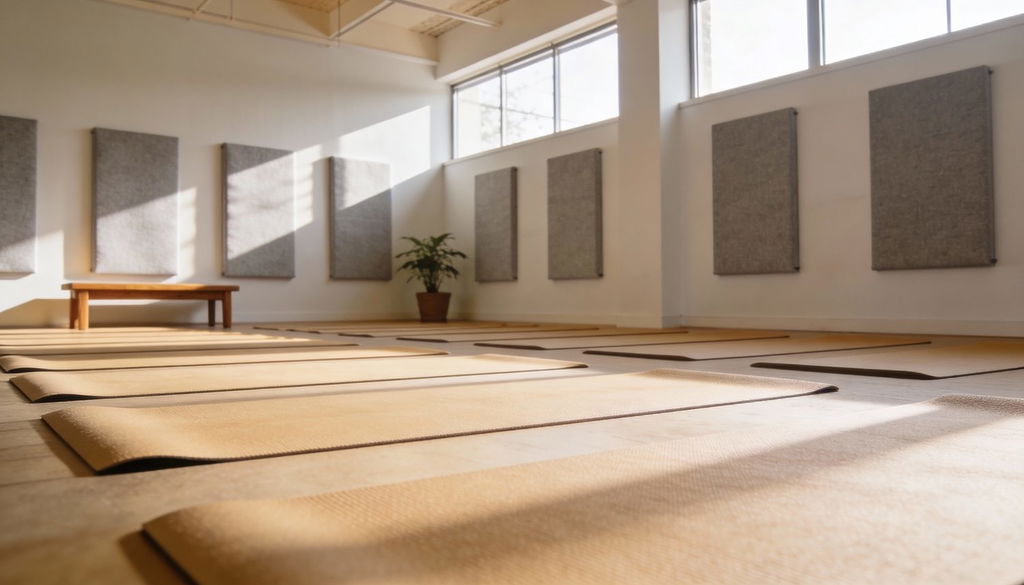
Wall absorption can be placed on specific surfaces where reflections are strongest, making the solution flexible in both small and larger studio environments.
Why choose wall sound absorption in studios?
Wall sound absorption provides a clear improvement in studio acoustics without changing the room layout or workflow. The measure is suitable for both professional studios and home-based environments where you want to reduce echo and create better conditions for concentration and careful listening. The result is often noticeable as a lower perceived sound level, clearer speech, and a more controlled sound environment. In many studios, wall absorbers are combined with ceiling absorbers, sound-absorbing curtains, or room dividers to create a consistent and stable overall result.
Well-thought-out advice for the best results
For the best effect, wall absorbers should be placed where sound reflections actually affect the work, often at ear level near listening or work zones. In larger studios, a scattered and even placement provides the best overall effect, while smaller studios are often improved by a few strategically placed absorbers. A common mistake is to treat too small an area or to place the absorbers too high up on the wall. When the measure is adapted to the use of the room and the movement of sound, a more predictable and long-term studio environment is created.
Wall sound absorption is therefore an effective measure for reducing echo and improving acoustics in studios and recording rooms.