






Roof soundproofing – blocks sound between rooms
Reduce sound transmission between floors in homes
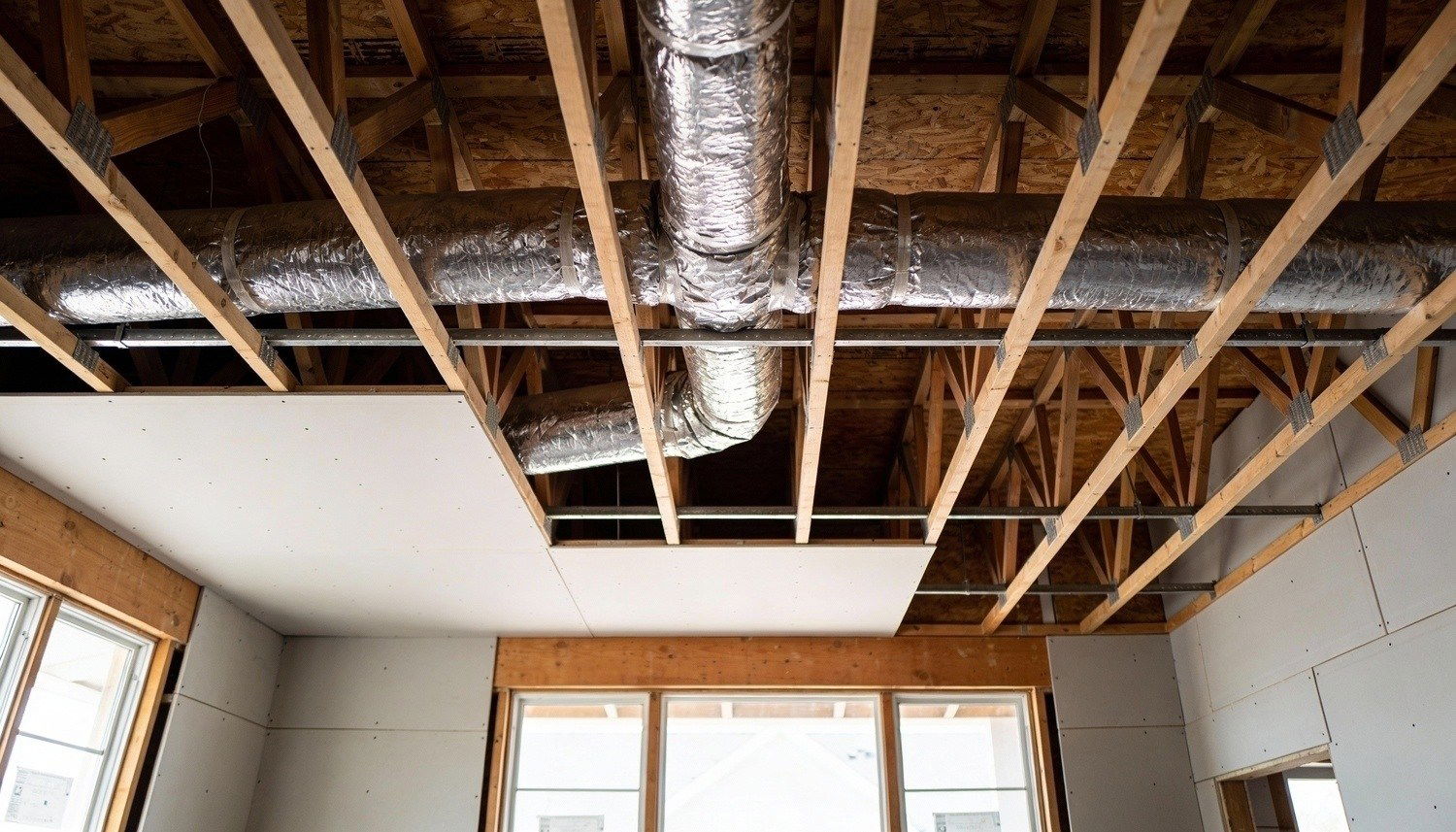
In homes, the ceiling is a primary pathway for sound transmission between floors. Footsteps, movements, conversations, and everyday sounds from the room above can travel through the floor structure and be clearly heard in the room below. Ceiling soundproofing aims to limit this sound transmission and create better privacy and comfort between rooms and floors.
What does ceiling soundproofing entail?
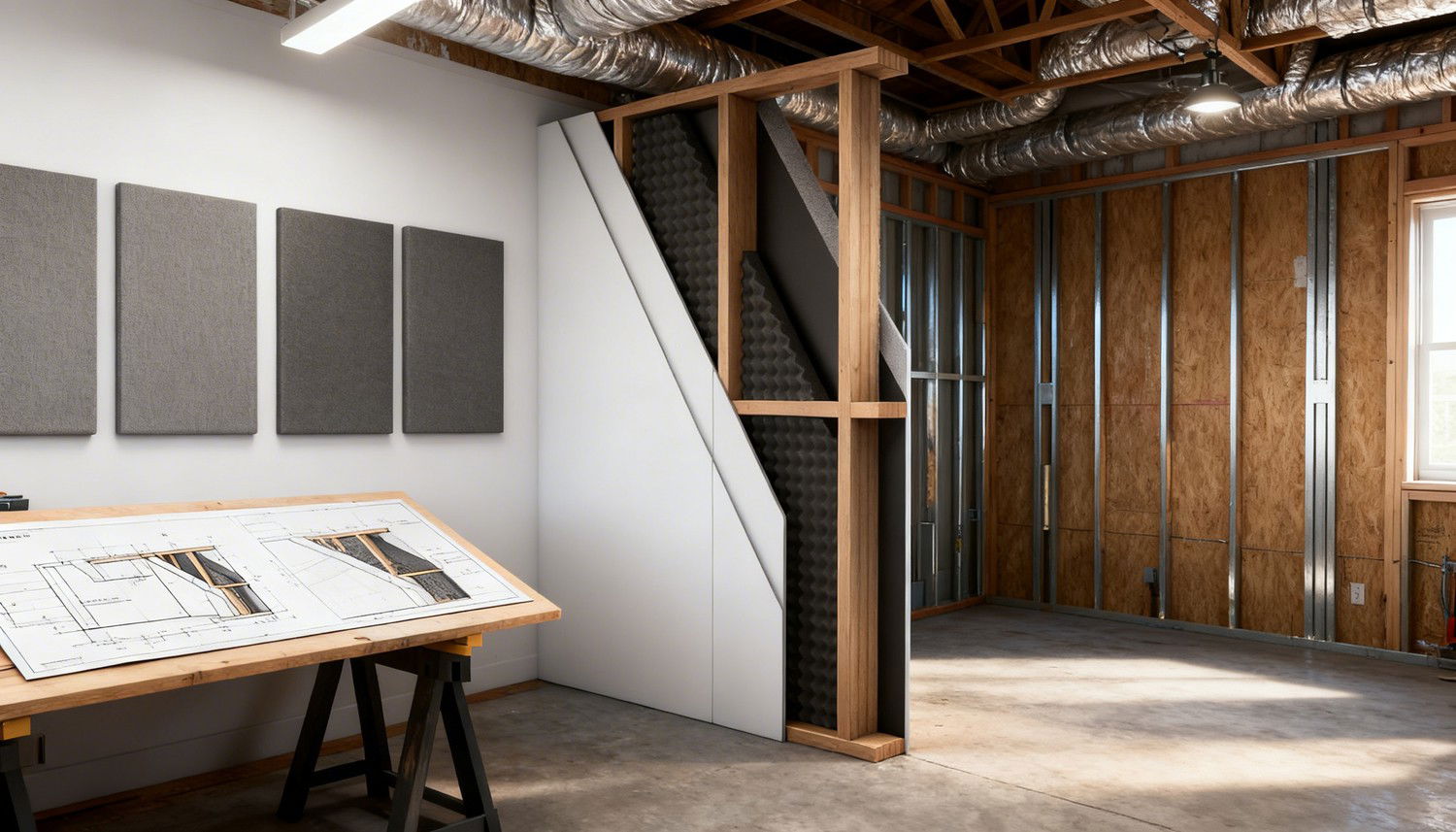
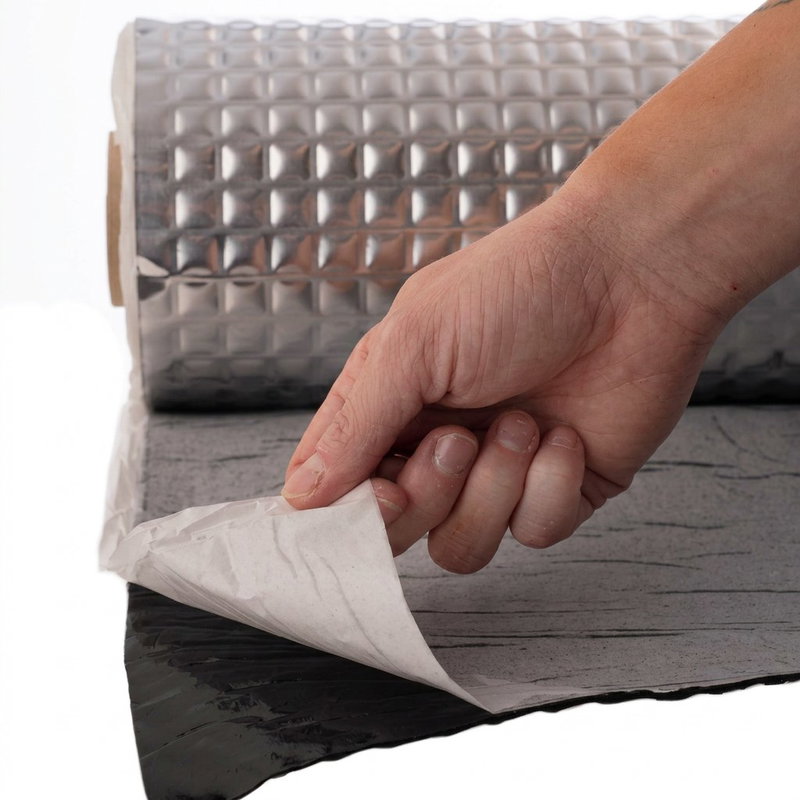
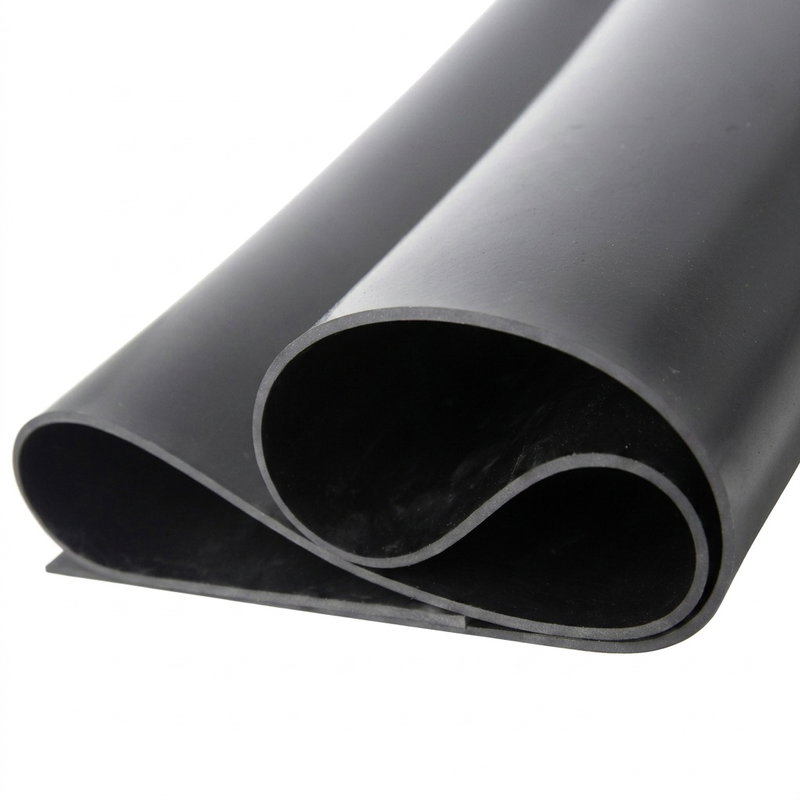
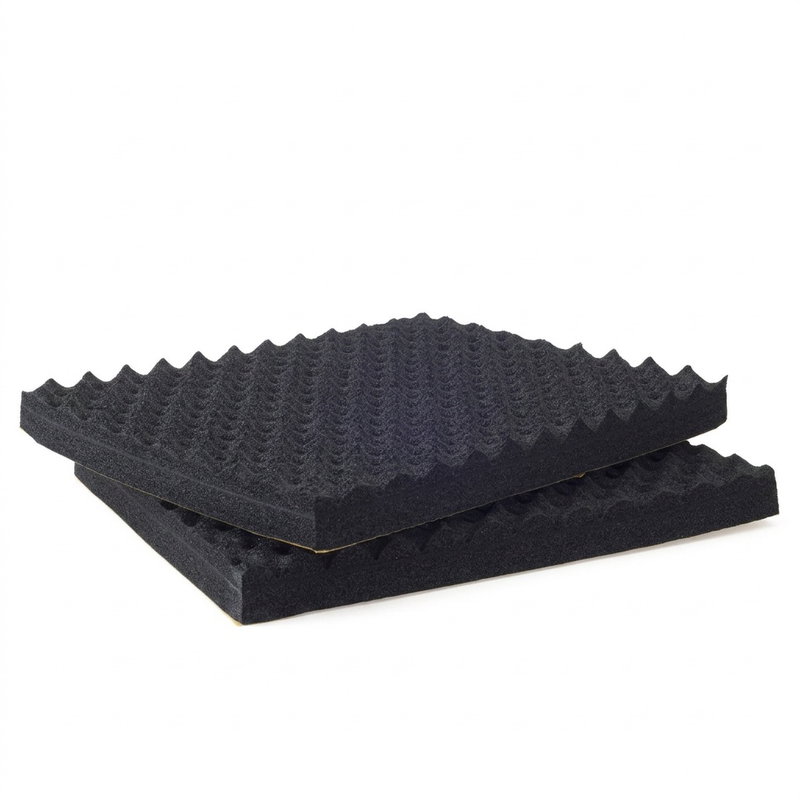
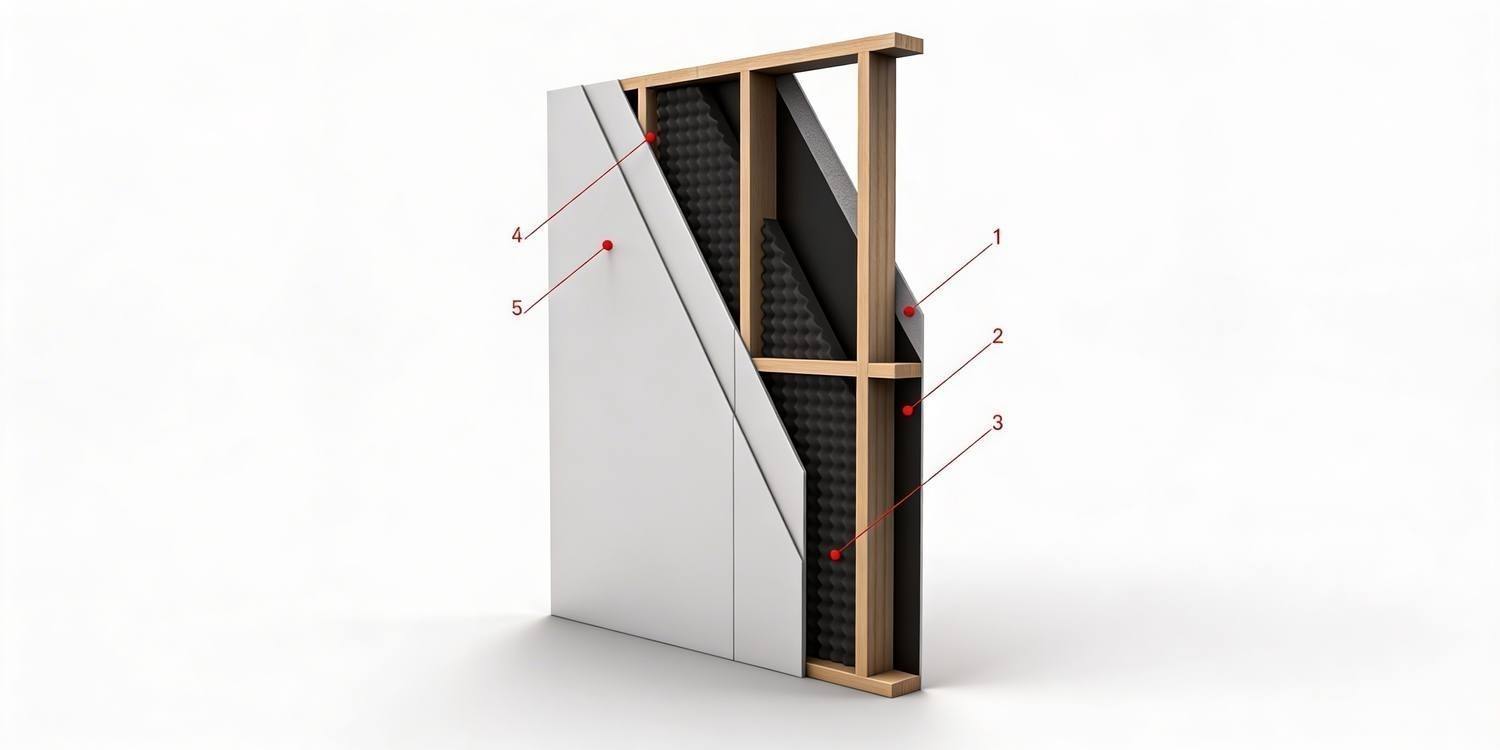
Roof sound insulation involves reducing how both airborne sound and structure-borne noise propagate through the roof and floor structure. Unlike sound absorption, which reduces reverberation in the room, sound insulation focuses on blocking the path of sound between different spaces. The measures target the structure itself and its ability to dampen vibrations and sound transmission.
Common problems with noise through ceilings
In homes, sound transmitted through ceilings is often perceived as footsteps from the floor above, thuds from movement, furniture being moved, or children playing. Sound from TVs, music, or conversations can also travel downward through the structure. These sounds are often perceived as more disruptive than airborne sound within the same room, as the vibrations are transmitted directly through the building’s frame.
How sound travels through ceilings and floor joists
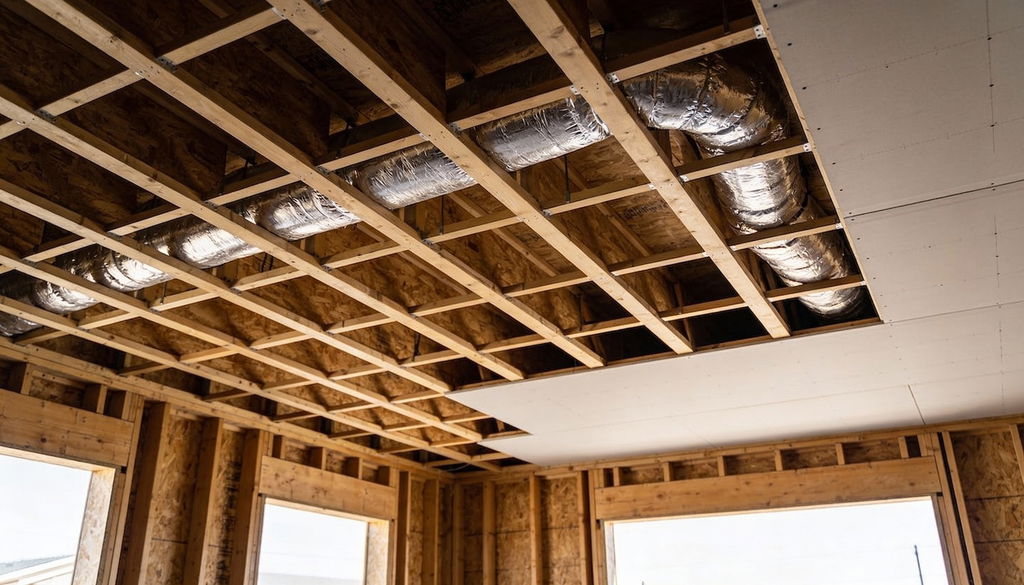
When sound is generated in a room above, the vibrations travel through the floor structure and on to the ceiling surface of the room below. This means that the sound can be heard even if the direct sound source is distant. The ceiling thus becomes a critical surface to address when dealing with issues of footfall noise and structure-borne noise between floors.
Footfall noise from the upper floor
Sounds from walking, running, and movement are effectively transmitted through the floor structure.
Airborne sound from above
Conversations, TV sounds, and music can propagate through the roof structure.
Why choose ceiling soundproofing?
Roof sound insulation provides a clear improvement to the living environment by reducing disruptive noise between floors. This measure contributes to increased privacy, better sleep, and a lower perceived noise level. In some cases, roof insulation can be effectively combined with measures in floors or walls, as well as vibration damping, for a more comprehensive result.
Well-considered advice for best results
For the best results, it is important to view the ceiling as part of the entire floor structure. A common mistake is to focus solely on surface layers, even though sound often travels through load-bearing elements. By identifying the type of sound that dominates and how it propagates, the correct insulation principles can be applied. The result is a quieter and more comfortable living environment in the long term.
Soundproofing ceilings is therefore an important measure for blocking sound between rooms and creating greater comfort in homes.