




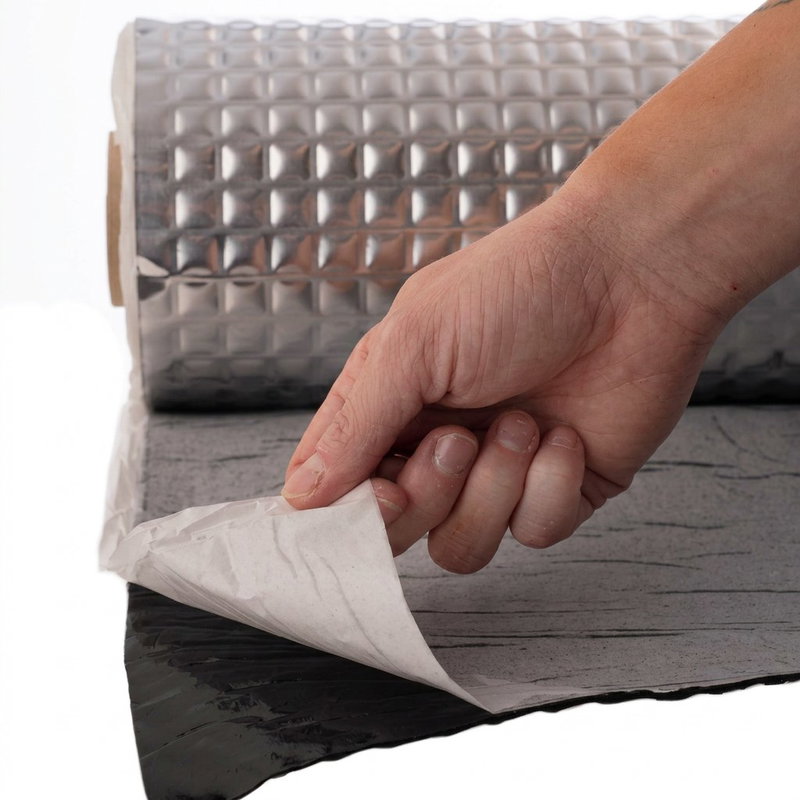
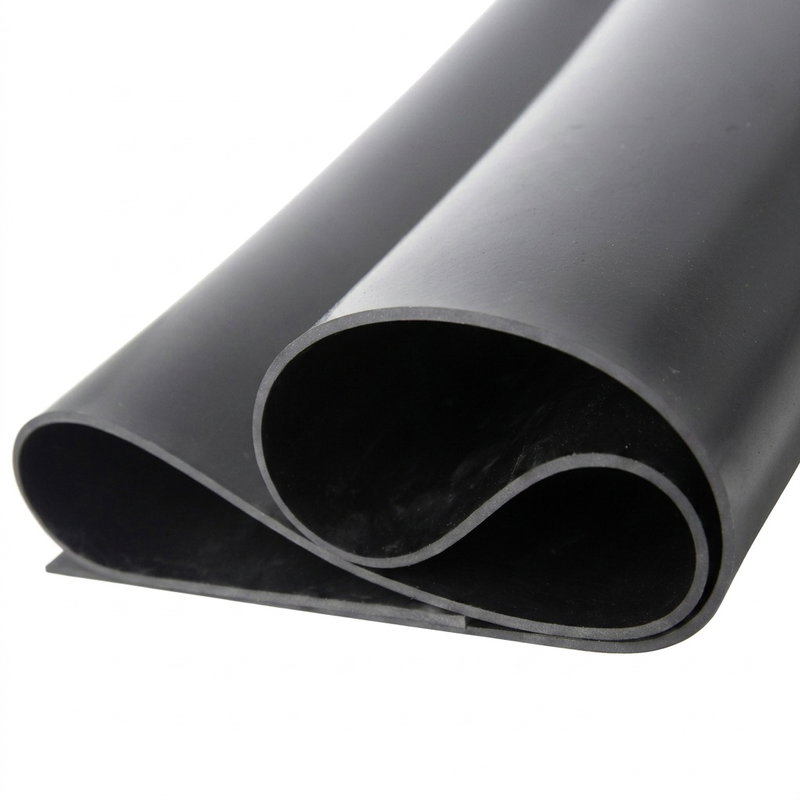
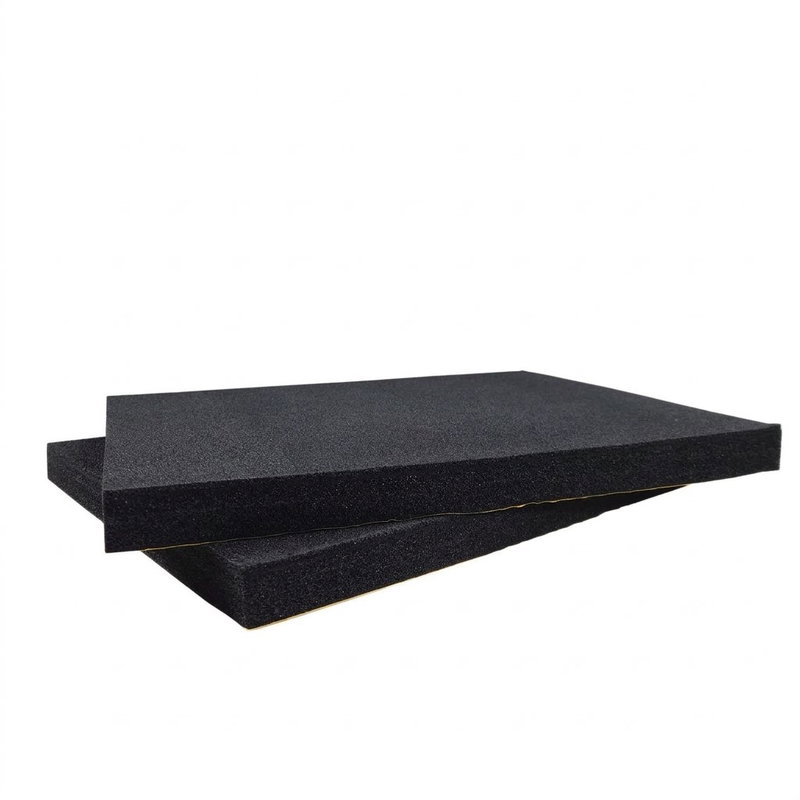
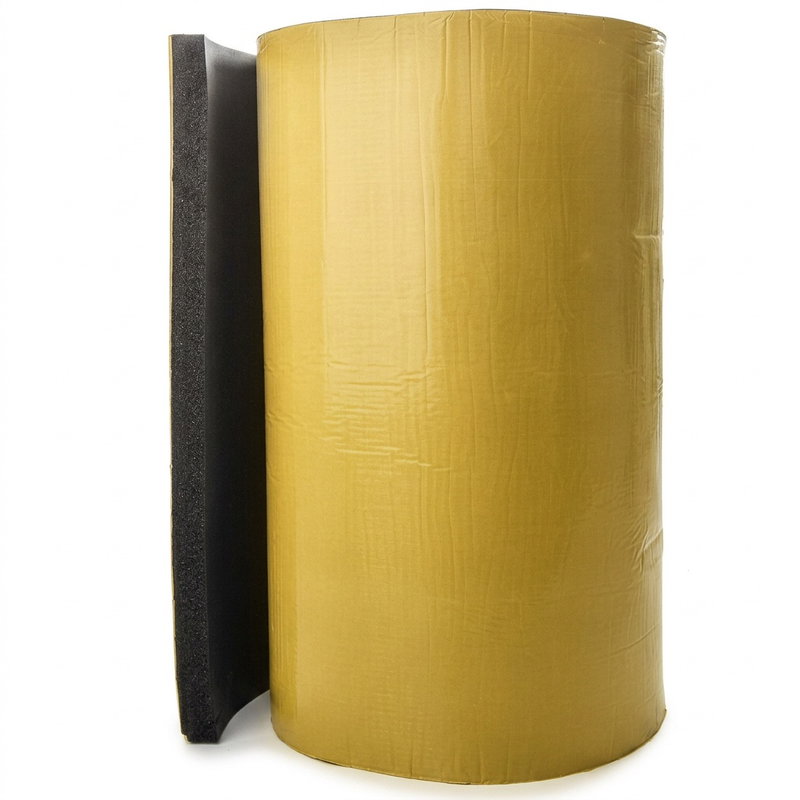

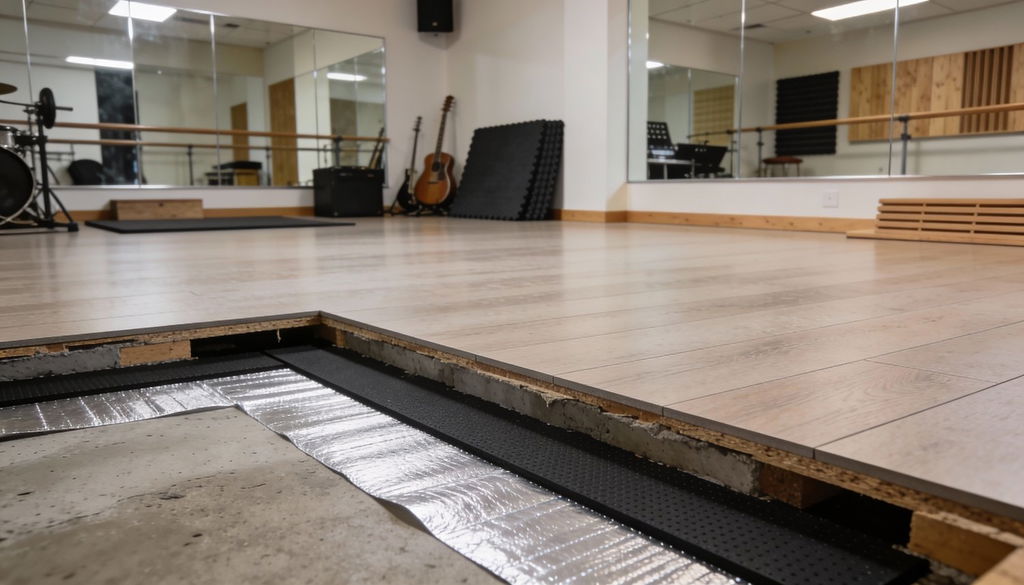
Soundproofing floors in studios and recording studios
Limit sound transmission through floor structures in studios
In studios, the floor is often an underestimated route for sound to spread between rooms and floors. Footsteps, movements, rehearsals, moving stands, furniture on wheels, and activity around equipment put strain on the floor and can create disturbances that are noticeable in other parts of the building. In studio environments, this is particularly sensitive as work often requires concentration, clear communication, and in many cases, undisturbed recordings. Soundproofing floors aims to limit how sound and movement energy travel through the structure and create better separation between the studio's different spaces.
What does soundproofing floors involve?
Soundproofing floors involves reducing sound transmission between spaces via the floor structure. Unlike sound absorption, which reduces echo and reverberation inside a room, soundproofing focuses on stopping sound between rooms. Vibration damping is a separate measure that targets mechanical vibrations and structure-borne noise by reducing movement in the structure. When taking measures on floors in studios and studio environments, it is therefore necessary to understand whether the disturbance is primarily airborne, arises from contact with the floor, or propagates through joists and connecting building components.
Common problems associated with floor noise in studio environments
In studios and dance studios, floor noise is often experienced as footsteps from the floor above, thumping when moving, or recurring scraping and rolling noises when equipment is moved. In dance studios and rehearsal environments, the load on the floor can be high, while recording and podcast studios can be affected by small, recurring vibrations that are heard in microphones or interfere with listening. Technical equipment standing on the floor can also contribute to disturbances that spread to other rooms.
How sound spreads through floors in studios and recording studios
When the floor is loaded, vibrations and kinetic energy are generated, which are transmitted through the floor structure and can connect to walls and ceilings. This means that sound is not always heard where the source is located, but can be heard in adjacent rooms or on other floors. In studio environments with multiple functions close to each other, the floor therefore becomes a critical building component to work with when you want to stop disruptive sound propagation.
Movement and activity in the room
Walking, rehearsals, and movements can generate sound that propagates through the floor structure.
Equipment and furnishings that put strain on the floor
Stands, racks, speakers, and furniture on wheels can create recurring rolling and contact sounds that spread further.
Why choose sound insulation for floors in studios and recording studios?
Soundproofing floors can make a big difference in studios and recording studios by reducing disturbances between rooms and floors. This measure contributes to a better working environment, clearer separation, and more predictable conditions during recording and production. It is particularly relevant in studio environments with intense movement, multiple simultaneous activities, or sensitive areas such as control rooms and recording rooms. In many cases, floor insulation is combined with vibration damping or complementary measures in walls and ceilings to achieve the best overall results.
Well-considered advice for the best results
For the best effect, the floor should be seen as part of the entire building's sound paths in studios and studio complexes. A common mistake is to focus solely on the surface layer, even though sound often spreads through joists and connections to walls. By identifying the type of disturbance that dominates and where it spreads, the right insulation principles can be applied. This provides a more long-term quiet and functional studio environment.
Soundproofing floors is therefore a key measure for stopping disruptive sound propagation and creating better privacy in studios.