




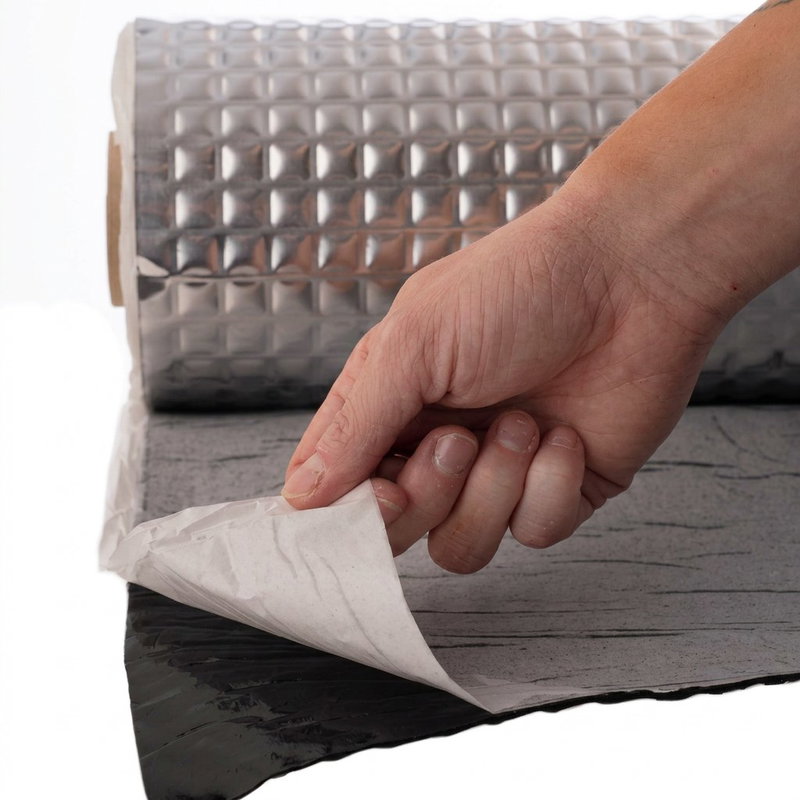

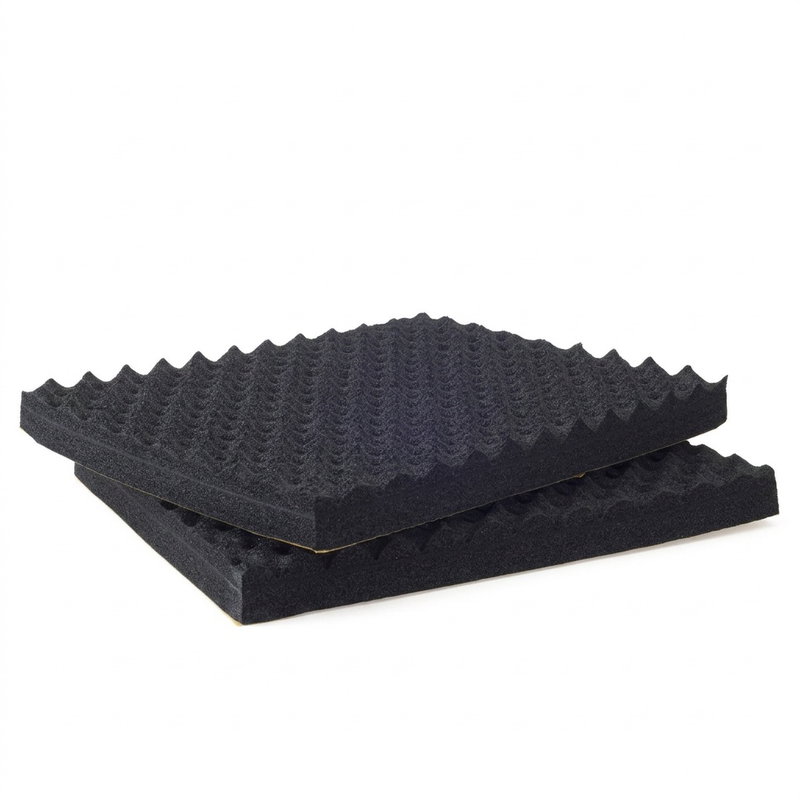

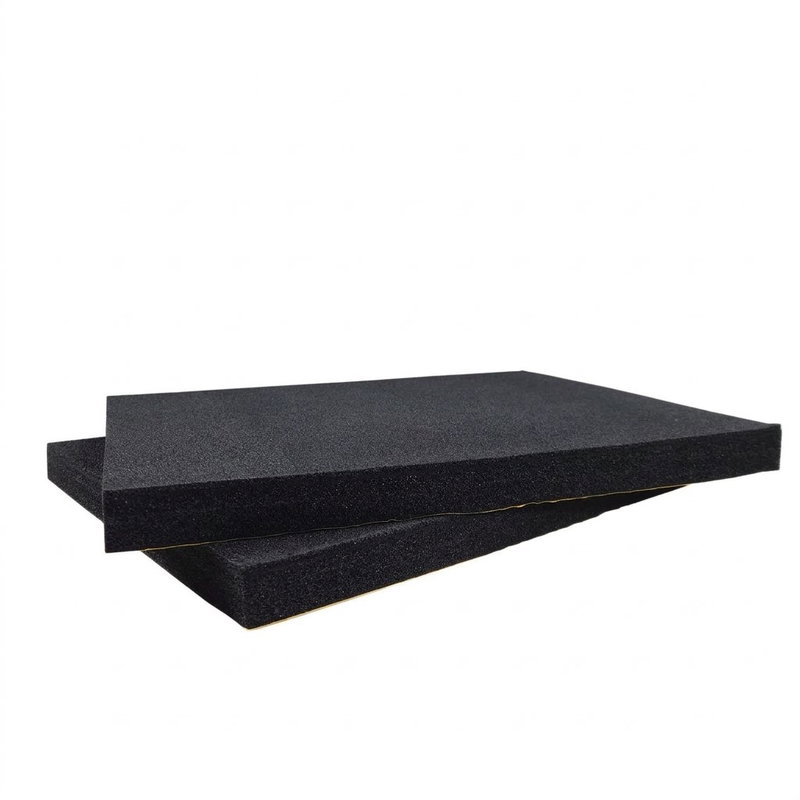
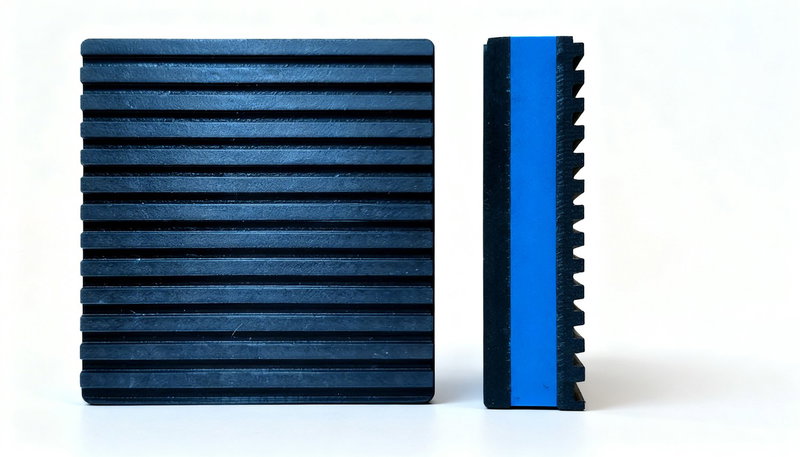



Vibration damping – reduces vibrations in restaurant environments
Limit structure-borne noise and mechanical vibrations in restaurant spaces
In restaurant environments, disruptive noise often arises that is not primarily transmitted through the air, but rather through vibrations in the building’s structure. Kitchen equipment, ventilation systems, refrigeration units, dishwashers, and other technical equipment generate movements that propagate through floors, walls, and ceilings. These vibrations can give rise to structure-borne noise that is perceived in dining areas, service areas, or adjacent spaces, negatively impacting both the guest experience and the work environment. Vibration damping is the measure used to reduce these mechanical movements and limit how they propagate throughout the restaurant building.
What is vibration damping?
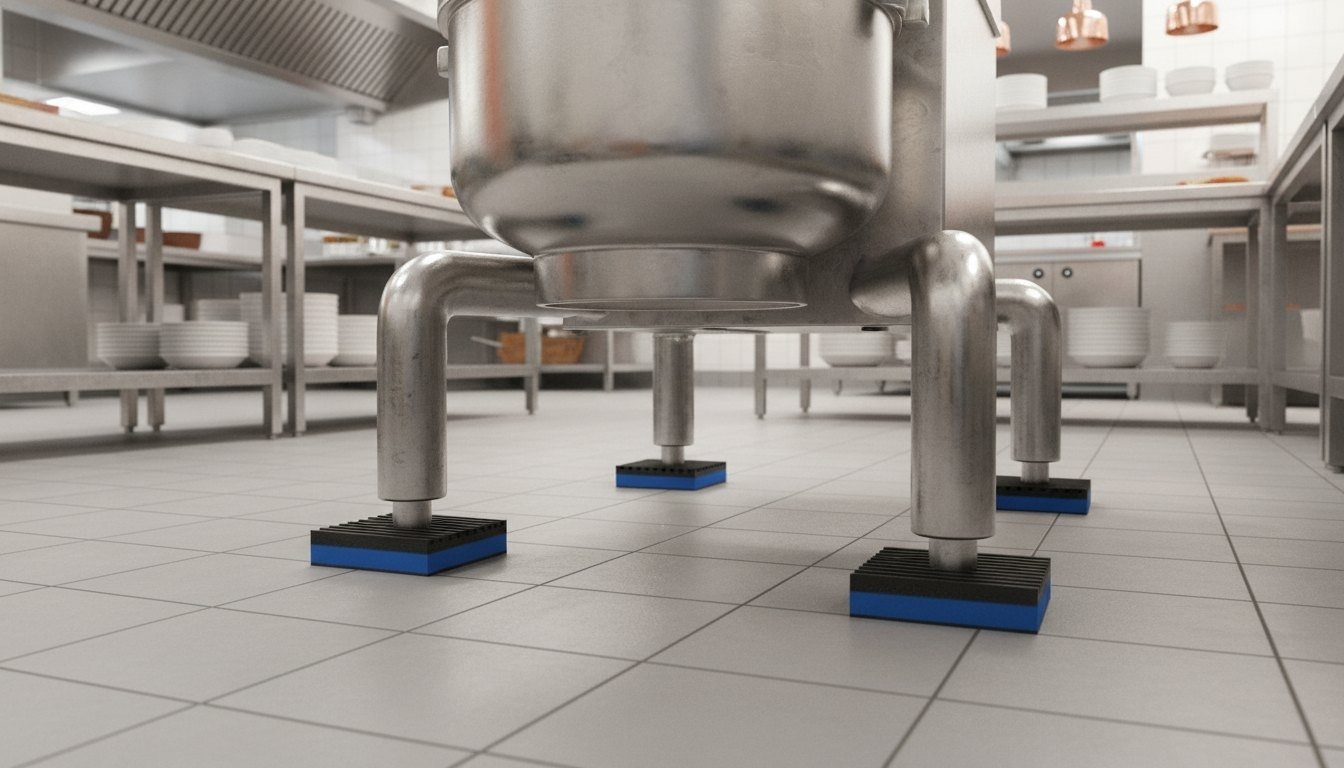
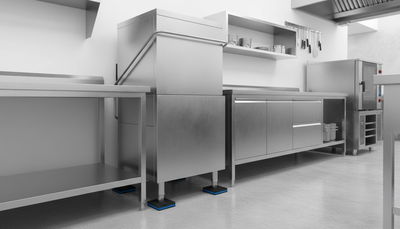
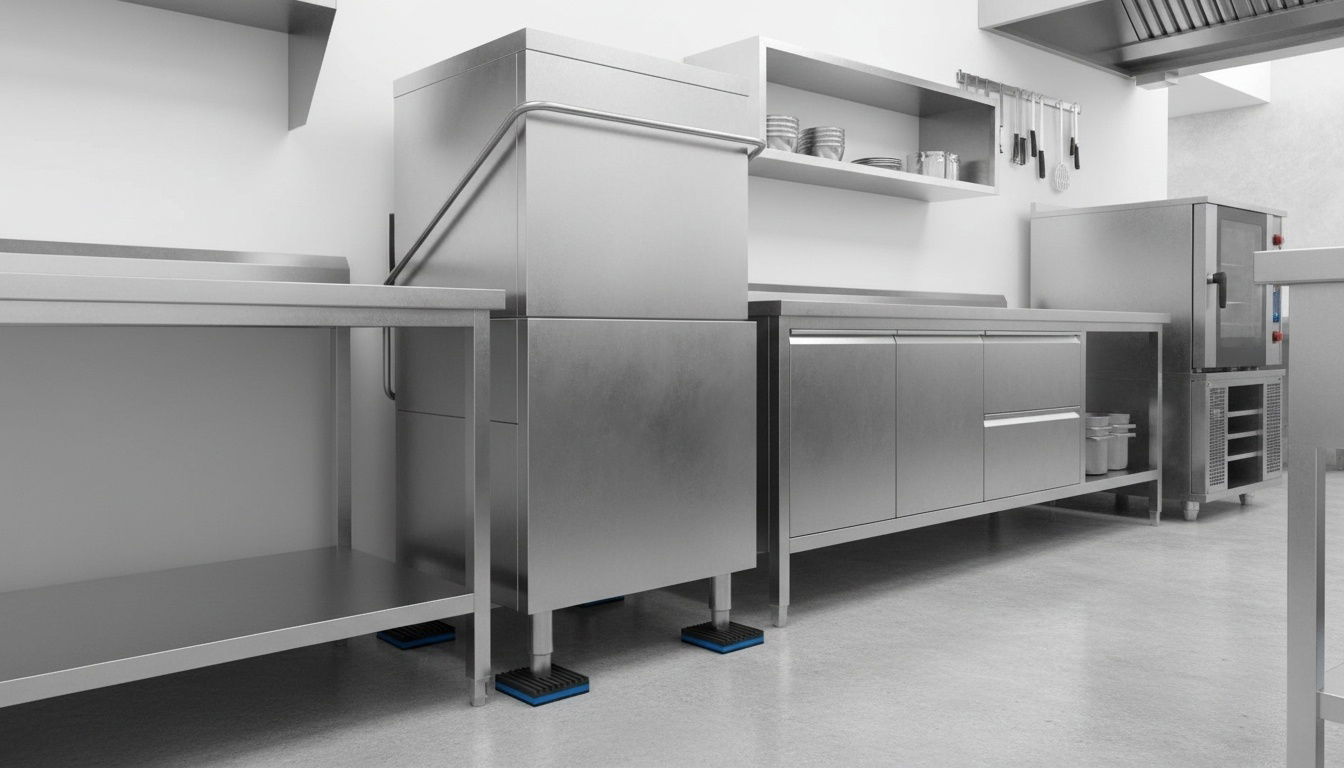
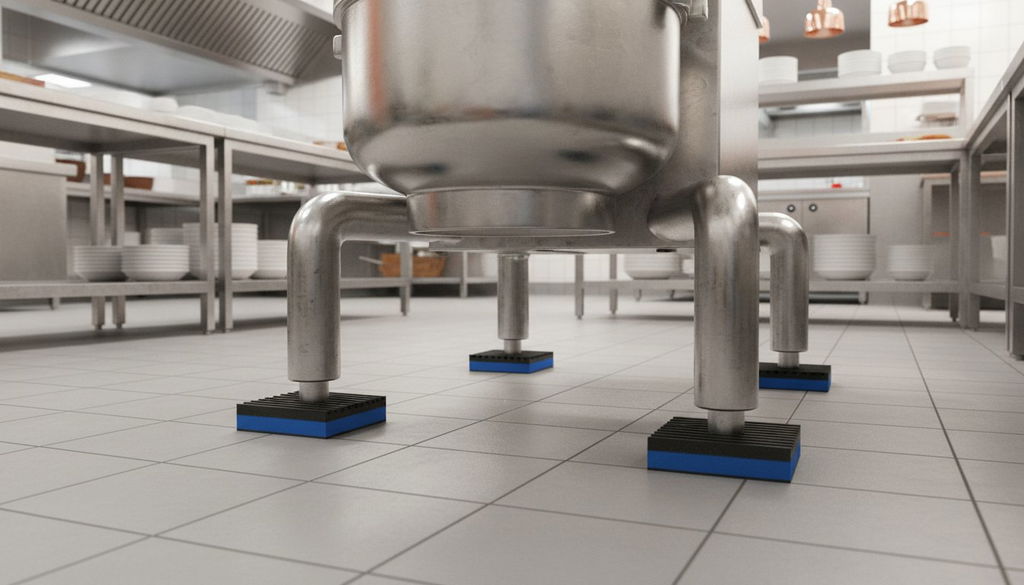
Vibration damping involves reducing the transmission of mechanical vibrations from a source to the building’s structure. Unlike sound insulation, which blocks airborne sound between rooms, and sound absorption, which reduces echo and reverberation within a room, vibration damping focuses on reducing the movement within the structure itself. The measure targets contact points where vibrations are transmitted, such as between machinery and the floor or between fixtures and walls.
Common vibration problems in restaurants
In restaurants, vibrations are often experienced as a dull hum, shaking, or low-frequency sounds that are felt rather than heard. Common sources include dishwashers, refrigeration and freezer units, ventilation fans, compressors, pumps, and other kitchen equipment in continuous operation. Deliveries, internal material handling, and movement in the kitchen can also create vibrations that spread through the building’s structure.
How do vibrations spread in restaurant spaces?
When a machine or system vibrates, the motion is transferred to the underlying surface and transmitted through floors, walls, and ceilings. Since restaurant spaces often consist of interconnected areas, vibrations can spread to the dining room, bar, or staff areas, even if the source is located in the kitchen or utility room. This means that the problems are often felt in places other than where the vibrations originate.
Vibration damping in different parts of the restaurant
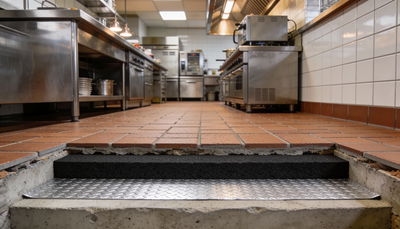
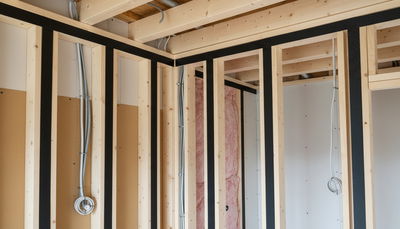
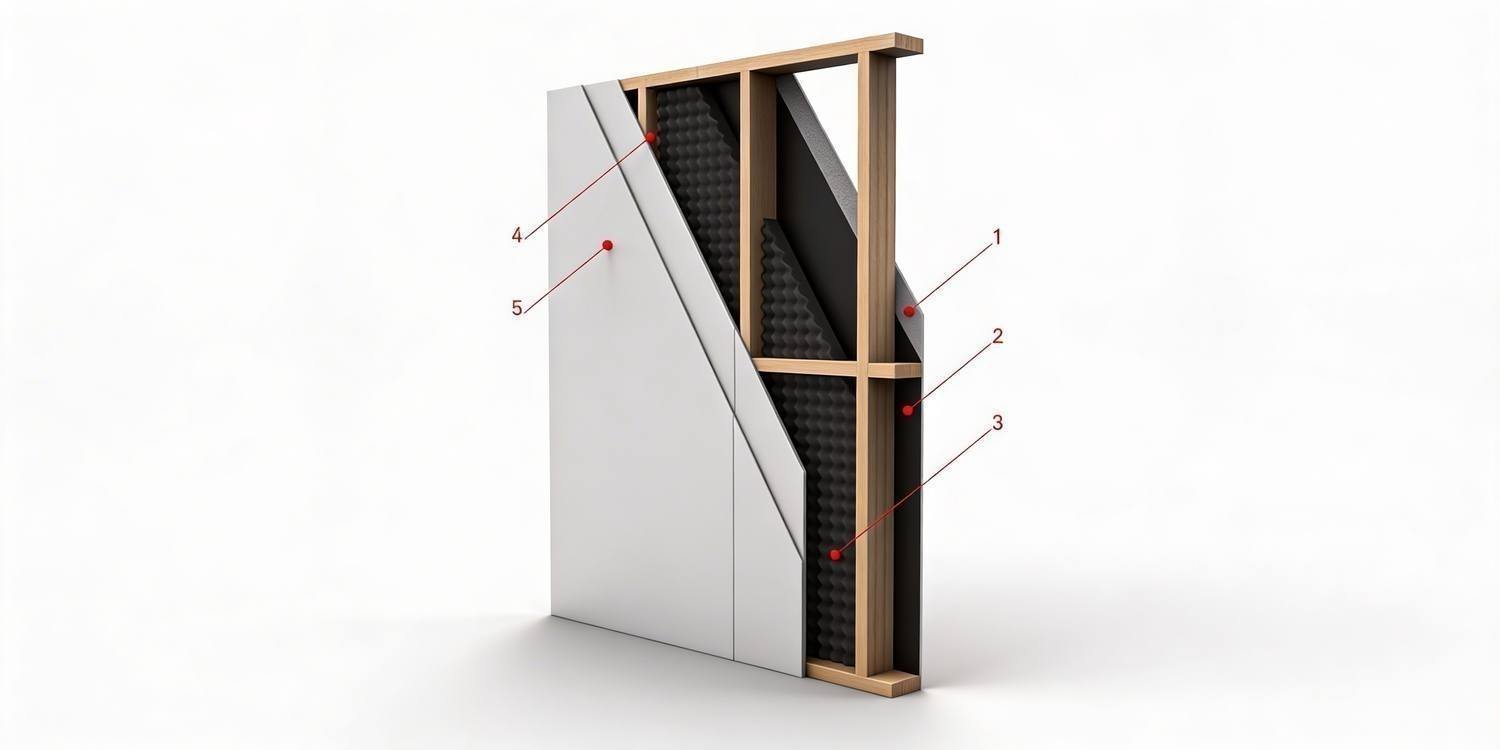
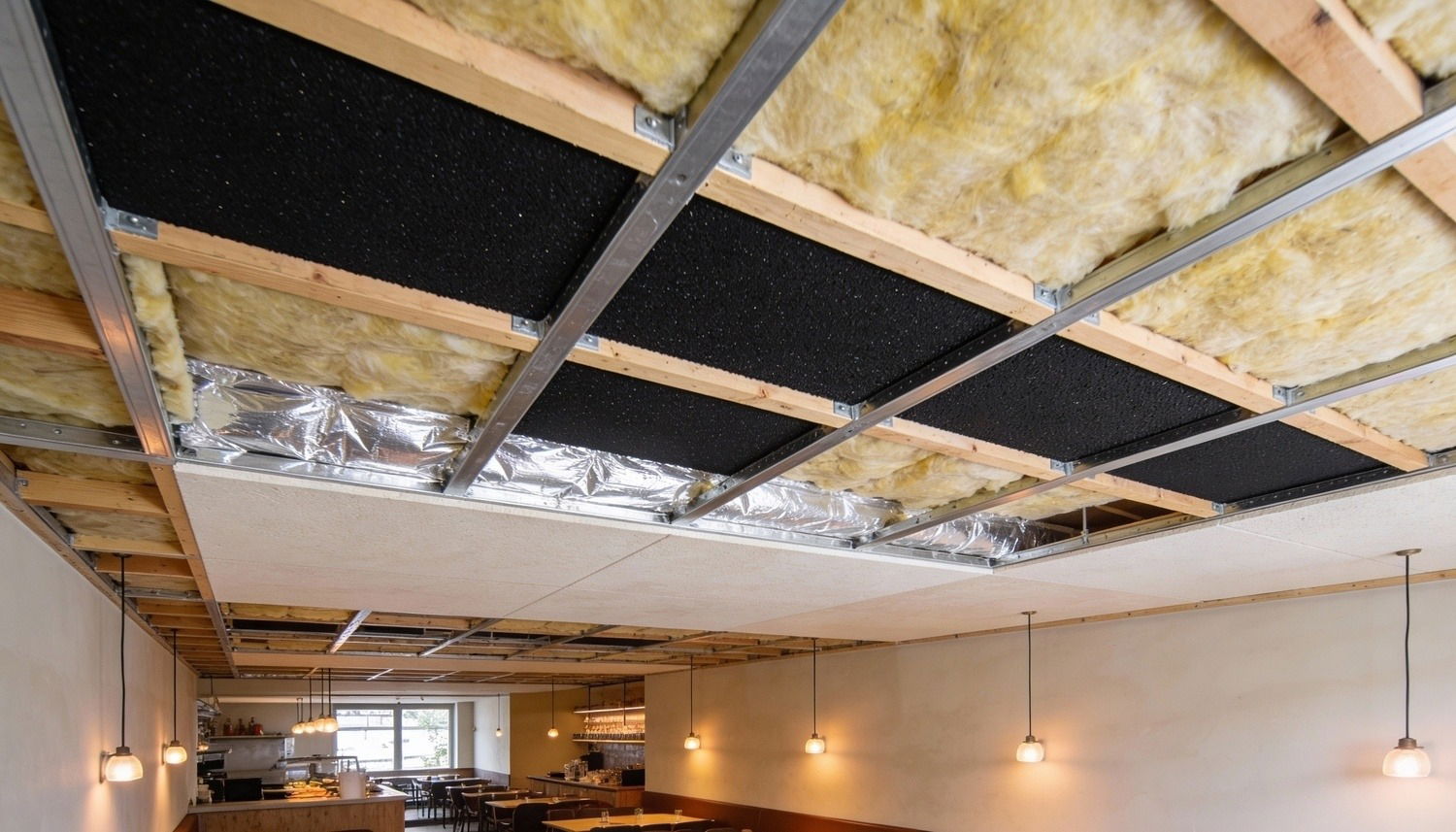
In restaurant environments, vibration damping is primarily used on floors, machinery, and technical equipment, as well as on walls and ceilings where vibrations are transmitted. Floors are often the primary transmission path for vibrations from kitchen equipment, while walls and ceilings can act as transmitting and amplifying surfaces. By tailoring the measures to where the vibrations occur, structure-borne noise can be effectively reduced.
Relationship to sound absorption and sound insulation
Vibration damping should not be confused with sound absorption or sound insulation. Sound-absorbing solutions on walls, ceilings, or using sound-absorbing curtains or room dividers are used to reduce echoes and reverberation in the dining room. Sound insulation is used to block sound between the kitchen, dining room, and adjacent spaces. Vibration damping complements these measures by reducing structure-borne noise from technical equipment, which is often crucial for a complete solution.
Why choose vibration damping in a restaurant environment?
Vibration damping contributes to a more controlled and professional restaurant environment by reducing disruptive hums and vibrations that would otherwise affect the guests’ experience. This measure improves the work environment for staff, reduces the risk of complaints from the surrounding area, and creates better conditions for other acoustic measures to function optimally.
Well-considered advice for best results
For the best results, it is important to identify both the source of the vibration and how the movement spreads throughout the restaurant. A common mistake is to try to dampen the sound where it is perceived, even though the underlying problem is mechanical transmission from kitchen equipment or installations. By working close to the source and breaking the vibration pathways, disturbances can be reduced more effectively and sustainably.
Vibration damping is therefore a key measure for reducing disruptive structure-borne noise and creating a stable, pleasant, and professional restaurant environment.