
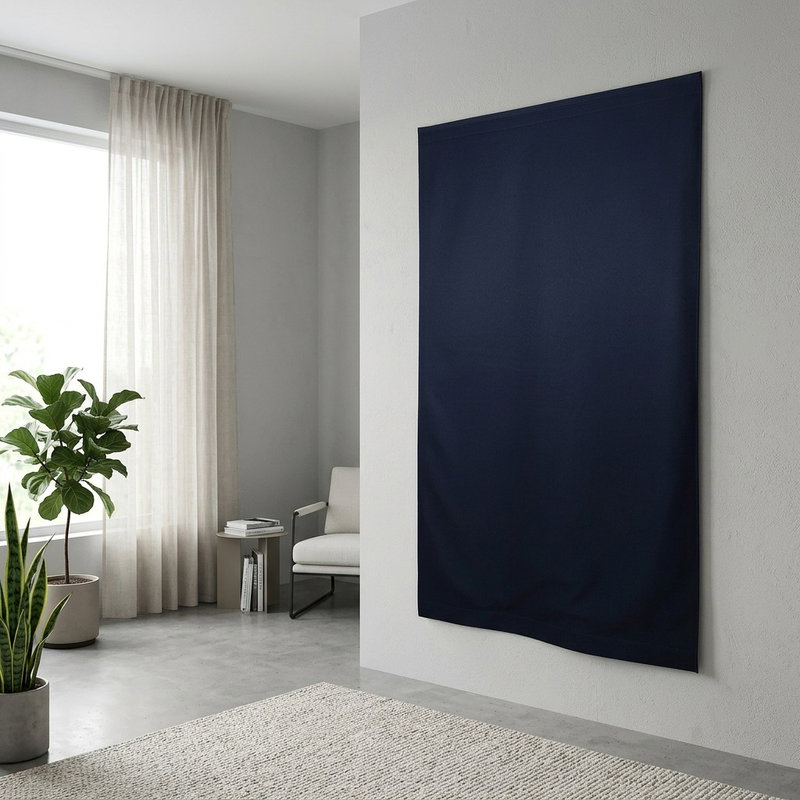

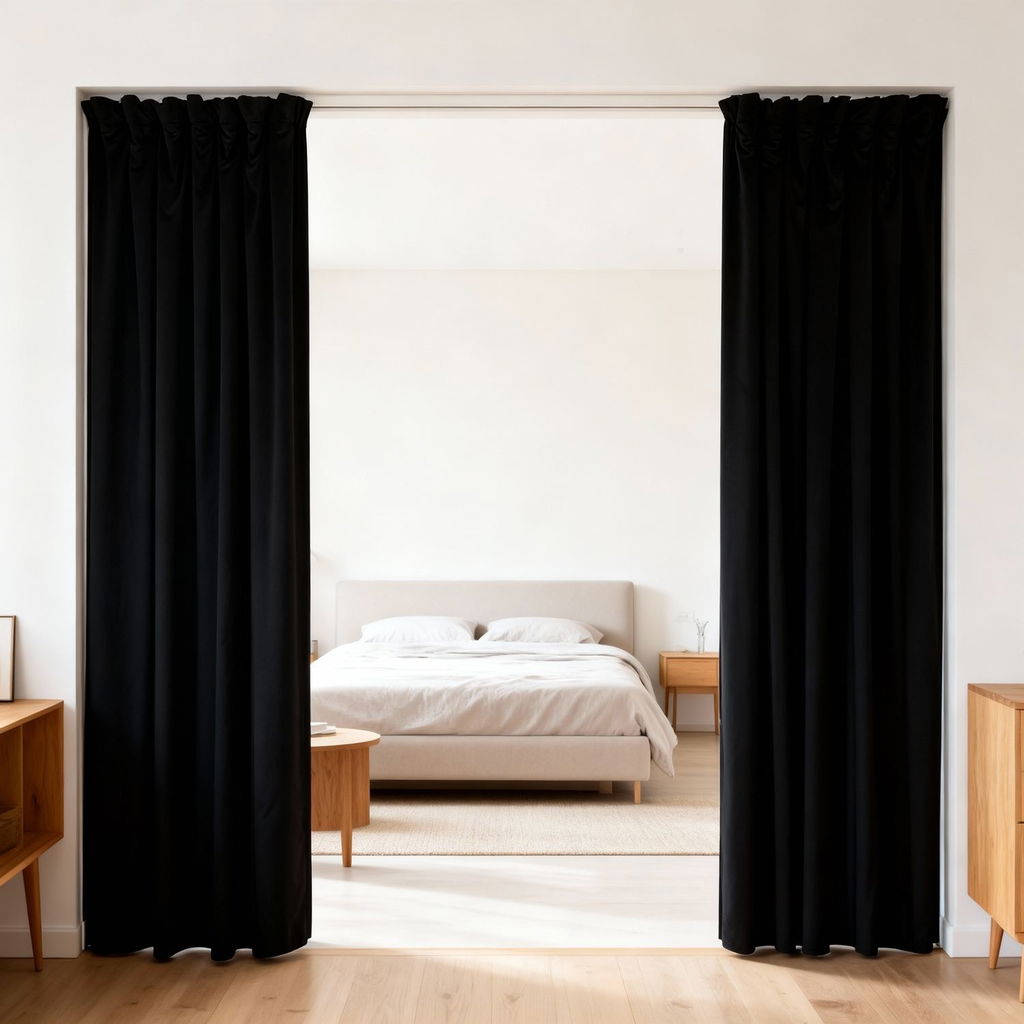
Sound-absorbing fabric room dividers – reduce echoes in the room
Flexible sound absorption and screening in office environments
In offices with open floor plans, activity-based workspaces, and shared areas, echoes and prolonged reverberation are common problems. When sound bounces between walls, ceilings, and floors, it affects speech intelligibility, concentration, and the ability to work in peace. Fabric sound-absorbing room dividers are an effective form of sound absorption that both visually divide office spaces and improve acoustics by reducing sound reflections in the room.
What are fabric sound-absorbing room dividers?
Acoustic fabric room dividers consist of porous cores covered with fabric that absorbs sound waves when they strike the surface. By reducing reflections, reverberation time is shortened, creating a quieter and more controlled acoustic environment. It is important to distinguish sound absorption from sound insulation, which blocks sound between rooms, as well as vibration damping, which reduces shaking and structure-borne noise. Room dividers are used to improve acoustics where sound already exists, not to prevent sound from spreading between separate rooms.
Common acoustic challenges in open-plan offices
Open-plan offices and flexible work environments often feature large hard surfaces and few sound-absorbing materials. Conversations, phone calls, and movement create sound that travels freely, leading to echoes and background noise. This can make it difficult to focus, hear speech clearly, and work undisturbed, especially in environments where multiple activities are happening simultaneously.
How sound-absorbing room dividers work in practice
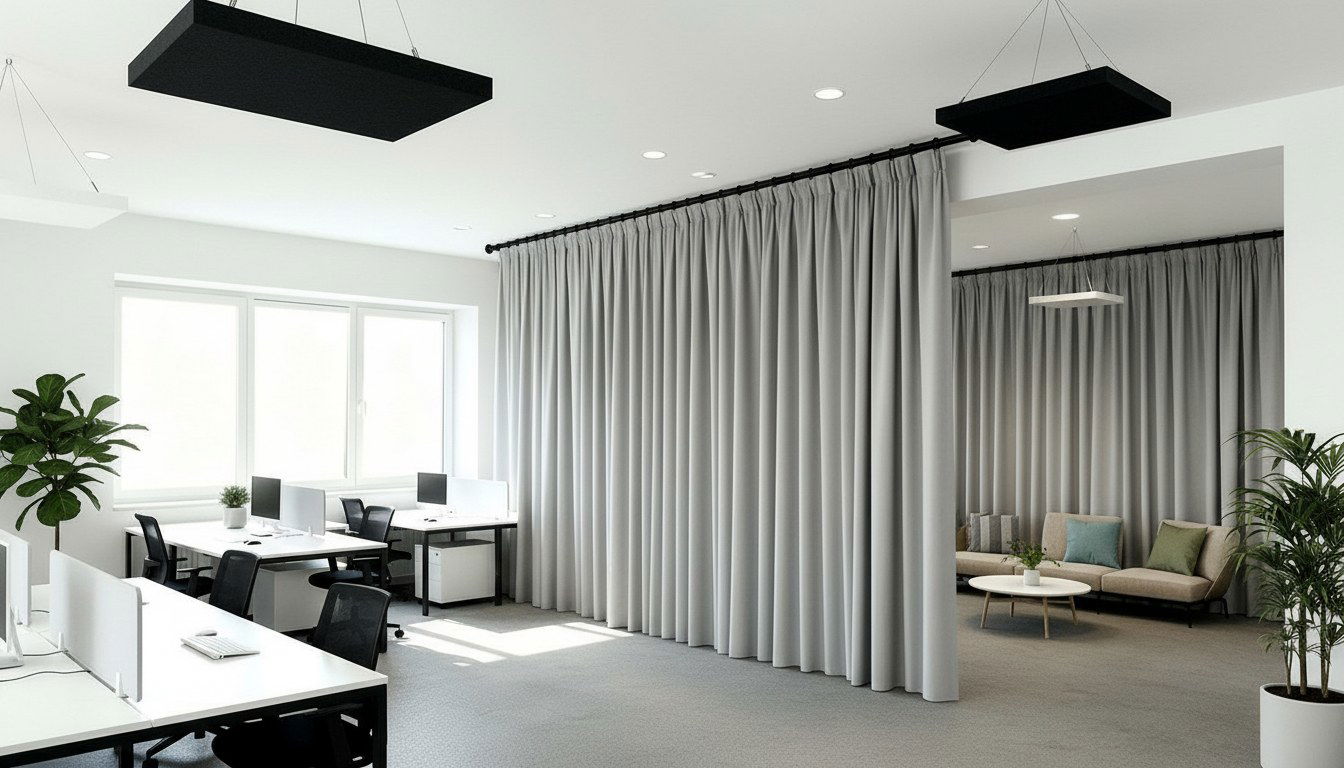
Room dividers are placed freestanding where sound passes through or reflects the most, such as between work zones, meeting areas, or walkways. Thanks to their thickness and porous structure, they absorb sound from multiple directions simultaneously, making them particularly effective in larger and open office environments.
Screening and sound absorption in one
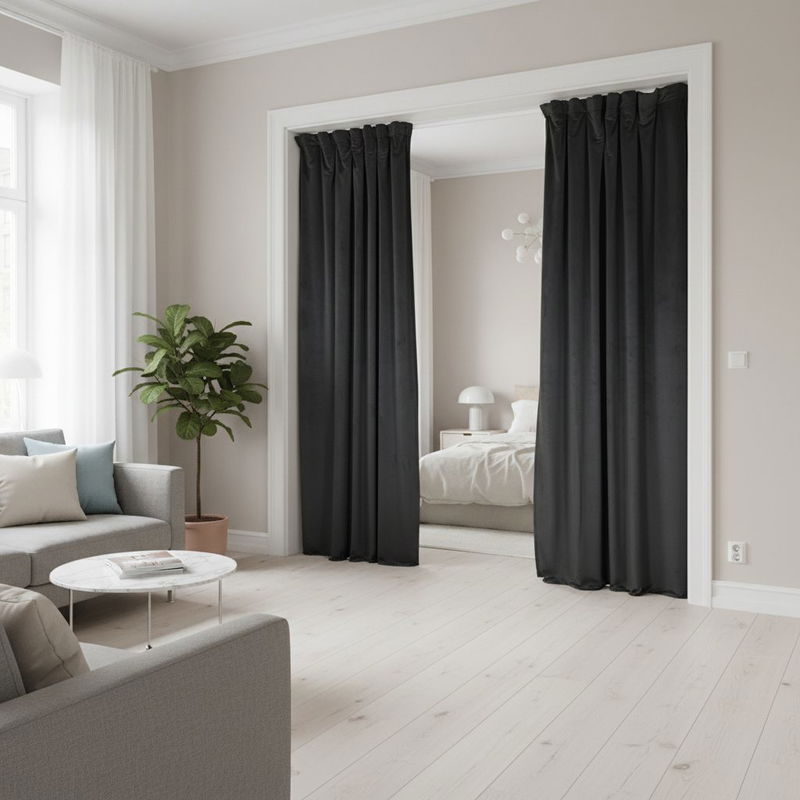
Room dividers combine clear spatial division with improved acoustics without requiring permanent installations or construction work.
Flexible and movable solution
Since the room dividers are freestanding, they can be easily moved, adjusted, or customized as office needs change.
Why choose fabric sound-absorbing room dividers?
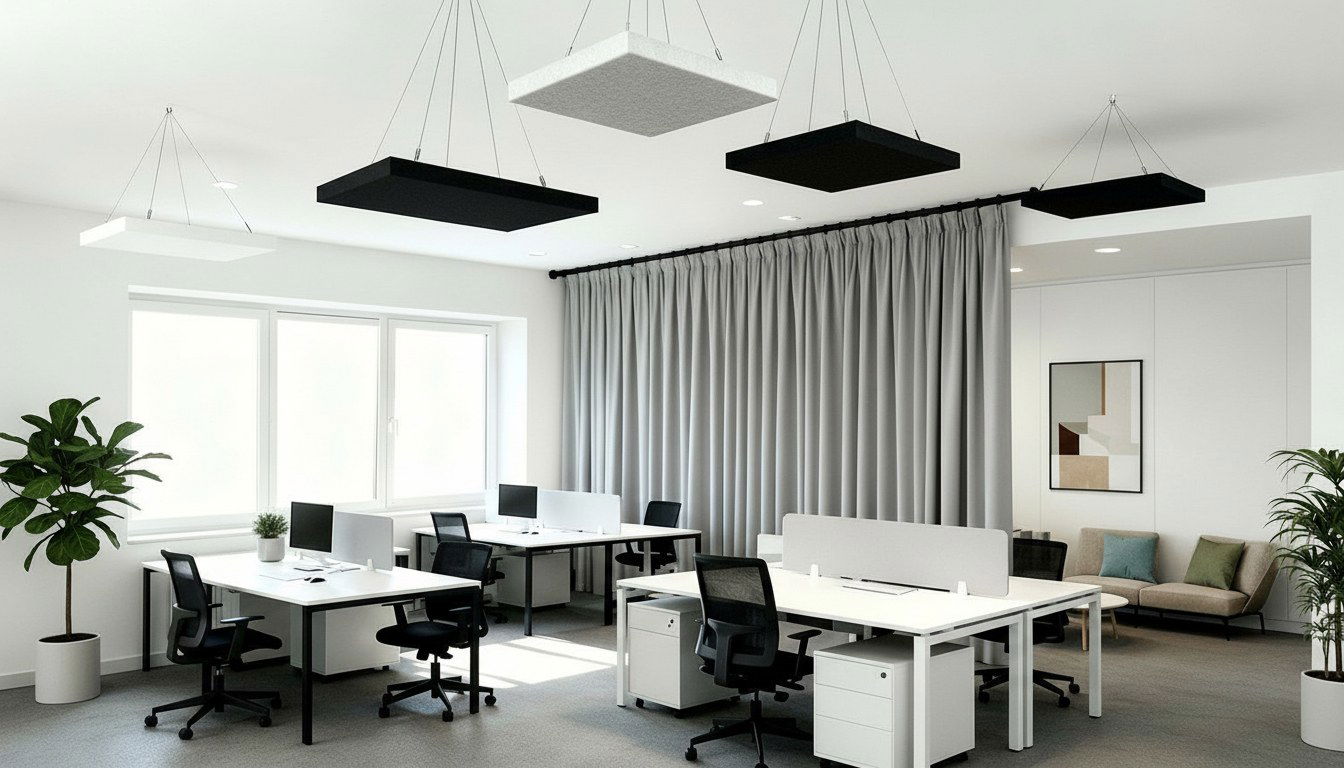
Sound-absorbing room dividers provide a quick and noticeable improvement to the acoustic environment in offices without affecting the building’s structure. They are particularly well-suited for open-plan work environments where both privacy and acoustic control are needed. The results are evident in improved speech intelligibility, lower perceived noise levels, and a more peaceful working environment. In many cases, room dividers can be effectively combined with wall or ceiling absorbers and sound-absorbing curtains for a more balanced overall result.
Well-considered advice for best results
For maximum effectiveness, room dividers should be placed where sound travels between different functional zones, such as between workstations and meeting areas. In larger offices, multiple room dividers can be combined for even sound absorption, while smaller spaces are often improved by a strategically placed solution. A common mistake is to underestimate the need for absorbent surfaces. Proper placement and coverage create a long-term comfortable and functional acoustic environment.
Fabric sound-absorbing room dividers are therefore a practical and effective choice for offices looking to reduce echo, create clearer zones, and improve the daily work environment.