





Sound-absorbing curtains – reduce echoes in the room
A soft and effective solution for better acoustics in homes
In homes, echoes and prolonged reverberation often occur due to hard surfaces such as windows, walls, floors, and ceilings. Large glass panels and open floor plans further exacerbate the problem. Sound-absorbing curtains are an effective and discreet form of sound absorption that helps break up sound reflections and create a quieter, more pleasant acoustic environment in the room.
What are sound-absorbing curtains?
Sound-absorbing curtains are made of dense, porous fabrics that absorb sound waves when they hit the fabric. This reduces echoes and reverberation in the room. It’s important to distinguish sound absorption from sound insulation, which blocks sound between rooms, as well as vibration damping, which reduces shaking and structure-borne noise. Curtains are used to improve the acoustics in a room where sound is already present, not to prevent sound leakage.
Common Acoustic Problems in the Home
Echoes and poor room acoustics are common in living rooms, bedrooms, dining areas, and home offices. Conversations can feel strained, the noise level seems higher than it is, and the room lacks acoustic balance. The problem is particularly noticeable in rooms with a lot of glass and few soft materials.
How sound-absorbing curtains work in practice
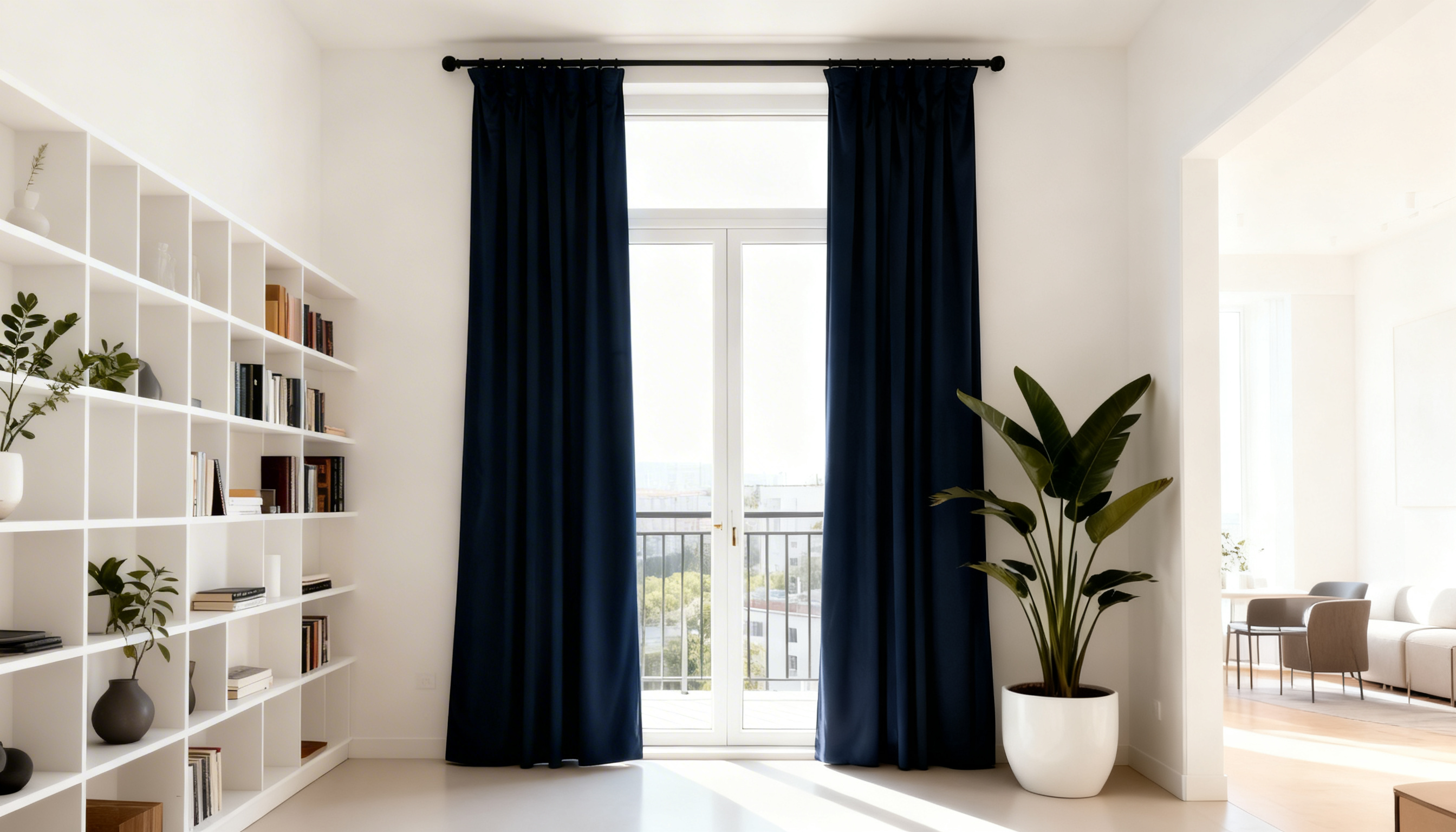
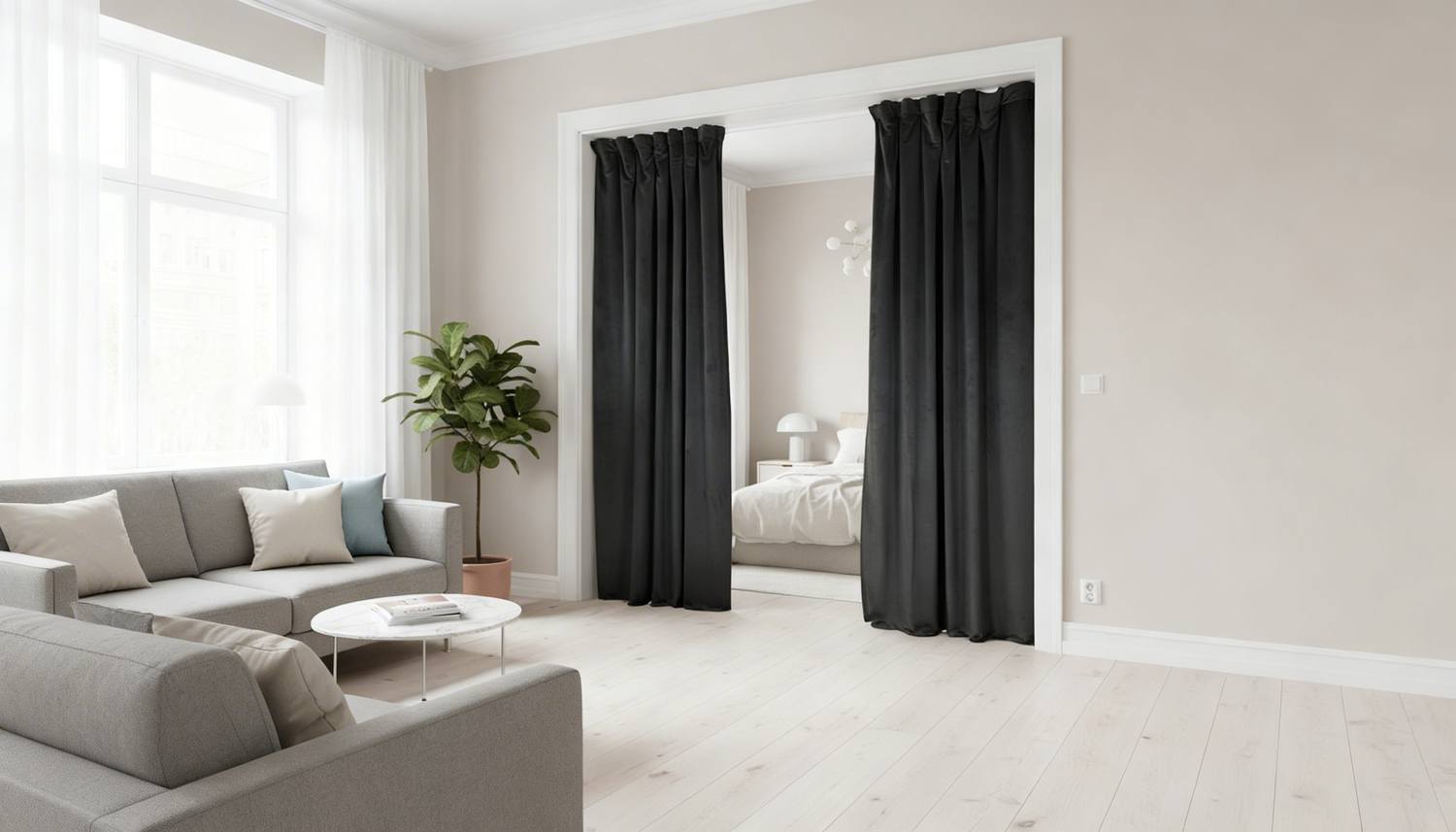
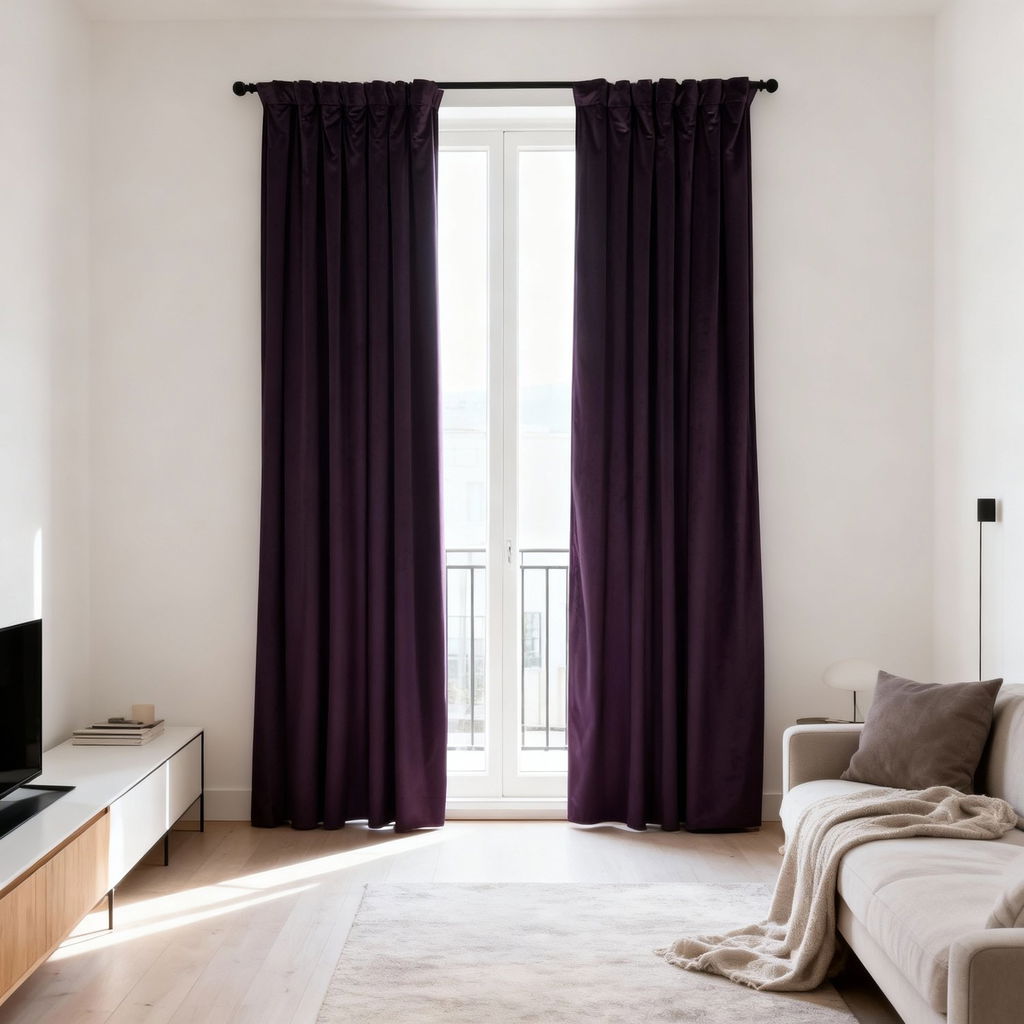
When sound waves hit the curtain’s surface, they are slowed down and absorbed by the material’s structure. Curtains placed in front of windows or along large wall surfaces effectively reduce reflections and contribute to a shorter reverberation time.
Placement in front of windows
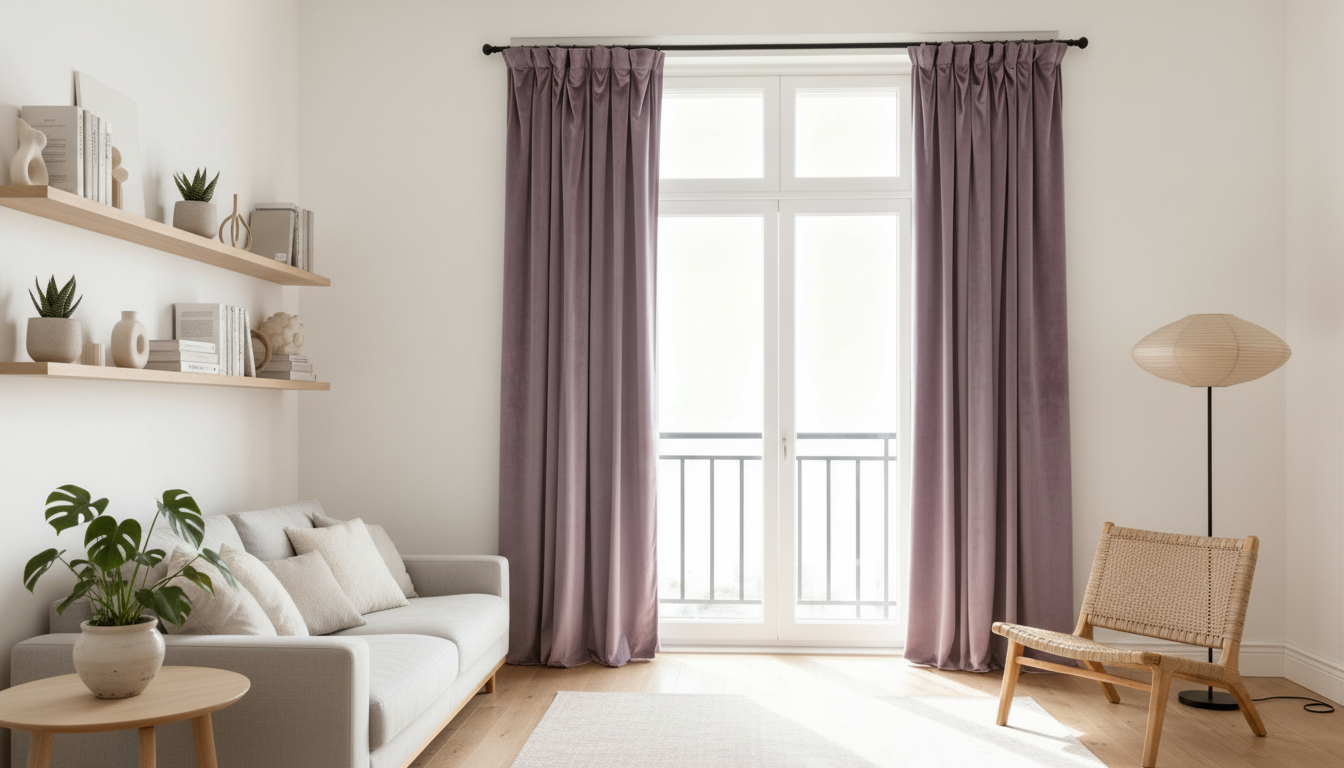
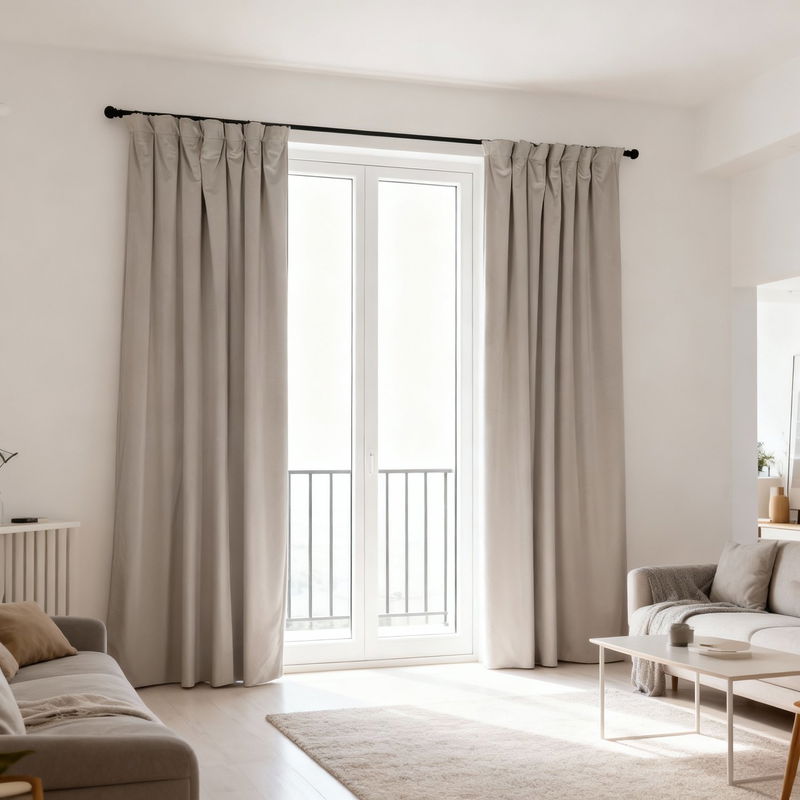
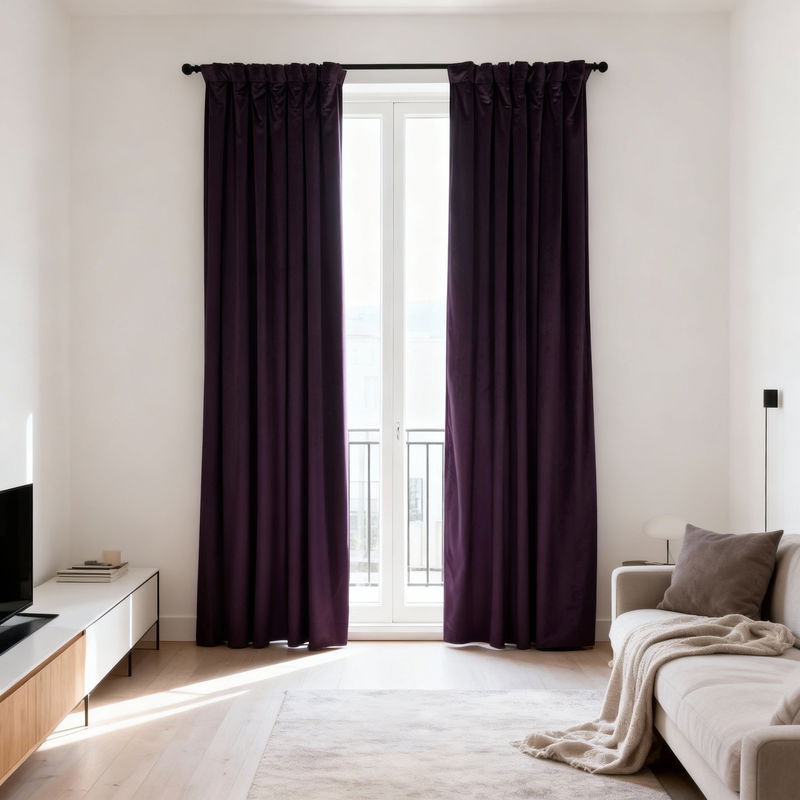
Windows are one of the most reflective surfaces in the home. Sound-absorbing curtains reduce reflections from the glass and significantly improve the room’s acoustics.
Complement to wall and ceiling absorbers
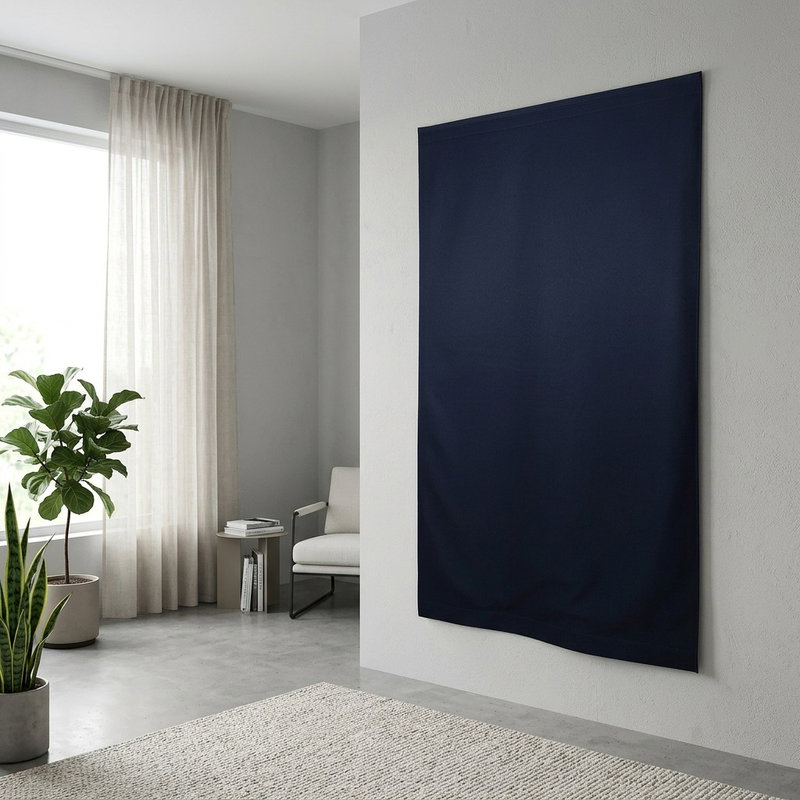
Curtains work excellently in combination with other sound-absorbing solutions and contribute to more evenly distributed sound absorption in the room.
Why choose sound-absorbing curtains?
Sound-absorbing curtains provide an immediate effect on the acoustic environment without requiring structural modifications. They are flexible, easy to customize, and combine functionality with aesthetics. The result is improved speech intelligibility, a lower perceived noise level, and increased comfort. In some cases, sound absorption with curtains can be effectively combined with sound insulation or vibration damping for a more comprehensive result.
Well-considered advice for best results
For the best acoustic effect, curtains should be sufficiently thick and cover a generous surface area. In larger rooms, multiple sound-absorbing measures may need to be combined, while smaller rooms are often improved by properly placed curtains. Common mistakes include choosing fabrics that are too thin or underestimating how much surface area needs to be treated. The right choice ensures a long-term pleasant sound environment in your home.
Sound-absorbing curtains are therefore a safe and effective choice for those who want to reduce echoes in the room while creating a cozier and more functional home.