





















Soundproofing and sound absorption for industrial and warehouse environments – create a safer and more functional work environment
In industrial and warehouse environments, noise is a natural part of operations. Machinery, transport, forklifts, production, and logistics generate noise levels that, without the right measures, can impact the work environment, safety, and efficiency. Sound insulation and sound absorption are used to control how sound is generated, propagated, and perceived in spaces where many people and processes interact. The right measures contribute to better working conditions, clearer communication, and reduced strain on staff.
Three different measures – three different functions
In industrial and warehouse settings, it is important to distinguish between sound absorption, sound insulation, and vibration damping, as they address different issues.
Sound absorption
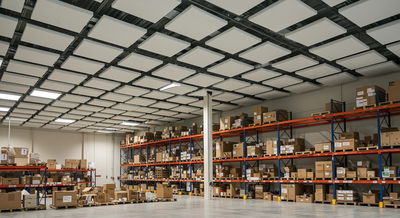
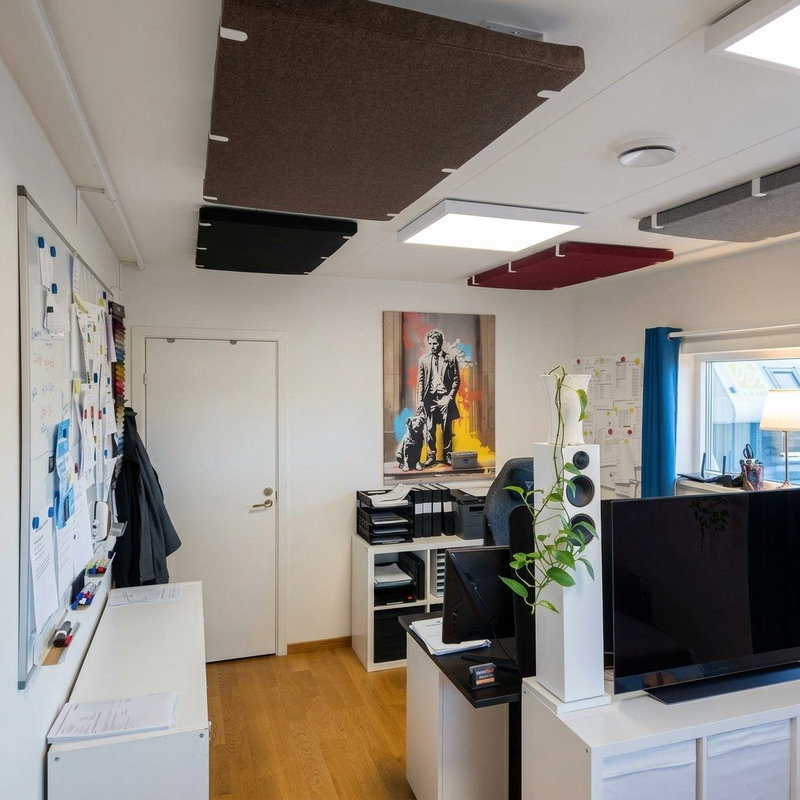
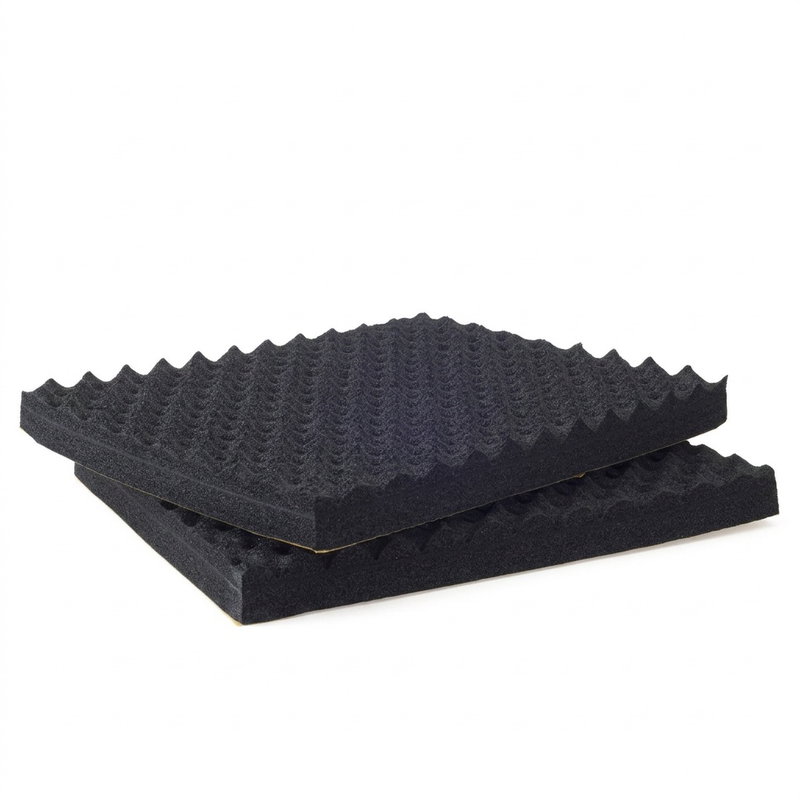
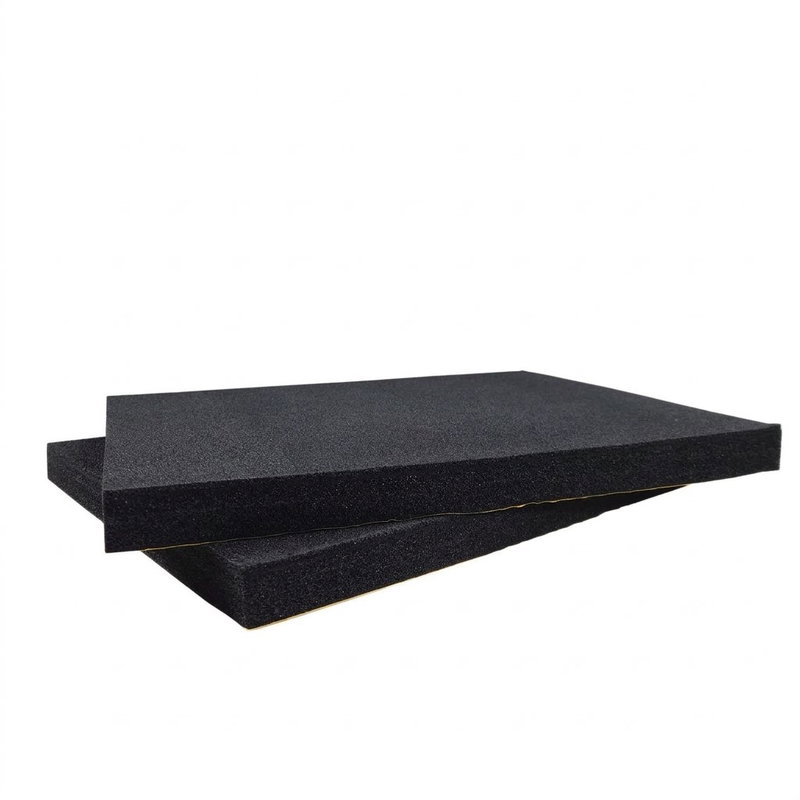
Sound absorption is used to reduce echoes and reverberation in a room. In large spaces with hard surfaces, such as concrete floors, metal walls, and high ceilings, sound bounces back and forth between surfaces for a long time. This makes the sound level seem higher than it actually is and makes speech harder to understand.
Sound insulation
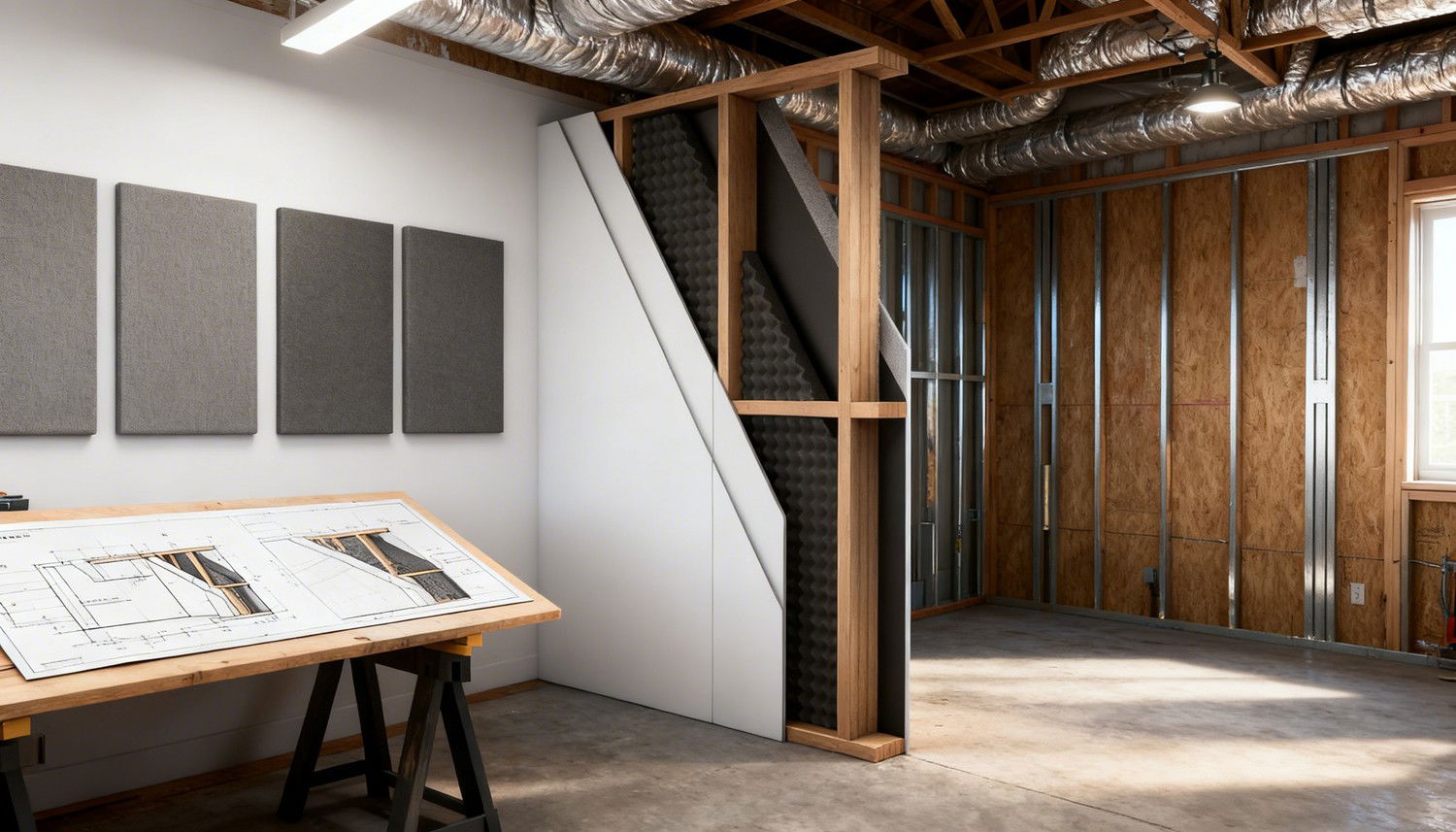
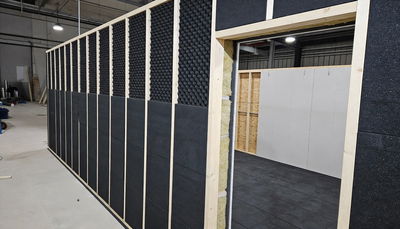
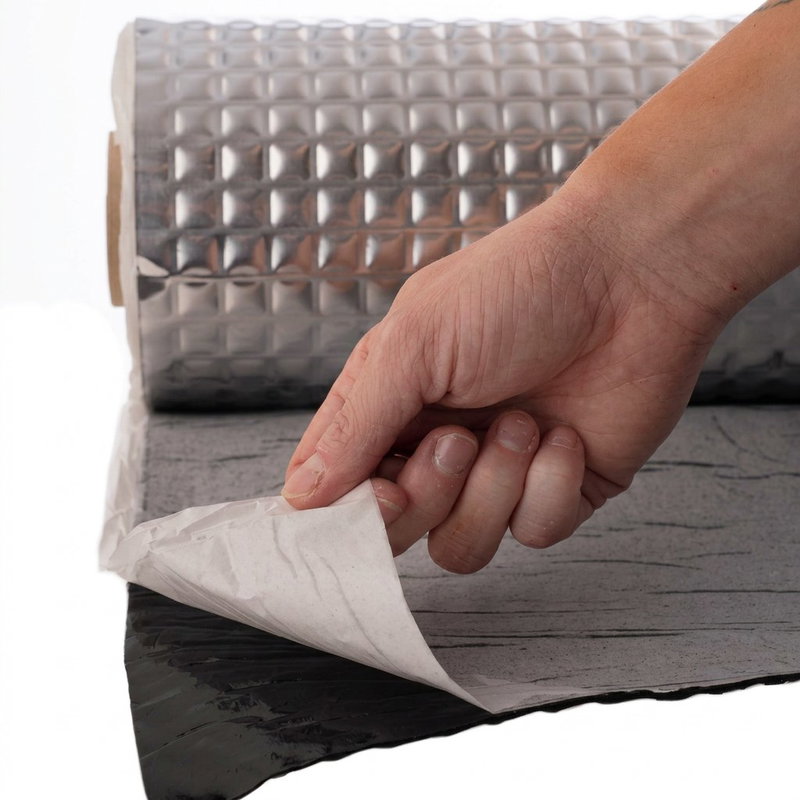
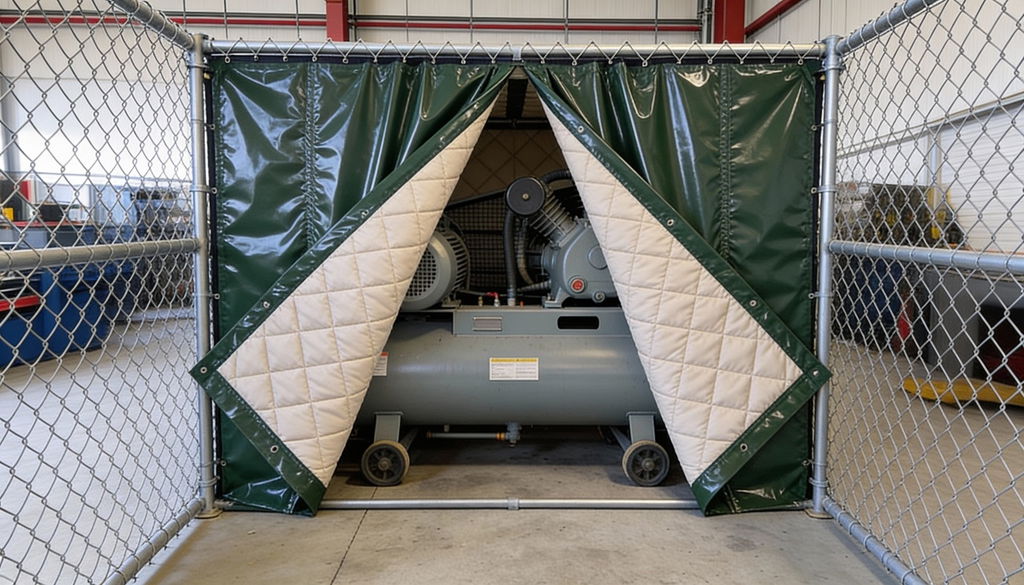
Sound insulation is designed to prevent sound from spreading between different rooms, zones, or departments. It is particularly important when noisy processes need to be separated from workstations, offices, or staff areas.
Vibration damping
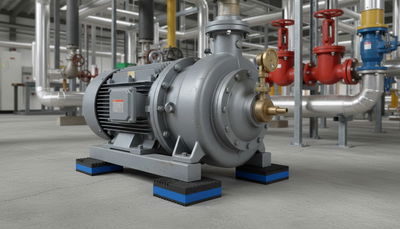
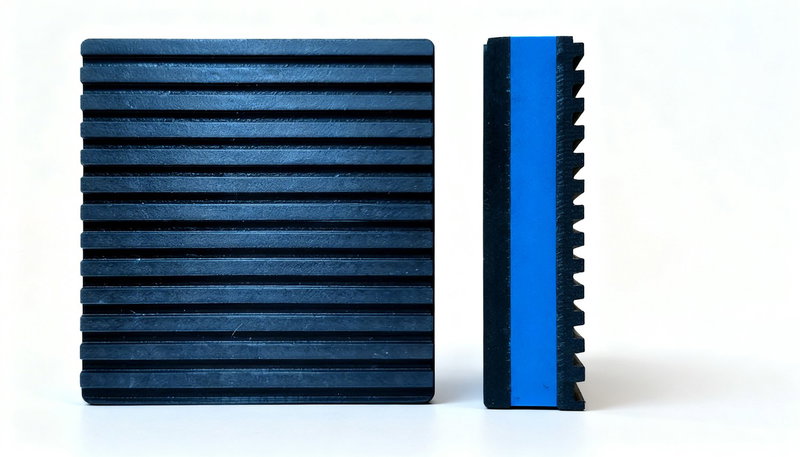
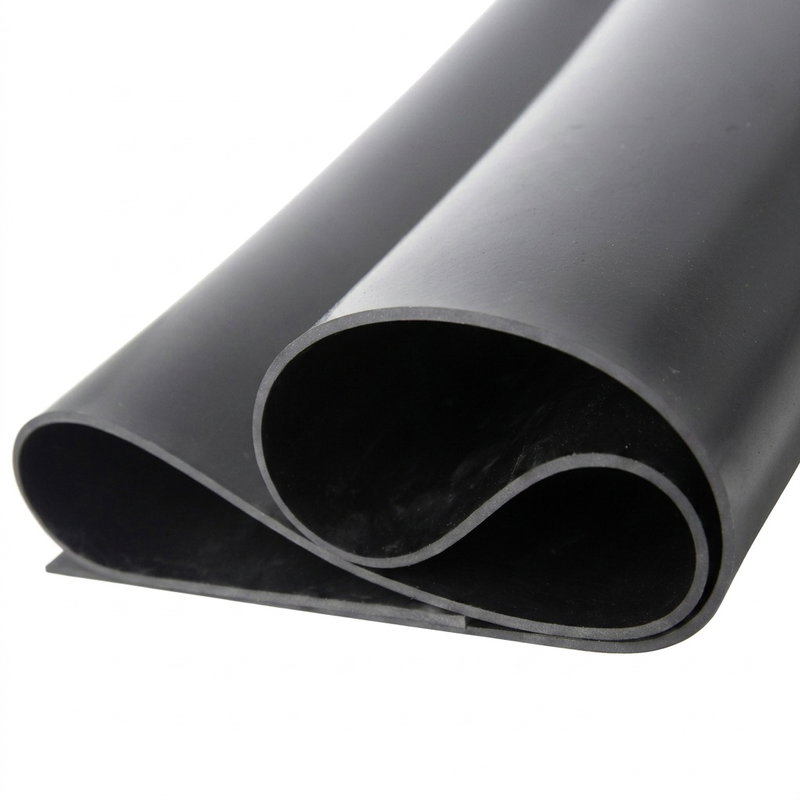
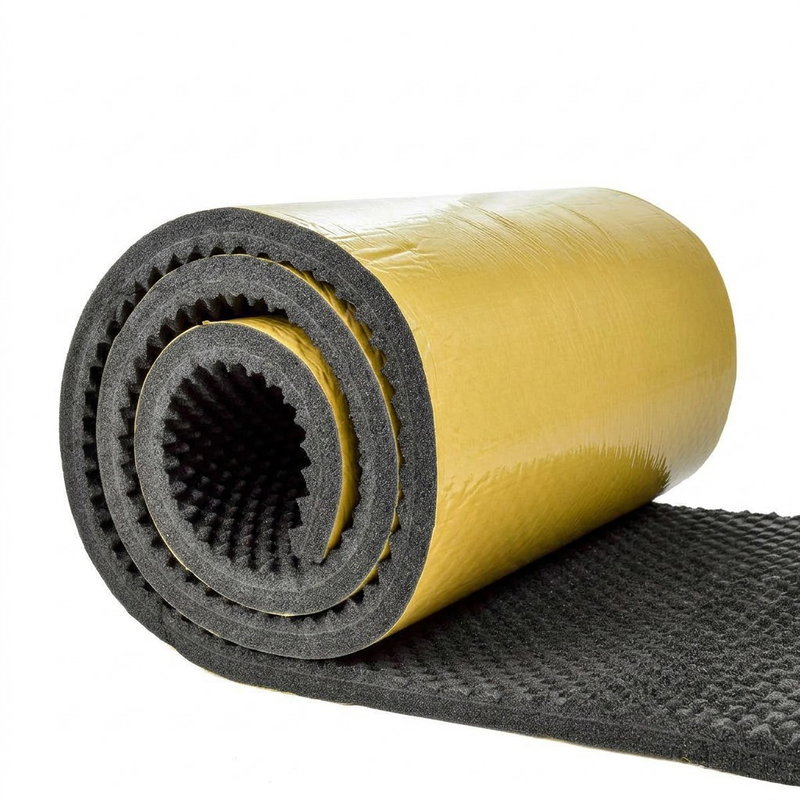
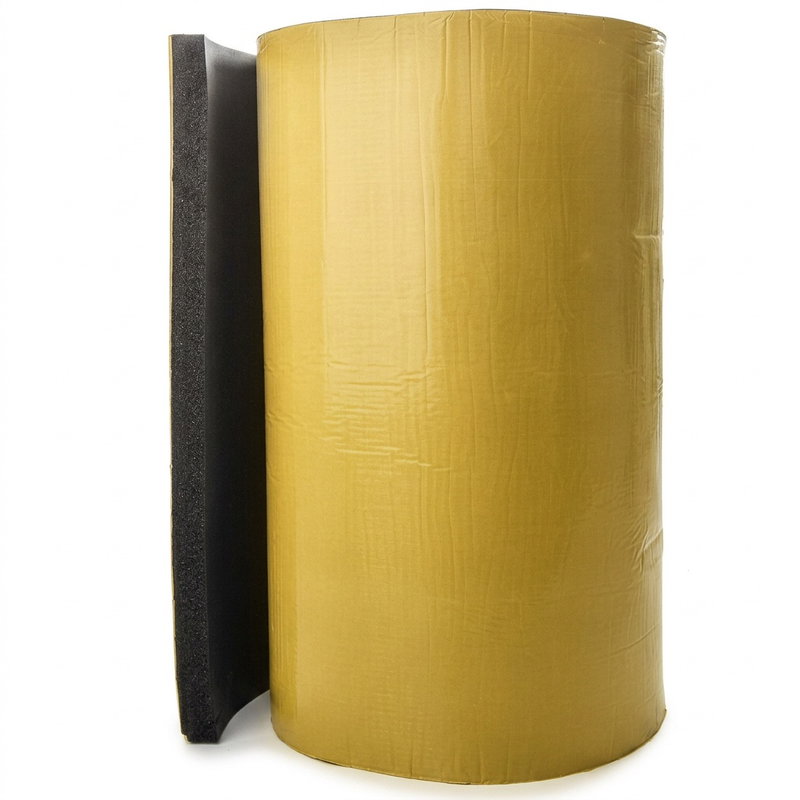
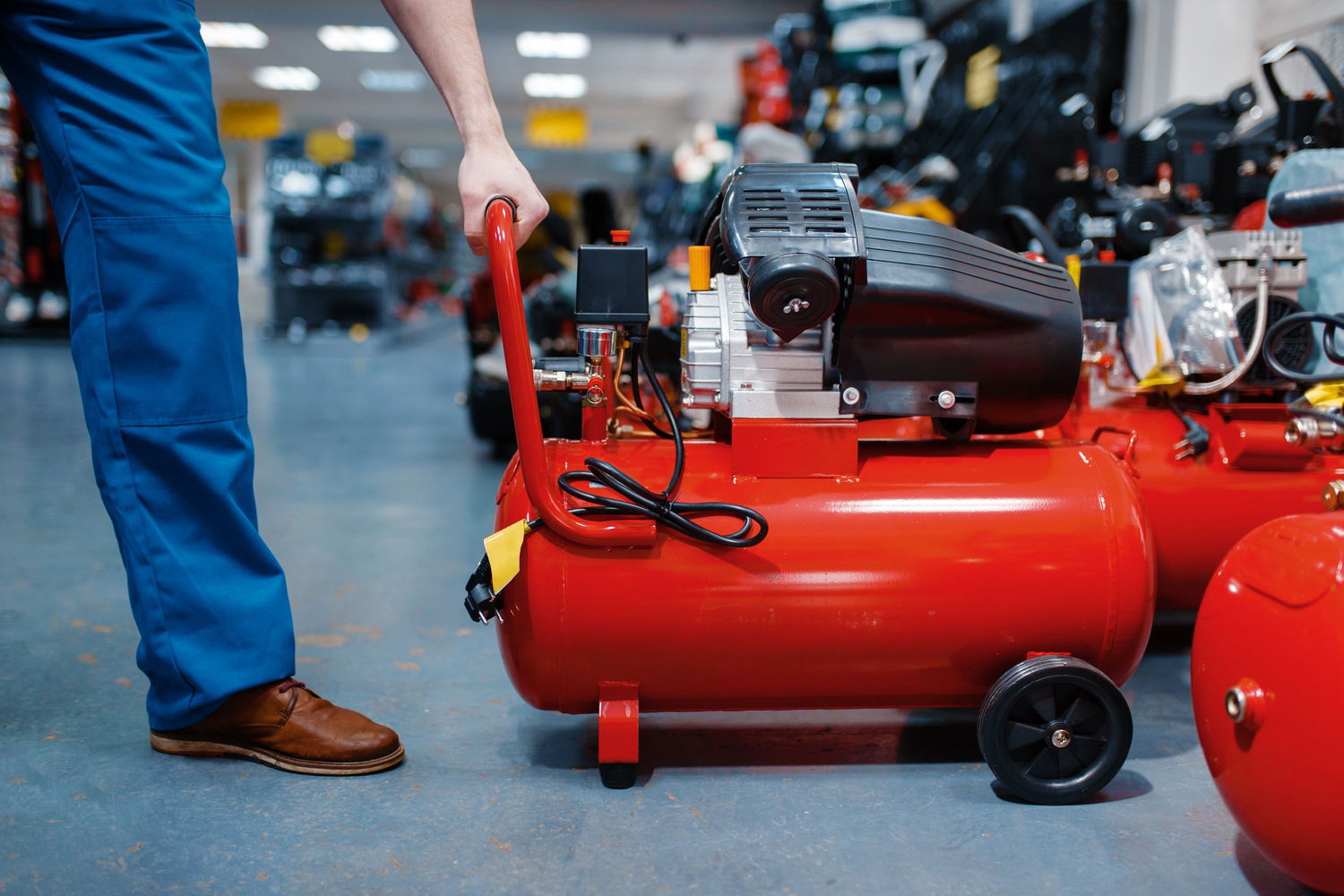
Vibration damping reduces shaking and structure-borne noise that spreads through the building’s structure. It is primarily used for machinery and technical equipment that generates vibrations that would otherwise propagate through floors, walls, and ceilings.
Common noise problems in industrial and warehouse environments
Echoes and long reverberation are common in warehouses, production facilities, and terminals. Conversations and instructions are drowned out by background noise, which can lead to misunderstandings and an increased risk of accidents. At the same time, noise from machinery and transport often spreads to adjacent areas, where it affects work peace and concentration. In some cases, low-frequency noise and vibrations also occur that are felt rather than heard.
How sound-absorbing solutions are used in industry
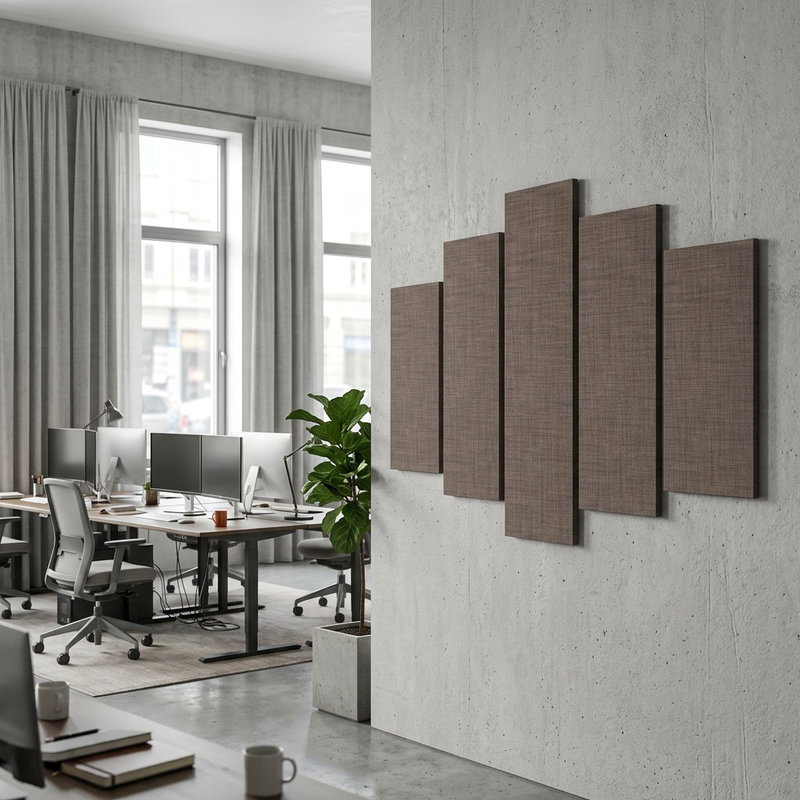
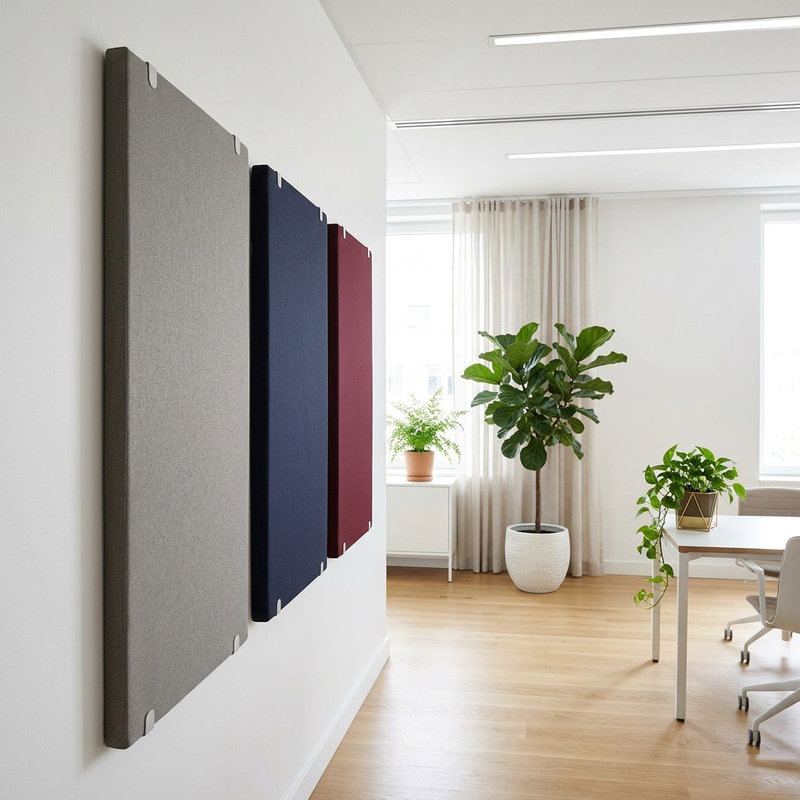
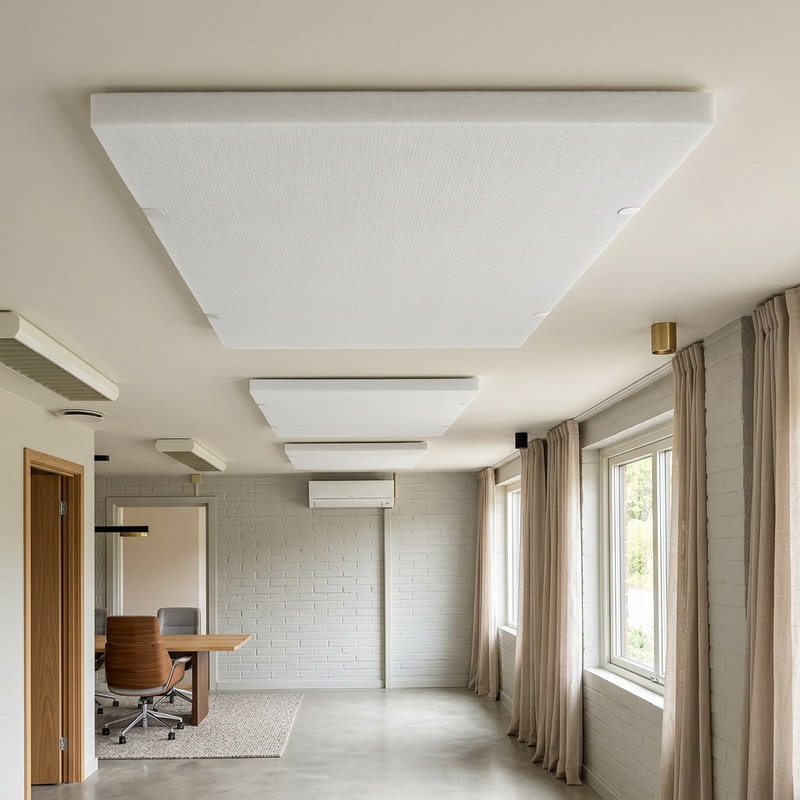
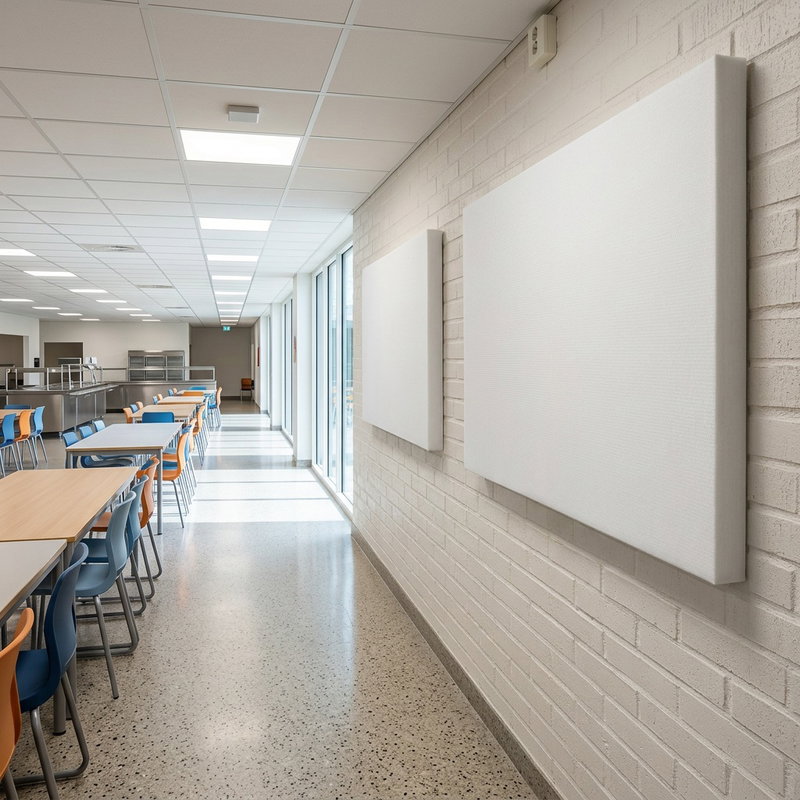
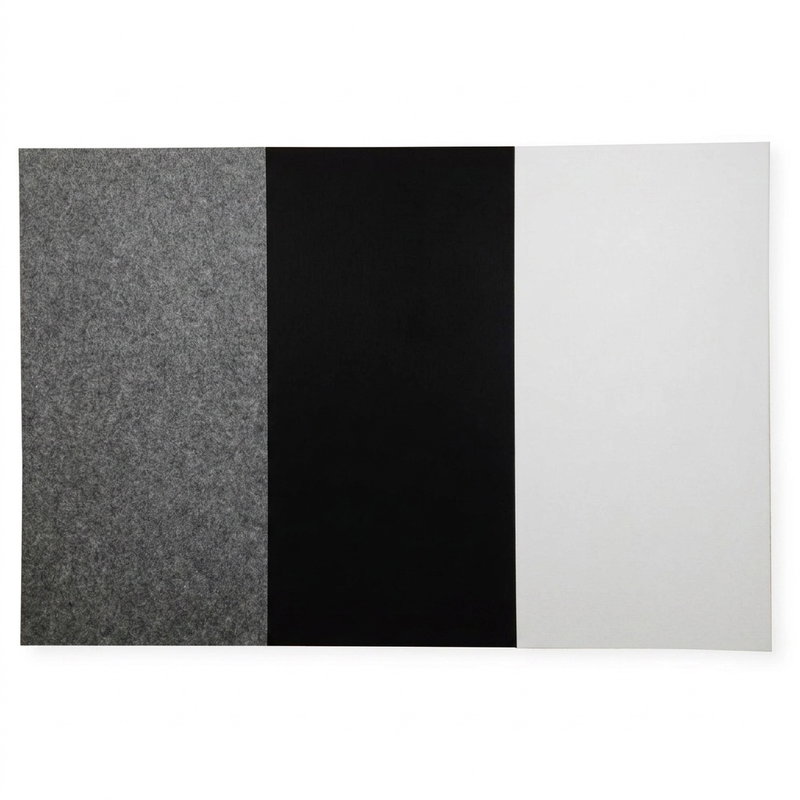
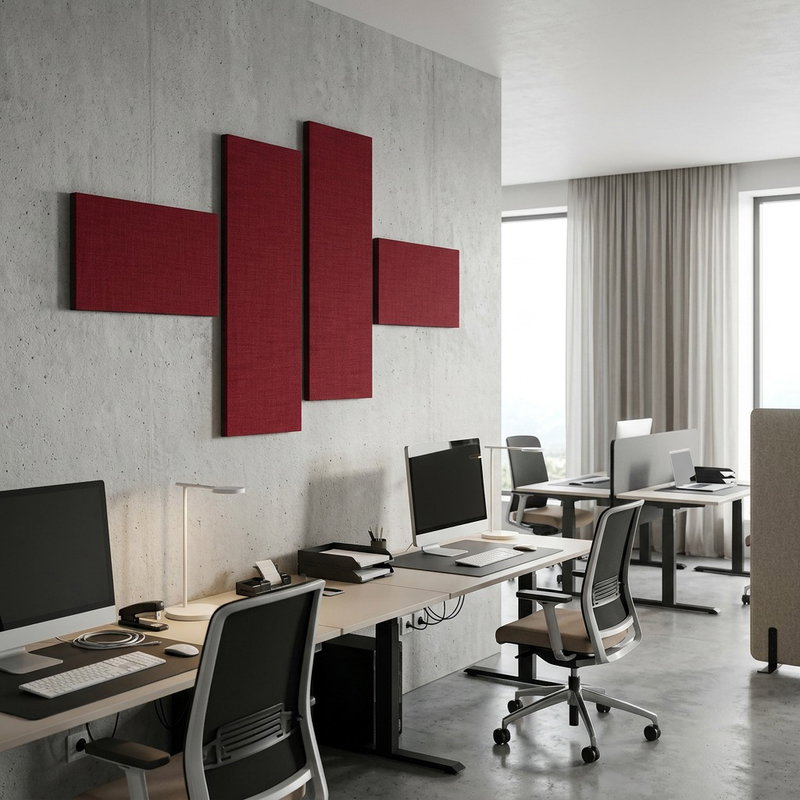
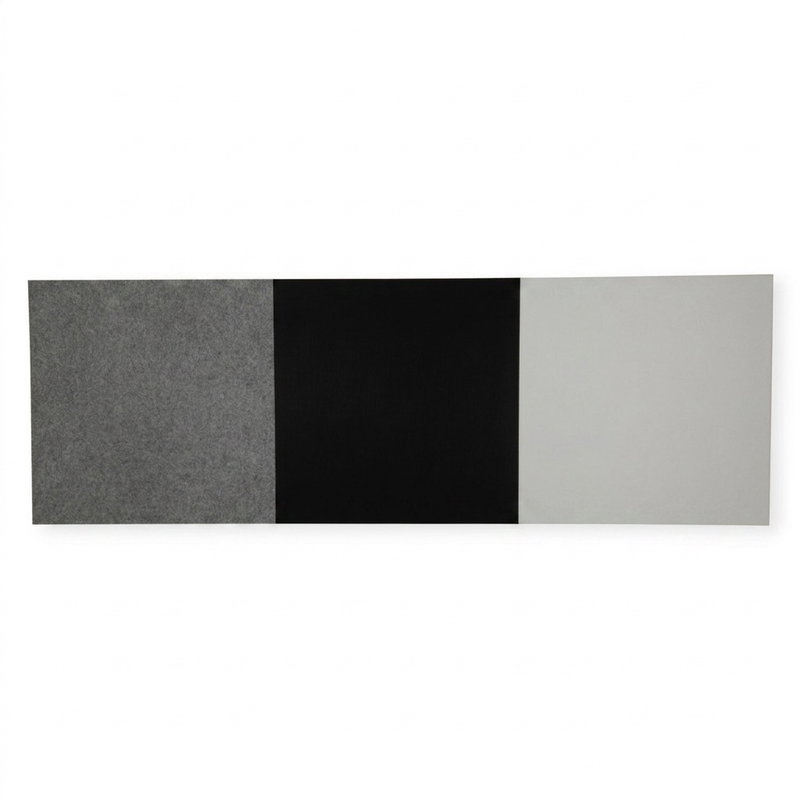
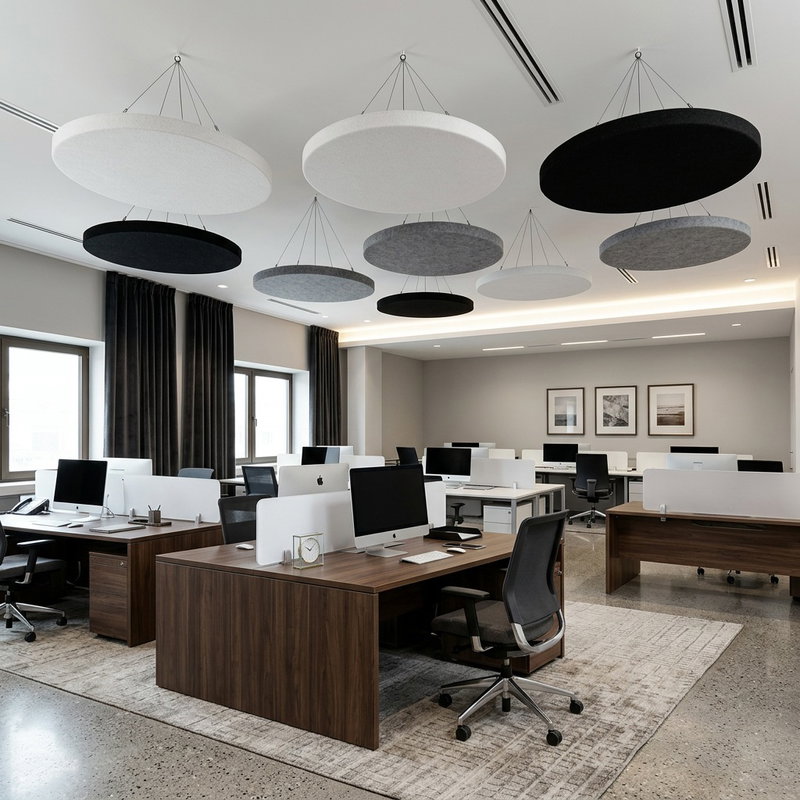
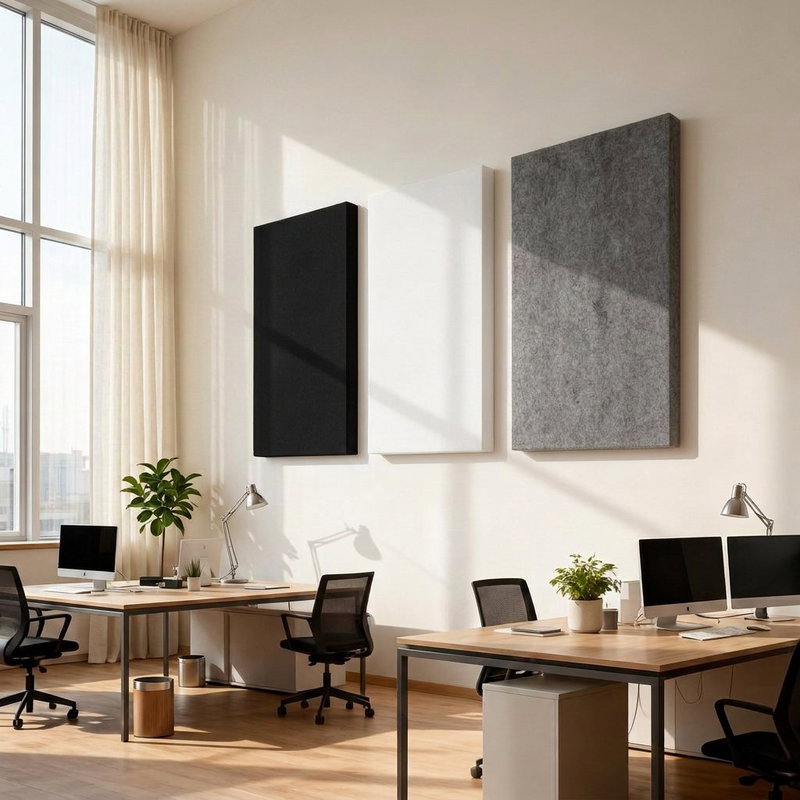
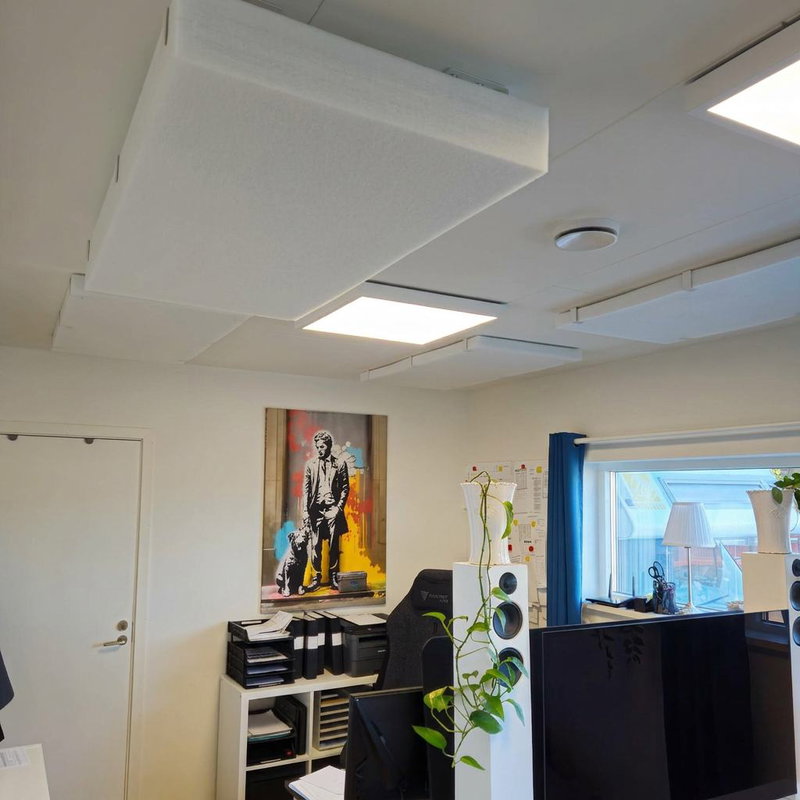
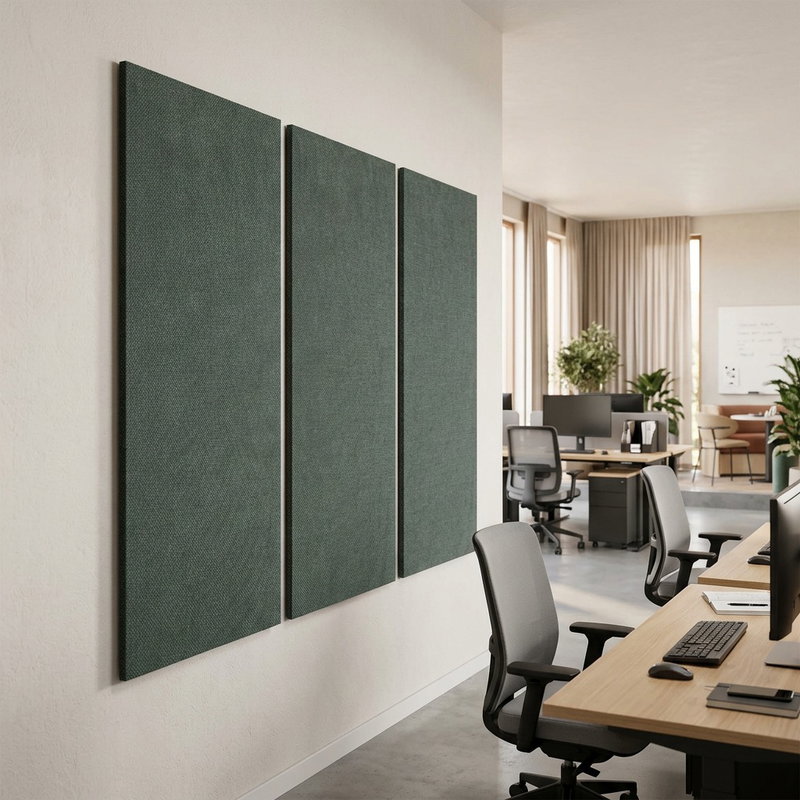
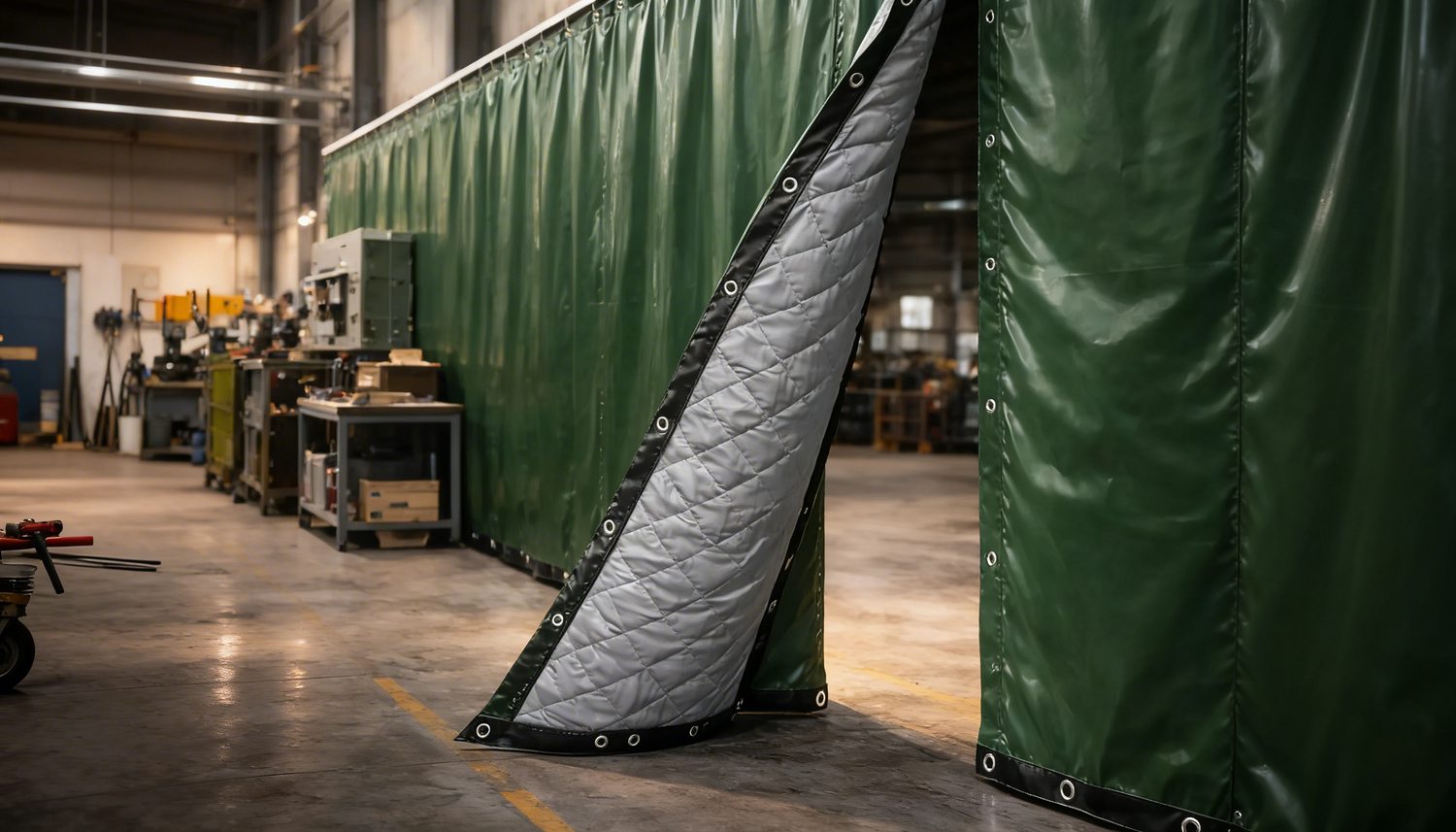
Sound-absorbing solutions are placed on surfaces where sound reflections are strongest. Ceiling absorbers are often the most effective basic measure in large spaces, while wall absorbers are used to improve speech intelligibility and dampen reflections in work zones. Sound-absorbing curtains can reduce reflections from large glass surfaces or be used as flexible partitions. Room dividers with sound-absorbing properties are used to partition open spaces and create quieter work areas without permanent installations.
When sound insulation and vibration damping are needed
When the problem is not the noise level within a room but rather sound traveling between spaces, sound insulation is required. This may involve machine rooms, utility spaces, or production zones that need to be screened off. Vibration damping is used when noise is transmitted through the building’s structure, such as from machinery in direct contact with floors, walls, or ceiling structures.
Well-considered advice for long-term results
A common mistake is to use only sound absorption where sound insulation or vibration damping is required, or vice versa. For the best results, the sound problem should be analyzed based on how the sound is generated and propagates. By combining the right measures, a more controlled sound environment is created that works over time and is adapted to the needs of the operation.
Sound insulation, sound absorption, and vibration damping are thus key tools for creating safer, more productive, and more sustainable industrial and warehouse environments.