

























Sound absorbers and soundproofing for offices – create a productive and harmonious work environment
In modern office environments, noise is one of the most common causes of impaired concentration and reduced peace and quiet. Open-plan offices, meeting rooms with glass partitions, and shared spaces allow sound to spread and reflect easily. The result is echoes, background noise, and a lack of privacy. With the right combination of sound absorption, sound insulation, and vibration damping, the office environment can be adapted for both collaboration and focused work.
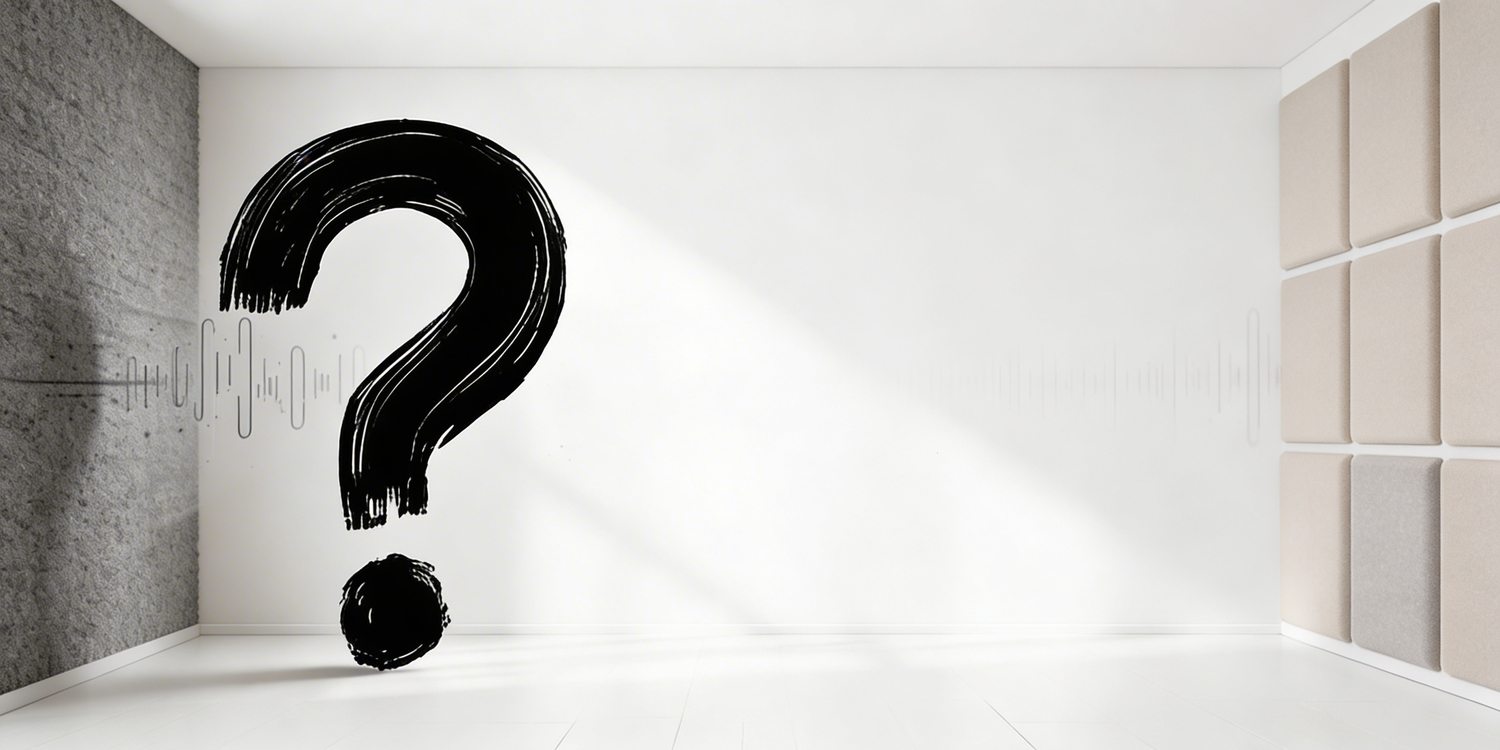
What does sound absorption mean in an office?
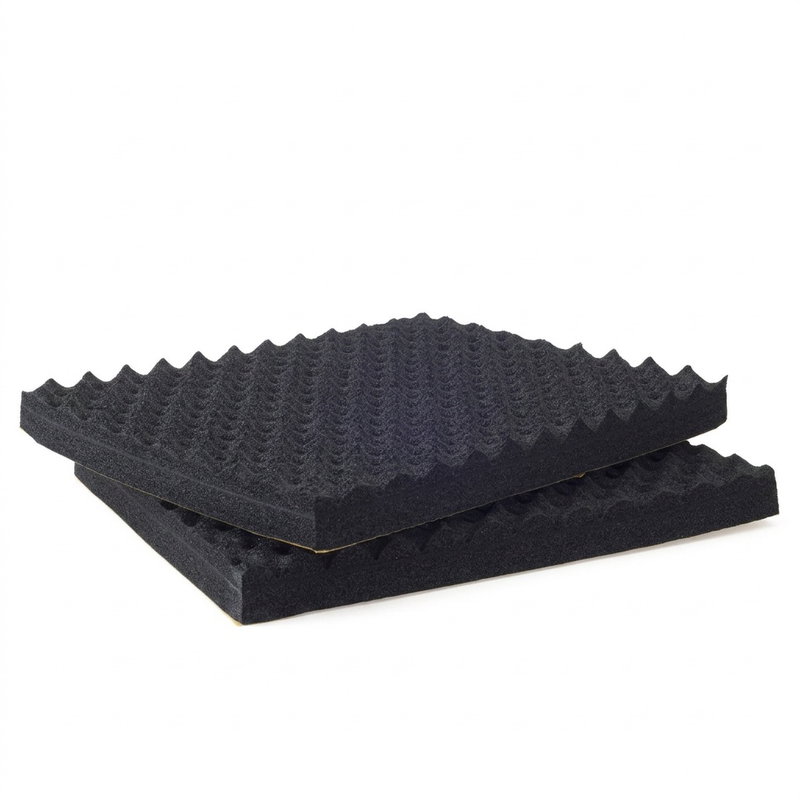
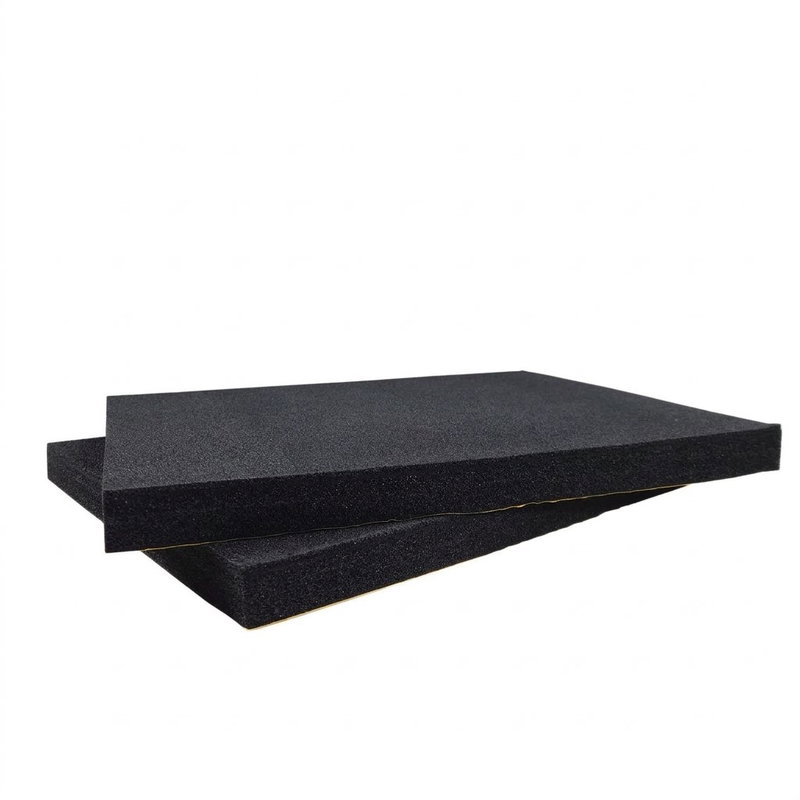
Sound absorption is used to reduce echoes and reverberation in a room. When sound bounces between walls, ceilings, and floors, speech intelligibility is impaired and the sound level is perceived as higher than it actually is. Sound-absorbing materials capture sound waves and reduce reflections, creating a calmer and more controlled acoustic environment. This is particularly important in open-plan offices, meeting rooms, and shared workspaces.
The difference between sound absorption, sound insulation, and vibration damping
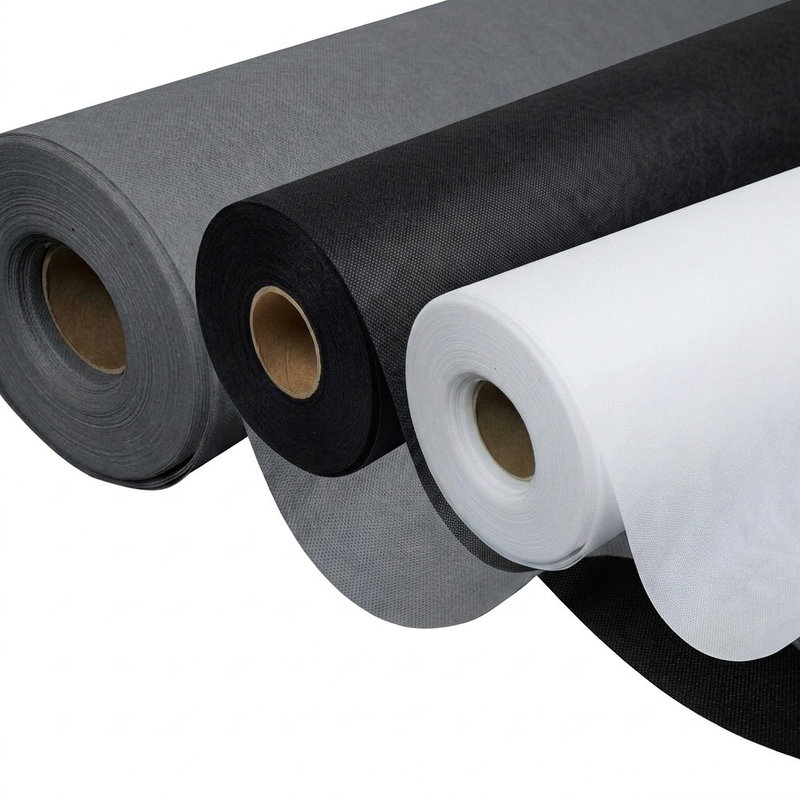
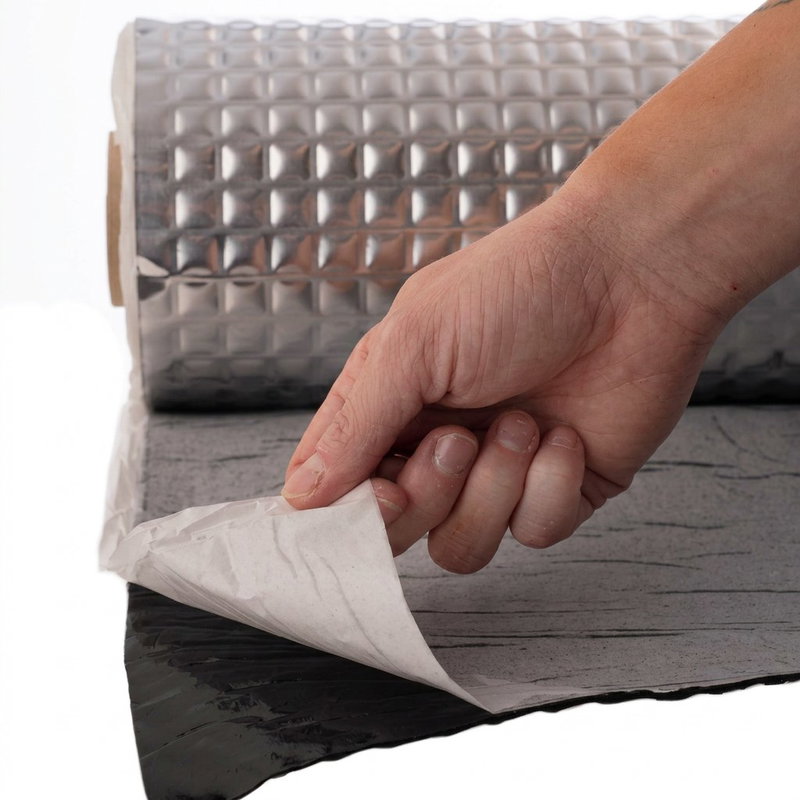
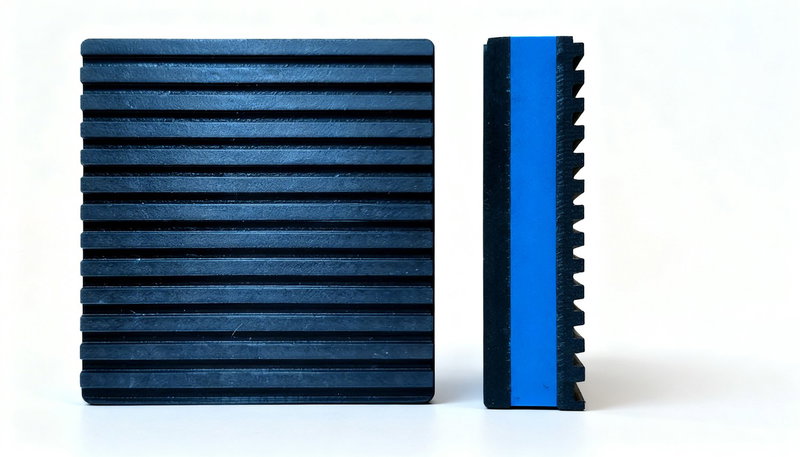
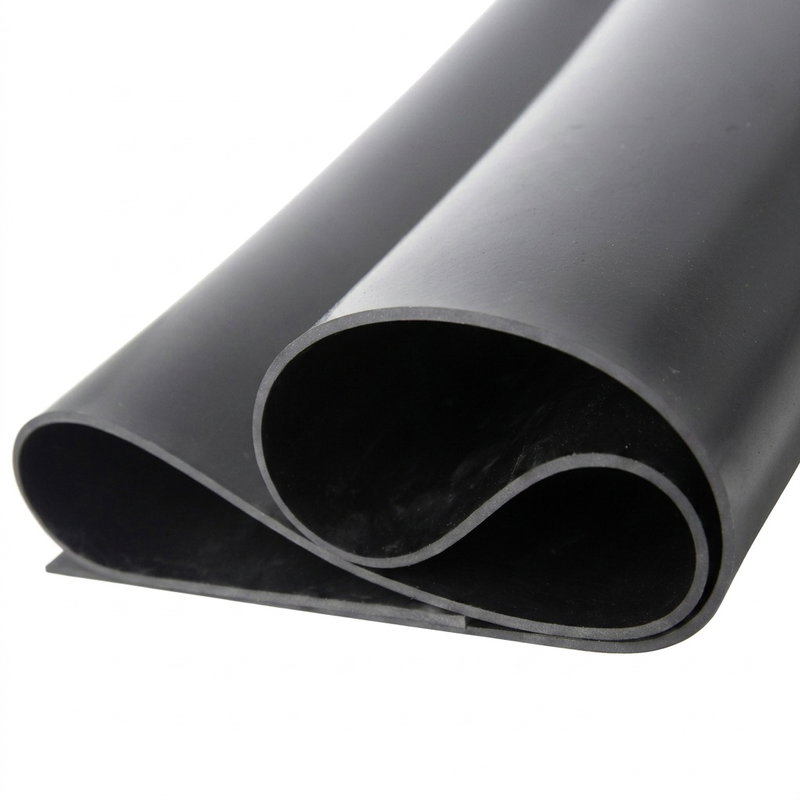
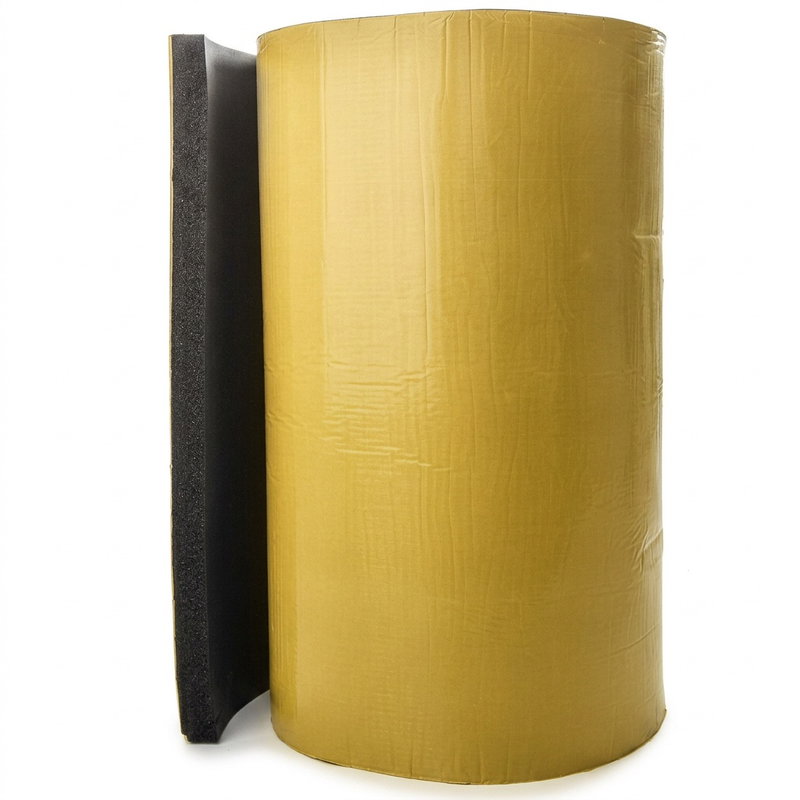
Sound absorption improves the acoustics in a room by reducing reverberation. Sound insulation serves a different purpose—to prevent sound from spreading between rooms, such as between meeting rooms, offices, or conference rooms. Vibration damping is used when sound is generated by vibrations in the building, such as from technical equipment, ventilation, or installations that cause structure-borne noise. In a well-functioning office environment, all three measures are often used in combination.
Common noise problems in office environments
In offices, problems often arise with voices carrying over large areas, phone calls that disrupt concentration, and meeting rooms where sound bounces off hard surfaces. Glass walls, smooth ceilings, and a lack of soft materials amplify reverberation. Sound from adjacent rooms or technical equipment can also negatively impact the work environment if sound insulation is insufficient.
How sound-absorbing solutions work in offices
Sound-absorbing products are placed on strategic surfaces where sound reflections are strongest. By treating both vertical and horizontal surfaces, a more balanced acoustic environment is created.
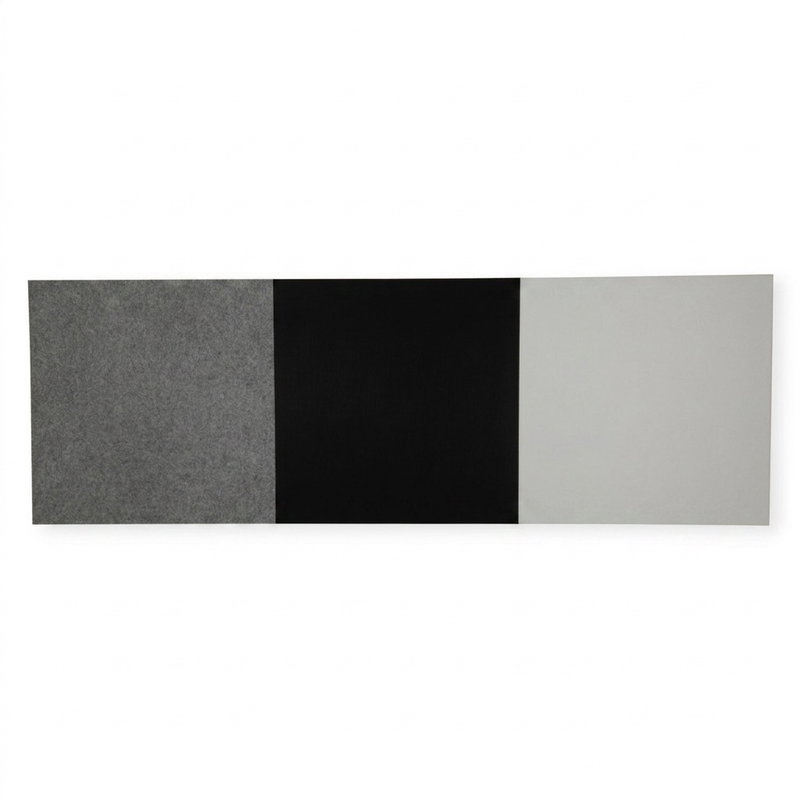
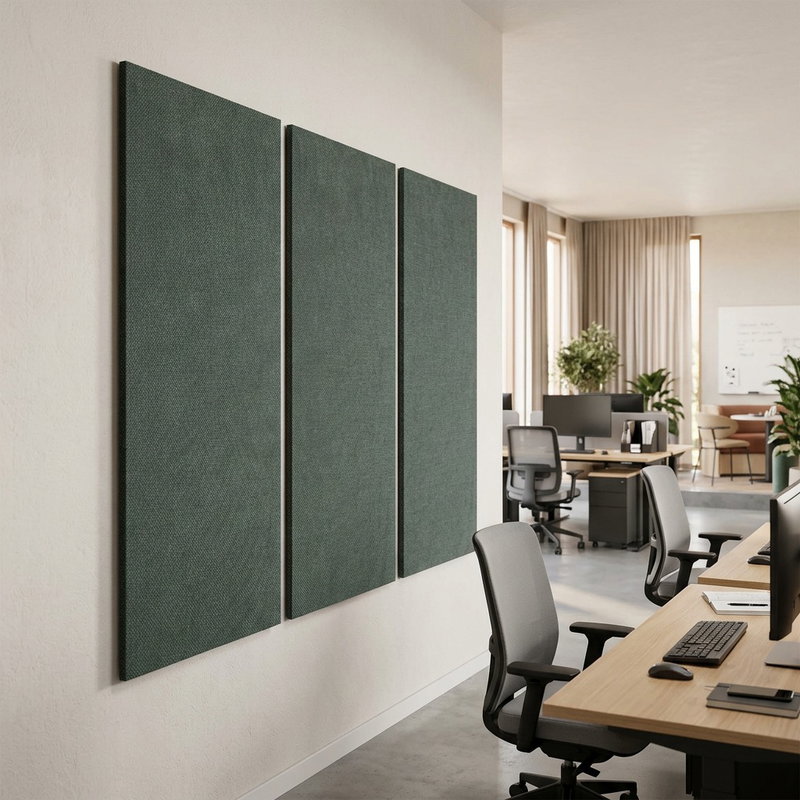
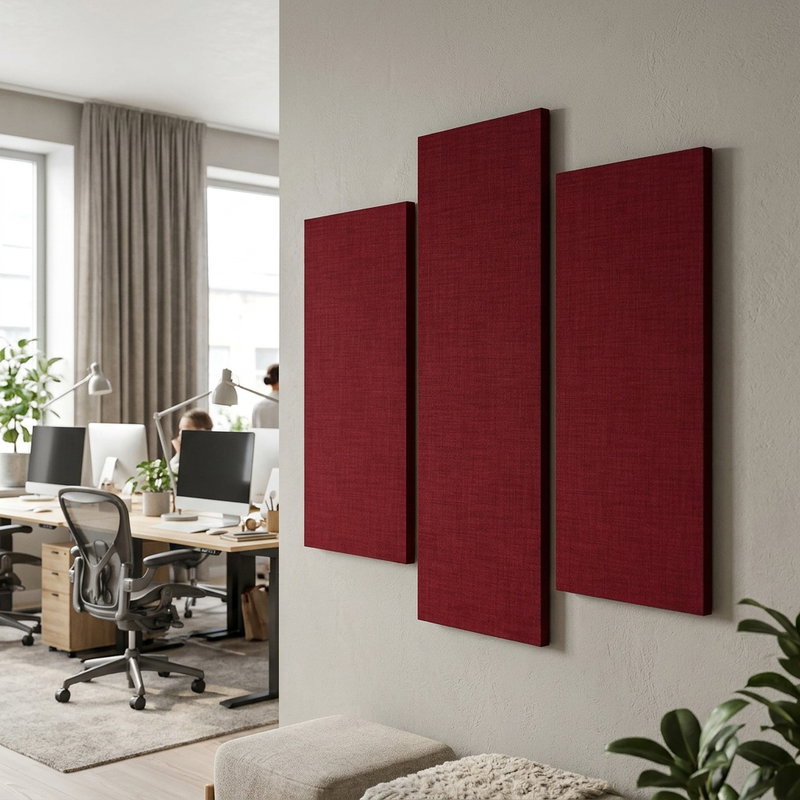
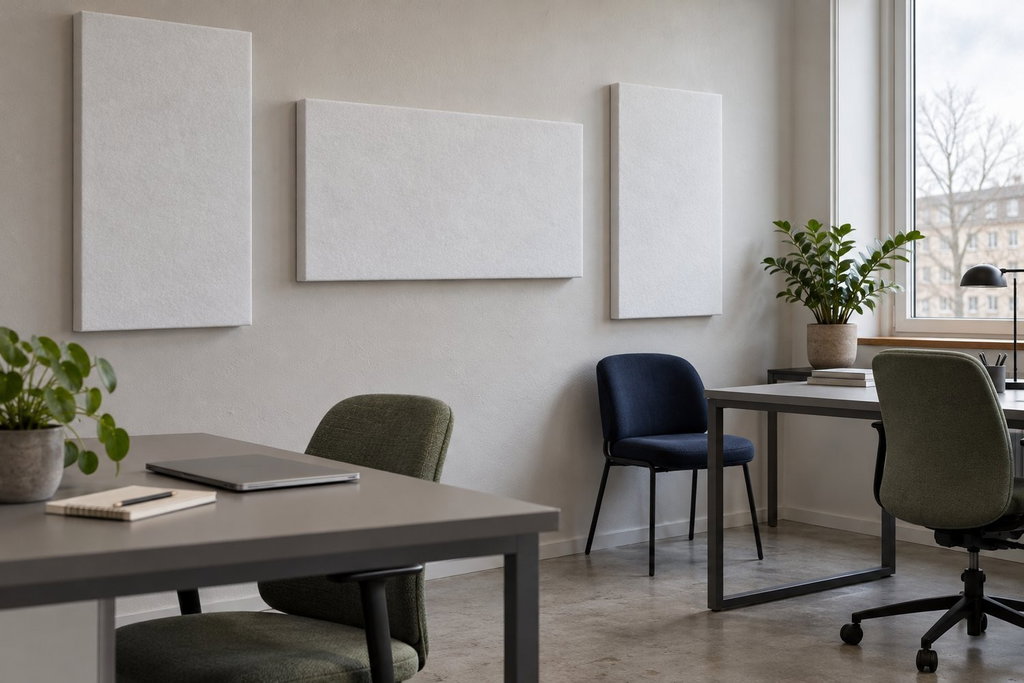
Sound absorption on walls
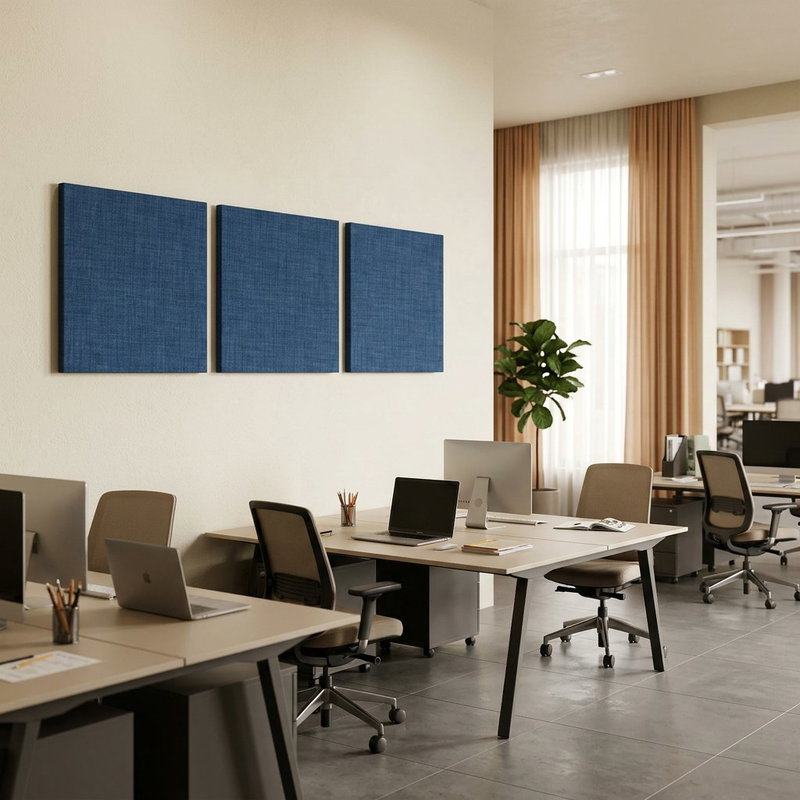
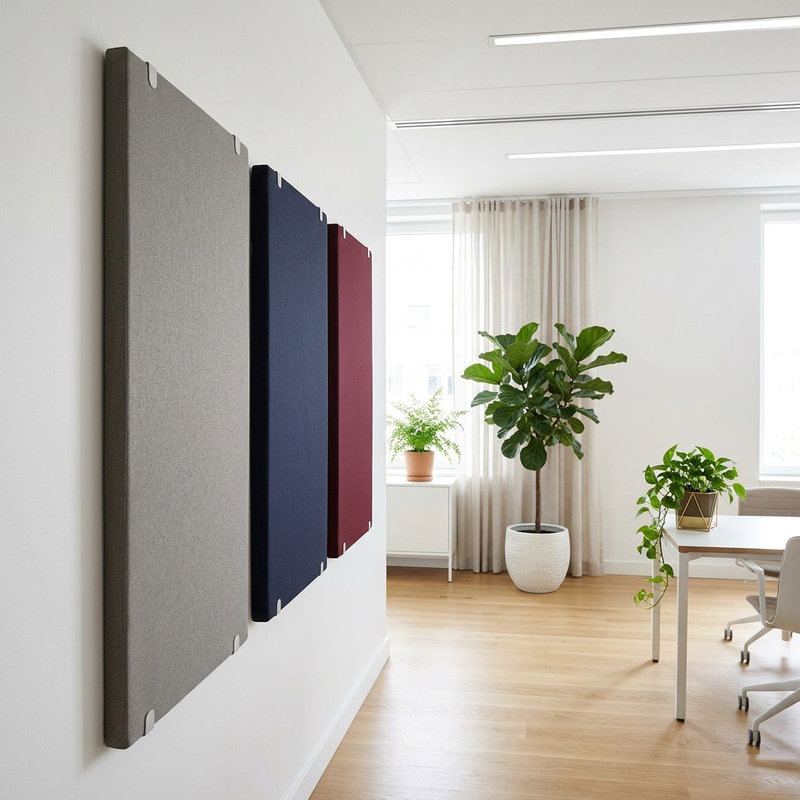
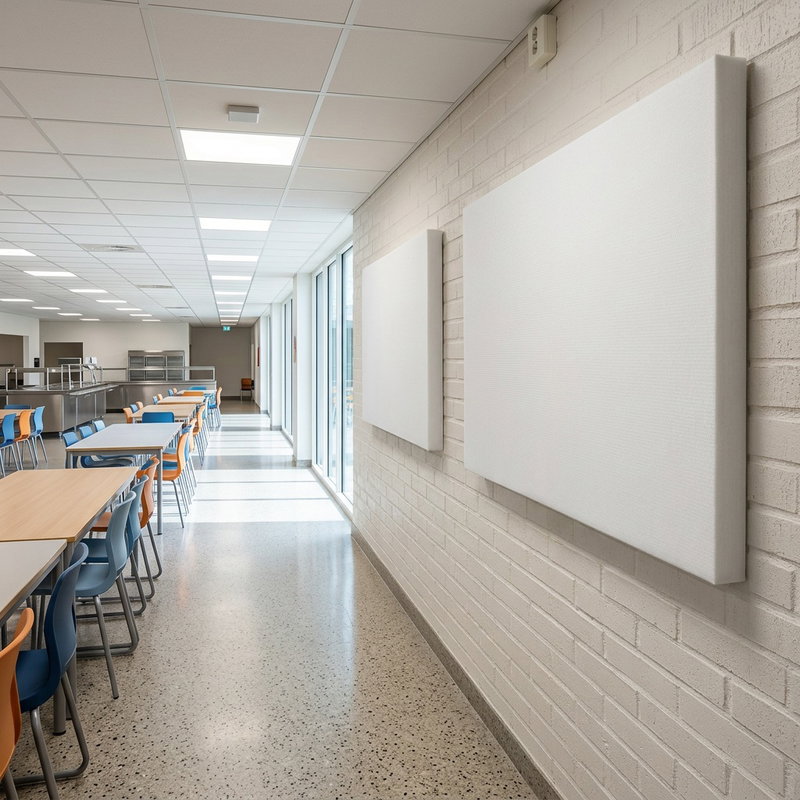
Wall absorbers reduce reflections at ear level and improve speech intelligibility in work and meeting rooms.
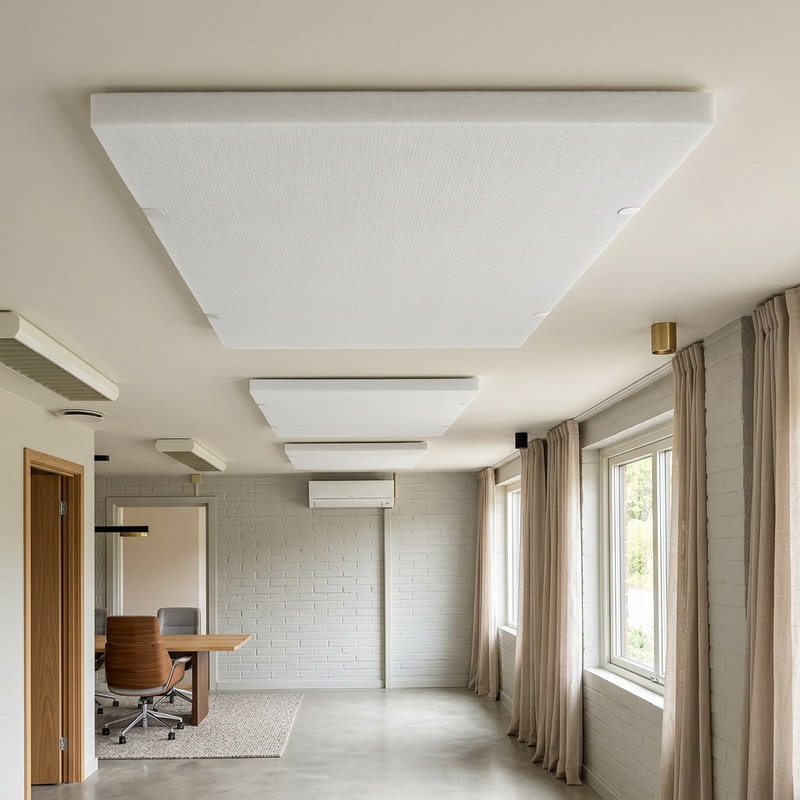
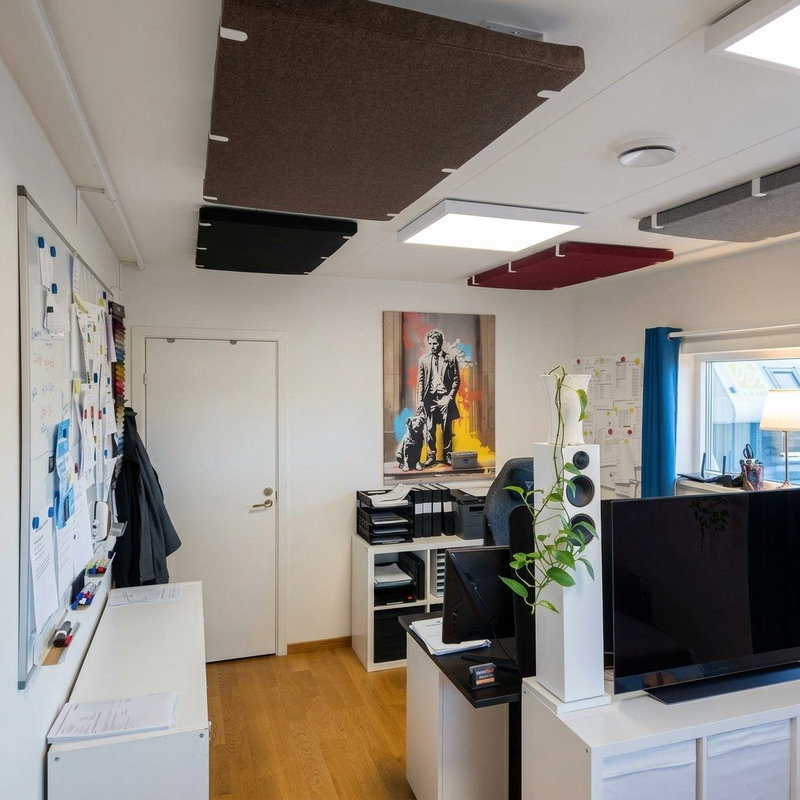
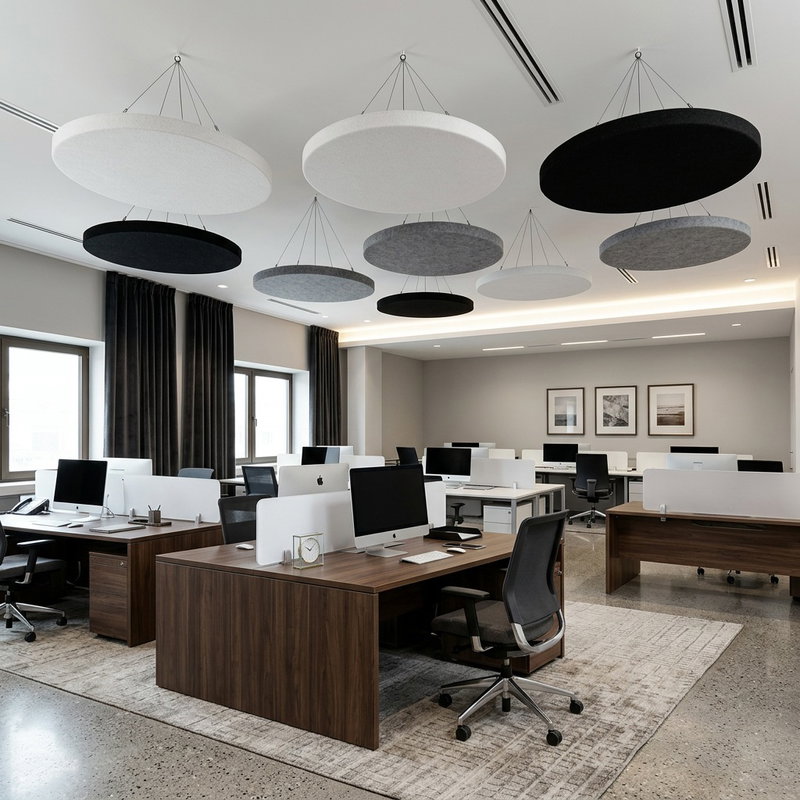
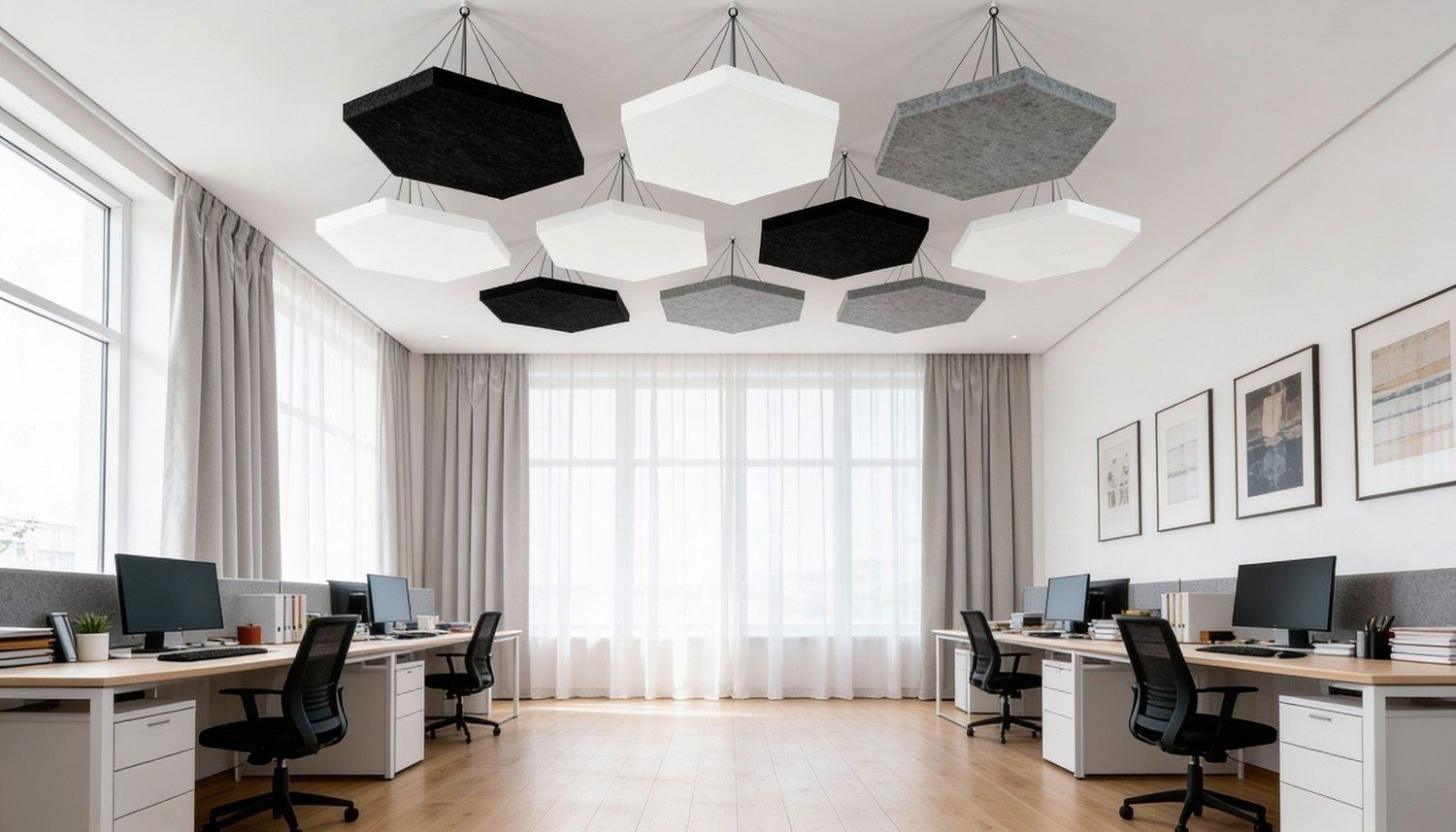
Sound absorption on ceilings
Ceiling absorbers are often the most effective basic measure in open-plan offices and larger spaces.
Sound-absorbing curtains
Curtains reduce reflections from glass partitions and contribute to a softer acoustic environment.
Room dividers with sound-absorbing properties
Room dividers provide both visual privacy and improved acoustics in flexible office solutions.
Why focus on sound in office environments?
A well-designed acoustic environment contributes to better concentration, clearer communication, and reduced stress. Sound absorption provides immediate results without major construction, sound insulation creates privacy where needed, and vibration damping manages disturbances from installations. Together, these measures create an office that supports both individual work and collaboration.
Well-thought-out advice for the best results
The office’s size, layout, and use determine which measures are needed. A common mistake is to focus on just one area or one problem, even though sound often spreads in multiple ways simultaneously. By combining the right measures and distributing them evenly throughout the space, a long-term, functional, and pleasant work environment is created.
Sound absorption, sound insulation, and vibration damping are therefore key tools for creating modern offices where people can work with focus, communicate clearly, and feel comfortable over time.