






















Sound Absorbers and Sound Insulation for Studios – For a Perfect Acoustic Environment
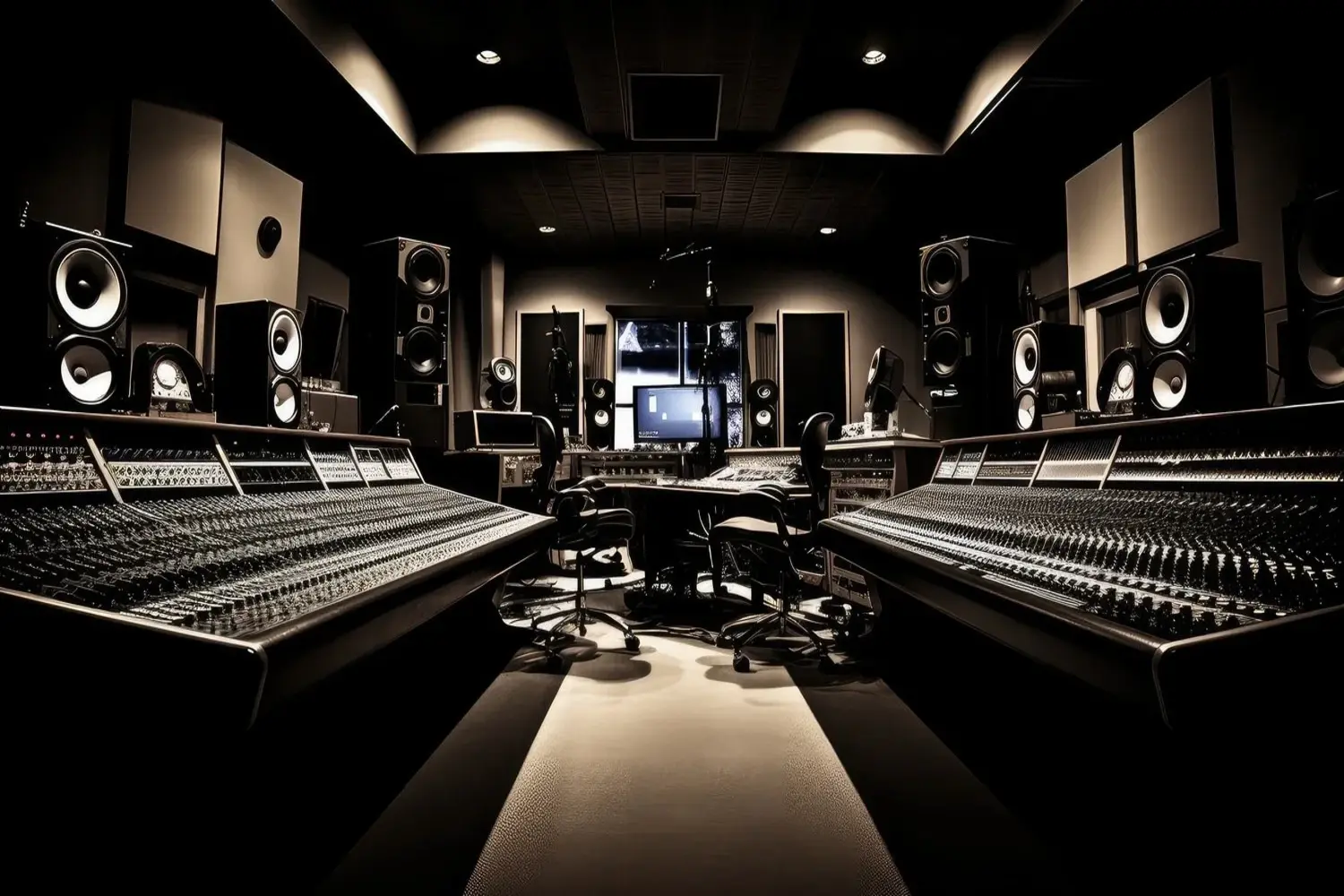
A well-functioning studio places high demands on the acoustic environment. Whether it’s music production, podcasts, film, voice recording, or sound design, control over echo, sound leakage, and vibrations is essential. In studios, it’s crucial to be able to hear details, nuances, and dynamics without being disturbed by reflections within the room or sound entering or escaping it. With the right combination of sound absorption, sound insulation, and vibration damping, you can create a stable and predictable working environment where sound can be accurately assessed.
What is required for a functional studio environment?
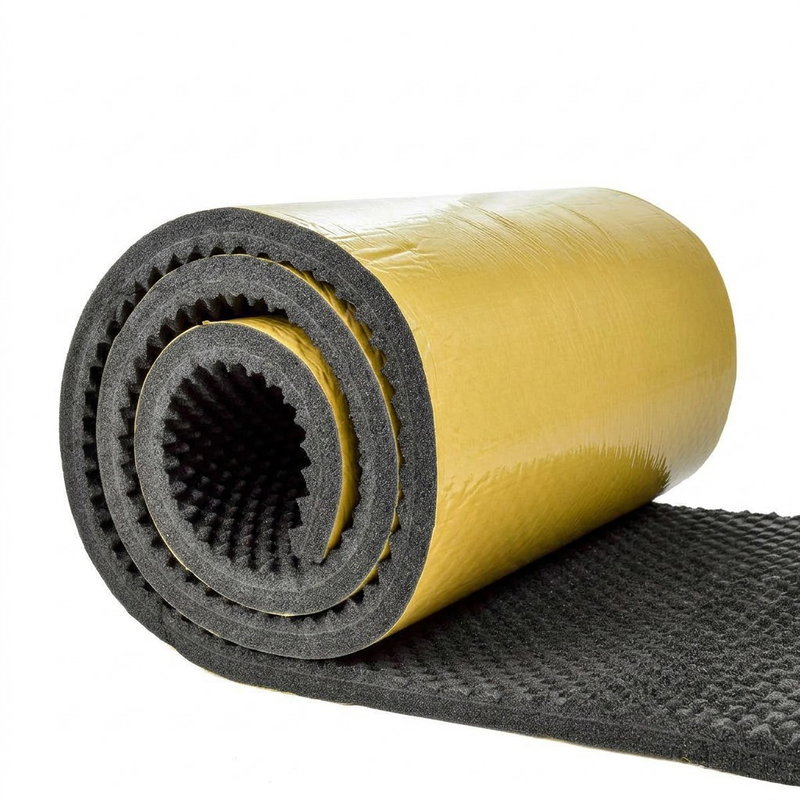
Studios are often affected by several different acoustic problems at the same time. Hard surfaces cause echoes and long reverberation times, thin walls allow sound to pass between rooms, and technical equipment can generate vibrations that travel through the building. Therefore, it is important to distinguish between different types of solutions. Sound absorption is used to reduce reflections and reverberation in the room; sound insulation is used to block sound between rooms; and vibration damping is used to reduce structure-borne noise from machinery and installations.
Sound absorption—reduces echoes and improves acoustics
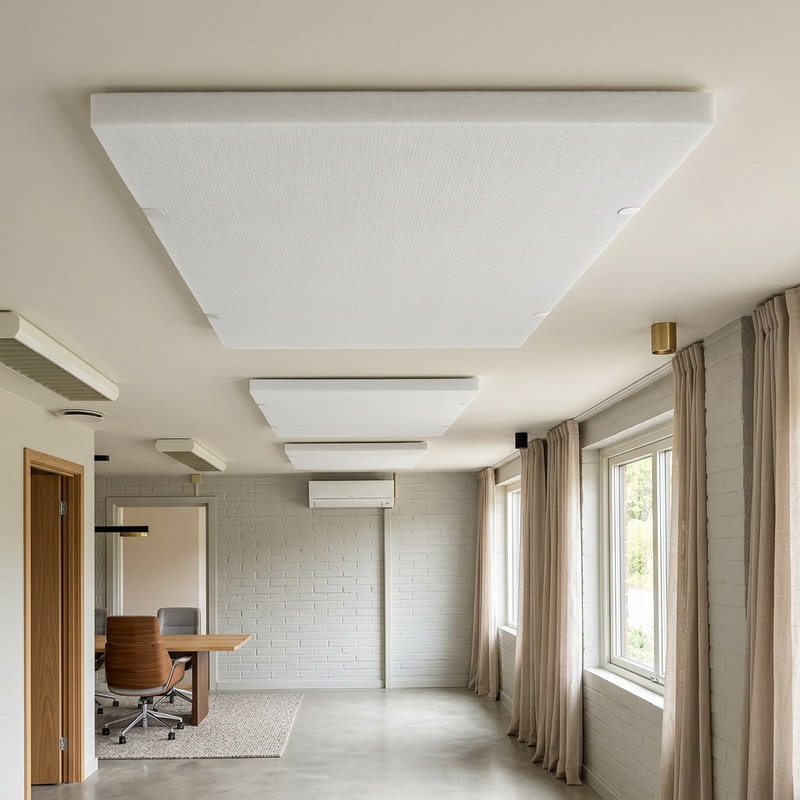
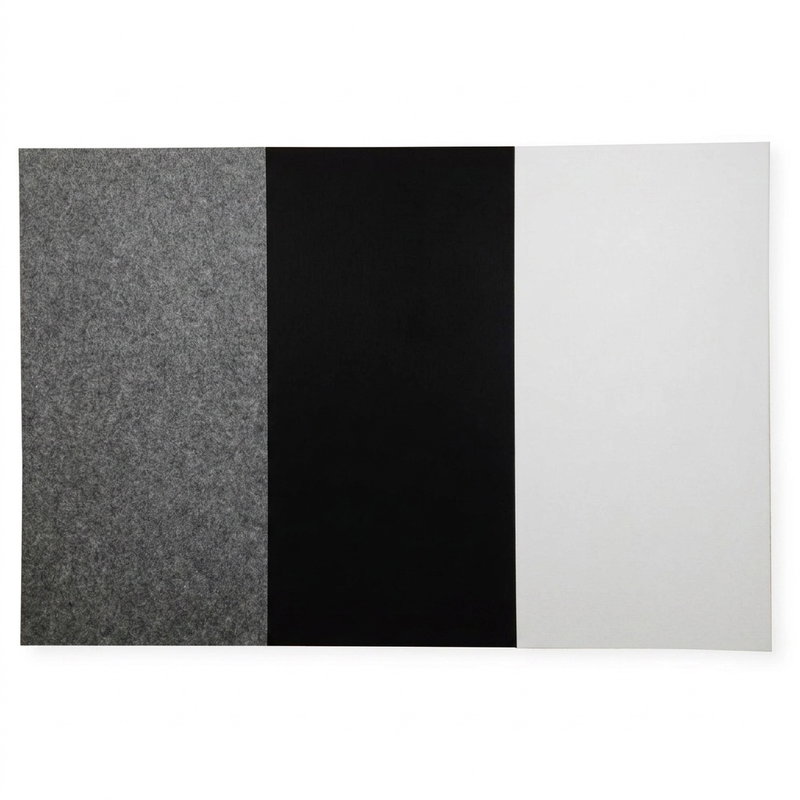
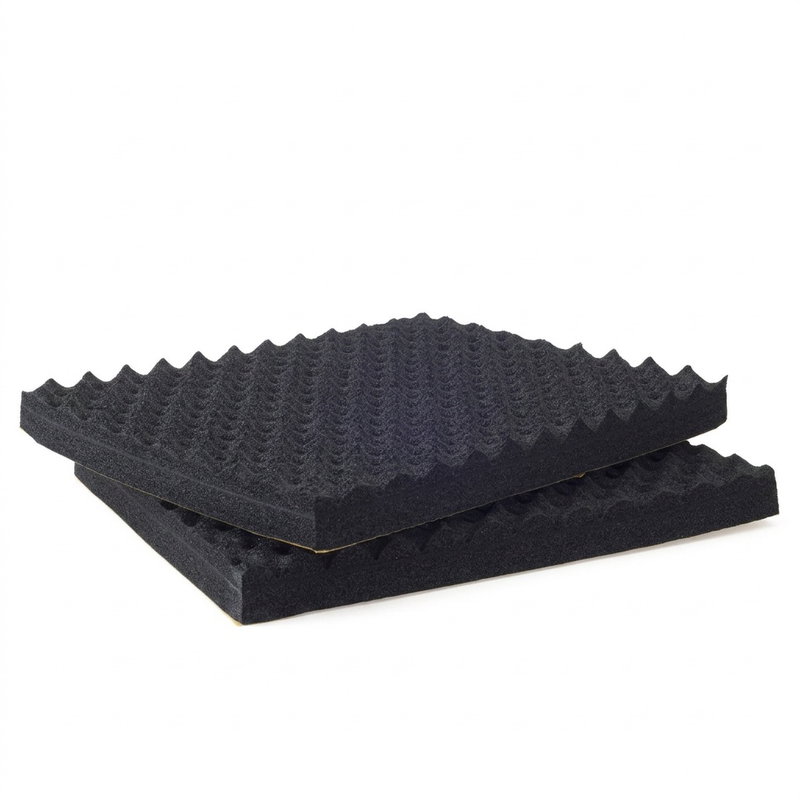
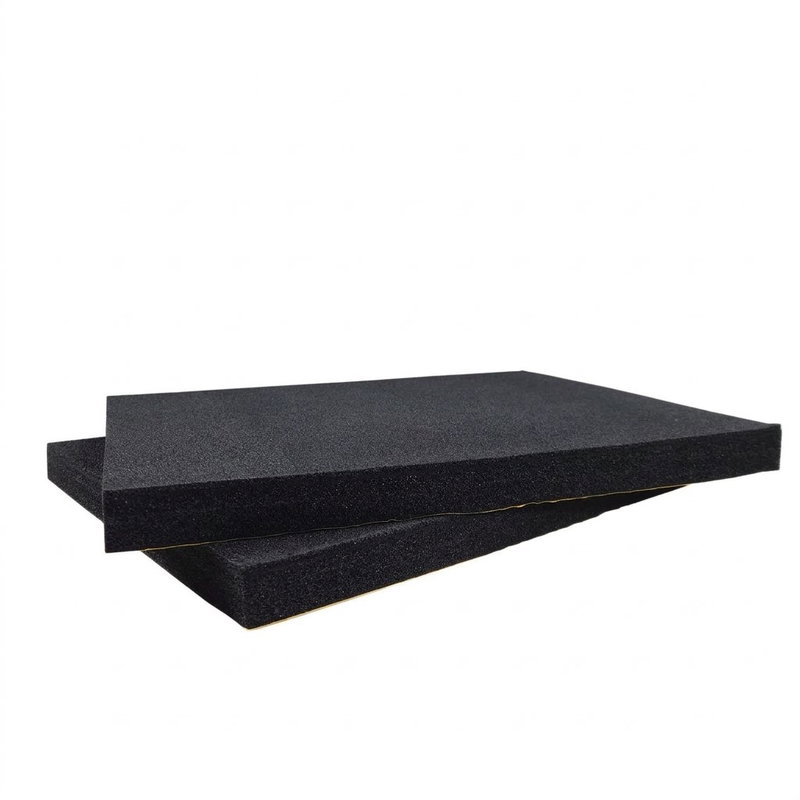
Sound absorption is the foundation of most studios. When sound waves bounce off walls, ceilings, and floors, reflections occur that impair the clarity and balance of the sound image. Sound-absorbing solutions on walls and ceilings shorten the reverberation time, providing better control during recording, mixing, and mastering.
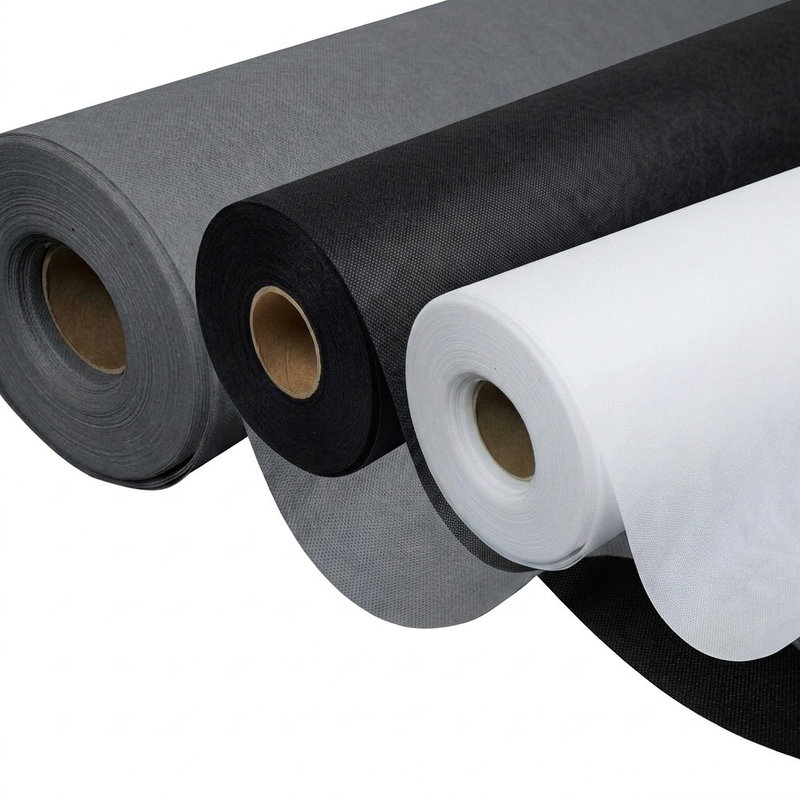
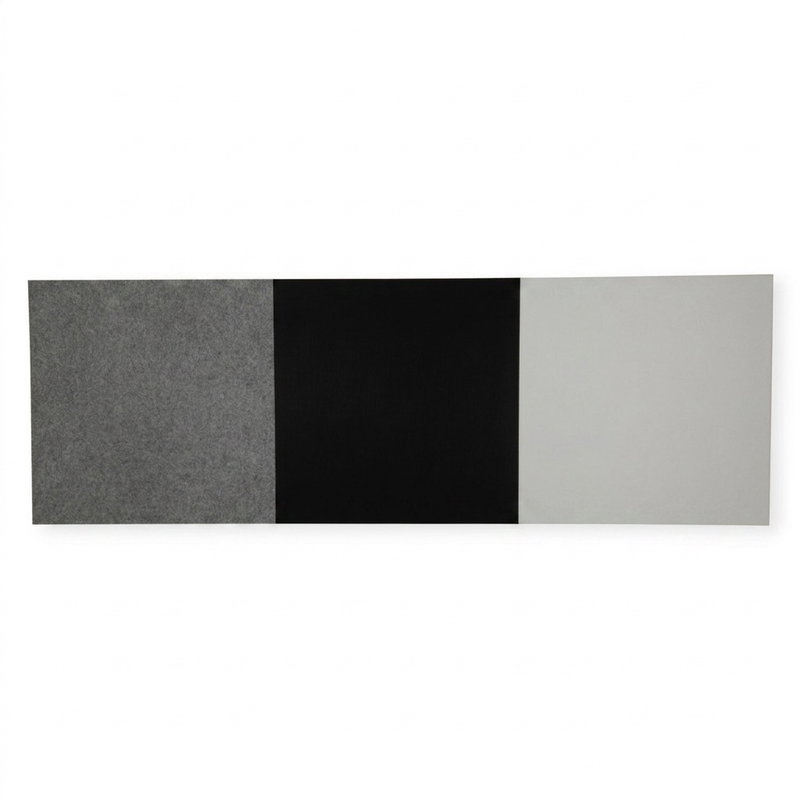
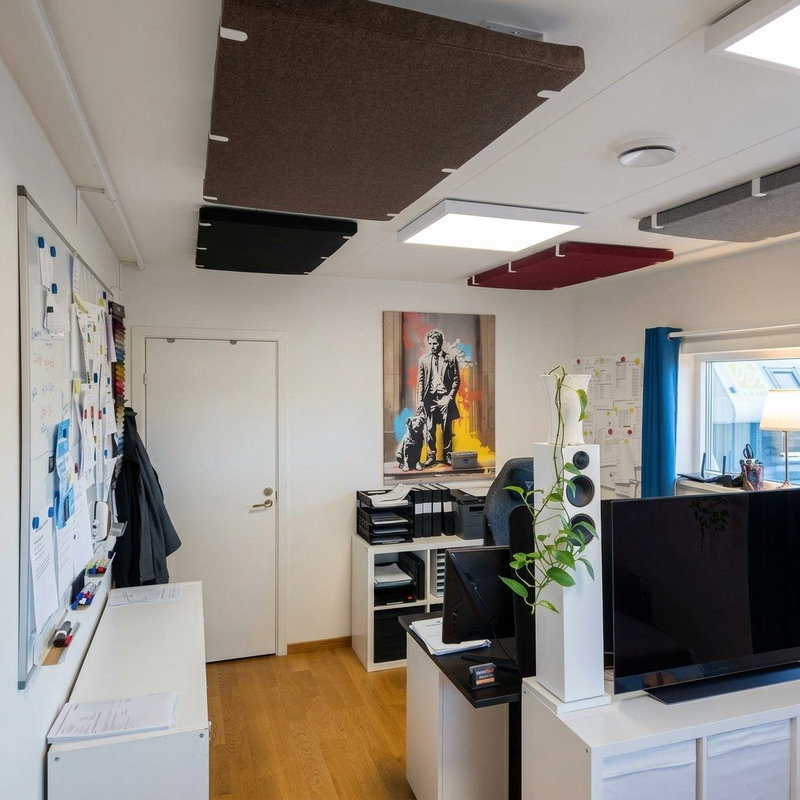
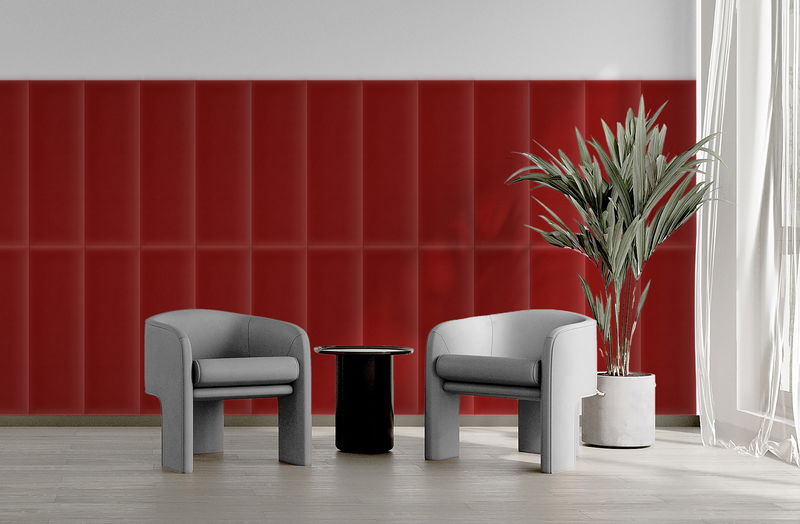
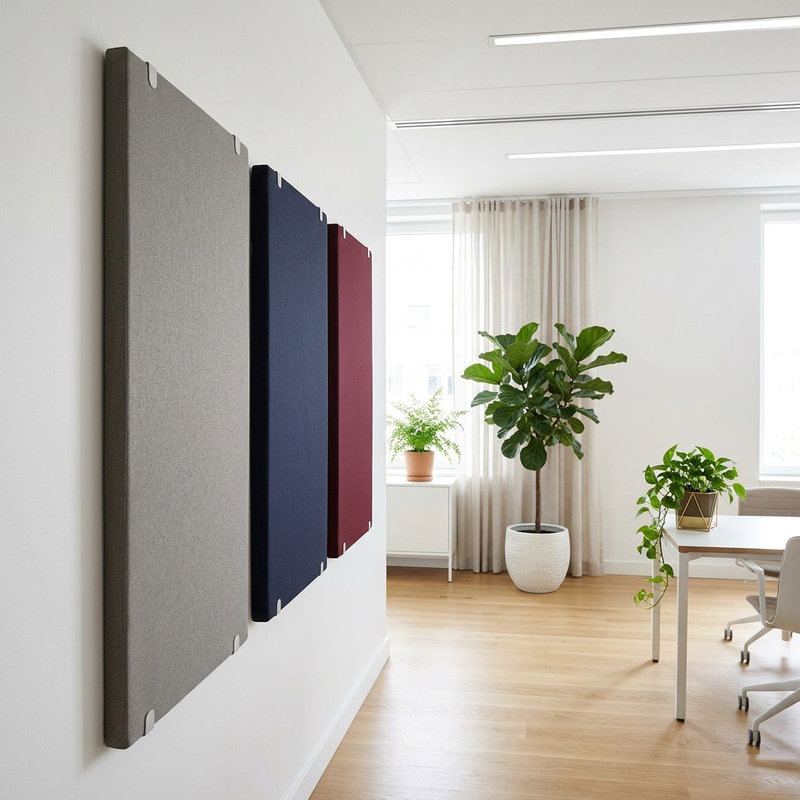
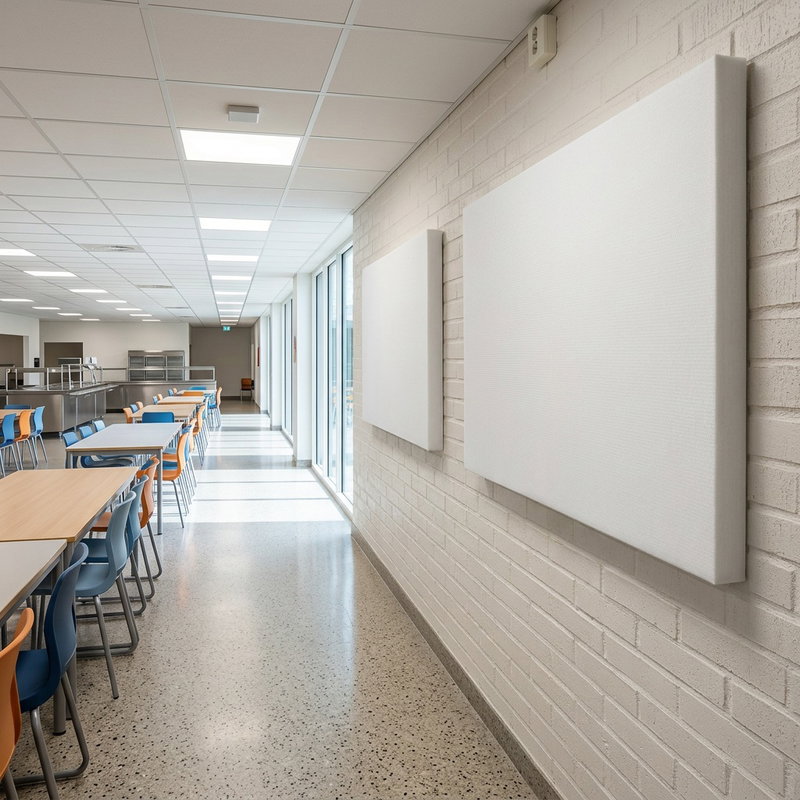
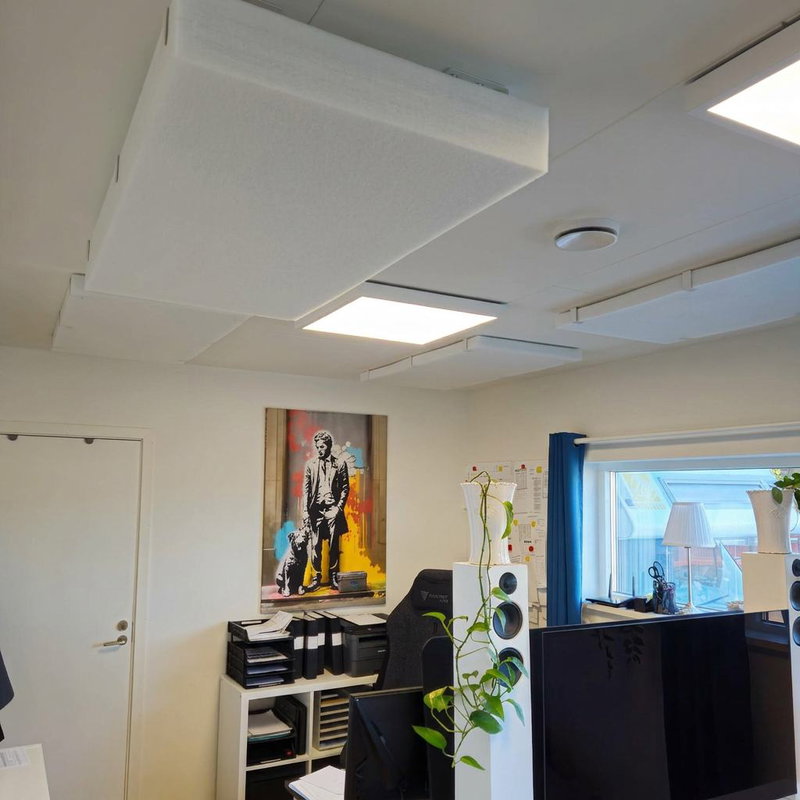
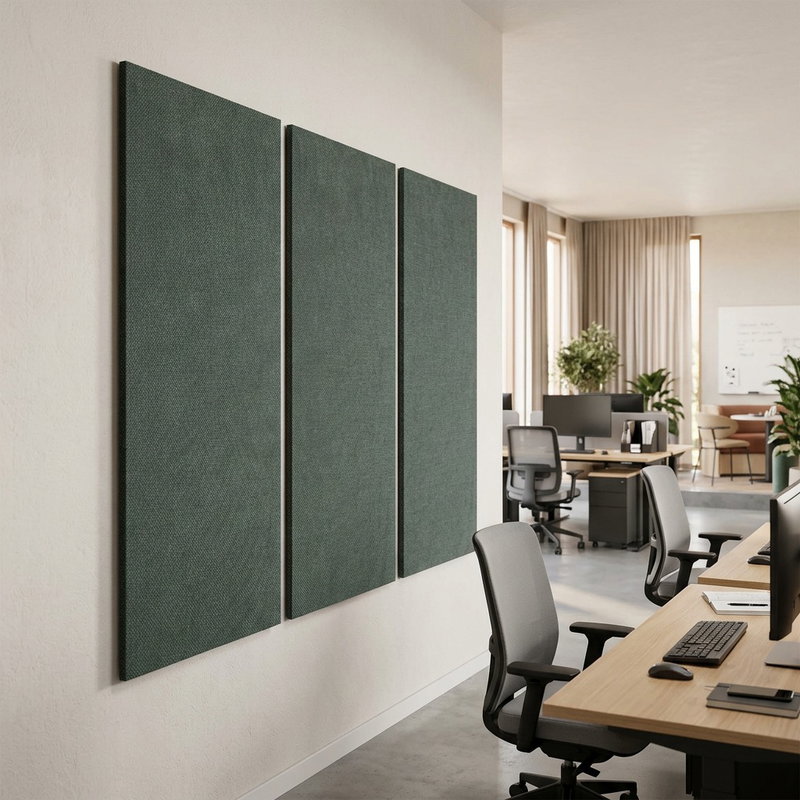
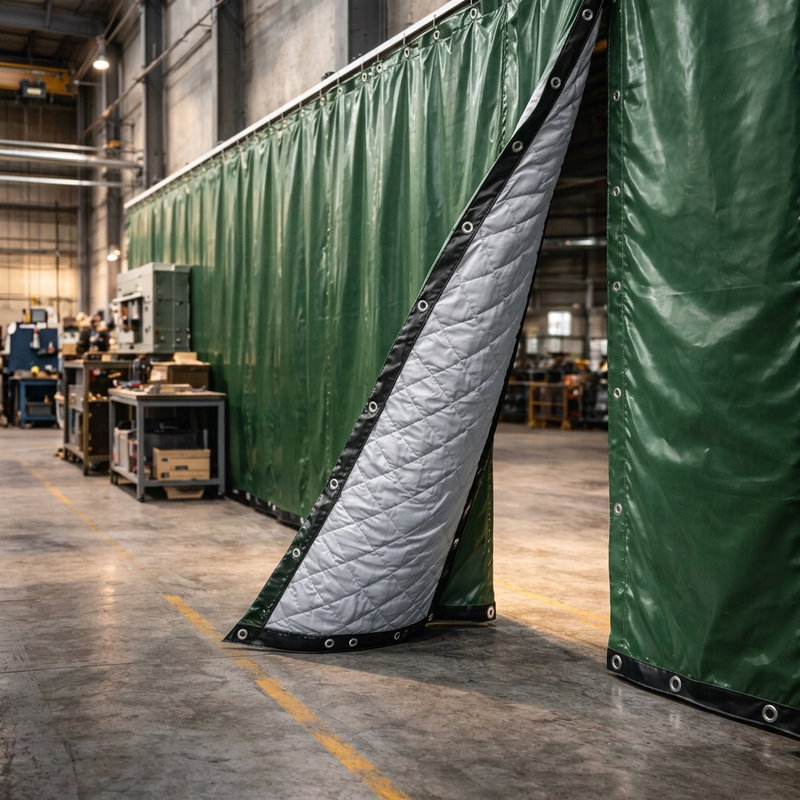
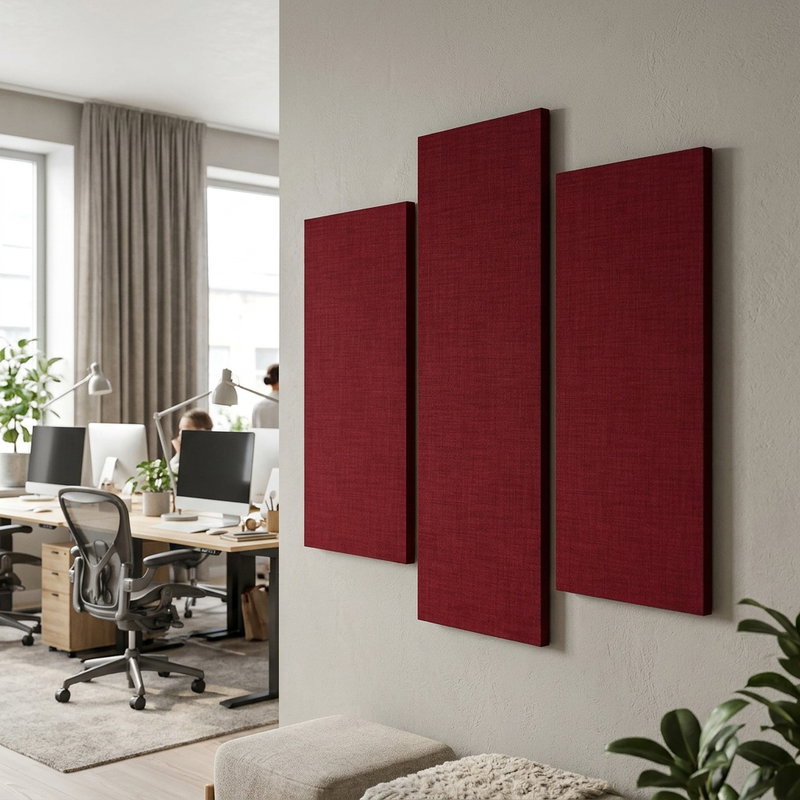
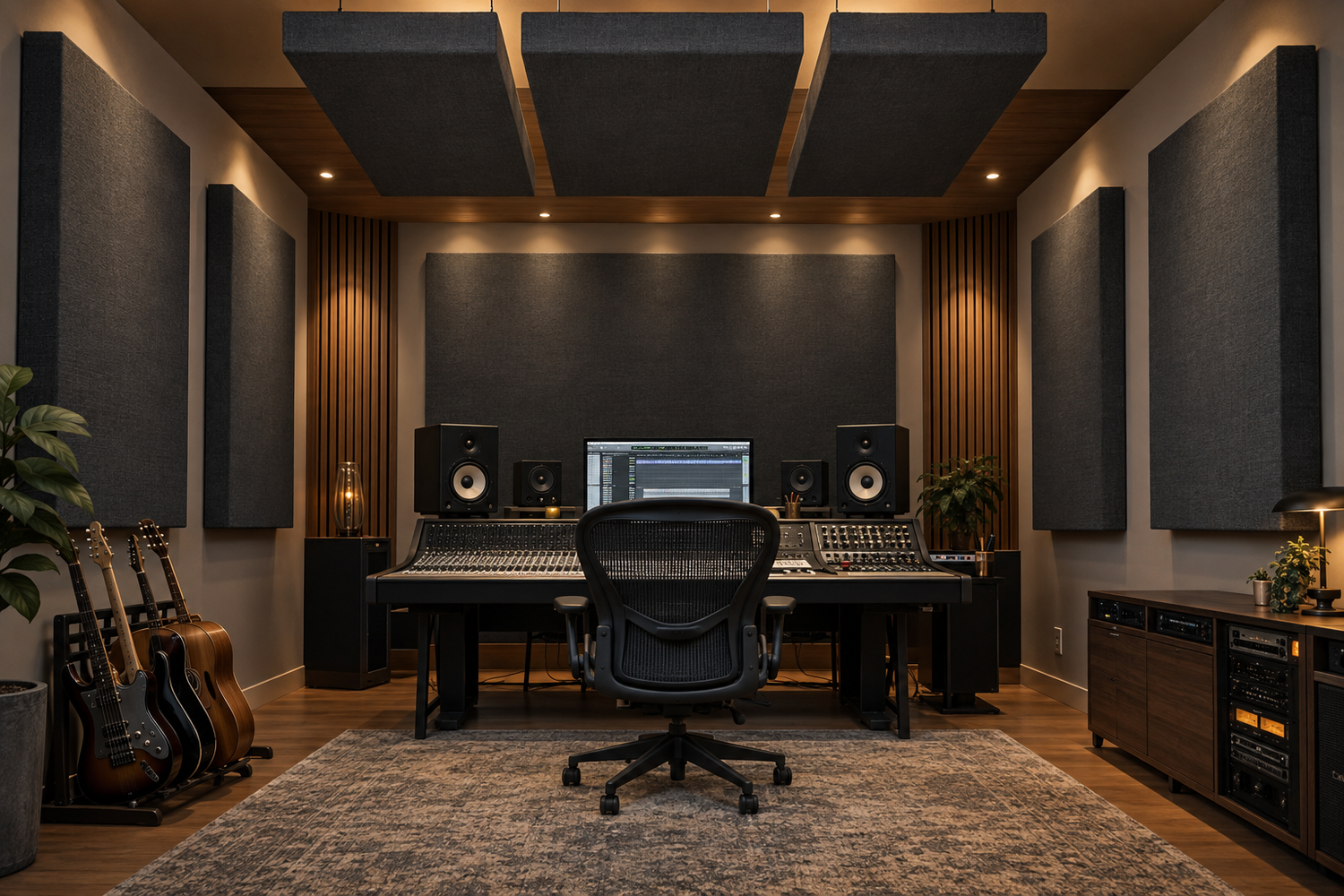
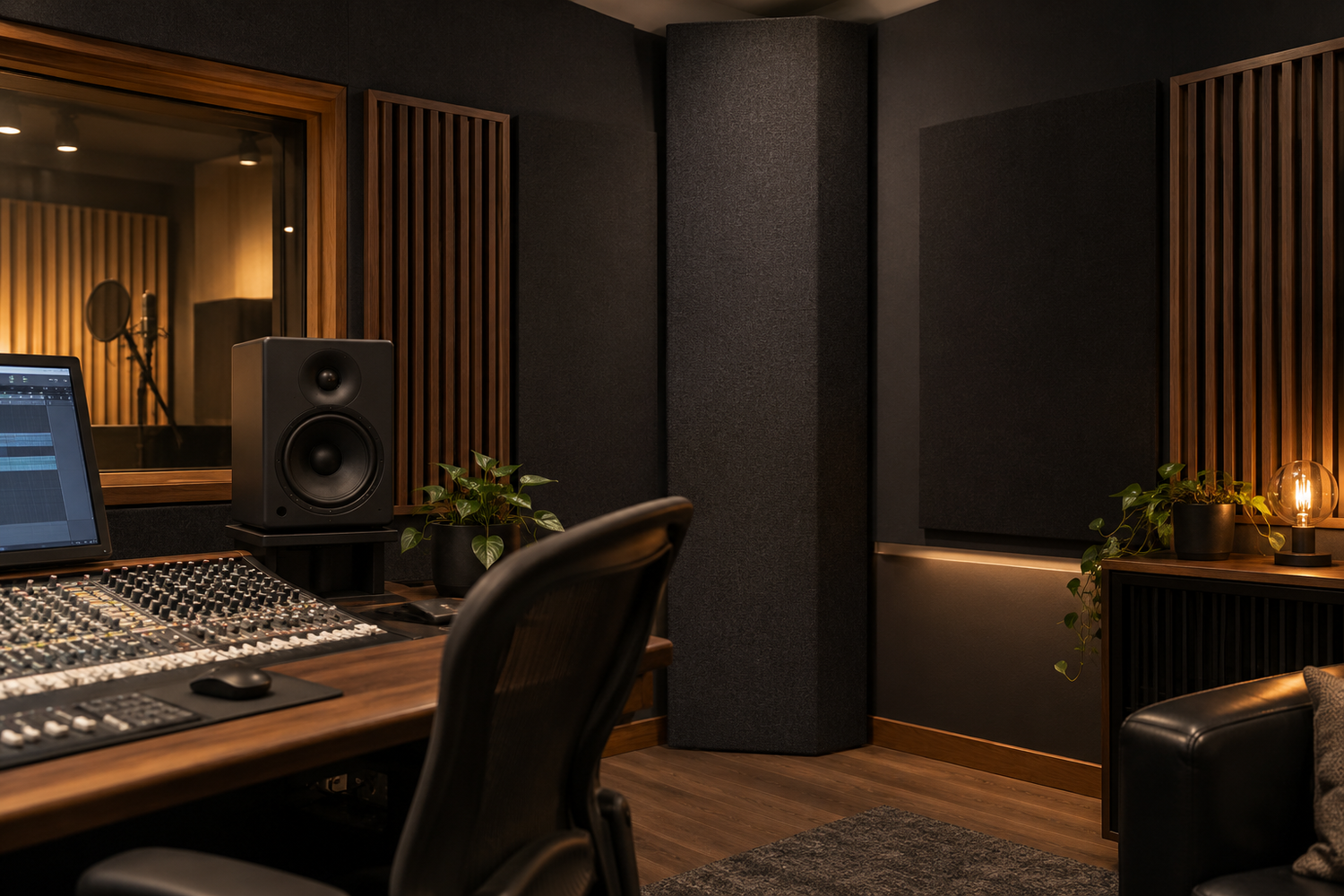
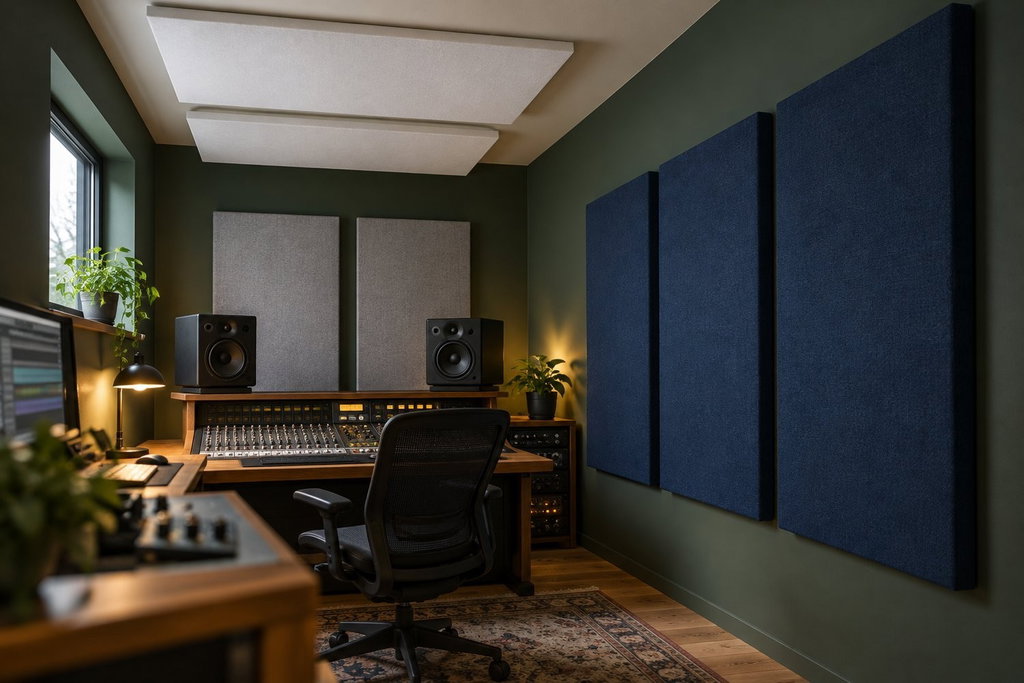
Studios often use a combination of ceiling absorbers, wall absorbers, curtains, and room dividers. Wall absorbers at ear level improve speech and listening clarity, while ceiling absorbers handle early reflections. Curtains can dampen reflections from glass surfaces, and room dividers are used to create zones or temporary recording spaces.
Sound insulation – blocks sound between rooms
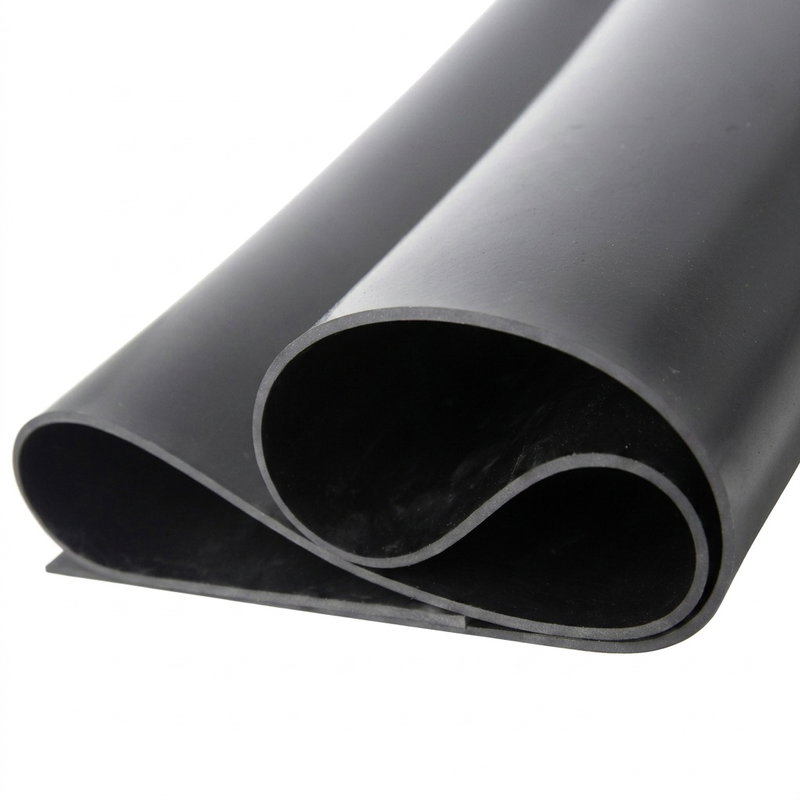
Sound insulation is crucial in studios where sound must not leak into adjacent rooms or the surrounding area. This applies to both high sound levels from recording sessions and sensitive recordings that must not be disturbed by external noise. Sound insulation involves limiting the spread of sound through walls, floors, ceilings, doors, and windows.
In studio environments, doors and windows are often the weakest points, followed by floors and ceilings between stories. Machinery and technical equipment can also contribute to sound transmission if not handled properly. By tailoring the insulation to the specific building component, better isolation and control are achieved.
Vibration damping – reduces structure-borne noise and interference
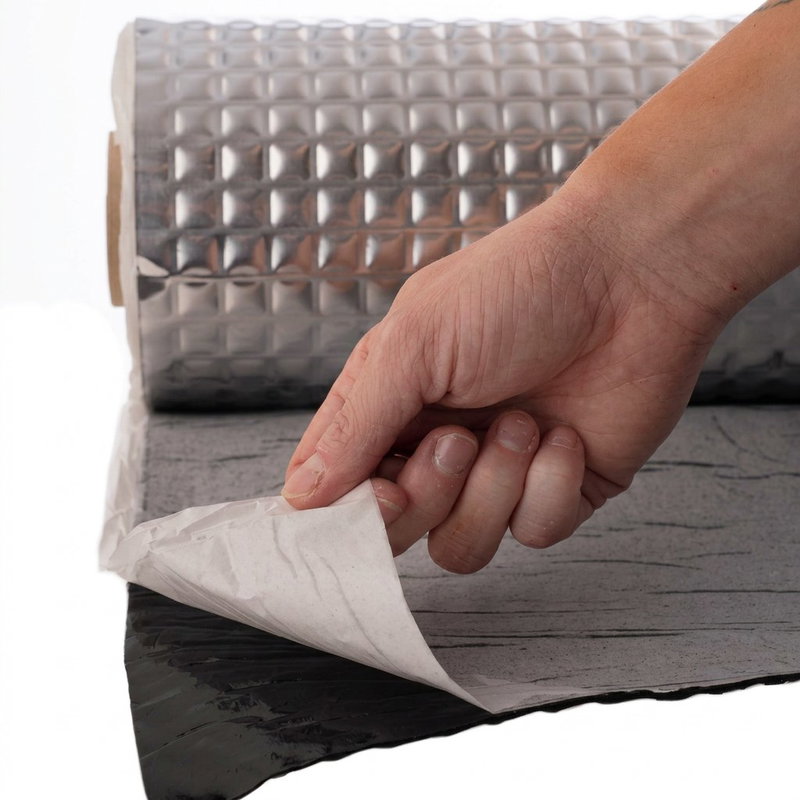
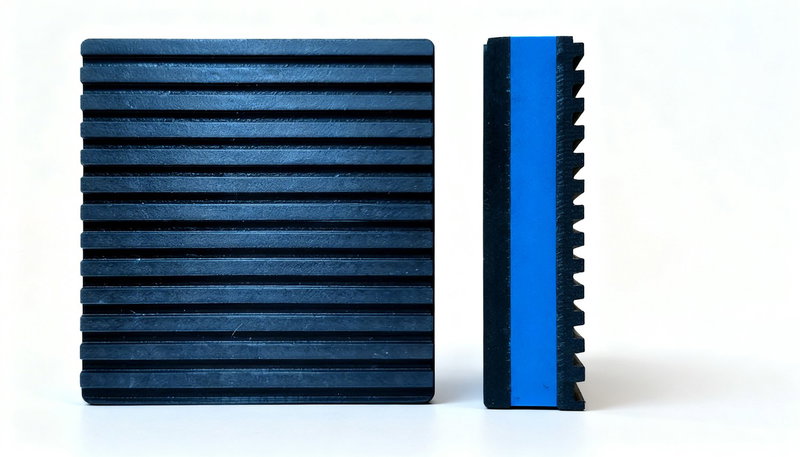
Vibrations from equipment, speakers, subwoofers, or installations can travel through floors, walls, and ceilings and be perceived as disruptive hum or resonance. Vibration damping is used to reduce this mechanical transmission and is particularly important in studios with powerful bass or technical equipment in continuous operation.
Common measures include vibration damping for floors, machinery, and wall and ceiling mountings. This complements sound insulation and sound absorption and contributes to a more stable and reliable acoustic environment.
Well-Thought-Out Solutions for Studios
A functional studio environment is rarely achieved with a single measure. By combining sound absorption for acoustic control, sound insulation for privacy, and vibration damping to reduce structure-borne noise, a balanced whole is created. The result is a studio where sound is experienced clearly, consistently, and professionally—whether the room is used for recording, production, or creative work.
Sound absorbers and sound insulation for studios are therefore a fundamental investment for anyone who wants to work seriously with sound and create an environment where every detail is heard as it should be.