

























Sound Absorption and Sound Insulation for Restaurants
In restaurants, the acoustic environment plays a crucial role in both the guest experience and the work environment. Conversations, the clinking of dishes, movement, kitchen sounds, and background music often interact in spaces with hard surfaces, leading to echoes, prolonged reverberation, and a generally high noise level. To create a pleasant and functional restaurant environment, the right combination of sound absorption, sound insulation, and, if necessary, vibration damping is required.
The difference between sound absorption, sound insulation, and vibration damping
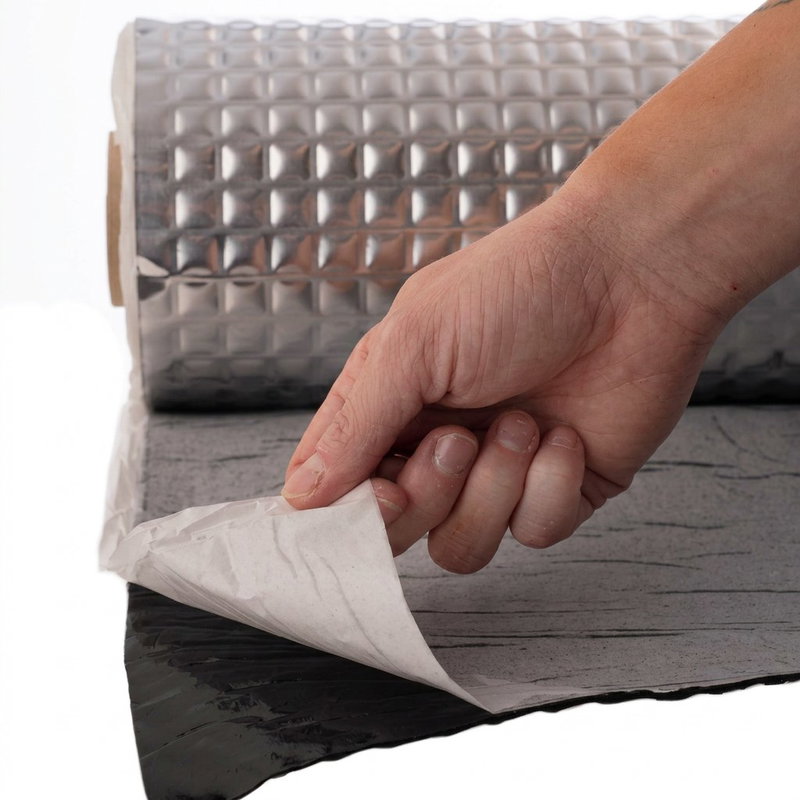
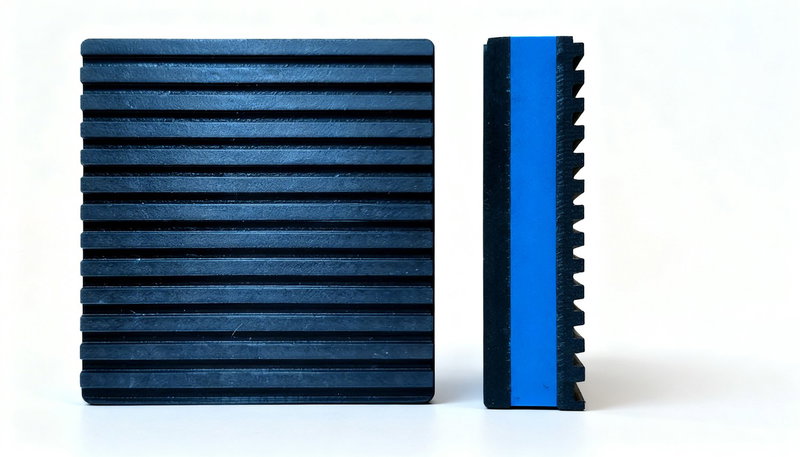
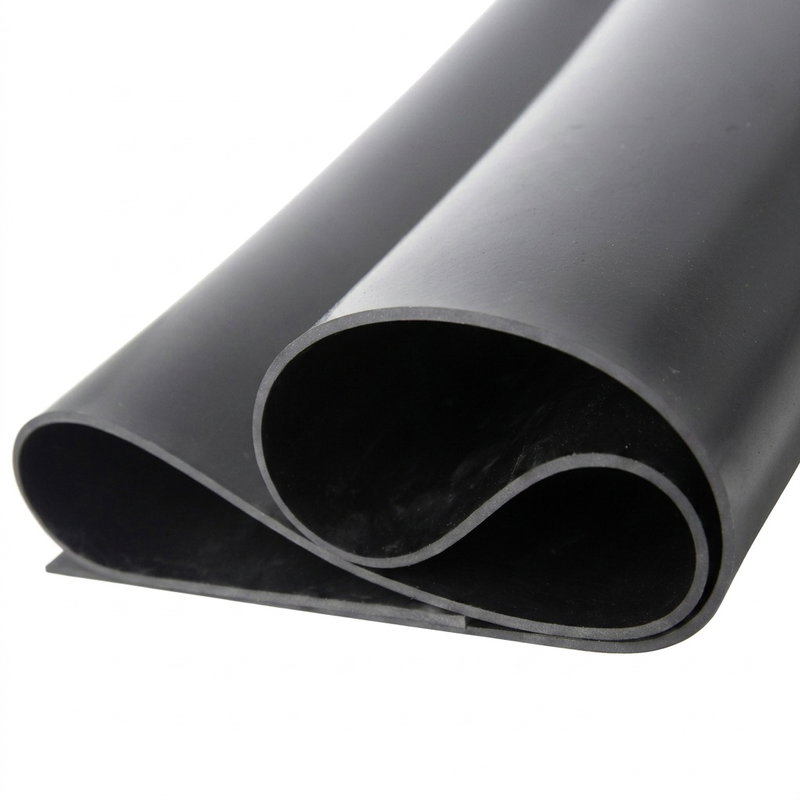
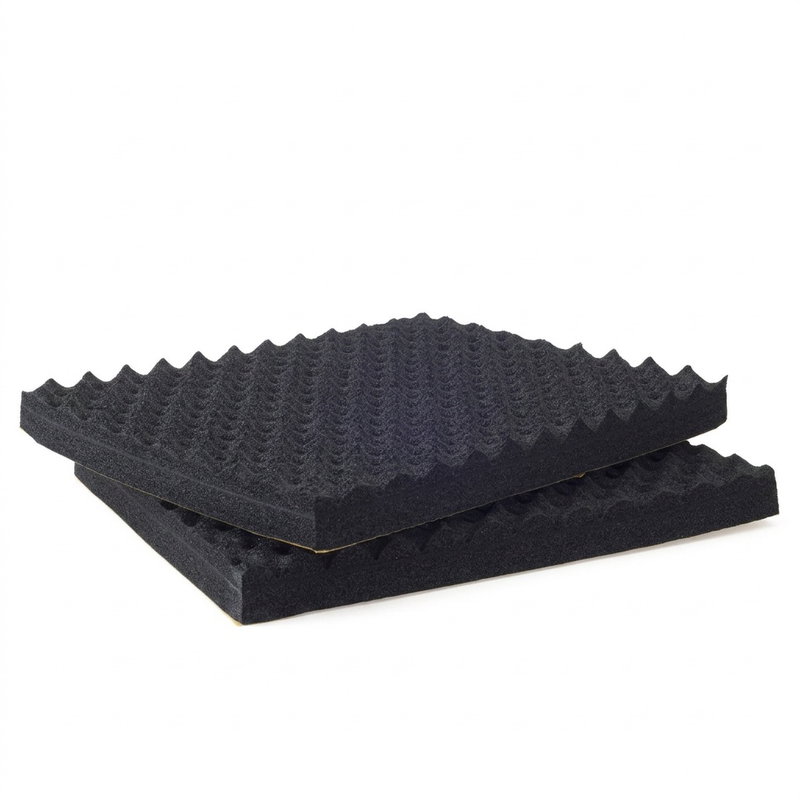
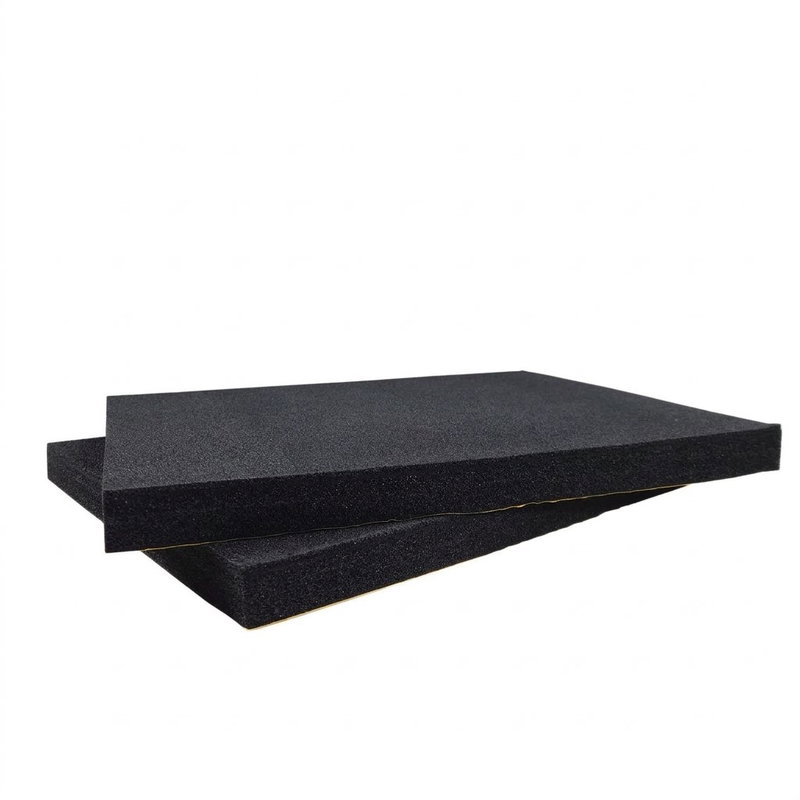
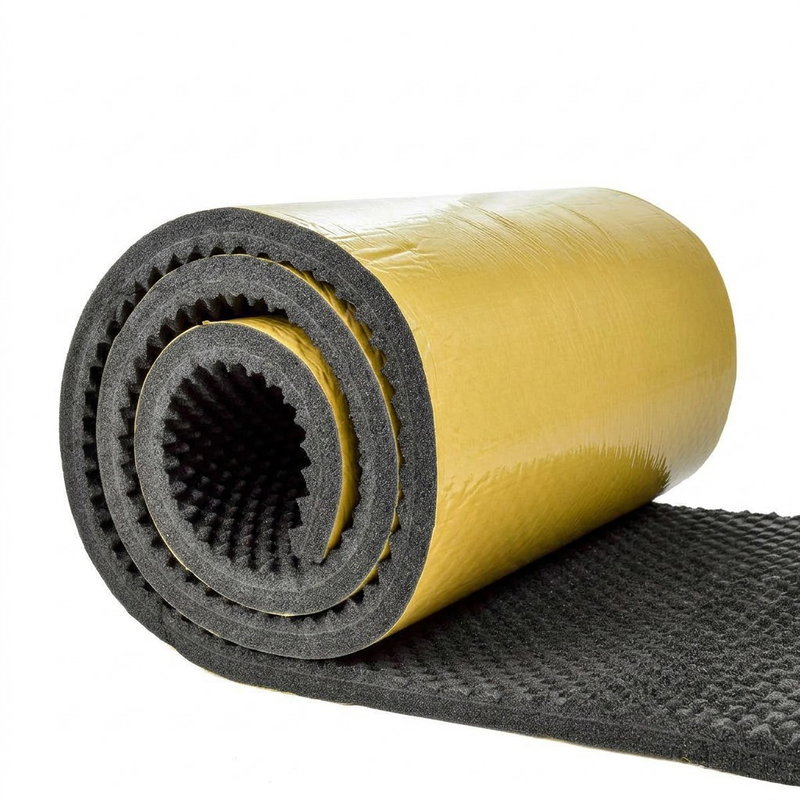
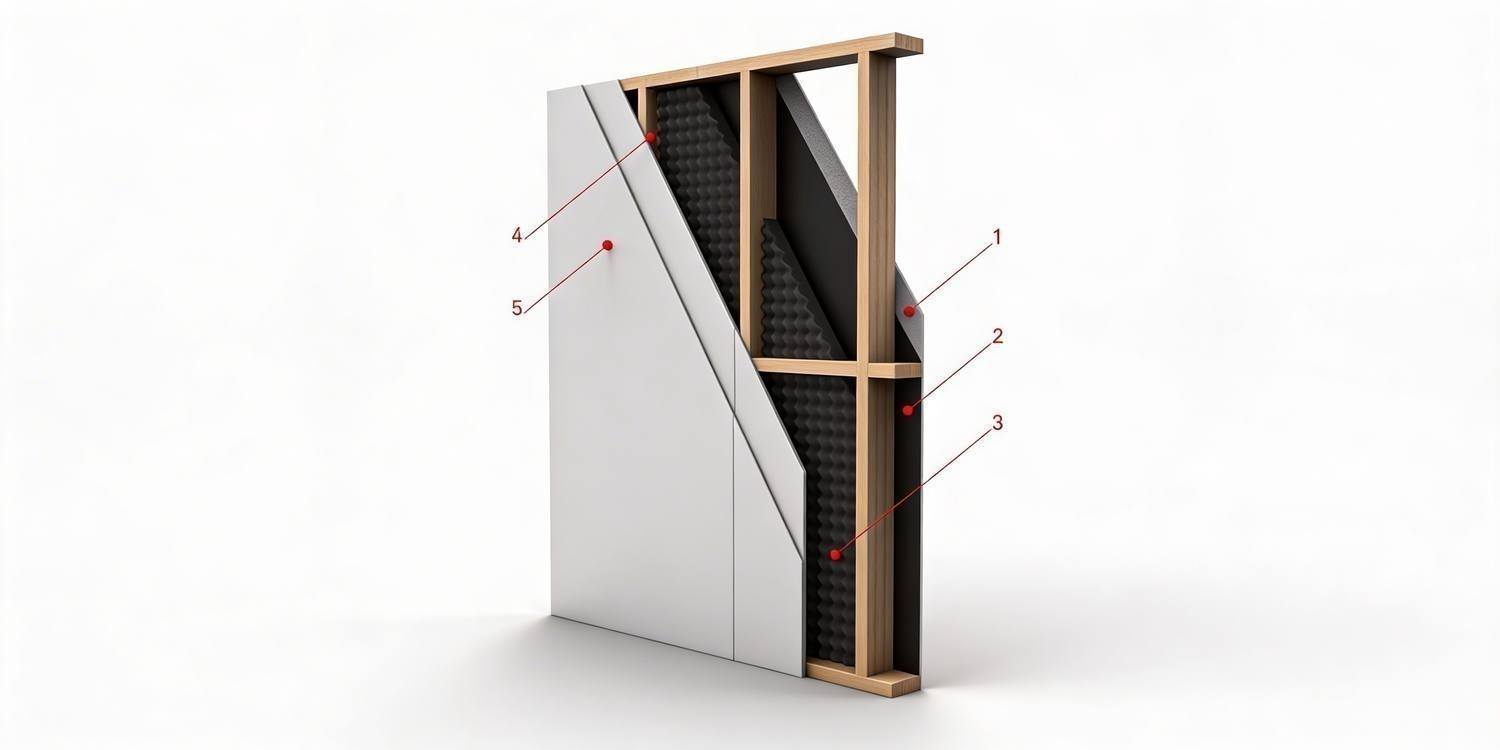
Sound absorption is used to reduce echoes and reverberation in a room. By adding absorbent surfaces, sound waves are captured, resulting in lower noise levels and better speech intelligibility in dining rooms and service areas. Sound insulation, on the other hand, is intended to block sound between different rooms, such as between the dining room and the kitchen, bar, restrooms, or adjacent spaces. Vibration damping is used when sound is transmitted through the building’s structure—for example, from machinery, fans, or technical equipment—and reduces structure-borne noise.
Common Acoustic Problems in Restaurant Environments
Restaurants are often characterized by large open spaces, high ceilings, and materials such as glass, concrete, and tile. This creates conditions for strong sound reflections and long reverberation. The result is that guests must raise their voices to be heard, which further increases the noise level. In kitchens and food preparation areas, noise also arises from machinery, fans, and work processes, which can spread to dining areas if sound insulation is insufficient.
How sound-absorbing solutions are used in restaurants
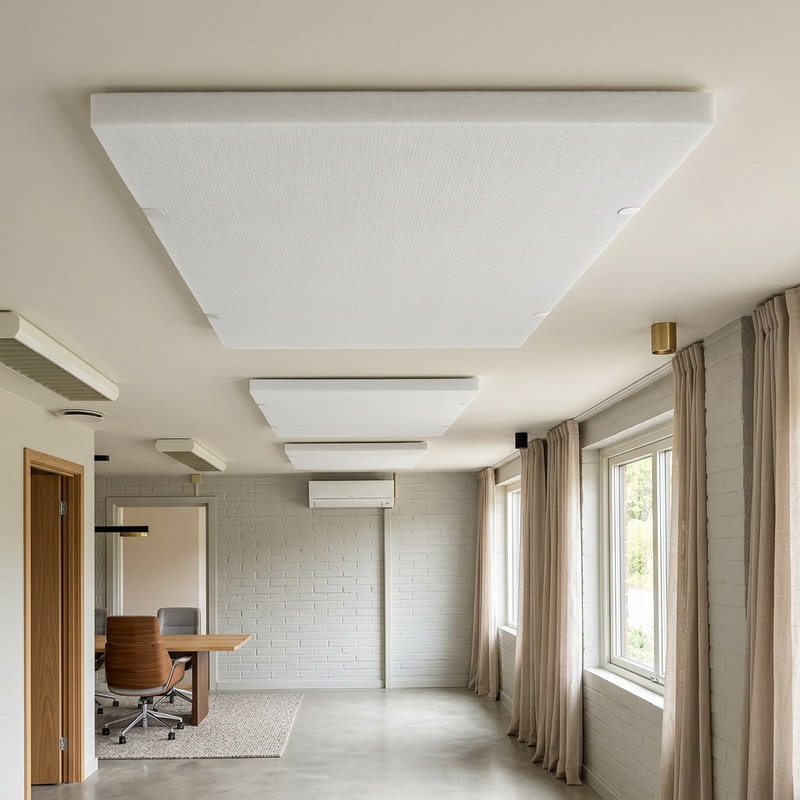
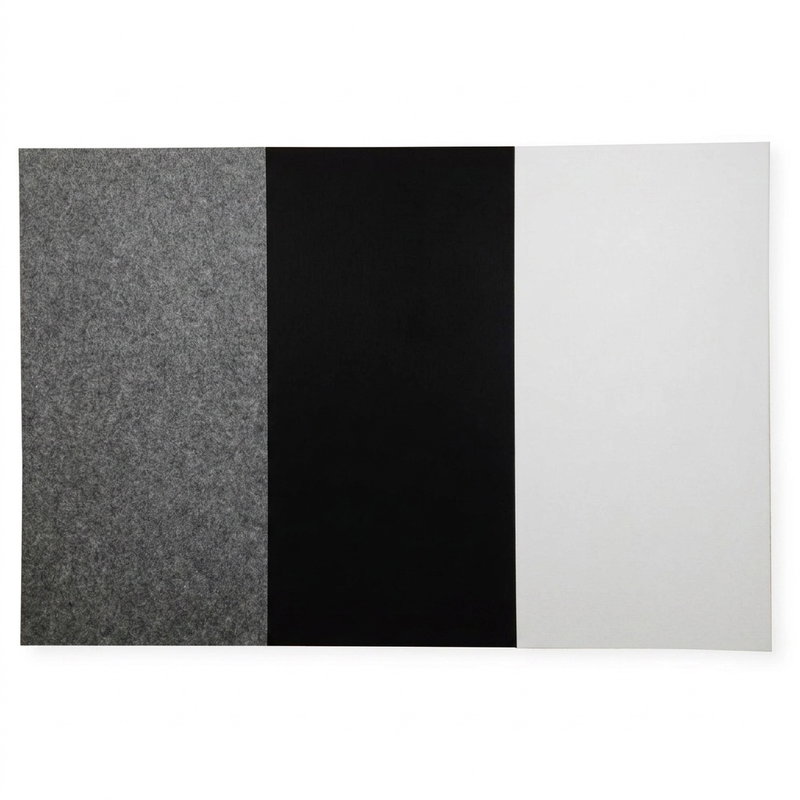
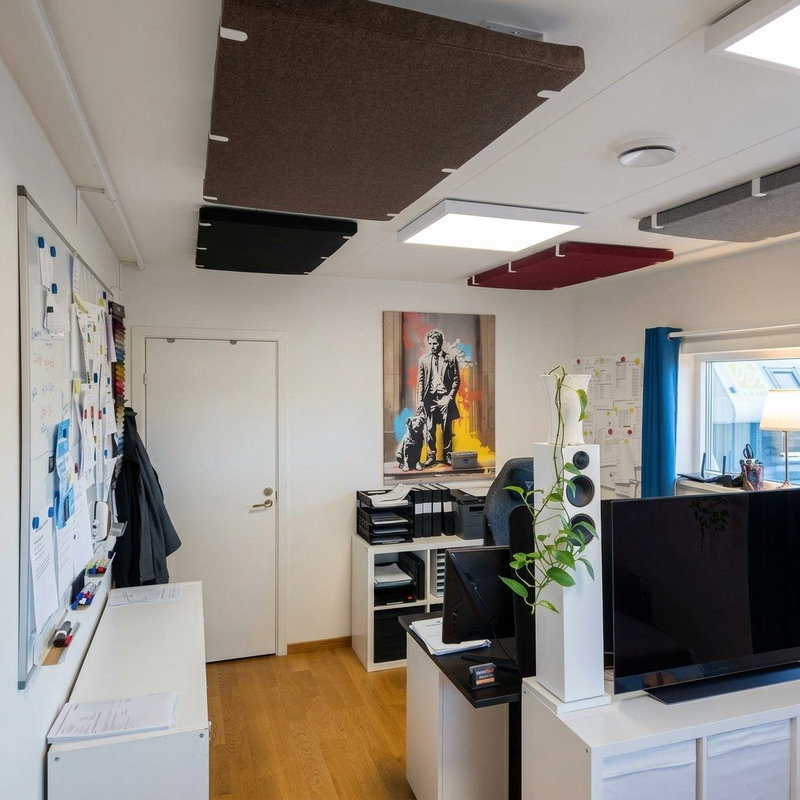
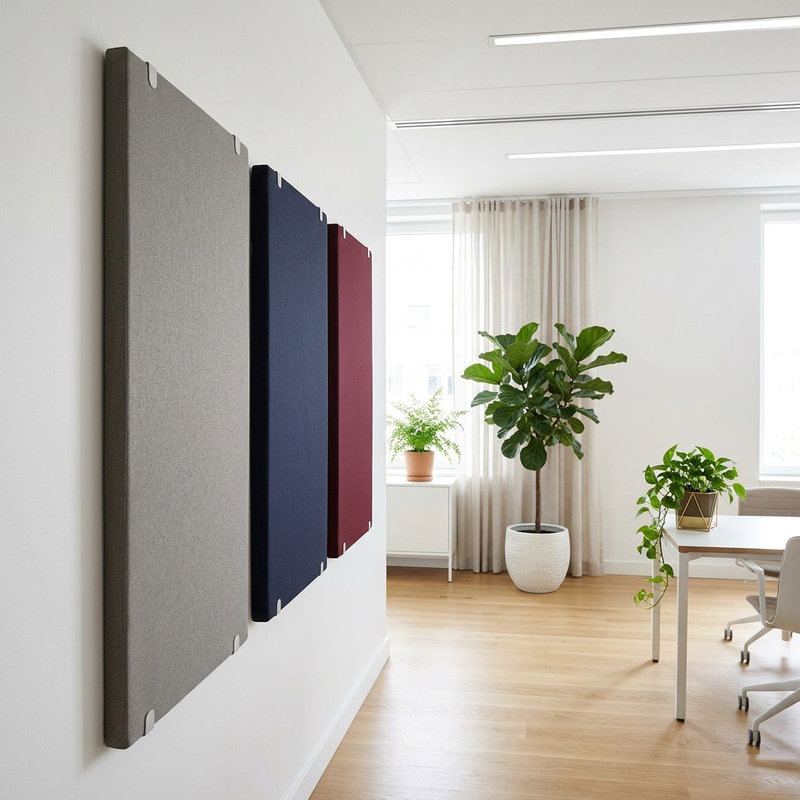
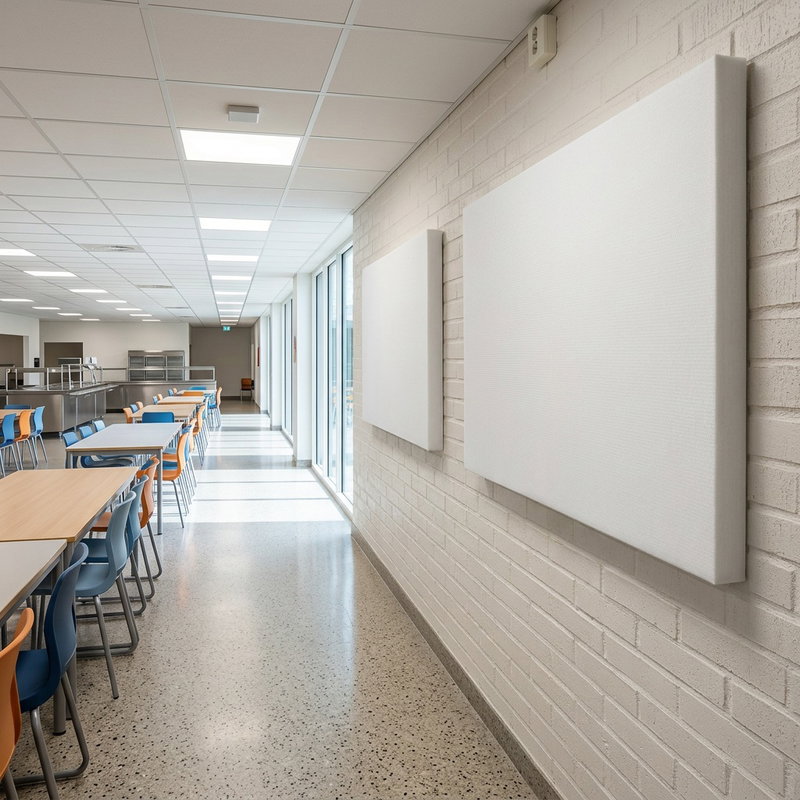
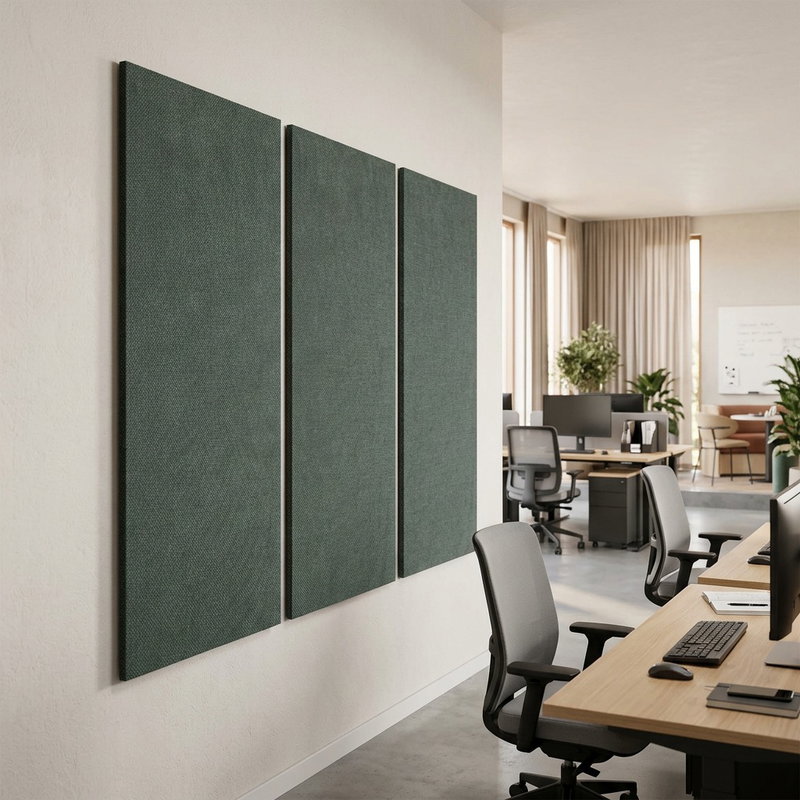
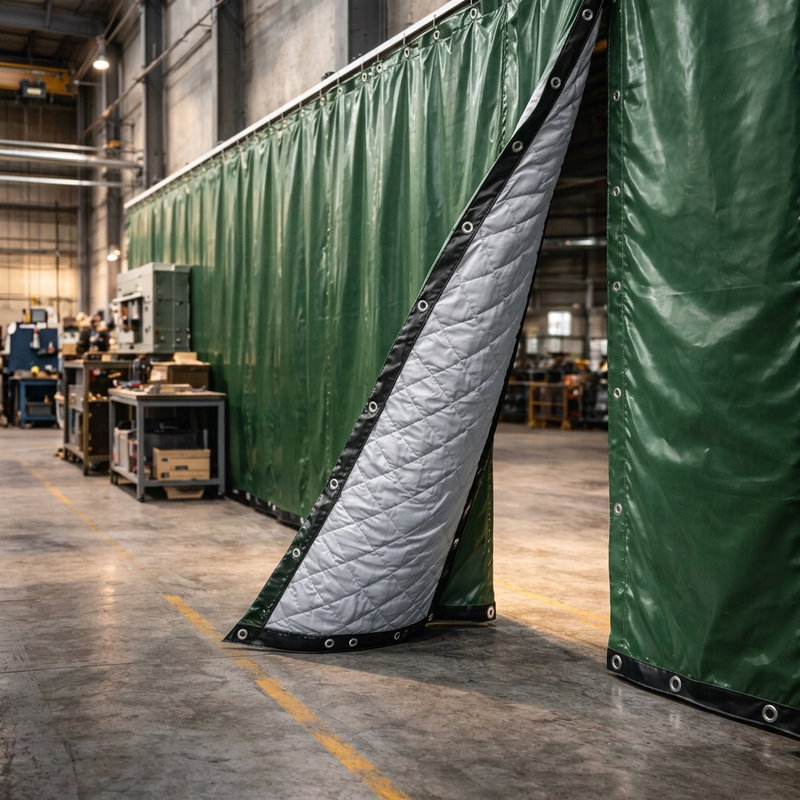
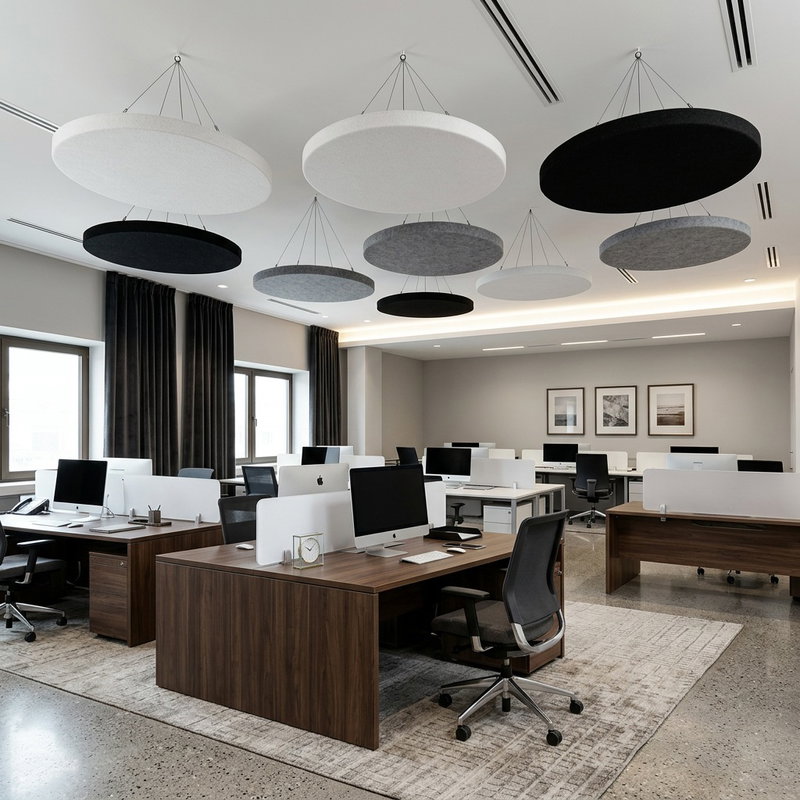
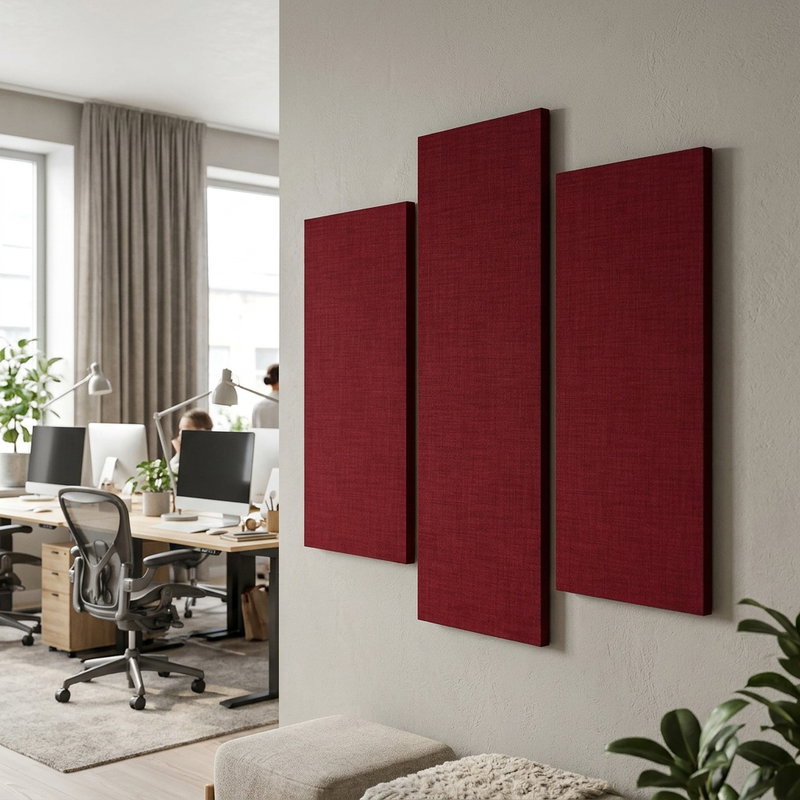
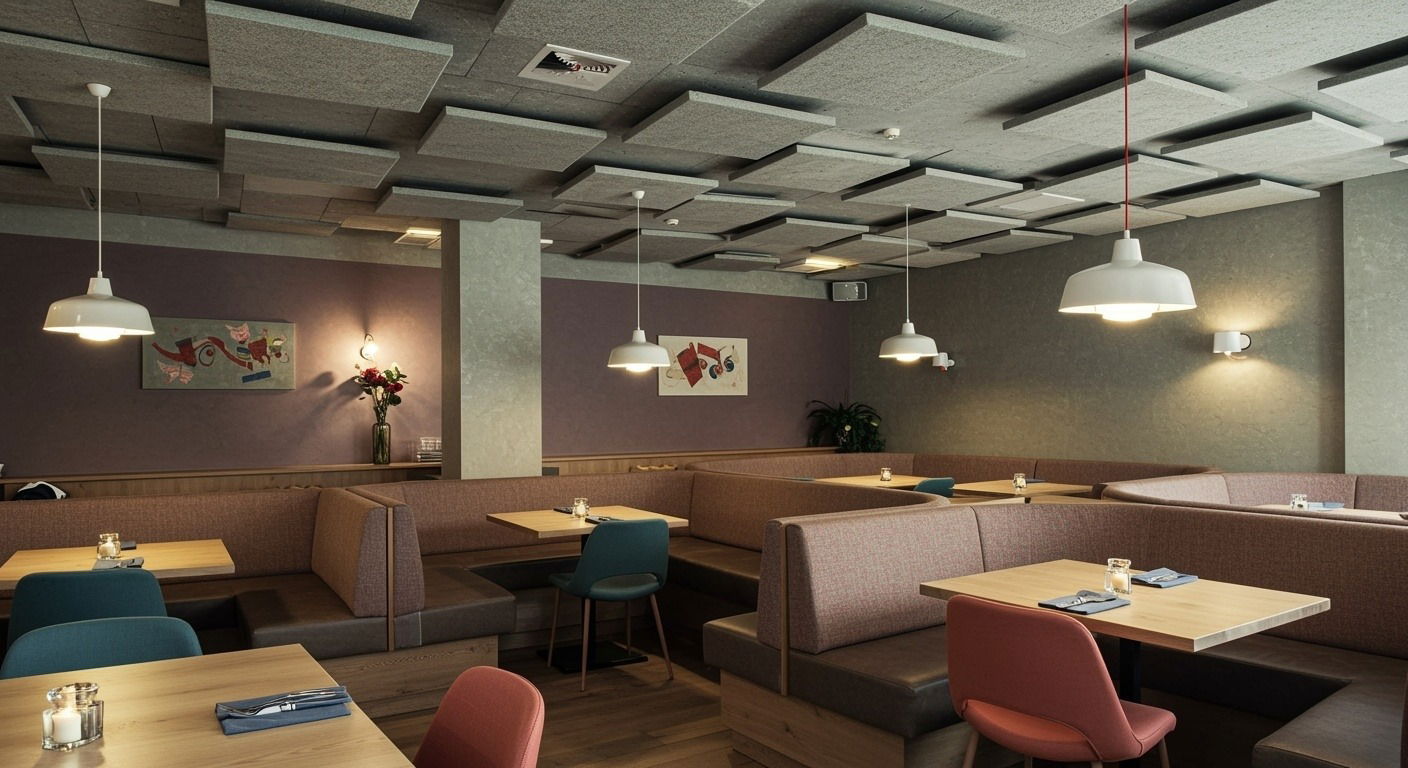
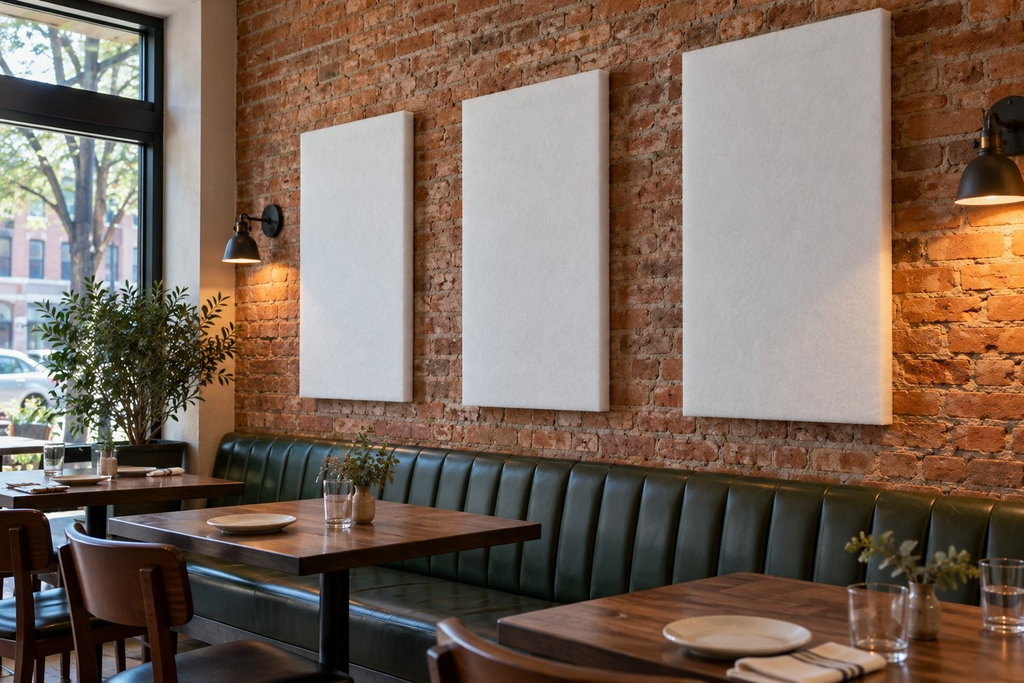
Sound absorption in restaurants is primarily achieved through measures on walls and ceilings, where large reflective surfaces would otherwise dominate. Ceiling absorbers are often the most effective first step in dining areas, while wall absorbers improve speech intelligibility in seating areas. Sound-absorbing curtains can dampen reflections from glass partitions and windows, and room dividers with sound-absorbing properties are used to partition larger spaces without compromising acoustics.
When is sound insulation and vibration damping needed?
In restaurants where sound travels between different areas, sound insulation is required. This applies, for example, between the kitchen and dining room, between the bar and seating areas, or toward adjacent businesses and residences. Vibration damping becomes relevant when noise is caused by technical equipment such as refrigeration units, fans, or pumps, where vibrations are transmitted through floors, walls, or ceilings and create disruptive structure-borne noise.
Why is a balanced acoustic environment important?
A well-balanced acoustic environment allows guests to converse effortlessly and stay longer in the space, while providing staff with a less stressful work environment. By combining sound absorption for the room, sound insulation between areas, and vibration damping where needed, a restaurant environment is created that feels professional, comfortable, and well-thought-out.
Thoughtful advice for the best results
For the best results, the measures should be tailored to the size of the space, ceiling height, and nature of the business. A common mistake is to focus solely on sound absorption in the dining area without addressing sound transmission from the kitchen or utility rooms. By taking a holistic approach, a long-term functional acoustic environment is created in the restaurant.