









How to soundproof a compressor – reduce noise instantly
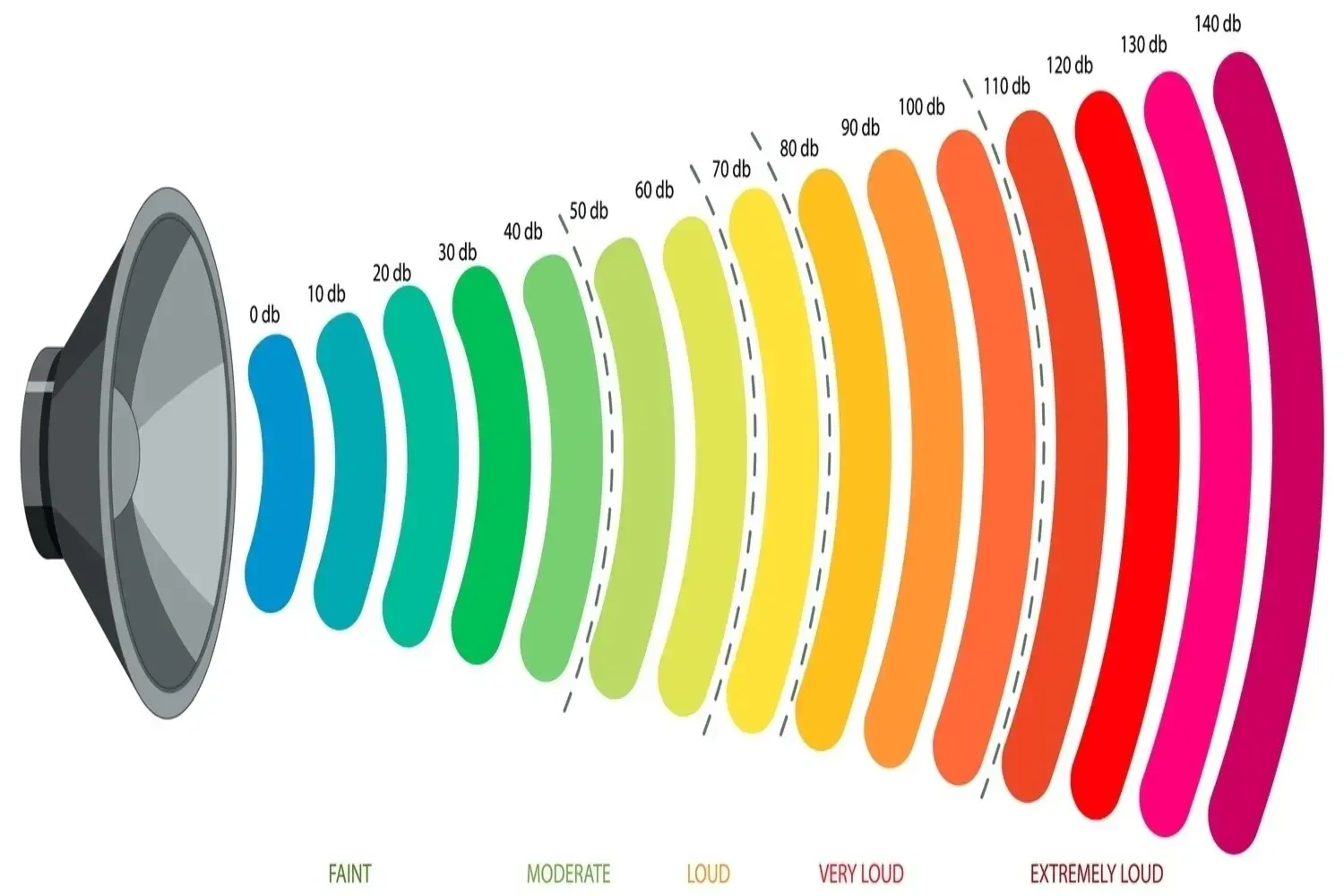
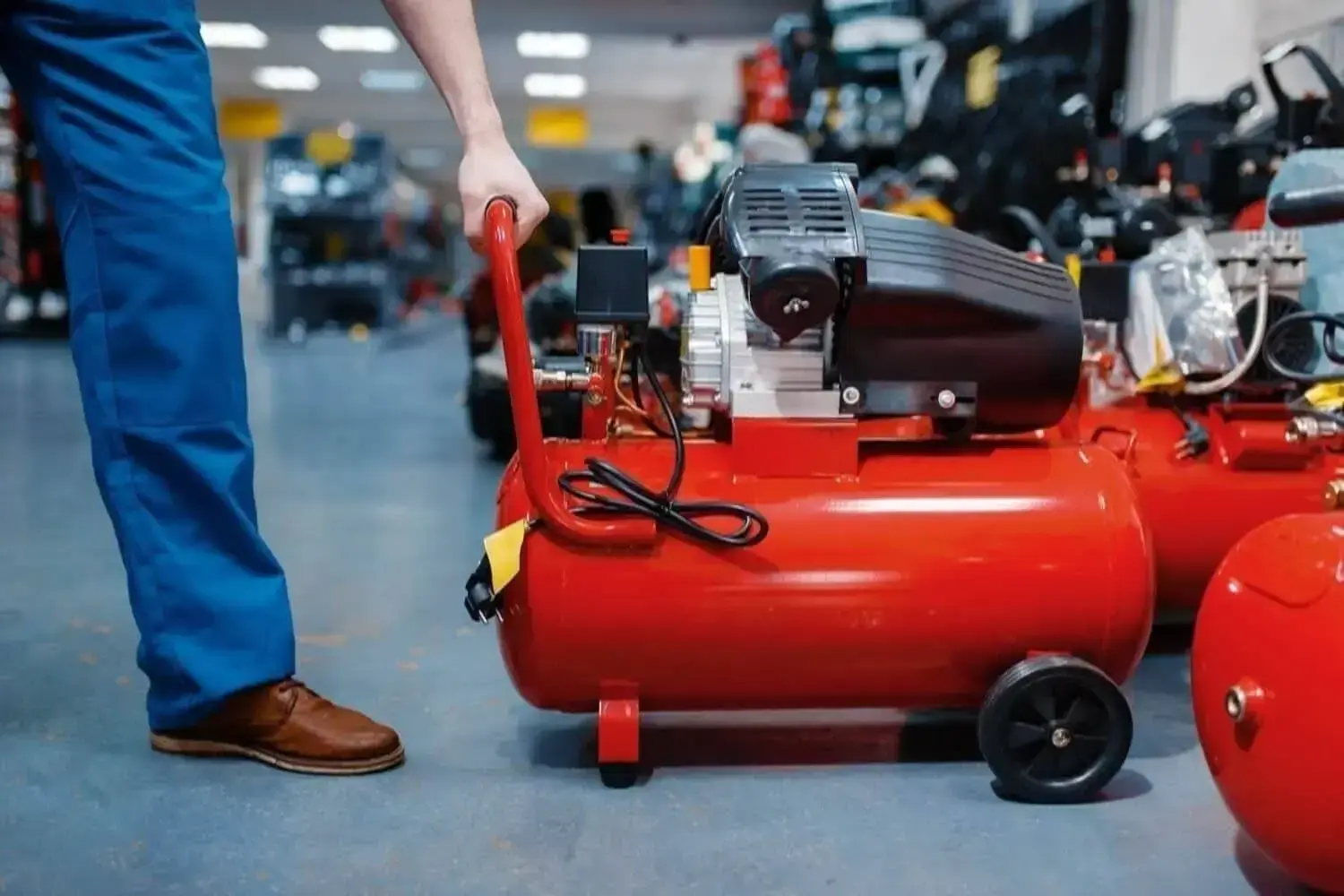
Compressors are powerful but noisy machines. Whether it's a small compressor in a garage or a larger industrial model in a workshop environment, noise levels are often a problem. The constant humming, air blasts, and resonance from the engine parts can create a noisy working environment that affects concentration, health, and well-being. By soundproofing the compressor correctly, you can significantly reduce noise and extend the life of the equipment at the same time.
Why compressors are so loud
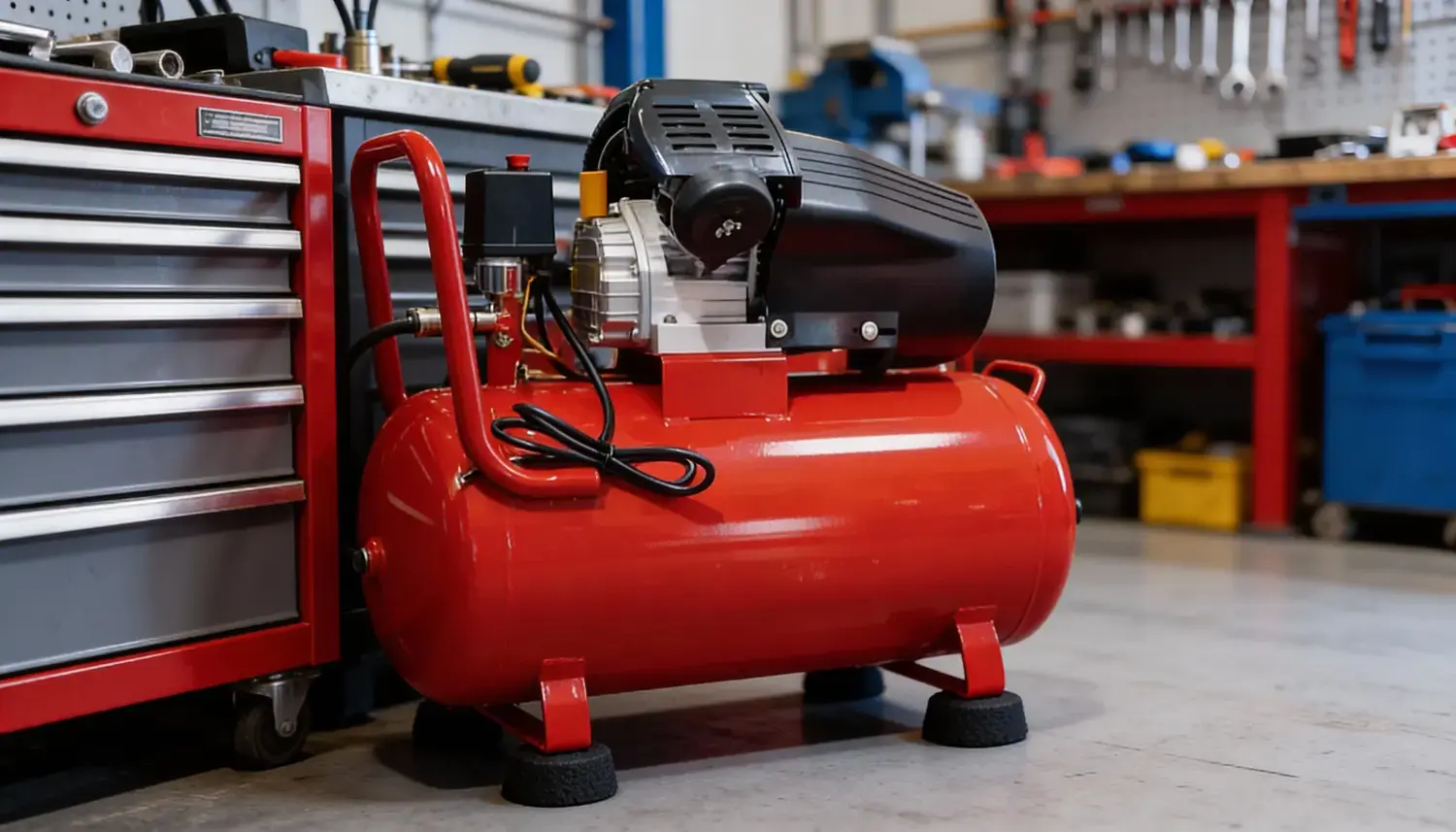
Noise from compressors is caused by both airborne sound and structure-borne sound, i.e., vibrations that are transmitted through the floor and the machine's construction. The sources of noise are often fans, valves, pistons, and the engine itself. It is common for vibrations to cause floors, walls, and surrounding surfaces to act as resonance chambers that further amplify the sound. Therefore, a combination of soundproofing and vibration damping measures is required for best results.
Vibration damping the compressor from the ground up
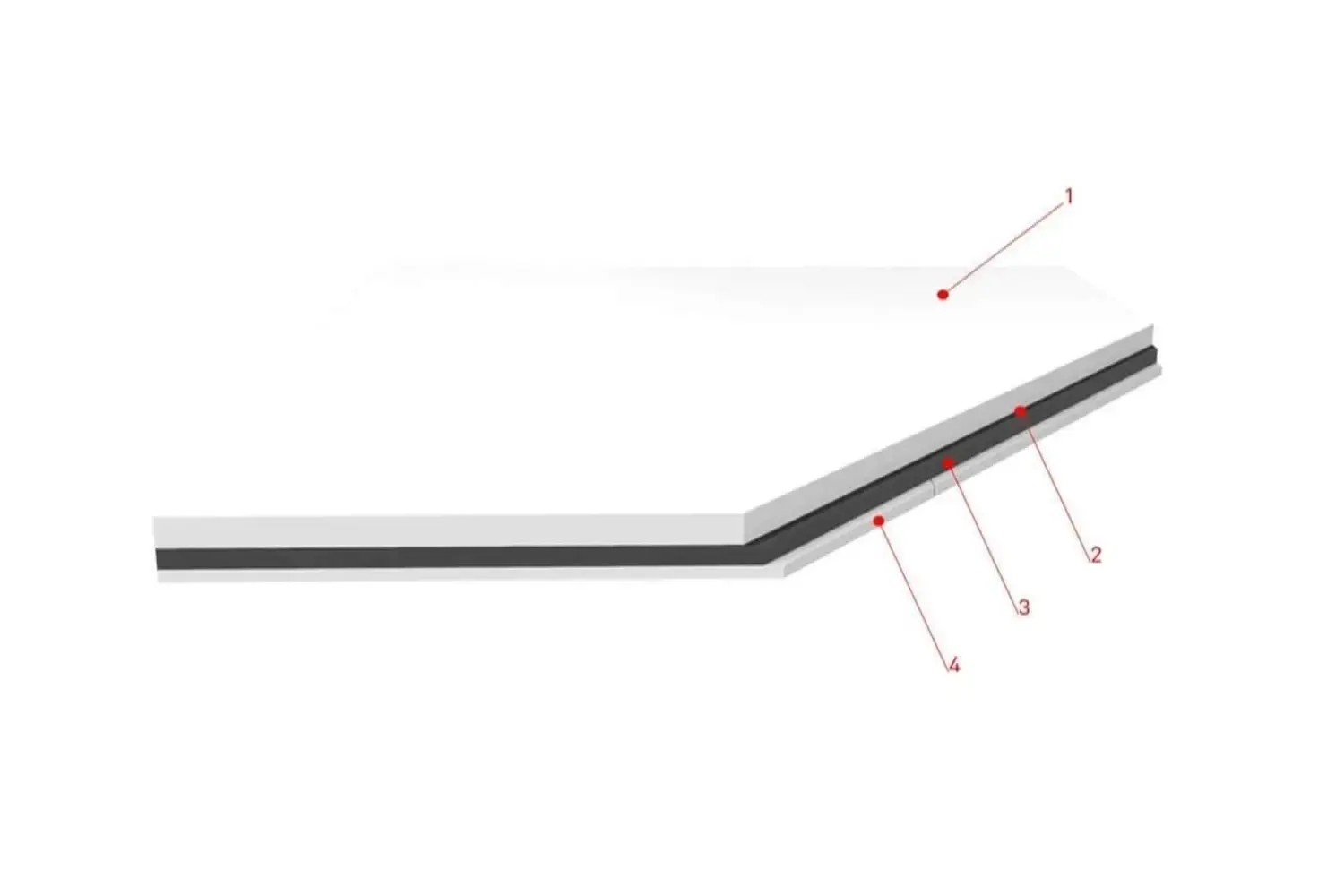
The first step in effective sound insulation is to minimize vibrations. By placing SilentDirect Dampio under the compressor's feet or stand, a large part of the vibrations that would otherwise spread to the floor are broken. SilentDirect Dampio is a compact damping plate made of nitrile rubber (NBR) that can withstand heavy weights and effectively reduces noise from the machine's movements. For even better results, the compressor can be placed on a raised platform with built-in damping, where SilentDirect Neo or SilentDirect Polaric act as base layers. These materials absorb both vibrations and, to some extent, sound energy.
Block airborne noise with an enclosure
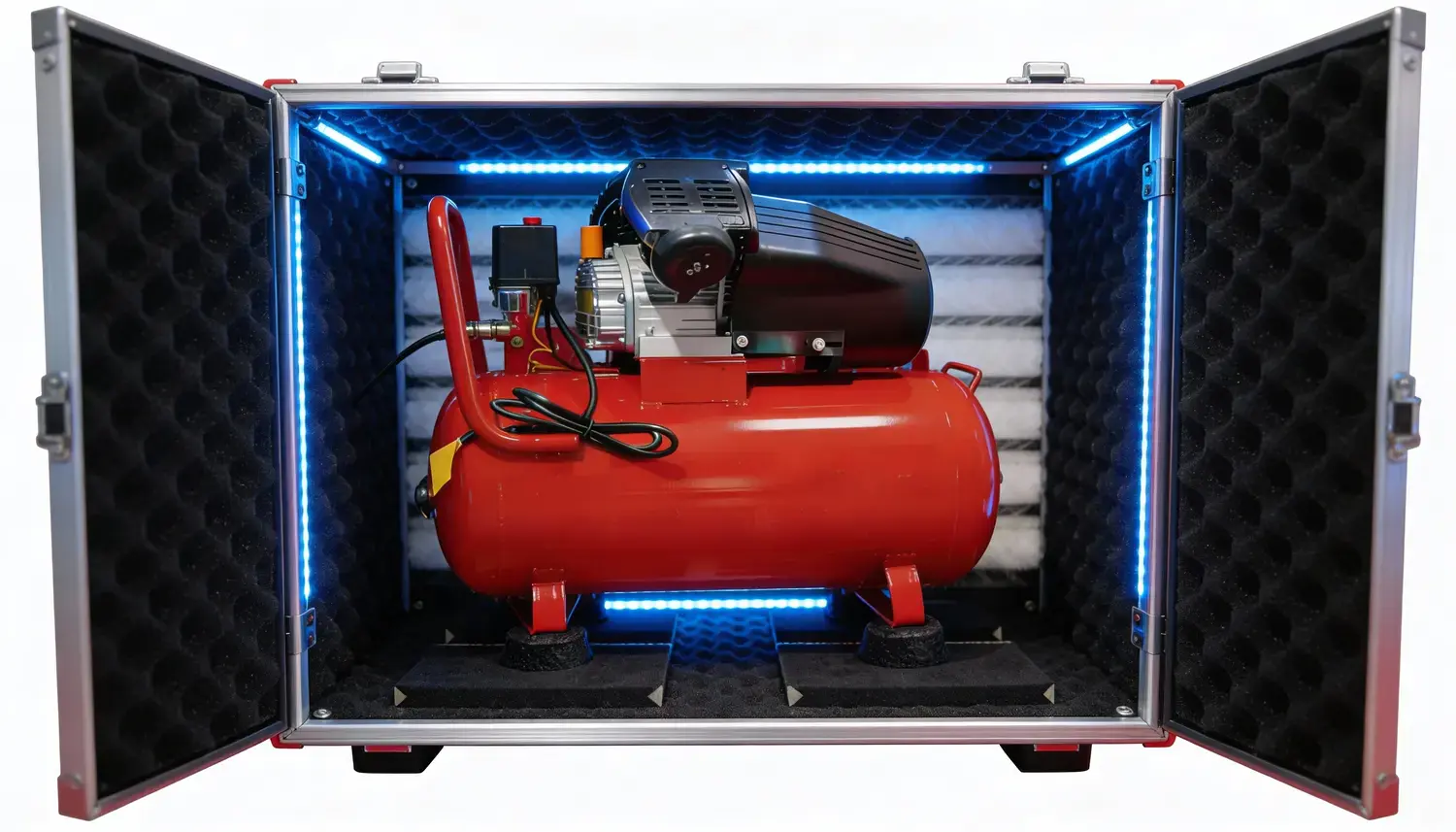
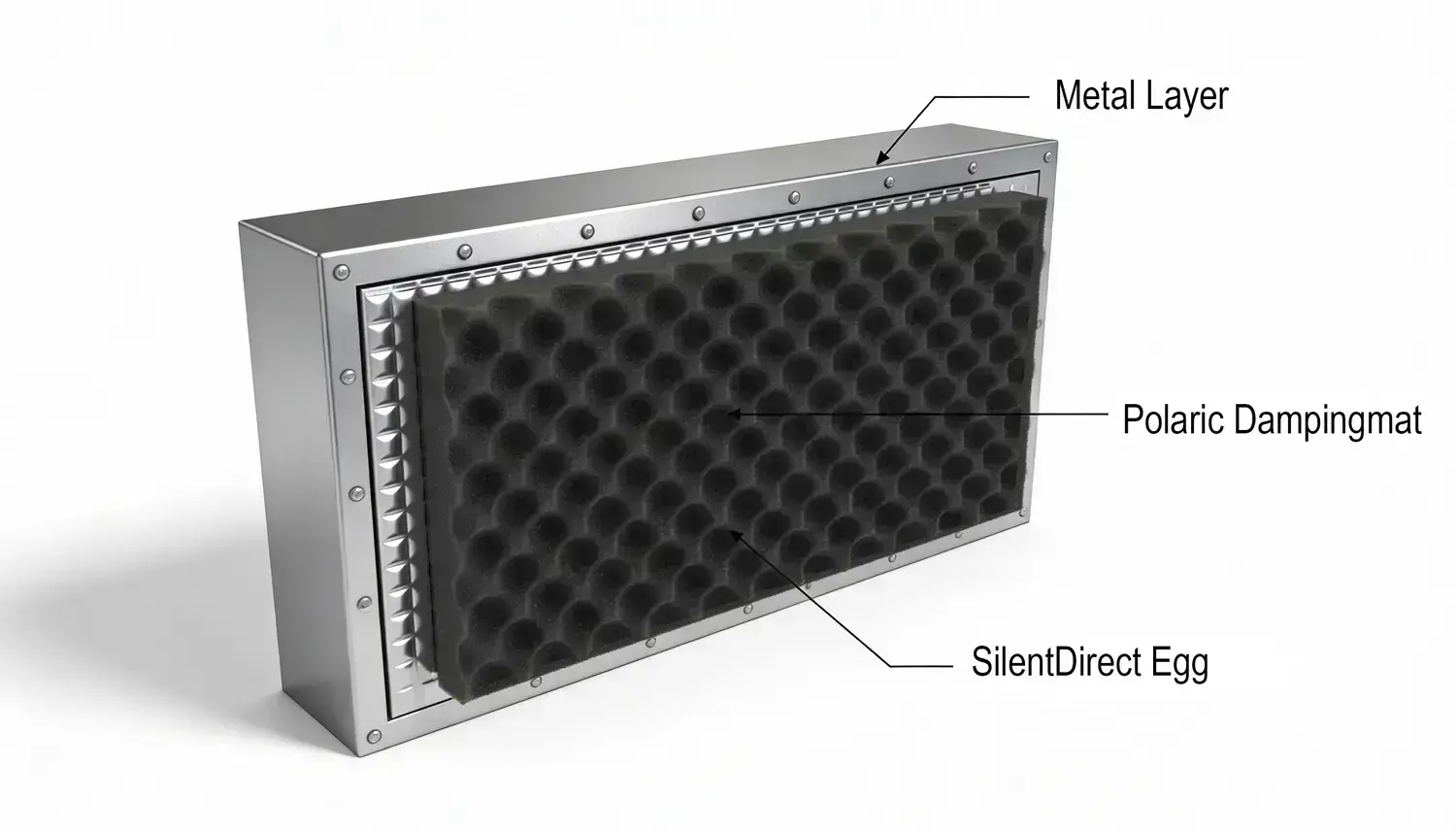
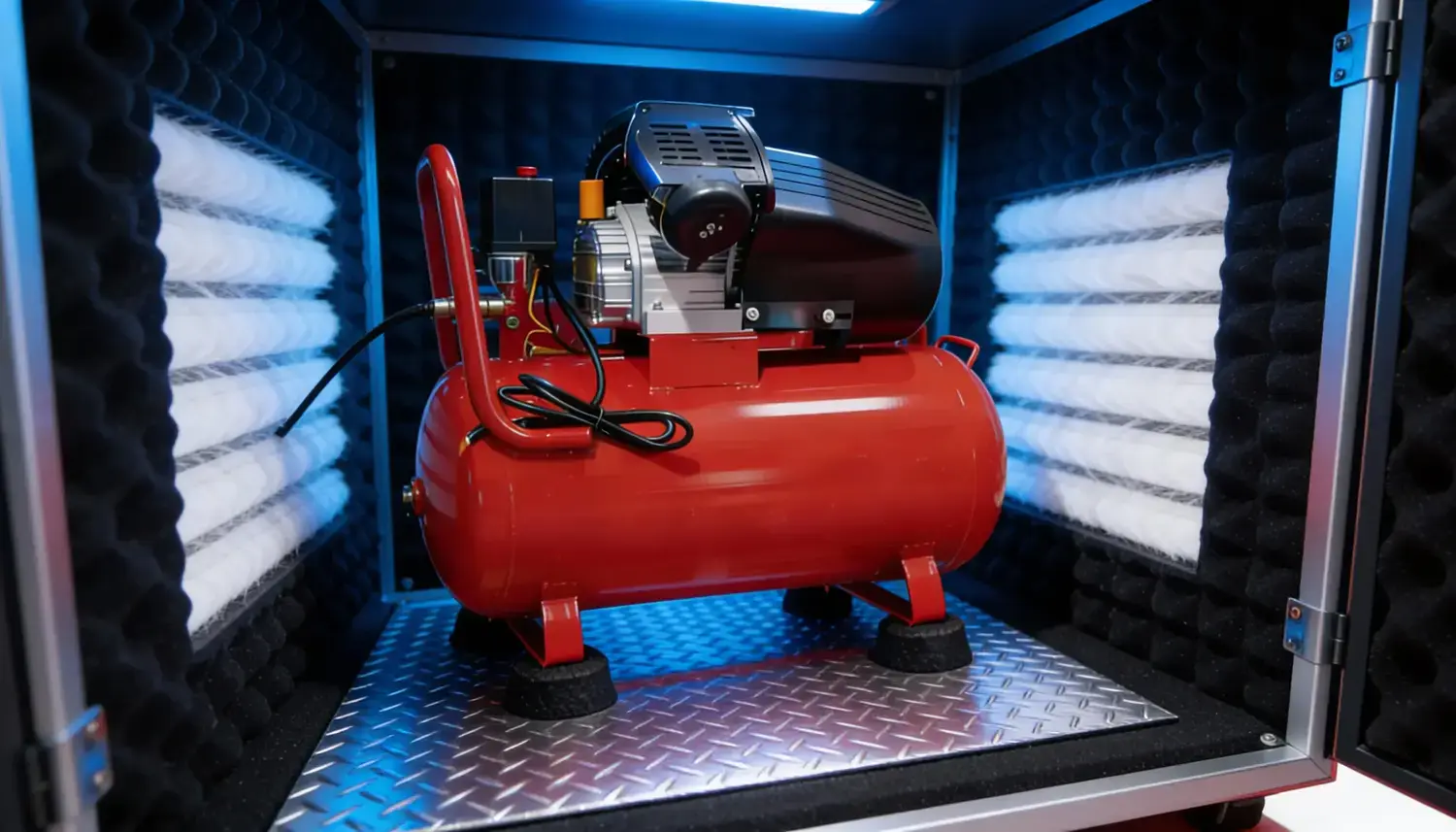
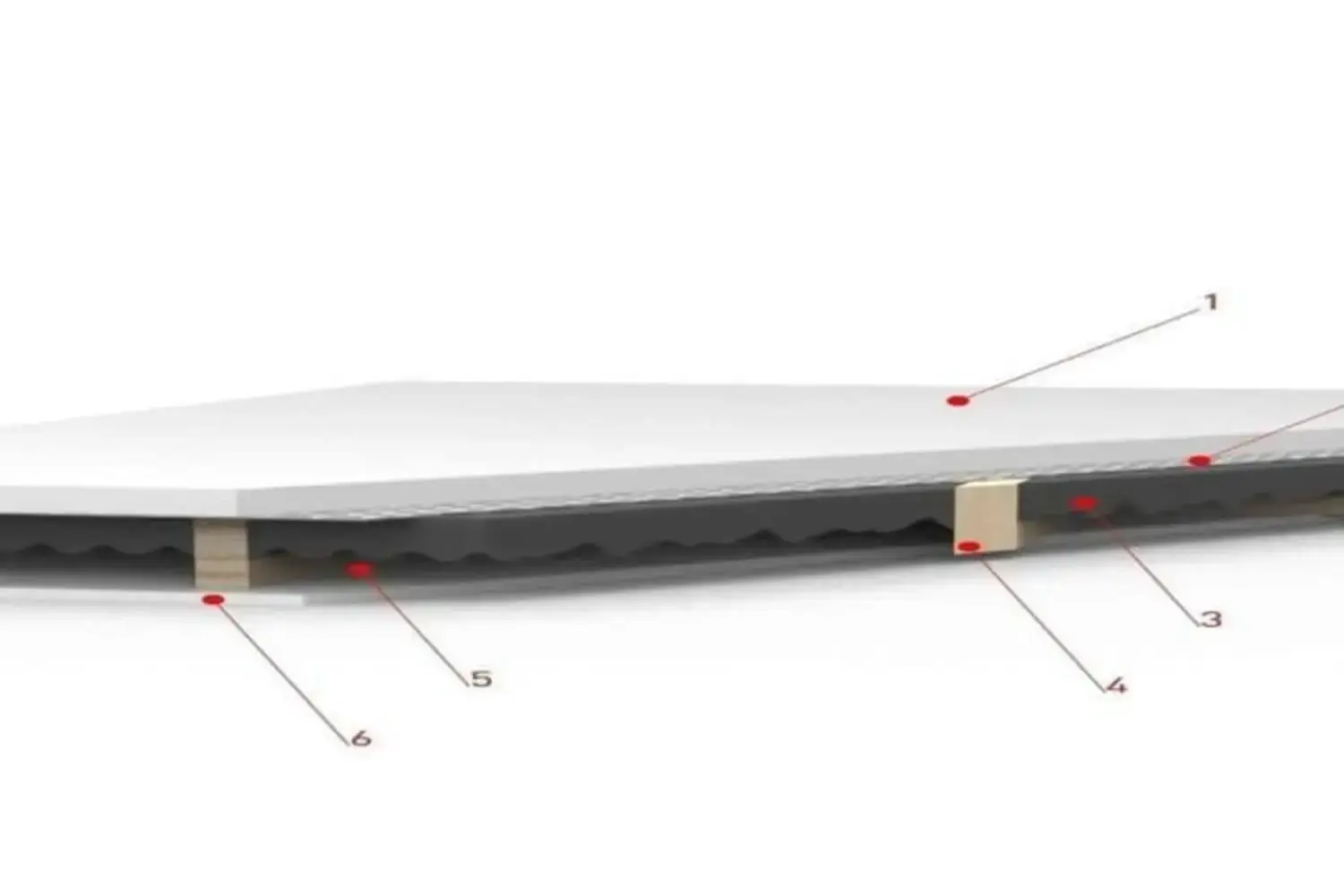
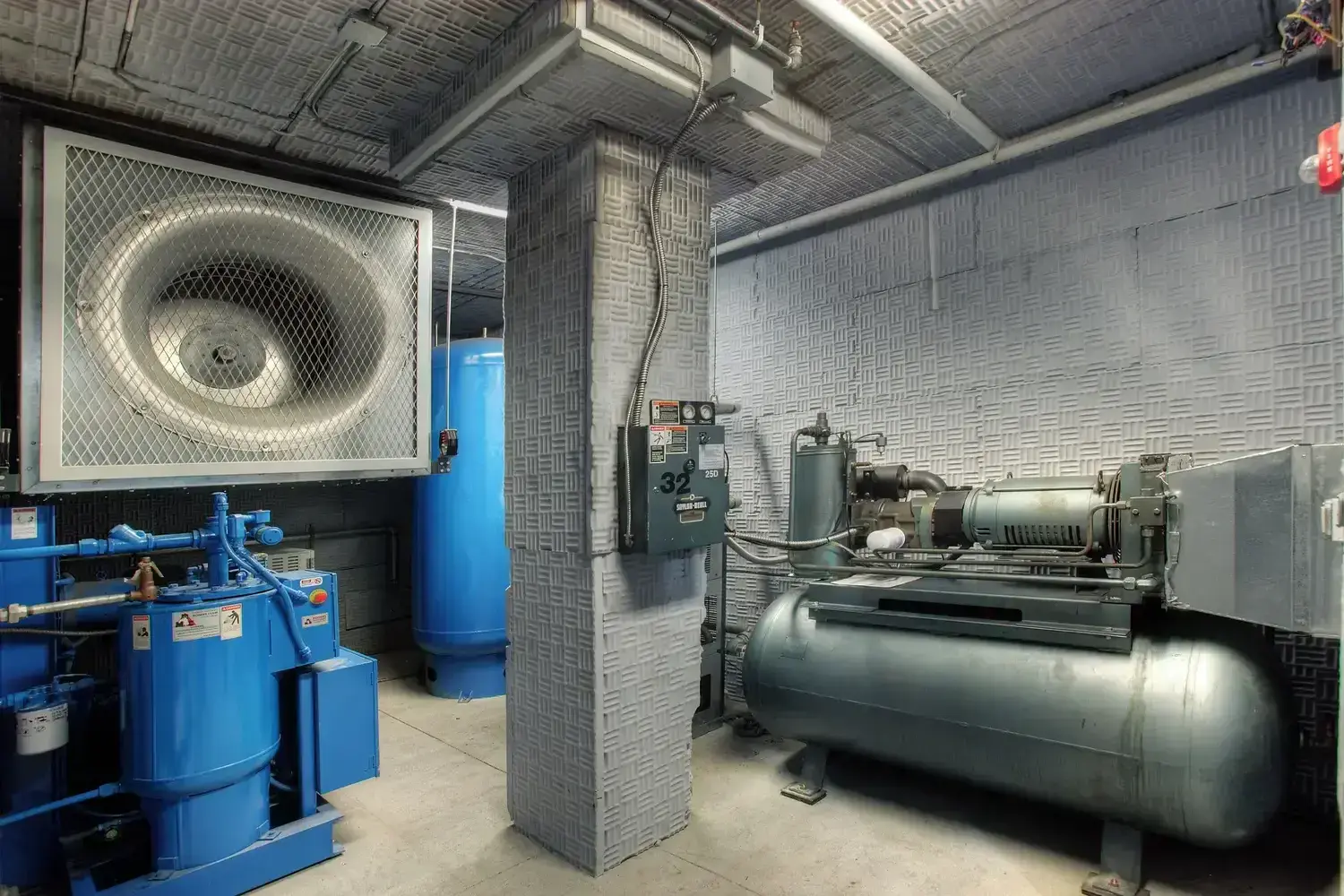
To reduce airborne noise from the compressor itself, a sound-insulating enclosure is very effective. You can build your own sound-insulated box or cabinet around the compressor, with the inside lined with SilentDirect Polaric – a heavy damping mat with an aluminum surface that blocks sound waves and withstands high temperatures. On top of this, add a layer of SilentDirect Egg, which acts as a sound absorber and breaks up reverberation inside the box. The result is a significantly reduced noise level both in the immediate environment and in adjacent spaces. Don't forget to include ventilation in the enclosure to prevent overheating – sound-absorbing ventilation grilles or labyrinth structures can be used to maintain silence without disrupting the air flow.
Seal openings and gaps
Gaps in the enclosure, between the floor and wall or around hoses and cables can allow large amounts of sound to pass through. To seal these effectively, use SilentDirect Seal – a flexible and durable sealing strip made of NBR rubber. It is pressed into joints and mounting surfaces where there is a risk of noise and creates a tight, vibration-breaking barrier.
Adapt the solution to the environment
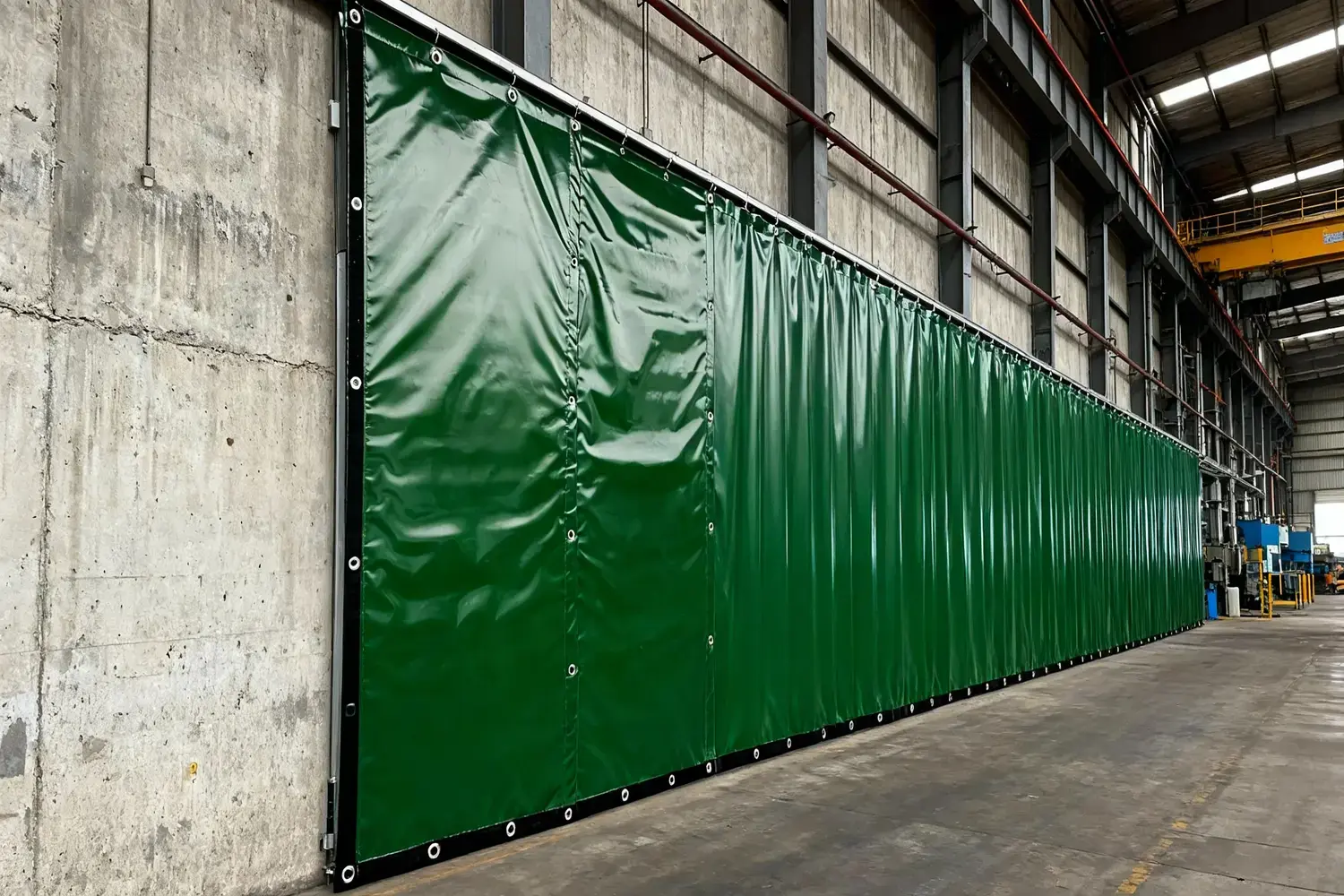
Whether the compressor is located in a garage, storage room, industrial hall, or indoors in a technical room, the sound insulation can be adapted as needed. In workshops or production environments where several machines are running simultaneously, sound-absorbing screens can be used to create zones with better acoustics. In home environments, a compact soundproof enclosure is usually the most discreet and effective solution. Walls and ceilings in nearby rooms may also need to be supplemented with sound absorbers or insulation materials if the noise propagates through the building.
Create a quieter working environment with the right materials
Soundproofing a compressor is an investment in your working environment and comfort. By combining vibration-damping materials such as SilentDirect Dampio, SilentDirect Neo, and SilentDirect Polaric with sound-absorbing foam such as SilentDirect Egg and careful sealing with SilentDirect Seal, you can significantly reduce noise. The result is a quieter workplace where communication, concentration, and well-being are improved—whether you work with the compressor daily or just want to avoid loud noises in the garage.