

















Guide to Choosing the Right Sound Insulation for Different Frequencies
Why frequencies matter in sound insulation
All sound consists of vibrations that travel through air and materials—but different frequencies behave differently. This means that no single solution works for all types of sound problems. To create effective sound insulation, you need to understand which frequencies dominate and how they interact with walls, floors, ceilings, or technical equipment. Whether it’s a home, an office, a studio, or a machine room, choosing the right material is absolutely crucial to the result.
Low-frequency sound – requires construction and mass
Low-frequency sounds, such as muffled bass tones, vibrations from machinery, traffic noise, or washing machines, have long wavelengths that easily penetrate both solid walls and floors. These sounds travel through the structure and create structure-borne noise that is difficult to dampen unless the building is constructed correctly from the ground up.
To effectively reduce low-frequency noise, a combination of several techniques is required:
Air gap
An air pocket between the walls must be present—at least 100–300 mm depending on the frequency’s depth. The deeper the bass, the larger the air gap needed.
Freestanding wall or double construction
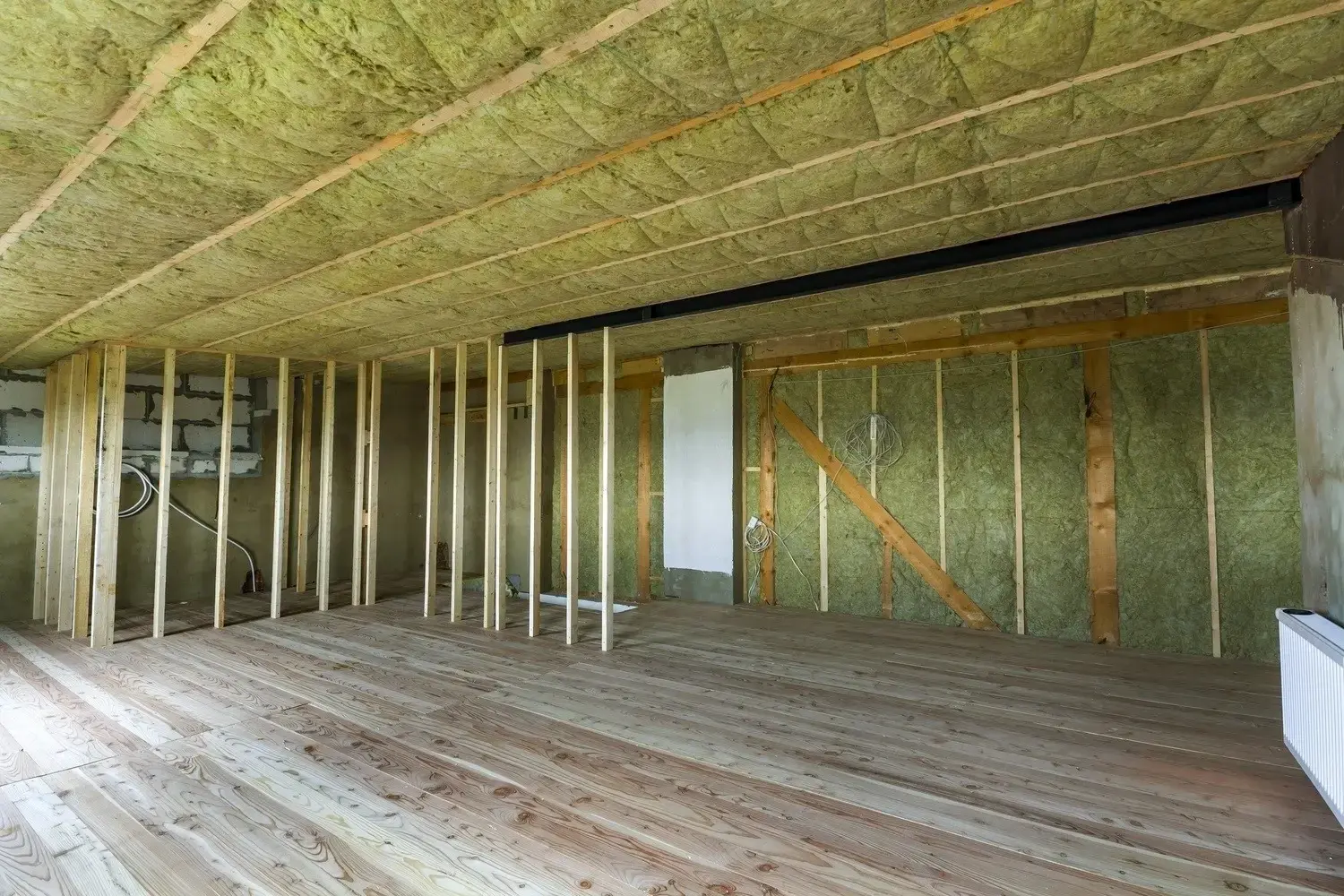
A freestanding wall, built with at least 200 mm deep wood or steel studs, is best insulated with SilentDirect Egg or SilentDirect Neo in the air gap. The construction should not be mechanically connected to the original wall.
Solid panels
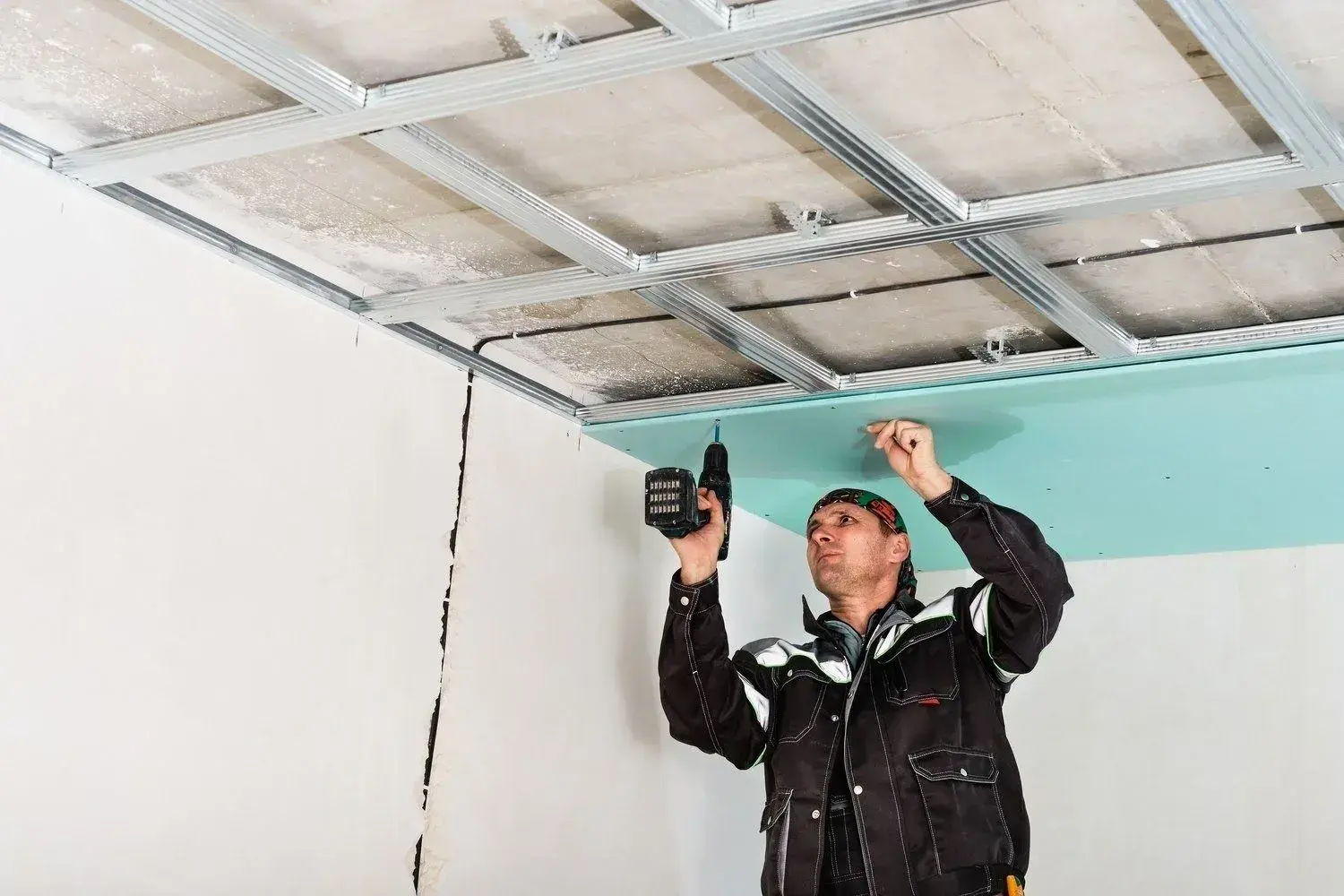
Use multiple layers of gypsum board or a combination of OSB and gypsum. Three to four panels on the front of the stud frame is ideal—each panel provides additional sound insulation of approximately 3 dB.
SilentDirect MLV
Apply directly to the studs before installing the panels, preferably in multiple layers. MLV is particularly effective at blocking airborne low-frequency sound.
SilentDirect Polaric or Neo
Installed between the structure and the floor or wall contact points to reduce structure-borne noise and vibrations.
SilentDirect Seal
Seals gaps and joints. Essential for preventing sound from escaping through even the smallest air leaks.
When low-frequency sound is properly insulated, mass, distance, and acoustic separation are all required—simply “covering up” the wall is not enough. An improperly constructed structure without an air gap or with too few layers has virtually no effect.
Mid-frequency sound – effective insulation with the right material
Mid-frequency sound consists mainly of speech, TV sound, kitchen appliances, and similar sources. Here, SilentDirect MLV works very well thanks to its high density and flexibility. For wall insulation, MLV is installed behind drywall or on the front of studs. Sealing around joints with SilentDirect Seal further improves the result. In combination with this, sound-absorbing panels are used in the room, such as SilentDirect PES Wall or Ceiling, to reduce reflections and prevent sound from bouncing off surfaces.
High-frequency sound – short wavelength, easy to dampen
High-frequency sounds, such as birdsong, doorbells, or keyboard clicks, have short wavelengths that are easily reflected but also effectively absorbed. In these cases, sound-absorbing materials in the room are often sufficient. SilentDirect PES Wall, PES Ceiling, or fabric-covered absorbers are ideal choices that are mounted directly on walls or ceilings. In technical spaces where appearance is not a concern, SilentDirect Egg provides very high absorption for both high- and mid-frequency sounds.
Combine the right products for the entire frequency spectrum
Most sound problems span multiple frequency ranges, which means that several products need to work together. SilentDirect MLV effectively blocks airborne sound. SilentDirect Neo, Polaric, and Egg reduce vibrations and absorb sound energy. SilentDirect Seal ensures that the construction is airtight—a necessity for all materials to function optimally.
Create the right solution for the right sound
Choosing the right sound insulation isn’t just about buying thick materials—it’s about understanding how sound is generated, how it travels, and how it’s best stopped. With the right air gap, the right density, the right number of layers, and the right product selection, you get a solution that really works—whether you’re building a quiet bedroom, a professional studio, or a technical space in an industrial environment. SilentDirect’s product range is designed to meet precisely these requirements—from deep bass tones to sharp treble sounds.