

• Free shipping
  • 5-year warranty
  • Fast delivery

How do you soundproof against noise from ventilation ducts?

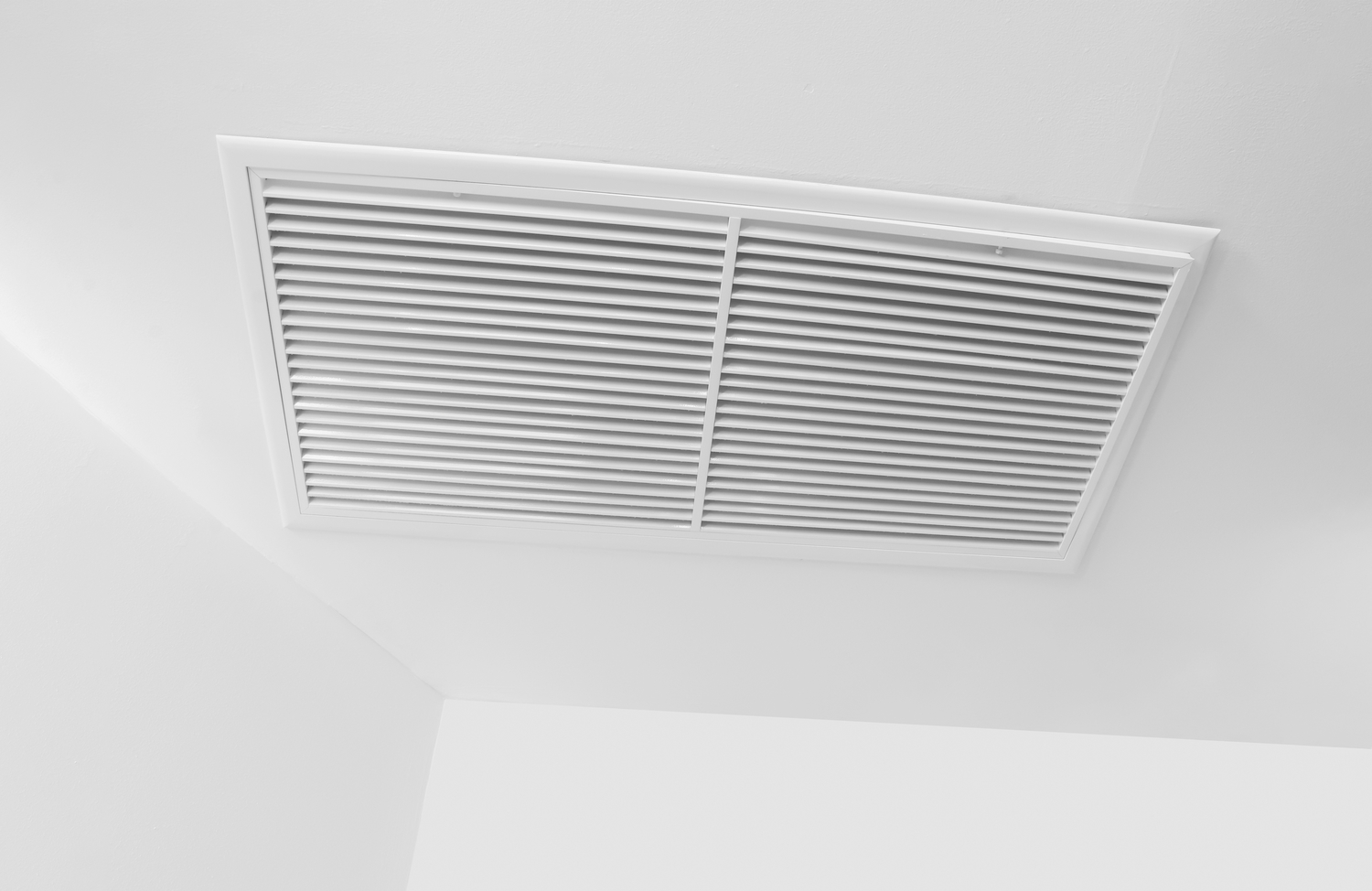
Soundproofing against noise from ventilation ducts is an important measure for improving the indoor environment and reducing disruptive noise transmission between rooms and floors. However, since ventilation systems are necessary for good air circulation, they can also act as sound amplifiers and carry noise throughout the building. This can lead to echoing sounds, amplified conversations, and generally higher noise levels, which can be particularly bothersome in homes, offices, and public spaces. By using effective soundproofing methods, you can minimize this problem and create a more harmonious and quiet indoor environment.

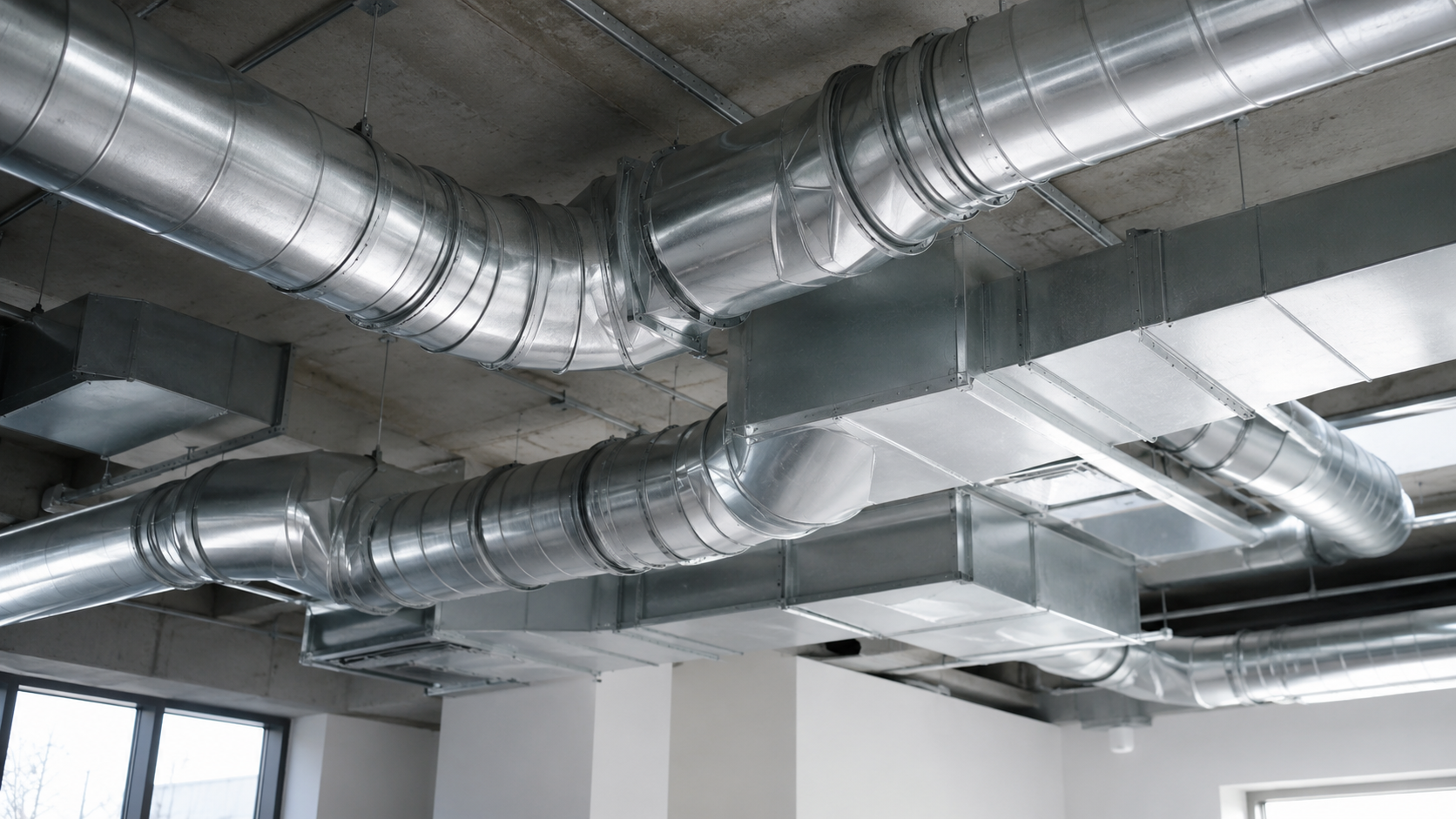
Ventilation noise can arise from several causes, including airflow noise, mechanical vibrations from fans, and echoes amplified within the metal ducts. Airflow noise is caused by high air velocities and turbulence within the ducts, which can produce a constant hum. Vibrations from fan motors and other system components can travel through the ducts and be amplified by surrounding building structures. Additionally, sound reflections within the ducts can cause echoes and amplified sound propagation.

To effectively soundproof ventilation ducts, you need a combination of sound absorption, vibration damping, and proper airflow management. One of the most effective ways to reduce sound propagation is to use sound-absorbing materials inside the ventilation ducts. By lining the inside of the ducts with sound-absorbing materials, such as acoustic foam or perforated metal sheets with sound-insulating fillers, you can reduce sound wave reflections and dampen echoes. SilentDirect offers specially developed sound-absorbing materials that can be easily applied to the interior of ventilation systems to reduce noise.

Another method for reducing ventilation noise is to install sound traps or silencers in the ventilation system. These components are designed to break up and dampen sound waves before they reach the rooms, which can significantly reduce the noise level. They are particularly effective in systems with high airflow where turbulence creates disruptive noise.

In addition to soundproofing the ventilation ducts themselves, it’s also important to review the ventilation grilles and outlet openings. Sound can easily escape through these, and by using sound-attenuating valves or acoustic grilles, you can reduce noise propagation. Another effective option is to install diffusers that disperse sound more evenly and reduce direct sound reflections.

In summary, there are several effective methods for soundproofing ventilation ducts and reducing noise. By using sound-absorbing materials inside the ducts, installing vibration-damping mounts, placing sound traps, and optimizing airflow, you can create a quieter and more pleasant indoor environment. These measures not only improve comfort but can also help ensure that the building complies with applicable noise standards and occupational health and safety requirements.

Recommended Products

Major sources of noise in ventilation ducts.

  • Air noise in the duct: whooshing, whistling, or fan noise traveling through the duct itself.
  • Leaky joints: small leaks where sound and air escape at transitions, joints, or penetrations.
  • Resonance in the sheet metal: Thinner duct surfaces that begin to vibrate and amplify the sound.
  • Structure-borne noise: vibrations transmitted via clamps, fasteners, floor joists, or walls.
  • High airflow: Excessive velocity can create turbulence and increased noise at diffusers and bends.
  • Improperly placed bends: Noise can increase where the air is forced to change direction rapidly.
  • Technical installations: Fans, units, pumps, and machinery can transmit sound into the duct system.
  • Insufficient decoupling: Rigid contact points can cause even a small vibration to be heard in multiple rooms.

How to Soundproof Ventilation Ducts, Step by Step

Ventilation noise must be troubleshot before deciding on a course of action. If you start with the wrong part of the system, you may install material in the wrong place and still be left with the same whooshing, humming, or rattling noise. We therefore recommend that you first determine whether the noise is coming from the airflow, from joints and leaks, from vibrations in the ductwork, or from contact with the building.

Step 1: Listen to determine where the noise is coming from

Start by listening near ventilation grilles, duct runs, elbows, units, and hangers. Note whether the noise increases when the ventilation runs at a higher speed, whether it is most noticeable at a specific vent, or whether it feels like a dull hum in a wall or ceiling. A whooshing sound often indicates airflow or the duct path, while rattling and vibrations often point to loose hangers, hard contact, or thin sheet metal being set in motion.

Step 2: Check the airflow, diffusers, and the inside of the duct

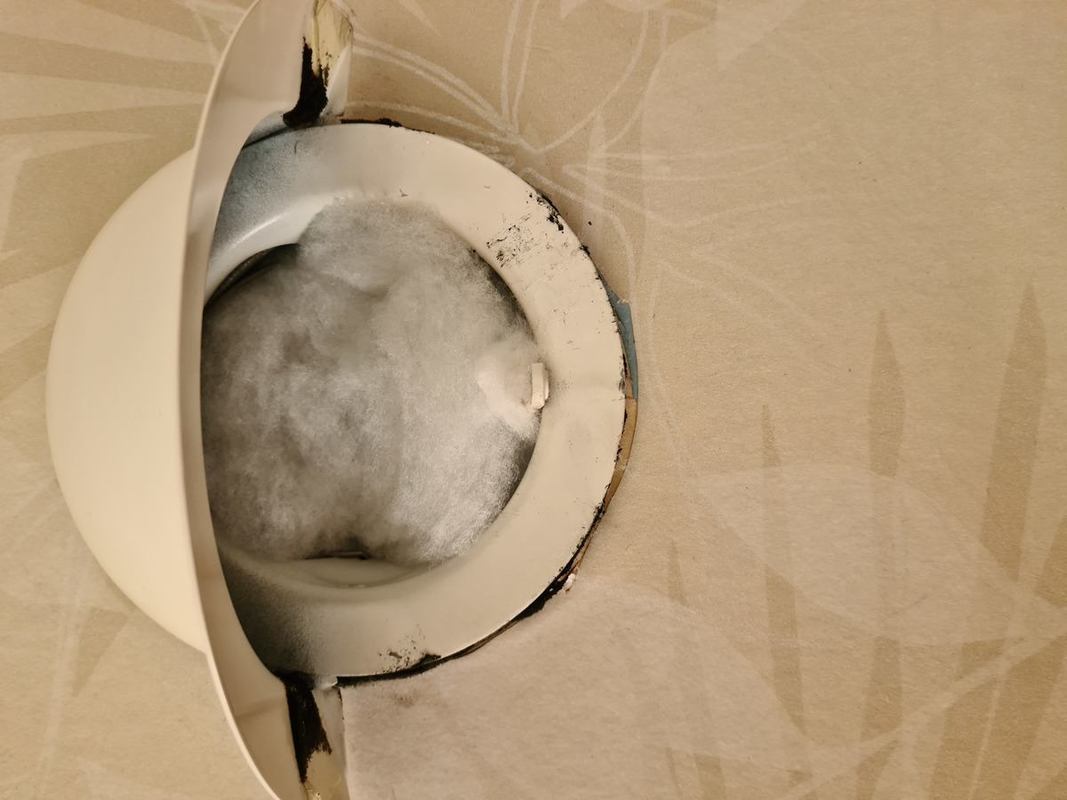
If the sound is traveling inside the duct, you should check that the diffusers, bends, and duct sections are not creating unnecessary turbulence. Excessive airflow, tight bends, or misaligned diffusers can cause a distinct whooshing sound. When sound needs to be attenuated inside the ventilation duct, SilentDirect Air is the most suitable product in the range. SilentDirect Air is a moldable absorber for ventilation ducts and installations where sound needs to be attenuated but airflow must still be maintained. It is pressed into ventilation ducts and can be cut with scissors, making it useful when the sound attenuation needs to be adapted to the duct’s shape.

Important: The sound absorption material must not be installed in a way that impairs the ventilation system’s function. Maintain airflow, allow for service access where needed, and verify that the solution is suitable for the specific duct type.

Step 3: Seal joints, seams, and transitions

Small leaks can allow both air and sound to escape. Therefore, check seams, penetrations, openings, transitions, and connections to diffusers or shafts. SilentDirect Aluminum Sealing Tape is ideal for sealing seams, joints, and aluminum-clad transitions. It helps keep the structure airtight where leaks could otherwise compromise sound attenuation.

Two simple inspection methods are the light test and the pressure test. With the light method, use a bright light from one side of a joint or penetration and look for light leakage from the other side. With the pressure method, gently feel around the joints with your hand while the ventilation system is running to detect air seeping out. Where leaks are detected, the joint should be sealed before proceeding to other measures.

Step 4: Reduce Vibrations and Rough Contact Points

If the duct hums, rattles, or transmits sound throughout the building, the hangers and contact points need to be checked. A duct that is in direct contact with a wall, a floor joist, or a hard clamp can transmit vibrations as structure-borne noise. The principle here is to decouple materials from one another. If different components are in direct contact, vibrations, structure-borne noise, and sound energy can easily be transmitted through the structure.

SilentDirect Seal can be used at gaps, joints, and contact surfaces where small air leaks or vibrations need to be reduced. For machines, pumps, or equipment that transmit vibrations down into the floor, Dampio PRO may be suitable as a vibration dampener placed beneath the equipment itself; however, it should not be used as a substitute for proper duct suspension. For resonance and vibrations inside the ventilation ducts themselves or on sheet metal surfaces, SilentDirect Polaric can be an effective option; feel free to combine it with SilentDirect Neo or SilentDirect Egg if possible to get the best of all their properties.

Step 5: Isolate or supplement around the noise source as needed

If the noise comes from a unit, a fan, or an accessible utility area, it can sometimes be more effective to treat the noise source than the duct run itself. SilentDirect Sound Barrier 2.48 m can be used for temporary or flexible shielding in an accessible zone where a barrier can be conveniently placed. When soundproofing pipes, this can be a suitable solution if you cannot access the noise source. For technical surfaces, machine enclosures, or spaces where noise needs to be captured close to the source, SilentDirect Neo or SilentDirect Egg may be appropriate, depending on the substrate and installation method.

Step 6: Check the results after each measure

Test one measure at a time whenever possible. Listen before and after, check whether the sound changes in character, and see if the problem shifts to another part of the system. If the whooshing sound decreases but the humming remains, you’ll need to continue addressing the vibrations. If the vibrations decrease but the sound is still audible at the diffuser, internal duct damping or airflow adjustment may be the next step. This way, you’ll develop a solution that targets the correct sound path rather than simply adding more material.

In short: dampen sound inside the duct when the sound is carried by the airflow, seal joints where sound leaks out, and decouple contact points where vibrations spread throughout the building. However, if possible, the best solution is always to dampen the sound source itself—or as close to where the sound originates as possible—to stop the problem early before it has a chance to spread.

From annoying noise to total silence—a happy family thanks to SilentDirect Air

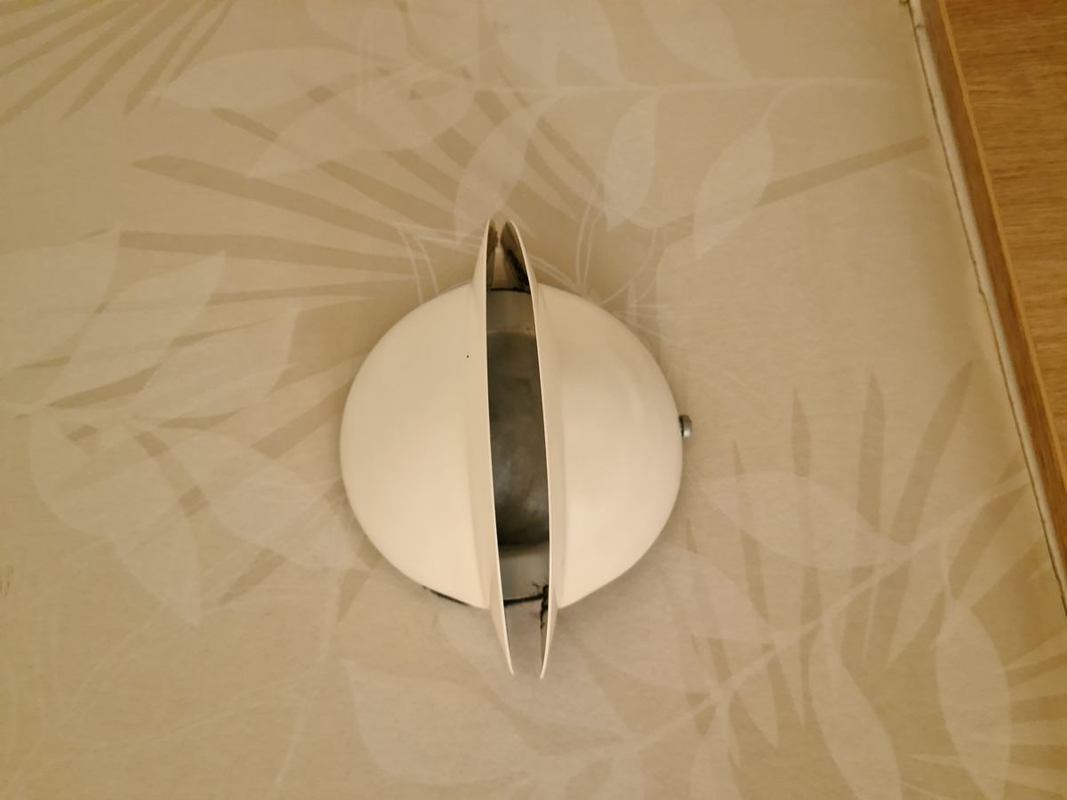
This family experienced major problems with noise traveling through the ventilation ducts in their five-room apartment. With a total of nine ventilation ducts—in the bedrooms, hallway, bathroom, kitchen, and living room—voices and other sounds traveled freely between the rooms and even from the neighbors. The conversations echoing through the ventilation system made it difficult to find peace and quiet at home.

The solution? SilentDirect Air. After installing our sound-dampening solution, the sound leakage ceased almost entirely, and the family can now enjoy a quiet and harmonious home environment. One less worry—and a family that’s more than satisfied!

How does it work, and how do you install SilentDirect Air?

SilentDirect Air is sold in various lengths with a standard width of 50 cm. The material is manufactured in Europe from 100% polyester, at least 60% of which is recycled polyester. It is both flexible and easy to handle, making installation simple and adaptable to your needs.

Easy to customize and install

Easy to cut
The material can be easily cut to the desired size and shape.

Flexible installation
Can be rolled up and applied in one or more layers, depending on the design of the ventilation duct and sound attenuation requirements.

Adjust airflow and sound attenuation
Add or remove layers as needed to find the optimal balance between ventilation and sound reduction.

Easy to maintain

SilentDirect Air can be easily cleaned as needed. Rinse with lukewarm water, let it dry, and reuse it—a sustainable and practical solution for long-lasting sound attenuation.

Did you know that…

Did you know that all pipes and ducts can act as sound amplifiers and carry noise throughout the entire building? Just as an organ pipe amplifies and conducts sound, ventilation ducts can cause fan noise, voices, and other disruptive sounds to travel long distances. By using sound traps, lining the inside of the ducts with acoustic insulation, and ensuring they are properly installed without rigid connections, you can reduce noise and create a quieter indoor environment.

Selected Articles

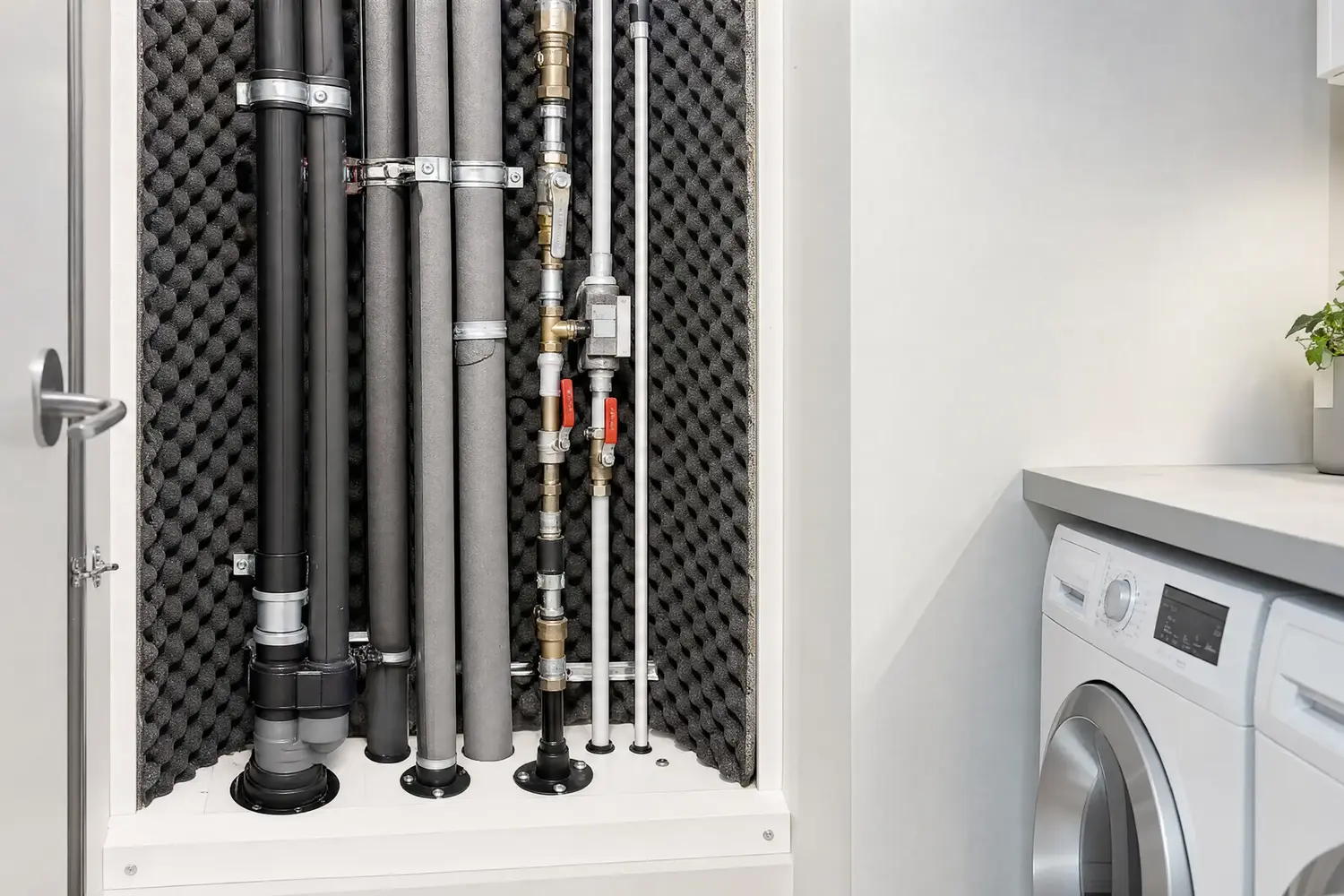
How to Soundproof Water Lines and Drain Pipes – Reduce Annoying Noise

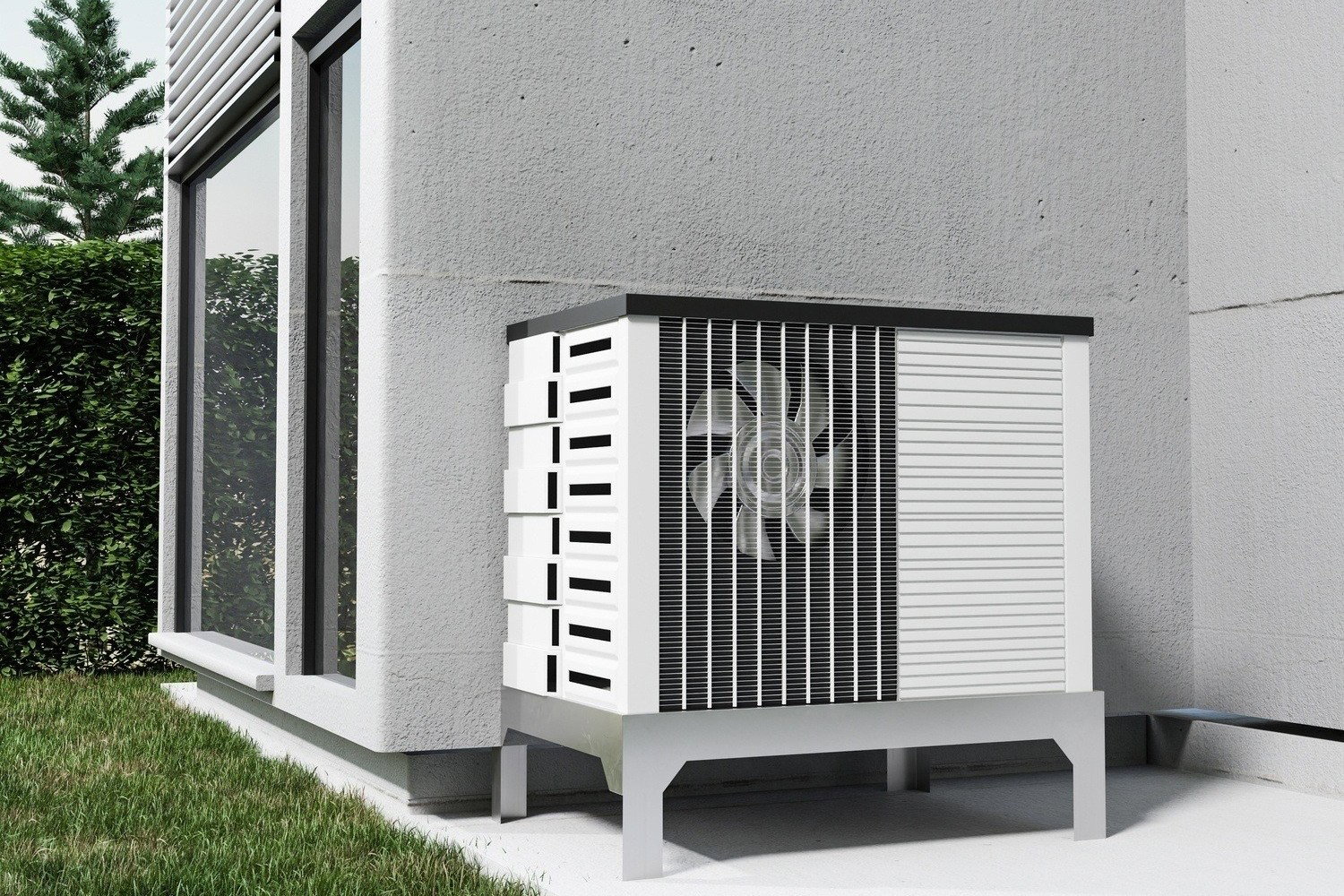
How do you soundproof and insulate an air-source heat pump?

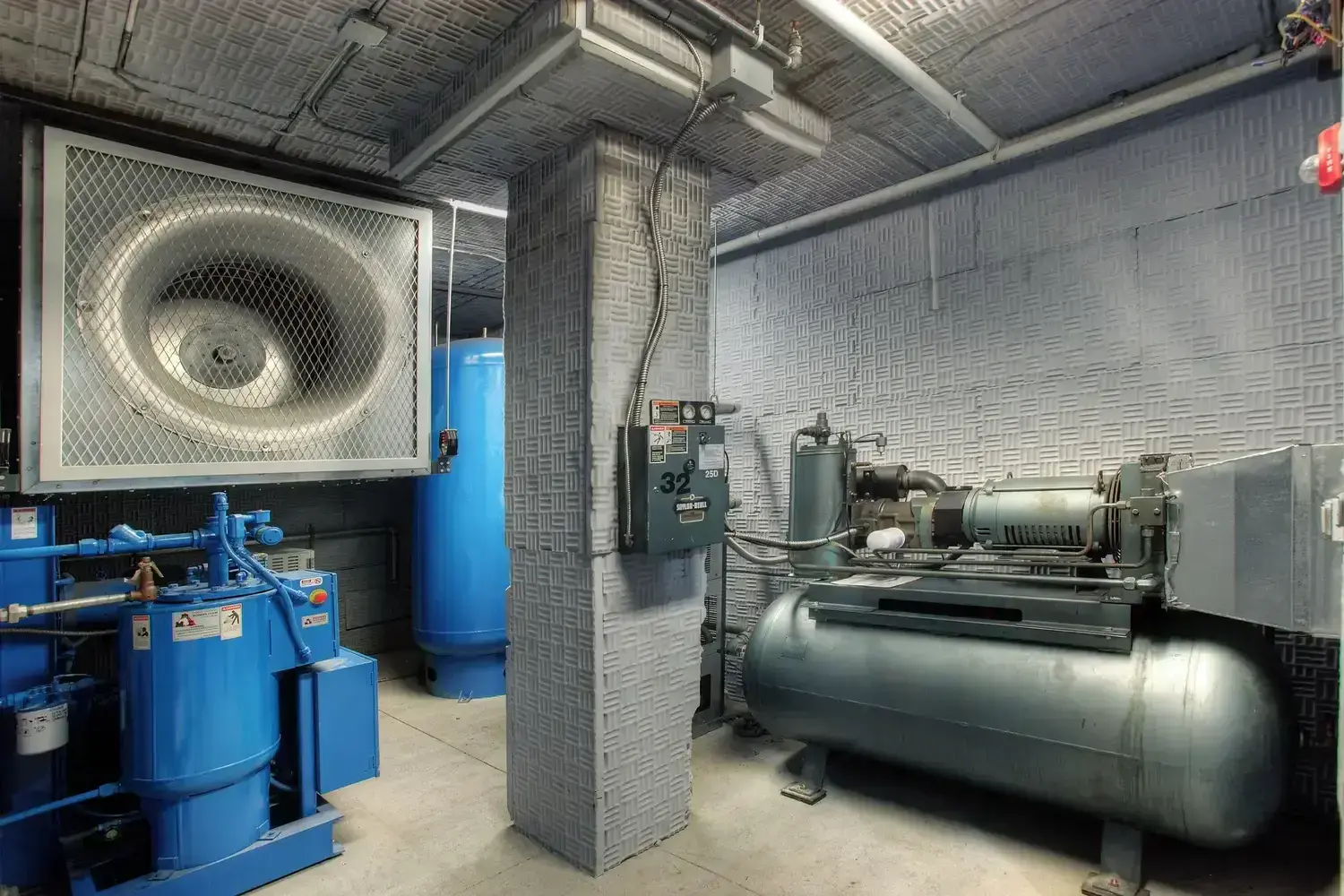
How do you muffle and soundproof different machines?

Products for soundproofing ventilation ducts.

When dealing with noise from ventilation ducts, products must be selected based on the path of the sound. Some products dampen sound inside the duct, while others seal joints, reduce vibrations, or isolate an accessible sound source. Below are products that may be relevant when the problem involves ventilation, mechanical systems, joints, leaks, or vibrations.

SilentDirect Air is the main product for ventilation ducts. SilentDirect Air is a moldable sound absorber for ventilation ducts and installations where sound needs to be dampened but airflow must still be maintained.

SilentDirect Aluminum Sealing Tape is suitable for joints, seams, and aluminum-clad transitions where small leaks can cause ventilation noise to escape from the duct.

SilentDirect Seal is suitable for gaps, joints, and contact surfaces where minor air leaks or vibrations need to be reduced, especially around connections and contact points.

Dampio PRO is a powerful vibration dampener for machines, pumps, and equipment that are in contact with hard surfaces and risk transmitting structure-borne noise.

SilentDirect Polaric is a heavy, moldable damping mat that is mounted directly against vibrating sheet metal or other hard surfaces. It can be used on the exterior and interior of ventilation ducts, units, and technical enclosures to reduce resonance, vibrations, and structure-borne noise. Polaric adheres primarily to sheet metal and plastic surfaces. We strongly recommend that the surface be clean, dry, and thoroughly degreased before installation.

SilentDirect MLV is a heavy-duty barrier for applications where mass and density are needed to dampen airborne sound, such as in enclosures or structures around mechanical noise sources.

SilentDirect Sound Barrier 2.48 m can be used for temporary or flexible soundproofing in an accessible area where a barrier can be conveniently placed. When soundproofing pipes, this can be a suitable solution if you cannot access the noise source.

SilentDirect Neo is a smooth sound-absorbing mat for vibrations, resonances, and mechanical noise where a flat surface is more suitable than a profiled foam structure.

SilentDirect Egg is a profiled sound absorber for machinery and technical spaces where you want to capture sound close to the source and dampen harsh reflections.

*Free shipping

Free shipping to a pickup location

5-Year Warranty

5-Year Product Warranty

Fast Delivery

Usually ships the same day

How do you soundproof against noise from ventilation ducts?

Ventilation ducts are a common source of disruptive noise in both residential and commercial buildings. Since the ducts run through multiple rooms and floors, they act as sound amplifiers, allowing conversations, noise, and other sounds to travel easily. This can create an unpleasant indoor environment that affects both productivity and well-being.

Many buildings have ventilation systems that are not soundproofed from the start, meaning that sound waves can travel unimpeded through the ducts. This leads to echoes, amplified noise levels, and an environment where unwanted noise spreads. For those who live in apartments, work in offices, or spend time in other spaces where ventilation noise is disruptive, this can have a negative impact on concentration, well-being, and even sleep quality.

The solution is to use effective soundproofing measures that reduce sound transmission in the ventilation system. Reducing noise significantly improves the indoor environment, which can lead to a quieter workspace, a higher quality of life, and a more relaxed atmosphere. Additionally, soundproofing ventilation ducts can help buildings comply with applicable noise regulations and workplace safety standards.

The Benefits of Soundproofing Ventilation Ducts

Better indoor environment and increased comfort
Reducing noise from the ventilation system creates a quieter and more pleasant indoor environment. This is particularly important in homes, offices, schools, hospitals, and other public spaces where concentration and well-being play a major role.

Improved work environment and productivity
Noise from ventilation systems can be a constant distraction in workplaces and reduce efficiency. By reducing noise levels, sound insulation contributes to a better work environment where employees can work with fewer distractions and greater focus.

Better sleep quality in homes
Ventilation noise that disrupts sleep can be one of the biggest sources of irritation in homes. By soundproofing ventilation ducts, you can create a quieter and more peaceful sleeping environment, leading to better sleep and increased well-being

Compliance with noise standards and regulations
Many buildings are subject to regulations regarding noise levels. By soundproofing the ventilation system, you can ensure compliance with these guidelines and create a work and living environment that meets modern noise requirements.

Optimized sound quality in sensitive environments
In theaters, auditoriums, recording studios, and other sound-sensitive environments, it is crucial to minimize ventilation noise to maintain optimal acoustics. Soundproofing ventilation ducts is an important measure to ensure that sound quality in these environments remains high.

Reduced sound transmission between rooms and floors
Ventilation ducts often act as sound conduits, meaning that conversations and noise can easily spread between different parts of a building. Installing sound-absorbing materials can prevent sound from traveling through the ventilation system, thereby increasing the privacy of the rooms.

SilentDirect Air – an effective solution for soundproofing ventilation ducts

To effectively reduce noise from ventilation ducts, SilentDirect Air offers an advanced sound-absorbing material designed to dampen sound without affecting airflow. With an innovative design that captures and absorbs sound waves within the ventilation system, you can create a significantly quieter indoor environment without compromising the functionality of the ventilation system.

SilentDirect Air is ideal for residential homes, offices, commercial buildings, and specialized acoustic environments such as recording studios or theaters. By choosing a reliable and proven solution, you ensure long-lasting and effective sound attenuation that contributes to a more harmonious indoor environment.