












Soundproof walls or ceilings with built-in speakers – top tips
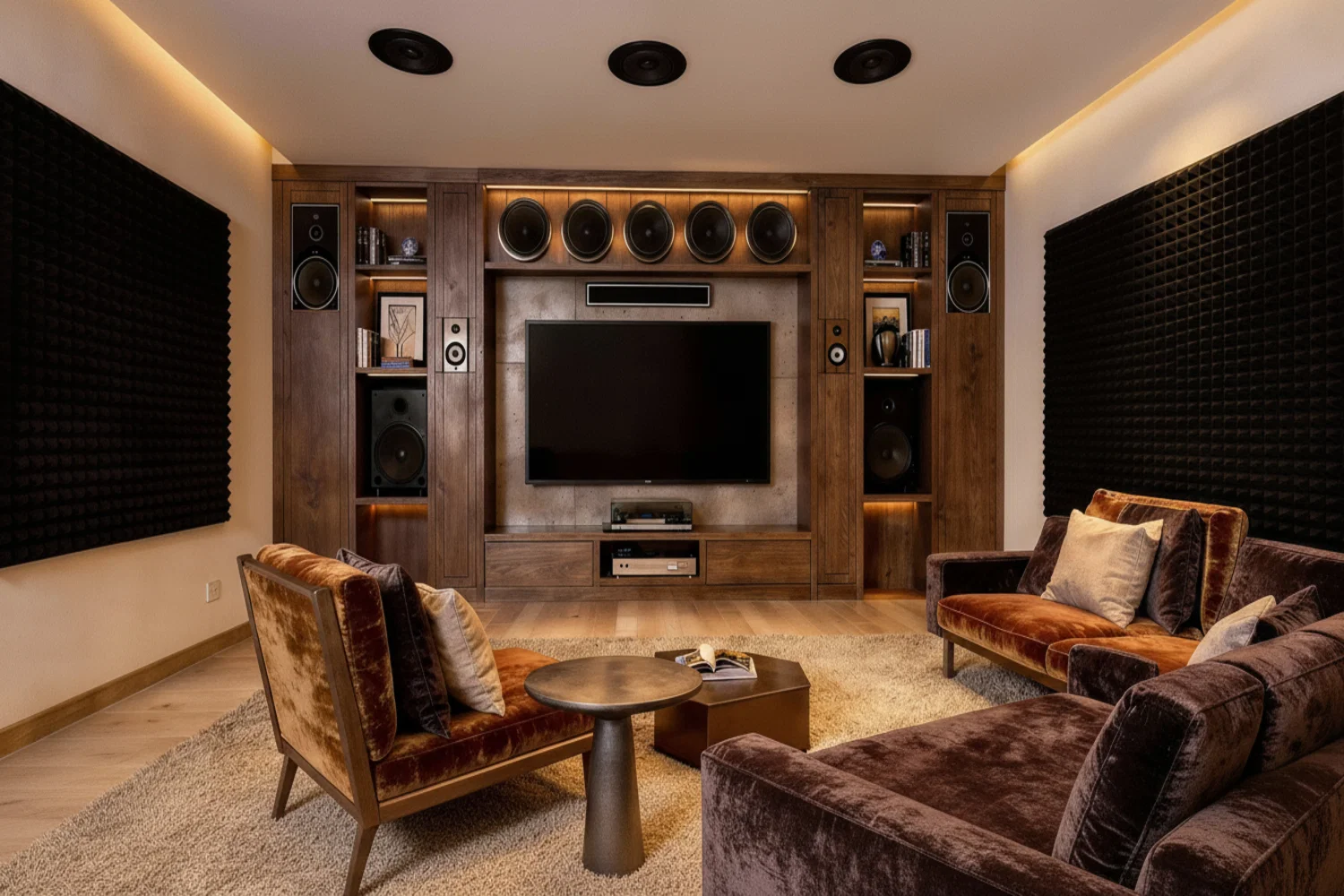
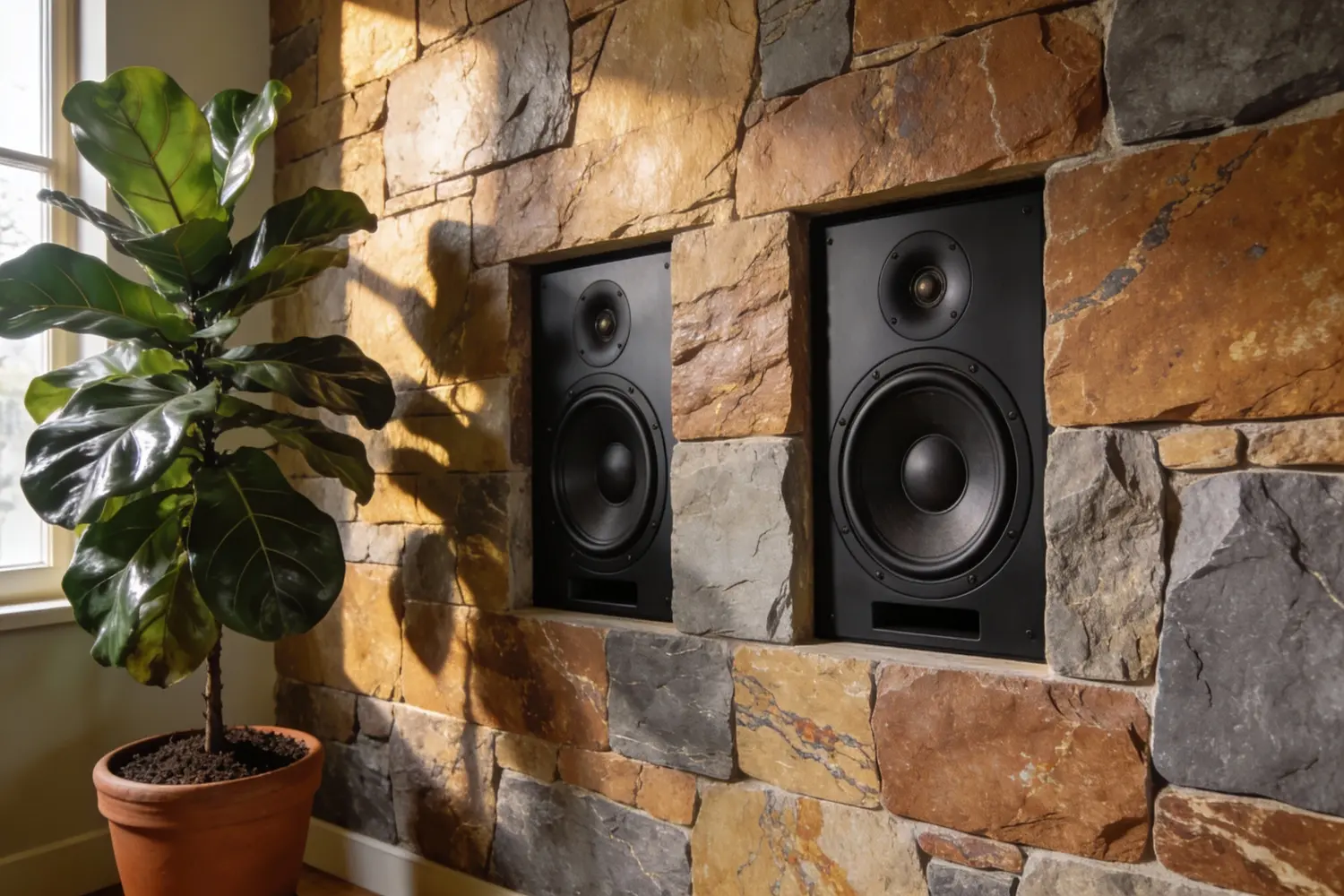
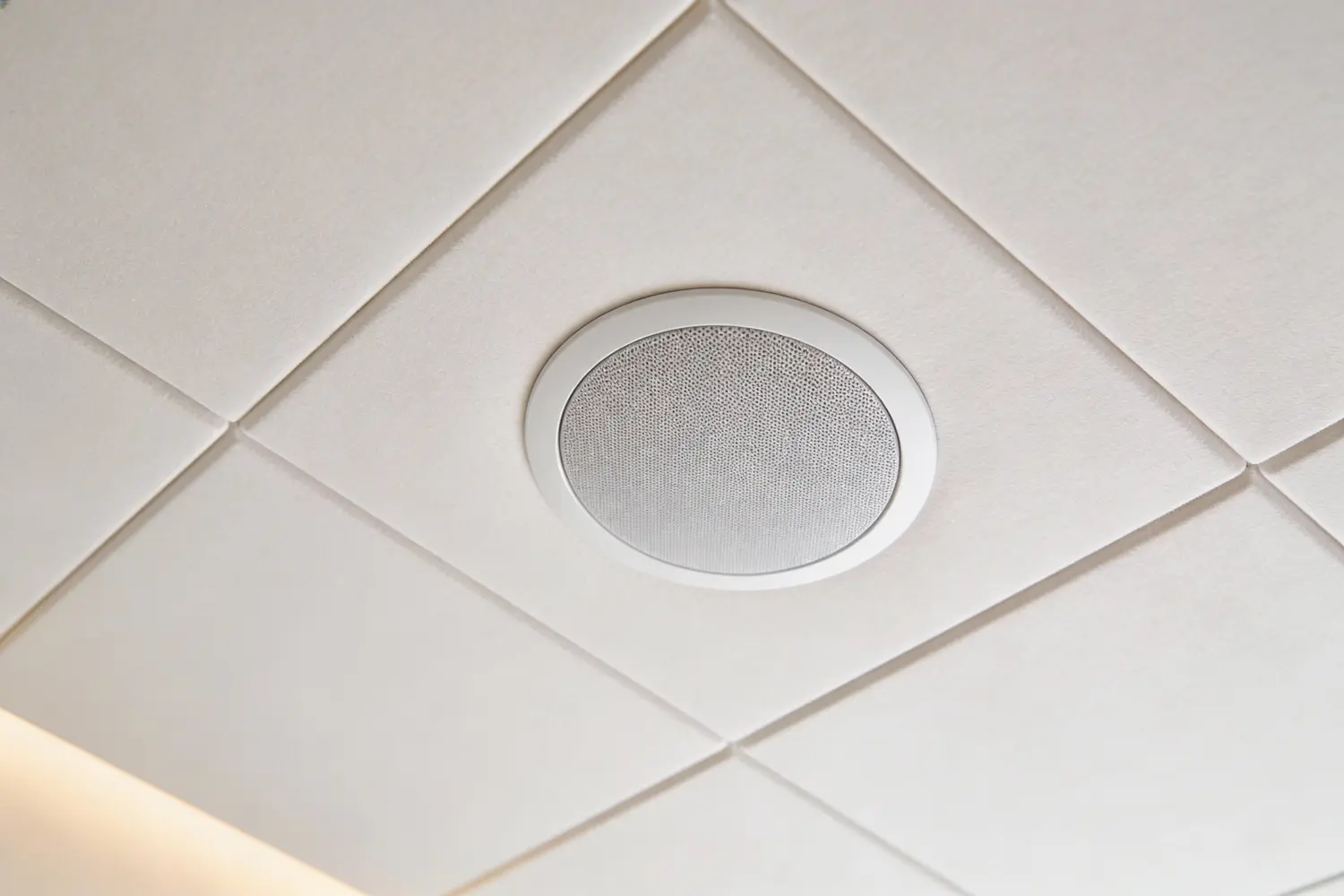
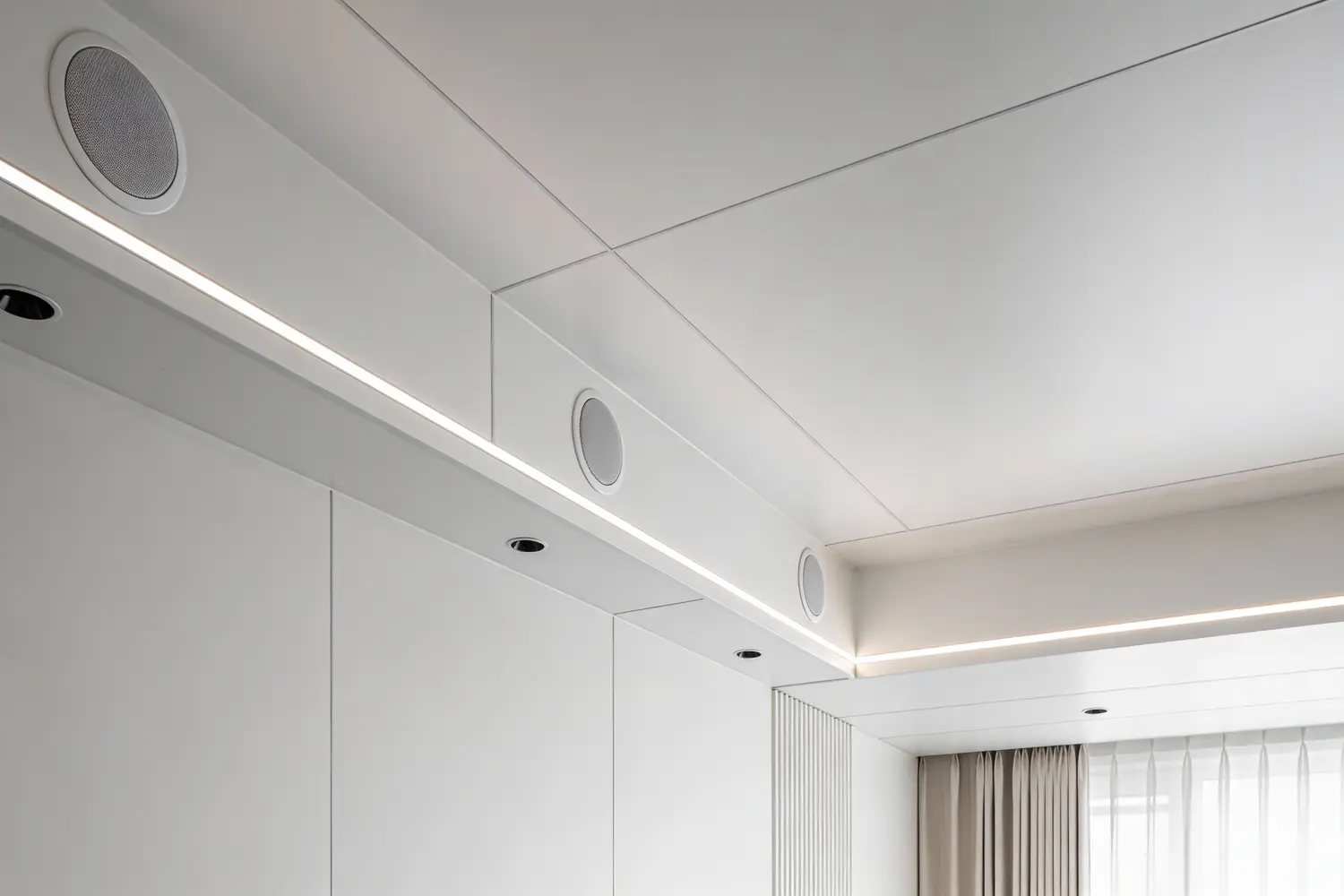
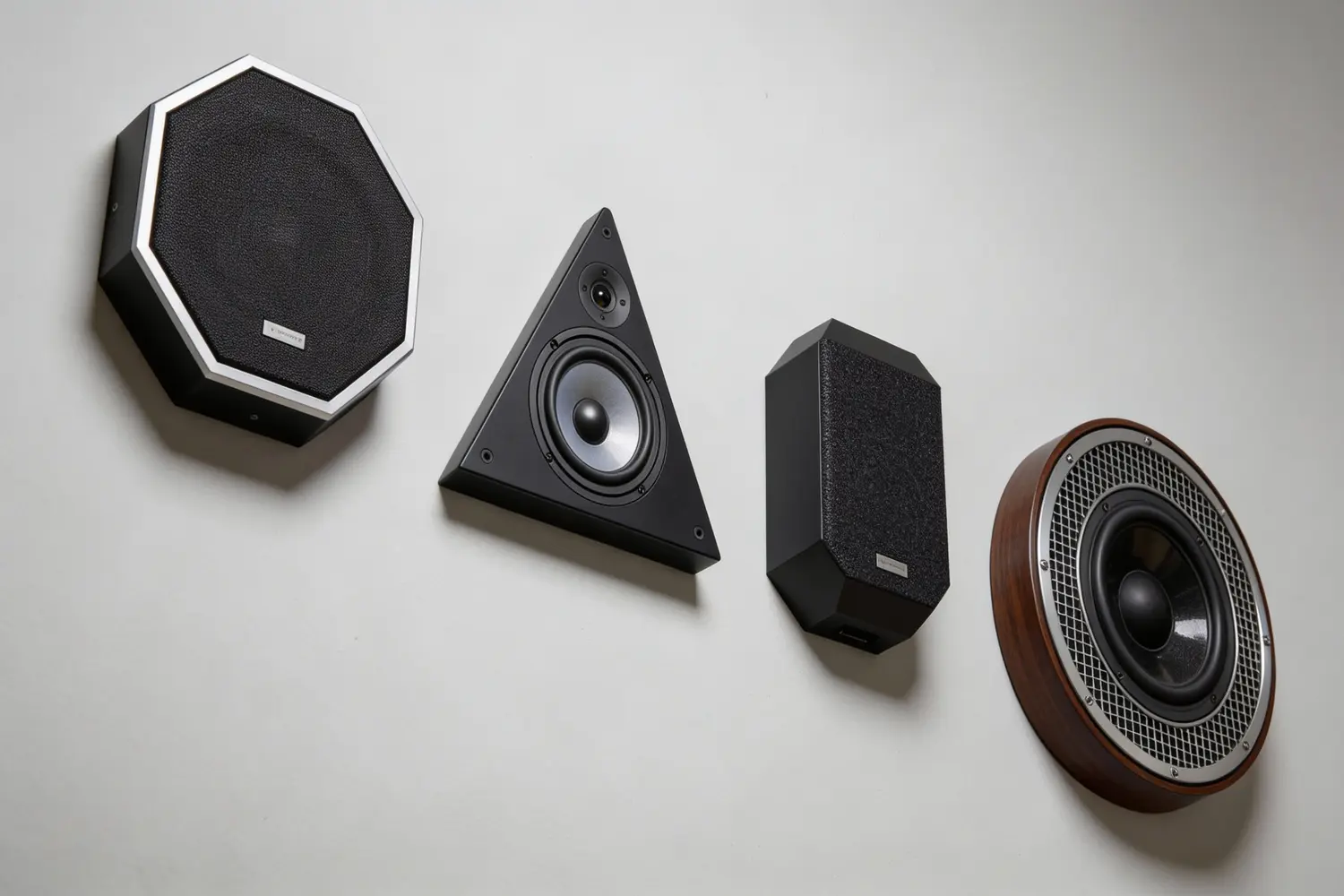
Built-in speakers in walls or ceilings are an elegant solution that frees up floor space and creates a stylish sound system. However, this type of installation often poses challenges in terms of soundproofing. Without the right measures, sound can easily spread to other rooms or floors, creating disturbances both in the room in question and in adjacent spaces. Here we go through how to effectively soundproof walls and ceilings with built-in speakers – without compromising on sound quality.
Why soundproofing is important for built-in speakers
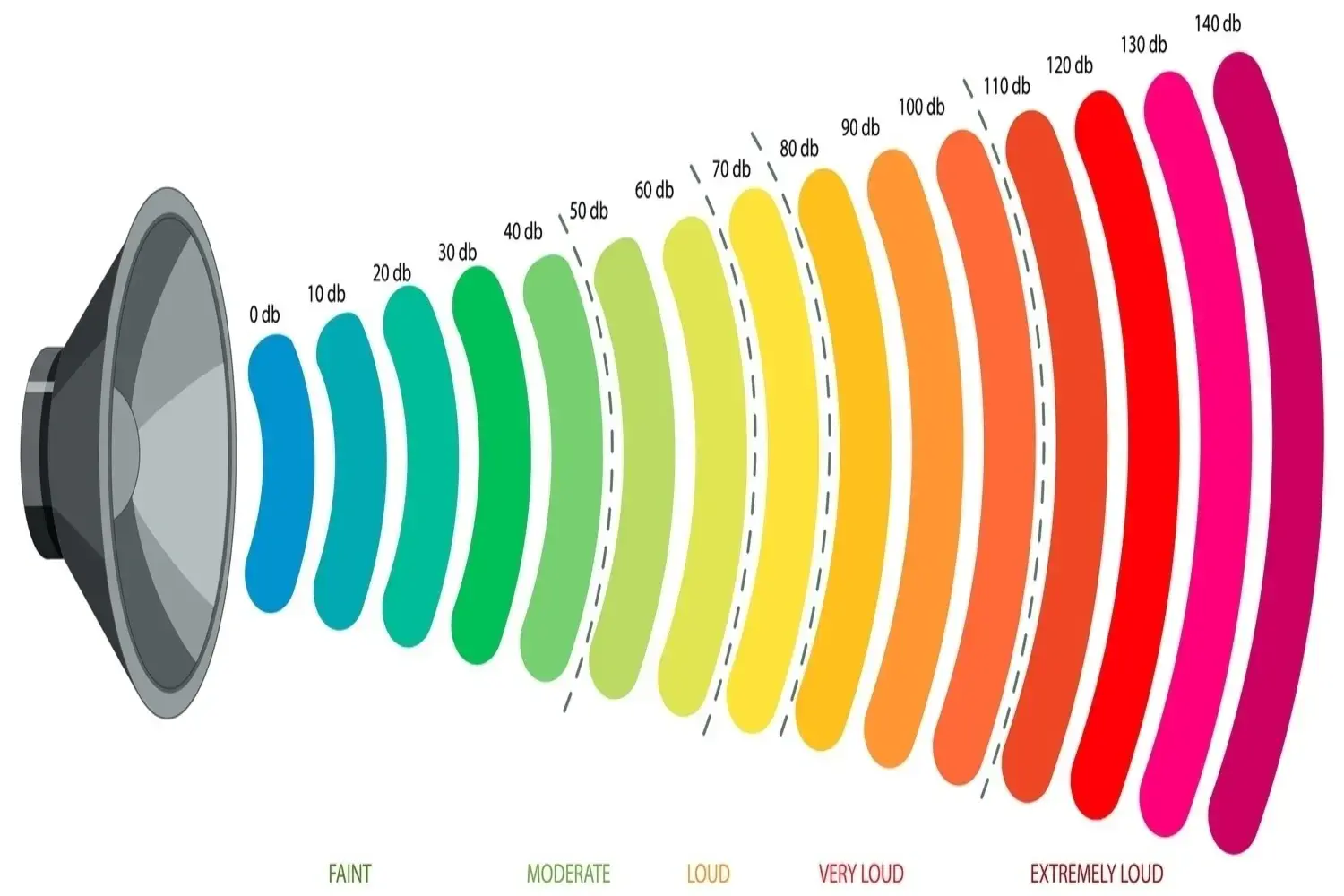
When speakers are built into walls or ceilings, they become part of the structure. This means that both airborne sound and vibrations can travel directly through studs, plasterboard, and joists. The result is often that sound leaks out of the room, while the internal sound image is impaired by resonance and unwanted reverberation. Proper sound insulation not only improves comfort, but also sound quality.
Build the right structure in walls and ceilings
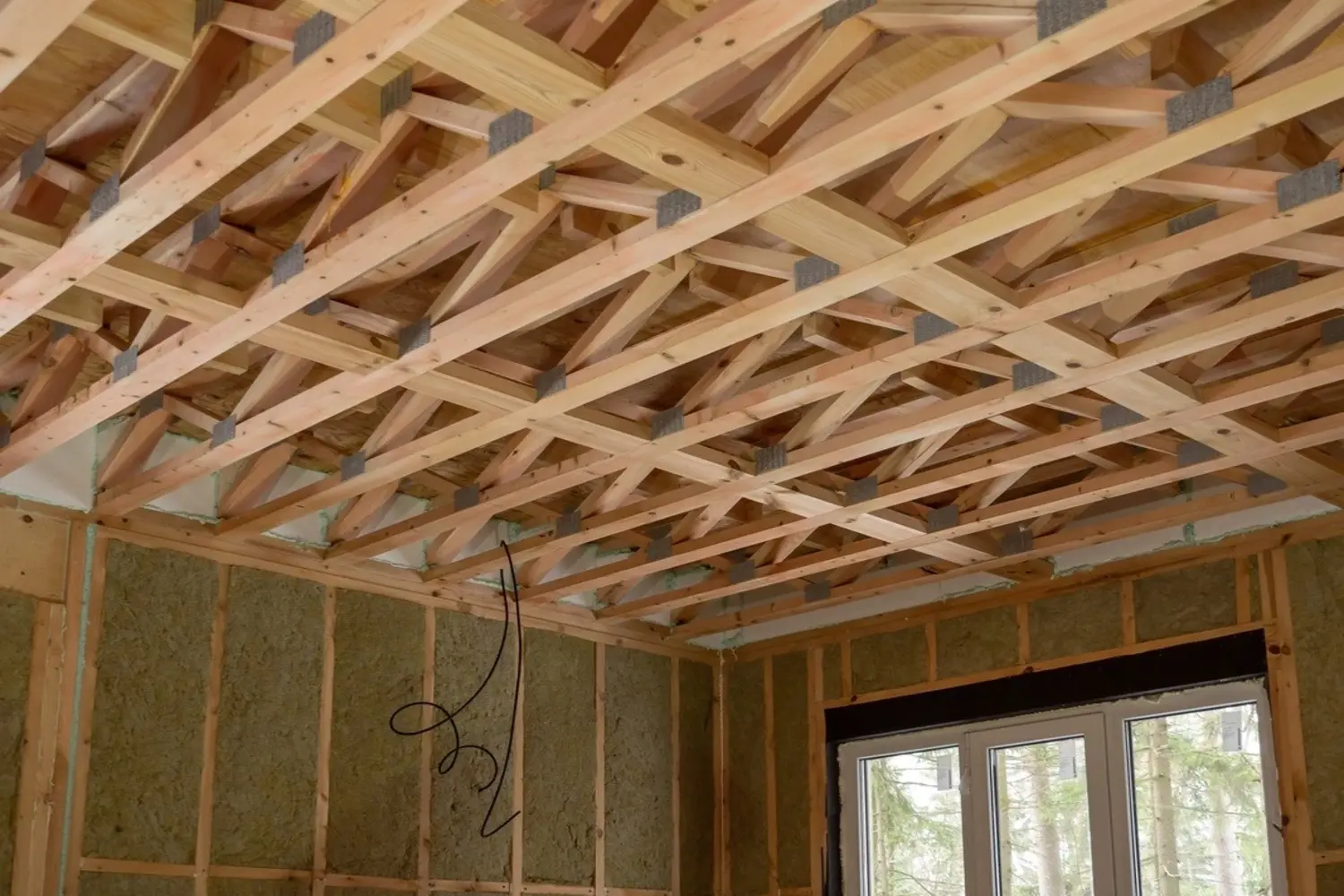
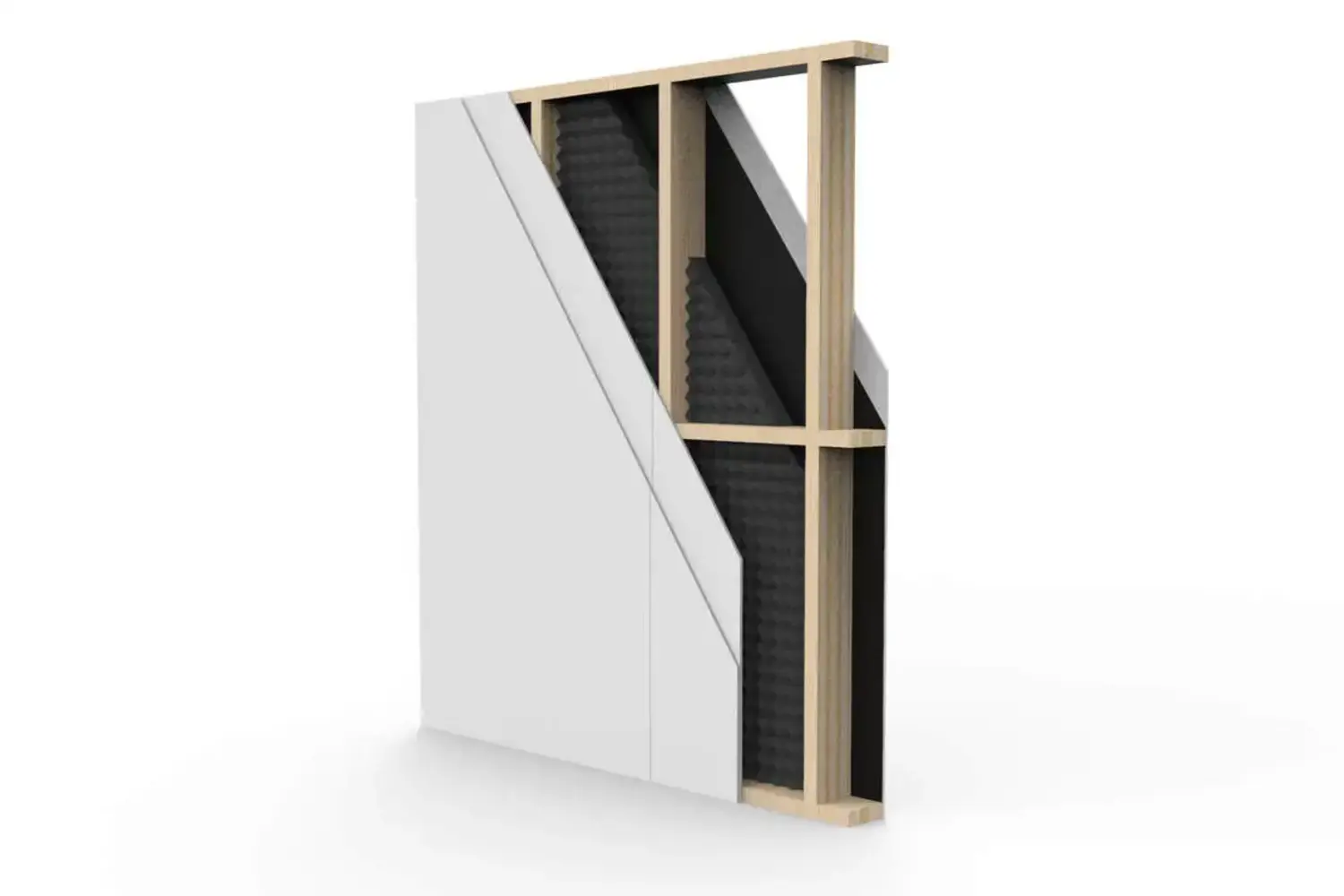
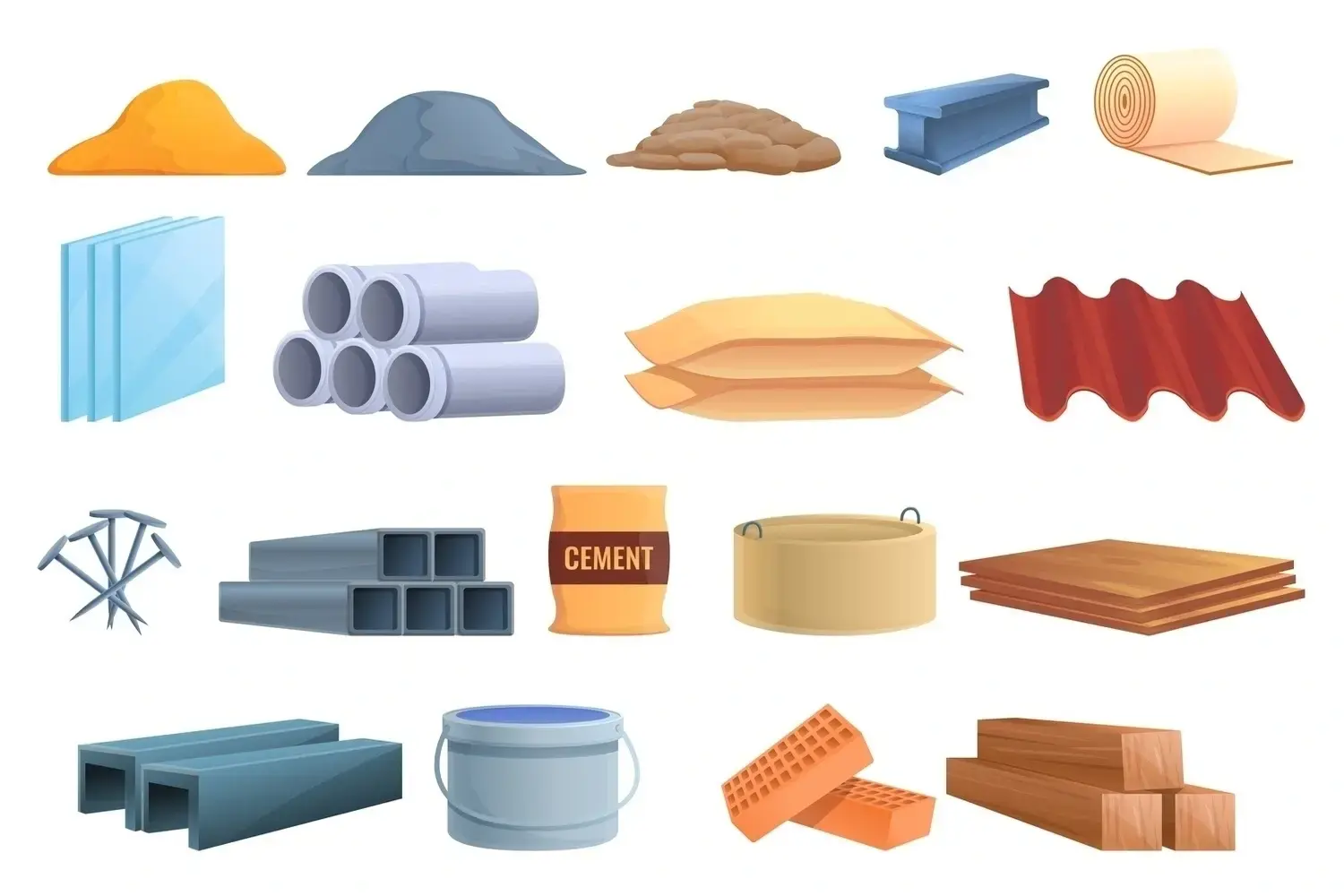
To reduce sound propagation, walls and ceilings should be constructed as decoupled structures. In walls, separate studs are used that are either mounted directly against the wall with SilentDirect Seal between the structure and the wall, or as a freestanding stud frame with an air gap. The same principle applies to ceilings, where a decoupled or vibration-damped structure is built using rails or sound-absorbing fasteners. SilentDirect Seal – made of NBR rubber – is installed along all contact surfaces to reduce structure-borne noise and vibrations.
Block sound with SilentDirect MLV
Once the structure is complete, SilentDirect MLV (Mass Loaded Vinyl) is attached to the front of the studs, where the speakers will later be mounted. MLV is a very heavy rubber-based material that effectively blocks airborne sound. For even better results, double or triple layers are used depending on how much sound needs to be dampened. MLV provides high sound blocking value without taking up much space in the construction.
Use sound-absorbing material behind the speaker
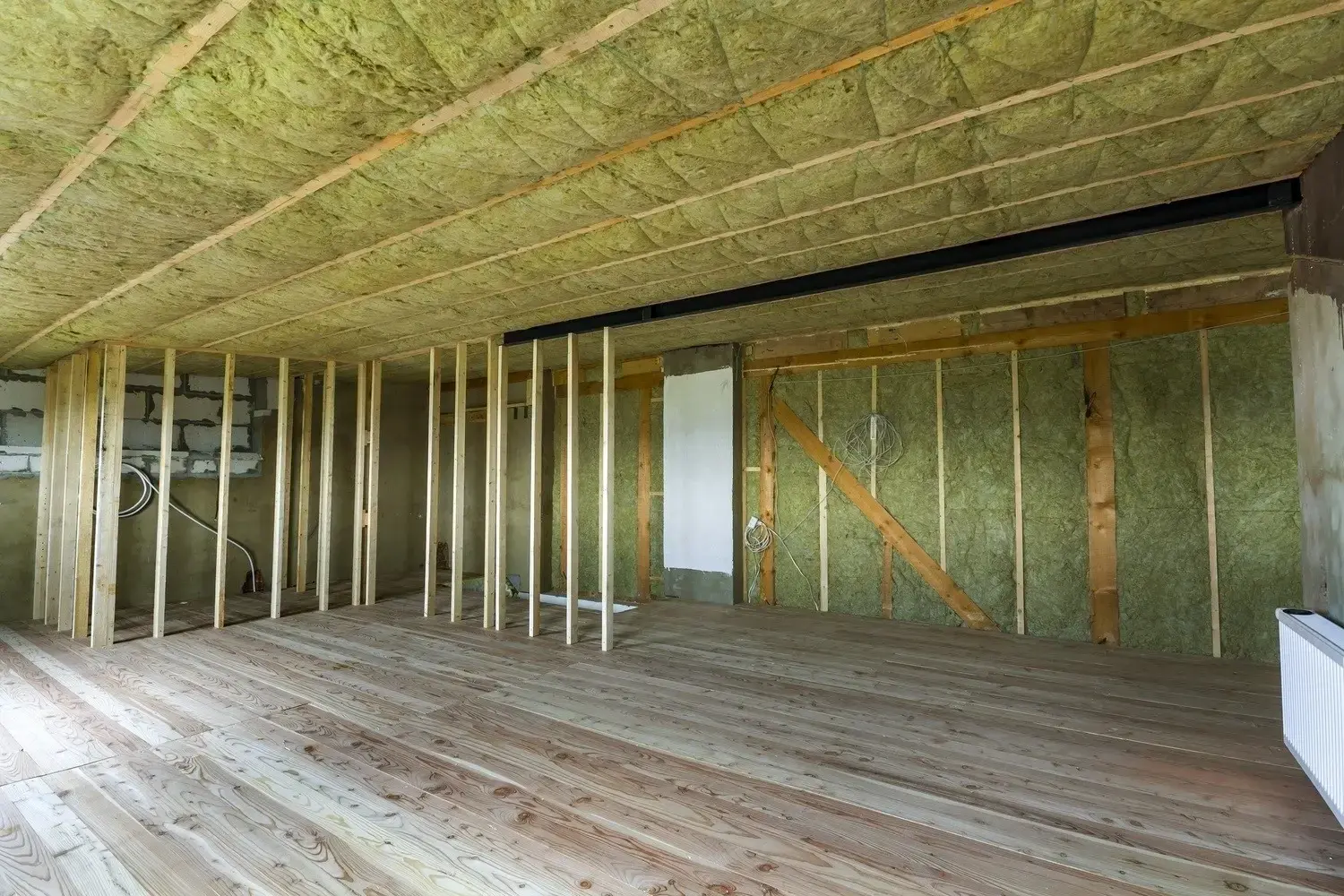
Sound-absorbing material is used to reduce reflections inside the structure and prevent sound from spreading backwards into the wall or upwards into the floor structure. SilentDirect Egg – with its uneven surface – is the perfect choice behind the speaker. For a more compact installation, use SilentDirect Neo, which is a vibration-damping NBR rubber product with high density. These materials are mounted behind and around the speaker to reduce reverberation and sound dispersion.
Build a soundproof box for the speaker
For best results, built-in speakers should be mounted in a closed box. It can be built in MDF and lined internally with SilentDirect Egg and SilentDirect Polaric. Seal all joints with SilentDirect Seal. The box should be tight, heavy, and absorbent – this improves the sound quality in the room while minimizing leakage to other parts of the house.
Complement with sound absorbers in the room
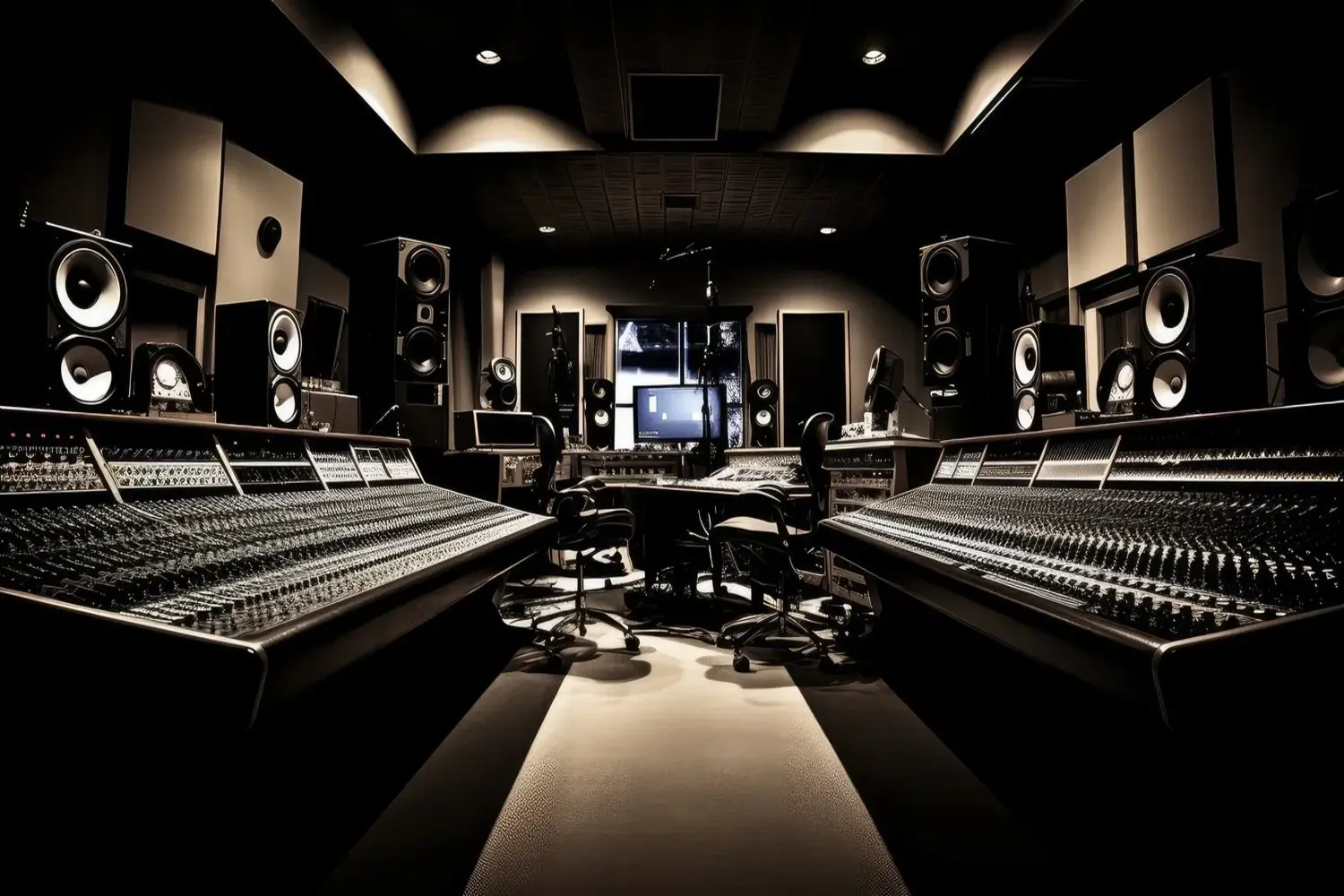
Even with good sound insulation, it is important to control the sound inside the room. Reflections from walls and ceilings can create an unbalanced sound image. By installing sound absorbers such as SilentDirect PES Wall or PES Ceiling on selected surfaces, you can create more controlled acoustics. This provides better precision, especially when listening to music or using a home theater system.
Result: balanced sound environment with isolated sound
By combining sound barriers such as SilentDirect MLV with vibration-damping solutions such as SilentDirect Neo, SilentDirect Polaric, and SilentDirect Seal, you can create a construction that effectively insulates the sound from built-in speakers. When this is complemented with a well-built back box and strategically placed absorbers in the room, you not only get a quieter environment – you also get a cleaner and more dynamic sound experience. Perfect for home theaters, music rooms, or offices where sound should stay where it belongs.