









• Free shipping
  • 5-year warranty
  • Fast delivery

Effective soundproofing of server rooms – a better work environment and improved operational comfort

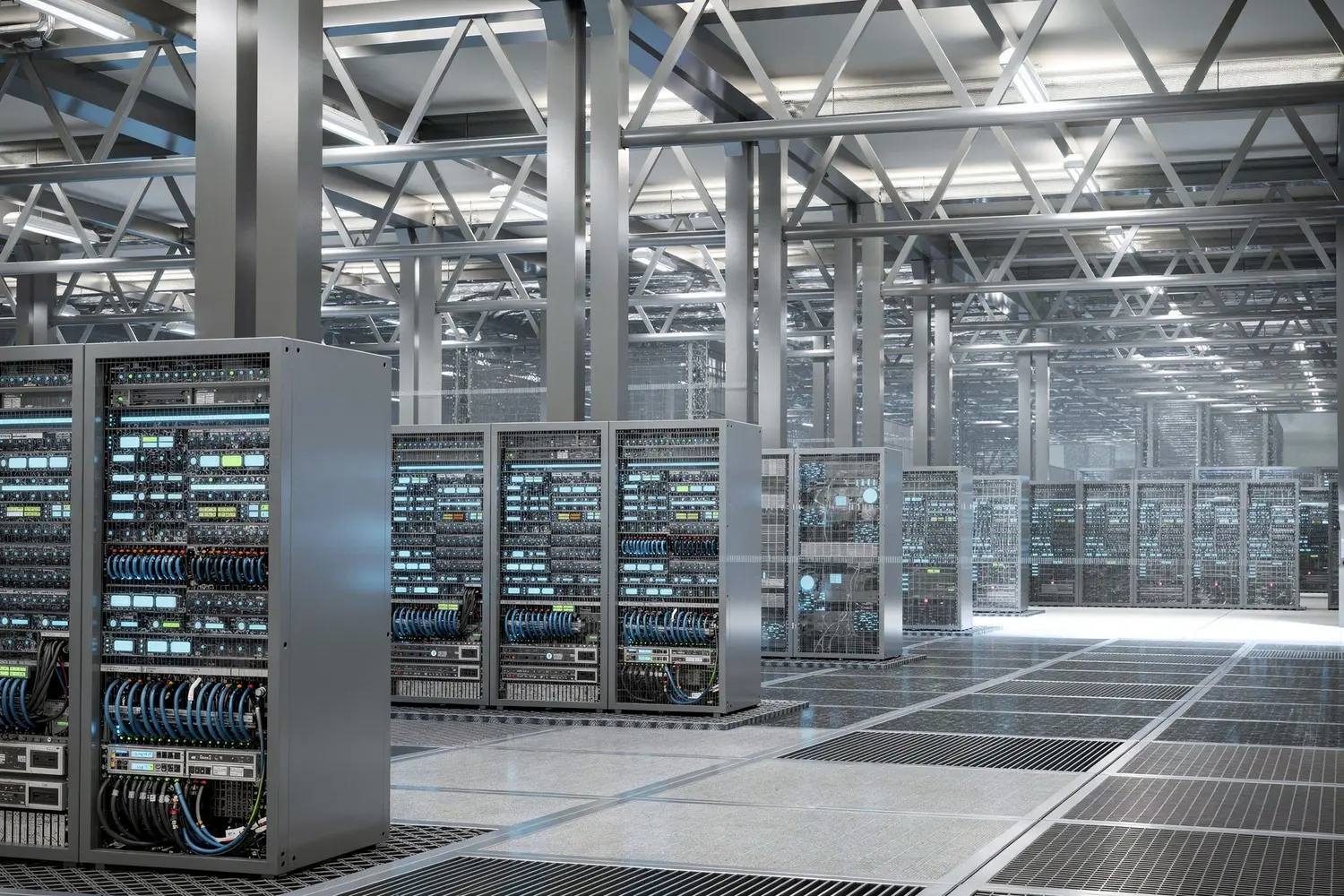
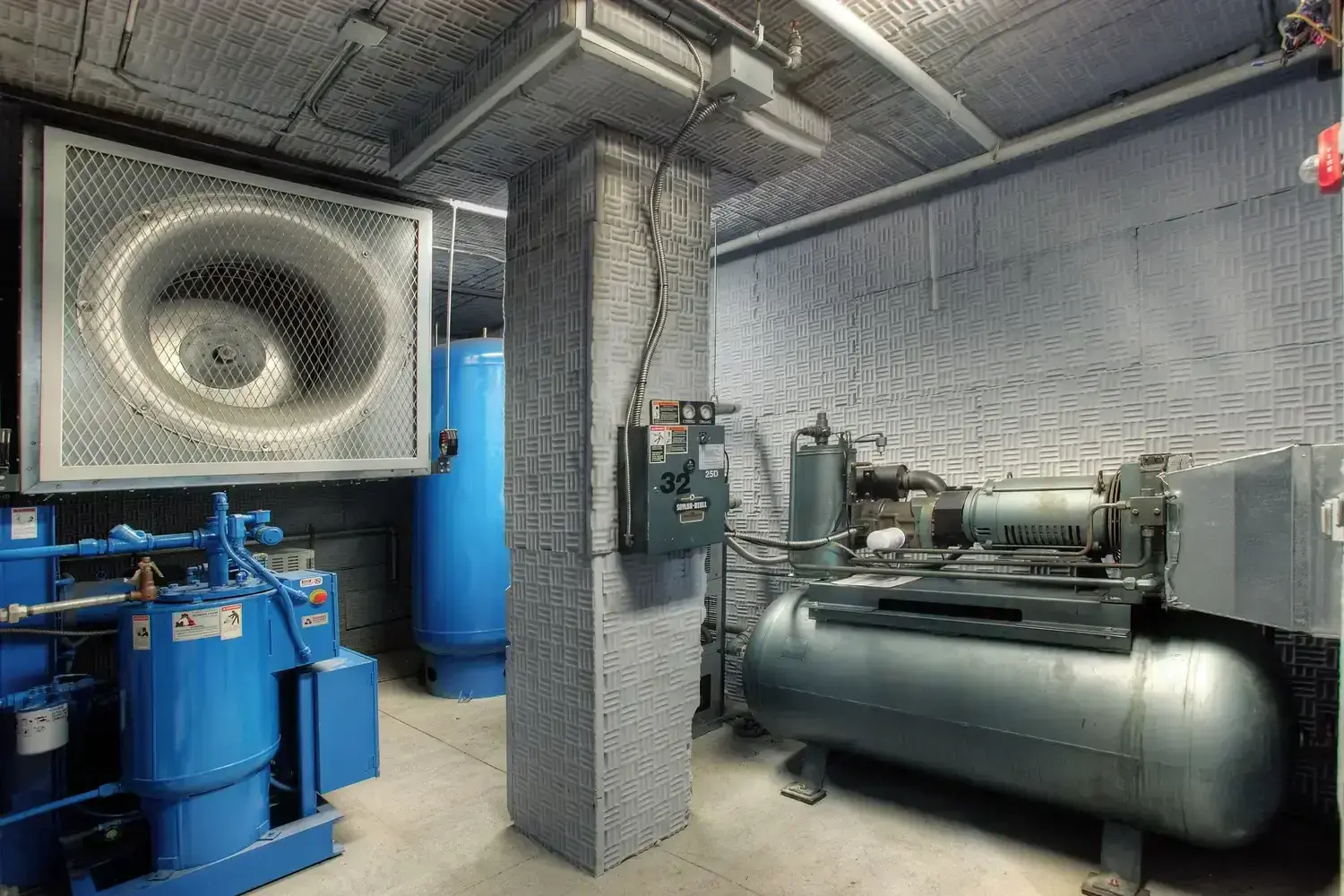
Server rooms are the heart of many businesses—but they are also one of the most common sources of constant and stressful noise.
Fans, cooling units, rack-mounted equipment, and vibrations from the floor and building structure create a sound that is rarely loud in the traditional sense, but that persists around the clock.
Inside offices, technical rooms, schools, and apartment buildings, server noise can spread far beyond the room where the equipment is located.
Consequently, both the work environment and concentration in adjacent spaces are quickly affected.

What makes server rooms particularly challenging to soundproof is the combination of airborne sound and structure-borne sound, which propagates through the building’s structures.
To effectively reduce noise, a well-thought-out strategy is required instead, where sound insulation, sound absorption, and vibration damping work together without compromising operational reliability.
At the same time, ventilation and cooling must function optimally—which means that traditional enclosure is rarely sufficient on its own.

By identifying where the noise originates, how it spreads, and which surfaces amplify the noise, you can create a significantly quieter and more controlled acoustic environment.
With the right measures, it is possible to significantly reduce disruptive server noise—while maintaining cooling, service access, and security.

In this guide, we’ll walk you through how to soundproof a server room properly, which solutions are most effective, and how to create a long-term sustainable acoustic environment.
An environment where technology can operate undisturbed without disturbing people in the surrounding area.

Recommended products

Here are some benefits of soundproofing a server room

Reduced noise levels
Server rooms often generate constant, high-frequency noise from fans, cooling systems, and hardware.
By soundproofing walls, ceilings, and doors, the noise level is significantly reduced, preventing the noise from spreading to adjacent offices or workspaces.

Better work environment
Loud and persistent server noise can lead to stress, fatigue, and impaired concentration.
Effective soundproofing creates a quieter and more pleasant work environment for staff working near the server room.

Reduced reverberation in the server room
In many server rooms, sound is amplified by hard surfaces such as concrete, drywall, and metal.
Sound-absorbing materials reduce reverberation and resonance, making the sound feel softer and less intrusive even inside the server room itself.

Improved sound control for fan and cooling systems
Server rooms often contain powerful cooling fans that generate both airborne sound and vibrations.
By combining sound insulation and vibration damping, these sounds can be controlled more effectively without affecting ventilation or operation.

Increased comfort in adjacent spaces
Soundproofing server rooms prevents noise from spreading to meeting rooms, offices, hallways, or living spaces.
This contributes to a more professional and pleasant environment throughout the building.

Reduced risk of disturbances around the clock
Server rooms are often in operation 24/7. By soundproofing the room, the risk of the continuous noise being perceived as disruptive in the evenings, at night, and on weekends is reduced.
Especially in buildings where people are located near the server room.

A more professional and long-term solution
Well-designed soundproofing is a sustainable investment that improves both the work environment and the building’s functionality.
It provides a more controlled acoustic environment without compromising server operation, cooling, or availability.

Selected articles on "Guide to measurement methods in server rooms"

Guide to Choosing the Right Sound Insulation for Different Frequencies

Different frequencies behave differently. This means that no single solution works for all types of sound problems.

What methods are used to measure sound?

There are several methods for measuring sound, and the choice of method depends on which aspect of the sound you want to evaluate.

How we perceive a decrease in decibels

How is a reduction in decibels perceived? Here, we explain in simple terms how different levels of decibel reduction are perceived.

Step-by-Step: Soundproofing a Server Room – Tips for Reducing Noise

A server room rarely makes a “loud” noise for short periods of time—but because the noise is constant, it quickly becomes stressful.
Here, both airborne sound (which leaks through doors and walls) and structure-borne sound (which travels through the floor and the building’s structure) occur.
To achieve a clear effect, you therefore need to work step by step and break the sound path in several stages—without compromising ventilation, service access, or operational reliability.

Step 1: Identify the noise source and the sound path

Start by listening and pinpointing what dominates:

– Constant “hissing” → fans and airflow (airborne sound).
– Dull hum felt in the wall/floor → vibrations and structure-borne noise.
– Rattling/clinking → loose panels, metal components, or vibrating racks.

Also check where the sound is most audible outside the server room (neighboring offices, hallway, floor above). This will help you determine where the measures will make the biggest difference.

Step 2: Review the ventilation – quieter airflow without compromising cooling

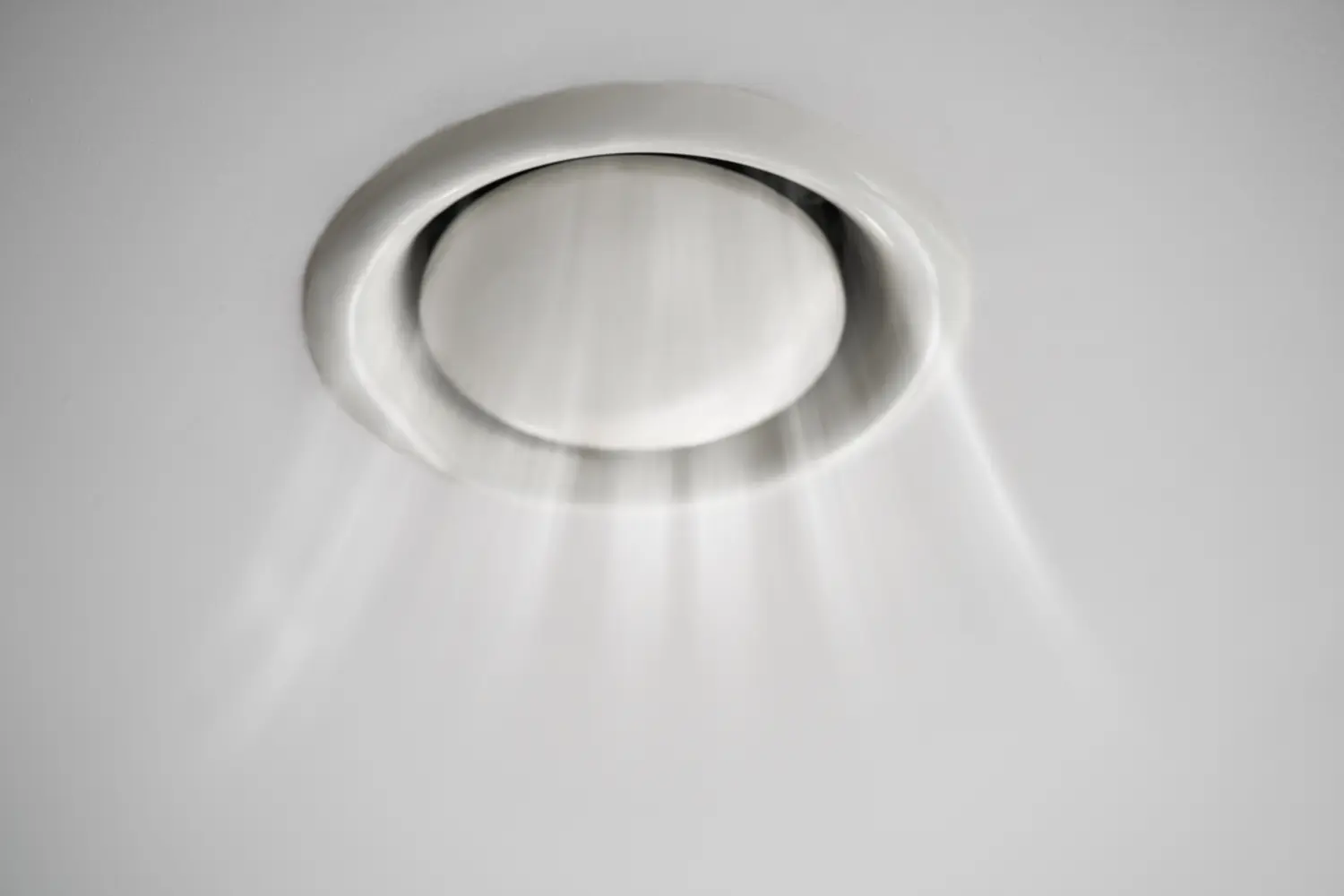
Server rooms must be ventilated. If the air ducts are straight and unsealed, they can act as sound conduits. The goal is to maintain cooling while reducing sound leakage:

– Avoid “straight-through” openings where sound can pass directly.
– If possible, create an angled or labyrinth-like air path.
– Ensure that grilles, vents, and ducts do not vibrate.

This step often makes a big difference because fan noise tends to travel through the ventilation system.

Step 3: Dampen vibrations at the source (floors and contact points)

Structure-borne noise travels far within a building and is often what is perceived as most disruptive in adjacent rooms. Start from the bottom:

– Place SilentDirect Polaric as a base layer under racks, equipment, or wherever vibrations enter the structure.
– Add SilentDirect Neo on top for a softer intermediate layer and better decoupling.
– For point loads (e.g., feet/wheels), use SilentDirect Dampio to reduce vibrations locally.
– You can also build a sound-damping panel or a sound-damping platform to avoid direct contact with the foundation.

When vibrations are dampened early, the risk of walls, floors, and joists transmitting the vibrations is reduced.

Step 4: Build a sound barrier in walls and doors (block airborne sound)

Airborne fan and machine noise often travels straight through lightweight walls and, above all, through doorways. Here, mass and density are crucial:

– Install SilentDirect MLV as a heavy sound barrier in wall/ceiling structures or behind drywall.
– Cover large contiguous surfaces to avoid weak points.
– Focus particularly on the wall facing the rooms that are most affected.

MLV is effective when you want to reduce sound transmission without creating unnecessarily thick structures.

Step 5: Add absorption behind the barrier to reduce resonance

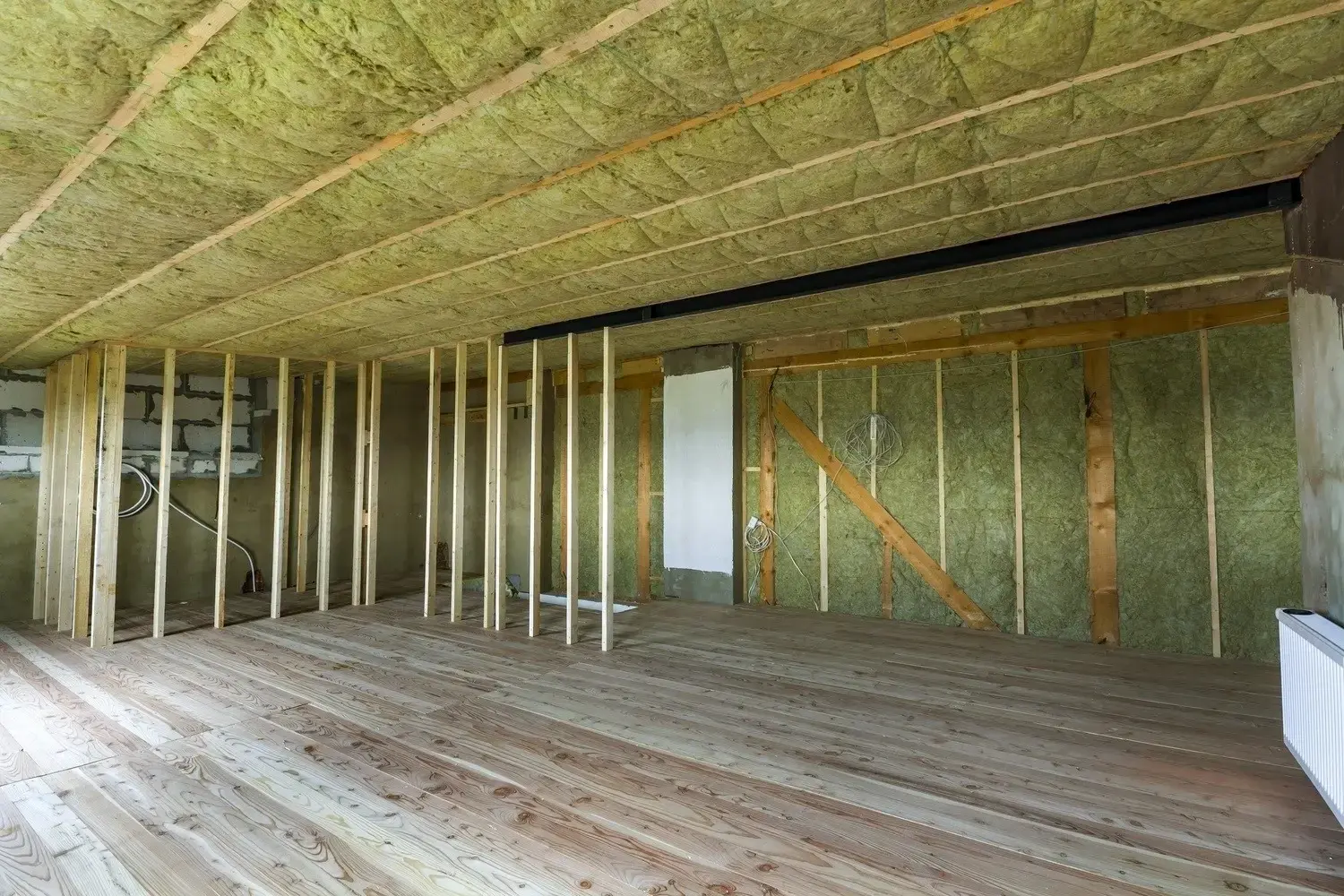
When you block sound with a barrier, the sound energy can otherwise bounce around in cavities and create resonance. That’s why you need absorption in the structure:

– Install SilentDirect Egg behind the barrier where space allows.
– If space is limited, SilentDirect Neo can serve as a thinner alternative.

This ensures that sound is dampened “inside” the structure instead of finding its way out through other paths.

Step 6: Seal doors, joints, and penetrations—otherwise, sound will still leak

Even a good wall can underperform if there are gaps. Server rooms often have cable penetrations and service openings that become sound leaks:

– Use SilentDirect Seal around door frames, hatches, and joints.
– Seal penetrations where cables and pipes pass through.
– Ensure the door closes tightly without creating stress in the structure.

Small gaps can let out a surprising amount of fan noise—especially at higher frequencies.

Step 7: Soundproof the server room to reduce perceived noise

Hard surfaces in server rooms cause sound to reflect and be perceived as louder. By reducing reverberation, the room feels quieter and the noise less aggressive:

– Install SilentDirect PES on walls or ceilings to reduce reverberation.
– If you want a more aesthetic look, SilentDirect PES Fabric can be a good alternative.

This step improves acoustic comfort and can also make noise seem quieter in adjacent spaces.

Step 8: Test, measure, and fine-tune

Finish by listening to the results and feel free to measure before and after (a simple dB meter or mobile app is sufficient to gauge the trend):

– Is the noise lower in the hallway/adjacent room?
– Has the floor/wall hum decreased?
– Is there a remaining leak (often near a door or penetration)?

Make adjustments where you still hear the disturbance—often, additional sealing or local absorption is enough to achieve that final noticeable improvement.

Selected articles on "Reducing structural noise from server rooms"

Effectively reduce structure-borne noise.

Structure-borne sound is sound that is transmitted through vibrations from structures such as walls, floors, and ceilings rather than through the air.

Sound-absorbing podium

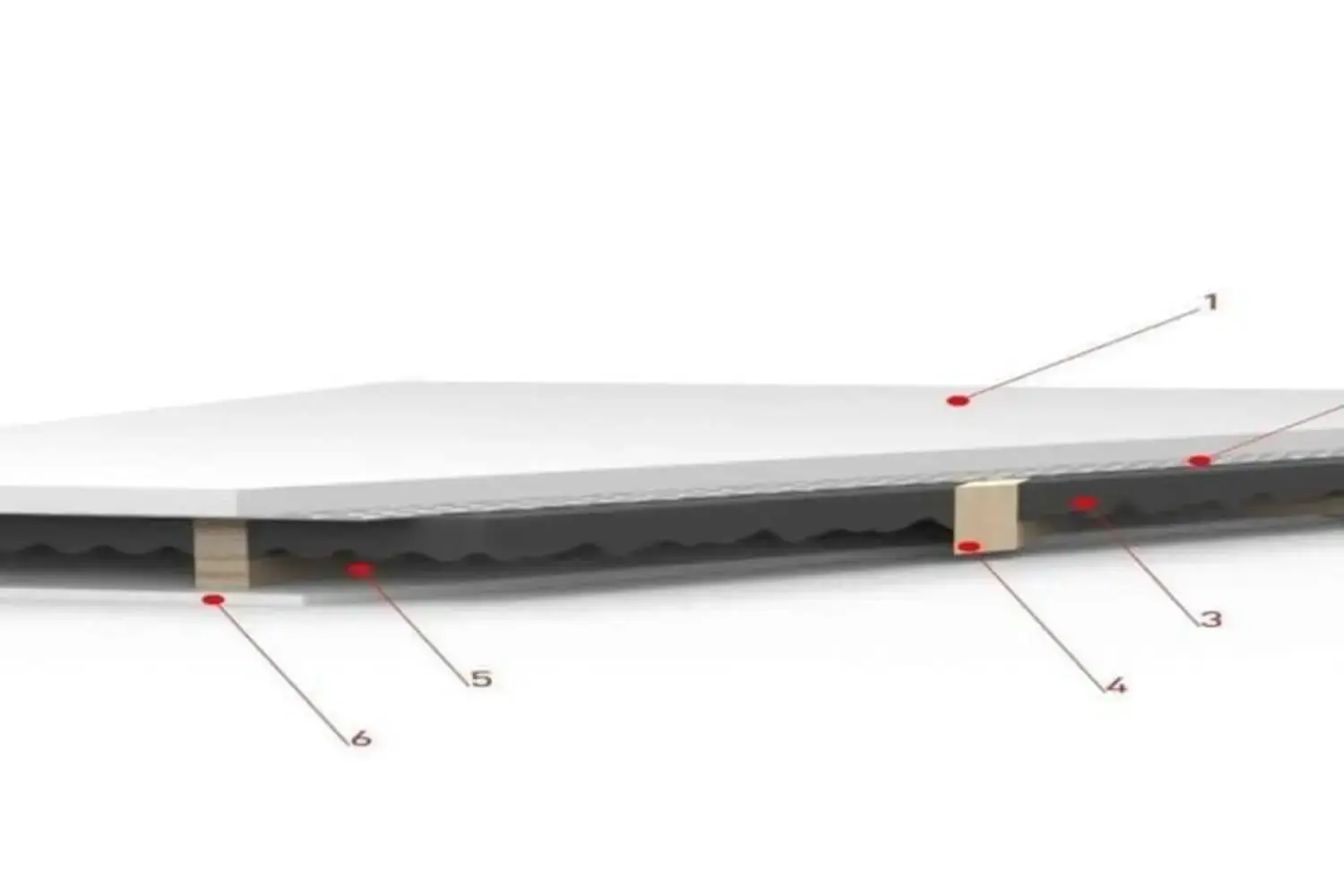
To minimize the transmission of vibrations and sound through the floor, the best solution is to build a sound-absorbing platform or raised floor.

Sound-absorbing panel

A vibration-damping mat may sometimes be sufficient, rather than building a more elaborate platform.

Products that are effective for soundproofing a server room

To create a quieter server room and reduce disruptive noise, you need the right combination of materials that address structural noise, airborne noise, and reverberation.
Below is a list of effective products for each aspect of soundproofing.

SilentDirect Polaric – heavy-duty vibration damping

SilentDirect Polaric is a heavy damping mat with a butyl core used to reduce structure-borne noise and vibrations in the server room’s structure.
The product is ideal under racks, equipment, and contact surfaces where vibrations can spread through floors or walls. Polaric is often the first layer in a vibration solution.

SilentDirect Neo – flexible vibration and sound dampener

SilentDirect Neo is a smooth, vibration-damping, and sound-absorbing mat made of NBR rubber.
It functions as an intermediate layer on top of damping (e.g., Polaric) and as a separate absorption layer where space is limited.
Neo also works well around mountings and stands.

SilentDirect Dampio – point vibration damping

SilentDirect Dampio is a compact vibration plate used to dampen point loads where vibrations are concentrated.
For example, under motors, fans, or rack feet. Dampio reduces local vibrations that would otherwise spread throughout the building.

SilentDirect MLV – sound barrier against airborne noise

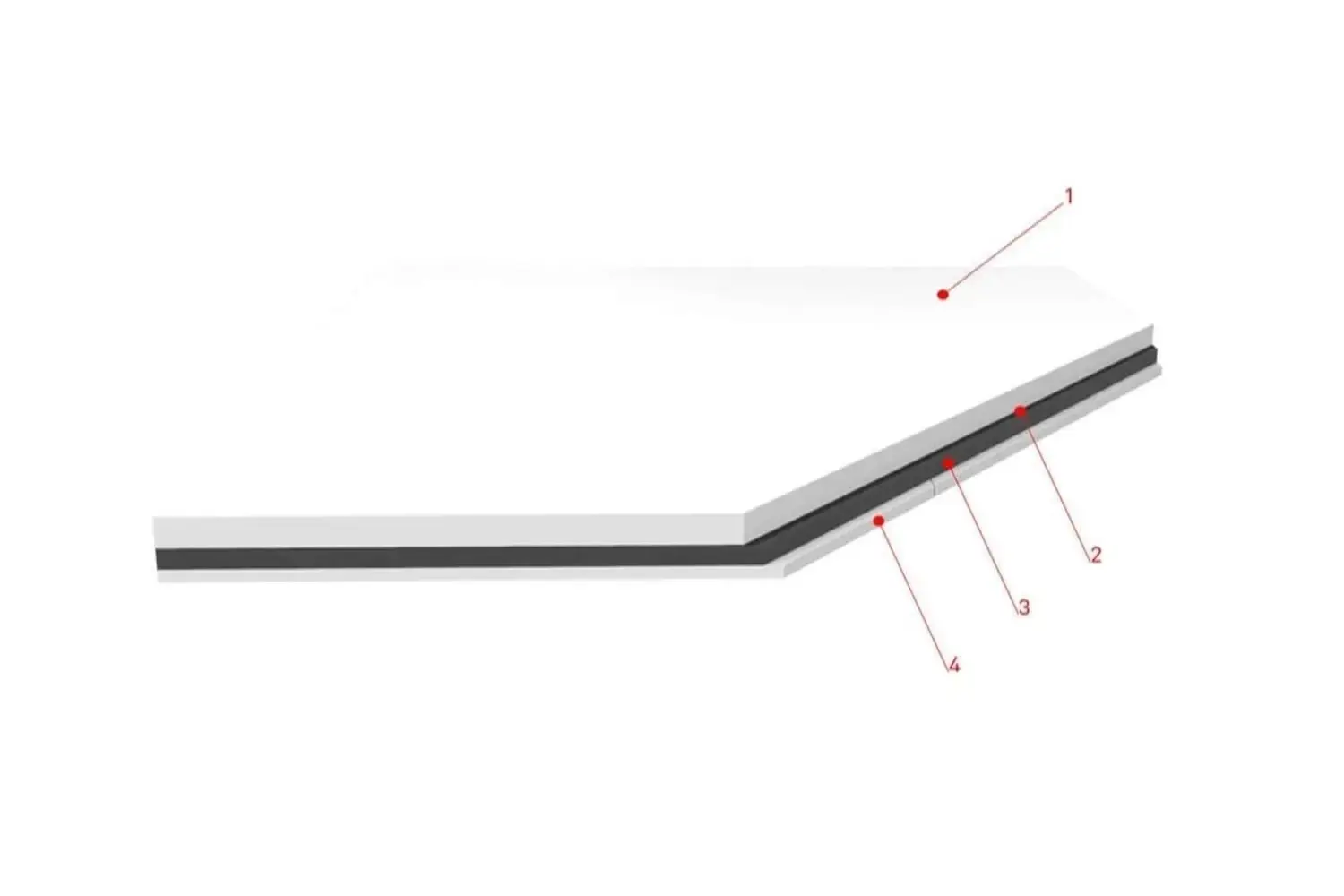
SilentDirect MLV (Mass Loaded Vinyl) is a heavy and flexible material that dampens airborne sound, i.e., the direct transmission of noise through walls and doors.
MLV is used in wall constructions and behind panel materials to significantly reduce sound transmission.

SilentDirect Egg – sound absorber for resonance and reflection damping

SilentDirect Egg is a high-density acoustic absorber with a patterned surface that captures sound energy and reduces resonance in cavities and when combined with barriers.
Egg is particularly useful when you want to prevent sound reflection behind insulation layers.

SilentDirect Seal – elastic seal

SilentDirect Seal is an elastic sealing strip used to seal joints, openings, and penetrations where sound might otherwise leak out.
Seal is essential around door frames, cable penetrations, ventilation openings, and other areas where sound would otherwise pass through easily.

SilentDirect PES / PES Fabric – acoustic absorbers for reverberation

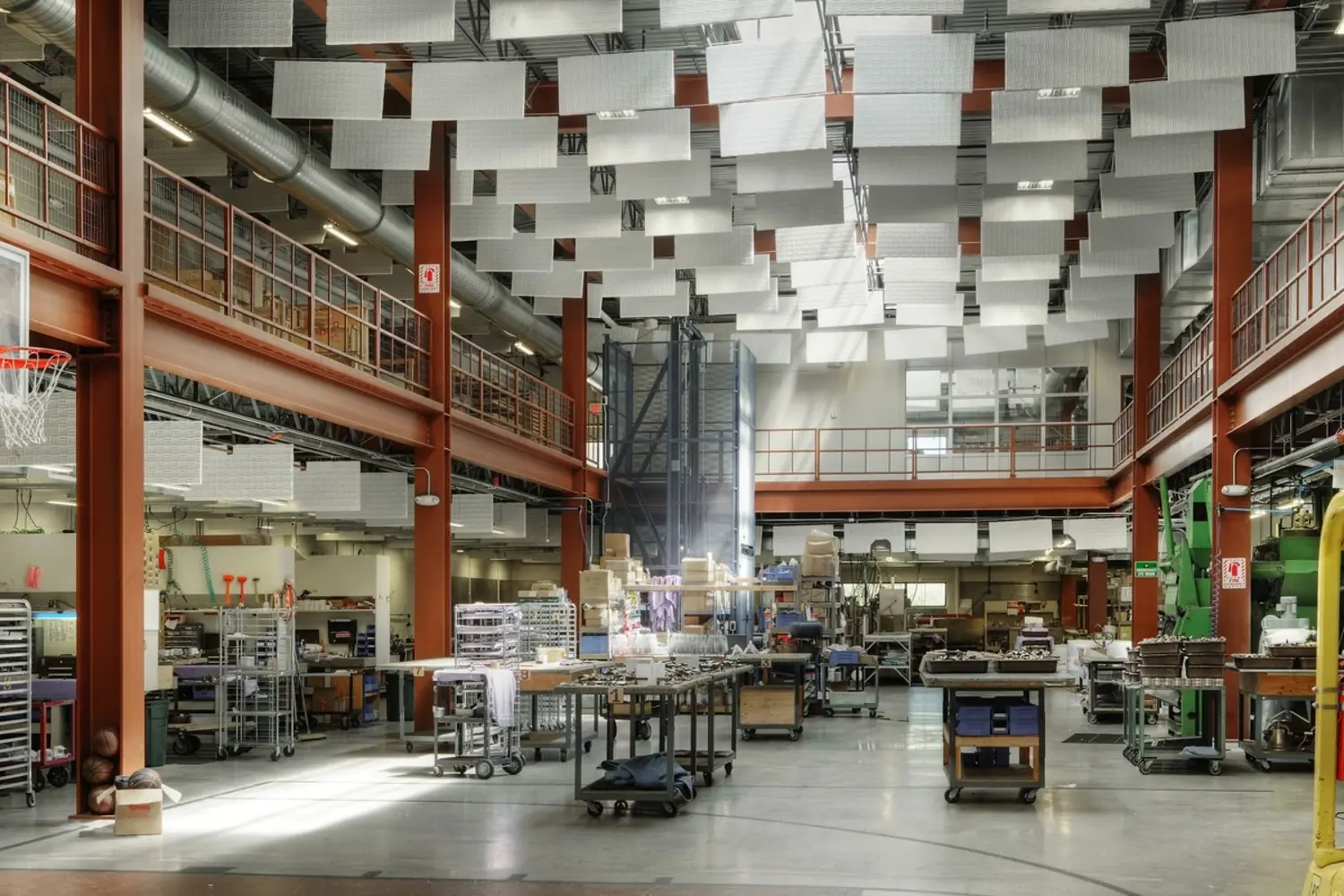
SilentDirect PES are acoustic panels mounted on walls and ceilings to reduce reverberation in rooms adjacent to server rooms or within the server room itself.
PES Fabric offers the same functionality as PES but with a fabric-covered surface layer that provides a more aesthetic appearance.

Recommended combinations for server rooms

For vibration and structure-borne noise: SilentDirect Polaric as a base layer + SilentDirect Neo on top for softer decoupling.

For local spot isolation: SilentDirect Dampio under the equipment’s feet or mountings.

Against airborne sound: SilentDirect MLV as a sound barrier in walls and doors with SilentDirect Egg behind barriers or in cavities.

For reverberation in adjacent rooms: SilentDirect PES or SilentDirect PES Fabric on walls/ceilings.

For sealing: SilentDirect Seal around openings, joints, and penetrations.

By using these products in a customized combination, you create effective and durable sound insulation that reduces noise in the server room and improves comfort in surrounding areas.

Selected articles on "Sound absorption and soundproofing of server rooms"

How to Soundproof a Room – A Complete Guide

Soundproofing a room effectively requires the right method, materials, and attention to detail. Here, we’ll walk you through, step by step, how to soundproof your room in the best possible way.

Soundproof rooms with high ceilings.

Soundproofing and sound-absorbing a room with high ceilings can be challenging, as high ceilings contribute to increased reverberation and sound reflection.

Different methods of installing sound absorbers.

There are various ways to install sound absorbers, depending on the type of sound-absorbing material and the application.

Did you know that…

Why is the monotonous hum from a server room often perceived as more disruptive than louder, intermittent noises?
The reason is that the brain has a hard time “tuning out” a constant fan noise, which means that even relatively low decibel levels can cause stress, fatigue, and difficulty concentrating over time.

Noise from server fans largely consists of high-frequency tones that easily penetrate thin walls, doors, and ventilation openings?
Therefore, simply making the walls thicker is rarely enough—sound leaks and resonance must also be controlled to achieve real results.

Vibrations from racks, cooling systems, and power units can travel several rooms away via the floor and building structure, even if the server room itself is closed?
This means that noise is sometimes heard more clearly in an adjacent room than inside the server room itself.

Reverberation in a server room can make the noise level seem significantly higher than it actually is?
By reducing reflections from walls and ceilings, the sound can be perceived as softer and less intrusive—even though the fans continue to operate at the same power.

Small openings around cable penetrations and doors are often the main reason why sound insulation doesn’t work as intended?
A single leaky penetration can let out more sound than an entire, well-built wall.

So the next time a server room feels “impossible to quiet”—remember that it’s rarely a single missing measure.
It’s the interplay between vibration damping, sound barriers, absorption, and sealing that determines whether the noise stays where it belongs.

Selected articles on "Soundproofing a server room"

Soundproof ventilation ducts

Hearing noise through the ventilation ducts is a common and annoying problem, since these ducts usually connect all the rooms. We have the solution!

Soundproof machines.

Soundproofing machinery can be difficult. However, it is possible to reduce the noise from a machine if you use the right soundproofing and sound-absorbing materials.

How many sound absorbers do I need to install?

With our reverberation time calculator, you can easily figure out how many sound absorbers you should install.

*Free shipping

Free shipping to a pickup location

5-year warranty

5-year product warranty

Fast delivery

Usually ships the same day

Soundproofing Server Rooms – Tips for Reducing Noise

Server rooms are the heart of many businesses, but they are also a significant source of noise. Fans, cooling systems, and hard drives generate a constant and often loud noise that can spread to adjacent offices, meeting rooms, or technical areas. By soundproofing a server room, you not only reduce noise but also create a quieter, more pleasant, and productive work environment.

Why is soundproofing server rooms important?

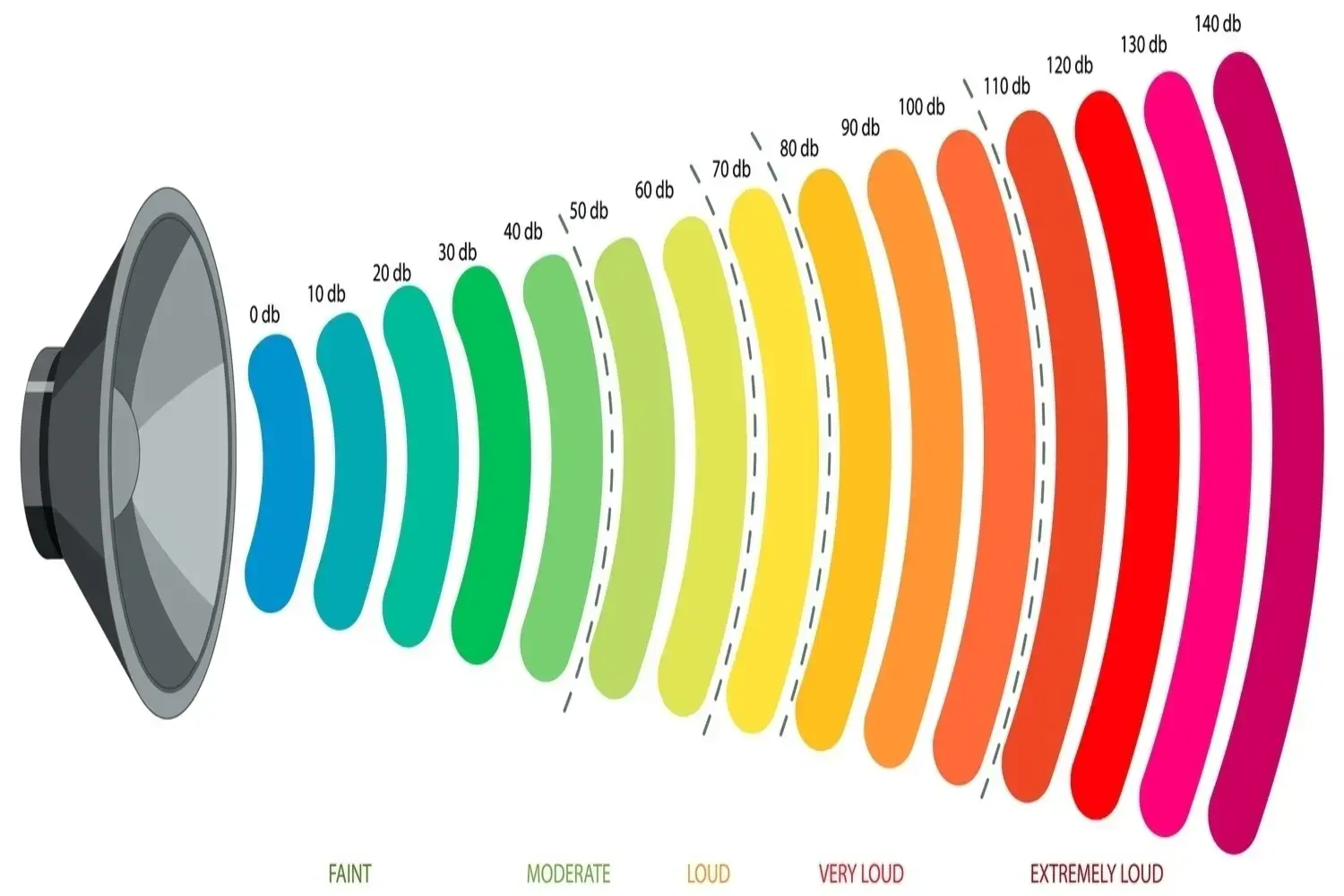
A server room can easily reach noise levels of 70 decibels or more—which is equivalent to a loud conversation. This affects both the peace and quiet and the well-being of staff working in the vicinity of the room. Prolonged exposure to noise can lead to stress, reduced concentration, and poorer performance. By soundproofing the server room, the work environment becomes both more ergonomic and professional—especially in open-plan offices or buildings with thin walls.

Soundproof walls and ceilings – block sound at the source

To prevent sound from spreading out of the server room, effective sound barriers are required. SilentDirect MLV (Mass Loaded Vinyl) works excellently against airborne sound, while SilentDirect Neo or SilentDirect Polaric dampen vibrations and structure-borne noise. These materials can be installed directly on existing surfaces or as part of a decoupled framing system with wood or steel studs. Complement with double layers of drywall to further improve sound insulation.

Vibration damping for floors and equipment

Structure-borne noise from servers and fans often propagates through the floor and the building’s structure. To break this transmission, it is recommended that the floor in the server room be insulated with a combination of SilentDirect Neo or SilentDirect Polaric and SilentDirect MLV. Server racks and heavy equipment can be placed on vibration-damping pads such as SilentDirect Dampio to further reduce sound transmission. Remember to also dampen mountings for pipes, cables, and ductwork.

Sound absorption in the room for a better working environment

Although the goal is to prevent sound from leaving the room, it is just as important to reduce reverberation and reflections inside the server room. Hard surfaces such as concrete, metal, and drywall amplify sound and create a stressful acoustic environment. By installing sound absorbers such as SilentDirect PES Wall or PES Ceiling on walls and ceilings, sound waves are absorbed before they are reflected. For even more effective sound absorption, SilentDirect Egg can be used—especially in server rooms where aesthetics are not as much of a priority but acoustic performance is crucial.

Soundproof adjacent spaces

To create a complete solution, adjacent rooms should also be addressed. Sound leaking from the server room can be reflected and amplified in surrounding spaces. By installing SilentDirect PES Wall or SilentDirect PES Ceiling in offices, hallways, or utility rooms closest to the server room, both direct sound leakage and secondary reflections are dampened. This contributes to a more harmonious sound environment even outside the server room.

Seal all penetrations and doors thoroughly

Cable penetrations, ventilation ducts, and doors are common sources of sound leakage. For best results, all gaps should be sealed carefully with, for example, SilentDirect Seal—a sealing strip that prevents sound from escaping through even the smallest opening. Doors to server rooms should be solid and ideally supplemented with automatic threshold seals or acoustic door screens for extra protection.

Create a quieter server room – for technology and people

By combining the right products and methods, you can create a server room where noise does not spread further—neither to the building’s structure nor to adjacent rooms. With an effective soundproofing solution, you protect both the work environment and sensitive equipment. Contact us at SilentDirect if you’d like help tailoring a solution for your server room—we have extensive experience creating quiet technical environments that work in practice.