




Sound-absorbing textiles in multiple environments
Reduce echo, reverberation, and perceived noise stress with textile solutions in rooms where the sound environment needs to be calmer
Sound problems often arise in rooms where hard surfaces dominate, such as glass, plaster, concrete, wooden floors, and large open spaces. Sound is easily reflected and can be perceived as sharp, chaotic, or tiring, even when the sound source itself is not particularly loud. This is noticeable in everything from offices and school environments to studios, shops, restaurants, and homes. Sound-absorbing textiles are a flexible category that includes textile materials that can contribute to more pleasant acoustics by reducing the amount of sound bouncing around the room.
What are sound-absorbing textiles?
Sound-absorbing textiles are textile-based materials used to improve the acoustic environment of a room. In most cases, this involves sound absorption, which means that echoes and reverberations in the room are reduced when sound waves are absorbed by porous and soft materials. It is important to distinguish this from sound insulation, which stops sound between rooms through walls, floors, ceilings, and doors, as well as vibration damping, which reduces vibrations and structure-borne noise that spreads through the building's construction. Textiles can have a clear effect on the acoustics in a room, but if the problem is that sound leaks in or out between rooms, sound insulation is usually required in the building structure itself.
Common problems that textiles can help reduce
When reverberation is long, the sound environment often becomes more stressful. In offices, this can mean that conversations spread and take focus, in school environments that speech perception deteriorates, and in homes that everyday sounds are perceived as louder than they actually are. In studios and creative environments, reflections can affect the soundscape, while customer environments such as shops or reception areas can feel chaotic when sound bounces between walls and ceilings. A common sign of the need for sound absorption is that the room feels "hard," that voices have a sharp reverberation, or that it becomes tiring to stay there for long periods of time.
How do sound-absorbing textiles work in practice?
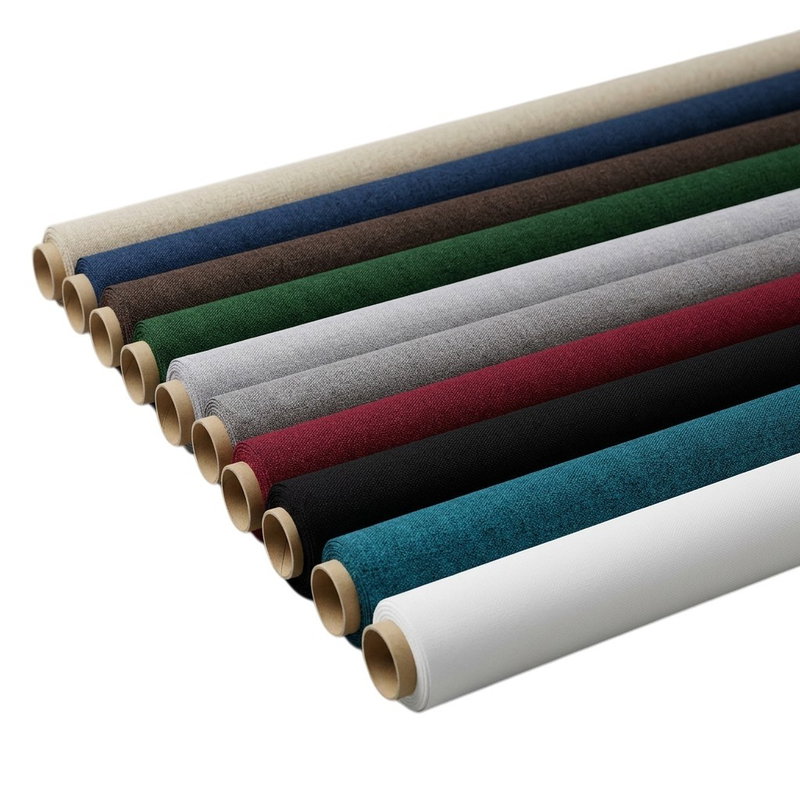
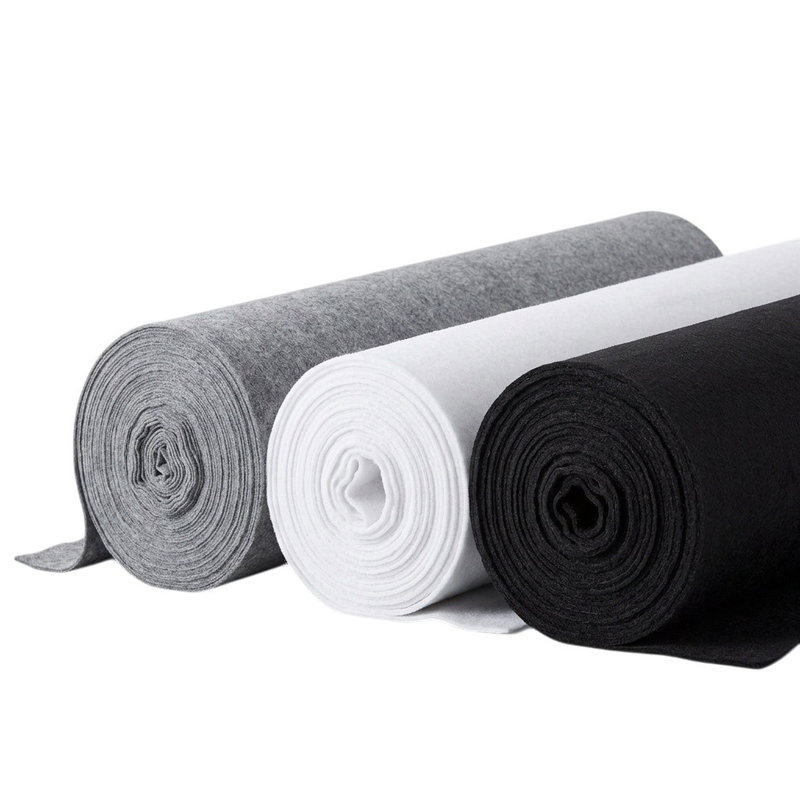
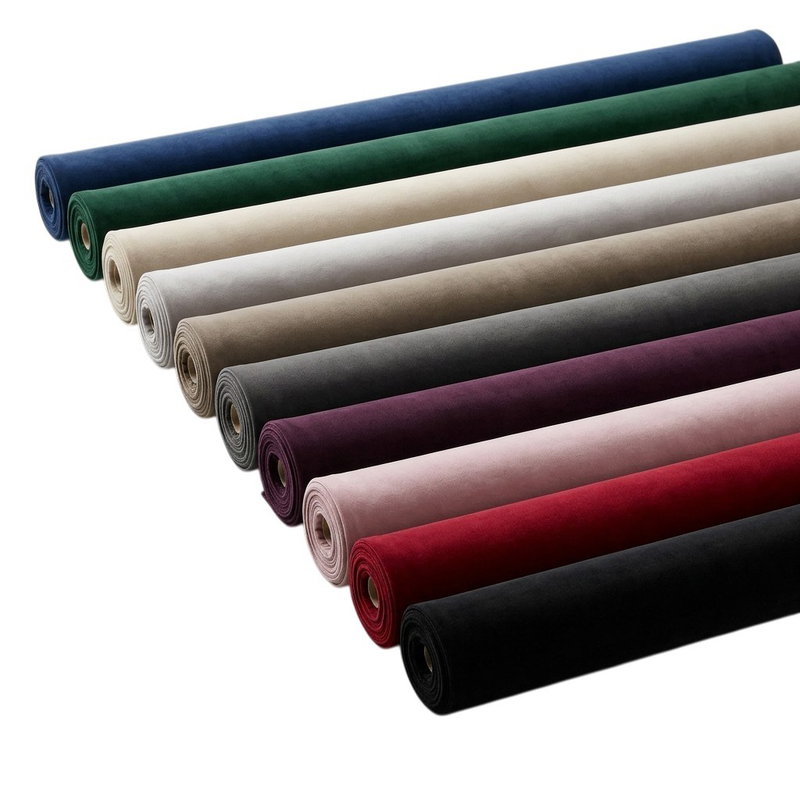
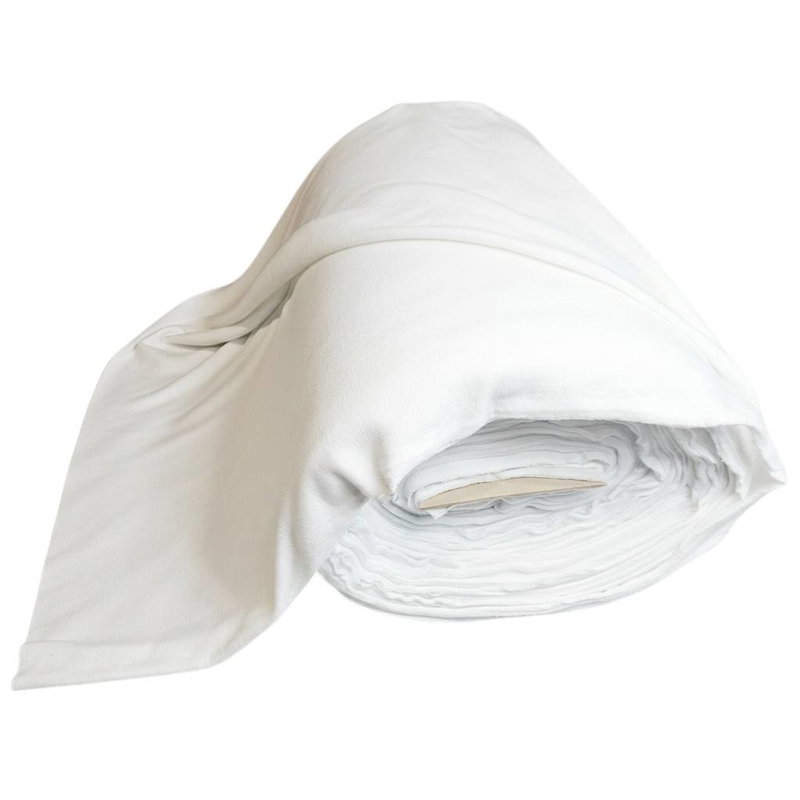
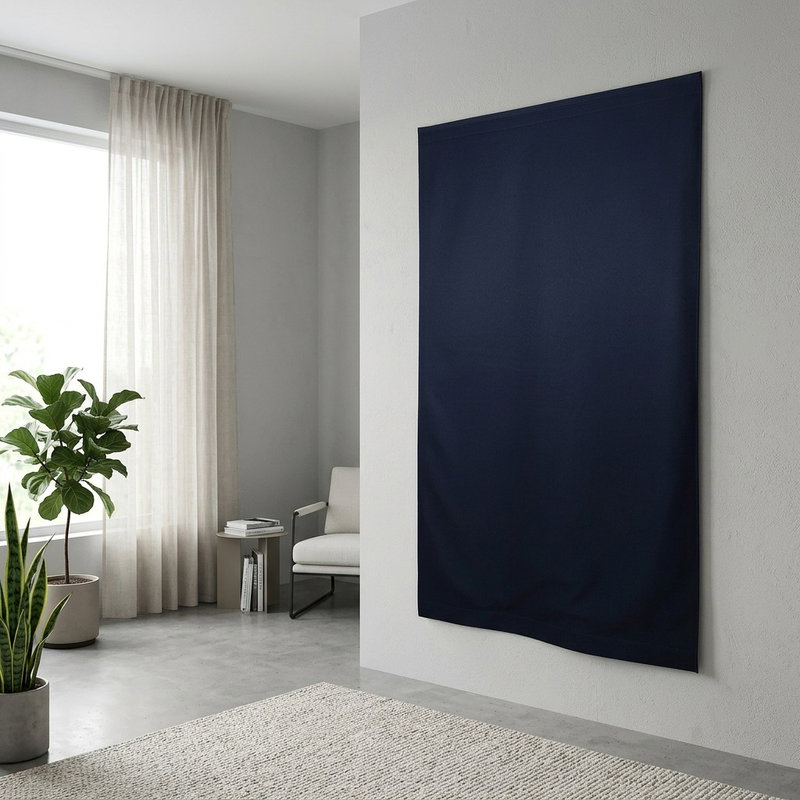
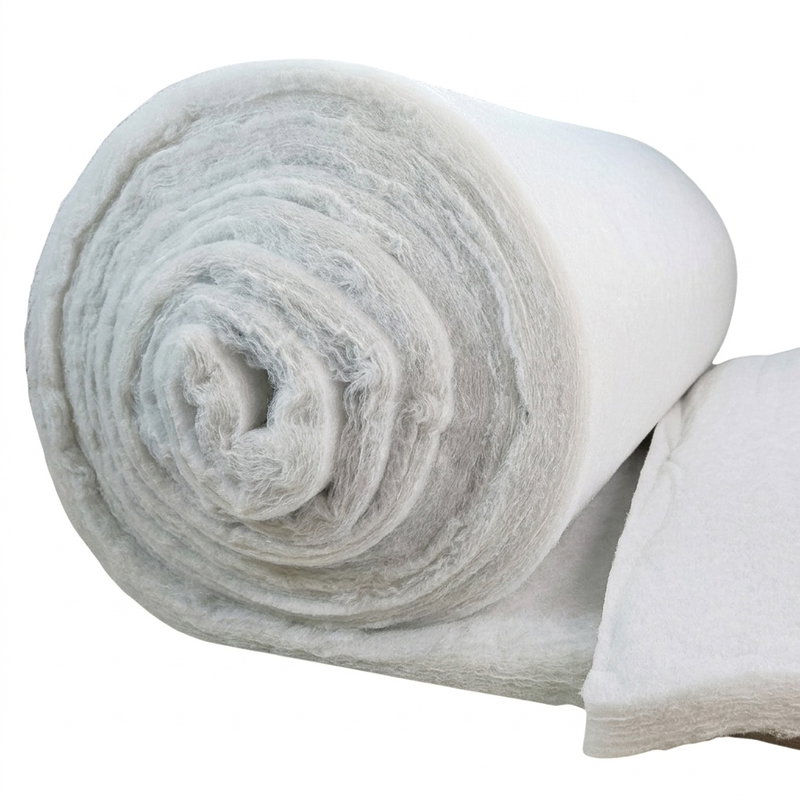
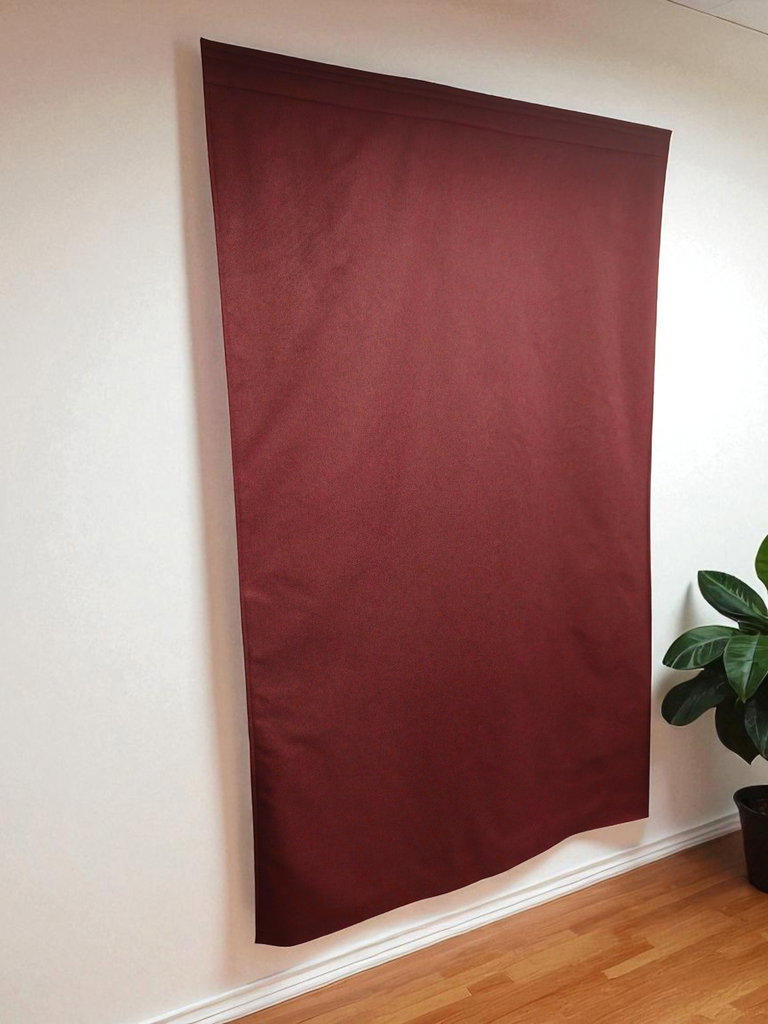
Textile materials affect sound by slowing down sound waves as they pass through fibers and porous structures. Some of the sound energy is then converted into heat in the material, which reduces reflections in the room. In practice, this means that the sound environment is perceived as softer, echoes are reduced, and it becomes easier to talk, work, or teach without having to raise your voice. Depending on the environment and needs, textiles can be used in different ways, for example as wall material in rooms with a lot of reflections, as textile surfaces in larger premises, or as blackout material where you want to combine light control with a more subdued sound environment.
Textiles on walls
Textile materials on walls can reduce reflections near speech zones and contribute to a more pleasant sound environment in the room.
Textiles by windows and open spaces
Thicker textiles can dampen sound reflections from glass and help create a calmer overall feeling in the room.
Why choose sound-absorbing textiles?
A clear advantage of sound-absorbing textiles is that they can often improve the sound environment without extensive construction work. This makes them useful in many different environments where you want to create better comfort and less noise stress, such as in open-plan offices, classrooms, meeting rooms, home offices, or common areas in residential buildings. When reverberation is reduced, speech becomes clearer and the sound level is often perceived as lower, which contributes to better concentration, better communication, and a calmer feeling in the room. The measure is also flexible, as textiles can be adapted to the function of the room and changed over time if needs change.
Well-considered advice for the best results
For best results, it is important to start with the use of the room and where the sound is most disturbing. A common mistake is to simply add a small textile surface and expect a big difference, even though the majority of the room still consists of hard, reflective surfaces. The result is often better if you work with larger contiguous surfaces or combine several textile elements in strategic locations. Also keep in mind that sound absorption improves the acoustics in the room, while sound that spreads between rooms usually requires sound insulation, and vibrations in the structure require vibration damping to reduce structure-borne noise.
Sound-absorbing textiles are therefore a practical and versatile solution for creating a more pleasant sound environment in everything from homes and offices to schools and other business environments.