






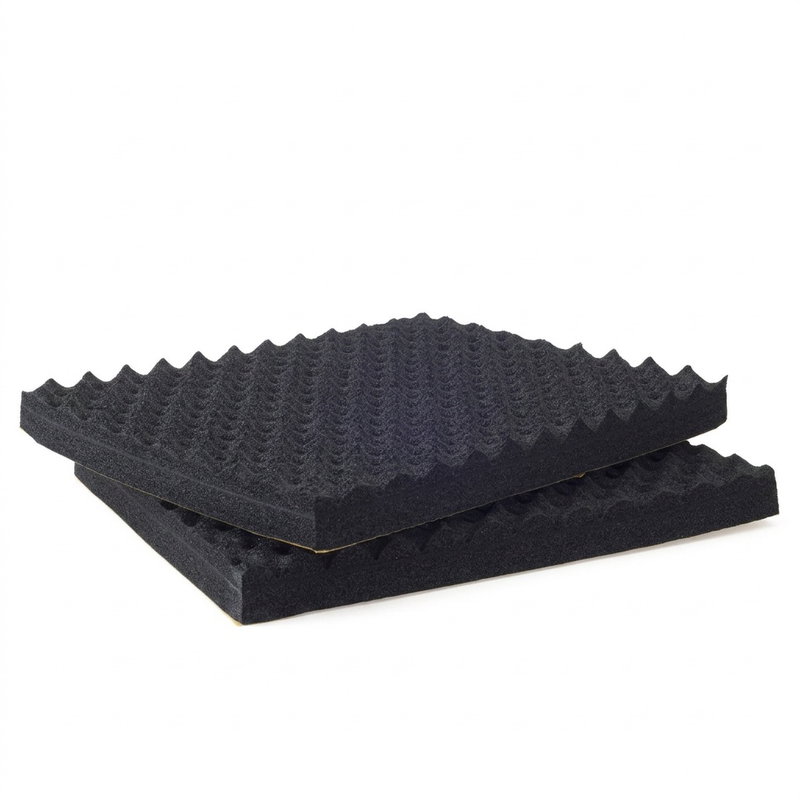

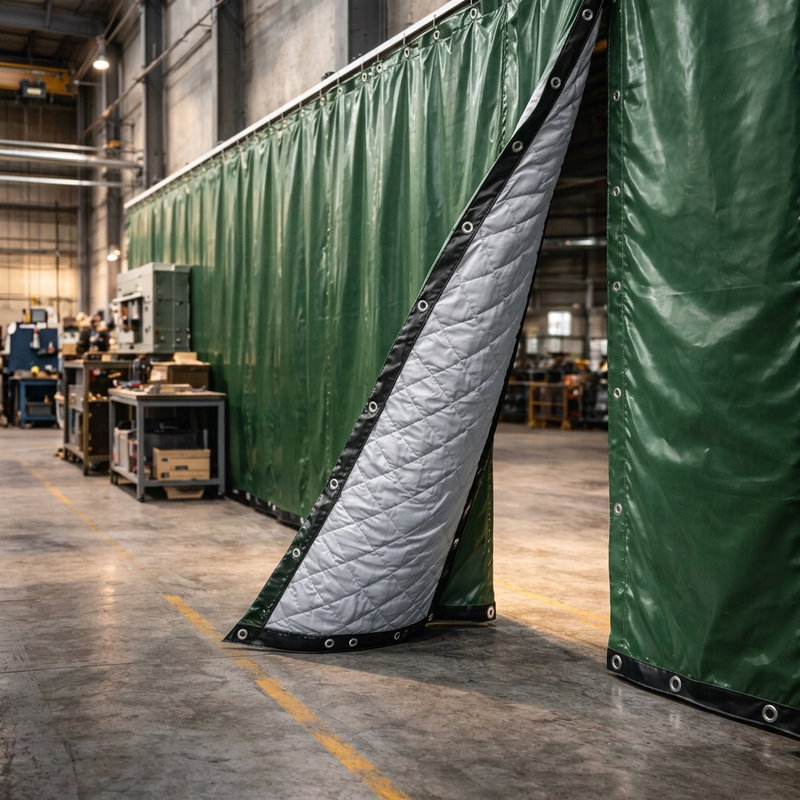
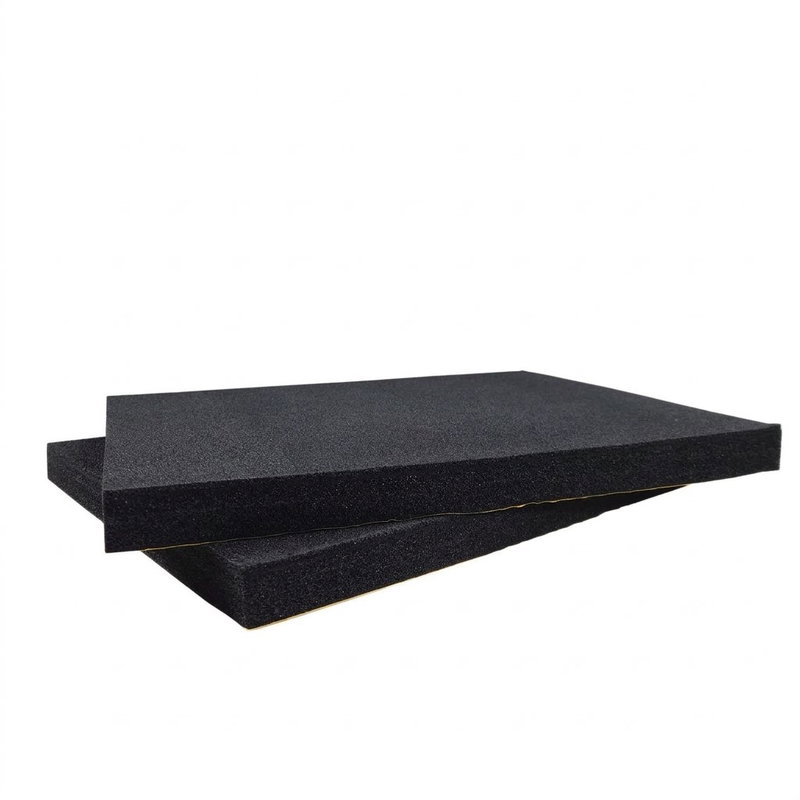


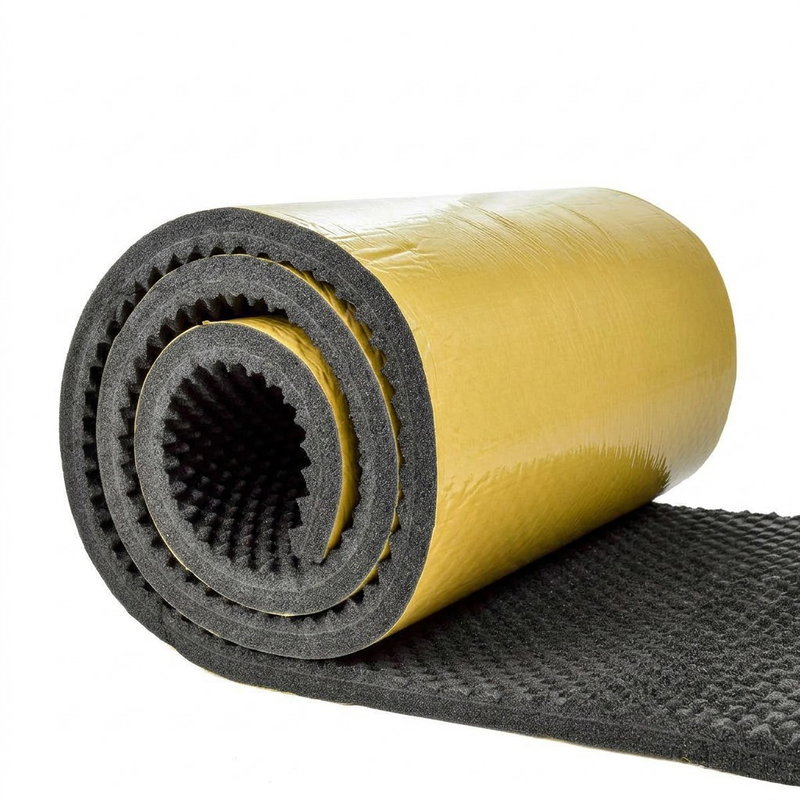

Soundproofing – blocks sound between rooms in homes
Create better privacy and reduce disruptive noise in your home
In homes, sound traveling between rooms is a common problem. Conversations, TV noise, footsteps, or noise from appliances can travel through floors, walls, and ceilings, affecting both comfort and privacy. Soundproofing is the measure used to stop this sound transmission and create clearer separation between different spaces in the home.
What is sound insulation?
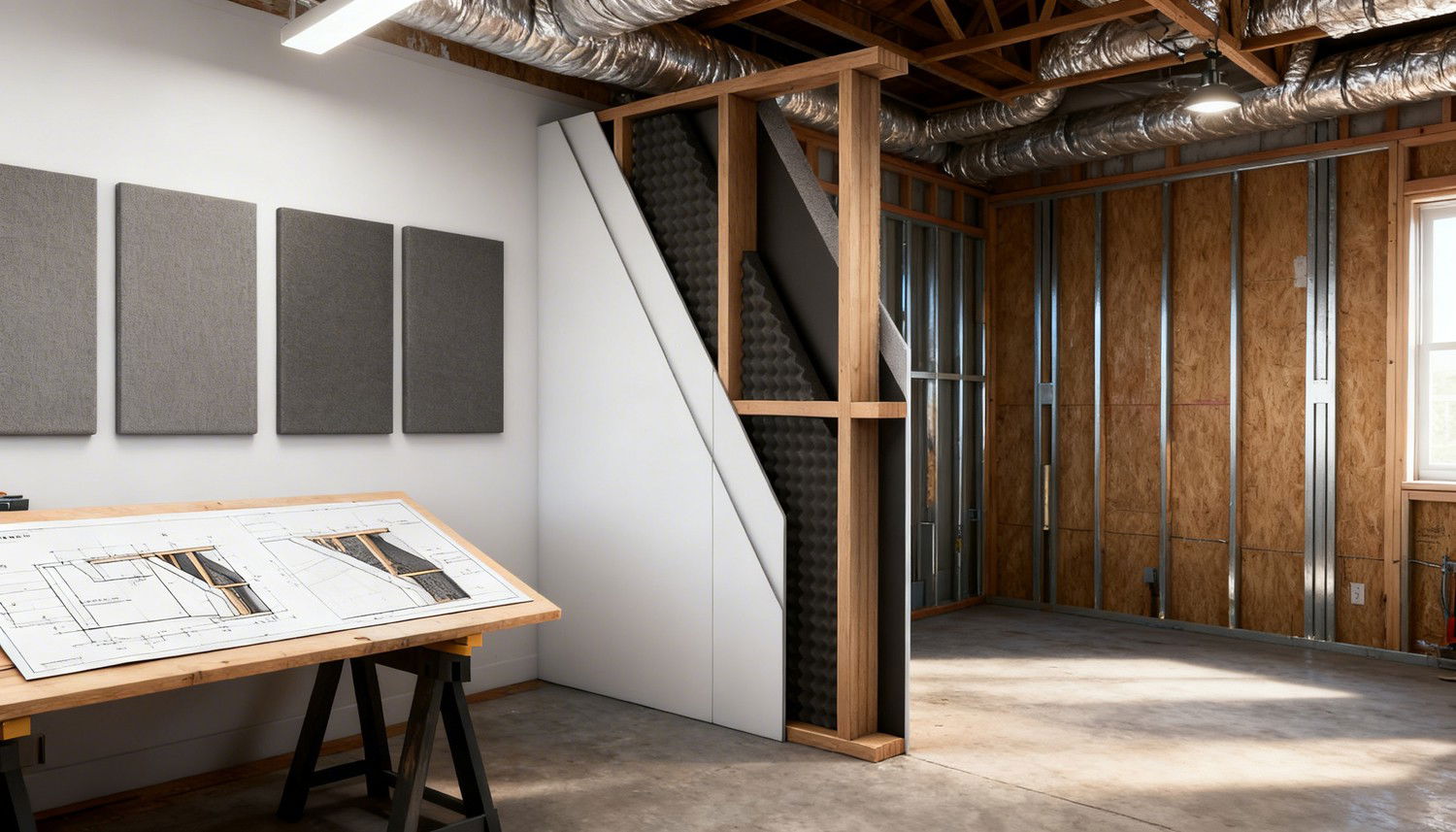
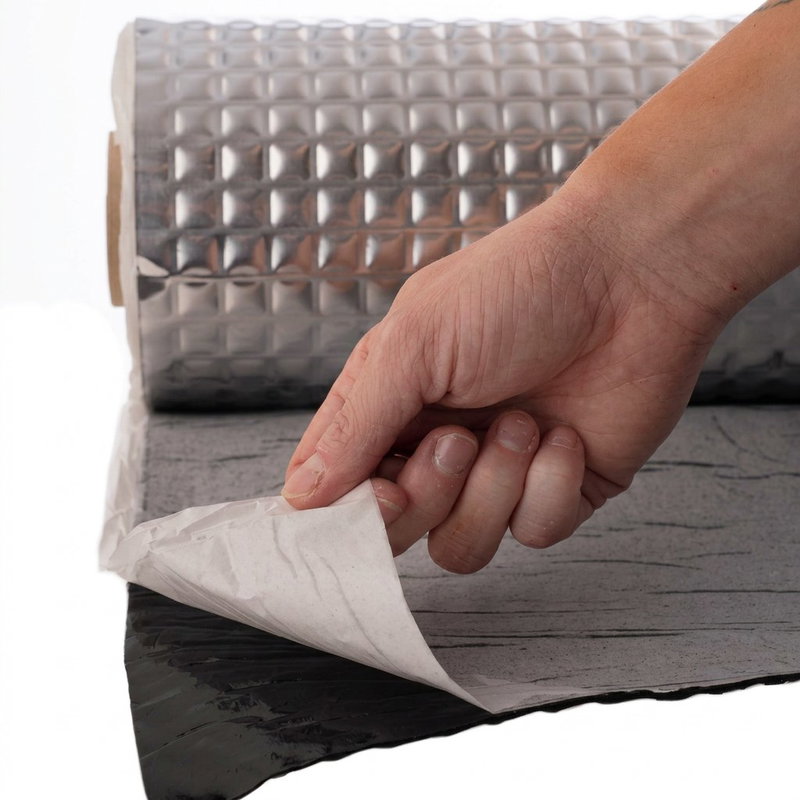
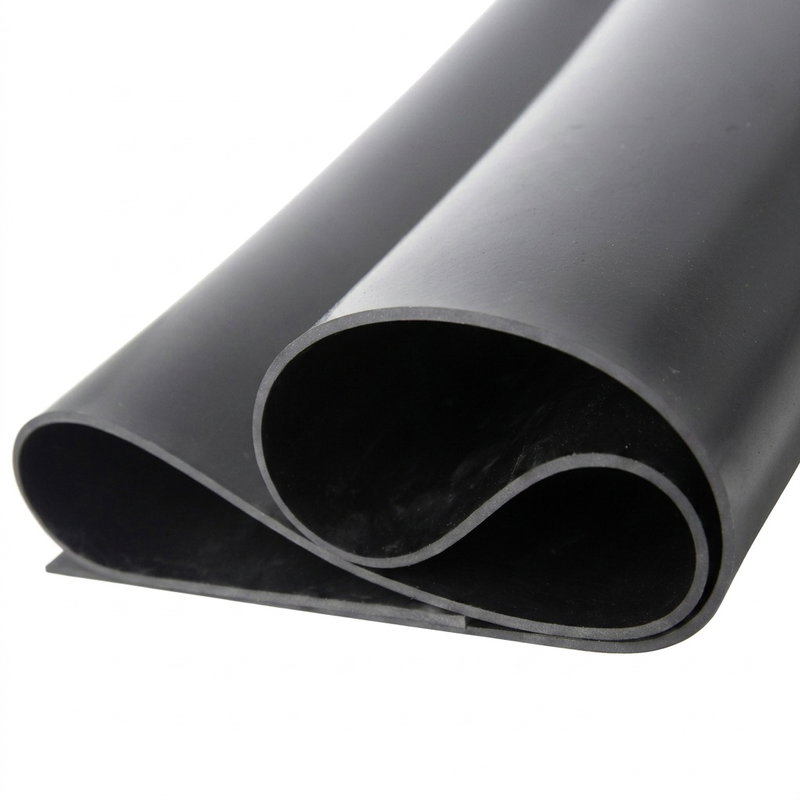
Sound insulation is about limiting how sound spreads from one room to another. Unlike sound absorption, which reduces echoes and reverberation within a room, sound insulation focuses on blocking the path of sound through the building’s structure. Vibration damping, in turn, is aimed at reducing structure-borne noise that occurs when vibrations are transmitted through the building. Sound insulation is therefore crucial when the problem is sound heard in adjacent rooms.
Common problems with sound between rooms
In homes, sound between rooms is often experienced as voices through walls, footsteps between floors, or noise from appliances and systems. Since sound can travel both as airborne sound and through the building’s structure, disturbances can be heard in multiple parts of the house, even far from the actual source of the sound.
How does sound travel in homes?
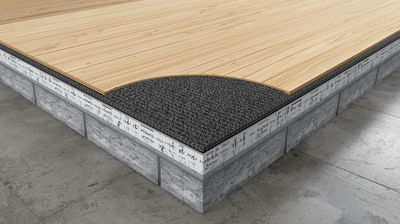
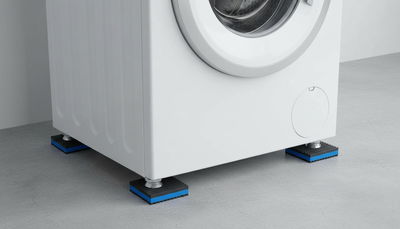
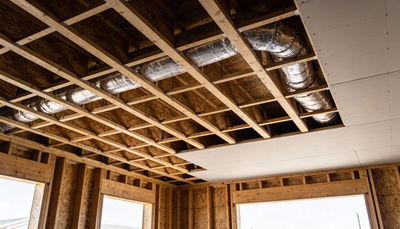
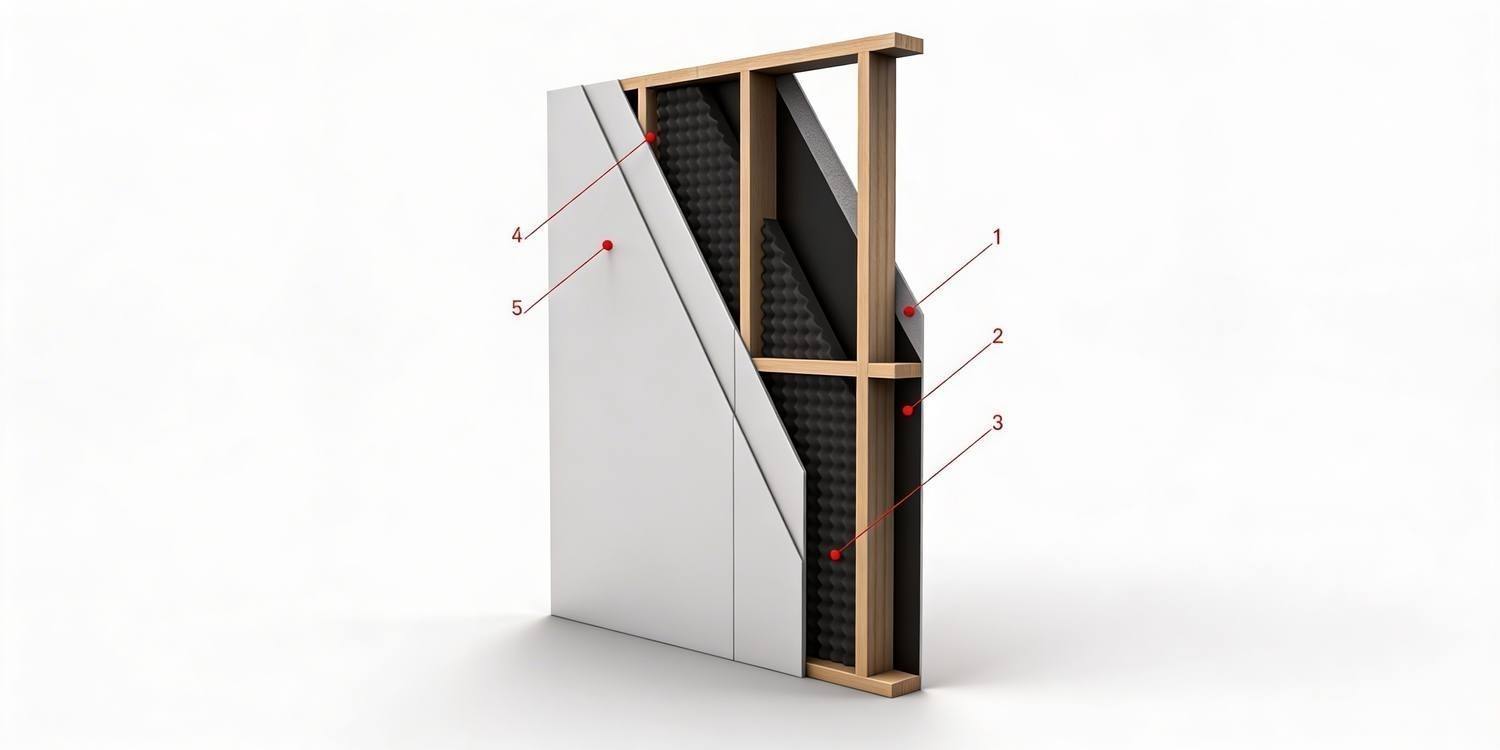
Sound spreads through the building’s interconnected structure. Floors and joists often transmit footstep and movement sounds between floors, while walls and ceilings can allow both conversation and mechanical noise to pass through. Machinery and equipment can also create vibrations that travel through the structure and amplify the problem. Therefore, different insulation principles are required depending on where the sound originates.
Sound insulation in different parts of the home
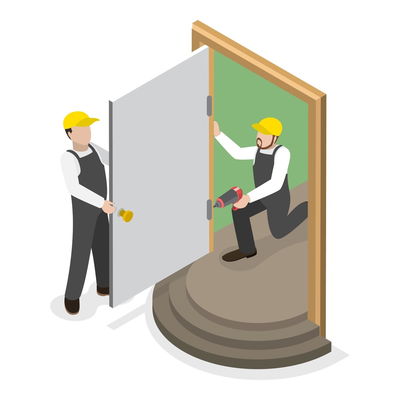
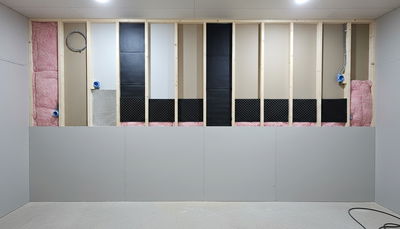
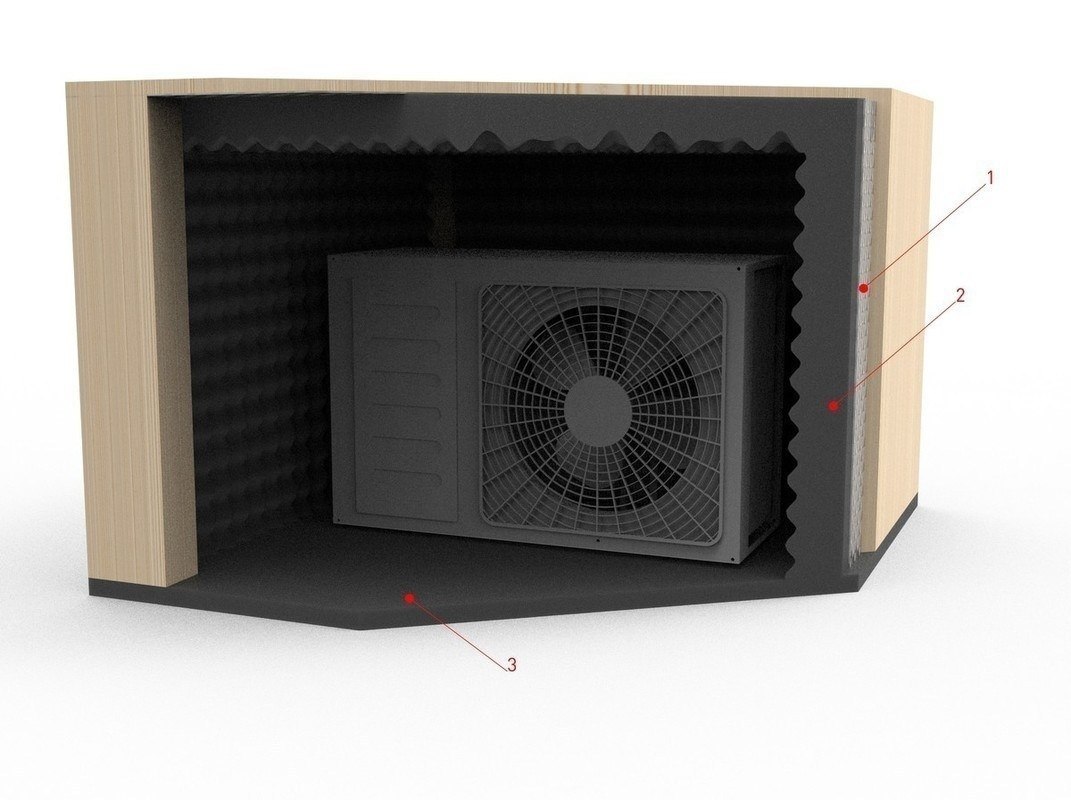
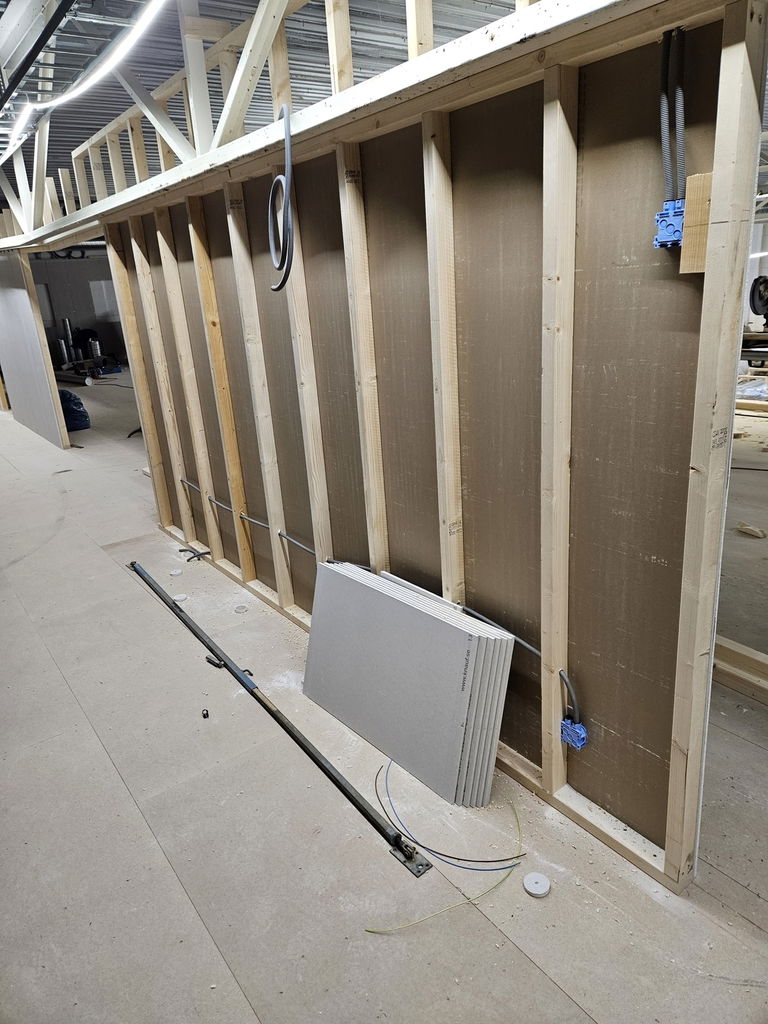
In homes, sound insulation is primarily used in floors, walls, and ceilings, as well as around machinery and technical equipment. Floors are insulated to reduce footstep noise between floors, walls and ceilings to limit sound between rooms, and machinery is treated to stop noise and vibrations at the source. By tailoring the solution to the specific building component, a more effective result is achieved.
Why choose sound insulation?
Sound insulation provides a clear improvement to the living environment by reducing disruptive noise and increasing the sense of privacy. This measure is particularly important in homes with multiple floors, open floor plans, or technical equipment used daily. In many cases, sound insulation is combined with vibration damping or sound absorption to achieve the best possible comfort.
Well-considered advice for the best results
For the best results, it is important to identify where the sound originates and how it spreads throughout the building. A common mistake is to treat only the surface where the sound is heard, even though the source of the problem is often elsewhere. By working systematically with the right insulation principles, you can create a home that is quieter and more pleasant in the long term.
Sound insulation is therefore a key measure for blocking sound between rooms and improving comfort in homes.