Step-by-step: How to soundproof your home theater – for the best movie experience
A home theater is not just about a large screen and good speakers—the sound environment in the room is just as important. Without the right soundproofing, dialogue can become unclear, bass can become unstable, and the film's effects can sound more chaotic than impressive. At the same time, the sound from your home theater can disturb the rest of your household or your neighbors. By working step by step with both sound insulation and soundproofing, you can create a home theater that feels more like a real movie theater – with controlled sound and minimal disturbance to the outside world.
Here is a comprehensive and easy-to-follow guide to help you take control of the sound – from walls and ceilings to bass traps and vibrations.
Step 1: Start by understanding the room
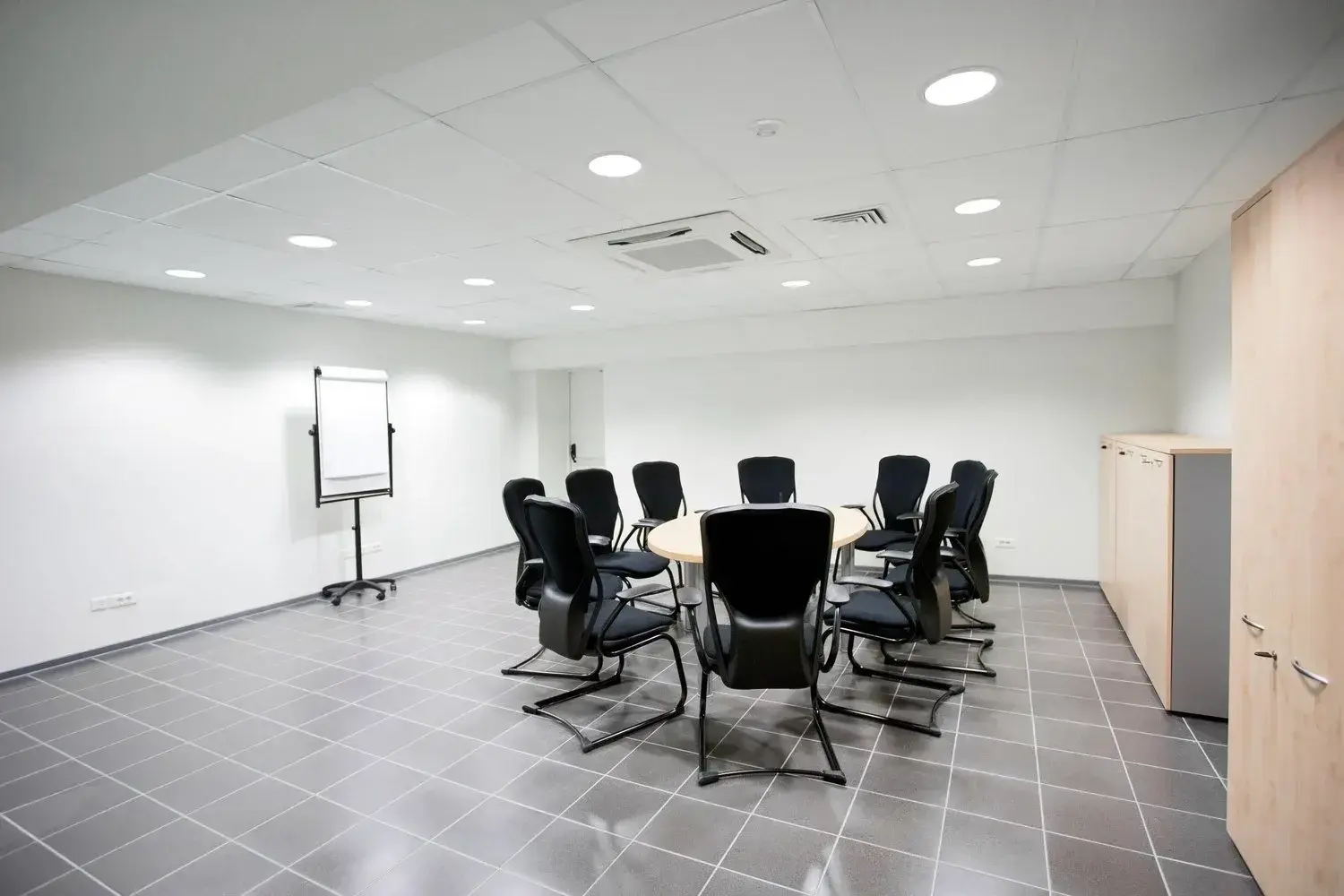
The first step is to listen to how the room behaves to understand what sound problems exist. Play a movie scene with a lot of dynamics and walk around the room.
Notice where the sound bounces, where the bass is exaggerated, and where sound leaks out. Do you hear echoes and reverberations? Is the dialogue difficult to hear? Does it sound thin or "flat"?
Is it the bass vibrating in the floor or walls?
This survey makes it easier to then place the right products in the right place.
Step 2: Seal doors and windows – the biggest sound leaks
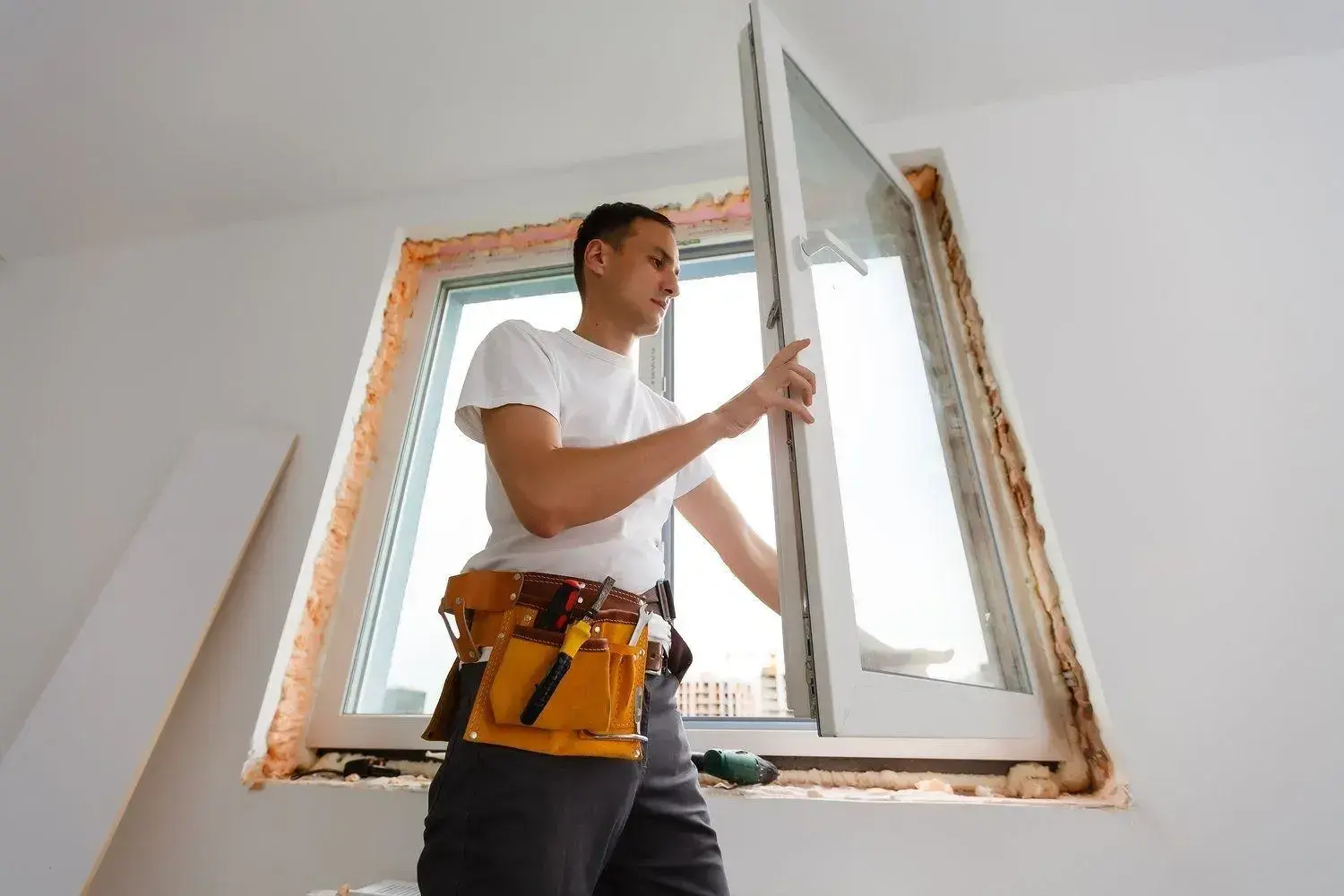
Even small gaps around doors and windows can let out large amounts of sound. Doors and windows are often the biggest weak points in a home theater.
Before installing more advanced solutions, make sure to use sealing strips around door frames and window frames.
By sealing these points, you reduce both airborne sound leaving the room and disturbing noise from outside entering the room.
Step 3: Dampen the walls for clearer dialogue and better control
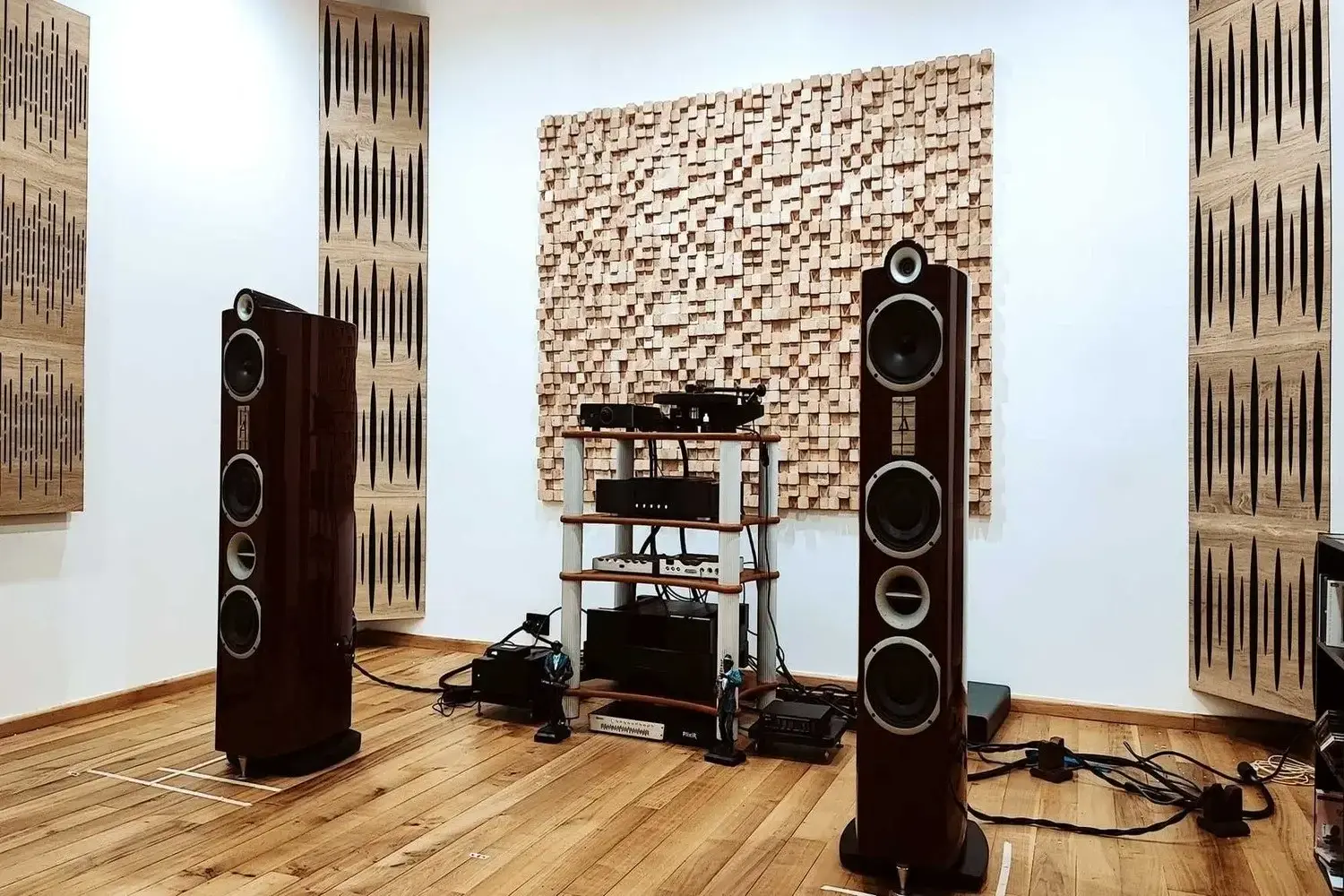
Sound from speakers often bounces directly off the walls, creating reflections that make the sound image unclear. By installing sound absorbers along the side walls and on strategic surfaces—especially at ear level—you can:
– Dampen early reflections from front and side speakers
– Reduce echo and reverberation in the mid and high frequencies
– Create a more controlled and clear sound image
This makes dialogue clearer and creates a more controlled, enclosed feeling reminiscent of a real movie theater.
Step 4: Optimize the ceiling – one of the most important surfaces in your home theater
The ceiling is often one of the most underrated surfaces in a home theater, even though it receives many of the speakers' direct sound waves.
When sound bounces off the ceiling and back toward the listener, it creates a "diffuse" impression that affects everything from dialogue to ambient sound.
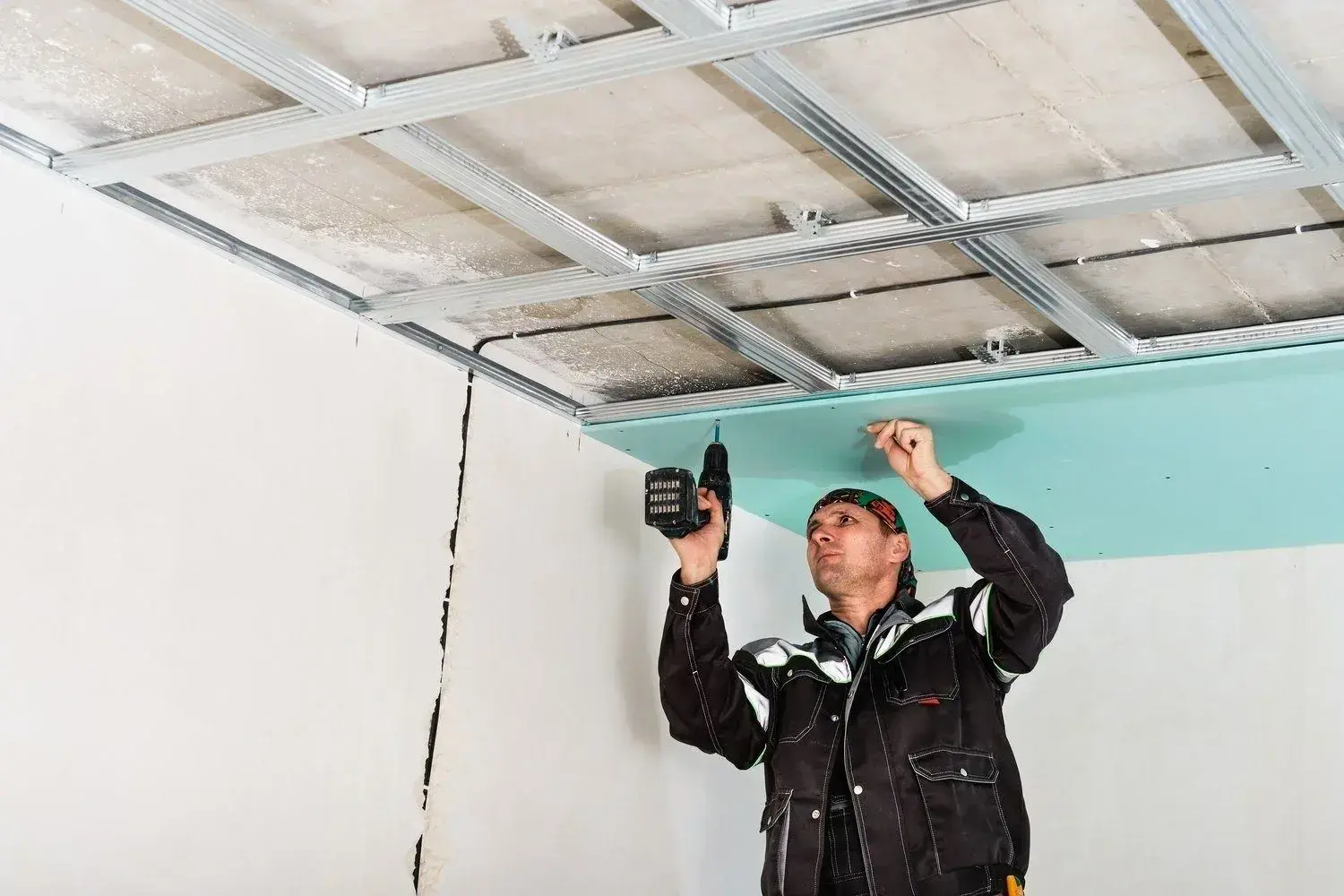
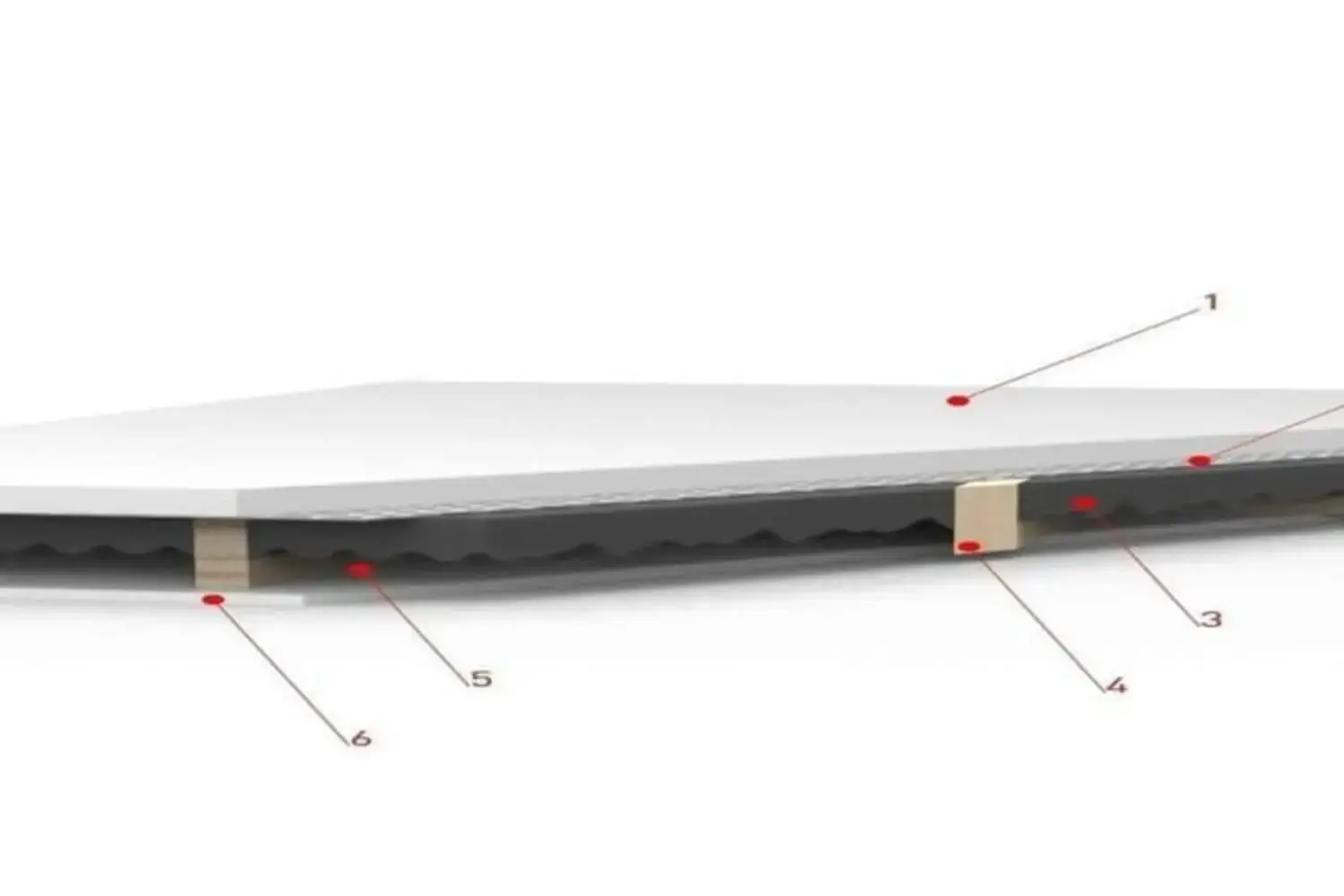
By installing ceiling absorbers above the seating area – or creating an acoustic "cloud" in the middle of the room – you can effectively reduce disruptive reflections and improve the clarity of the dialogue.
This provides a more focused and significantly cleaner sound image; you will experience a feeling that the sound is coming from the screen, not from the room.
Step 5: Manage the bass – the biggest challenge in home cinema
Bass is often the biggest challenge in home theaters. Low-frequency vibrations easily spread through walls, floors, ceilings, and the building's frame in a way that other frequencies do not. Therefore, regular acoustic panels are not enough. Place the subwoofer on a vibration-damping plate or mat to reduce the transmission of structure-borne sound.
Also, try different placements in the room (e.g., corner vs. along the wall) – small movements can make a big difference in both balance and sound leakage.
With the right vibration damping, you reduce both vibrations in the room and disturbances in the rest of the house, while the bass feels more controlled and defined.
Corners are the most critical areas in terms of acoustics, as bass frequencies easily accumulate there and create "booming." Corner absorbers, often called bass traps, are therefore one of the most effective investments you can make in a home theater. Placing them in the front and rear corners of the room absorbs low-frequency energy that would otherwise make the sound wobbly and uncontrolled. The result is a smoother, cleaner, and more professional bass reproduction.
Step 6: Fill the room with soft materials
Textiles can make a big difference to both sound quality and sound level. To avoid the room feeling hard and "cold" in terms of sound, it is a good idea to add textiles. Heavy curtains, carpets, blankets, and fabric-covered furniture absorb much of the high-frequency sound and help create a softer and more pleasant acoustics. In combination with wall and ceiling absorbers, this creates well-balanced room acoustics where all frequencies have their place. By using:
– Heavy acoustic curtains in front of windows or along walls
– Rugs or wall-to-wall carpeting on the floor
– Upholstered furniture and decorative textiles
You can eliminate harsh reflections and create a more subdued, cinema-like acoustics. Curtains also cover glass surfaces that otherwise act as mirrors for sound.
Step 7: Create zones and avoid "leaky" details
In some home theater rooms, sound can leak through small openings—for example, around electrical outlets, ventilation devices, and cable penetrations.
For a more complete solution, you can:
– Seal penetrations with suitable sealants
– Ensure that ventilation solutions do not act as sound channels
– Avoid unnecessary cavities in walls where sound can propagate
This will help create a more cohesive sound barrier around the room.
Step 8: Fine-tune and calibrate – the final step for a cinema experience
Once the room is soundproofed, it's time to calibrate the speaker system and adjust the sound system to the new conditions. Modern receivers have automatic room correction that measures distance, levels, and frequency response and adjusts everything according to the room's acoustics. This calibration, combined with your new acoustic treatment, allows the system to perform at its absolute best. Use:
– Built into the receiver (e.g., with a calibration microphone)
– Adjustment of levels between speakers and subwoofer
– Test material (film, music, test tones) to listen for balance
A well-soundproofed and correctly calibrated home theater provides an experience where you can play at a lower volume but still experience more detail, dynamics, and presence in the sound.
Create a home theater where the sound stays in the room – and the experience is enhanced
By working through the room step by step, you not only create a quieter home theater for the rest of the home, but also a significantly better movie experience for yourself. When reverberation, vibrations, and bass problems disappear, a whole new soundscape opens up where you can enjoy everything from muffled explosions to whispered dialogue
– exactly as the filmmaker intended, and the movie experience remains intact. Soundproofing your home theater is an investment in both comfort and quality.
By systematically sealing, dampening, and absorbing sound paths, you create a room where the sound stays where it belongs—in the movie.