



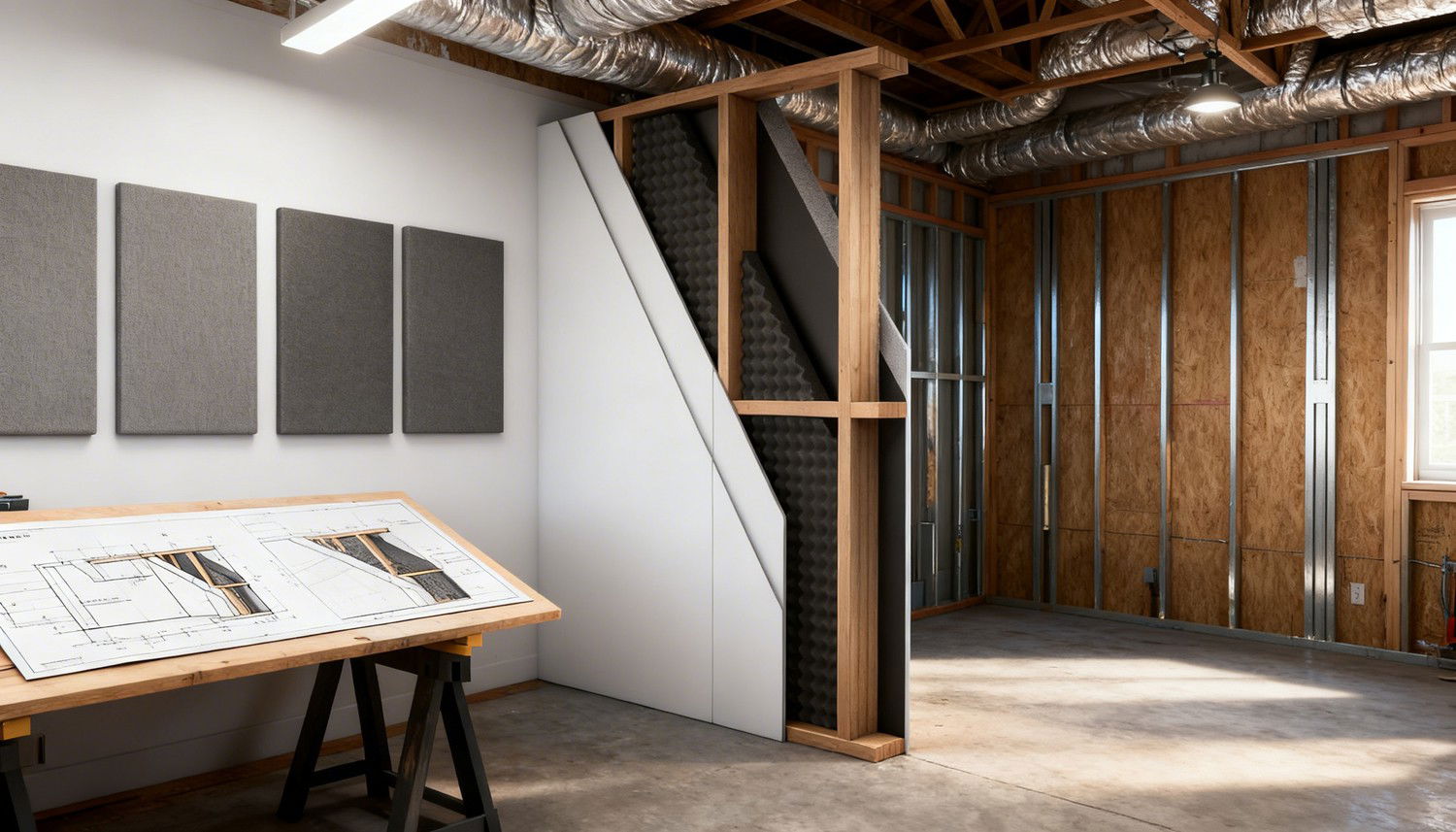
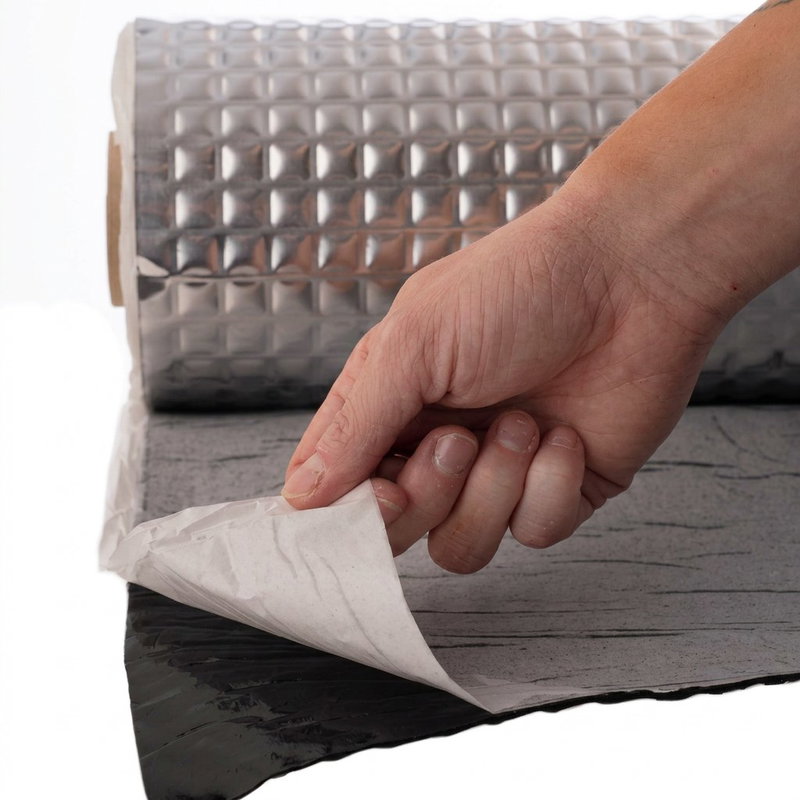
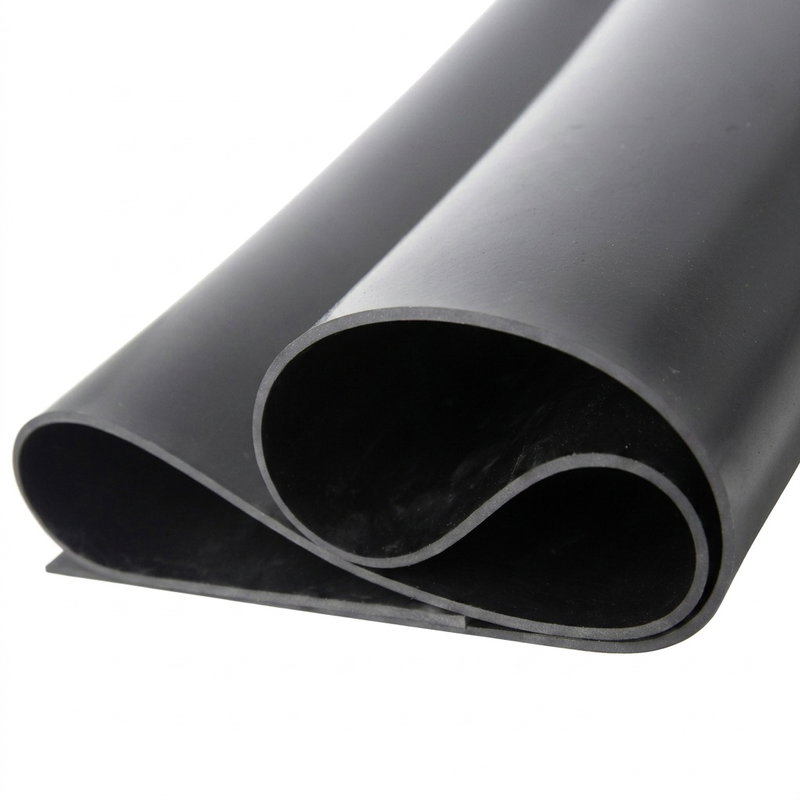
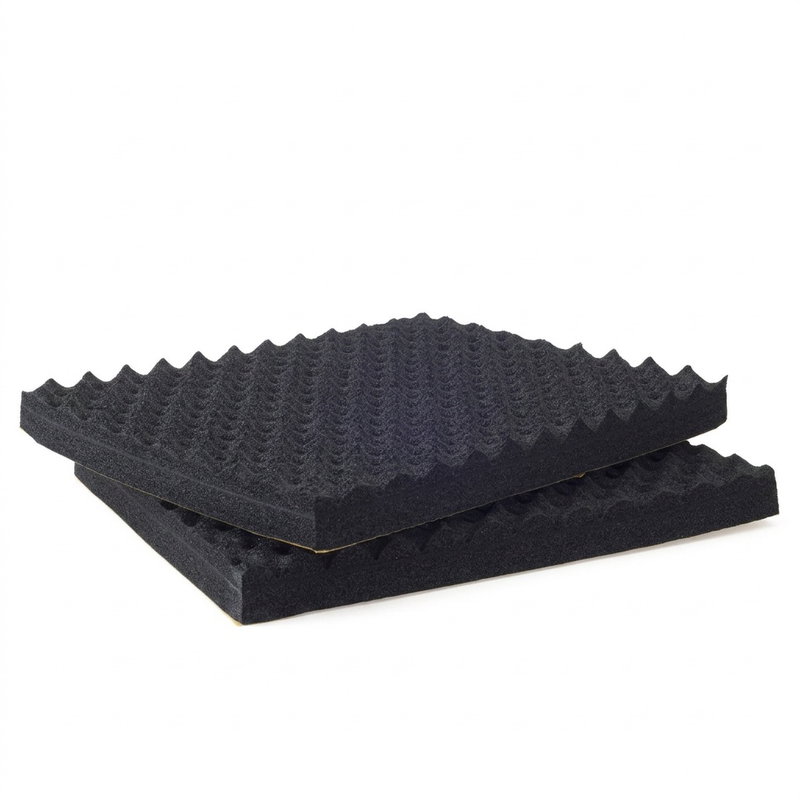




Soundproofing of machinery and equipment – blocks sound between rooms
Reduce noise and vibrations from technical equipment in homes
In homes, it is often machines and technical equipment that cause disruptive noise that travels between rooms. Noise from heat pumps, ventilation systems, washing machines, or pumps can travel through the building’s structure and be heard far from the actual source. Sound insulation of machines and equipment is therefore about limiting how sound and vibrations spread through the structure—not about the room’s acoustics.
What is meant by machinery and equipment?
In residential environments, machinery and equipment refer to technical installations that are not part of the building’s basic structure but generate sound or vibrations during operation. Unlike walls, floors, and ceilings, these are active or passive noise sources that can affect multiple rooms simultaneously. Sound insulation in this context aims to reduce how sound propagates throughout the house.
Common sources of noise in homes
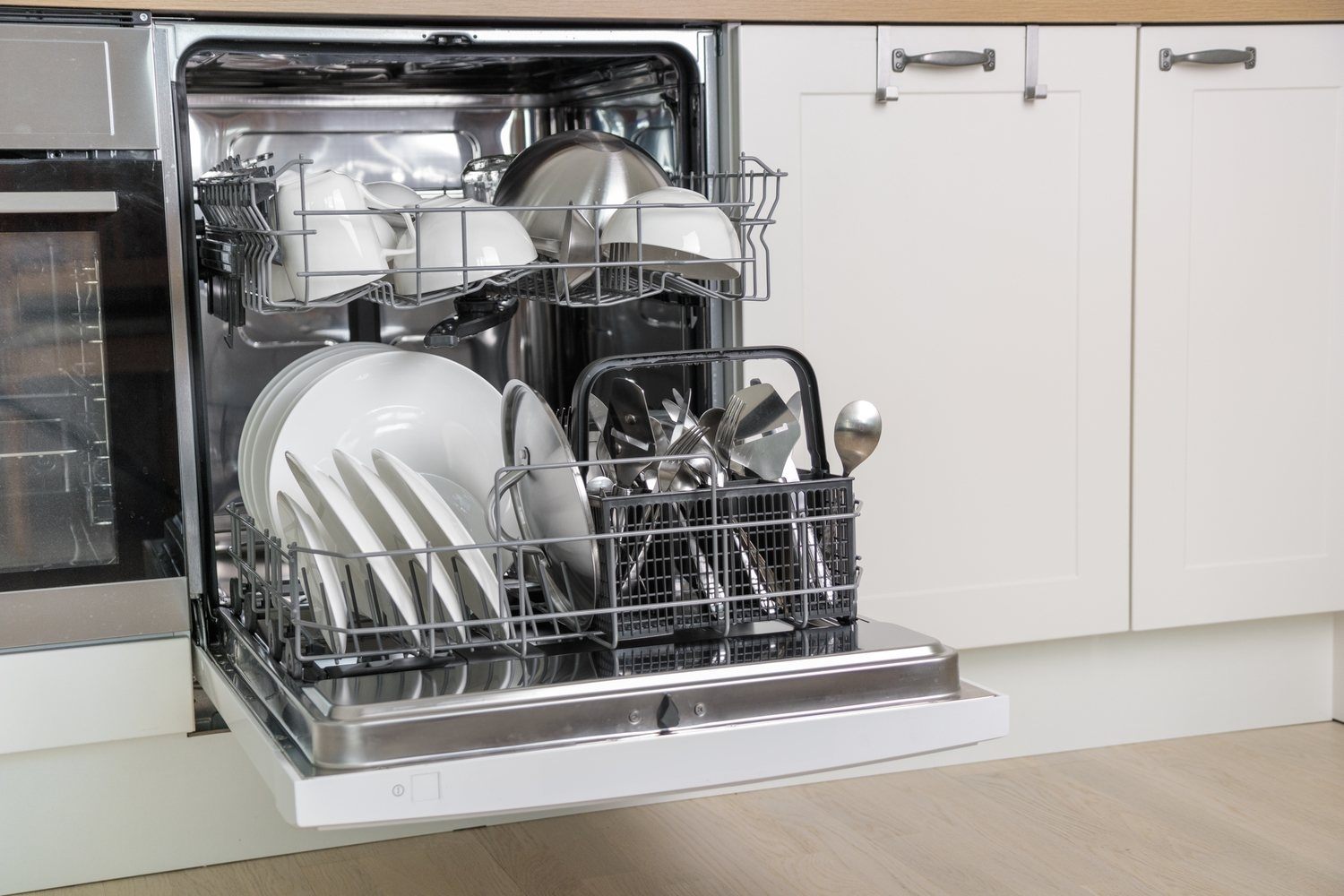
Typical problems arise from heating and ventilation systems such as air-source heat pumps, geothermal heat pumps, ventilation units, and exhaust fans. Sound transmitted through ventilation ducts can also be perceived as disruptive in adjacent rooms. In the home, washing machines, dryers, dishwashers, and drying cabinets are common sources of both noise and vibrations.
Other examples include circulation pumps, water pumps, sewage pumps, pool equipment, and smaller technical installations such as fans, dehumidifiers, compressors, or server and network equipment. What these have in common is that they often emit low-frequency sound, continuous humming, or structure-borne noise that spreads through walls, floors, and installations.
Why does sound from machinery spread so effectively?
Machines not only create airborne sound but also vibrations that travel through the building’s structure. When vibrations are transmitted through floors, walls, pipes, or ducts, the sound can be heard in completely different parts of the home. This makes machine noise particularly difficult to manage without the right measures.
Principles of machine sound insulation
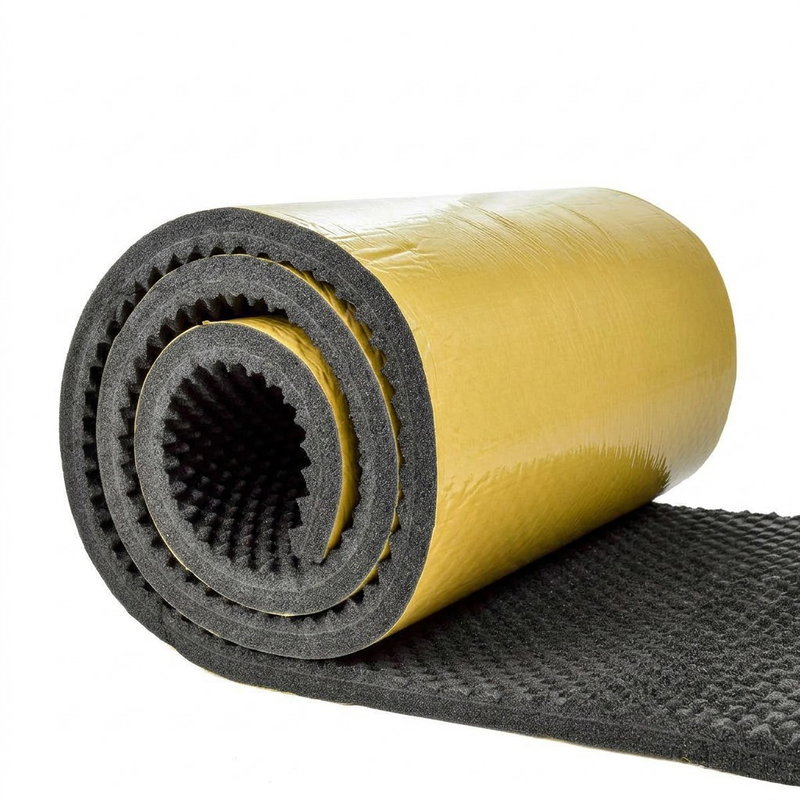
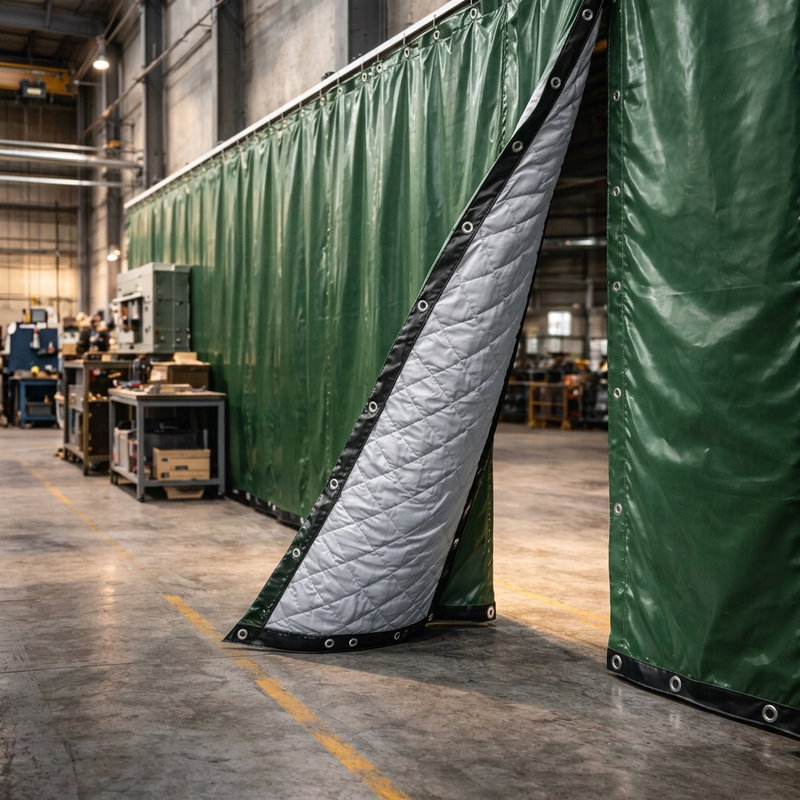
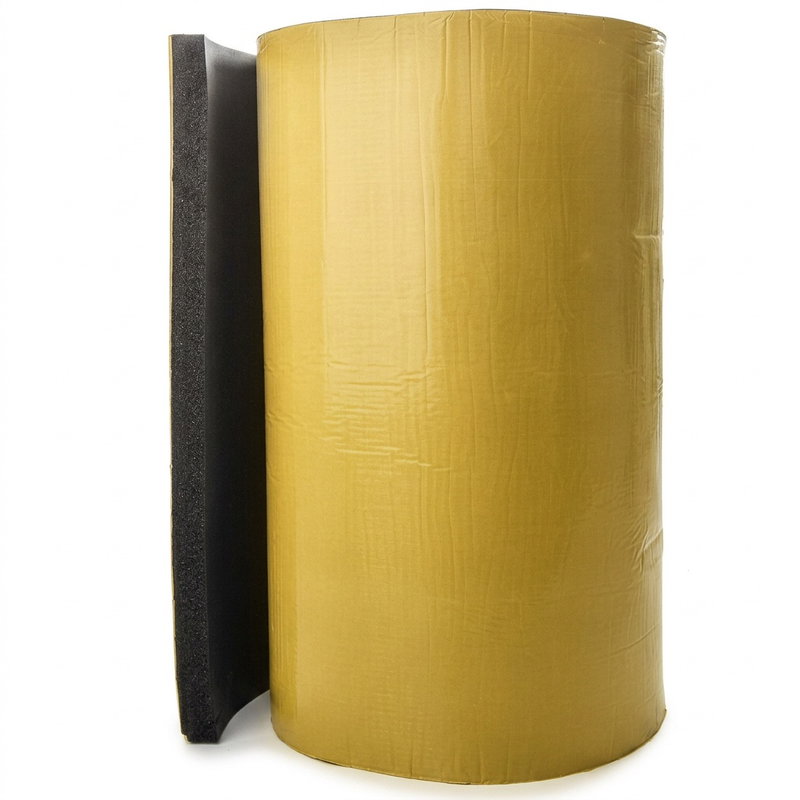
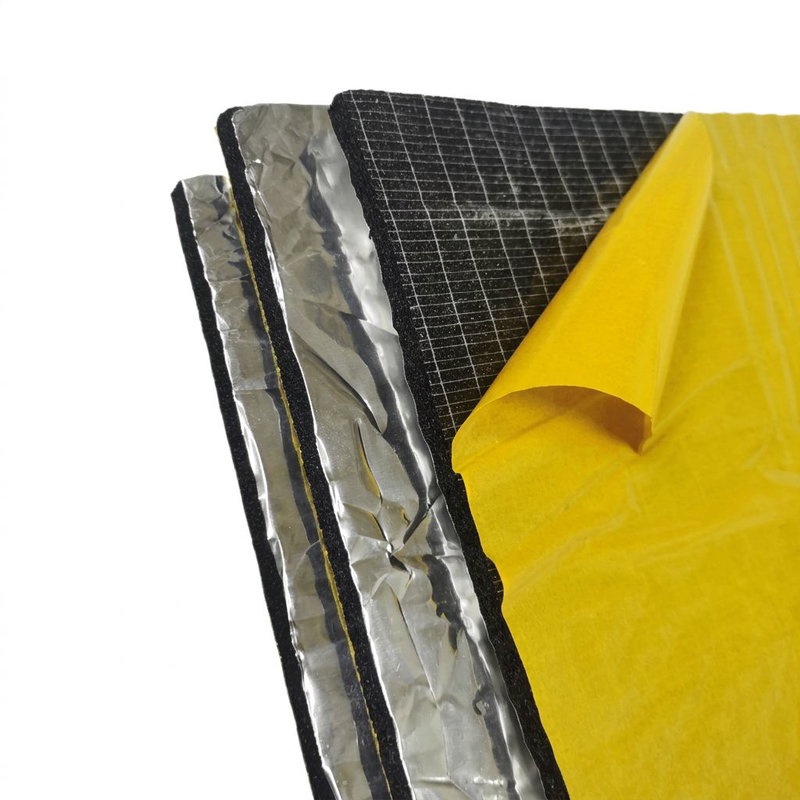
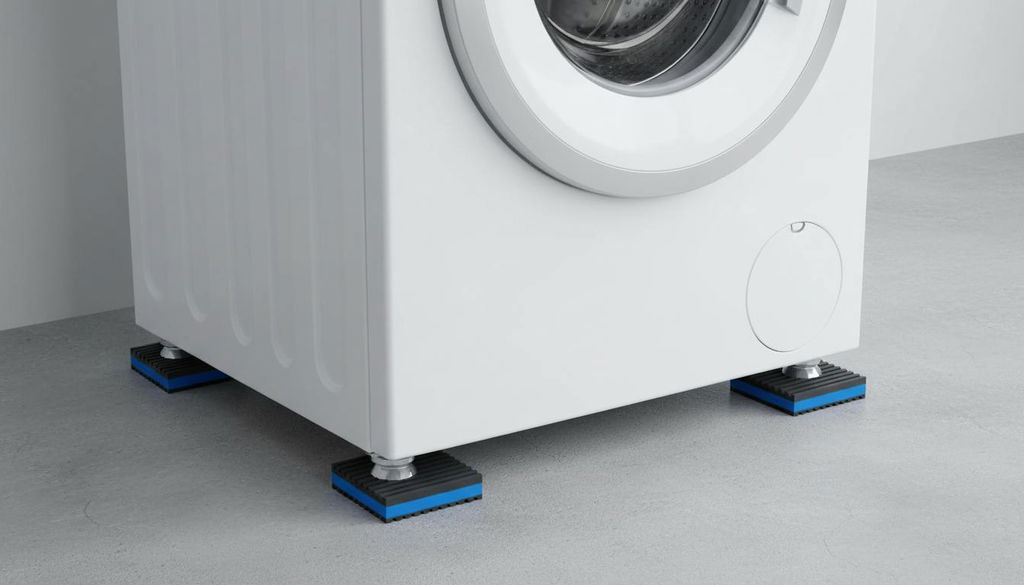
Effective sound insulation of machines and equipment is often based on several interacting principles. By reducing direct contact between the machine and the building structure, vibrations can be reduced. Enclosures or barriers can limit airborne sound, and in some cases, sound insulation is combined with vibration damping for the best possible results. The goal is to stop the sound at the source before it spreads further into the building.
Well-considered advice for best results
For the best results, each machine should be assessed based on its location, how often it is used, and how sound propagates through the building. A common mistake is to focus solely on the room where the machine is located, even though the problem is often experienced in other areas. By treating the machine as a sound source and applying the correct insulation principles, a quieter and more pleasant living environment is created.
Soundproofing machines and equipment is therefore an important measure for blocking disruptive noise between rooms and creating better privacy in homes.