



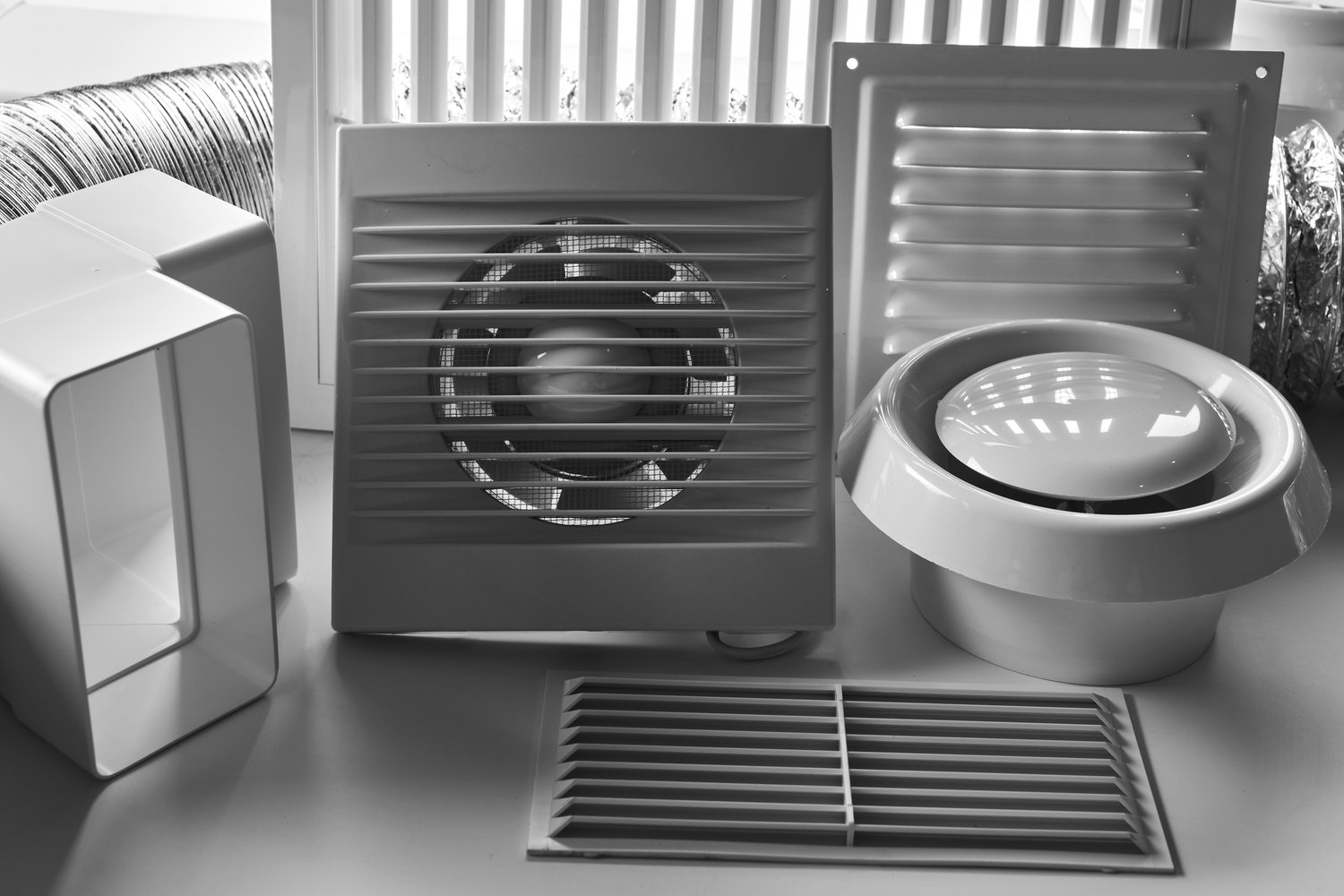

Vibration Damping for Fan Units – Reduce Noise and Vibrations
Fan units, FTX units, exhaust fans, supply air fans, ceiling fans, and duct fans are essential for ventilation, air quality, and operations in homes, offices, schools, restaurants, stores, industrial facilities, and mechanical rooms. At the same time, they can create disruptive noise if vibrations, airborne sound, and sound leakage are allowed to spread throughout the building. A unit that is rigidly mounted to the floor, wall, ceiling, stand, or ductwork can produce a dull humming sound that is heard in rooms entirely different from where the fan is located.
The Difference Between Airborne Sound and Structure-Borne Sound
Airborne sound from fan units often originates from motors, airflow, duct connections, fan impellers, and mechanical components. It spreads through the air, through openings, and via drafty doors, hatches, or penetrations. Structure-borne sound occurs when vibrations are transmitted into the building’s structure. In such cases, floors, walls, ceilings, ducts, and mountings can begin to act as sound pathways, even if the fan unit itself is located in a separate ventilation room.
Vibration damping reduces transmission to the building
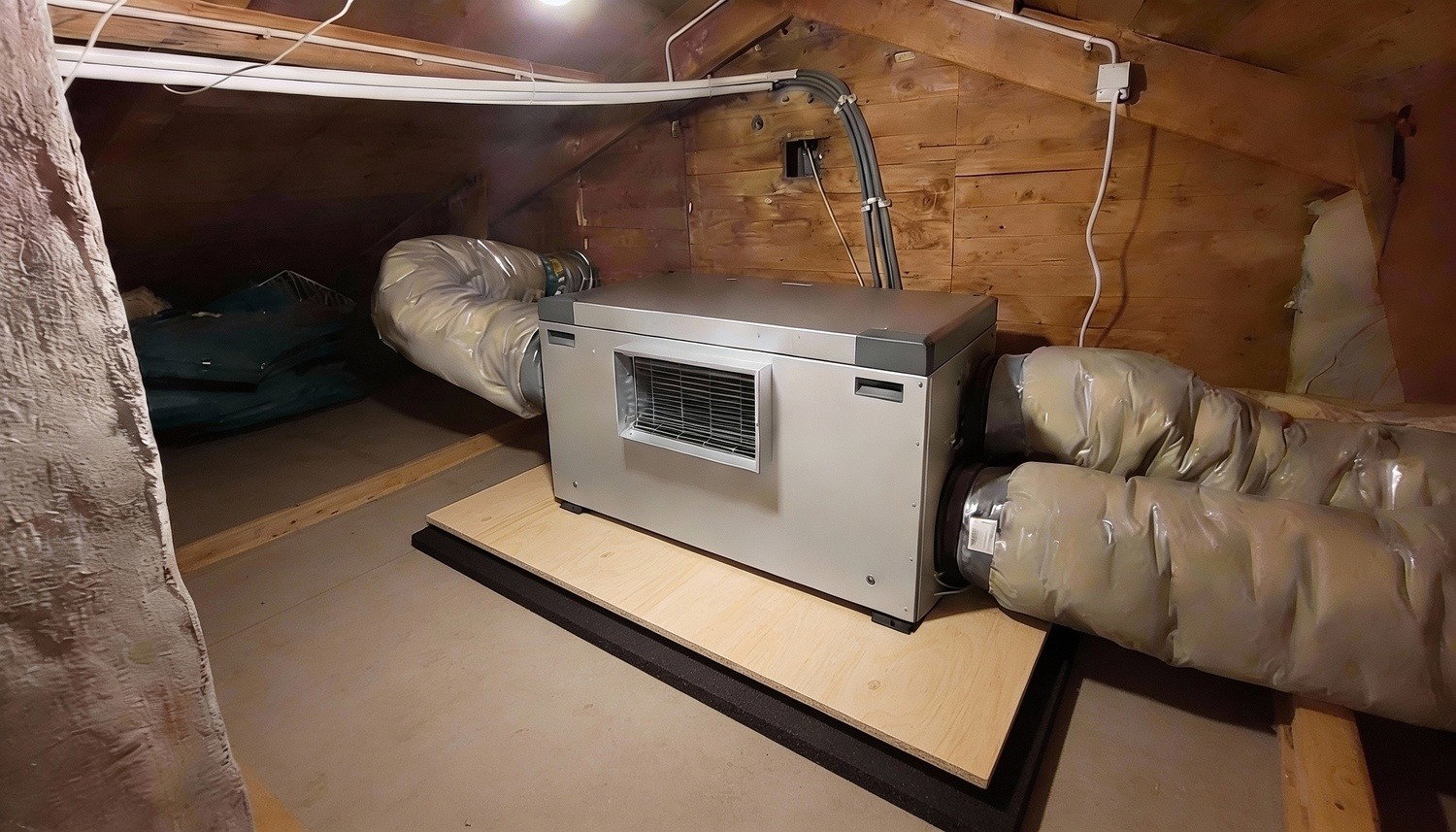
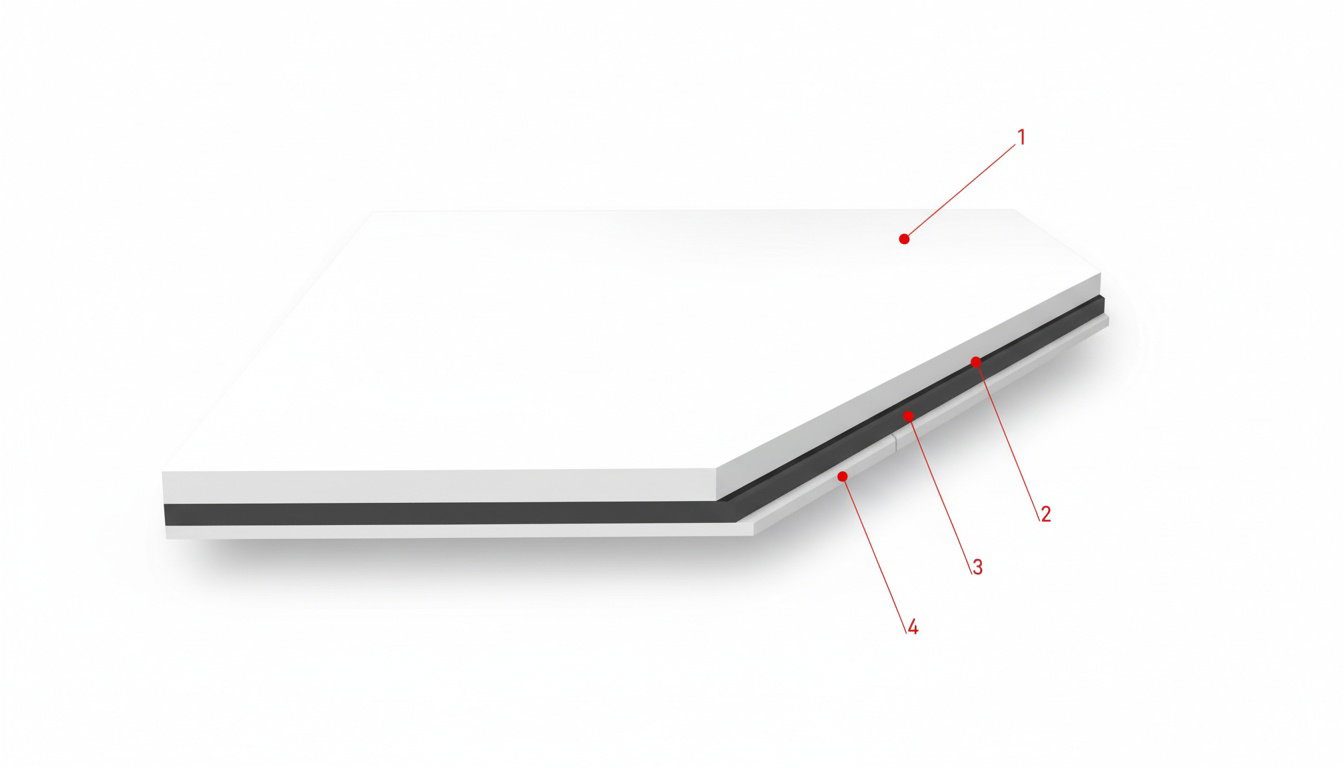
Effective vibration damping involves reducing rigid contact points between the unit and the building. Vibration-damping materials, elastic spacers, and proper decoupling can be used beneath the unit, at the base, at mountings, and at connections where vibrations would otherwise be transmitted. SilentDirect Polaric, SilentDirect Neo, and SilentDirect Seal are suitable solutions when vibrations, resonances, and structure-borne noise need to be reduced. For heavier point loads, vibration dampers can be used under machines and equipment where the subfloor permits it.
Sealing and sound insulation are needed when sound leaks
Vibration damping does not solve all noise problems caused by ventilation. If the noise propagates as airborne sound, gaps, openings, doors, duct penetrations, and connections must be inspected. SilentDirect Seal can be used for sealing where sound leaks through small openings or where hard contact needs to be broken. SilentDirect MLV is suitable when additional mass is needed to dampen airborne sound in a sound-insulating structure, while SilentDirect Egg and SilentDirect Neo can be used where mechanical noise, resonances, and some damping in machine-adjacent environments need to be addressed.
The measures must be adapted to the unit’s location
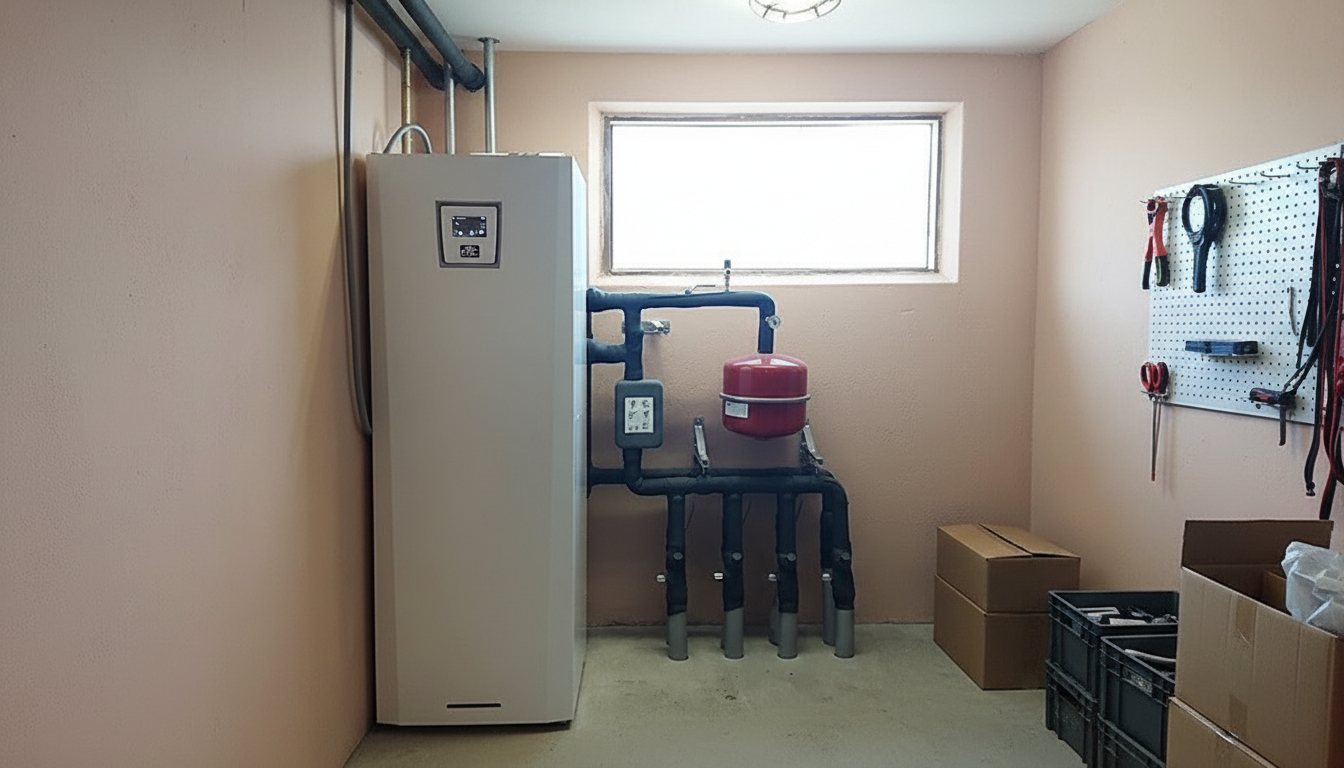
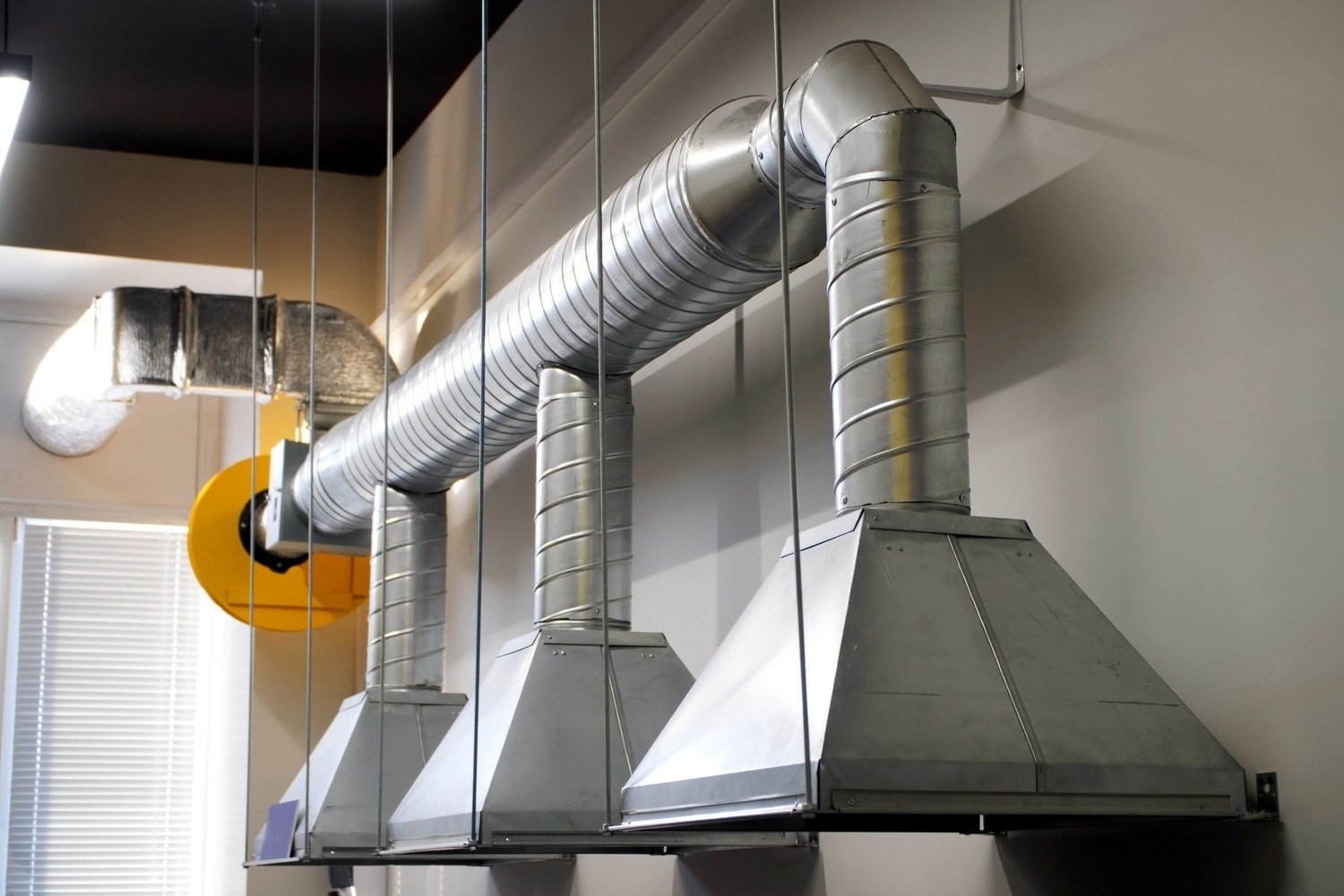
An FTX unit in a single-family home may require different details than a larger ventilation unit in a mechanical room, but the basic principle is the same: identify how sound propagates before selecting a solution. Ceiling fans can transmit vibrations through the ceiling structure, duct fans through the ductwork, and process fans through their stands, mountings, or the floor. Therefore, you should inspect the substrate, the suspension system, the duct connections, the penetrations, and all surfaces where vibrations or airborne sound can be transmitted.
A quieter installation without compromising ventilation
Properly implemented vibration damping should reduce disruptive noise without compromising ventilation performance. By combining decoupling, sealing, sound insulation, and—where necessary—sound absorption within the mechanical room itself, the acoustic environment can be improved in a technically sustainable manner. This provides greater comfort in residential spaces, a quieter working environment in offices and schools, and a more professional acoustic environment in commercial buildings, restaurants, retail spaces, and industrial facilities where ventilation must operate for extended periods.