






• Free shipping
  • 5-year warranty
  • Fast delivery

How do you soundproof a sewing machine?

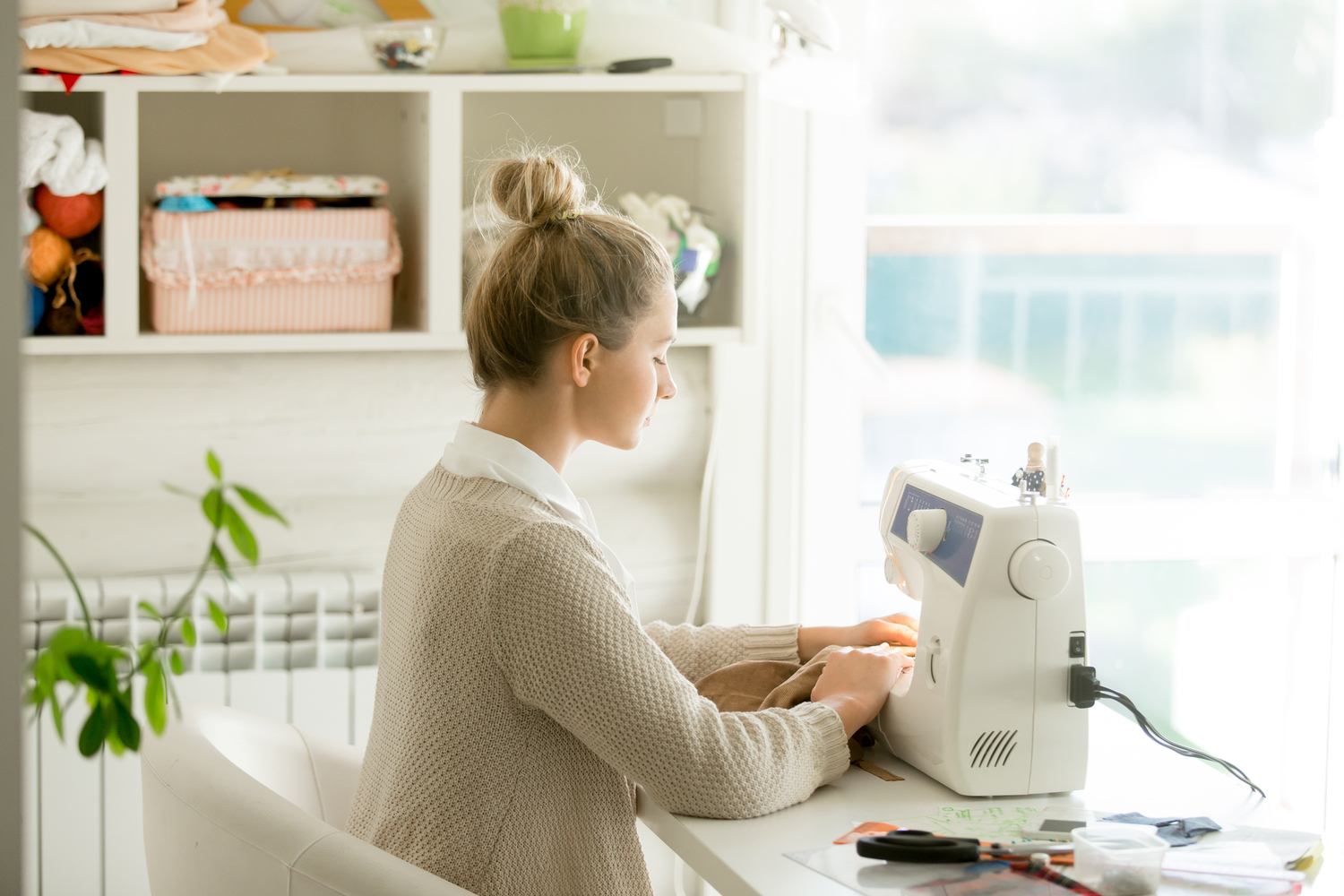
Sewing machines are fantastic tools—they transform fabric into clothing, ideas into creations, and hobbies into crafts. But for many people, the sound of a sewing machine can be an unexpected source of disturbance. The whirring of the motor, vibrations against the table, and resonance in the room can create more noise than you might think—especially in smaller spaces, apartments, or studios where hard surfaces amplify the sound. In fact, a sewing machine placed directly on a hard table surface can sound up to four times louder than necessary. Fortunately, there are simple and effective ways to reduce noise without compromising performance.

Just like in a home gym, where vibrations from exercise machines can spread through the floor and walls, similar problems arise with sewing machines. The noise comes not only from the motor itself, but also from the vibrations that travel through the surface. By understanding how sound travels and which surfaces amplify it, you can create a much quieter and more comfortable sewing corner. It's not just about comfort – the right soundproofing also reduces wear and tear on the machine and improves its lifespan.

Soundproofing a sewing machine requires a combination of smart material choices and thoughtful placement. A sound-absorbing mat under the machine can break the sound path directly at the source, while wall absorbers capture reverberations and reflections in the room. For those who sew in smaller spaces, wall-mounted sound absorbers, acoustic panels, or textile solutions can also make a noticeable difference. Together, these measures create a quieter and more focused environment – where creativity can flow without noise taking over.

SilentDirect offers several innovative solutions to reduce both structure-borne and airborne sound. With products such as SilentDirect Polaric damping mats and SilentDirect PES, you can effectively absorb vibrations and sound waves at the source. This makes it possible to sew at any time of the day or night without disturbing family or neighbors. Soundproofing is no longer a matter of advanced technology – it's about understanding the path of sound and stopping it in the right place.

In this article, we guide you step by step through the most effective methods for soundproofing your sewing machine. You will learn how to identify sources of noise, choose the right sound-absorbing materials, and create a sound environment that makes a difference – both for you and your surroundings. Whether you sew professionally, run a studio, or just want a quieter corner at home, you'll discover that small changes can yield big results. With the right soundproofing, your sewing machine will transform from a noisy machine to a quiet precision tool—ready for your next sewing project.

Recommended products

The benefits of soundproofing and sound isolating a sewing machine

How to soundproof your sewing machine – the benefits of reducing noise and vibration

Less noise and disturbance
Soundproofing your sewing machine effectively reduces the vibrations and noise that occur when sewing. By placing the machine on a sound-absorbing mat or vibration-damping surface, you can create a quieter environment, which is especially important if you sew often or in a home with thin walls.

Increased comfort and concentration
A quieter sewing machine contributes to a more relaxed and pleasant working environment. When you don't have to deal with distracting noise, you can focus better on your sewing, which leads to more even seams and greater precision in your work.

Better for neighbors and family
By reducing the noise from your sewing machine, you show consideration for others in your household or neighbors in multi-family homes. Sound dampening allows you to sew even in the evening without disturbing those around you—perfect for those who sew as a hobby.

Longer life for your sewing machine
Vibrations and shocks can affect the internal components of your sewing machine over time. By dampening sound and vibrations, you protect the machine's mechanics, which extends its life and reduces the need for repairs.

Simple and cost-effective solution
Soundproofing does not have to be complicated. A sound-absorbing mat, rubber feet, or sound-insulating underlay are inexpensive and simple measures that quickly produce results. These accessories are available in different materials and sizes to suit both modern and older sewing machines.

Improved sound environment throughout the room
By combining sound-absorbing accessories for the sewing machine with, for example, sound absorbers on walls and sound-absorbing textiles, you can create a comprehensive solution for better acoustics in the room. This makes the room feel calmer and more harmonious, even when the machine is running.

Aesthetic and practical improvement
Sound-absorbing accessories are available in several stylish designs that blend into your sewing corner. You can choose colors and materials that match your interior design – without compromising on function or sound comfort.

How to soundproof your sewing machine – Create a quieter and more pleasant sewing experience

Sewing machines are fantastic tools for both hobby and professional sewing, but they can also create disturbing noise and vibrations. Noise from the motor, vibrations against the table, and resonance in the surface can affect both concentration and comfort in the sewing corner. By soundproofing your sewing machine, you can create a quieter environment, extend the life of the machine, and improve your working comfort.

Why is it important to soundproof a sewing machine?

A sewing machine not only generates noise from the motor, but also vibrations that travel through the table and floor. These vibrations can be amplified by hard surfaces, causing the sound to spread and be perceived as louder. For those who sew at home or in shared spaces, soundproofing is especially important for reducing disturbances and creating a more harmonious working environment.

Soundproofing also makes it possible to sew at any time of the day without disturbing neighbors or family members—a major advantage for both private individuals and professional seamstresses.

Step-by-step: How to effectively soundproof your sewing machine

Step 1: Identify the sources of noise
Start by locating where the noise is coming from. Is it the motor, the base, or the accessories that are vibrating? By understanding the cause, you can choose the right type of soundproofing measure. In most cases, it is the combination of motor noise and vibrations against the table that needs to be dampened.

Step 2: Use a sound-absorbing mat
Place the sewing machine on a sound-absorbing or vibration-damping mat. This is the most effective and simple solution for reducing noise. A SilentDirect Polaric damping mat or similar rubber mat absorbs the vibrations and prevents the sound from spreading through the table. For best results, the mat should cover the entire bottom surface of the sewing machine.

If your sewing machine is placed on a hard table or wooden board, the sound may be amplified by resonance. Therefore, place a damping layer between the table and the sewing machine mat – for example, a thin rubber sheet, cork board, or acoustic panel. This layer acts as an extra barrier against vibrations.

Step 3: Check the sewing machine feet
Many sewing machines have hard plastic feet that amplify the sound. Replace them with softer rubber feet or vibration-damping pads such as our Dampiovibration damper. This makes a big difference – especially for older machines with more powerful motors.

Step 4: Position the sewing machine correctly
Place the machine away from walls and corners where sound waves can be reflected and amplified. If possible, use sound-absorbing panels on the walls near the sewing machine. SilentDirect PES Wall or similar wall absorbers reduce reverberation and improve the room's acoustics.

Step 5: Maintain and lubricate the machine regularly
A well-maintained sewing machine makes less noise. Dust particles and dry mechanics can create extra noise. By cleaning and lubricating the machine according to the manufacturer's instructions, you reduce both noise and wear.

Step 6: Combine several methods for best results
For best results, we recommend combining several sound-absorbing solutions—such as carpets, rubber feet, and wall absorbers. This combination reduces both airborne and structure-borne noise, creating a quieter, more professional sound environment in your sewing corner.

Create a quieter sewing corner with the right products

Soundproofing your sewing machine is a simple but effective measure that makes a big difference to both comfort and durability. By using sound-absorbing mats, rubber feet, and wall absorbers from quality series such as SilentDirect PES, you can create a more harmonious, quiet, and professional sewing space.

Whether you sew as a hobby or run a studio, soundproofing is an investment in a better sound environment, peace and quiet, and long-term performance.

Selected articles on "Soundproofing a sewing machine"

Reduce structure-borne noise

Structure-borne noise is sound that is transmitted through vibrations from structures such as walls, floors, and ceilings rather than through the air.

Soundproofing machines

Soundproofing and sound isolating machines is an important measure for creating a comfortable working environment.

Soundproof a room.

How should you soundproof a room? Where should you start soundproofing? On a wall, the ceiling?

Products best suited for soundproofing a sewing machine

A sewing machine creates two types of noise: vibrations that travel down into the table and floor (structure-borne noise) and airborne noise that bounces around the room.
For best results, you therefore need to combine vibration damping under/next to the machine with sound absorption in the surrounding environment.
Here are the most relevant products from SilentDirect and how they are used.

SilentDirect Polaric – Damping mat that reduces vibrations from the sewing machine

Polaric is a heavy damping mat with a butyl core and aluminum surface that is designed to reduce vibrations and structure-borne noise.
When Polaric is placed closest to the table/floor, vibrations are dampened directly at the surface, preventing the sound from spreading throughout the building.
It works perfectly as a base under the sewing machine or under a sewing table top.

SilentDirect Neo – Smooth vibration and sound absorber under the machine

Neo is an NBR mat with an open cell structure that both absorbs sound and reduces vibrations.
It is best used on top of Polaric as a softer intermediate layer under the sewing machine.
This combination provides stability, less resonance in the table, and a significantly lower hum/buzz.

SilentDirect Egg – High-density absorbent that also dampens vibrations

Egg is a high-density absorber with a patterned surface that provides extra good absorption while helping to reduce vibrations.
It is particularly good to use around the sewing machine if you want to capture the sound close to the source.
For example, on the inside of a cabinet/sewing table or on the wall surface directly behind the machine with the pattern facing the sound source.

SilentDirect Dampio – Point damping under feet or tables

Dampio are robust vibration plates used for point loading. Place them under the sewing machine's feet or under the sewing table's legs if the table "singes along." They reduce local vibrations and eliminate rattling that can otherwise amplify perceived noise.

SilentDirect PES Wall / PES Ceiling – Sound absorption around the sewing machine

PES is a soft, effective sound absorber that is particularly good in the mid-range, where sewing machine noise often lies.
By installing PES on the wall behind the sewing machine (and preferably also on side walls near the workplace) or on the ceiling, you reduce reverberation and sound reflections.
This makes the machine seem much quieter, even though the technical noise level only drops slightly.

If you sew in a room with hard surfaces (concrete, plaster, glass, parquet), the sound easily bounces off the ceiling.
PES ceiling absorbers capture sound waves from above and reduce the room's "bounce," creating a quieter sound environment around the sewing machine.

SilentDirect Seal – Sealing strip for gaps in sewing tables or cabinets

If the sewing machine is in a cabinet or specially built sewing table, small gaps can leak a lot of sound.
Seal is a soft sealing strip that helps you seal joints and openings without creating hard pressure on the structure.
This provides more consistent soundproofing.

Did you know that...

...a sewing machine placed directly on a hard table can amplify its own noise up to four times? The table acts as a resonance box—much like a guitar—where the vibrations from the sewing machine's motor are spread and amplified throughout the room. So it's not just the machine itself that makes noise, but the table helps to "play along"!

By placing a sound-absorbing mat or a soft rubber damper under the machine, you can reduce the noise by as much as 50%. It's not about buying a new machine, but about breaking the vibration path. Just as you can dampen a speaker by placing it on a soft surface, you can dramatically quiet your sewing machine with simple tricks.

Another hidden source of noise is the sewing thread itself. When the thread runs through the metal parts of the machine, it can create micro-vibrations that are amplified at high speeds. It sounds almost unbelievable, but the right thread tension and regular maintenance can significantly reduce these noises.

Did you also know that the placement of the sewing machine in the room matters? A machine placed close to a wall or corner reflects sound waves back towards you, making the noise seem twice as loud. Moving it just 30 cm away from the wall can make a noticeable difference in the noise level!

So next time you sew, don't just think about the thread and the needle. Think about the surface, the room, and the small details around you. Hidden noise traps are often easier to fix than you think—and can transform a rattling sewing machine into an almost whispering companion.

*Free shipping

Free shipping to agent

5-year warranty

5-year product warranty

Fast deliveries

Usually ships the same day

Reduce the noise from your sewing machine – for a quieter and more pleasant working environment

Sewing can be both creative and relaxing – but not when the sewing machine disturbs you with loud mechanical noise, vibrations, or resonance against the surface. Noise from a sewing machine often consists of both airborne sound and structure-borne sound, which means that the noise can spread throughout your home. Whether you sew in a hobby room, kitchen, or bedroom, there are effective ways to reduce noise and create a quieter environment.

Why does the sewing machine make so much noise?

Most sewing machines generate noise through their motor, needle mechanism, and transmission, but a large part of the disturbance comes from the vibrations that are transferred to the tabletop. Hard surfaces amplify the vibrations and cause the entire table—and, by extension, the room—to act as a resonance box. In smaller homes or late at night, this can be particularly disturbing, both for the user and for others in the home.

Effective solutions for reducing noise from sewing machines

The most effective way to reduce noise is to isolate the sewing machine from the surface and dampen its contact points. By placing the sewing machine on a vibration-damping plate, such as SilentDirect Dampio, you immediately reduce the amount of structure-borne noise transmitted to the table. These rubber-based dampers absorb the vibrations and prevent them from being amplified by the table surface.

For more powerful machines, or if you sew frequently, it may be beneficial to place an extra damping layer between the table and the floor. A thin but effective sound-insulating mat, such as SilentDirect Polaric, can be cut to fit the shape of the table and dampen the spread of sound further down into the building structure.

Limit sound reflections in the room

To further reduce the overall sound impression, you can improve the room's acoustics by installing sound absorbers on the walls and ceiling. Materials such as SilentDirect PES Wall or SilentDirect PES Ceiling reduce reverberation and prevent the sound of the sewing machine from bouncing around. This creates a softer sound environment and makes a difference even when the sewing machine is only moderately loud. In corners where sound is often amplified, you can also use corner-mounted absorbers for extra effect.

Simple measures for home use

For those who want a quick solution without installation, SilentDirect PES Wall Fabric offers fabric-covered panels in several colors – stylish enough for the home environment and easy to hang with hangers or keyhole fasteners. Complement with sound-absorbing curtains to further reduce noise without making permanent changes to the room.

Advantages of soundproofing your sewing machine

By soundproofing your sewing machine, you create a quieter working environment, reduce the risk of disturbing others in the home, and improve your concentration when doing detailed work. Reduced vibrations also increase the stability of the machine, which can result in more even seams and a longer service life for the machine's parts.

Create the right conditions for quiet and efficient sewing

With the right combination of vibration dampers and acoustic solutions, you can drastically improve the noise levels of your sewing machine – whether you sew for hobby, work or education. SilentDirect offers proven and flexible solutions that are easy to adapt to different spaces and machine types. Create a more comfortable and functional room where you can focus on being creative without being disturbed by unnecessary noise.