










Soundproofing diesel heaters – effective methods for reducing noise
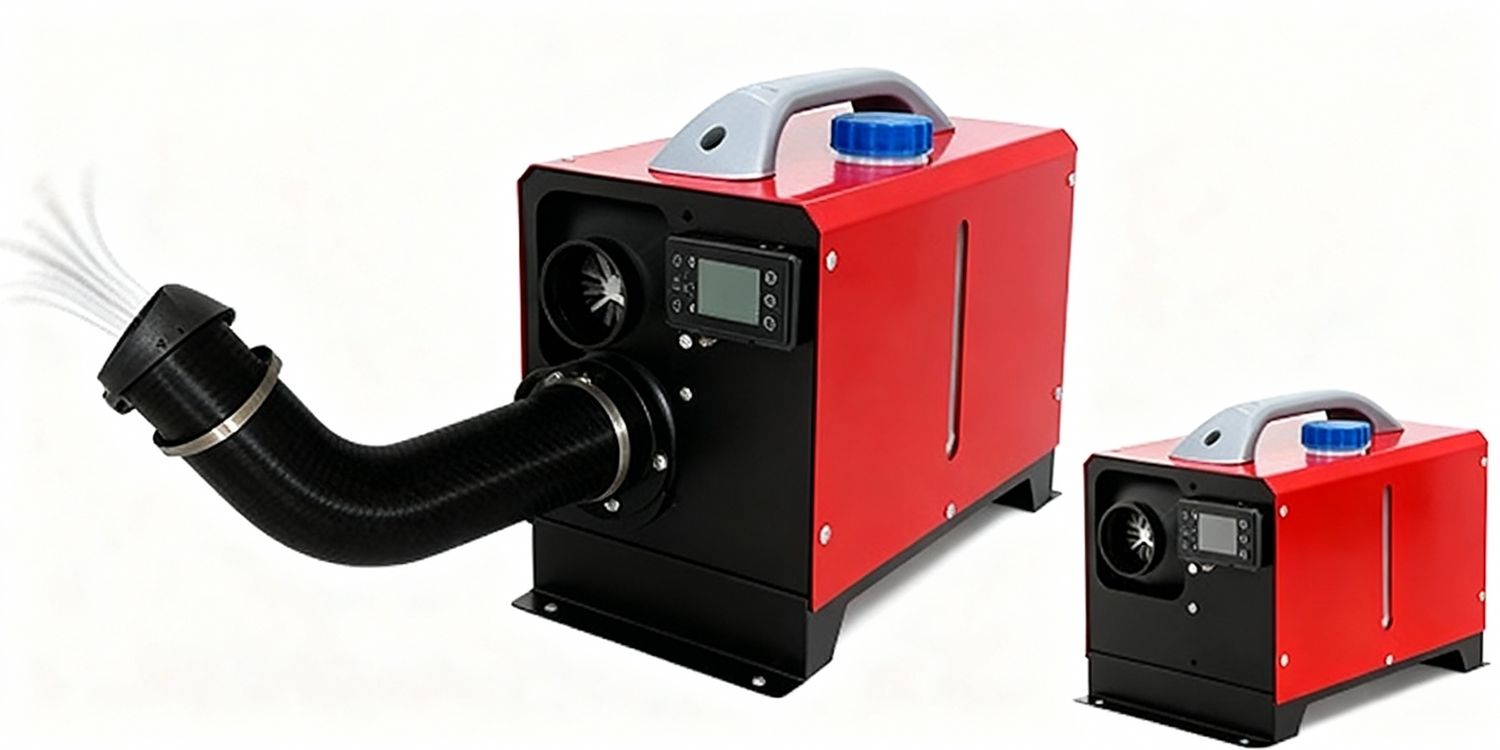
Soundproofing a diesel heater is crucial for reducing noise from both the fuel pump and the heater itself, regardless of whether it is installed in a vehicle, garage, workshop, or home environment. Diesel heaters are effective and energy-efficient heat sources, but they often produce a disturbing ticking or humming noise – especially from the mechanical pump. With the right soundproofing solutions, you can significantly reduce these disturbances and create a quieter, more pleasant environment.
Common sources of noise in a diesel heater
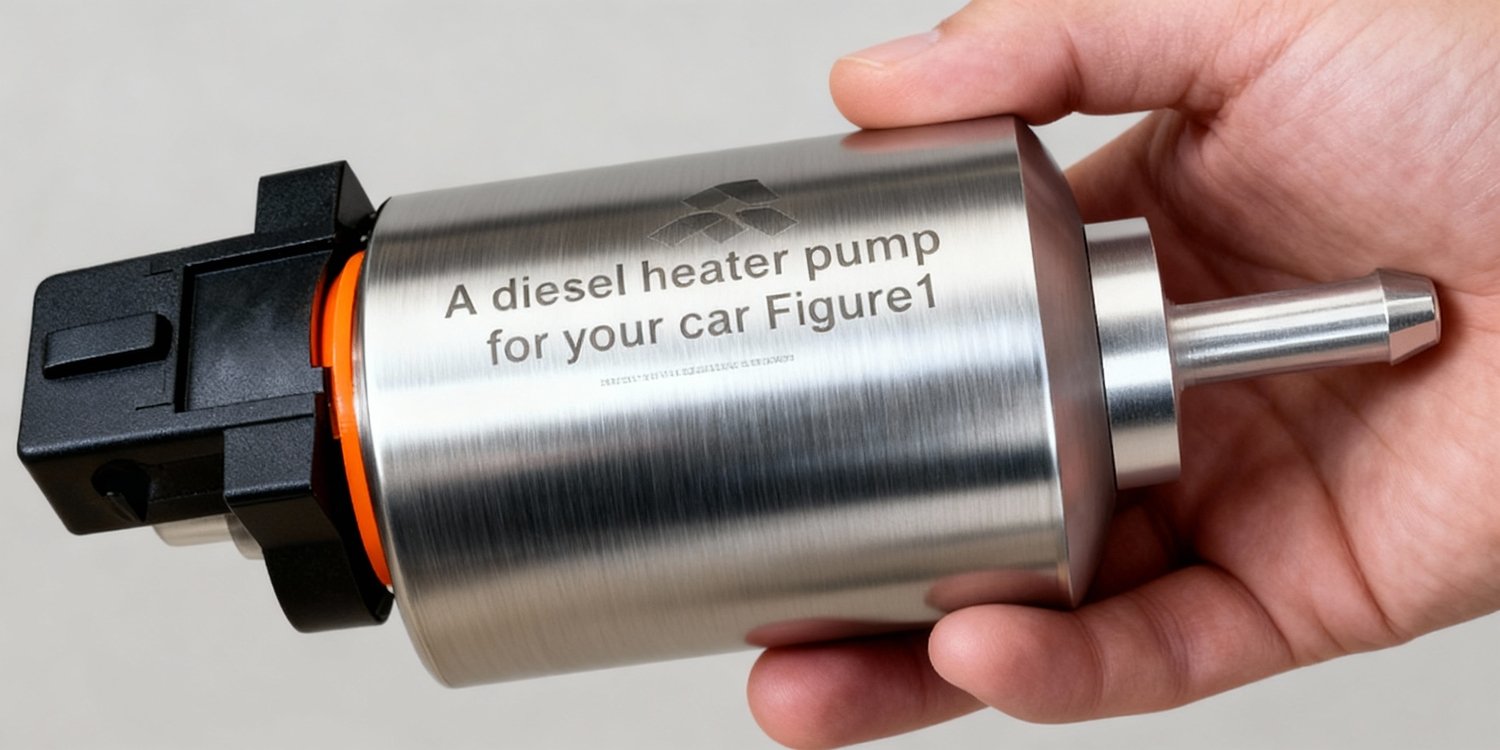
A diesel heater generates noise from several different sources. The most noticeable is the ticking sound from the external fuel pump, which is often mechanical and operates at a high frequency. This pump is small but dominates the sound, especially in vehicles or smaller spaces where sound propagates easily. In addition, the fan motor, combustion chamber, and exhaust system can cause vibrations and resonances that spread through floors and walls, both in vehicles and buildings.
How to soundproof a diesel heater in a vehicle
To soundproof diesel heaters in A-tractors, cars, vans, or boats, it is important to start with the pump. It is often sufficient to mount the pump on SilentDirect Dampio – a vibration-damping rubber plate that breaks the sound transmission to the body. The pump can also be enclosed in a small box lined with SilentDirect Polaric and SilentDirect Egg, which further reduces the ticking sound. However, make sure that the ventilation is not completely blocked.
The heater itself can be insulated using SilentDirect Polaric, which is applied to the outside of the heater casing or to nearby surfaces. This reduces sound leakage and vibrations from the unit. Sometimes it is also possible to use SilentDirect Neo in nearby spaces where noise spreads – for example, in cabinets, engine compartments, or under seats.
Soundproofing diesel heaters in garages, rooms, and workshops
For stationary installations in garages, storage rooms, or technical rooms, it is particularly effective to place the heater in a specially built box or cabinet. The inside of the box is lined with SilentDirect Polaric and SilentDirect Egg to absorb both airborne sound and vibrations. To reduce sound leakage around openings and doors, SilentDirect Seal sealing strips are used, especially where hatches close against the frame. This reduces the risk of sound escaping through gaps.
Remember to ensure good ventilation for air flow and cooling, especially if the cabinet is built to be fully enclosed. Ventilation ducts can be soundproofed inside with SilentDirect Air, which reduces sound transmission without hindering air flow.
Additional measures for optimal sound comfort
For an even quieter environment – especially in living rooms, caravans, or workshops – the area around the diesel heater can be soundproofed with SilentDirect PES Wall or SilentDirect PET Rectangle. These wall absorbers reduce reverberation and disturbing reflections from the room itself, making the sound from the heater less intrusive. Soundproofing the floor under the heater or in nearby areas with SilentDirect MLV or SilentDirect Neo can also be effective, especially if you want to reduce structure-borne noise transmitted through floors, walls, or the vehicle chassis.
Final tip – create a quieter environment with the right products
By soundproofing the diesel heater and its pump, you can significantly reduce noise in both vehicles and buildings. With products such as SilentDirect Polaric, SilentDirect Egg, SilentDirect Neo, and SilentDirect Dampio, you can control both vibrations and airborne noise. Whether you are building your own sound-absorbing box, soundproofing a space, or dampening noise in a vehicle, there are effective and flexible solutions that make a noticeable difference – and a significantly quieter everyday life.