




How do you soundproof a music room for drums?
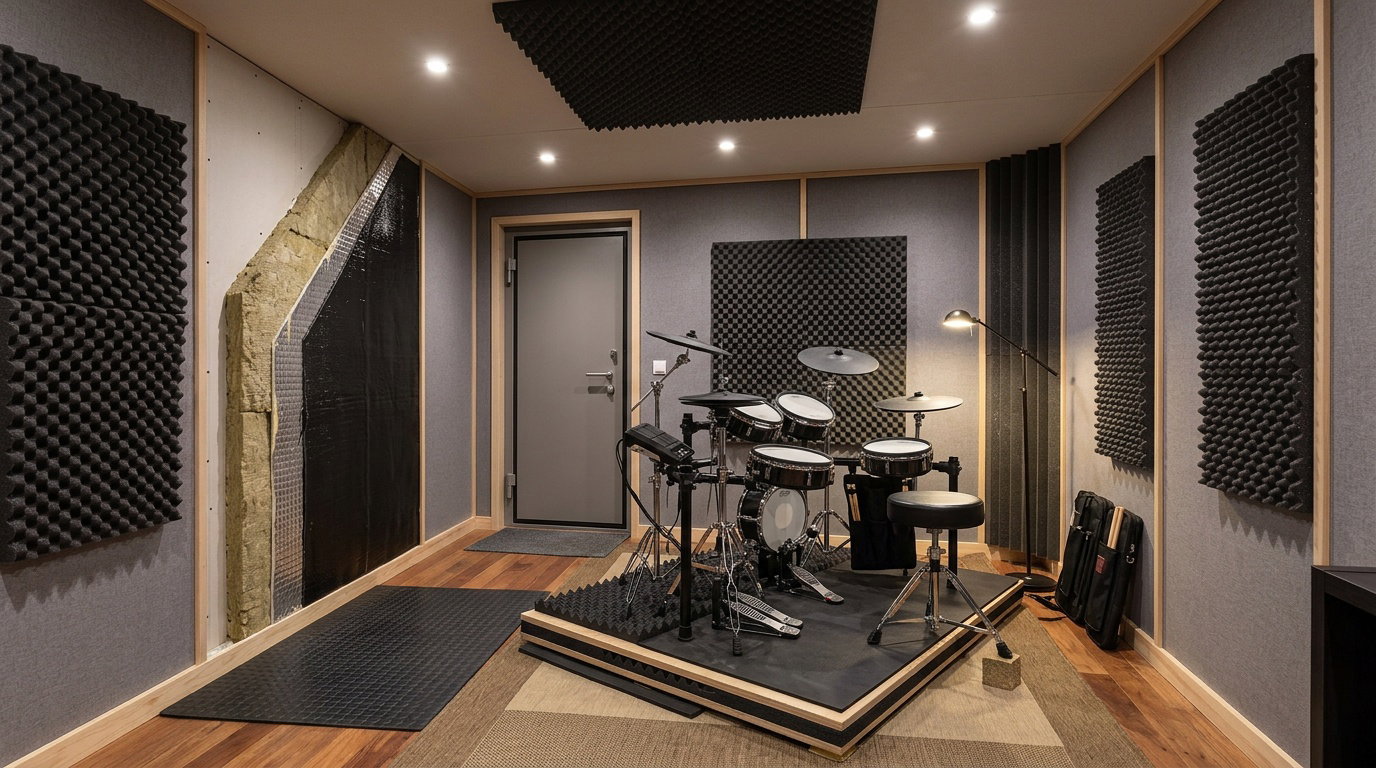
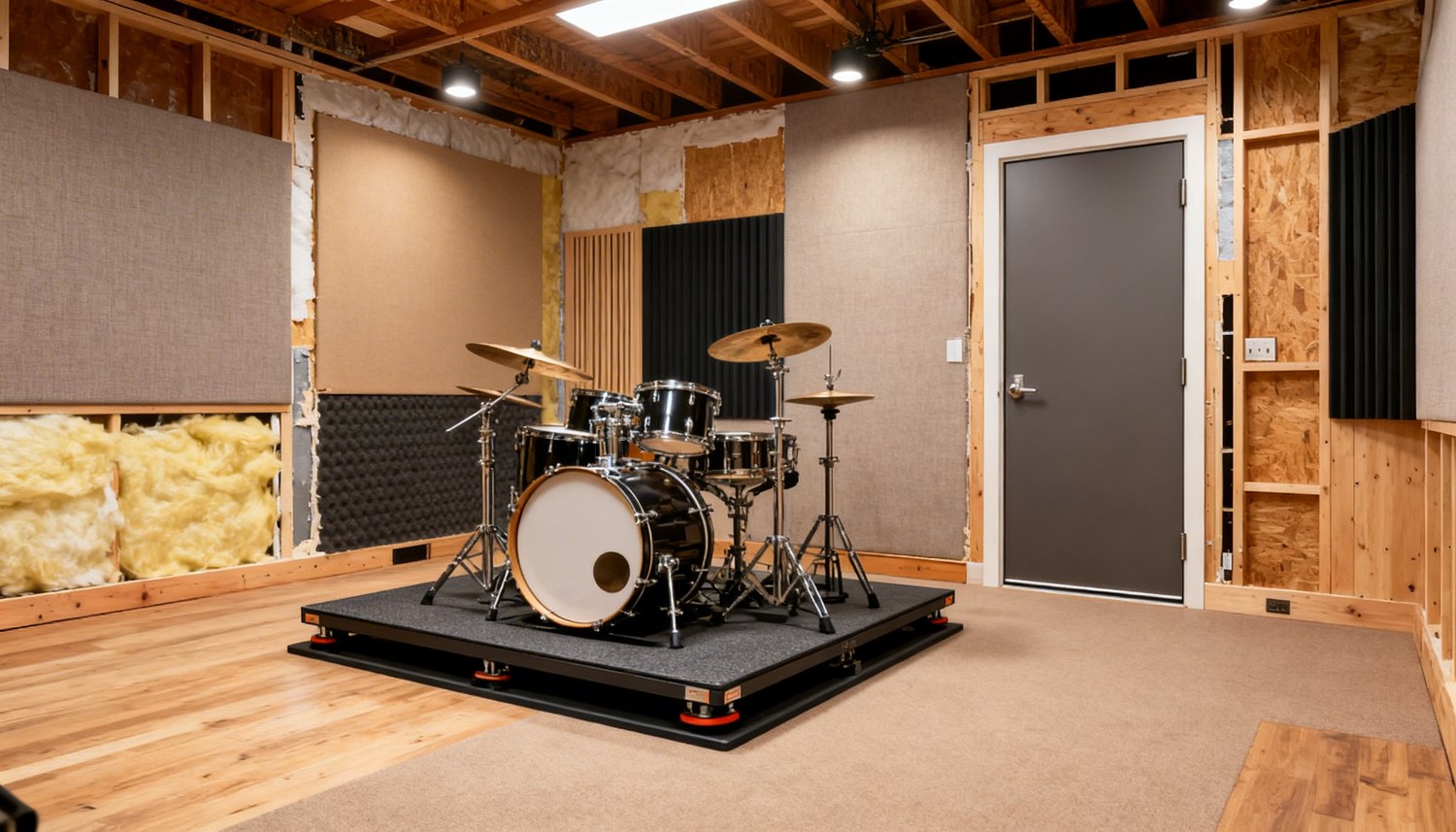
Soundproofing a music room for drums involves reducing the amount of impact noise, airborne sound, and vibrations that travel to walls, floors, ceilings, and adjacent rooms. Drums are one of the most challenging instruments to manage because the bass drum, snare drum, cymbals, and hard strikes all create strong sound peaks and distinct vibrations in the structure. Therefore, a single measure is rarely enough if the goal is to truly reduce disturbances to the surrounding area.
Why drums are difficult to soundproof
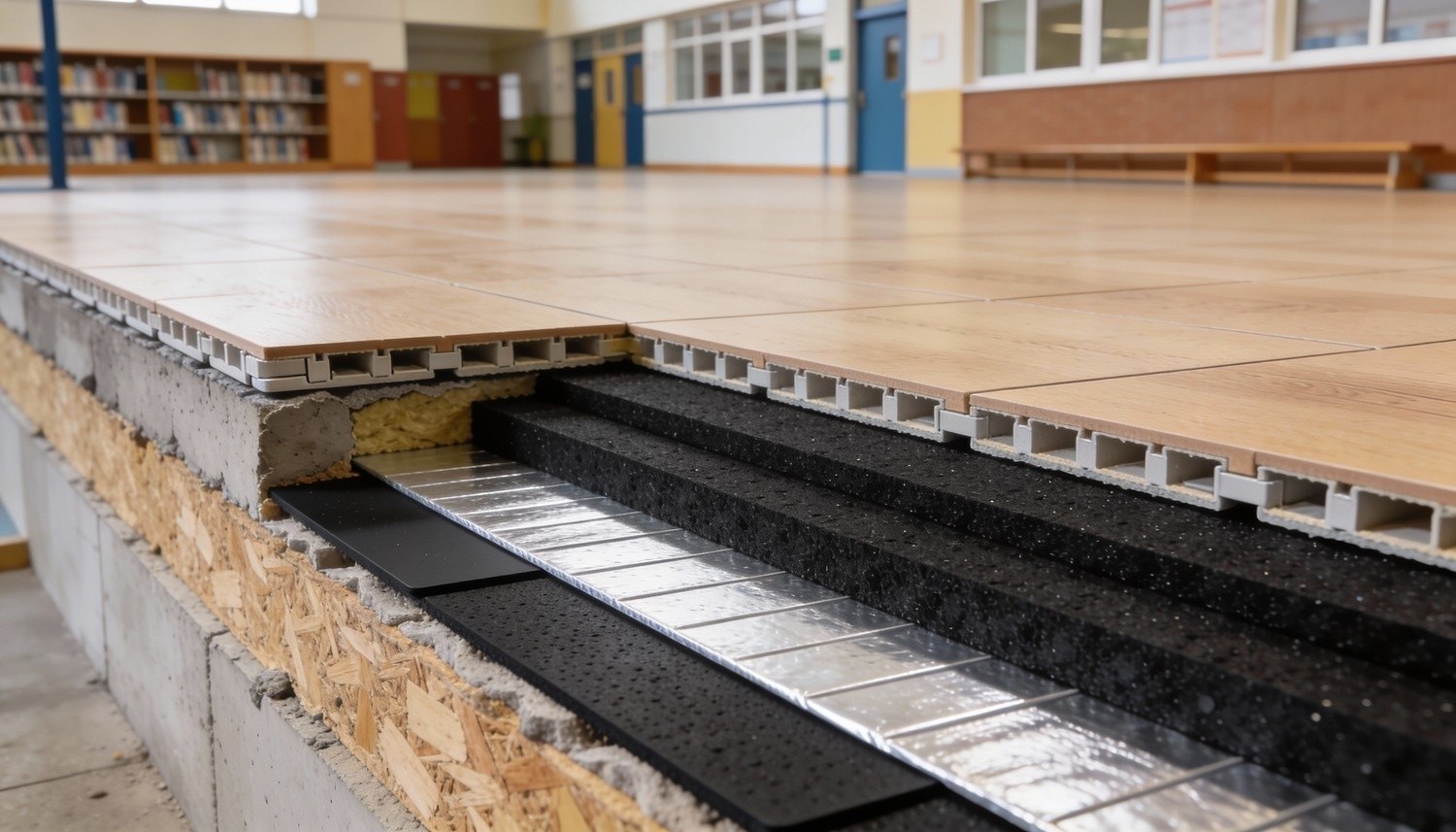
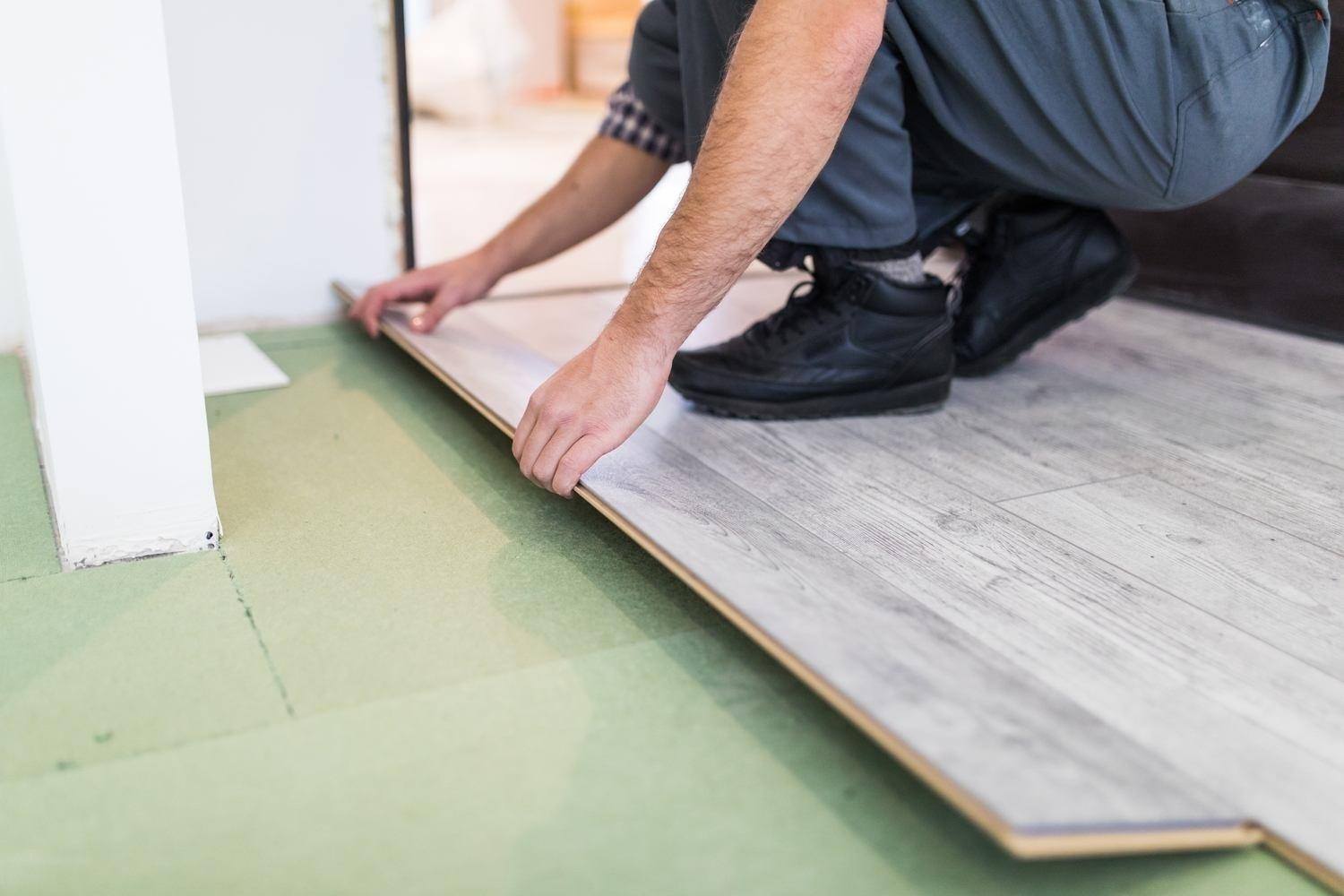
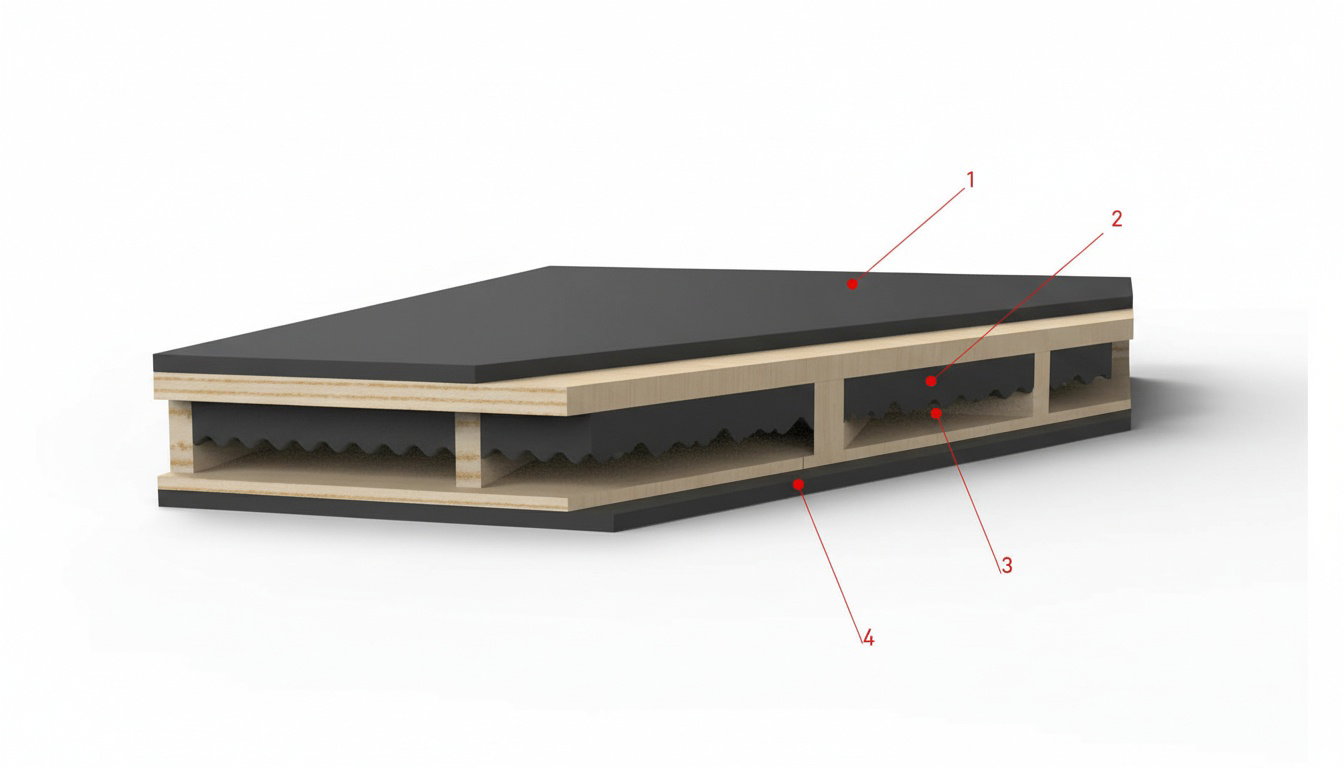
Drum sounds propagate in two ways simultaneously. First, the sound travels through the air and attempts to escape through doors, gaps, walls, ceilings, and ventilation. Second, vibrations are generated that travel through floors, joists, and other building components. When a drum set is placed directly on a hard floor, structure-borne sound often becomes a major part of the problem, especially in homes, rehearsal spaces, basements, and rooms where others are nearby.
The most important aspect of an effective solution
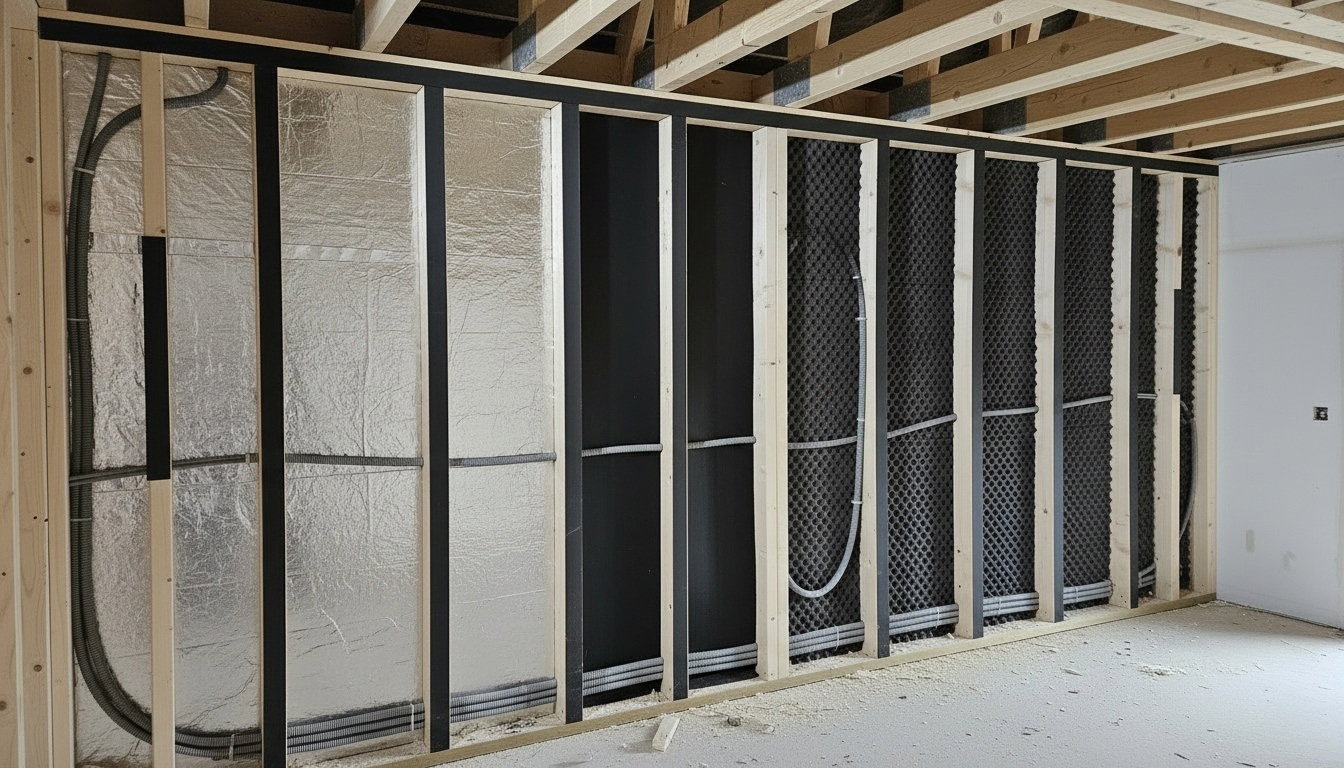
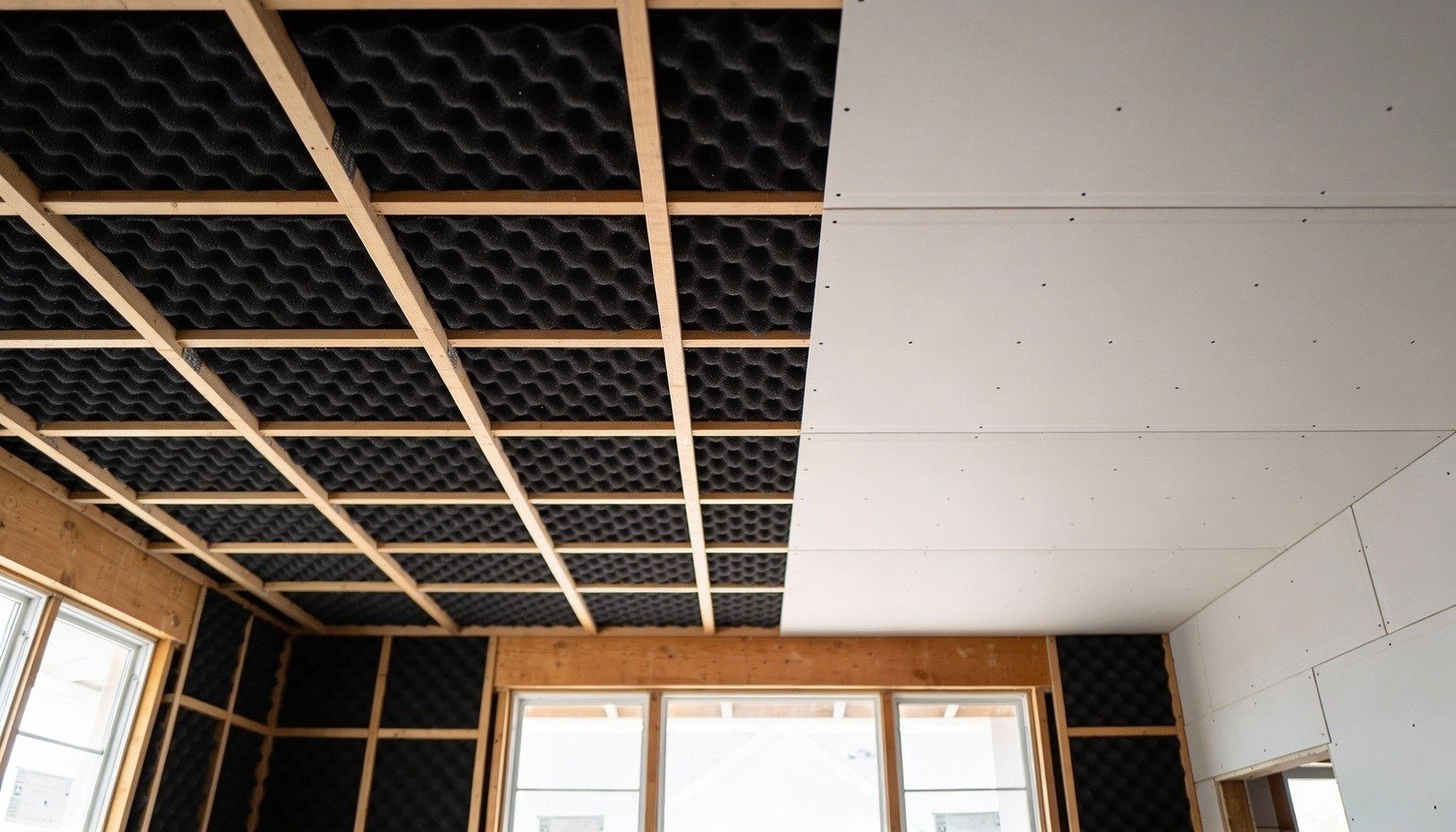
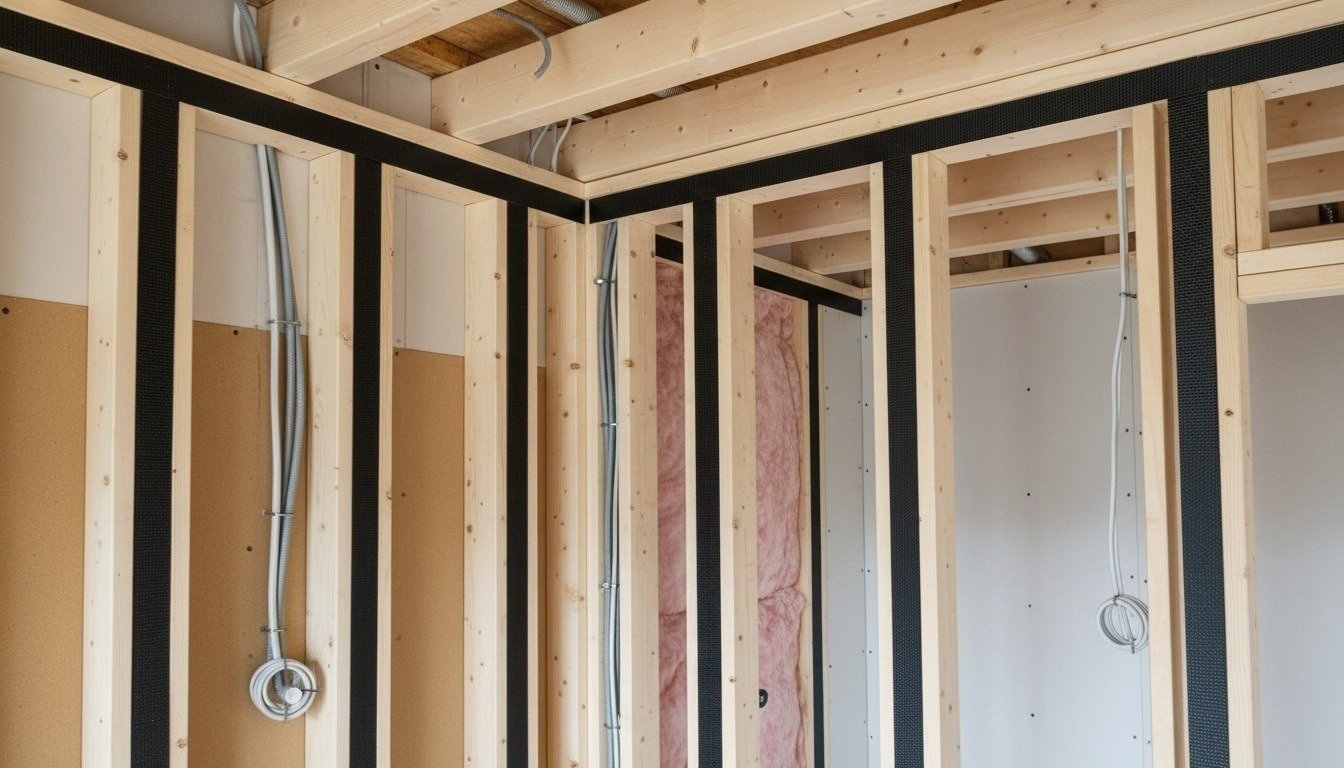
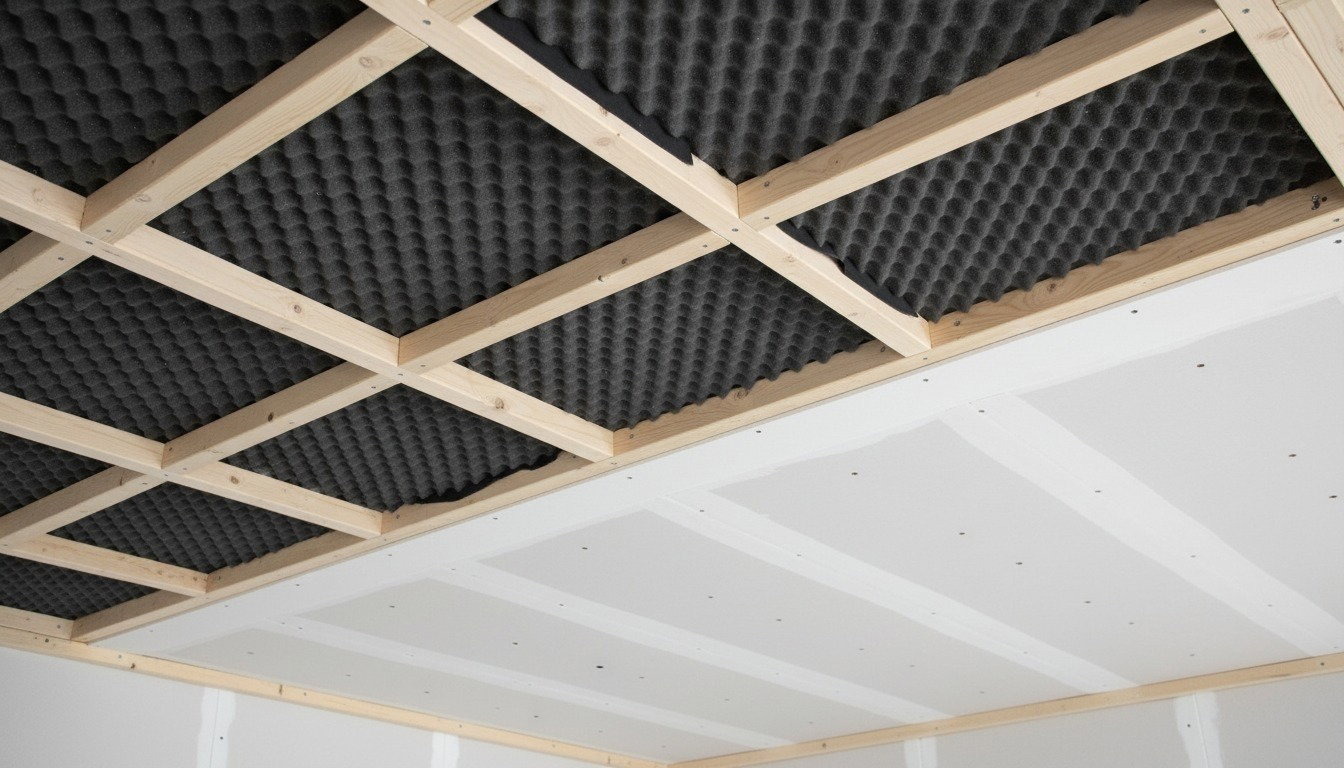
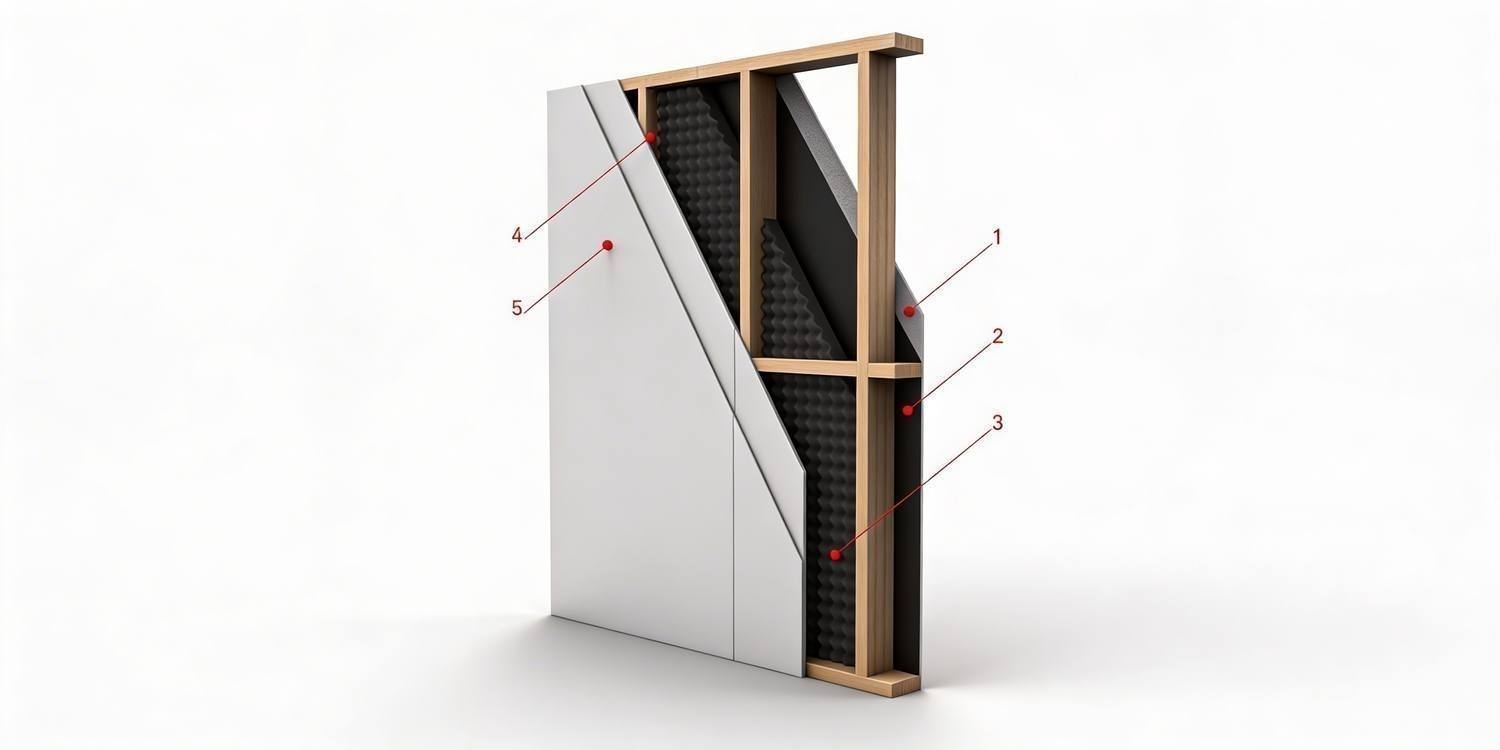
An effective solution is usually based on several elements working together: sealing gaps, adding more mass to walls or doors, vibration damping under or around the drum set, and reducing contact between the sound-producing part of the room and the load-bearing structure. The goal is to block the sound’s path. The fewer direct transmission paths there are, the better the result.
Common weak points in music rooms
The most common leakage points in a music room for drums are door panels, door gaps, thin wall construction, unsealed penetrations, and floors that transmit vibrations. The ceiling also plays a major role, especially if there are rooms above. If a single component is left unaddressed, it can limit the effectiveness of other improvements.
The difference between soundproofing and sound absorption
Sound insulation is about stopping sound from traveling between rooms. Sound absorption, on the other hand, is about reducing echo and reverberation within the same room. In a drum room, sound absorption can improve the playing experience, but it does not solve the main problem if the noise spreads to the surrounding area. To reduce sound leakage, the right construction, sealing, mass, and vibration damping are essential.
Here’s how to get closer to a quieter music room
The best approach is to start with the biggest leakage points and build the solution step by step. A well-sealed door, a well-designed floor, stronger walls, a better ceiling, and controlled vibrations all make a big difference together. When the right materials are used in the right places, the music room becomes better soundproofed and significantly more considerate of the rest of the house or building.