








• Free shipping
  • 5-year warranty
  • Fast delivery

Soundproofing guide for electric cars, electric mopeds, and other electric vehicles

Electric vehicles such as electric cars, electric mopeds, and other electric-powered machines are often perceived as quiet—but in practice, they can create a completely different type of noise than fossil-fuel-powered vehicles.
When the engine does not dominate the soundscape, tire noise, wind noise, vibrations from the chassis, and high-frequency tones from electric drive and electronics become much more prominent. Many people notice this as a "hum," a dull rumble from the road surface, or a resonance in the bodywork that feels more pronounced the quieter the powertrain is.
This means that even small noises in the construction can be perceived as louder than one might initially expect.

Soundproofing electric vehicles is therefore not about stopping engine noise, but about controlling several different sound sources at the same time. Low-frequency vibrations from the road and chassis need to be dampened before they spread into the body, while airborne noise such as wind and tire noise requires heavy barriers and smart absorption in the right zones.
Since vehicle designs are often lightweight, rigid, and full of cavities, the right material in the right place can provide a surprisingly large improvement in comfort and perceived quality.

In this guide, we go through how to effectively soundproof electric cars, electric mopeds, and other electric vehicles.
You will get a clear overview of the most common sources of noise, how different frequencies behave in vehicles, and which methods work best to reduce vibrations, resonance, and wind/tire noise. The goal is a quieter, calmer, and more premium feel—without affecting the vehicle's function, weight balance, or safety.

Recommended products

Here are some advantages of soundproofing electric vehicles

Significantly quieter cabin and improved everyday comfort
Electric vehicles often lack the classic engine noise that "masks" other sounds. This makes tire noise, wind noise, and faint vibrations much more noticeable.
With the right sound insulation, these disturbances are noticeably reduced, making every journey quieter and more comfortable – especially on longer drives.

Less tire noise and road noise
The road surface is the biggest source of noise in many electric cars and electric mopeds.
By insulating the wheel wells, floor, and chassis surfaces, you can reduce low-frequency noise and vibrations from the asphalt.
The result is a more stable and "quiet rolling" vehicle, even on rough roads.

Reduced wind noise at higher speeds
When the electric drive is quiet, wind noise around the doors, roofline, and bodywork becomes more noticeable.
With sound barriers and absorption in the right zones, airborne noise is reduced, resulting in a clearer and more relaxed sound environment in the car – especially on the highway.

Less resonance and rattling in the body
Lightweight and rigid structures in electric vehicles can easily start to "sing" at certain frequencies.
Sound insulation that slows down vibrations and dampens panel resonance makes the vehicle feel more solid and stable, while eliminating annoying rattles and buzzes.

Higher sound quality for music, calls, and hands-free
When background noise is reduced, the sound image becomes clearer. This makes music sound better, dialogue in podcasts clearer, and hands-free calls more natural.
You don't have to turn up the volume to drown out road and wind noise.

A more premium feel and better overall experience
Silence is a big part of perceived quality. When you reduce noise in an electric vehicle, it often feels like a step up in class – even if you're not changing cars or mopeds.
The vehicle feels more refined, safe, and "finished."

Less fatigue and stress while driving
Constant background noise, even at low levels, puts strain on the brain over time.
When the sound environment becomes calmer, stress and fatigue are reduced, making driving more relaxed and contributing to better focus and safety.

Cost-effective improvement without changing vehicles
Many people believe that noise is "part of the nature of electric vehicles," but often the right insulation is enough to make a big difference.
It is an affordable upgrade that delivers clear results without you having to change your car or moped or make major modifications.

Step-by-step: How to effectively soundproof electric cars, electric mopeds, and other electric vehicles

Electric vehicles are often perceived as quiet, but when the engine is not dominant, tire noise, wind noise, high-frequency humming from the electric motor, and small vibrations in the bodywork become more noticeable.
To achieve a truly quiet electric vehicle, you therefore need to combine vibration damping, sound barriers, and absorption—in the right places.
Follow the guide below to build an effective and practical solution without affecting function or safety.

Step 1: Identify where the noise is coming from

Listen when driving at different speeds and on different surfaces. Note what dominates:

  • Dull rumbling that increases with speed: tire and road noise (low frequencies).
  • Whistling/“hissing” noise: wind noise at doors, roof line, mirrors (airborne).
  • High-frequency buzz or tone: electric drive, inverter, cooling fans (medium/high frequency).
  • Rattling or resonance: panels, plastic parts, hatches (structural noise).


This determines which zones you should prioritize first.

Step 2: Start with the source of road noise – wheel wells and floor

Wheel wells are often the biggest source of noise in electric cars and electric mopeds. To reduce low-frequency rumble:

  • Apply Polaric as the first layer on metal/inner surfaces in wheel arches or floor sections where vibrations occur.
  • Add Neo on top if you want a softer damping layer that further reduces resonance.


This slows down the vibrations in the sheet metal and prevents road noise from being amplified in the bodywork.

Step 3: Create a sound barrier against airborne noise

Once the vibrations are under control, you need to stop airborne noise such as wind and tire noise:

  • Install MLV as a barrier in doors, floor sections, or side sections where sound leaks in.
  • Ensure that the barrier covers the surface properly without large openings.


MLV acts as a heavy barrier layer that prevents sound from passing into the passenger compartment.

Step 4: Add absorption behind the barrier

Behind a barrier, you want to capture the sound that is blocked so that it does not remain and create resonance:

  • Use Egg behind MLV where you have space – Egg absorbs effectively and also helps to reduce vibrations.
  • If you are short on space, use Neo behind as a smoother, thinner alternative.


The combination of barrier + absorption provides a complete solution, as the barrier alone does not absorb but stops sound.
Without absorption, this can create a resonance box, which amplifies the sound instead.

Step 5: Dampen panel resonance and rattling

In electric vehicles, small resonances are more audible because the drivetrain is quiet. To reduce "singing" panels:

  • Apply the Polaric & Neo combination to large thin sheet metal surfaces (e.g., door panels, floor sections, side panels) to reduce vibrations in the surface itself.
  • Secure loose plastic parts, clips, and panels so that nothing is touching and vibrating against each other.


Step 6: Reduce wind noise at doors and openings

Wind noise often enters through small gaps around doors and hatches:

  • Check the sealing strips – replace or supplement them if they are worn.
  • Seal penetrations in doors and bodywork so that sound does not "blow" in through openings.


Small adjustments here can make a big difference at higher speeds.

Step 7: Treat the roof and rear if the noise comes from above/behind

When driving on the highway, wind noise is often heard from the roof and rear hatch:

  • Apply Polaric to the metal where the roof or rear vibrates.
  • Supplement with Egg or Neo as an absorbent layer in cavities.

    (Egg is preferred in as thick a size as possible where there is space for the best possible results)

Step 8: Test drive and adjust zone by zone

After each major step, test drive and listen:

  • Has the road noise decreased?
  • Is the wind noise less audible or has it moved?
  • Are there new small resonances that appear when the background noise decreases?


Adjust where you still experience sound leakage or panel vibrations.

Products best suited for soundproofing electric vehicles

Electric vehicles have a different sound profile than gasoline and diesel vehicles.
When the powertrain is quiet, road noise, wind noise, panel resonance, and high-frequency humming from electrical components become more prominent.
For best results, you need to combine vibration damping, sound barriers, and absorption—in the right order.

Here are the most relevant products and how they are used in electric vehicles.

SilentDirect Polaric – Reduces vibrations and structure-borne noise in the body

Polaric is a heavy damping mat with a butyl-based core and reinforced aluminum surface.
It is used to reduce vibrations and structure-borne noise in sheet metal, plastic panels, and body parts, such as wheel housings, floor sections, door panels, and car roofs.
The damping mat slows down low-frequency road noise and reduces panel resonance, resulting in a quieter and more stable feel in the vehicle.

SilentDirect MLV – Sound barrier against airborne noise

MLV (Mass Loaded Vinyl) is a heavy, flexible barrier that blocks airborne noise such as wind noise and tire noise that enters through doors, side panels, and floors.
This sound barrier is a key layer when you want to enhance the "premium feel" in the cabin by preventing sound from entering the vehicle.

SilentDirect Egg – High-density absorbent that also reduces vibrations

Egg is an absorbent made of NBR rubber with an open cell structure and an egg-shaped surface.
The product effectively absorbs airborne sound and, at the same time, helps to reduce minor vibrations thanks to its dense structure.
It is mainly used behind MLV in doors, side panels, and cavities, or in areas where you want to capture sound that would otherwise bounce off the bodywork.

SilentDirect Neo – Smooth damping mat for confined spaces

Neo is a smooth NBR mat that both dampens vibrations and provides absorption.
The product is suitable as a complement to Polaric when you want to build a thin layer under mats or panels, or when Egg does not fit.
Neo is often used together with Polaric in floors/wheel housings or as an absorbent layer behind MLV where space is limited.

SilentDirect Hood – Heat-resistant sound insulation near hot zones

Hood is made for engine hoods and other places where you need heat-resistant sound insulation.
It reduces noise from the drivetrain/components while limiting heat radiation, making it suitable for use near hot parts, even in electric vehicles.

SilentDirect Seal – Seal gaps to reduce sound leakage

Seal is a flexible sealing strip that closes small joints and openings where sound would otherwise pass through, such as around door frames, panel transitions, or penetrations. Small gaps can let through more sound than you might think. Seal is a soft NBR sealing strip that helps you seal sound leaks, which is often crucial for barriers and damping to work fully.

Recommended basic combination for electric vehicles:
1) Polaric on metal surfaces in wheel arches/floors/doors to reduce vibrations and road noise.
2) MLV as a barrier in doors, side panels, or floors to stop airborne noise.
3) Egg behind MLV (or Neo if space is tight) to absorb the sound stopped by the barrier and reduce resonance.

With this division, you get the right product for the right type of sound – which is the key to making electric cars and electric mopeds feel genuinely quieter and more comfortable in practice.

Did you know that...

...an electric car can often be perceived as noisier than a gasoline car—even though it is quieter on paper?
When the engine noise disappears, so does what usually masks other noises.

Suddenly, you hear things that have always been there:
the rumble of the tires, small vibrations in the bodywork, and wind noise around the doors and mirrors.
That's why many people are surprised by how clearly road noise can be heard in an otherwise quiet car.

Few people think about the fact that tire noise in electric vehicles is not just "air noise."
A large part of it enters the floor and wheel wells as vibrations and spreads across the metal surfaces of the bodywork – much like when you tap lightly on a drum.
That's why the same road can sound completely different depending on how the vehicle's panels handle the vibrations.

And here's a real eye-opener:
A faint, high-frequency hum from the electric motor can feel more disturbing than a stronger low-frequency sound.
This is because the brain finds it easier to "lock onto" tones in the mid and high range.
It's also why some electric cars feel wonderfully quiet at low speeds but suddenly develop an "electronic noise" that you can't ignore as the speed increases.

The most unexpected thing?
When you soundproof the right areas, the cabin can feel like a completely different car. Not because everything becomes completely silent, but because the sound stops bouncing around.
The rumble becomes more even, the wind noise fades into the background, and small panel resonances stop "commenting" on every bump.
Many describe it as the car going from "quiet but messy" to "quiet and harmonious."

So next time someone says that electric vehicles are already quiet, remember that a quiet powertrain is just the beginning. It's the other sounds that determine how quiet the car really feels.

*Free shipping

Free shipping to agent

5-year warranty

5-year product warranty

Fast deliveries

Usually ships the same day

Selected articles on "Soundproofing electric vehicles"

Soundproofing a car

Soundproofing a car can be a complicated process. Here is a step-by-step list of how to soundproof a car or other vehicle.

Soundproof wheel wells

If you have the option of soundproofing the inside of your inner fenders, this will significantly reduce road and tire noise. Achieve a quiet and comfortable driving environment.

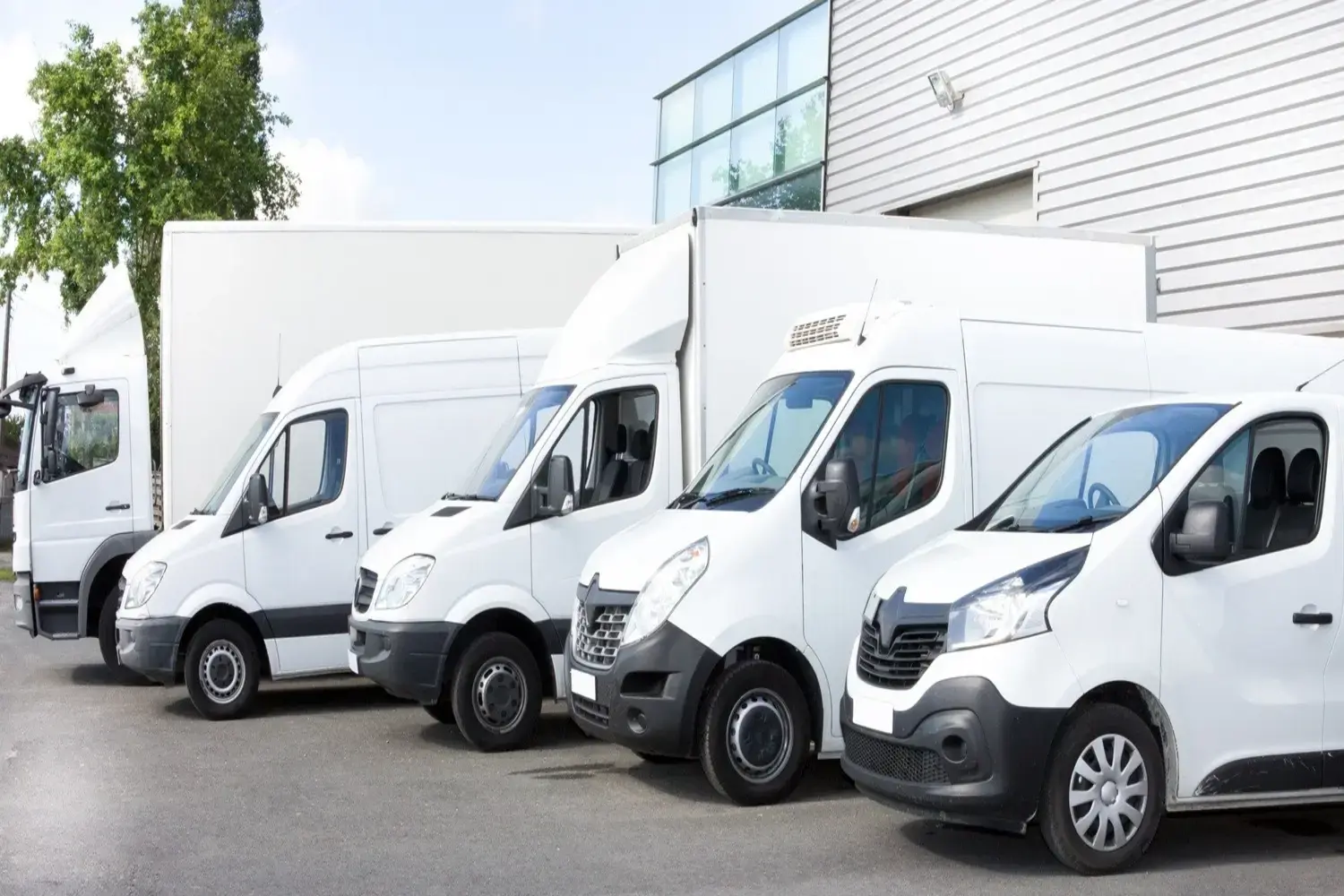
Soundproof a van

Soundproofing and sound dampening a van is important for reducing both road and ambient noise, increasing comfort, and creating a pleasant journey.

Soundproofing a garage door

A garage often acts as a resonance chamber, where sound easily enters and exits. Here is a step-by-step guide on how to soundproof your garage door in the best way possible.

Soundproof electric mopeds and electric vehicles effectively – reduce noise from the motor, road surface, and vibrations

Soundproofing an electric moped or electric vehicle is not about reducing engine noise – it is already quiet. Instead, the focus is on dampening other disturbing noises that become more prominent when the traditional engine noise is absent. Road noise, vibrations, ticking relays, resonance from plastic parts, and noise from components such as chains or battery cooling can be irritating to both the driver and those around them. Effective soundproofing improves the overall impression, increases comfort, and creates a higher-quality driving experience.

Why sound insulation is needed in electric vehicles

Since electric vehicles are fundamentally quiet, even small noises become noticeable. A ticking from a relay, a squeak from a suspension, or vibrations from the road surface are immediately noticeable. This can give a plastic or cheap feeling, even though the vehicle is otherwise of a high technical standard. Careful sound insulation can reduce road noise and resonance, eliminate disturbing vibrations from the suspension and chassis, and dampen noise from technical compartments, chargers, and other installations.

Vibration-damping materials for electric vehicles

To manage structure-borne noise and vibrations, SilentDirect Neo is used – a vibration-damping mat made of NBR rubber that is self-adhesive and easy to install on sheet metal, plastic, or other hard surfaces. It effectively reduces noise transmitted through the vehicle body and is often used on battery hatches, floors, wheel housings, and the inside of hoods. For heavier technical areas where heat resistance is also required, SilentDirect Polaric is the perfect solution. The product has a butyl core with an aluminum surface and is used, for example, in engine compartments and charging components. SilentDirect Seal is used to seal gaps, hatches, and mounting surfaces. It is an NBR-based sealing strip made of the same material as Neo, making it ideal for breaking vibrations between panels or where plastic meets metal.

Sound insulation of airborne noise

To stop airborne noise, such as road noise or humming from electrical components, SilentDirect MLV is used – a solid and flexible sound insulation material that is installed behind side panels, under floor panels or near battery boxes. It effectively blocks sound waves and improves the experience for both drivers and passengers.

Internal damping and resonance breaking

Many electric mopeds and electric vehicles have large plastic surfaces and technical spaces where sound bounces freely. By covering the inside of the covers with SilentDirect Egg, a sound-absorbing foam material, these reflections are broken and high-frequency sounds are dampened. This provides a softer and more pleasant sound inside the vehicle.

A quieter and more exclusive driving experience

By combining vibration-damping products such as SilentDirect Polaric, SilentDirect Neo, and SilentDirect Seal with airborne sound-insulating materials such as SilentDirect MLV, a vehicle is created that both feels and is perceived as being of higher quality. It becomes easier to hear your surroundings, concentrate on the traffic, and enjoy the ride without disturbing noise. A properly sound-insulated electric moped or electric vehicle is not only more comfortable to use, but is also perceived as more exclusive and reliable – whether it is used for commuting, work or leisure.