





Vibration damping for machinery and equipment – reduces vibrations
Reduce structure-borne noise and shaking from technical equipment in homes
In homes, it is common for machines and technical equipment to cause disruptive vibrations. When a machine vibrates during operation, the motion can spread through floors, walls, pipes, and joists. This often leads to structure-borne noise, low-frequency humming, or shaking that is felt in other rooms or on other floors. Vibration damping of machines and equipment involves breaking this mechanical transmission before the vibrations spread throughout the building.
What does vibration damping of machines entail?
Vibration damping involves reducing how mechanical movements are transmitted from a machine to the building’s structure. Unlike sound insulation, which blocks airborne sound between rooms, and sound absorption, which reduces echoes and reverberation within a room, vibration damping focuses on the movement within the structure itself. By reducing vibrations at the source, it also minimizes the noise issues caused by resonance and structure-borne noise.
Common sources of vibrations in homes
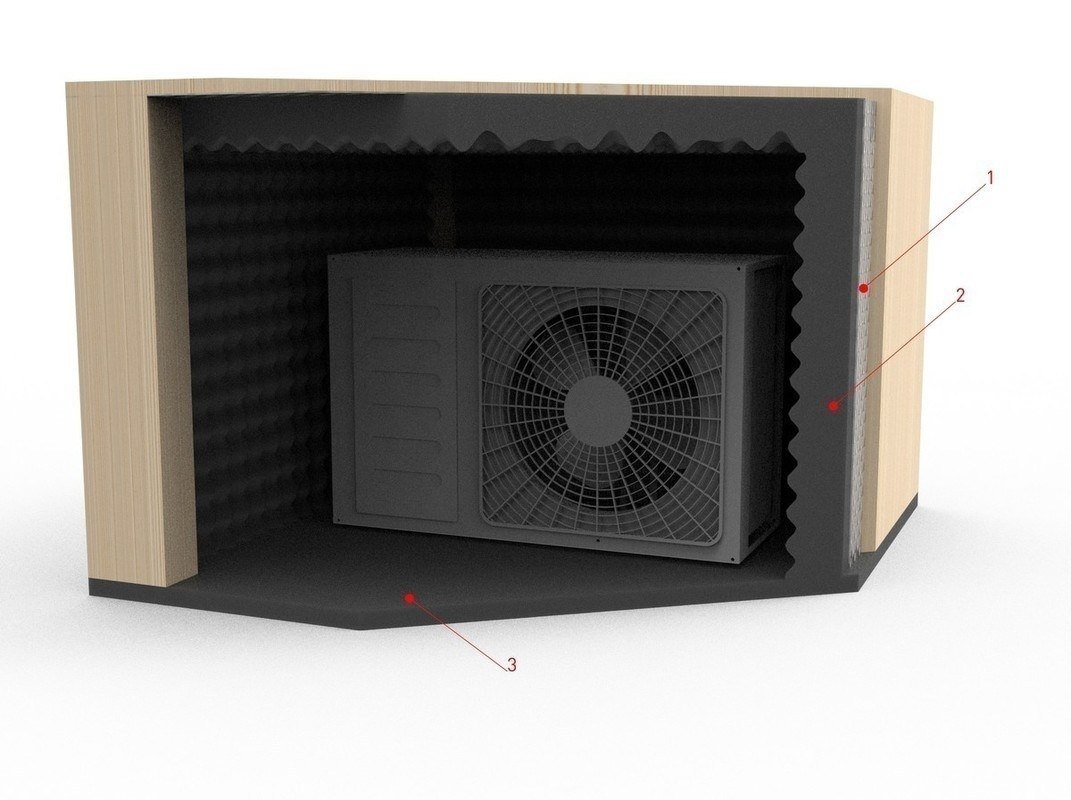
In homes, vibrations often originate from heating and ventilation systems, such as air-source heat pumps, geothermal heat pumps, exhaust fans, and ventilation units. Vibrations from fans can also travel through ventilation ducts and cause disturbances in other parts of the house, especially in the evenings and at night.
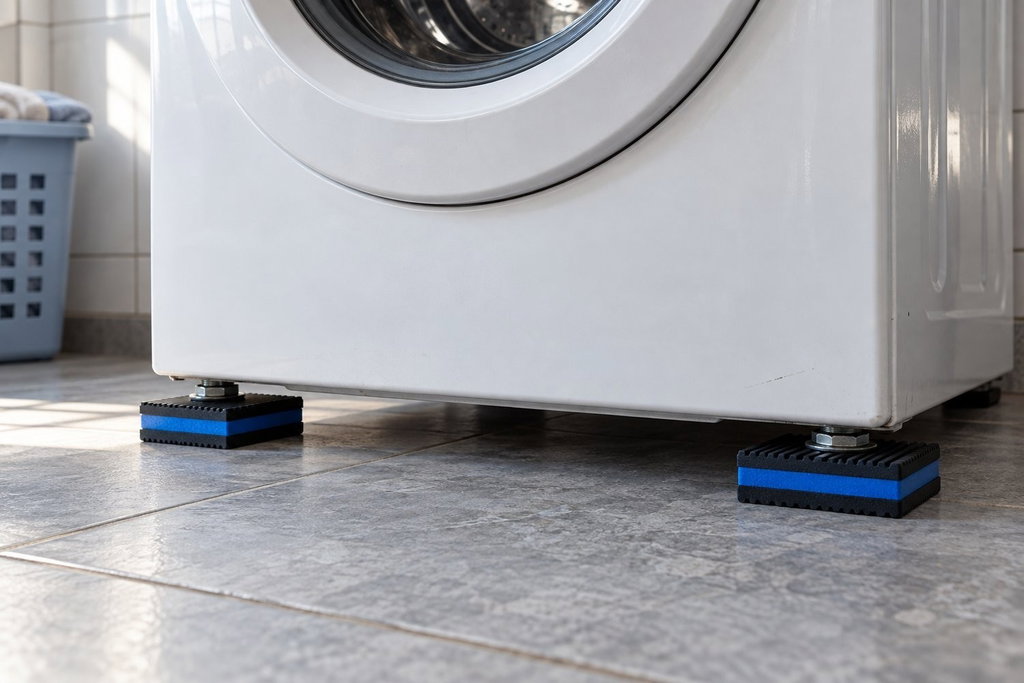
Household appliances such as washing machines, dryers, dishwashers, and drying cabinets are also common sources of vibrations. For example, during the spin cycle, the machine can vibrate heavily, shift position, and transfer the movement to floors and walls. The same applies to circulation pumps, water pumps, sewage pumps, and pool equipment, which often emit a constant humming sound that spreads far from the source itself.
Other examples include compressors in garages or hobby rooms, dehumidifiers, fans, and server and network equipment in the home. What these have in common is that the vibrations are often continuous, low-frequency, and difficult to address without targeted vibration-damping measures.
How do vibrations spread through a building?
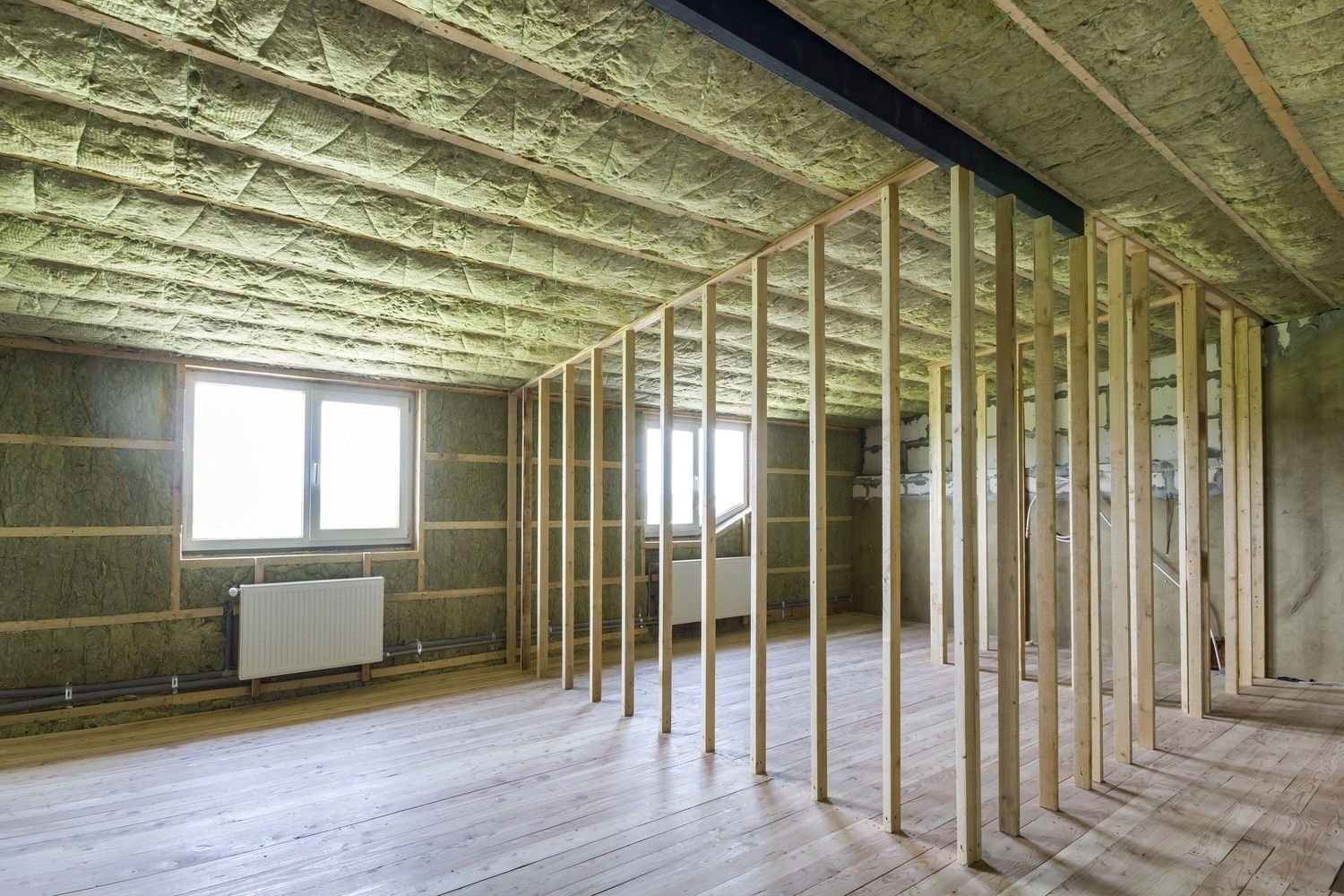
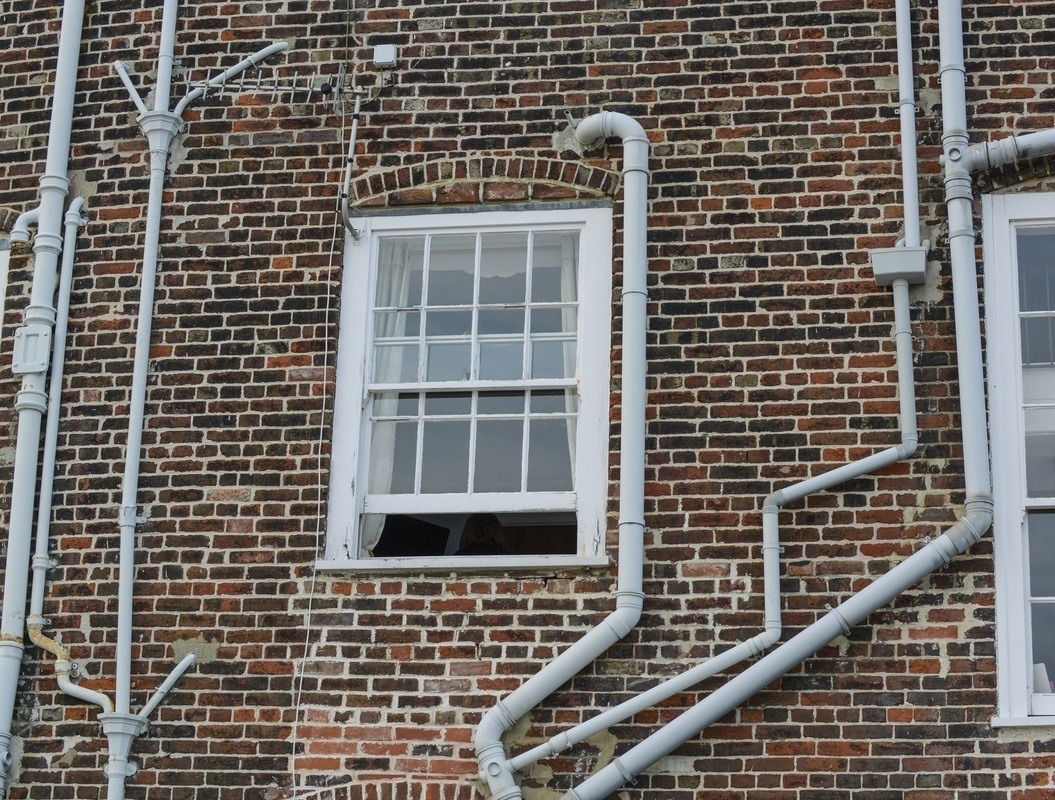
When a machine vibrates, the motion is mechanically transferred to the foundation and further through the building’s structure. Floors, walls, pipes, and joists act as conductive structures where vibrations can be amplified through resonance. This means that the problems are often felt in rooms where the machine is not located, which can complicate both troubleshooting and remediation.
Principles of effective vibration damping
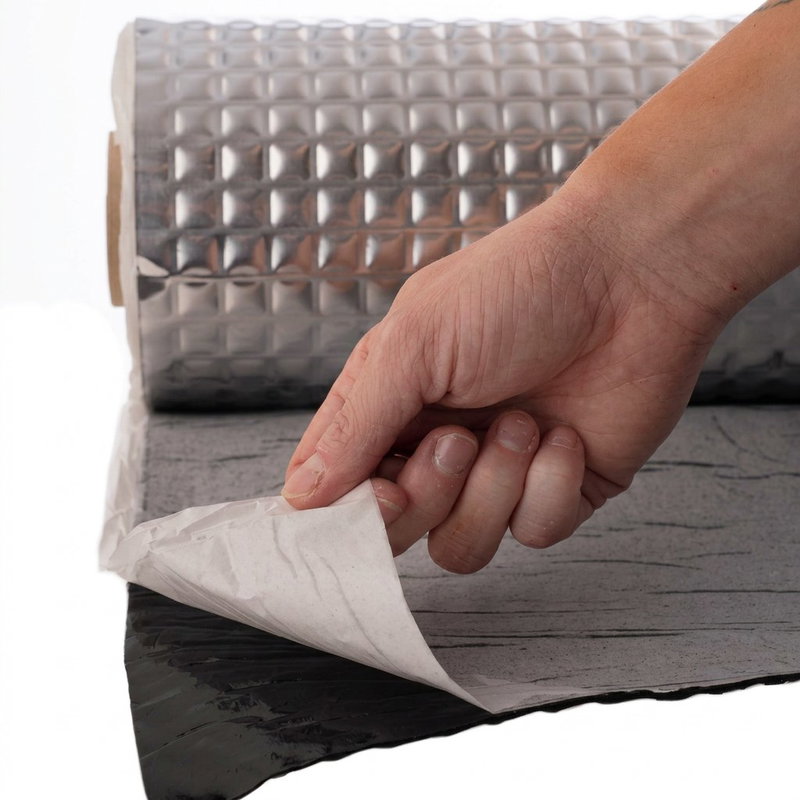
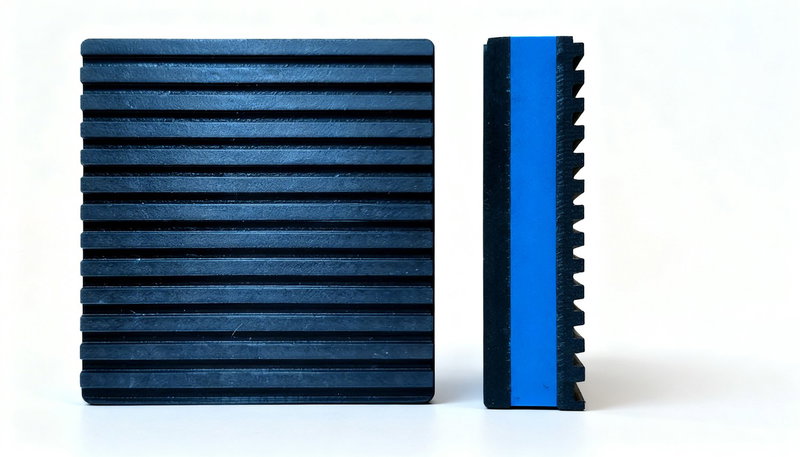
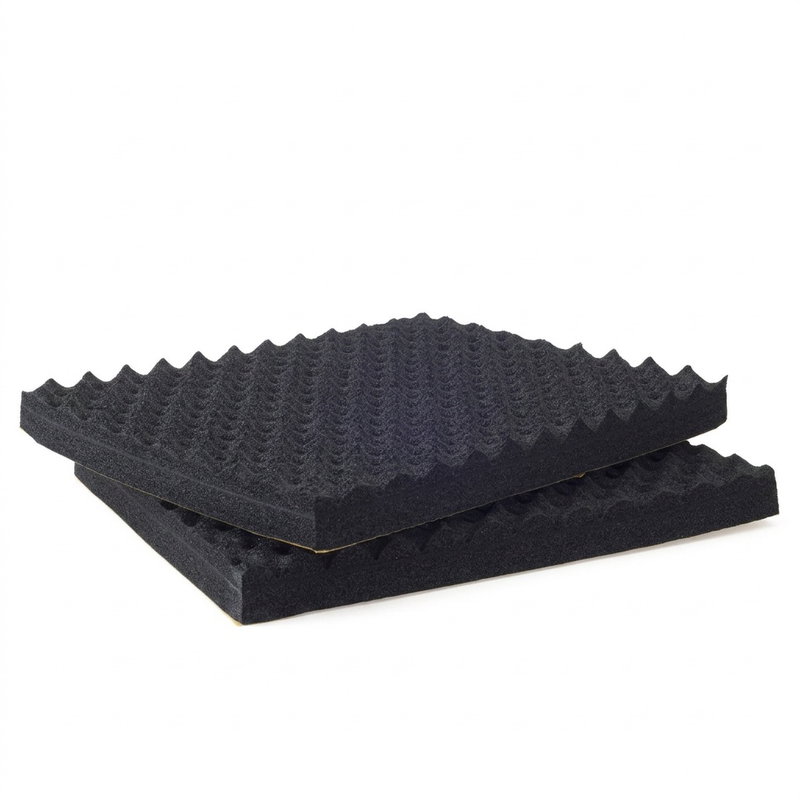
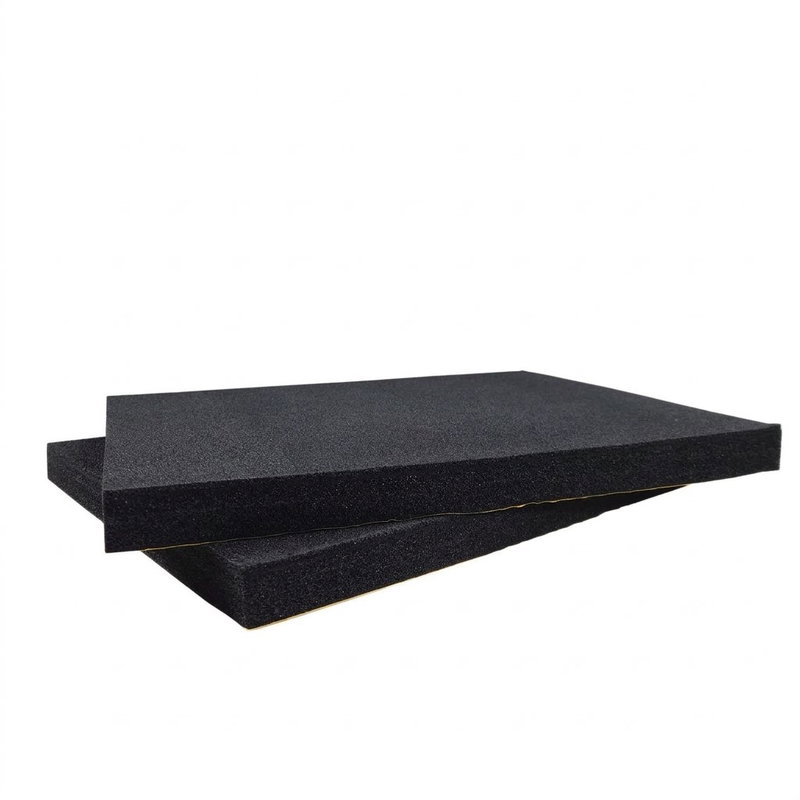
Effective vibration damping is based on reducing direct contact between the machine and the building frame. Through decoupling, the use of elastic materials, and reduced mechanical transmission, vibrations can be slowed before they spread further. The goal is to isolate the motion at the source rather than trying to address the consequences afterward.
Well-considered advice for best results
For maximum effectiveness, it is important to identify which machine is causing the vibrations and how the motion spreads throughout the building. A common mistake is to focus on the room where the disturbance is felt, even though the source is often located elsewhere. By addressing vibration damping directly at the machine, both structure-borne noise, hum, and shaking can be reduced more effectively and sustainably.
Vibration damping of machines and equipment is therefore a crucial measure for reducing disruptive vibrations and creating a quieter and more stable living environment in homes.