








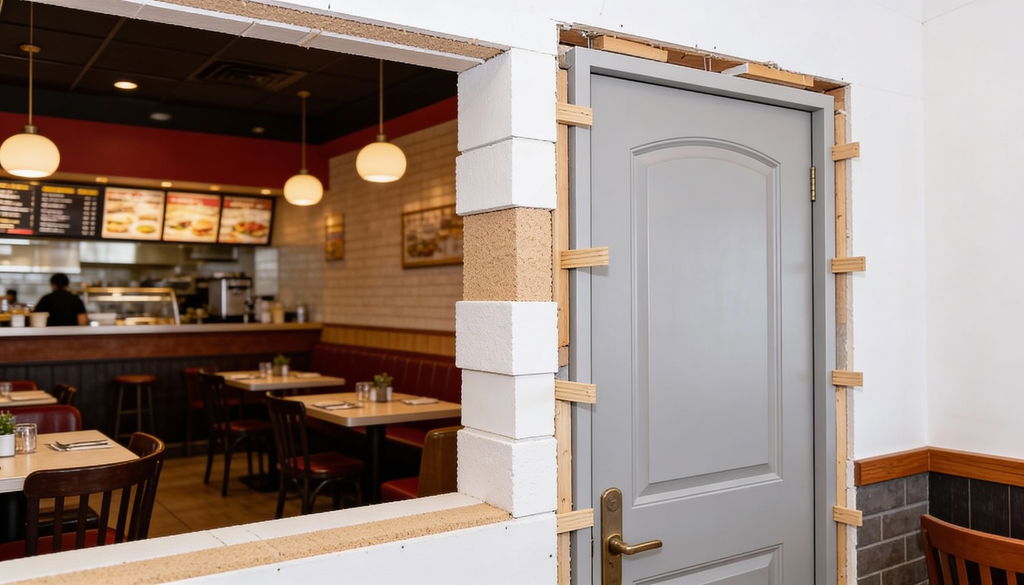
Soundproofing doors and windows – blocks sound between rooms
Reduce sound leakage between dining areas, kitchens, and adjacent spaces in restaurants
In restaurant environments, doors and windows are often critical weak points when it comes to sound insulation. Even if walls, floors, and ceilings are properly designed, sound from the kitchen, bar, counter, or staff areas can easily leak through gaps and lighter-weight construction. Soundproofing doors and windows aims to limit this sound transmission and create a clearer separation between the restaurant’s different areas.
Why do doors and windows let sound through?
Doors and windows are movable building components that often have lower mass and poorer sealing than fixed structures. Sound can therefore pass through both the door panel or glass itself and via gaps around frames, thresholds, and hardware. In restaurants, this primarily applies to airborne sound such as voices, music, kitchen sounds, and background noise.
Common problems associated with doors and windows in restaurants
In restaurant environments, sound leakage is often experienced as kitchen noise penetrating the dining room, sound from the bar spreading to quieter seating areas, or noise propagating to staff areas and entrances. Even small gaps can have a significant impact, as sound always takes the path of least resistance. The result is a diminished guest experience and a less peaceful working environment.
How does soundproofing for doors and windows work?
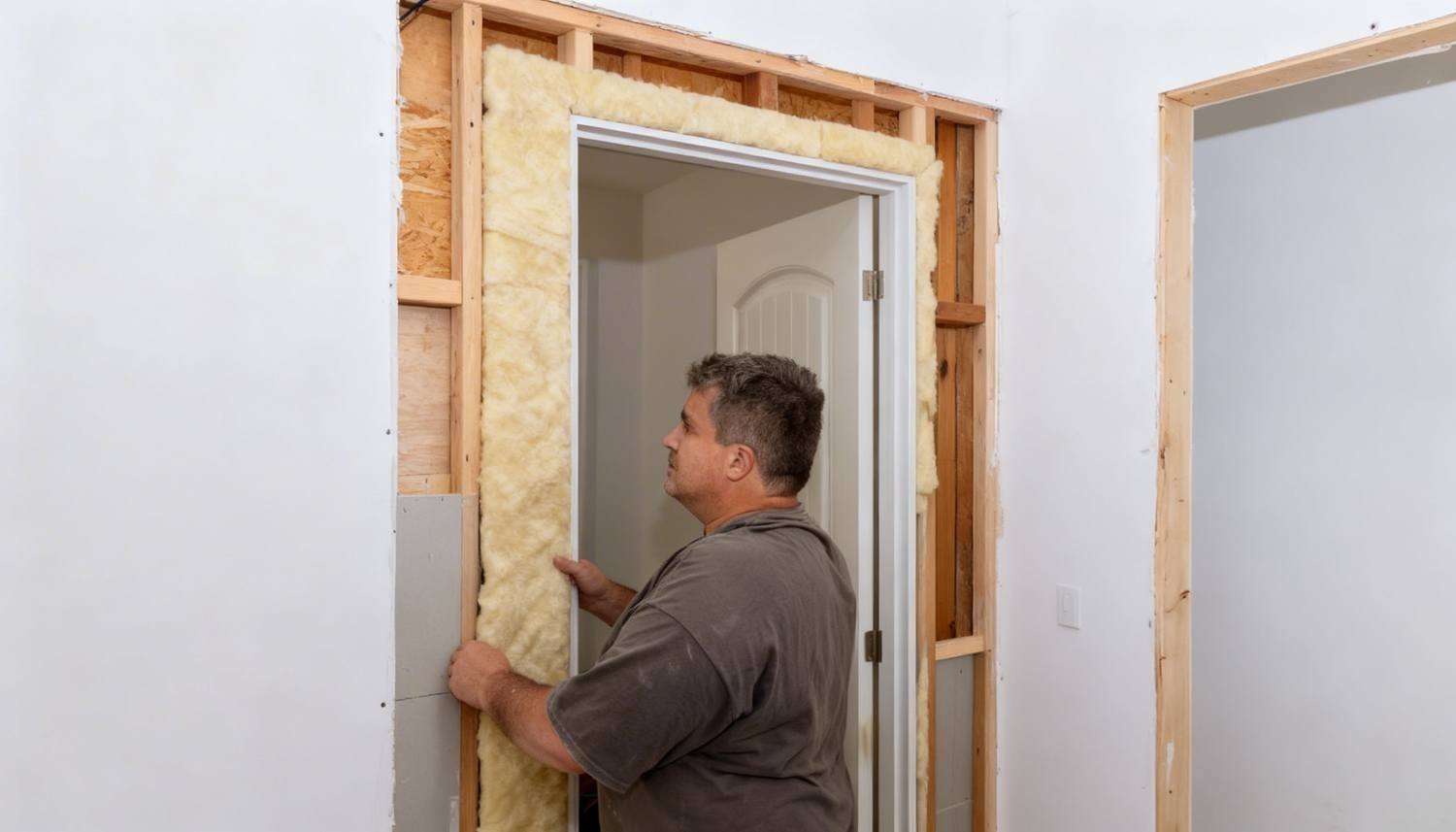
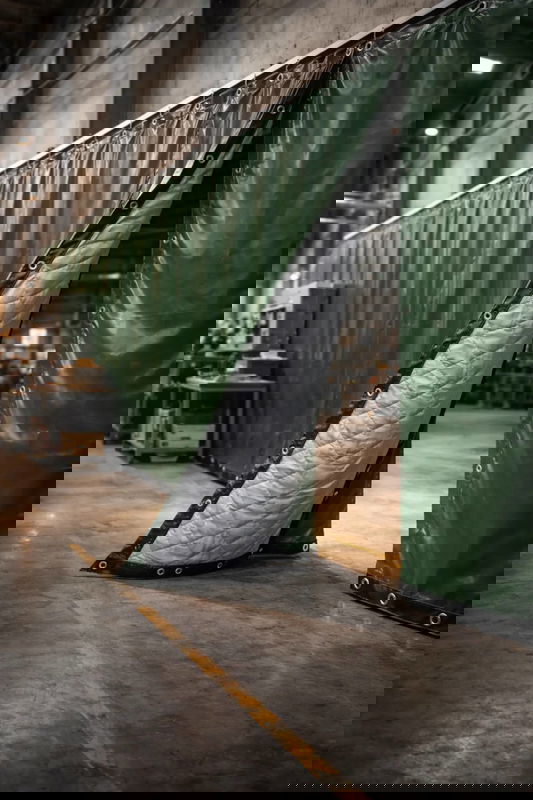
Soundproofing doors and windows relies on reducing sound transmission through increased airtightness, improved construction, and reduced air leakage. By addressing door panels, frames, joints, and glass sections, sound transmission between rooms can be significantly reduced. The focus is on blocking airborne sound, not on altering the acoustics within the room itself.
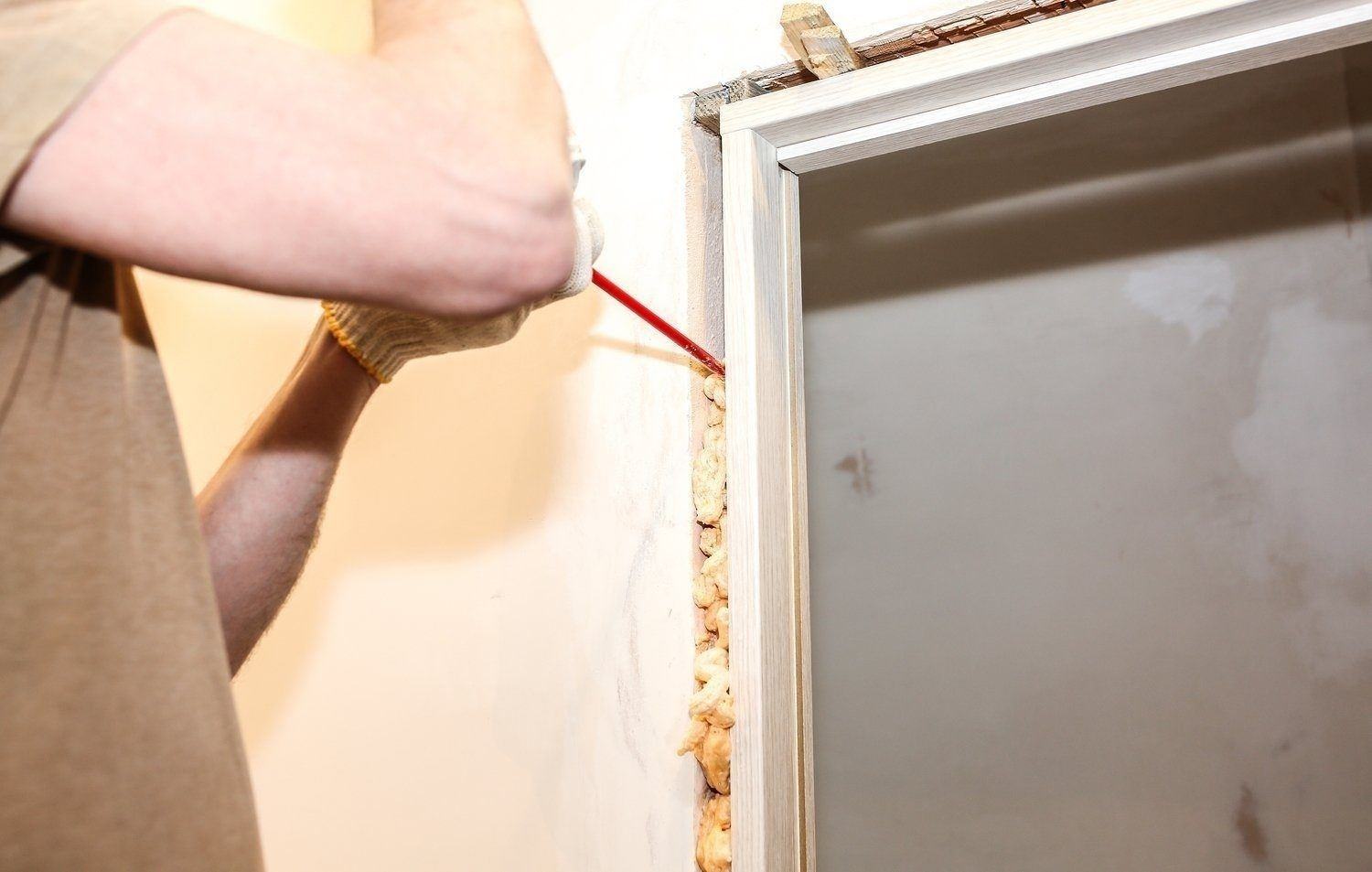
Sealing gaps and cracks
Leaks around doors and windows are often the primary cause of sound leakage in restaurants.
Improved insulation performance
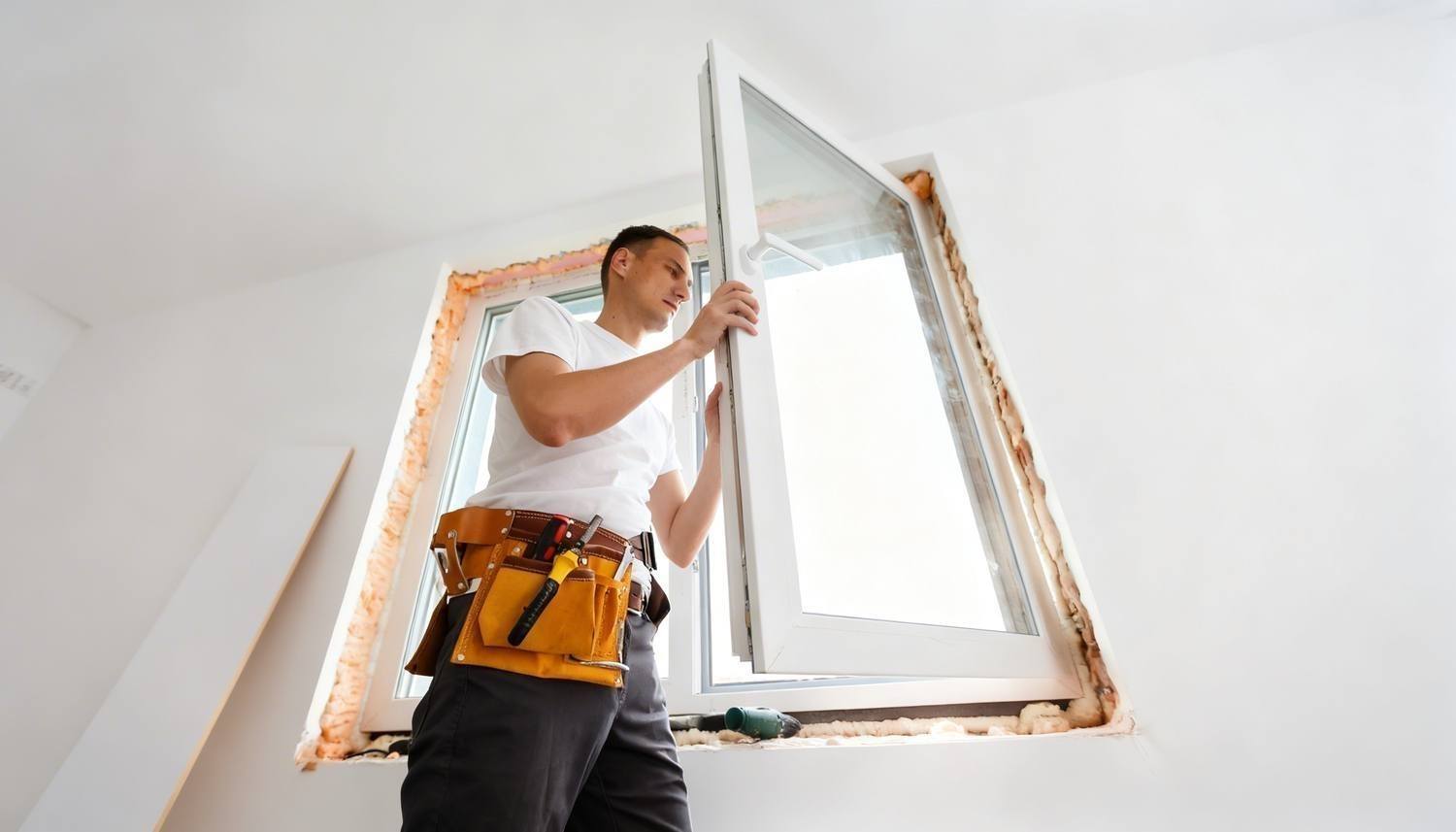
Doors and windows with low sound reduction can be enhanced through targeted insulation measures.
Why choose soundproofing for doors and windows in a restaurant setting?
Soundproofing doors and windows often yields significant results relative to the effort, as these building components otherwise limit the overall sound insulation of the premises. This measure improves privacy between different areas of the restaurant, reduces disruptive noise, and contributes to a more controlled and professional acoustic environment. In many cases, this is a necessary complement to soundproofing walls, floors, and ceilings.
Well-thought-out advice for best results
For the best results, doors and windows should be viewed as an integral part of the restaurant’s sound strategy. A common mistake is to focus on larger surfaces like walls and ceilings while leaving doors and windows untreated. By identifying where sound leakage occurs and sealing these points, sound insulation can be significantly improved, creating a quieter restaurant environment.
Soundproofing doors and windows is therefore a key measure for blocking sound between rooms and creating better structure, comfort, and privacy in restaurants.