45 products
Available in several versions
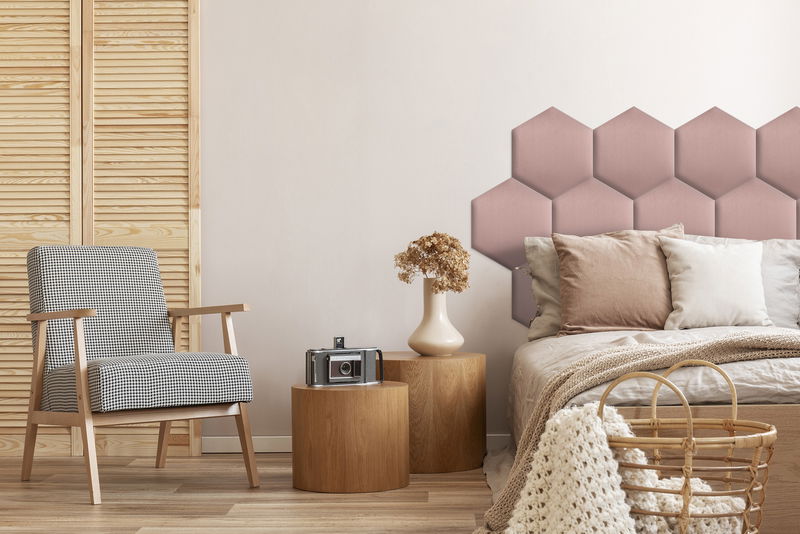
Hexagonal sound absorber - velour
- Available in several colors and sizes
- OEKO-TEX®-certified sound absorber
- Designed hexagonal sound absorber with velour
104,41 EUR
Buy More - Pay Less
Available in several versions
SilentDirect
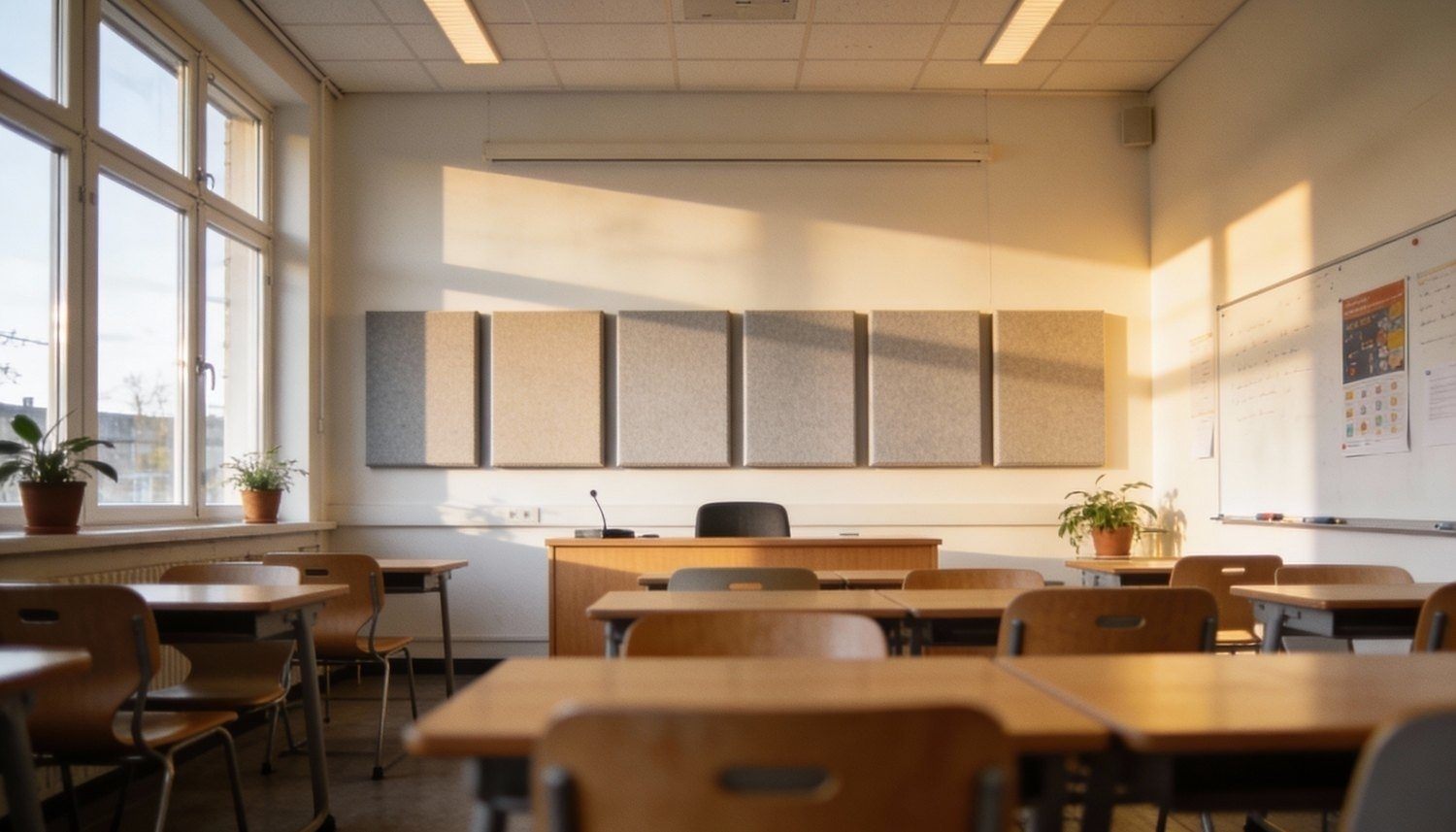
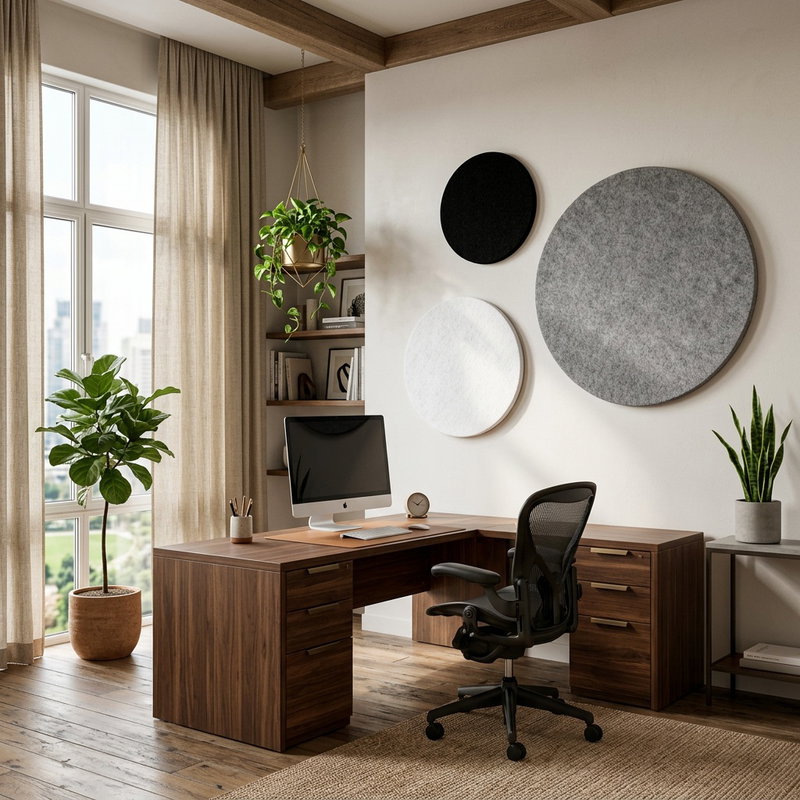
Sound absorption for walls - PES Circle wall
- Eco-friendly sound absorber
- Three colors and easy installation
- Round design that creates a harmonious acoustic environment
113,91 EUR
Buy More - Pay Less
Available in several versions
SilentDirect
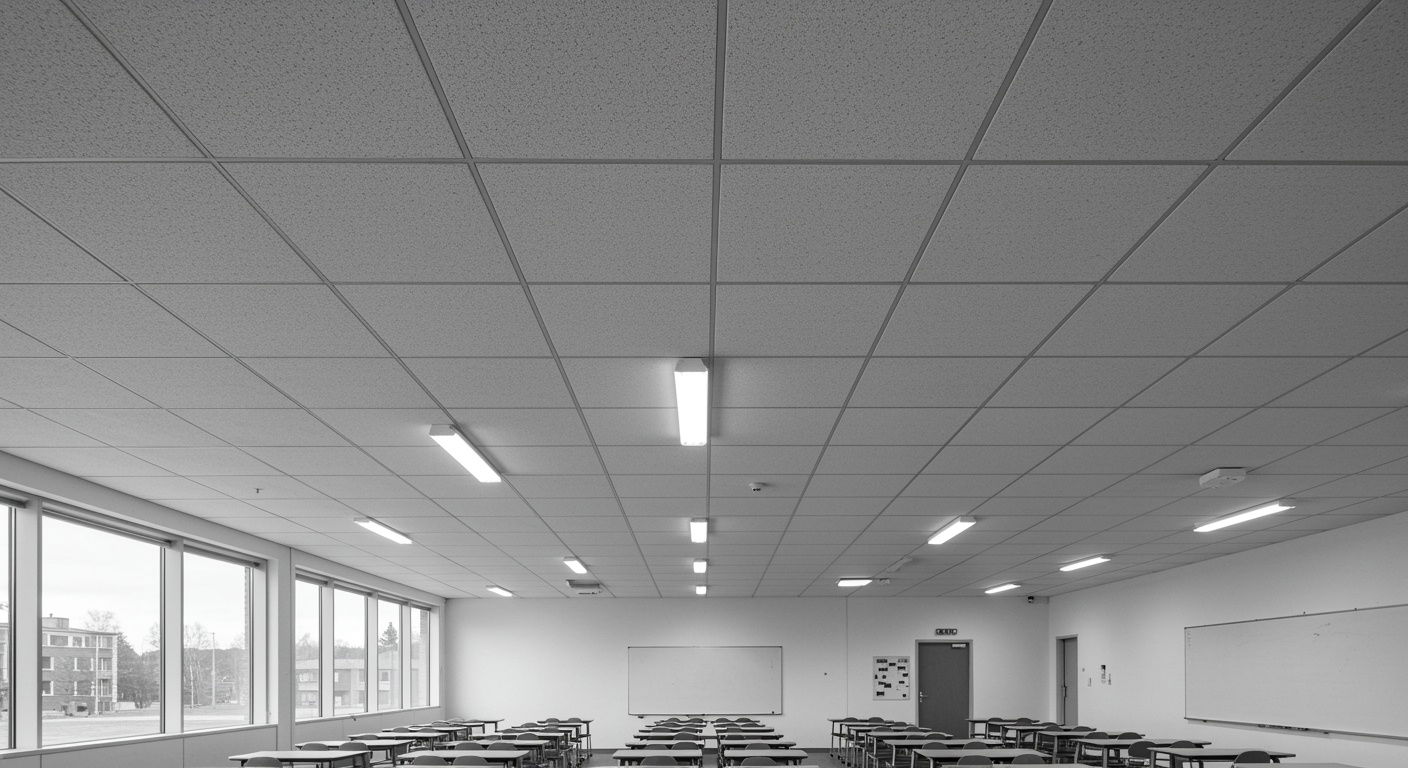
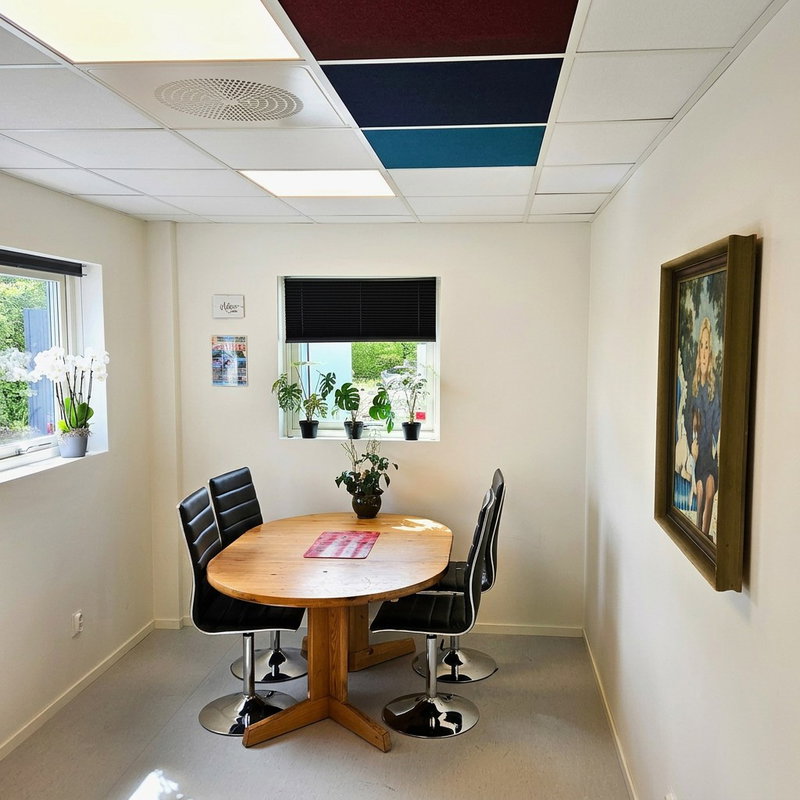
Sound Absorption for Suspended Ceilings - PES Fabric for Truss Ceilings
– Free of fibers, adhesives, and harmful substances
– Sound-absorbing material for standard-sized truss ceilings
– Washable fabric for improved hygiene and a long service life
94,91 EUR
Available in several versions
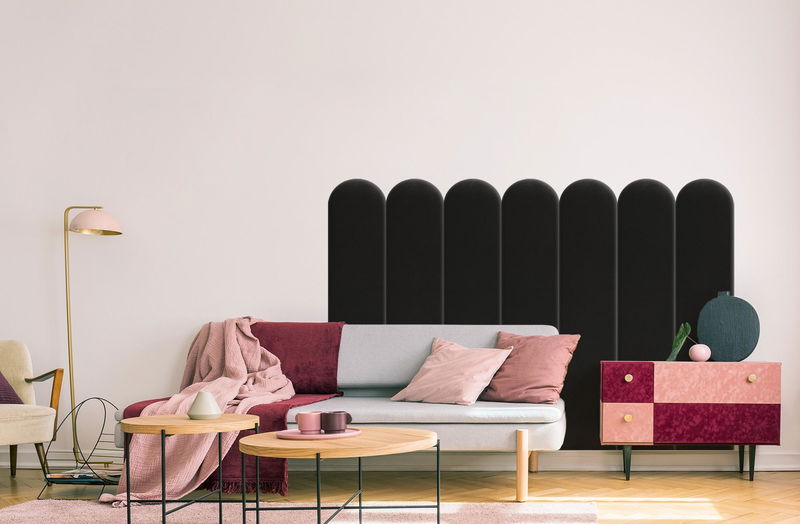
Sound absorber in arch shape - velour
- Available in several colors and sizes
- OEKO-TEX®-certified sound absorber
- Designed arch-shaped sound absorber with velour
94,91 EUR
Buy More - Pay Less
Available in several versions
SilentDirect
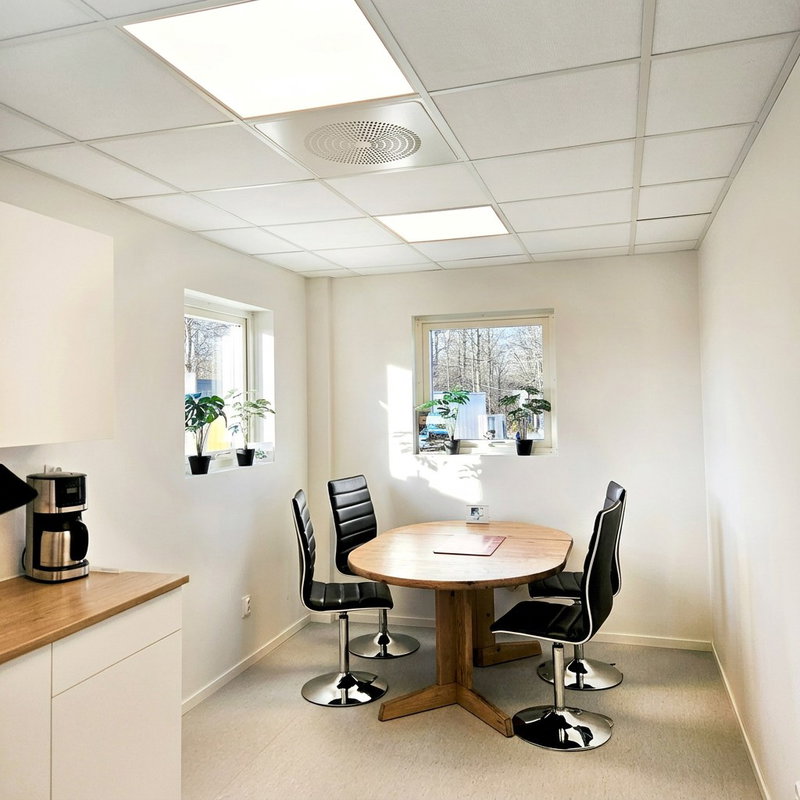
Sound absorption for suspended ceilings - PES for truss ceilings
– Quick and easy installation in standard framing
– Eco-friendly and hypoallergenic sound absorber
– Optimal acoustic comfort for all types of indoor environments
47,41 EUR
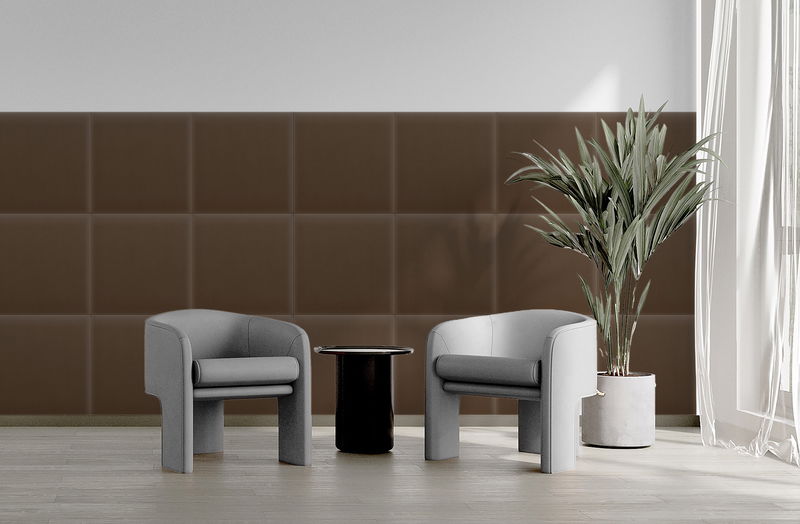
Available in several versions
Square-shaped sound absorber - velvet
- Available in several colors and sizes
- OEKO-TEX®-certified sound absorber
- Designed square-shaped sound absorber with velvet
104,41 EUR
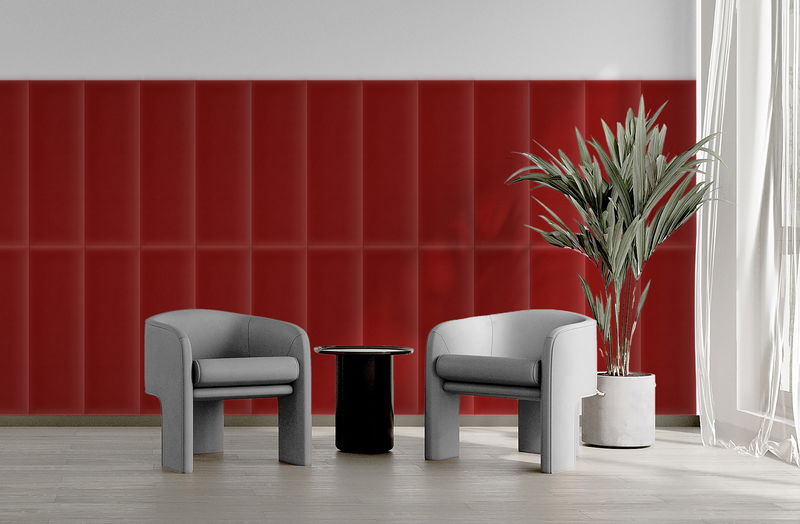
Available in several versions
Rectangular sound absorber - velvet
- Available in several colors and sizes
- OEKO-TEX®-certified sound absorber
- Designed rectangular sound absorber with velvet
104,41 EUR
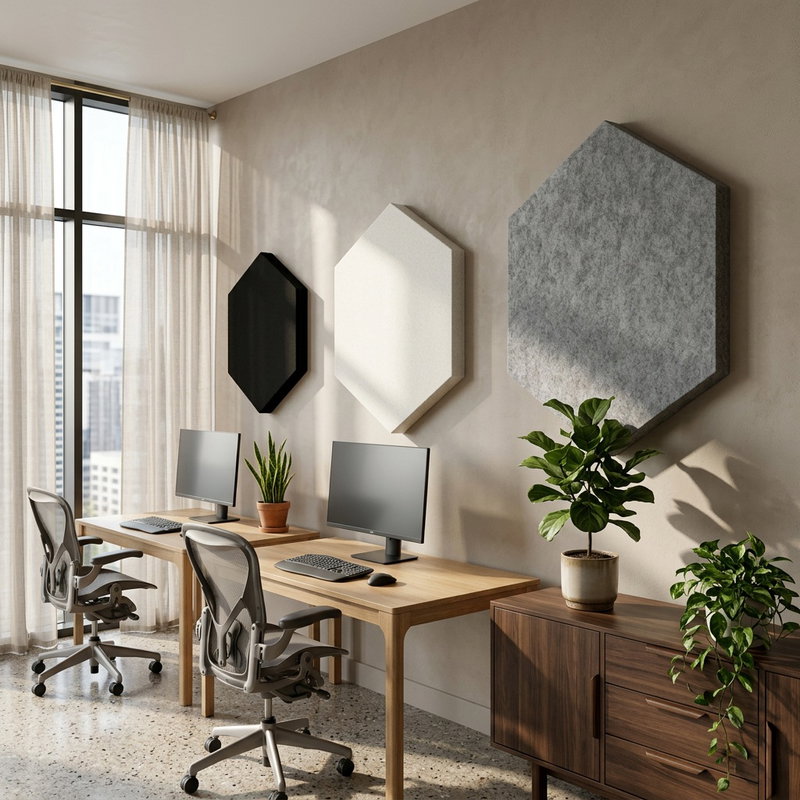
Buy More - Pay Less
Available in several versions
SilentDirect
Sound Absorption for Walls - PES Hexagon Wall
- Hexagonal sound absorber
- Available in white, gray, or black in three sizes
- Create unique patterns for improved acoustics
123,41 EUR
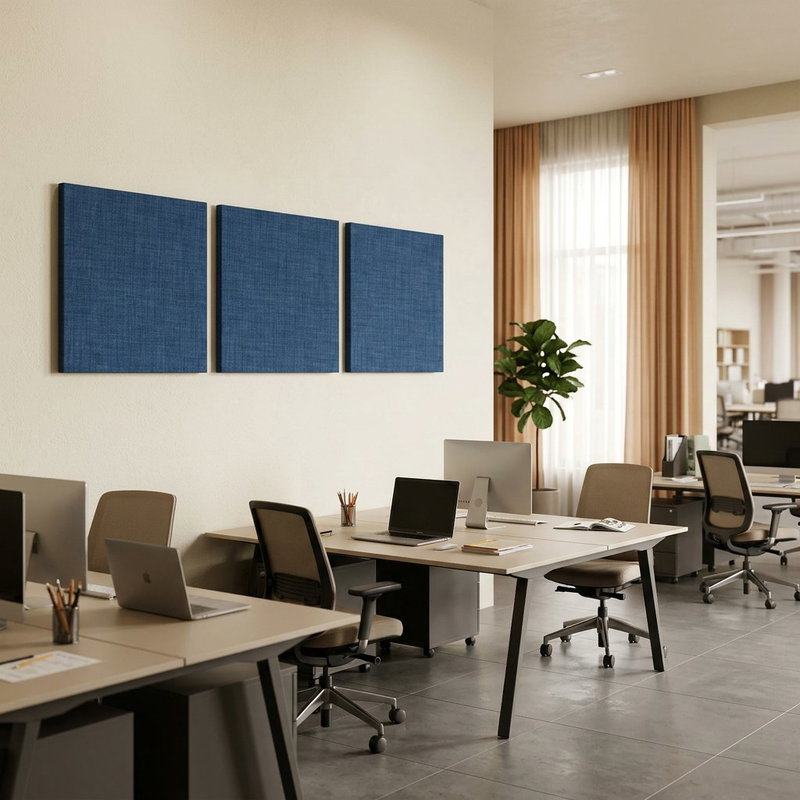
Available in several versions
SilentDirect
Wall-mounted sound absorber - Wall 3-part three
- Easy to install with CNC-milled keyholes
- Choose from 10 colors to match your interior
- Available in multiple sizes and thicknesses to suit various needs
151,91 EUR