






Understanding movement is the starting point for vibration damping
Vibrations are mechanical oscillations around an equilibrium position. They can arise when a motor rotates, a pump operates or a sheet of metal is set in motion. When these oscillations travel through solid materials, such as machine feet, floors and walls, they can spread as structure-borne sound. Another surface can then radiate audible sound. This is why a humming noise can be heard far from the sound source itself.
The term vibration damping is often used for several different measures. Technically, it is necessary to distinguish between reducing oscillation within a structure and limiting transmission between two structures. The right solution depends on where the movement starts and the path it follows.
Damping reduces oscillation within the material
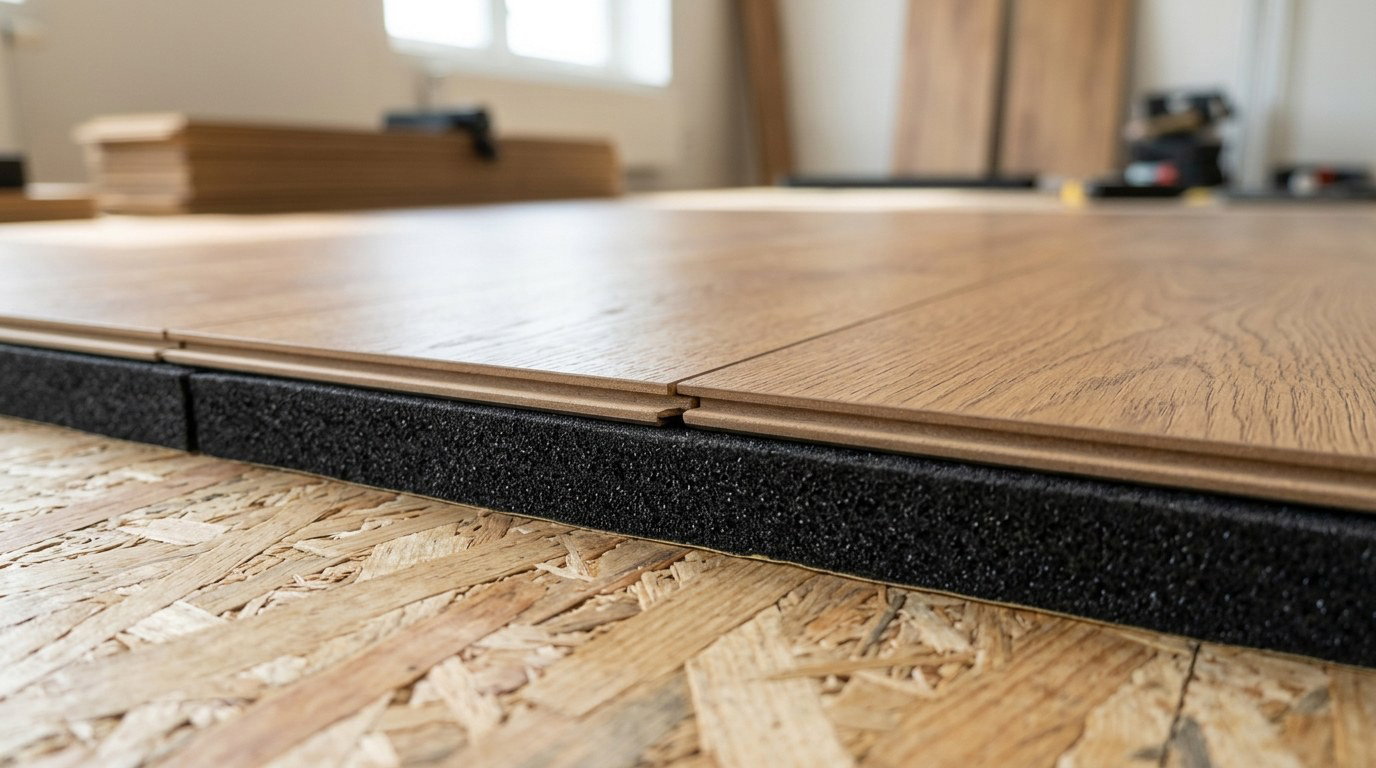
A thin metal panel can act like a loudspeaker when it vibrates. A suitable damping layer, firmly bonded to the substrate, can convert some of the movement energy into heat and reduce panel vibration. A loose mat beside the panel does not serve the same purpose. The substrate, adhesion, temperature and material properties must suit the application.
Vibration isolation limits transmission
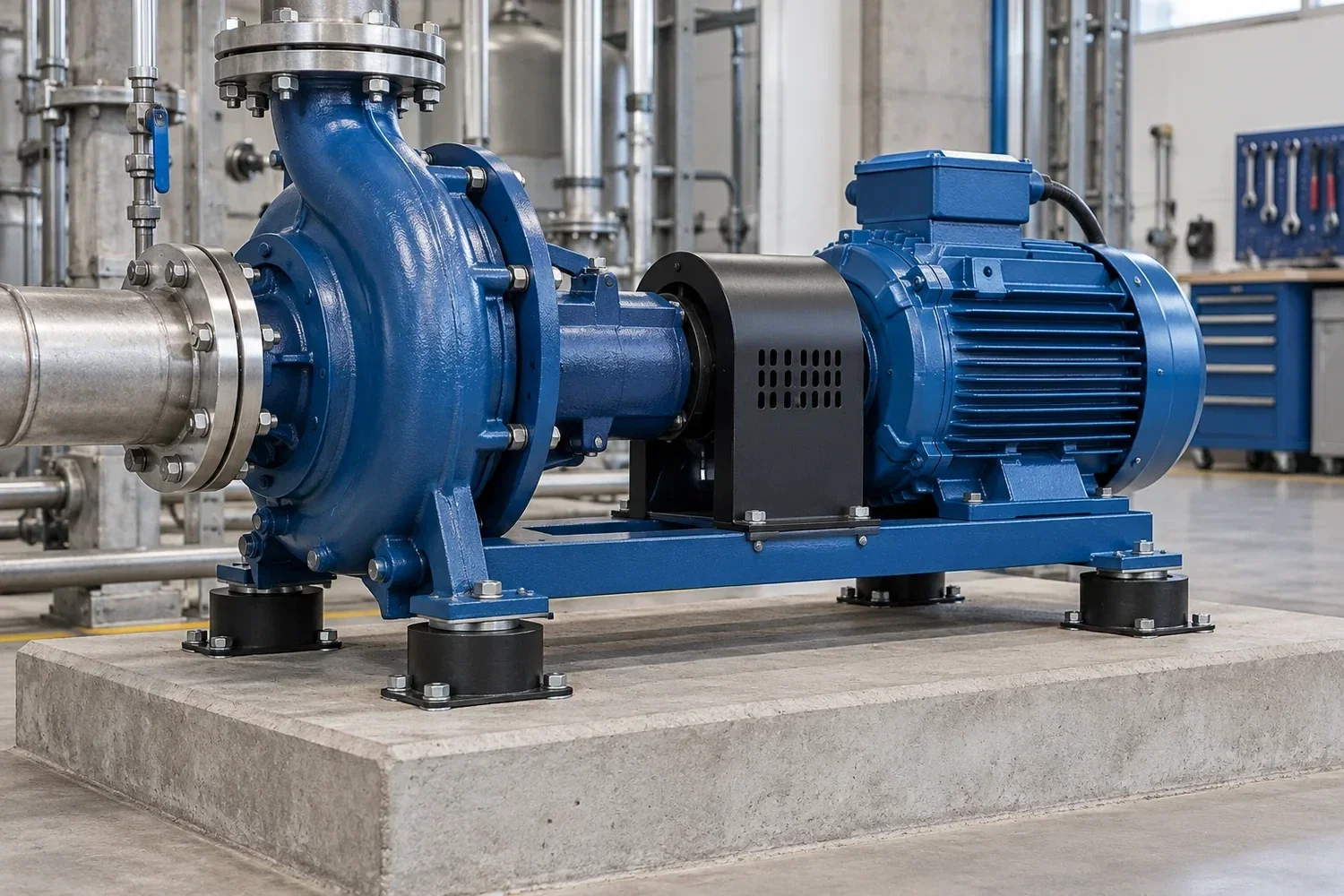
Vibration isolation means placing a resilient connection between the source and the receiving structure, for example between a pump and its foundation. The connection may consist of a suitably sized elastic element or a spring. The isolator must be selected according to factors including load per support, stiffness, operating frequency and stability. A soft material is not automatically a good choice: incorrect sizing can cause excessive movement or amplify vibration.
A rigid pipe connection, cable ladder or fixing can create a parallel transmission path. The entire installation therefore needs to be assessed. Do not alter anchoring or load-bearing fixings without checking the equipment requirements.
What is resonance?
A structure has natural frequencies. If a recurring force drives it close to one of these frequencies, the oscillation amplitude can increase sharply: resonance occurs. This can explain why a humming noise becomes noticeable at a particular speed. The remedy may involve maintenance, changes to stiffness or mass, better damping or correctly specified isolation. Simply adding more rubber without understanding the system can make the result worse.
Distinguish damping from sound absorption and airborne sound insulation
Sound absorbers reduce reflected sound within a room. They do not normally interrupt the mechanical path from a machine to the floor. Airborne sound insulation instead limits sound passing through, for example, a sealed panel enclosure. The same environment may need all three measures, but each material must have a clear purpose. Read more about the difference between sound insulation and sound absorption.
How to proceed in practice
- Describe when the disturbance occurs: at start-up, at idle, at a particular speed or under load.
- First check for loose parts, wear and incorrect installation.
- Map contact points and transmission paths before selecting materials.
- Choose damping for vibrating panels or appropriately specified isolation for transmission between structures.
- Compare results before and after under the same operating conditions, and check stability, fixings and service access.
Explore damping mats and sound barriers according to each product’s documented application. Machines with substantial loads or critical anchoring require a technical assessment of the complete installation.