




Horse portraits, herds and painted interpretations
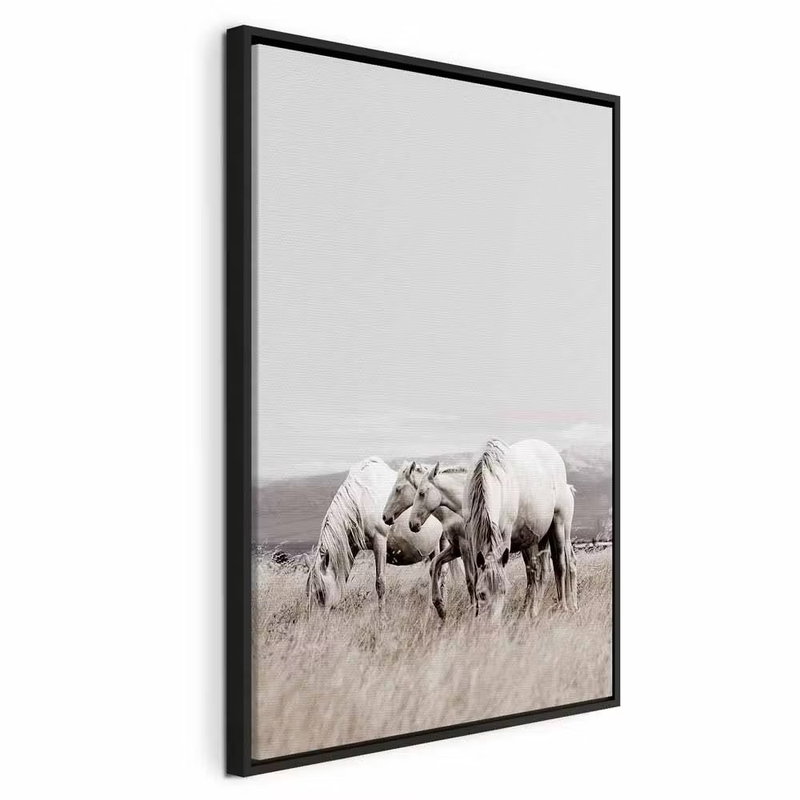
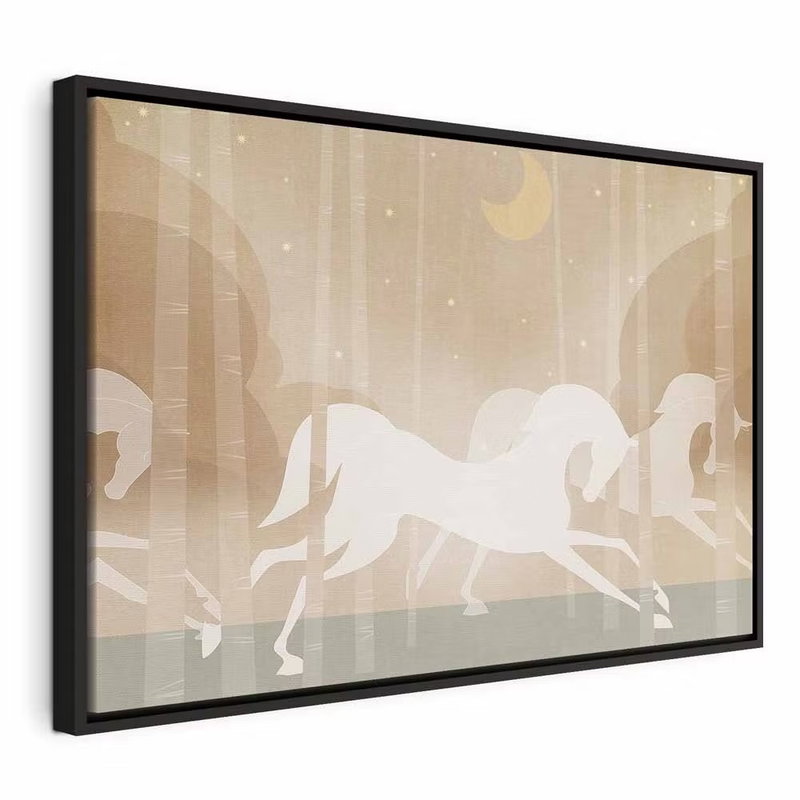
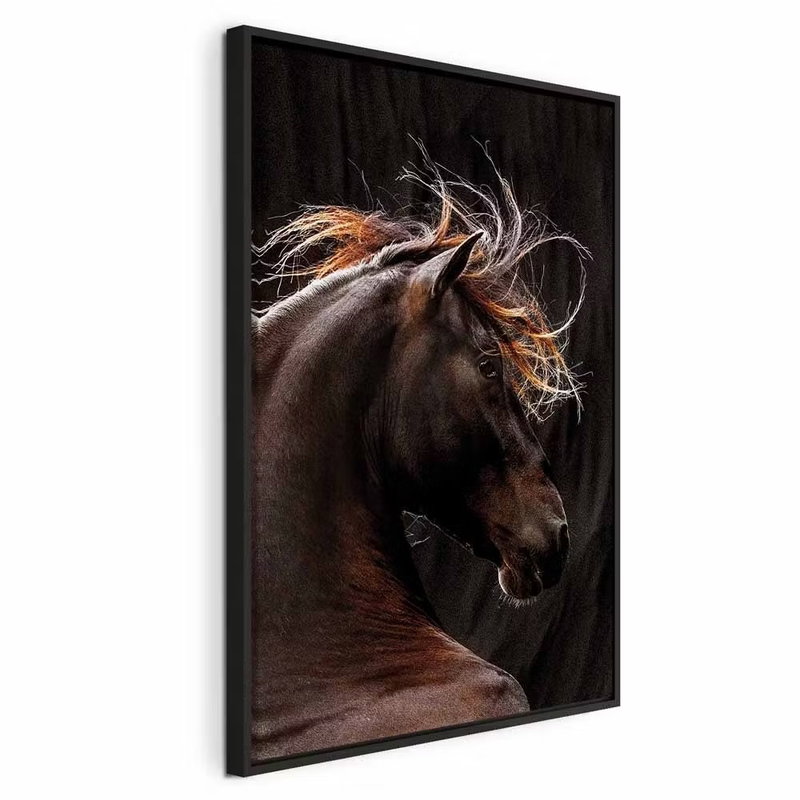
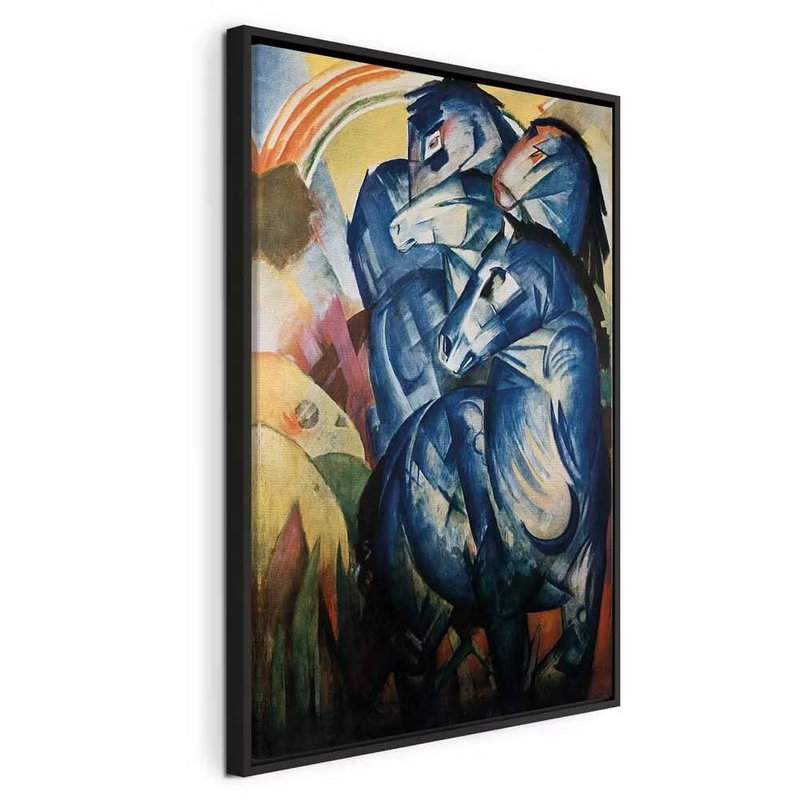
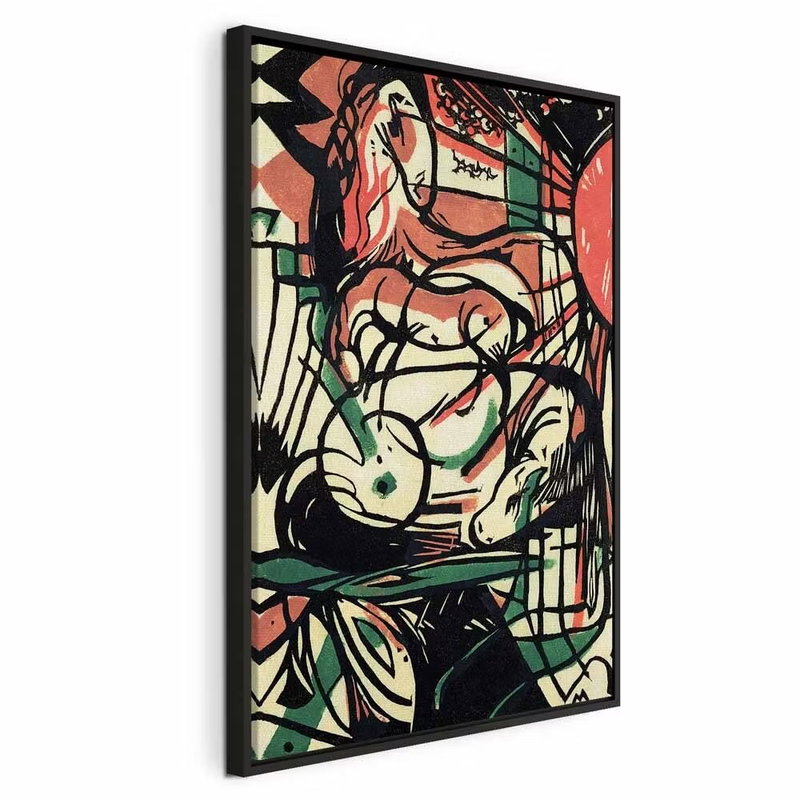
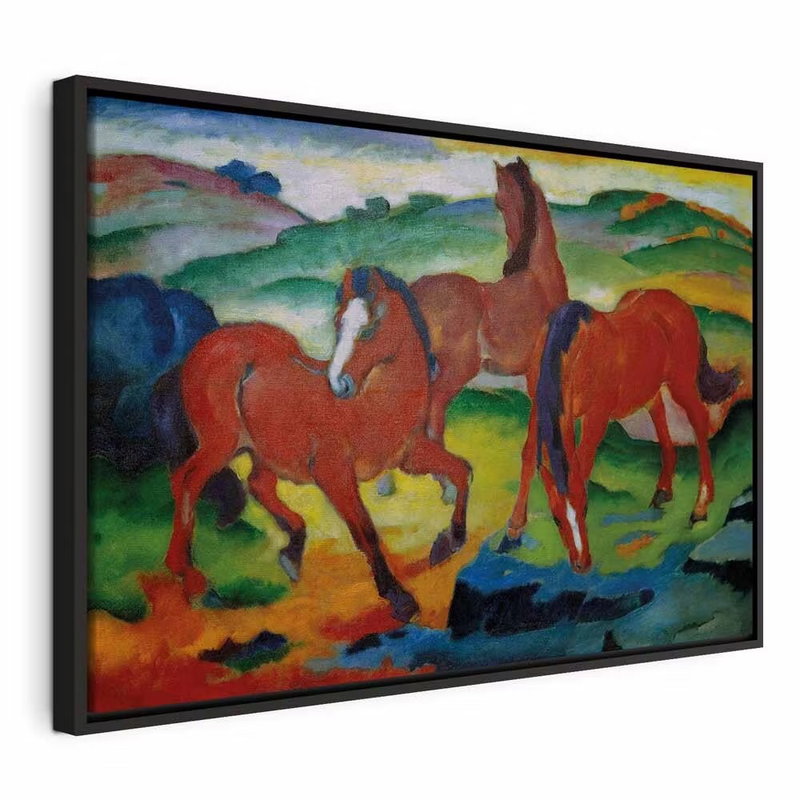
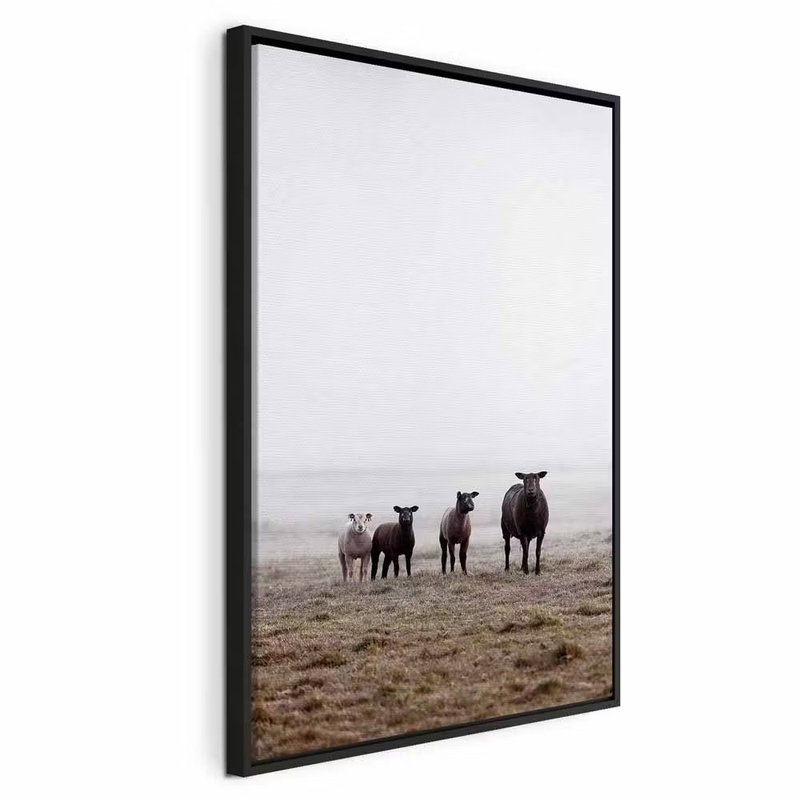
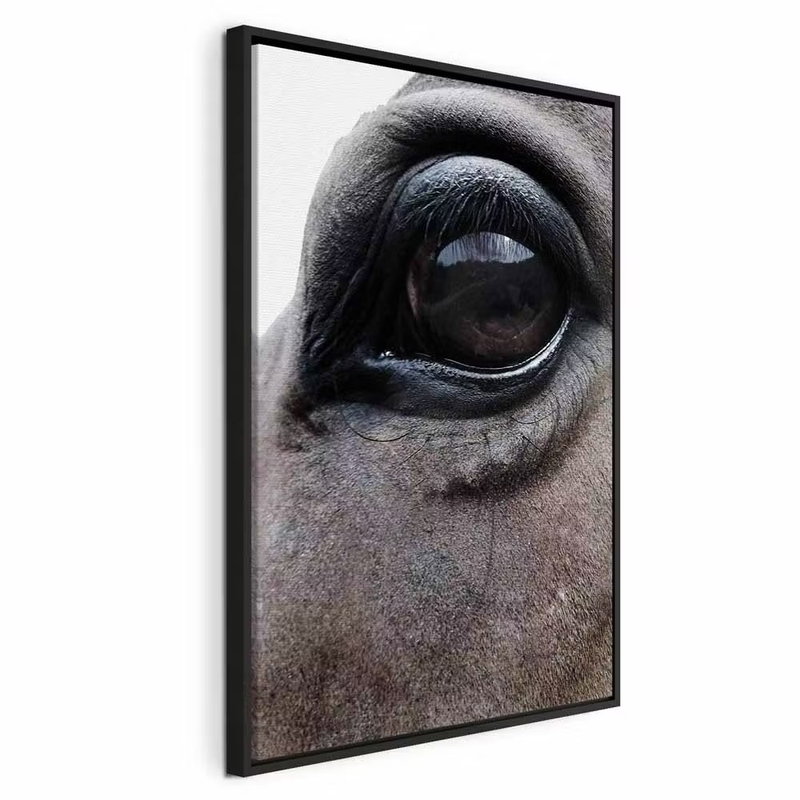
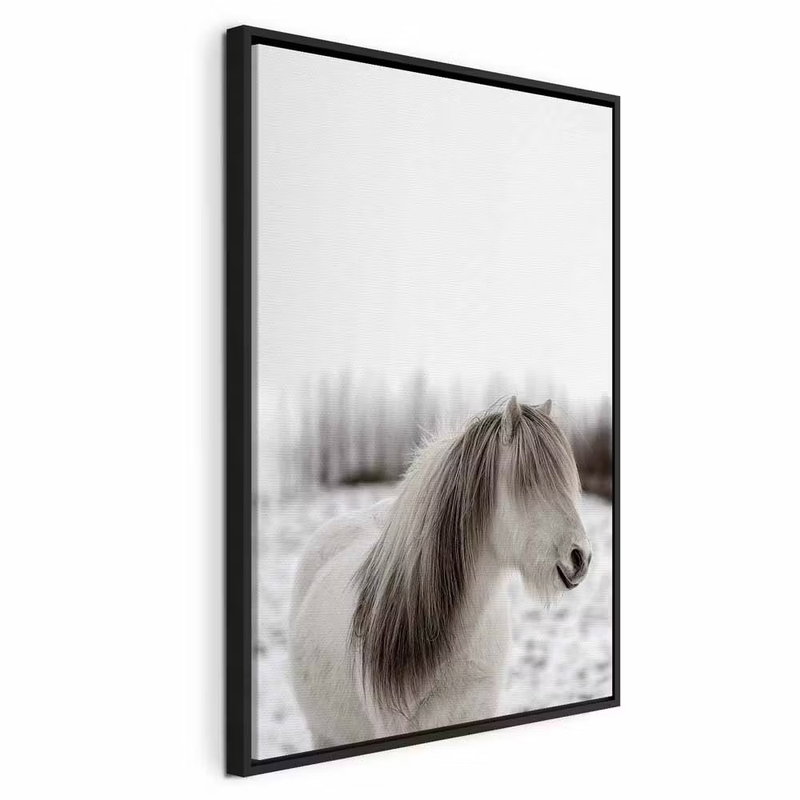
This selection offers several ways of making the horse the focus. A close view of an eye draws attention to a small detail, while a horse with a long mane creates a fuller portrait. Other pictures show several horses together, sometimes in open pasture and sometimes in a more colourful, simplified visual language.
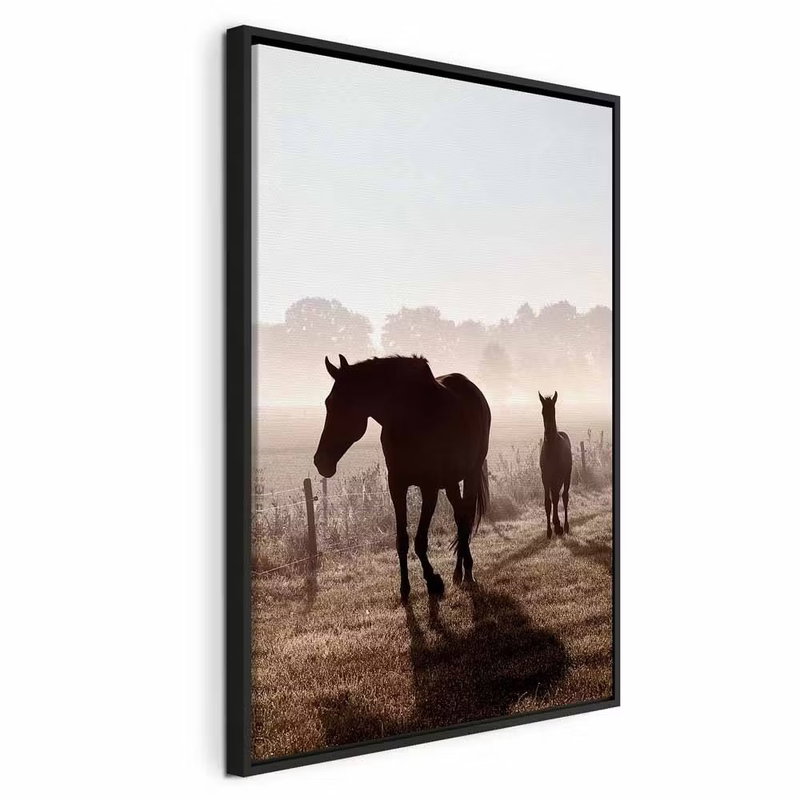
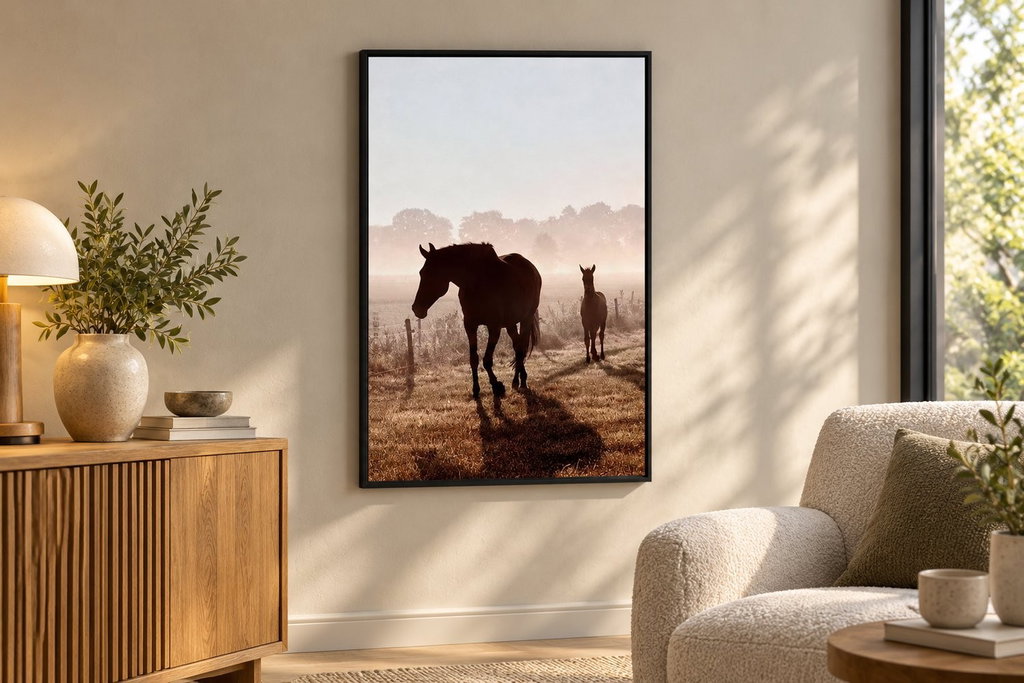
Choose according to what you want to see on the wall each day. A quiet scene with a mare and foal may suit someone seeking a calm natural impression. A painted composition with strong areas of colour can instead become a striking focal point. The subject is shared, but contrast, movement and detail distinguish the pictures.
Consider the horse's direction in the composition
Look at the direction of the horse's head and how much space surrounds the animal. A portrait-format picture has different proportions from a landscape view of a herd. Measure the available wall and consider how the subject will look from the sofa, desk or usual route through the room.
When several pictures hang together, recurring light or a shared background tone can create a connection. The horse pictures need not look alike, but allow each subject enough space. A tightly cropped detail and an expansive landscape may need different sizes for both to work well.
Horse subjects in the visibly framed range
These pictures belong to the framed range. The outer frame defines the image's boundary and can relate to timber finishes, dark furniture details or other frames in the room. Check each product page for the dimensions and frame options actually available for that subject.
Assess the entire product image when comparing. A pale horse against a light sky and a dark horse against black relate differently to the frame. Also check the hanging instructions and match the fixings to the wall material and the picture's weight.
Plan wall art and sound absorption together
The printed horse subject gives the picture its visual character. Its sound-absorbing construction can also help reduce reverberation within the room. The need depends on room size, hard surfaces, other furnishings and the total absorbing area used.
Let both the interior and the room's use influence placement. Read the product's current construction and care information before choosing. A horse picture can form part of the room's acoustic treatment, but it does not replace sound insulation that limits sound transmission between rooms.