





Faces and figures with few marks
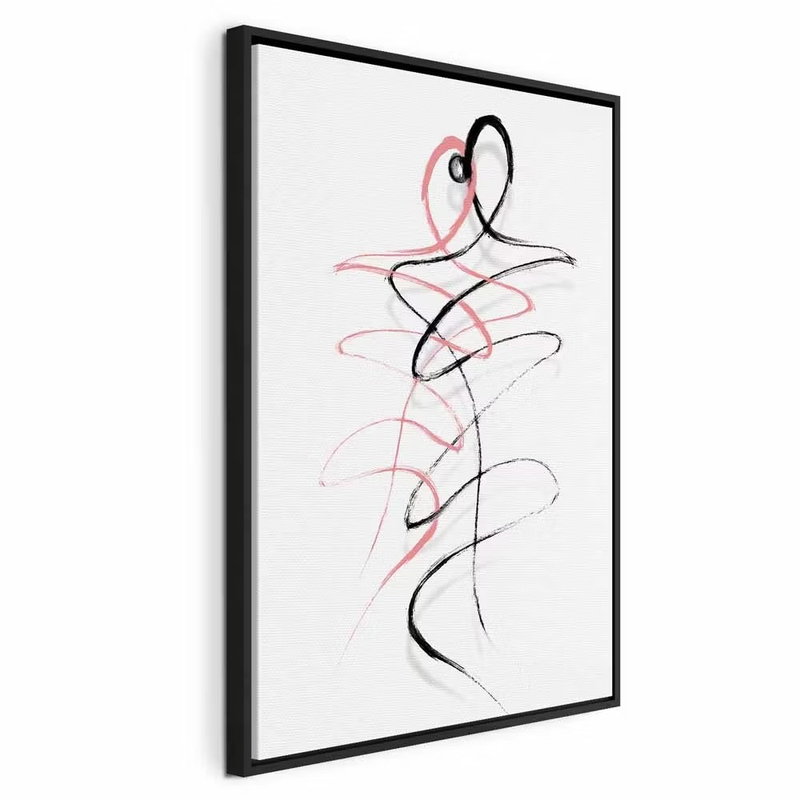
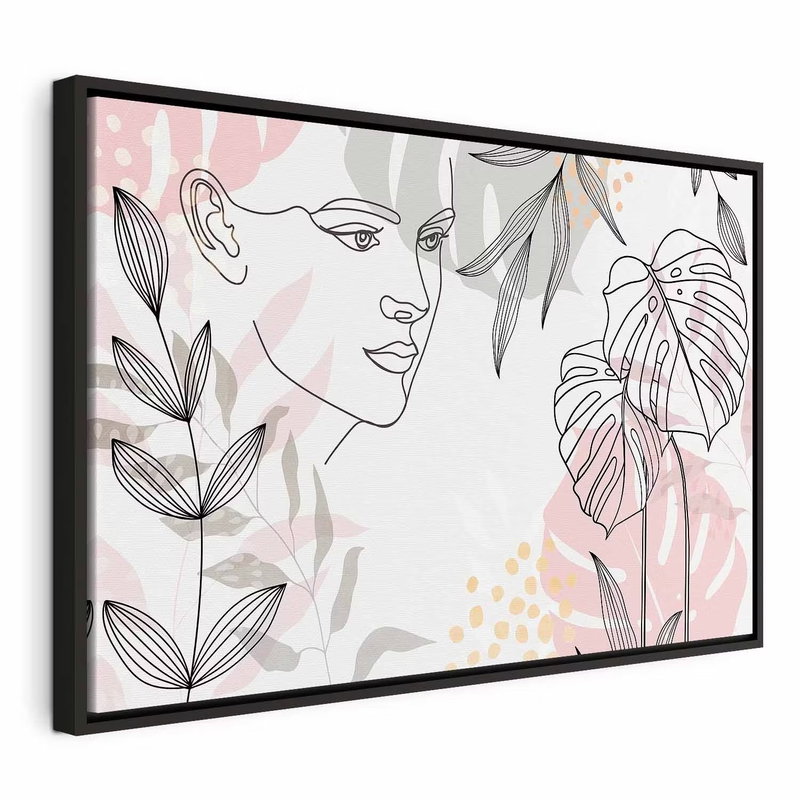
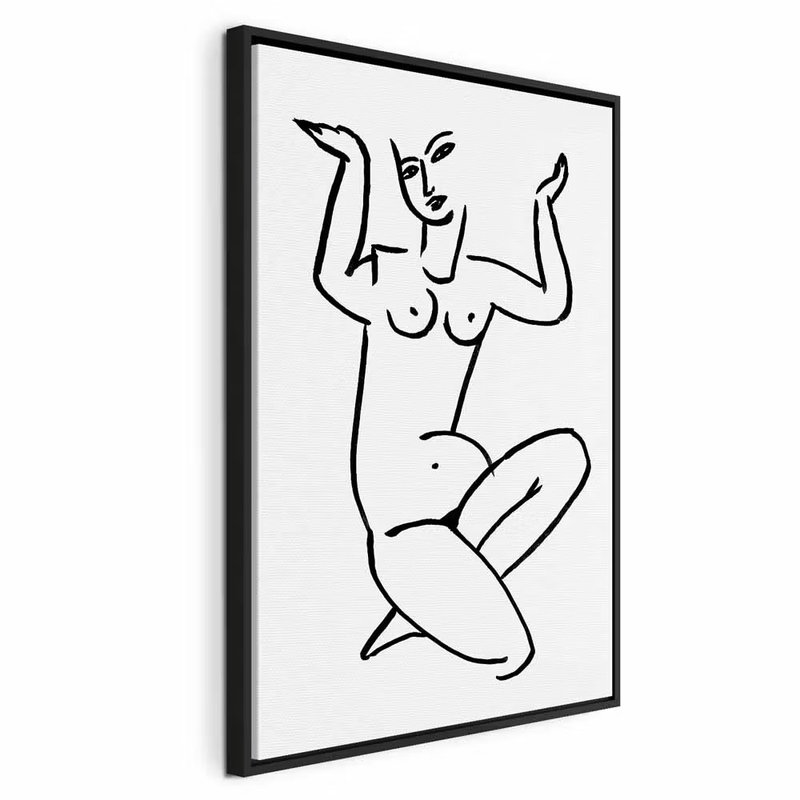
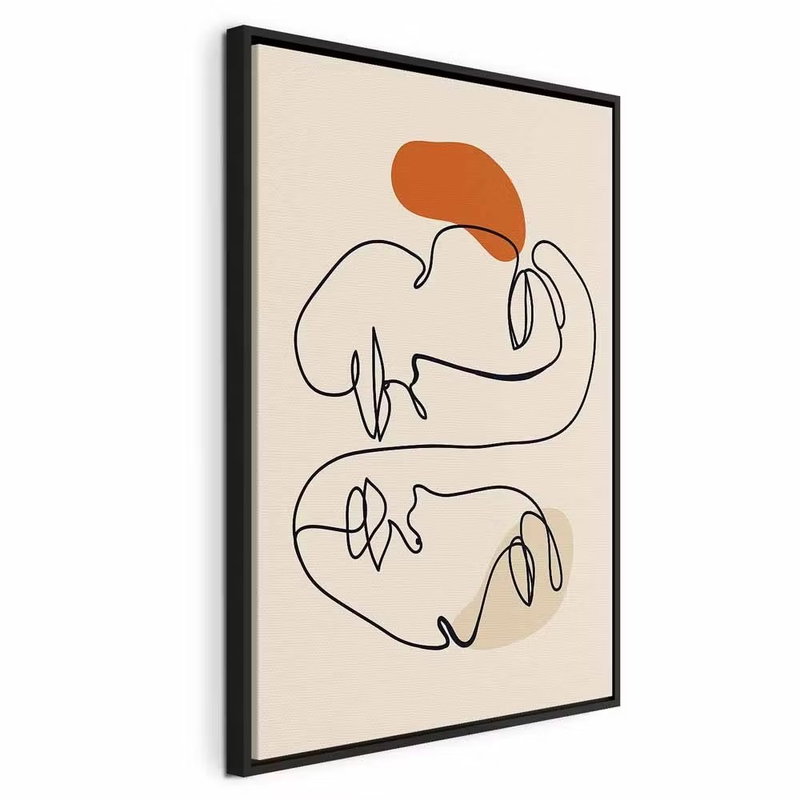
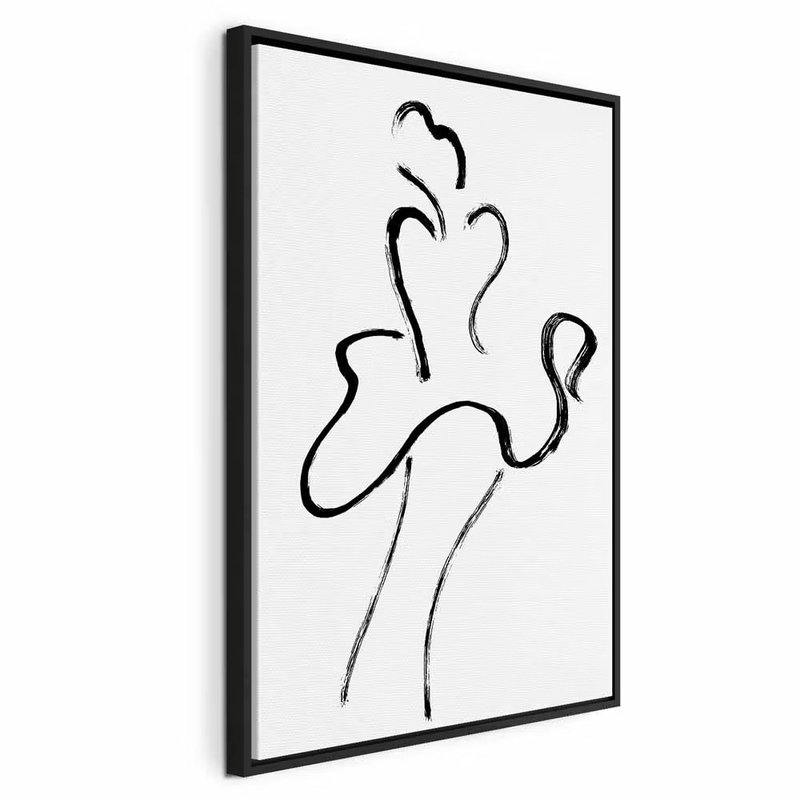
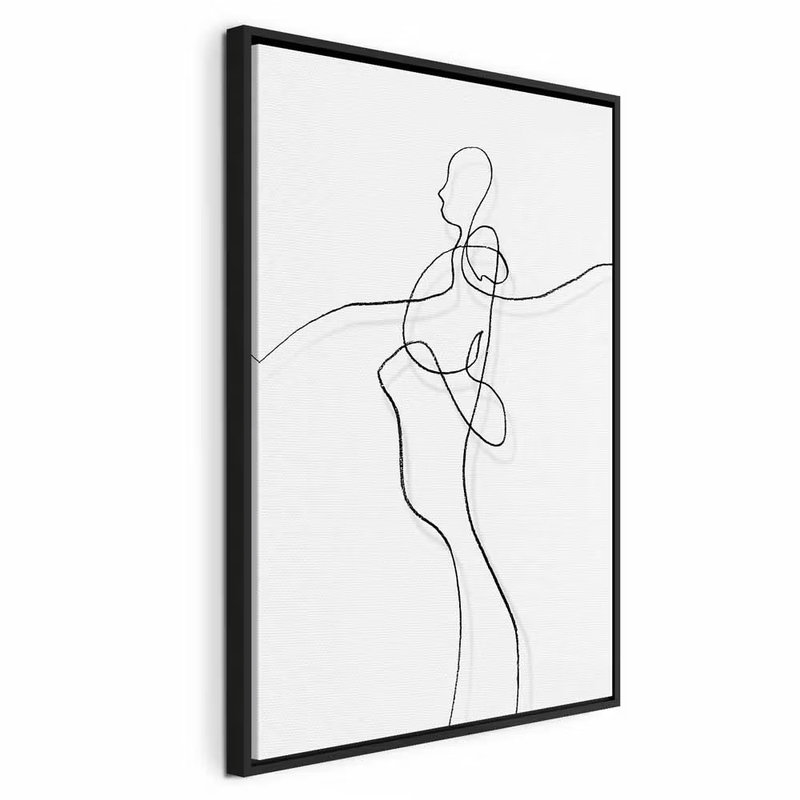
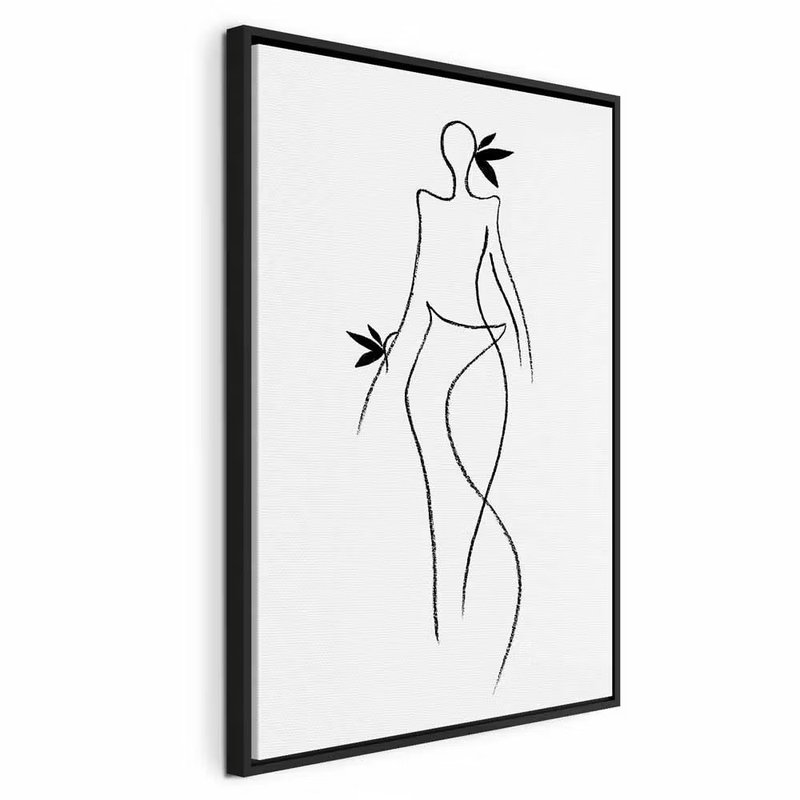
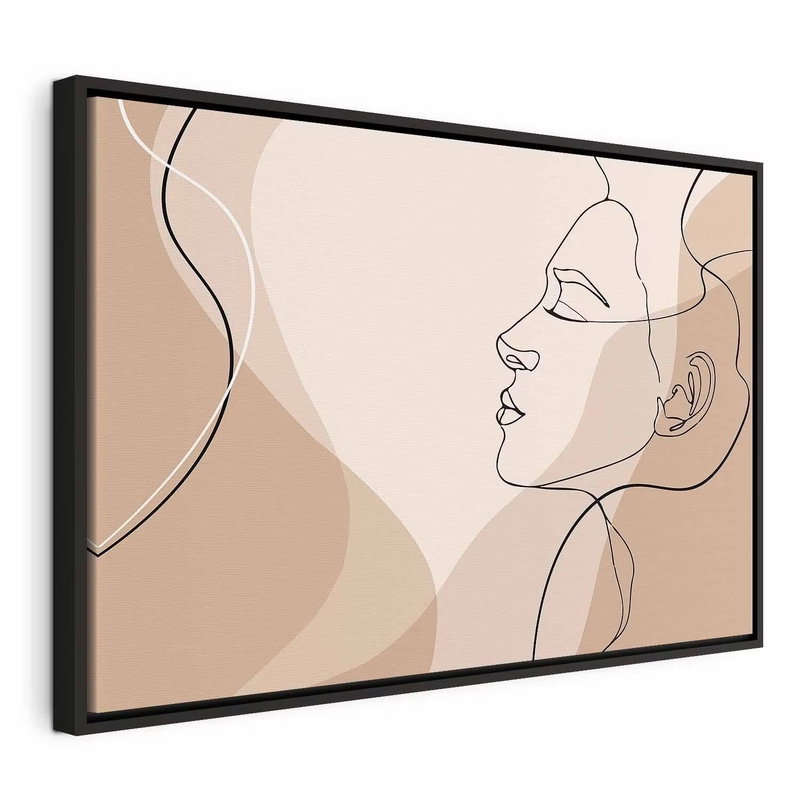
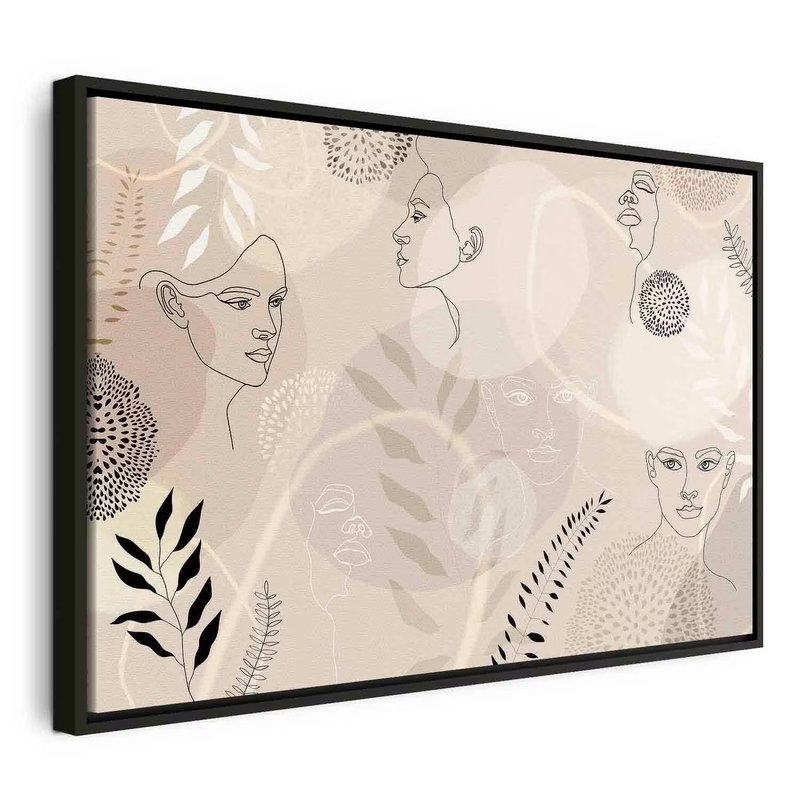
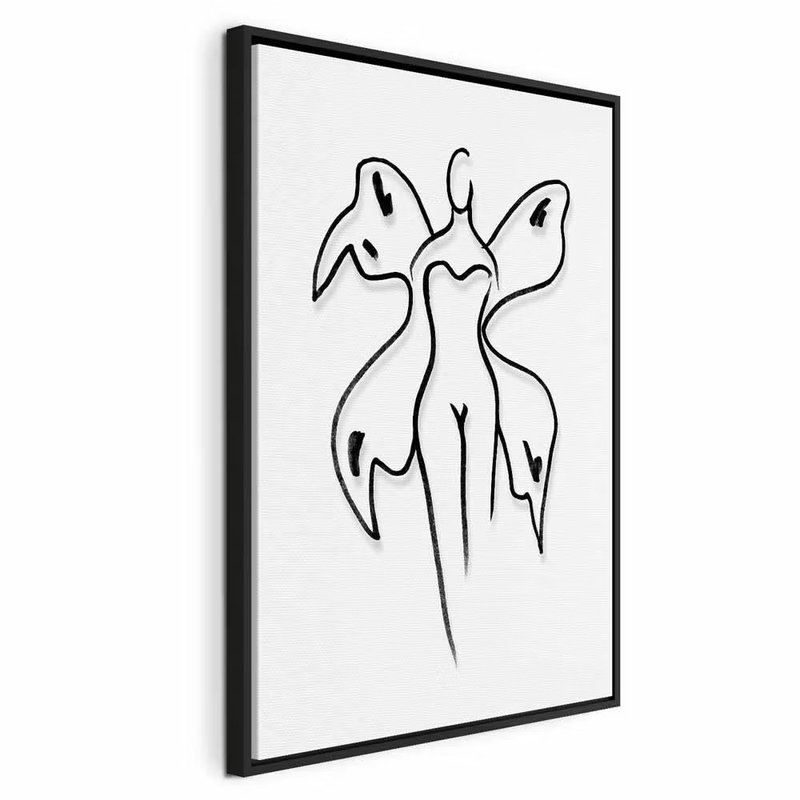
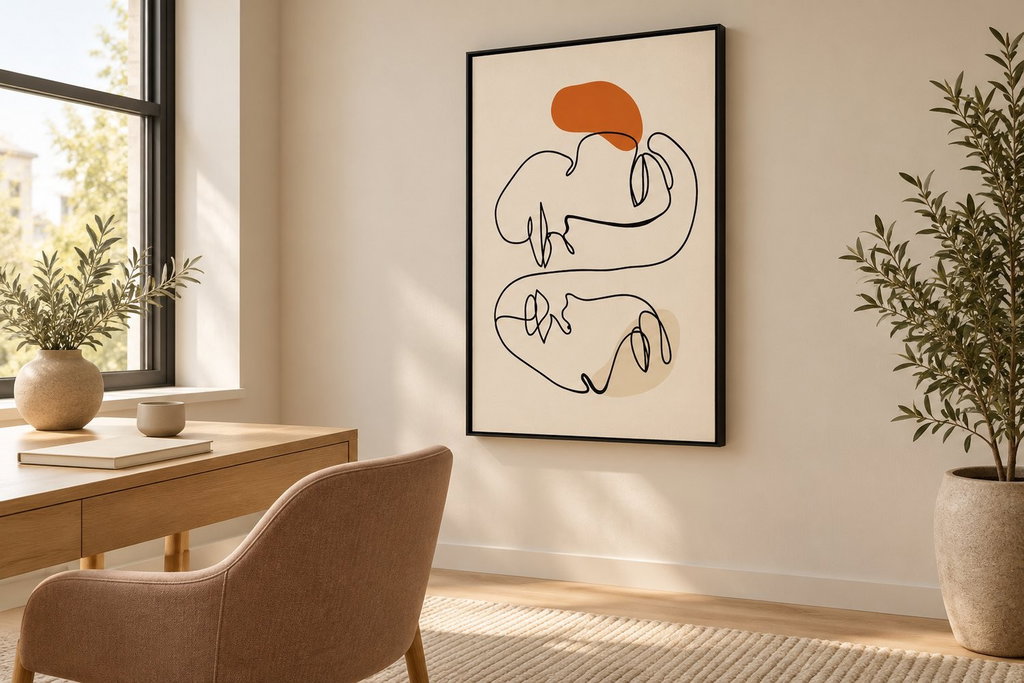
A profile can be suggested by a curve for the nose and a short line for the mouth. Other designs use overlapping contours to build a figure or a pair of faces. The human subject remains clear even when eyes, hair or clothing are not shown in detail.
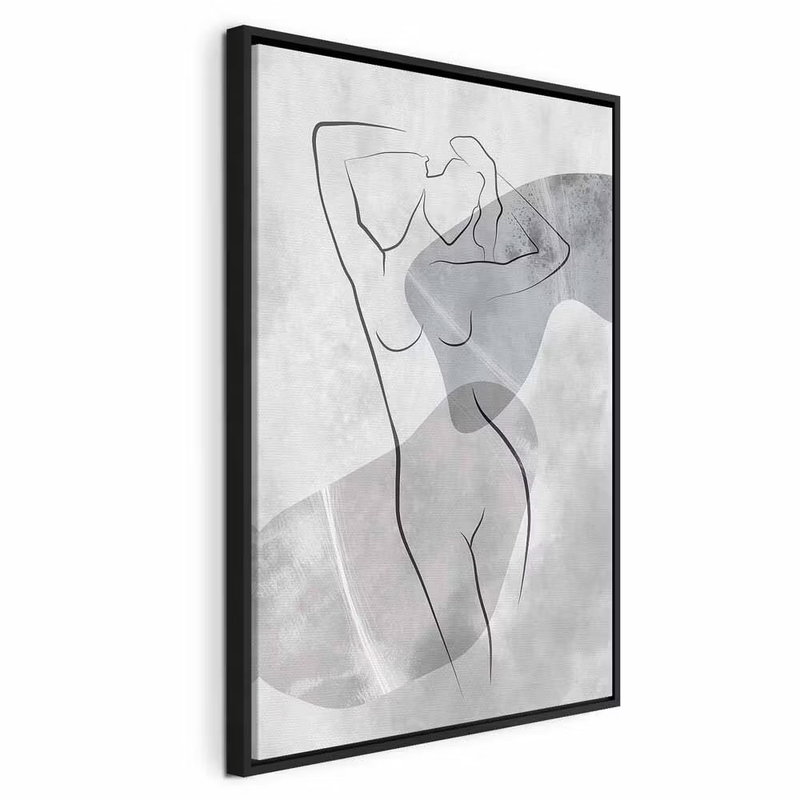
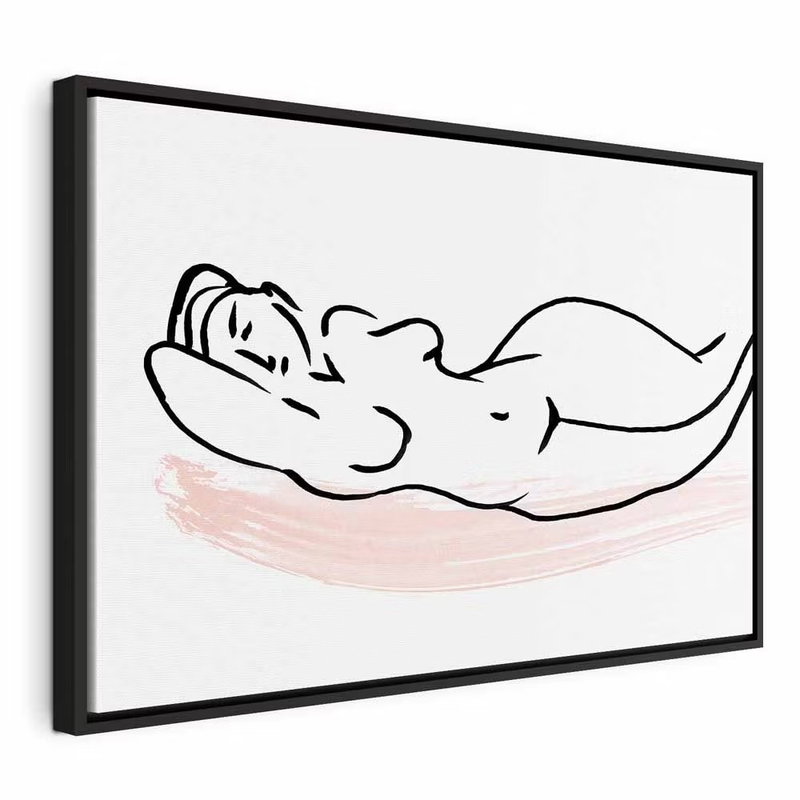
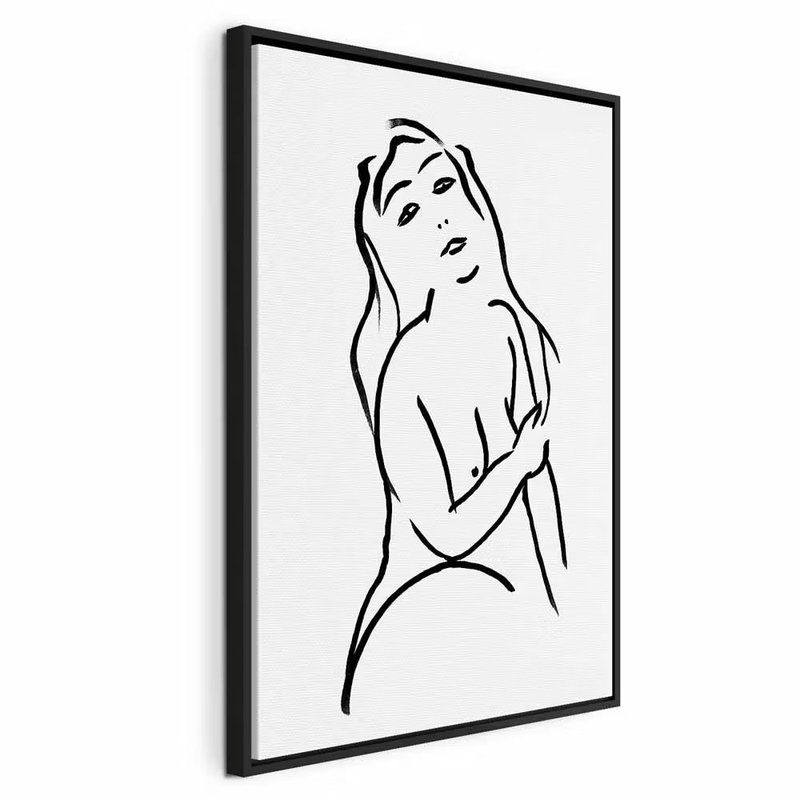
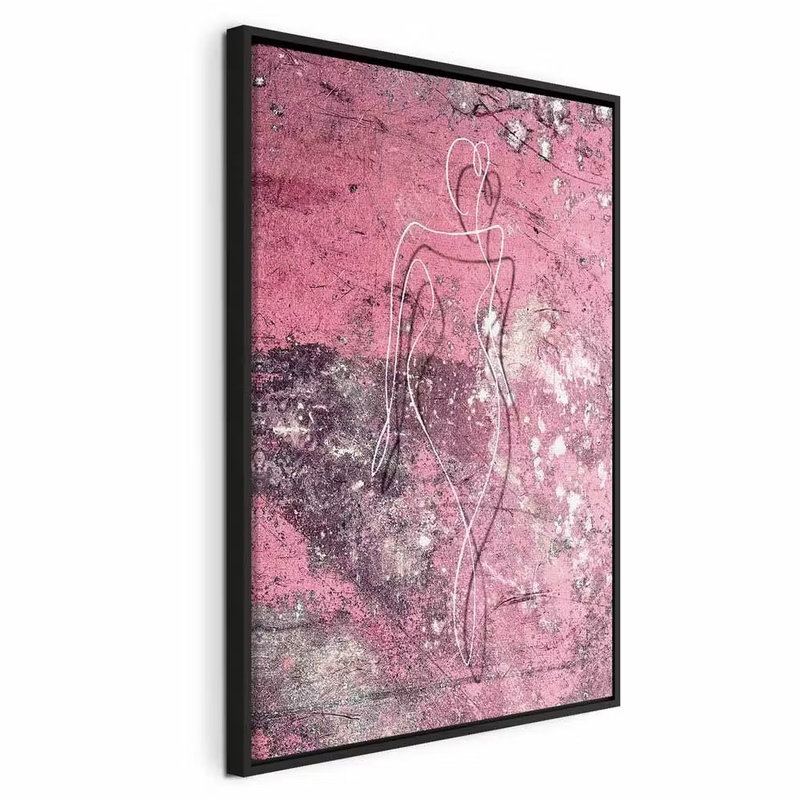
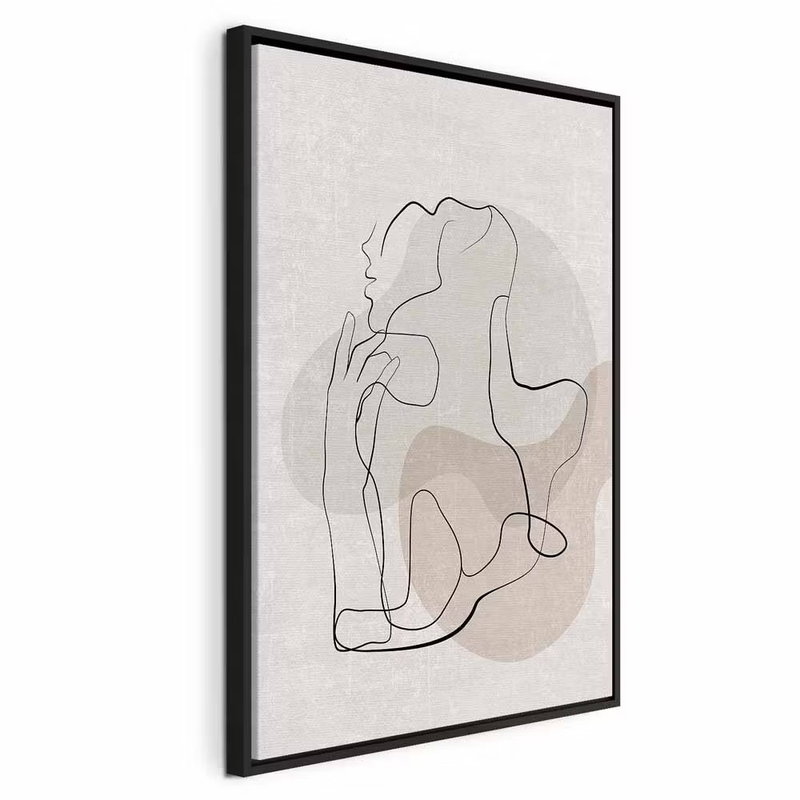
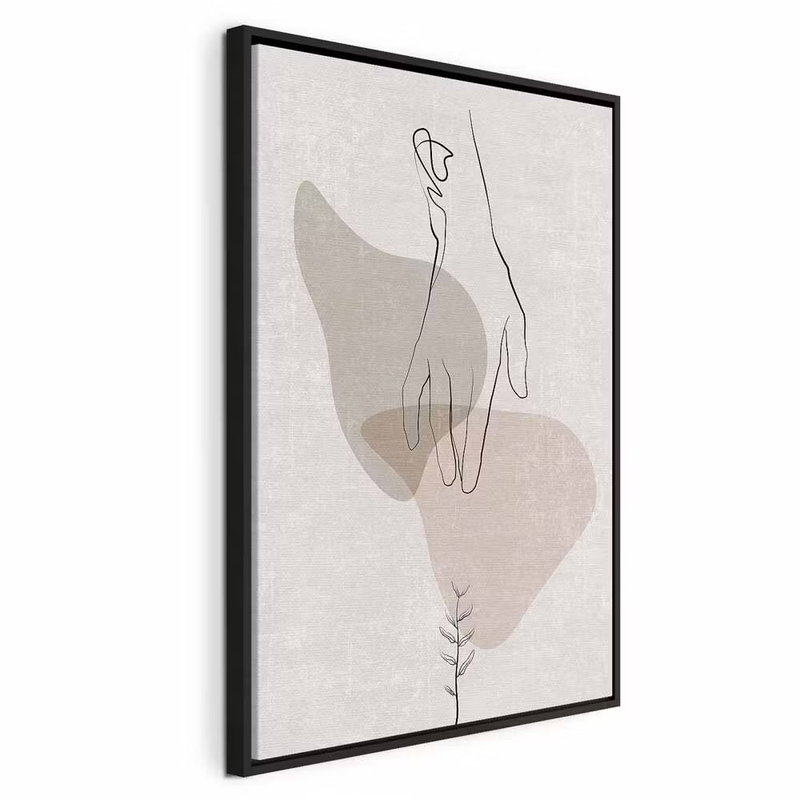
Consider the feeling of the complete drawing. A reclining figure has a different direction from an upright face, while an outlined hand can work as an independent graphic subject. Line art need not consist of one uninterrupted stroke; compare the actual pictures rather than assuming a particular drawing technique.
The background changes how lines appear
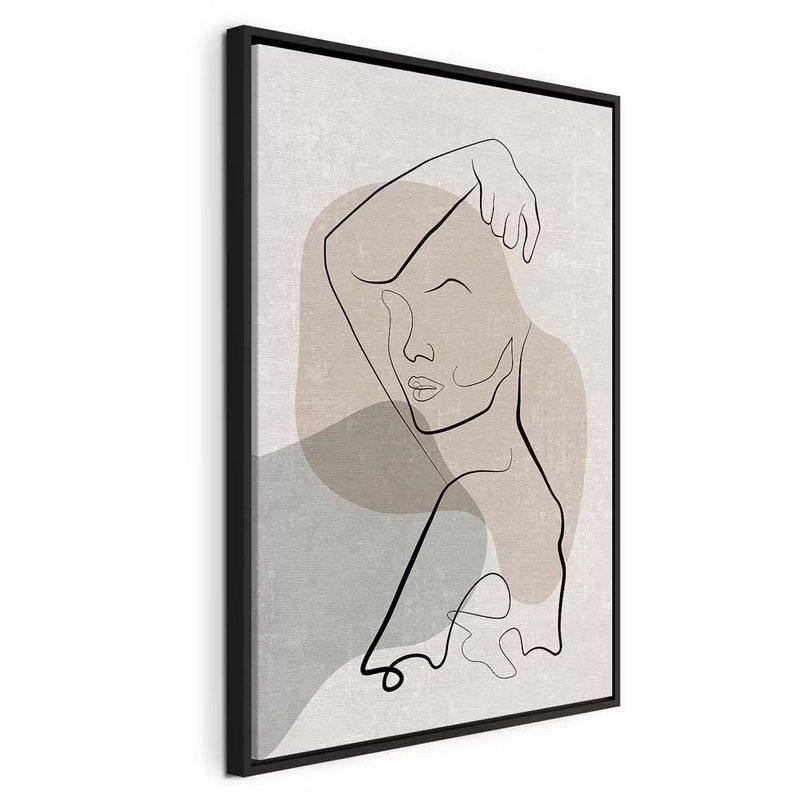
Black against a light background creates clear definition, while finer grey contours can blend more softly into the image. The selection also includes soft colour fields and plant shapes meeting the lines of a face or body. Look at contrast across the composition when positioning it near other patterns.
Beige and warm orange can connect with wood, while pink or grey areas can recur in textiles. The image’s colour composition determines how these parts work together. Assess fine contours at a normal viewing distance and check the product size before deciding.
Frame and space around the drawn form
A visible outer frame separates the print from the wall and defines its thin lines. Check which frame options are available for your chosen product. Use the product photographs to compare frame colour with both the contour and the wall behind it.
Leave some clear wall around the picture. Above a desk, a portrait face can provide a vertical accent; a reclining figure may suit wider furniture. In a group, spacing and related background tones can create coherence without every picture showing the same subject.
Plan the picture’s role in the room too
The line drawing is printed on an acoustic picture. Its absorbent construction can help reduce reverberation, but the result depends on total area, placement and other room materials. A minimal image does not give the picture a different acoustic function from other motifs in the same product execution.
Read product information for dimensions, construction and hanging instructions. Room photographs offer decorating ideas; the individual product details determine what fits your wall. Follow mounting and care instructions so the framed picture and its position work in everyday use.