




Portraits with different kinds of presence
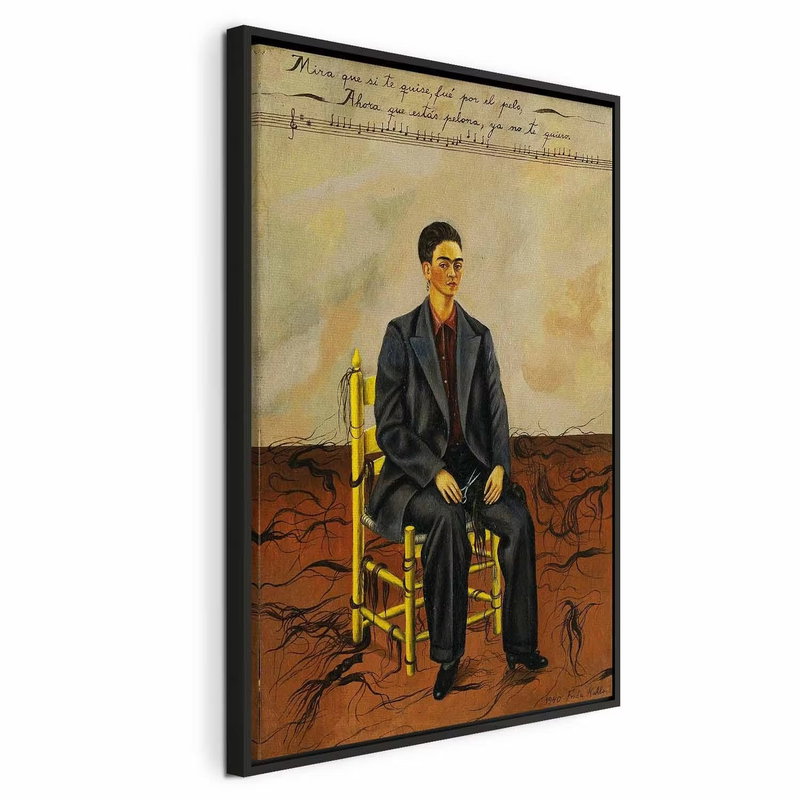
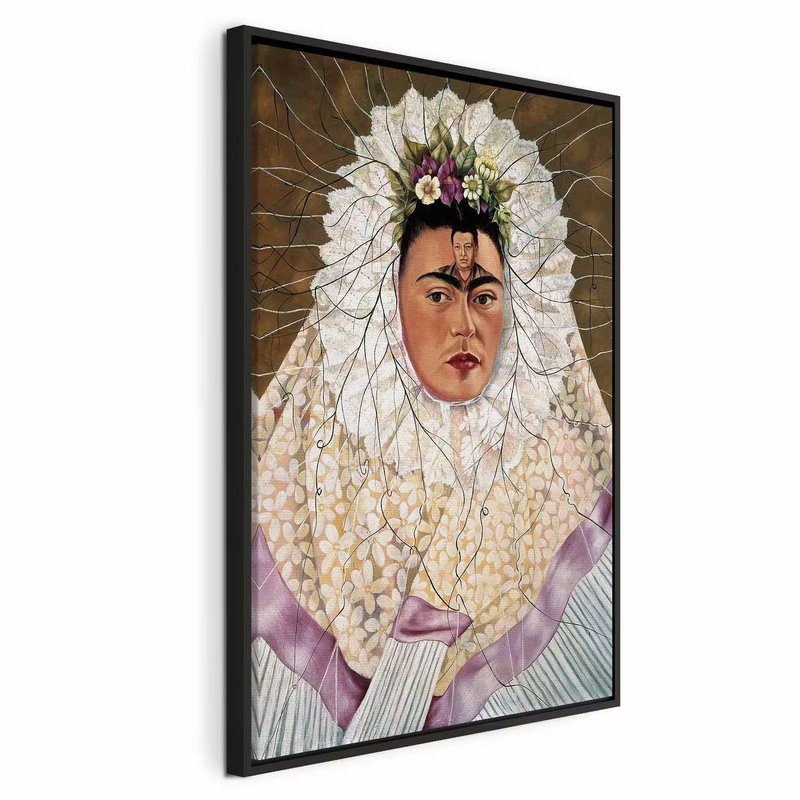
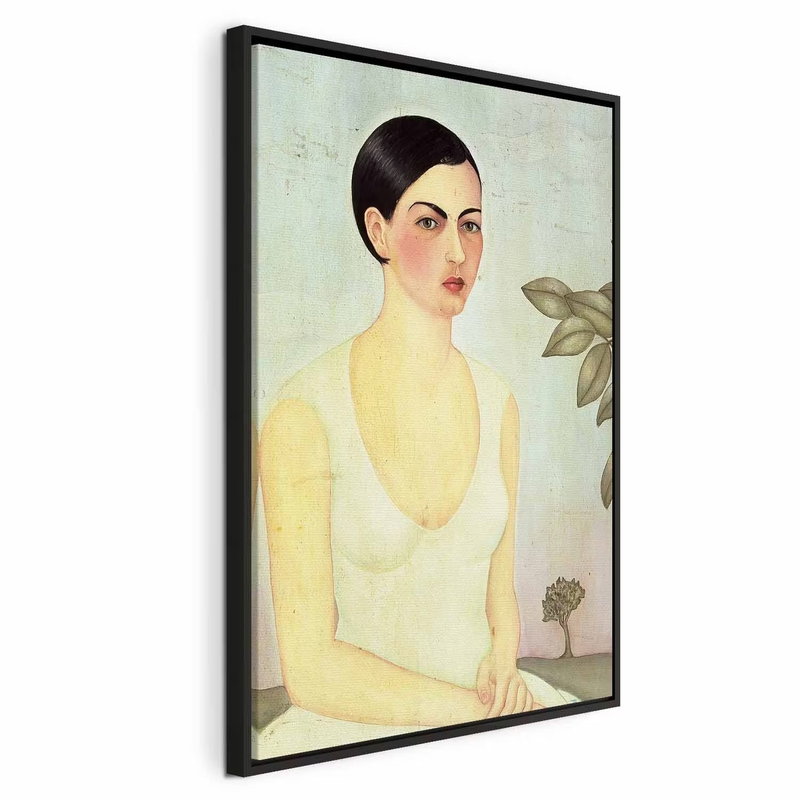
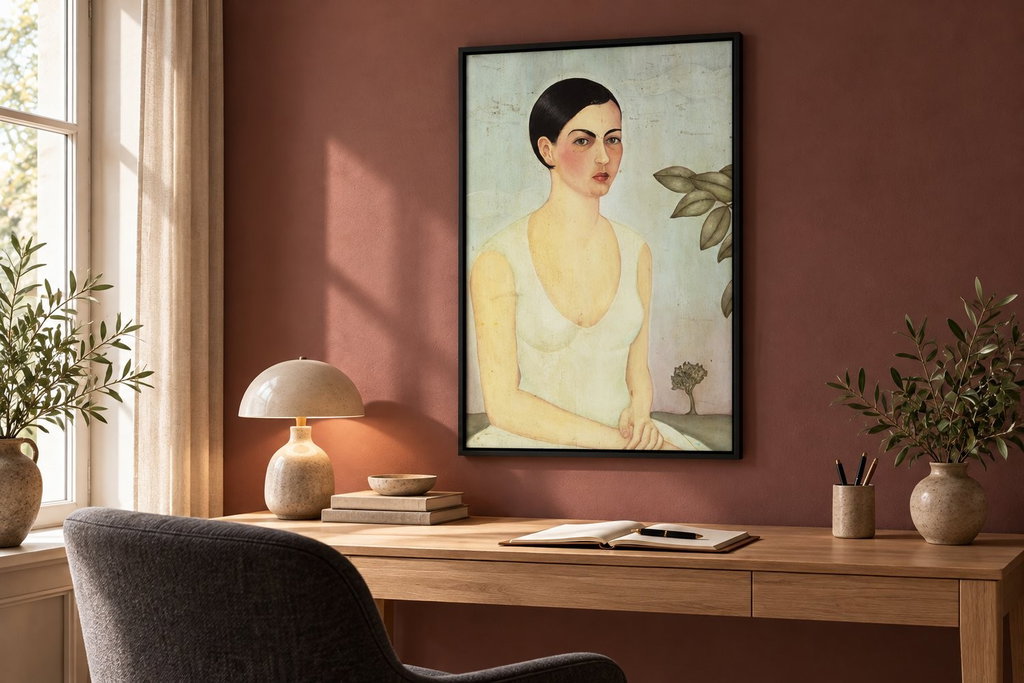
Cristina faces the viewer against a pale background with a leafy branch at one side. In the self-portrait with lace clothing, the headdress fills more of the image, while the person on the yellow chair occupies a more open space. These subjects balance face, clothing and background differently. Choose the presence you want on the wall and judge the actual reproduction, rather than relying on the work’s name alone.
Give narrative scenes room
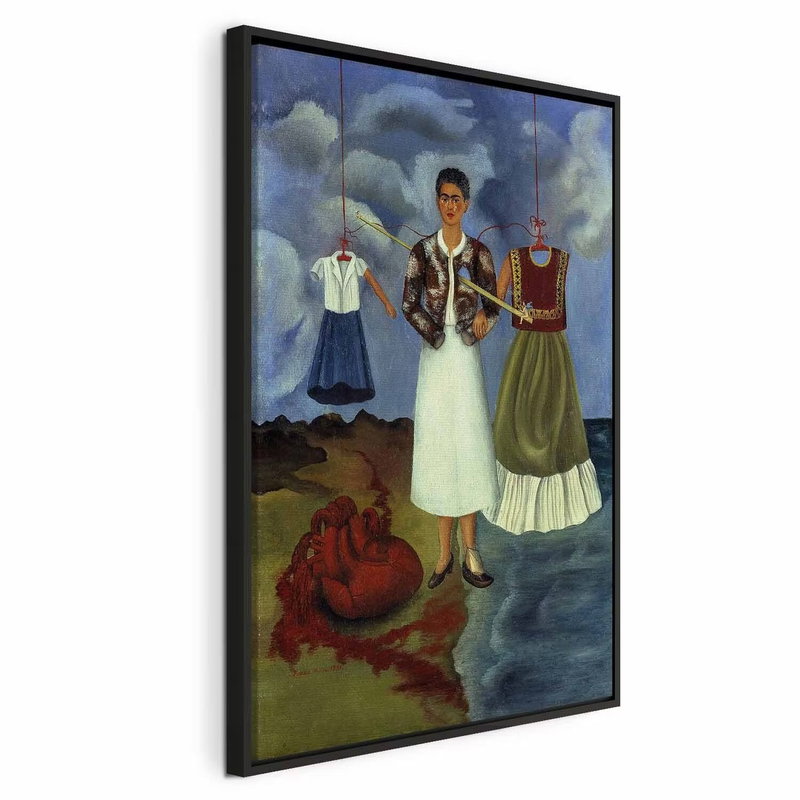
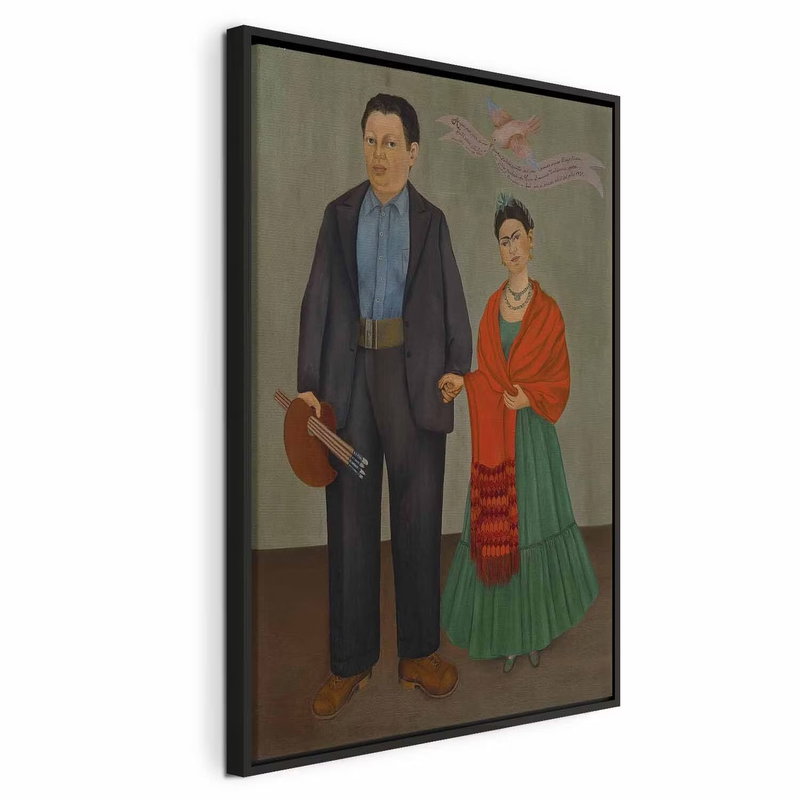
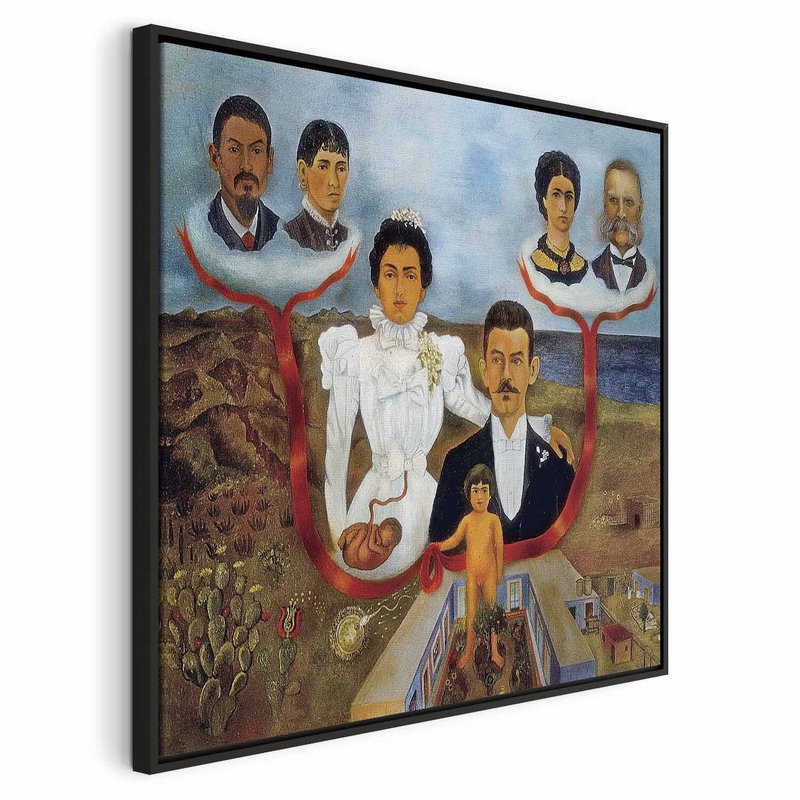
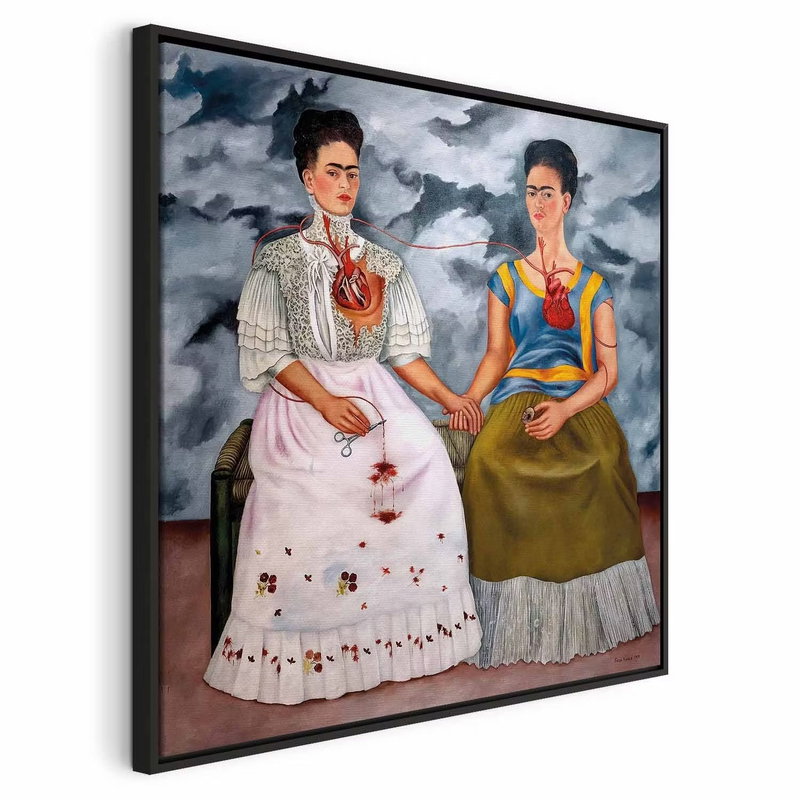
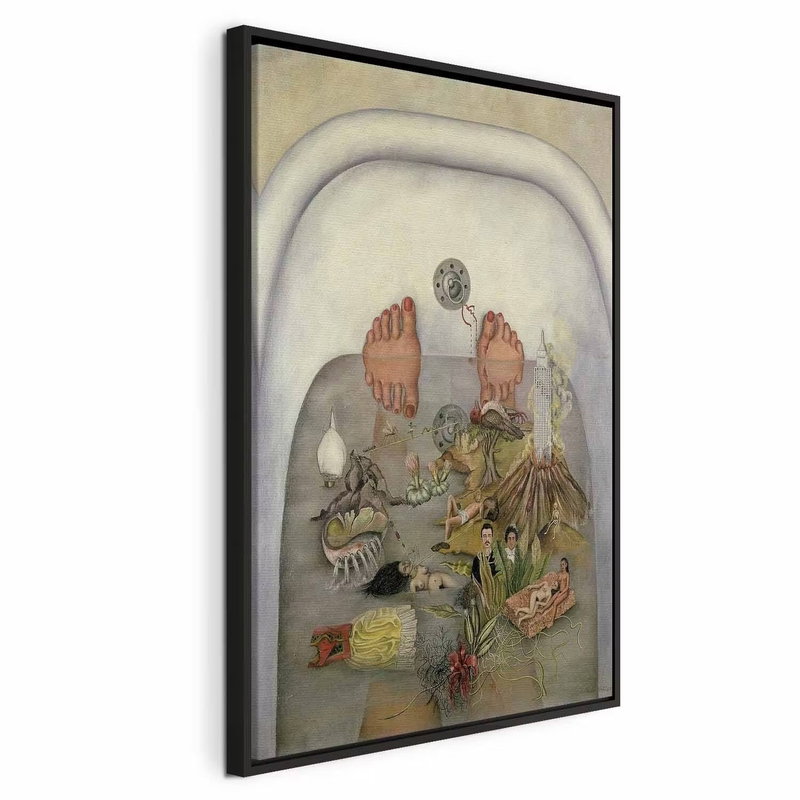
The family picture connects portraits of several generations with red ribbons. Other compositions bring together two seated figures, suspended dresses or small scenes within bathwater. The many parts need to be readable without competing with too much other wall decoration. Try viewing the subject from different positions. An open wall near a seating group can allow more opportunity to discover details than a narrow passage.
Fruit still lifes offer another choice
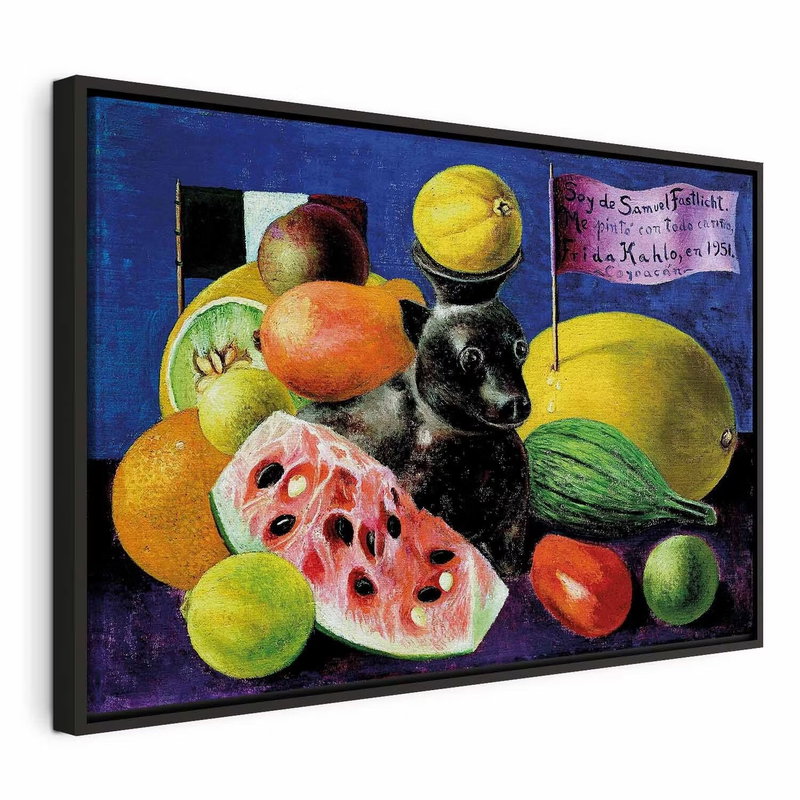
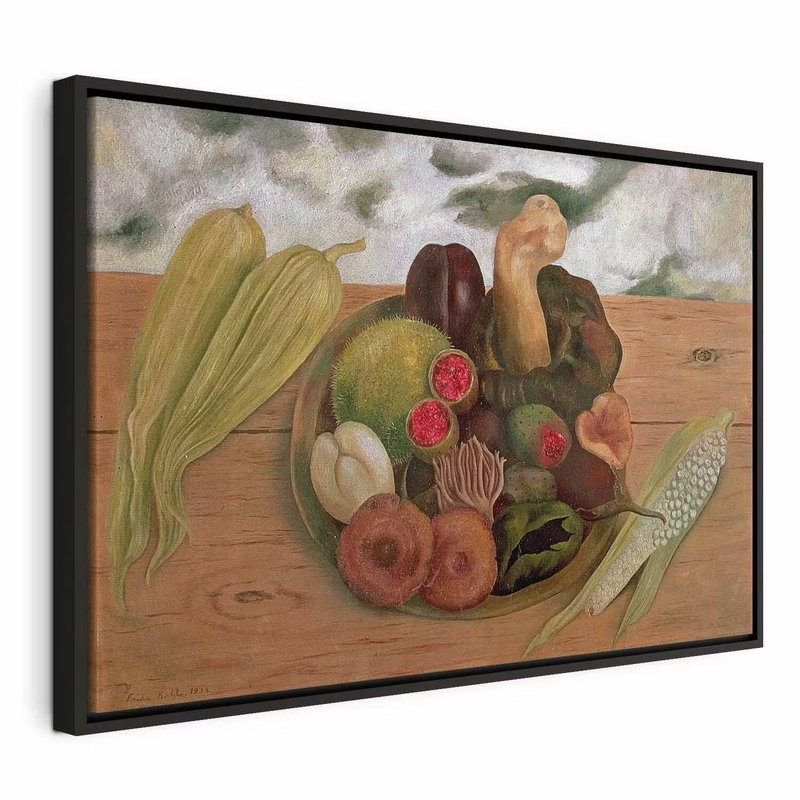
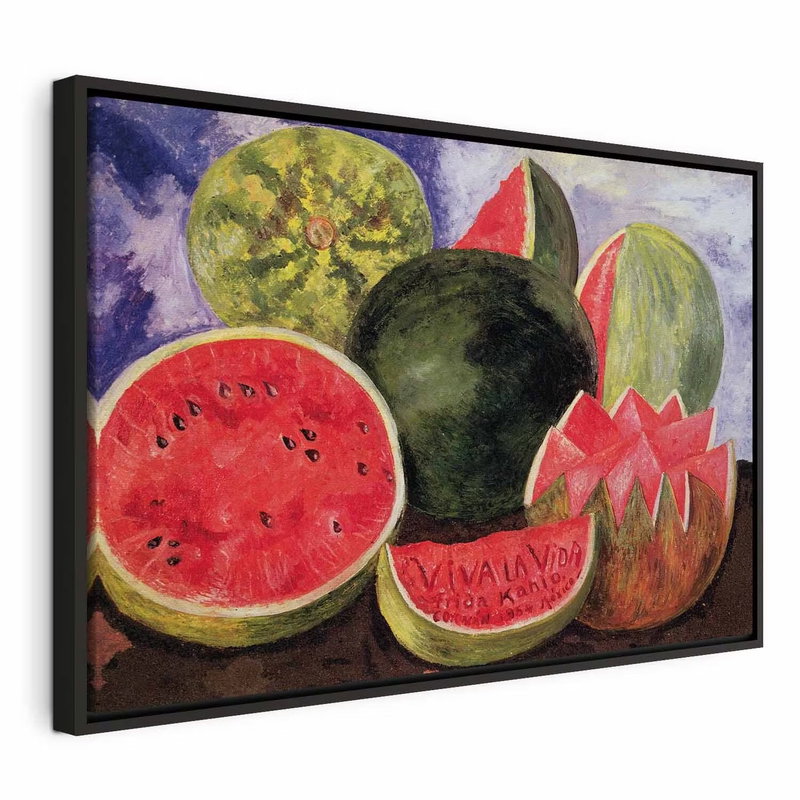
The whole and cut watermelons have distinct red and green areas. The fruit dish with maize and the blue still life with a small dog figurine offer other shapes and backgrounds. The figurine belongs to the arrangement of objects and does not make the entire image an animal portrait. If you prefer objects to a person, start here and connect the palette with textiles, ceramics or wood in the room.
Choose frame and format together
A dark outer frame can define a pale portrait, while a natural-coloured option creates a different relationship with the wall and furniture. Check the frame choices and sizes offered for each picture. A vertical portrait and a horizontal still life require different wall space. Also measure the gap above furniture and beside other pictures. A shared frame can connect a group without every subject needing the same colours.
Plan for image and sound absorption
Behind the reproduction print is the picture’s sound-absorbing construction, which can help reduce reverberation. Its effect depends on placement, hard surfaces and total absorbing area, among other factors. An artist category does not imply a separate performance class. Read the selected model’s construction, hanging and care information. Choose fixings for the wall material and picture weight, and follow the product’s mounting instructions.